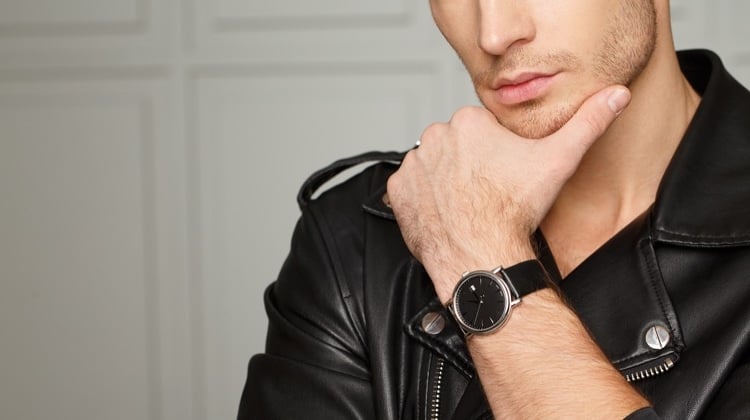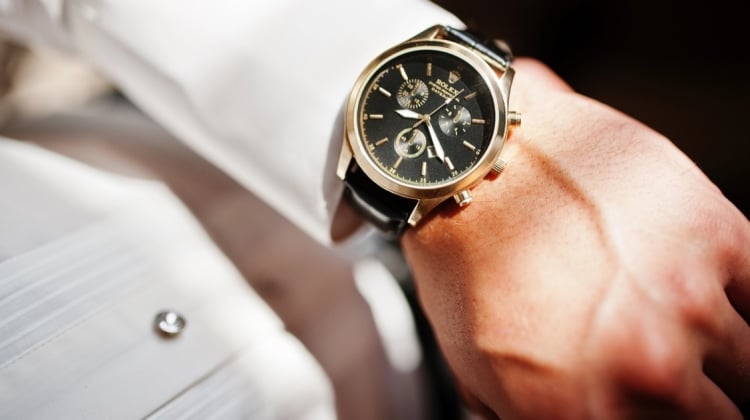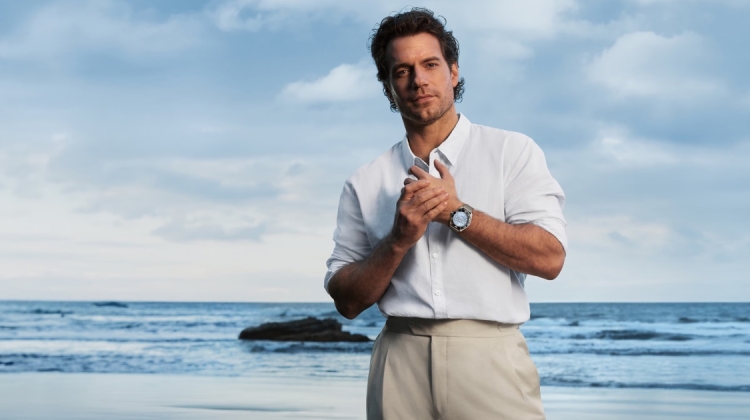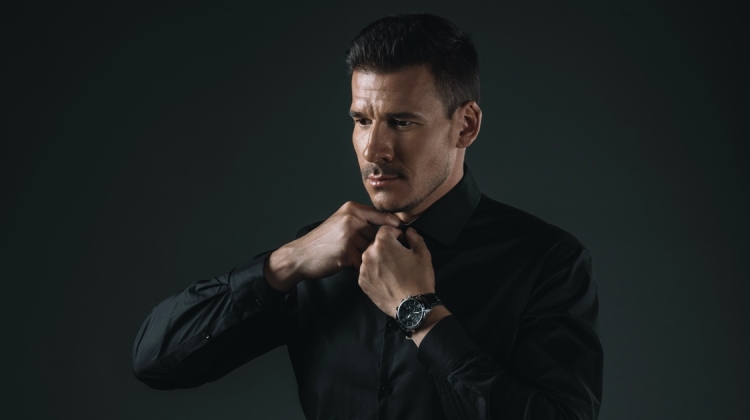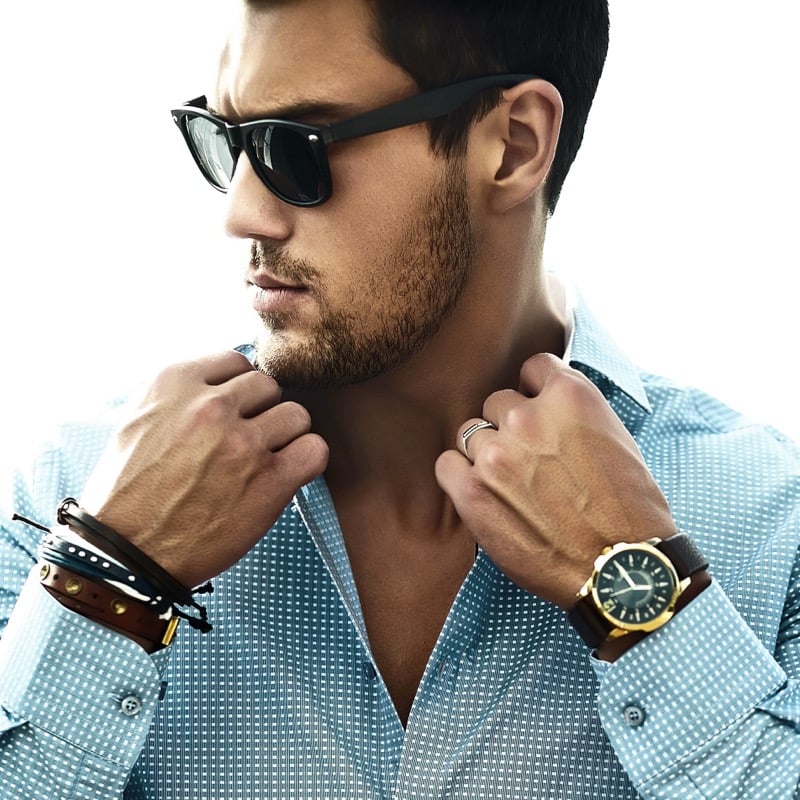
Most men will spend an hour in front of the mirror sorting through jackets, then grab whatever watch sits closest to the door. That habit is worth breaking. The best men’s watches do the most editorial work of any accessory in the smallest amount of space, and they stay visible long after the jacket comes off. The watch sets the tone of a sleeve before the jacket even buttons. The starting point is wardrobe first. The specs come later. A good watch finishes the outfit you are already wearing, then suggests where it can go next, and a great one keeps doing so for the next decade.
The Watch Is the Most Visible Style Decision
The watch is the one piece of jewelry most men allow themselves, and it shows up in every photo, every handshake, every gesture across a table. Three different shirts can change the mood of an outfit. A single watch can do the same job faster. It signals formality, profession, and taste before the first handshake, and it keeps signaling for the rest of the day.
A watch outlasts every other piece you wear that day, including the jacket itself. A good selection of watches for men starts from the same place a wardrobe does, which is honesty about how you spend your days. The watch you choose for your imagined life will sit in a drawer. The watch you choose for your real one will get worn until the strap softens to the shape of your wrist.
Four Watch Personalities & What They Project
Watches sort into a small number of archetypes. A dress chronograph projects something a sport diver cannot, and the same logic runs in reverse. The four collections below cover the spectrum of watches at TAG Heuer, which makes the brand useful as a single-name case study for how watch type changes the meaning of an outfit. Pick the personality first, then the model within it.
The Sharp Dresser (TAG Heuer Carrera)
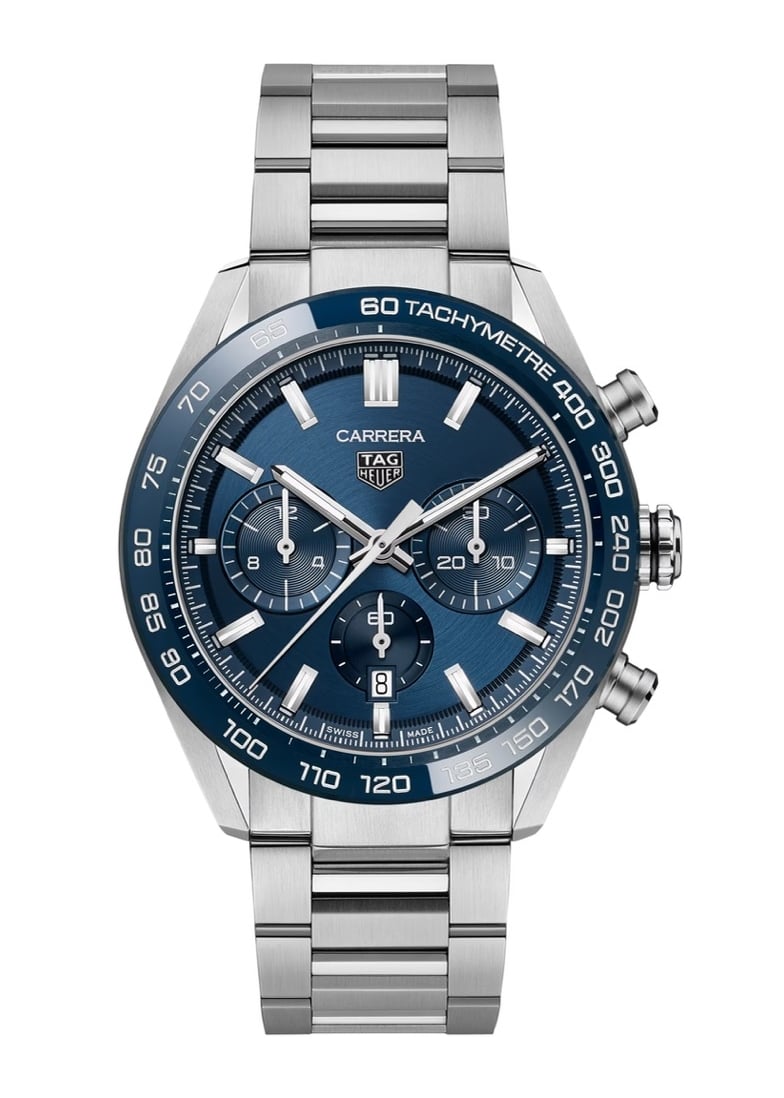
The Carrera is the chronograph for the man whose wardrobe lives in tailoring. Pressed cotton shirts, two-button blazers, leather shoes polished on a Sunday. The watch matches that vocabulary with a slim case, clean dial, and a finish that catches light at a cuff and stays in proportion to it. It belongs in offices, at dinners, and in any setting where the rest of the outfit has already done the work of looking pulled together. The Carrera works with the suit and completes the sentence.
The Weekend Utilitarian (TAG Heuer Aquaracer)
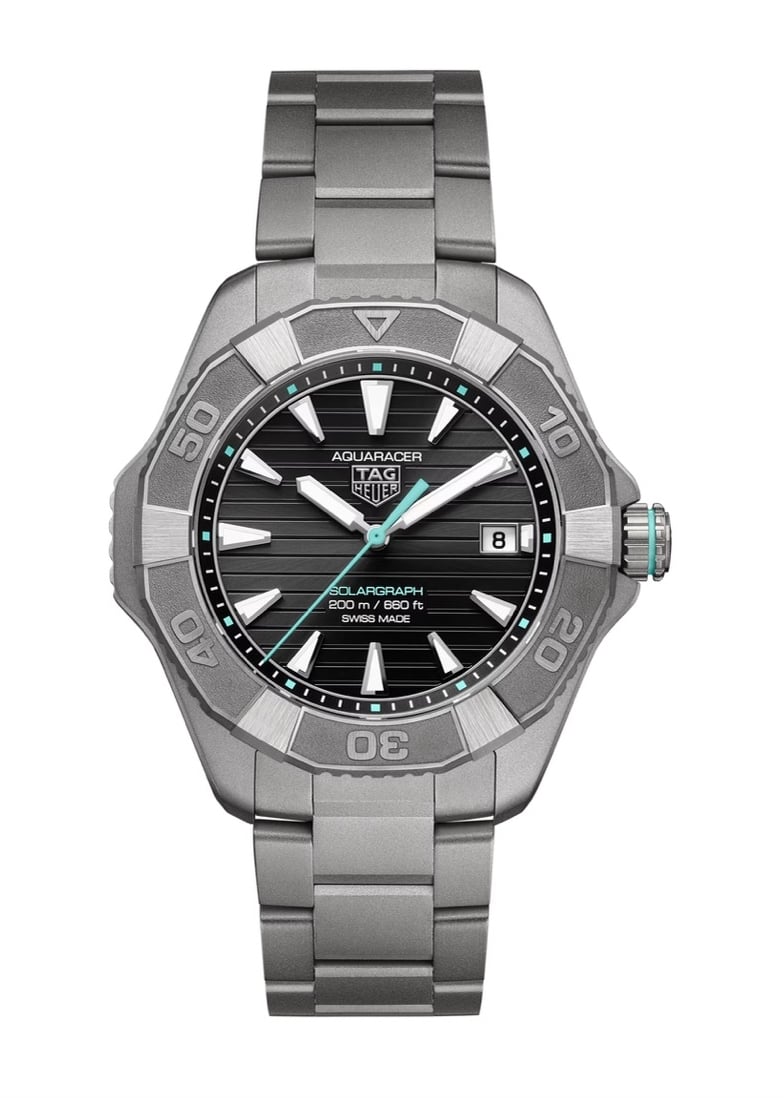
The Aquaracer is the dive watch for the part of your life that happens outside the office. It pairs with chore coats, fisherman knits, raw denim, and any boot with a lug sole. The case takes a knock. The bezel turns under a glove. The bracelet shrugs off salt water and shower spray. Wear it on a flight, on a hike, on a Sunday spent moving furniture, and it goes on doing its job. This is the watch that lets the rest of your wardrobe relax.
The Vintage-Minded Collector (TAG Heuer Monaco)
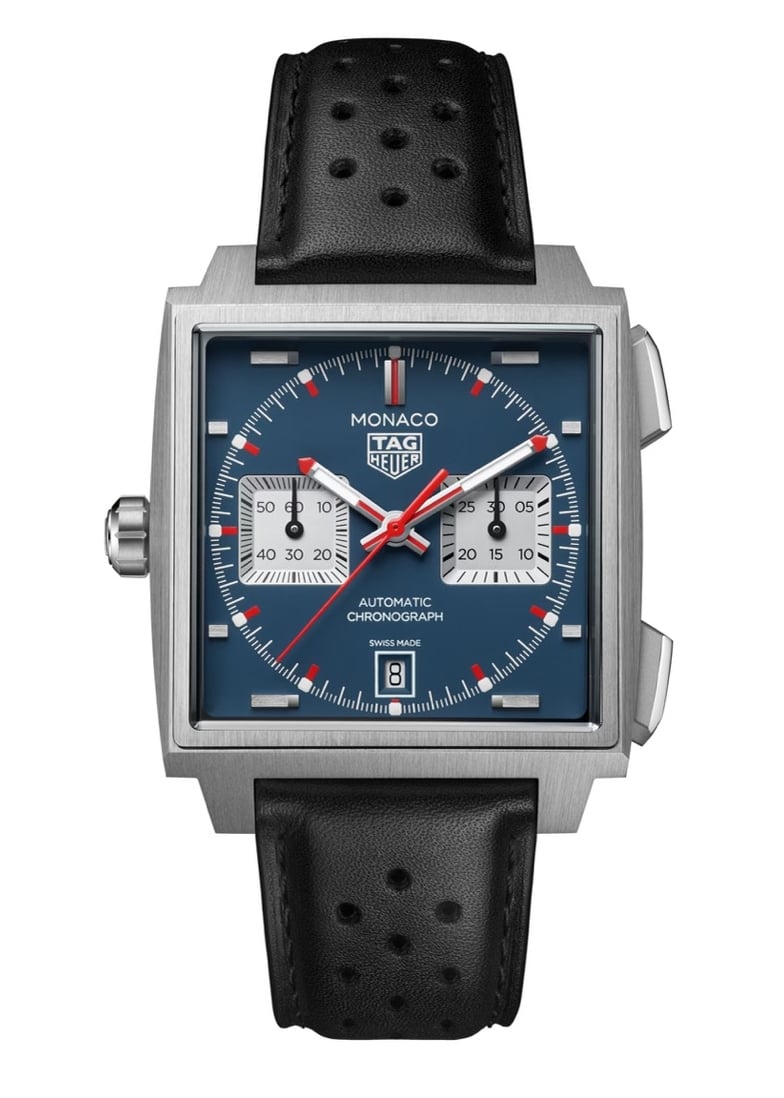
The Monaco is the square watch on a planet of round ones. Steve McQueen wore one in Le Mans in 1971, and the watch has lived inside that association for fifty years. It pairs with corduroy, suede, raw silk, vintage tailoring, and anything textured enough to stand up next to a case that asks to be looked at. The Monaco is a conversation piece in the literal sense, which means the rest of the outfit should give it room to talk. Pair it with the wrong sleeve and the watch looks costumed. Pair it with the right one and the watch becomes the reason the photo gets taken.
The Bold Casual (TAG Heuer Formula 1)
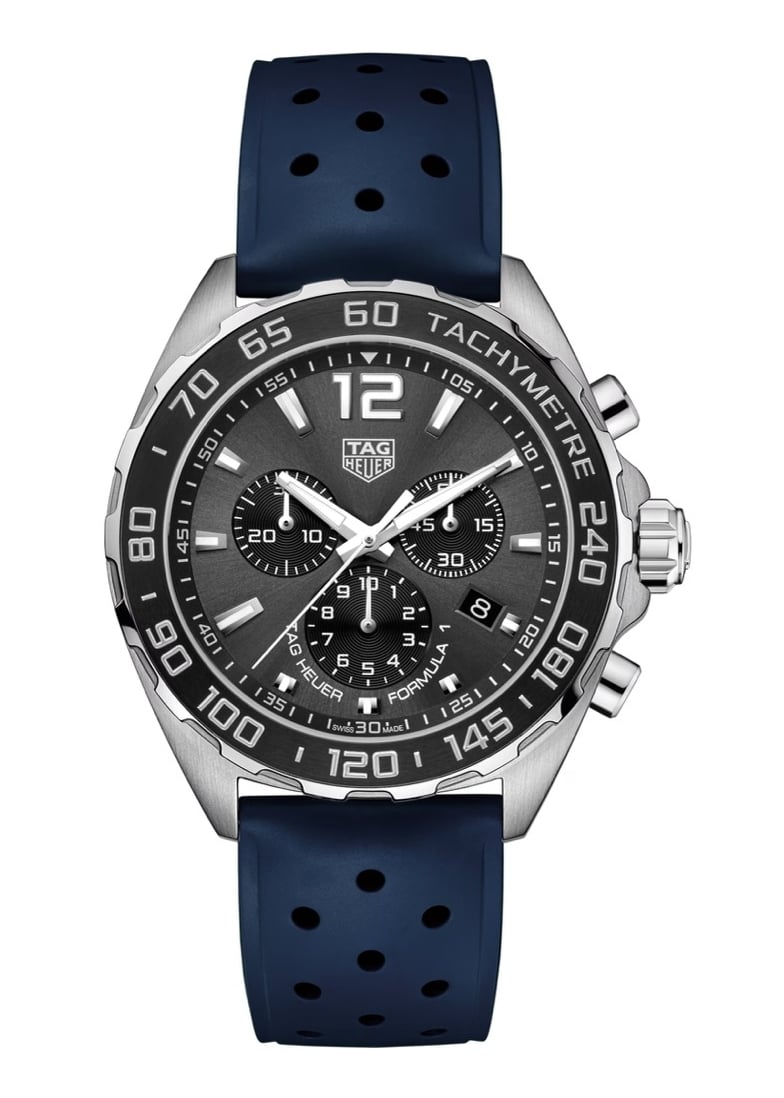
The Formula 1 is the watch for the man who runs his wardrobe like a record collection. It comes in colors, runs on quartz, and lives happily on a rubber strap. The Formula 1 looks at home with a bomber, a clean tee, white sneakers, and a denim jacket that has been washed enough times to fade at the elbows. The Formula 1 belongs in casual territory and stays there happily. It signals that the wearer dresses for the day in front of him, then gets on with it. For a creative environment, this is the watch that says you are comfortable.
| Style Personality | Watch Type | TAG Heuer Collection | Pairs With | Best For |
|---|---|---|---|---|
| Sharp Dresser | Chronograph | Carrera | Tailoring, blazers, dress shirts | Office, evening events |
| Weekend Utilitarian | Dive Watch | Aquaracer | Knitwear, chore coats, denim | Travel, off-duty days |
| Vintage Collector | Square Chronograph | Monaco | Textured layers, statement coats | Social events, creative settings |
| Bold Casual | Sport Watch | Formula 1 | Streetwear, bombers, clean basics | Everyday, casual creative |
How to Match Watches for Men to Your Wardrobe
The simplest method works in two steps. Look at the last ten days of what you wore, and pick the personality closest to seventy percent of those outfits. A man who lives in suits should start at the Carrera, the watch most at home with an old money aesthetic. A man who lives in denim and outerwear should start at the Aquaracer, which pairs with everything from raw selvedge to a denim jacket softened by years of wear. A man who works in a creative office and goes out at night might pick the Monaco. A man whose week is one bomber and a clean pair of sneakers belongs in the Formula 1.
If you own one watch, pick for the seventy. If you own two, get the dress chronograph and the sport diver and stop looking. TAG Heuer covers the full spectrum, which spares you the trouble of jumping between brands to fill the gaps. The point is matching the watch to how you live, then letting it work harder than any other accessory you own.
A Few Things Worth Knowing Before You Buy
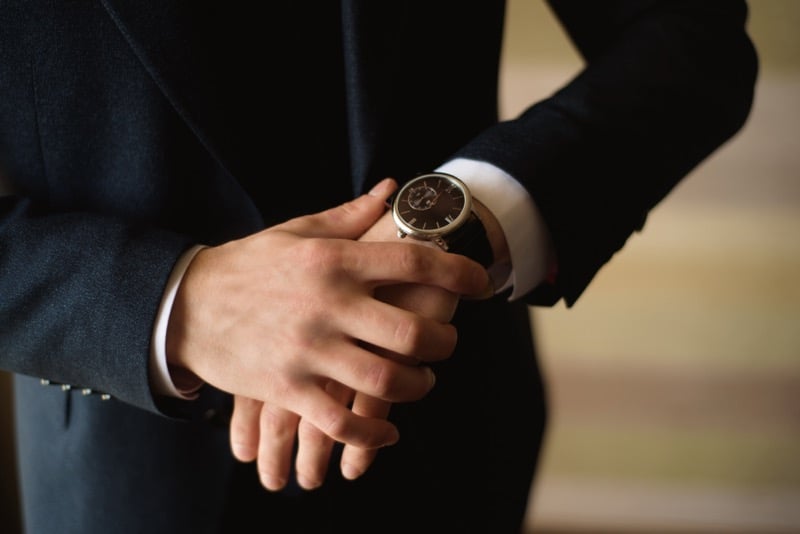
A leather strap shifts the same watch toward formality. A steel bracelet pulls it toward weekend wear. A rubber strap sends it casual. Changing the strap is the cheapest way to alter a watch’s character, and most owners leave the original on for years.
Case size matters in proportion, and the number on the spec sheet matters less. A 39 to 42mm case suits the majority of wrists. The lugs should sit flat on the wrist, end to end, and the dial should be readable at a glance. Automatic movements feel mechanical and satisfying. Quartz movements run for years on a battery and free you from the winding habit. The right choice is whichever one you forget you are wearing.
The Watch Is the Detail People Remember
A good watch outlives a season of trends, a job change, and most of the clothes you own. Wardrobes turn over. Jobs change. The watch on your wrist becomes the one piece of you that keeps its shape, and the man who chose well at the beginning gets to wear the proof for the next thirty years.
Frequently Asked Questions
How do I know which watch style suits me?
Look at your wardrobe before you look at watches. If you wear tailoring most days, a dress chronograph fits how you already dress. If you default to denim and outerwear, a sport or dive watch sits more naturally on your wrist. The watch should follow the clothes, and the rest takes care of itself.
Can one watch work for every occasion?
A steel chronograph on a bracelet comes closest. It moves between a suit and a weekend outfit with a strap swap, and the neutral finish lets it work with most palettes. A brightly colored sport watch handles fewer settings well, though it wins on the days where it fits.
Does case size matter?
The wrist tells you more than the spec sheet does. A 39 to 42mm case suits most wrists. The lugs should sit flat on the wrist and the dial should be readable at a glance. A watch lost on the wrist looks borrowed. A watch overhanging the wrist looks rented.
What is more important, the watch or the strap?
Both. The strap changes the personality of the watch as fast as a shirt change does for an outfit. Most owners own one strap per watch and stop there. A second strap doubles the range of where the watch can go, and a third turns one purchase into a small collection.
How much should I spend on a first good watch?
Spend enough that the watch feels worth respecting. Stop short of an amount that keeps it in the safe. An entry-level Swiss automatic performs for years and pairs with most wardrobes. A watch only justifies its price when it gets worn.