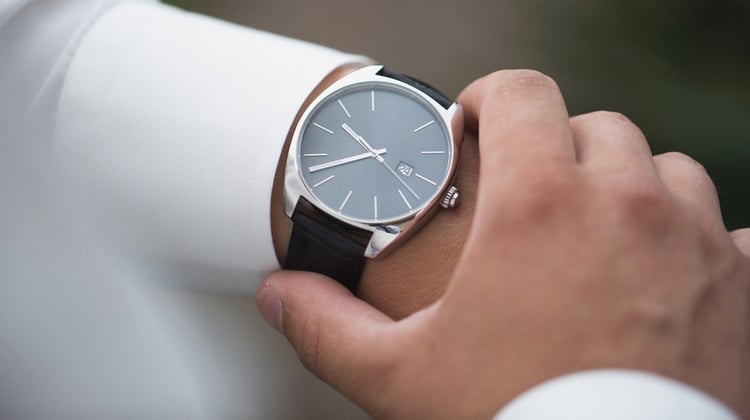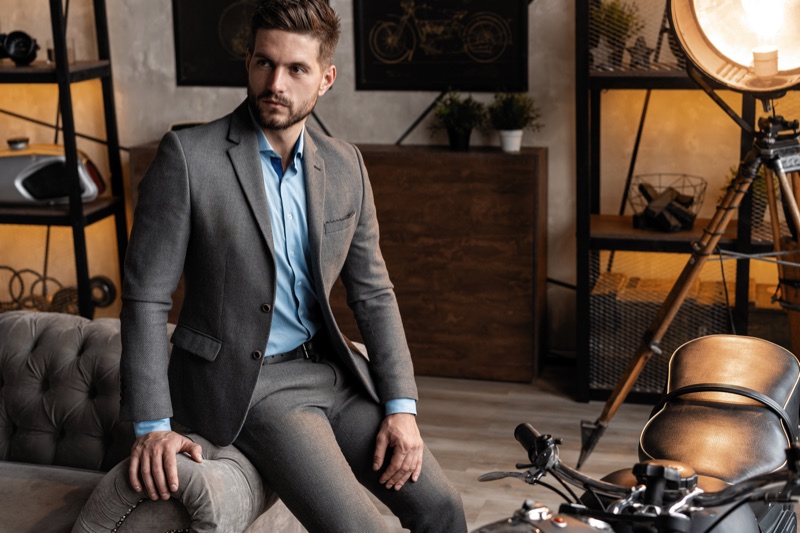
The modern gentleman’s approach to style has undergone a subtle revolution. Gone are the days of chasing fleeting trends and accumulating disposable garments. Today, the focus is on building a luxury wardrobe with intent, permanence, and intelligence.
The result is a collection of pieces that offer returns in both style and substance. This strategic mindset is the source of investment dressing. Central to this evolution of luxury is the burgeoning world of pre-owned menswear. It’s a sophisticated marketplace that provides access to unparalleled quality and design.
Platforms like Sanpetuna are at the forefront, transforming the act of shopping from a mere transaction into a calculated selection of one’s personal aesthetic. This proves that true luxury is not about what is new, but what endures.
The Economic Imperative of Pre-Owned High Fashion
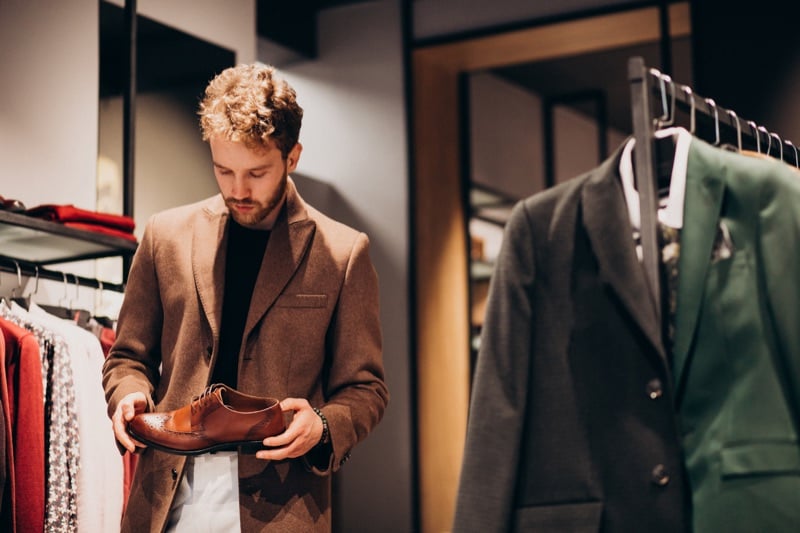
The most compelling argument for embracing pre-owned luxury lies in its undeniable financial logic. This approach democratizes access to the highest levels of menswear, allowing discerning individuals to acquire pieces from heritage brands like Zegna or Brunello Cucinelli at a fraction of their original retail price.
This is about strategic acquisition. A brand-new luxury item experiences its most significant depreciation the moment it leaves the boutique. In contrast, a pre-owned piece has already absorbed this initial loss, meaning its value is far more stable and, in some cases, may even appreciate over time.
This recalibrates the entire concept of affordability through the lens of “cost-per-wear.” A well-crafted, pre-owned overcoat that lasts a decade is an infinitely wiser purchase than a series of mass-market alternatives that require replacement every other season.
The principle of investment dressing is rooted in this understanding: paying for craftsmanship that endures, rather than for a brand name’s seasonal marketing budget. It is the art of building a high-value sartorial portfolio on a smart budget.
“The modern man doesn’t just buy clothes; he curates a legacy. Pre-owned luxury is the cornerstone of that collection, offering heritage without the initial premium.” – Jonathan Avery, Stylist & Wardrobe Consultant.
Unlocking Unparalleled Craftsmanship & Timeless Silhouettes
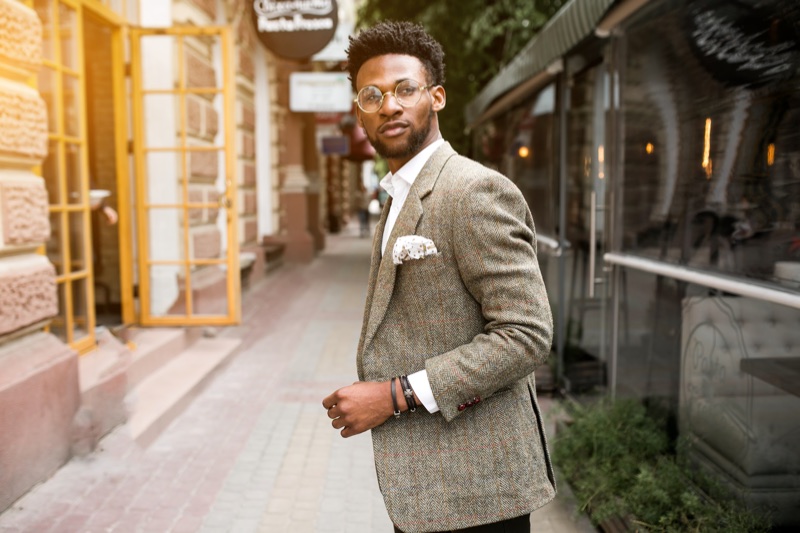
Beyond the price tag, the pre-owned market serves as an archive of superior work that is often absent in contemporary retail. It provides access to garments from eras when production was less industrialized and attention to detail was paramount.
This means discovering jackets with hand-sewn canvas interlinings, shoes constructed with Goodyear welts built to be resoled for a lifetime, and knitwear woven from yarns that are now prohibitively expensive for most brands.
Furthermore, these collections offer a refuge from the often-exaggerated silhouettes of the current season. Instead, one finds timeless designs that have proven their aesthetic longevity.
From the perfect drape of a 1990s Armani blazer, to the classic cut of a vintage Burberry trench, or the elegant taper of decade-old Kiton trousers. This focus on enduring forms allows a man to build a cohesive and versatile wardrobe that transcends trends.
This practice is fundamentally about acquiring pieces whose design and quality are immune to the passage of time.
The Sustainability Factor: A Conscious Approach to Style
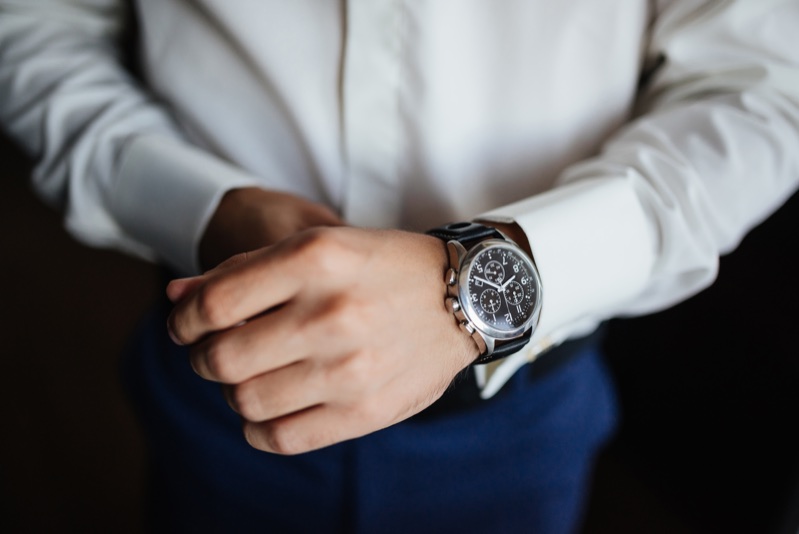
Choosing pre-owned menswear is an inherently sustainable act. The modern fashion industry is notorious for its environmental impact, from water consumption and chemical dyes to landfill waste.
Opting for a pre-owned garment directly counters this cycle of overproduction and disposability. It extends the life of an existing item, maximizing the resources that were invested in its creation and preventing it from becoming waste.
This aligns with a growing global consciousness that values responsibility as much as aesthetics. Such an approach transforms personal style into a statement of principles. It champions a circular economy where quality goods are kept in circulation, appreciated, and passed on.
For the modern man, this is a powerful proposition. It means his wardrobe can reflect not only his taste but also his values. Each pre-owned piece carries a lighter environmental footprint, making it a choice that feels as good as it looks.
The strategy goes beyond personal gain and is now about contributing to a more sustainable and thoughtful fashion ecosystem.
Creating a Unique Sartorial Identity
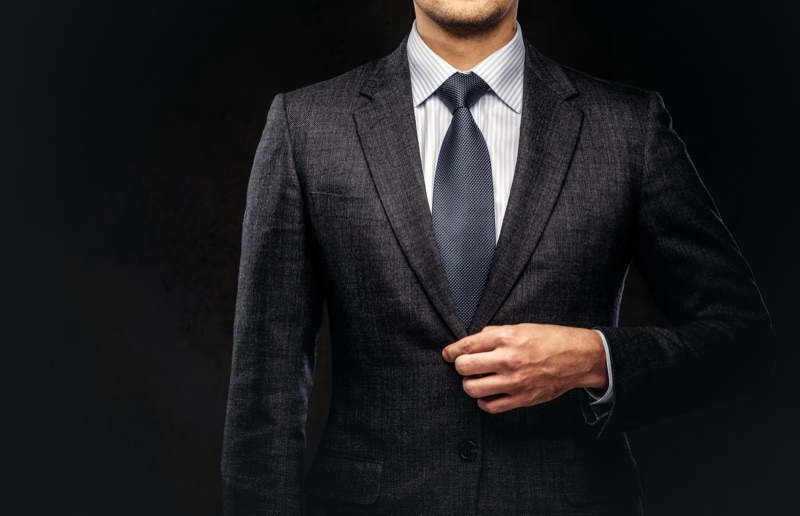
In an age of globalized retail and algorithm-driven trends, the pre-owned market offers the ultimate sartorial antidote: genuine individuality. While mainstream luxury stores stock the same seasonal collections worldwide, highly edited platforms provide access to rare, archived, and discontinued pieces that ensure your style remains your own.
It is the difference between buying a look and cultivating an identity. This is where the true art of dressing begins. You find items that resonate on a personal level, regardless of their release date.
This process of discovery allows for the creation of a deeply personal and layered wardrobe. It’s about storytelling rather than clothing. A vintage watch, a beautifully patinated leather jacket, or a silk tie from a defunct Neapolitan house all carry a history that adds depth to an ensemble. To build such a collection, focus on iconic archetypes:
- A classic, hand-welted leather loafer or oxford shoe.
- A well-structured blazer from a renowned Italian or British tailor.
- A vintage cashmere sweater with a substantial, luxurious hand-feel.
- A distinctive piece of outerwear, like a trench coat or a field jacket, from a heritage brand.
- A timepiece from a past collection that offers unique character.
Navigating the Pre-Owned Market: A Strategic Guide
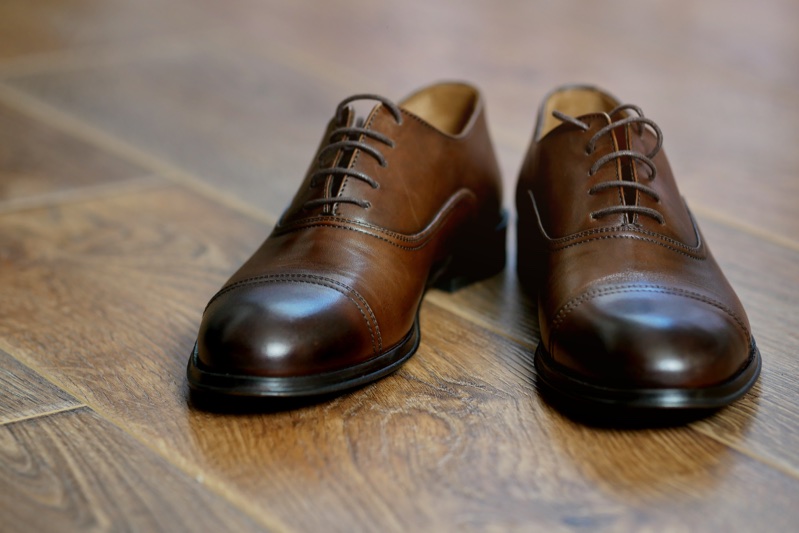
Successfully engaging in pre-owned luxury requires a discerning eye and a trusted source. The key is to navigate away from sprawling, unvetted marketplaces and toward highly edited platforms that prioritize authenticity, condition, and presentation.
These premium purveyors provide detailed descriptions, professional photography, and stringent authentication processes, removing the guesswork and risk from the buying process.
When evaluating a potential acquisition, focus on the fundamentals: the quality of the material, the integrity of the construction, and the timelessness of the design. A well-made garment will show its quality even after years of gentle use.
Understanding a brand’s signature cuts and materials from different eras can also provide an advantage. The ultimate goal is to build a wardrobe that functions as a cohesive system, where each piece complements the others. The distinction between a standard retail purchase and a strategic pre-owned acquisition is stark.
| Feature | Brand-New Luxury Retail | Curated Pre-Owned Luxury |
| Price Point | Highest retail premium | Accessible entry point |
| Value Retention | High initial depreciation | Stable or appreciating |
| Uniqueness | Seasonally ubiquitous | Often rare or unique |
| Craftsmanship | Varies by collection | Access to “golden eras” |
| Sustainability | High resource consumption | Promotes circularity |
Ultimately, this modern approach to building a wardrobe is a shift in fashion. It is a move away from the fleeting wardrobe toward the more permanent, transforming the closet from a collection of clothes into a portfolio of carefully selected assets. It is a smarter, more sustainable, and infinitely more stylish way to dress.