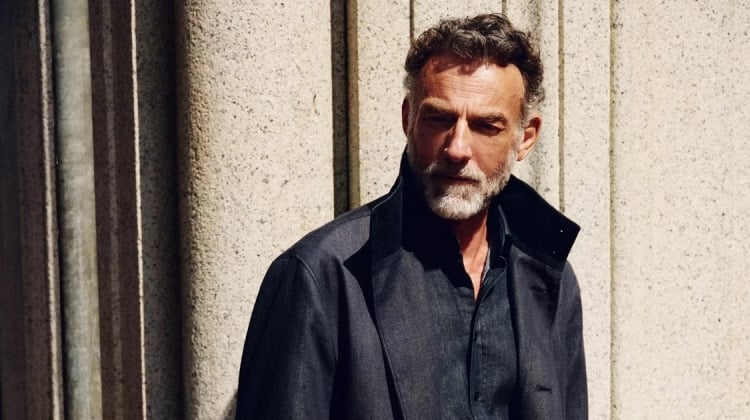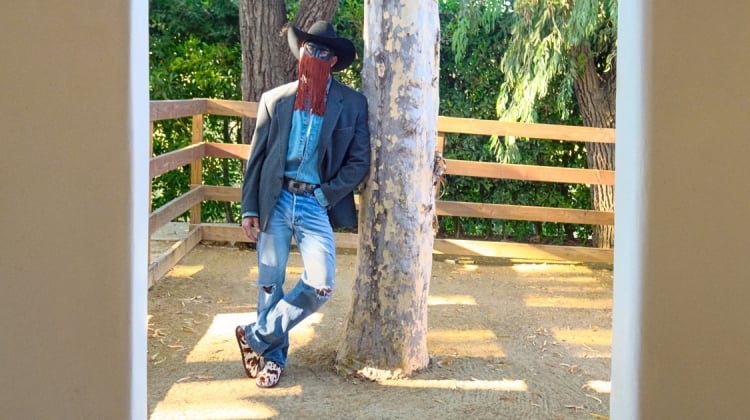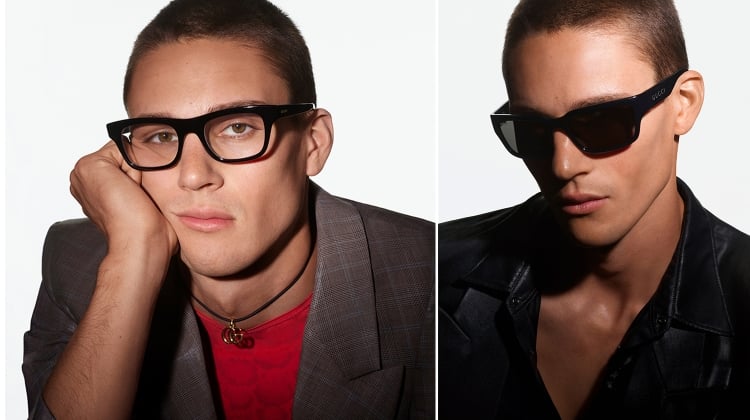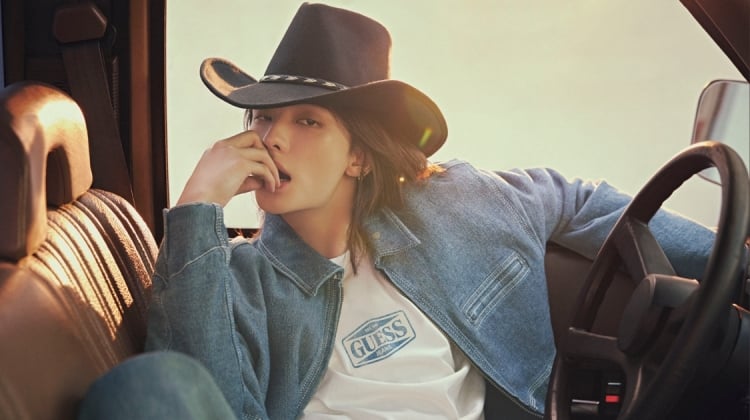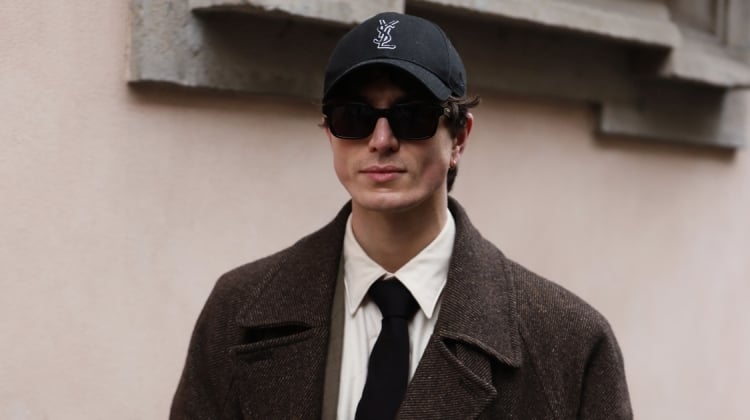
The T-shirt has moved past its basic reputation. For men now, it works like a uniform: easy, repeatable, personal, and stylish in a way that never announces itself.
The right tee sits under tailoring without looking underdressed, sharpens a denim outfit without competing with it, and carries a logo without tipping into promotional territory. It is the one garment that crosses every category of men’s style and loses nothing in translation.
That kind of versatility used to belong to the white Oxford shirt. The T-shirt has quietly taken the title.
The T-Shirt as the New Everyday Base
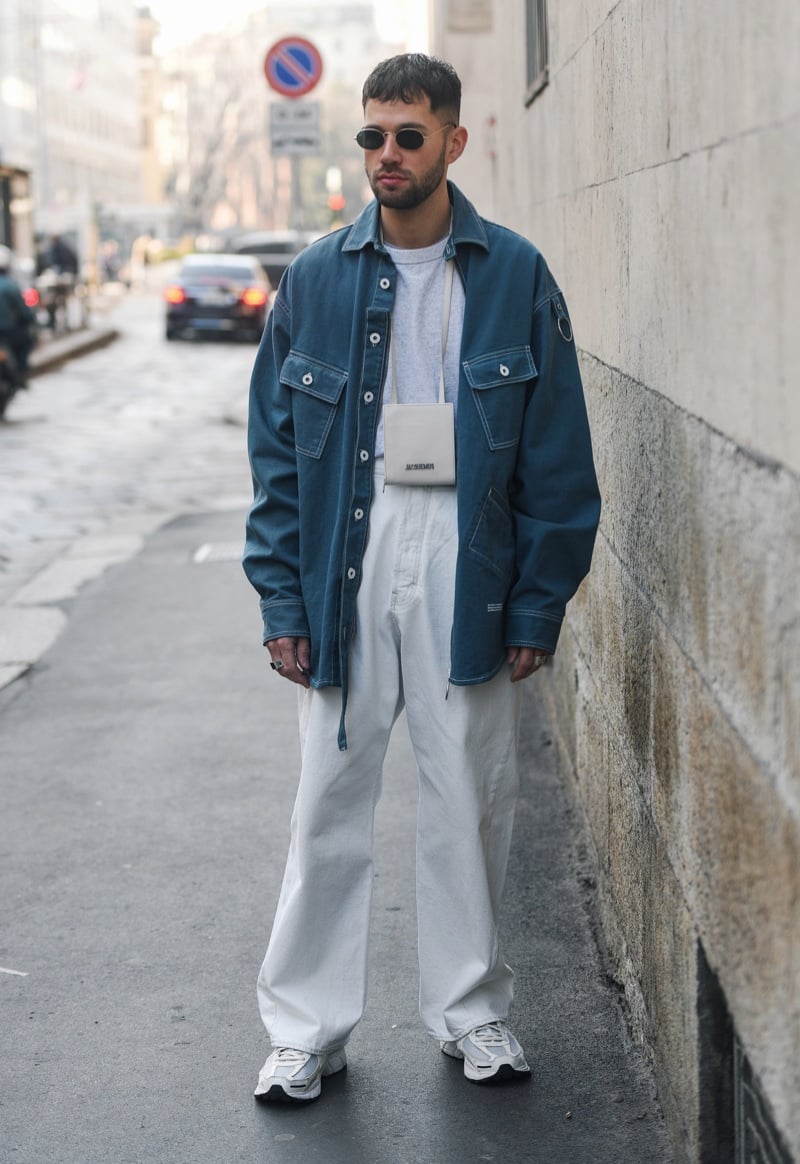
Men are no longer building outfits and adding a T-shirt at the end. The tee is where the outfit starts. A well-chosen one under a chore coat, paired with tailored trousers or worn alone with the right denim, communicates taste through simplicity.
Custom tees, branded basics, and small-run merch produced through logo t-shirt printing services have made the personal tee into a style statement that a boutique rack cannot replicate. The everyday base layer is now an intentional one.
The T-shirt has always been a mirror for the culture wearing it. It slipped out from underneath dress shirts in the 1950s and never went back. By the ’90s, it had become the foundation of an entire streetwear generation, and now it has arrived somewhere more focused.
It’s a garment that serious dressers treat as the backbone of a wardrobe rather than a placeholder.
Fit Is the Real Status Symbol
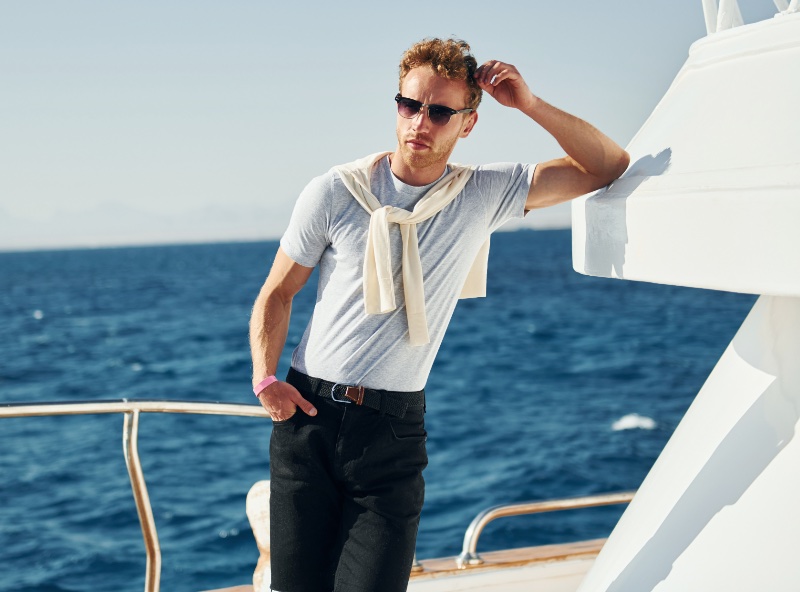
Fit communicates what branding used to, and it does it without making any noise. A boxy cut that sits wide across the shoulders says something different from a cropped hem worn against wide-leg trousers, which says something different still from a fitted silhouette that follows the torso cleanly.
Men who understand this are choosing their cut the same way they choose a jacket. It’s with proportion in mind. The result is that two men can wear an identical colorway, and one looks intentional while the other looks like he grabbed the first thing on the shelf.
Heavyweight cotton has become the clearest marker of a tee worth keeping. Fabrics running 250 grams per square meter and above hold their shape, drape properly, and survive a real laundry cycle.
The Return of the Logo Tee
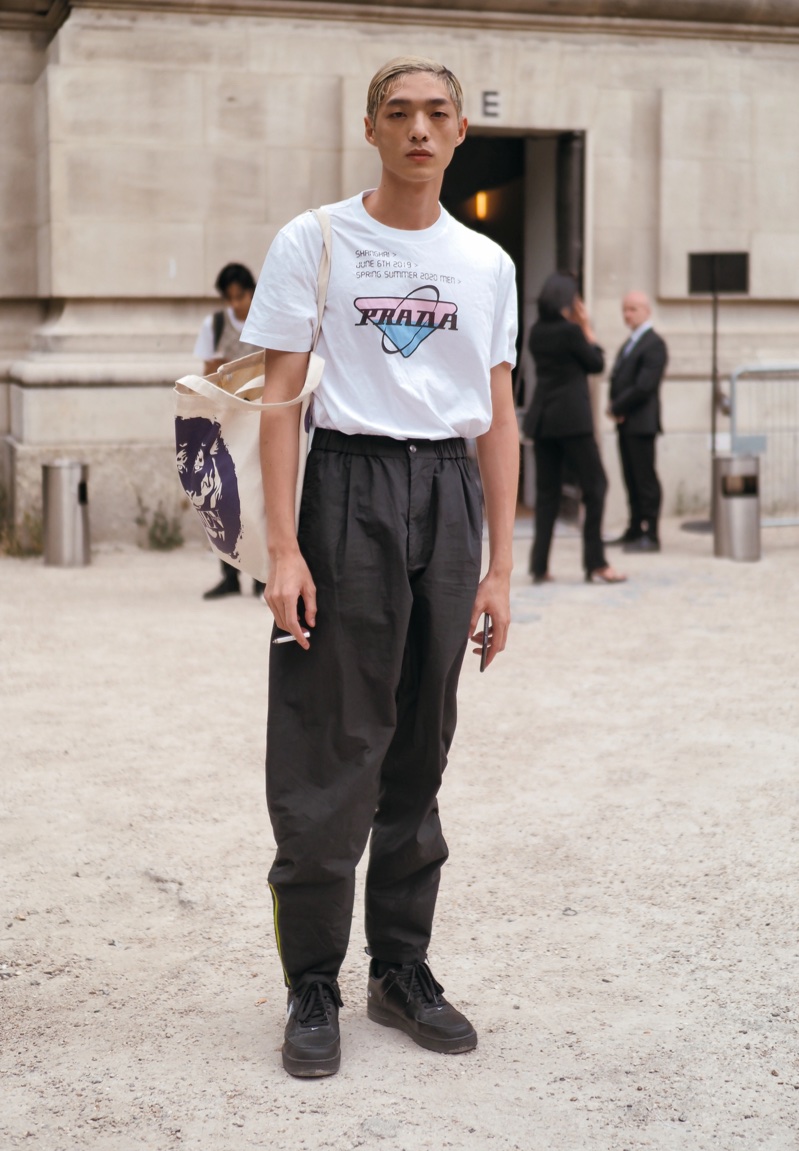
The logo tee never disappeared. It just needed time to shed the rhinestones. What men are reaching for now is tonal embroidery on a chest pocket or a small independent label mark placed low on the hem.
It could also be a vintage-style graphic that references a record, a city, or a subculture in a way that rewards people who recognize it.
Custom and small-run tees produced through specialized printing services have extended this territory into something personal. Men are wearing tees that represent their own creative projects, local businesses, or tight-knit communities.
Those pieces carry weight that no retailer-produced graphic can manufacture. A logo tee today feels designed rather than distributed, or it does not land at all.
How Men Are Styling T-Shirts With Tailoring

Pairing a T-shirt with a blazer used to read as a man who forgot to finish getting dressed. That era is over. A plain heavyweight tee underneath a structured wool blazer has become close to a contemporary uniform for men who want to look sharp without performing formality.
The cotton underneath absorbs the seriousness of the tailoring above it, and the two pieces end up doing something together that neither could do alone. Relaxed suits, chore jackets, and structured coats are all benefiting from the same logic.
The contrast between a casual jersey and a sharper outer layer creates a visual tension that makes the outfit feel current.
From Streetwear to Refined Basics

Two distinct directions are shaping how men are buying and wearing T-shirts right now, and both are entirely coherent. The first is streetwear’s expressive graphic instinct: oversized silhouettes, bold type, art-adjacent prints, and cultural references that communicate a specific set of tastes to a specific audience.
The second is the refined basics movement, which asks the tee to do as little as possible: no print, no logo, a perfect cut in black, white, or a muted earth tone, made from a fabric that justifies its price.
What both camps share is that neither functions through accident. The graphic tee that works is worn by someone who understands what it references and has chosen carefully what to build around it.
The plain tee that looks expensive either is expensive or is constructed with enough craft to hold the outfit together on its own. Confidence is the variable that neither price point nor fabric weight can substitute for.
The Best T-Shirts Feel Personal
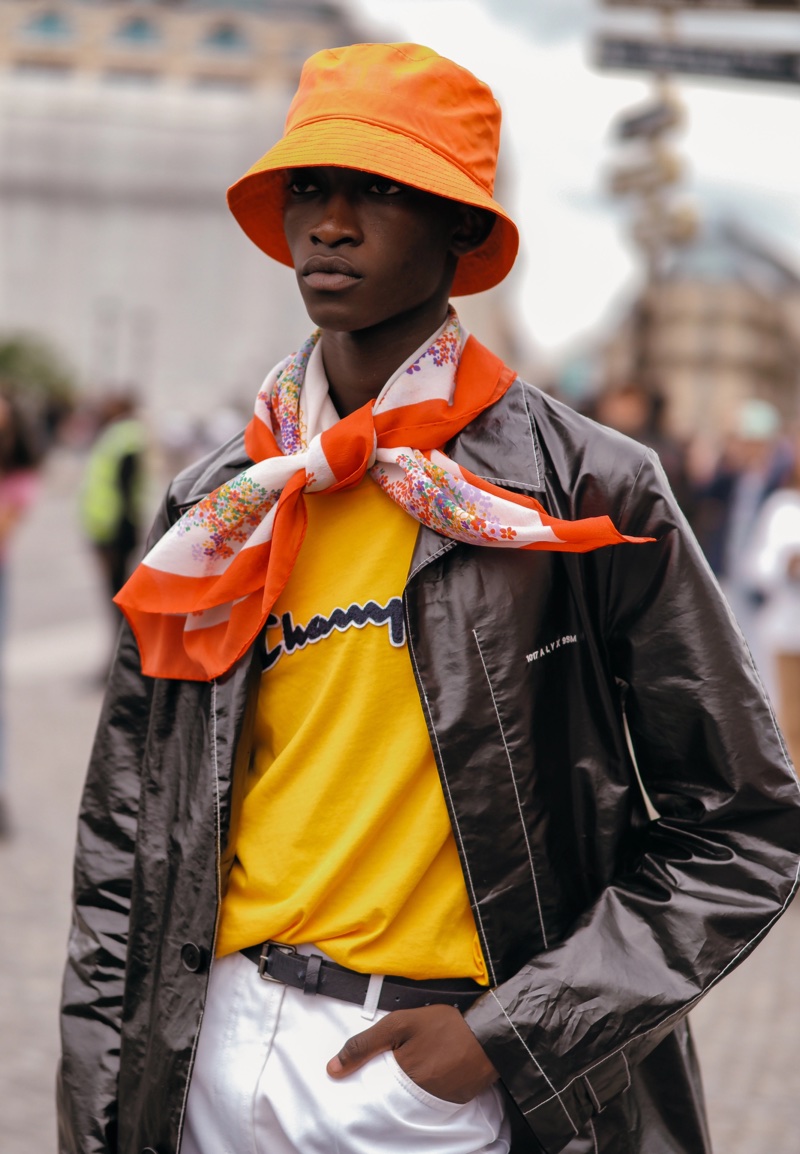
A T-shirt can say something about who you are without requiring a full statement look around it. Men are using them to signal music taste, art interests, travel history, and allegiance to niche labels that a mainstream audience would not recognize.
And that specificity is precisely the point. The tee that references a small record label or an independent bookshop is not trying to be understood by everyone, and it is more interesting for that.
The T-shirt has grown into the most democratic garment in a man’s wardrobe and, somehow, also one of the most personal. It costs relatively little to get right and communicates immediately when something is off. That combination of accessibility and precision is what has made it a uniform worth building around.