Custom shoes deliver a fit and a look that ready-made footwear only approximates. A shoemaker makes each pair to your own measurements instead of the fixed sizing on a standard shoe box, producing a fit that holds up through a full day on your feet and a design that reflects your own taste.
Each pair also passes through more hands than a mass-produced shoe, with a maker checking stitching, welt, and last by eye instead of running the shoe down an assembly line.
A Bespoke Fit: Comfort Over Convenience
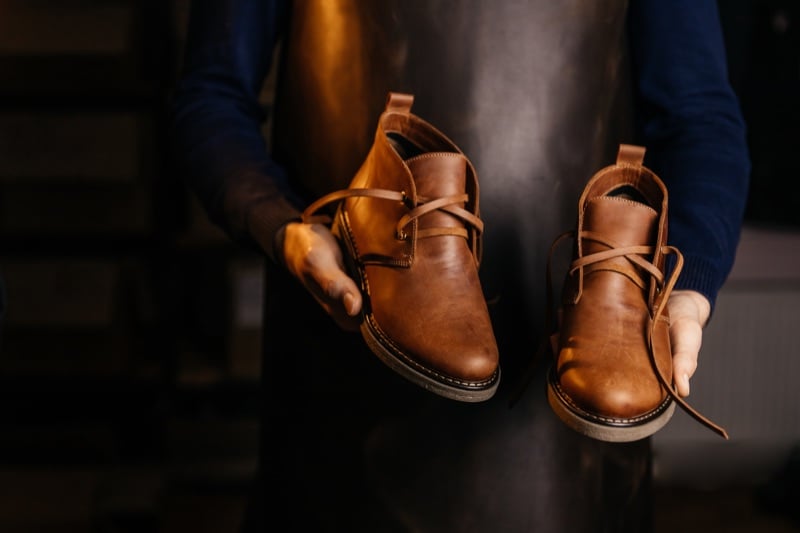
Ready-made shoes win on convenience. Walk into a store or place an order online, and the shoe arrives on your feet within days. That speed comes from a generalized sizing system that treats every foot as the same width and shape, whether or not that matches your foot.
That system also explains why shoes marked as your size still raise blisters on the heel or pinch across the ball of the foot. A custom shoe removes the guesswork. A shoemaker measures your foot directly and shapes the last to match it, so the finished shoe follows the actual contours of your foot instead of a chart’s average.
Custom shoes cost more upfront and take longer to arrive, but the fit justifies both costs. A shoe made to your foot gets worn several times a week instead of sitting at the back of the closet. Frequent wear over years offsets the higher price per wear, even against a cheaper ready-made pair replaced on a shorter cycle.
Design Freedom: Govern Your Own Style
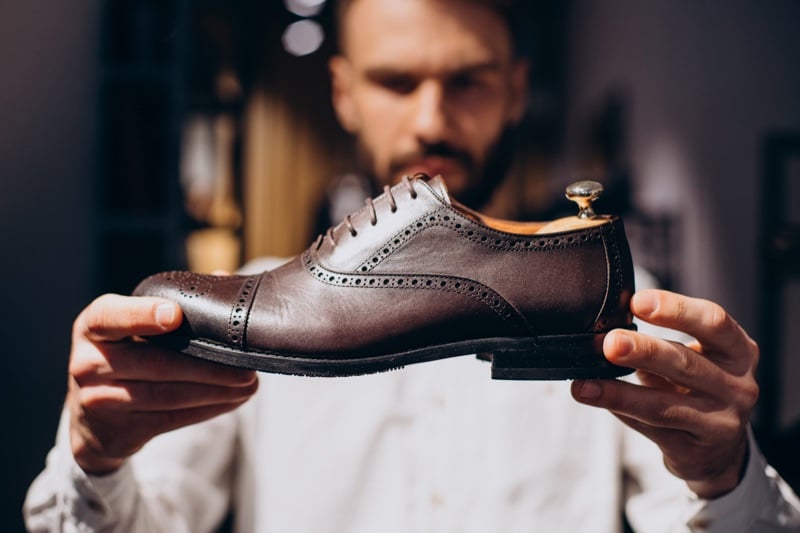
Custom shoes also hand you control over how the shoe looks, so the fit becomes aesthetic as well as physical. The leather, the stitching pattern, the sole, and the hardware all follow choices you make instead of choices a factory made months earlier.
The shoe becomes a wardrobe staple because every detail on it reflects your own taste instead of the compromises a mass production run forces onto a design.
For instance, Girotti’s men’s shoes are made to order, so no two customers end up with an identical pair. Choice of material, color, and a personal inscription turn each pair into something only one customer designed.
In fact, studies state that personalized products last longer in daily use, since personalization deepens the emotional attachment customers feel toward what they own and reduces how often they replace it.
Quality Through Craftsmanship
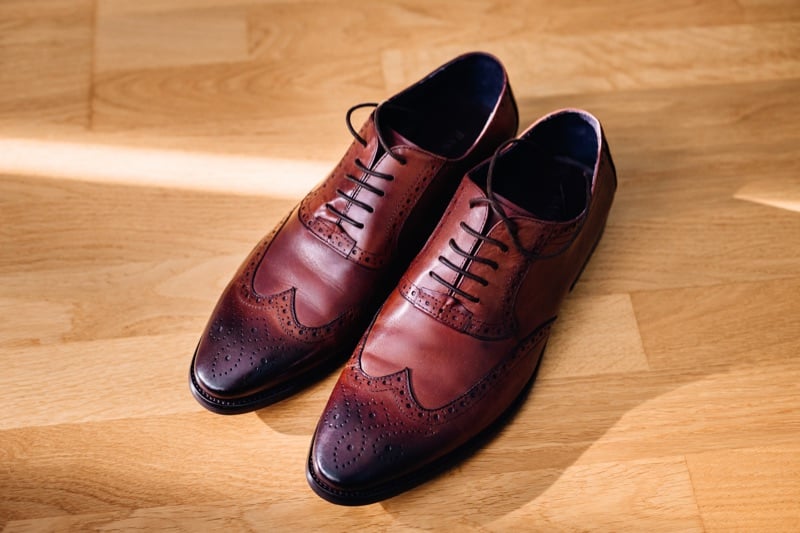
Craftsmanship separates the two markets as much as fit does. A machine assembly line makes most ready-made shoes from synthetic uppers and cemented soles, materials chosen to keep unit costs down across a large production run.
A custom workshop works in small batches, with a maker hand-stitching the welt and finishing the leather with hand tools instead of a machine press.
That difference shows up in daily wear. Full-grain leather flexes and molds to your foot over months of wear, where a synthetic upper cracks and loses shape within a year. A hand-stitched welt also allows a resole, so a custom shoe gets resoled several times over, while a cemented sole on a mass-produced shoe gets replaced along with the whole shoe.
The Fit That Lasts
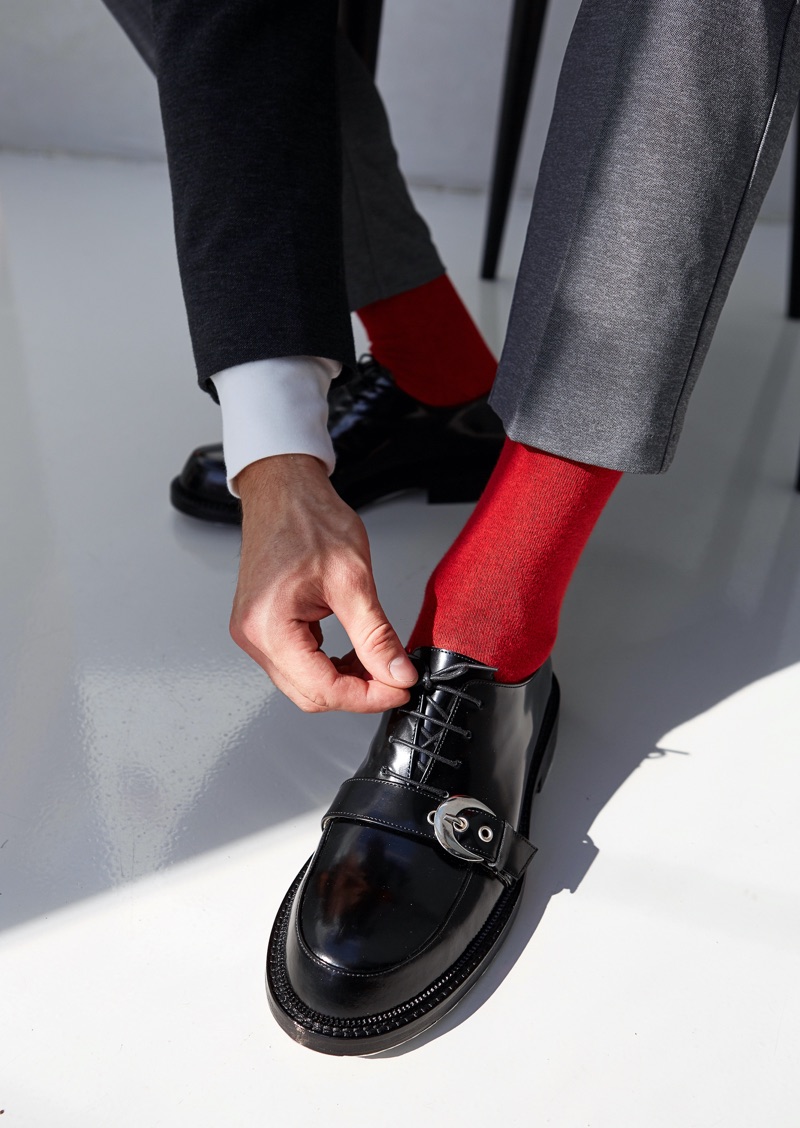
Ready-made shoes still make sense for a quick replacement or a first pair before a bigger investment. Custom shoes make sense once you know your foot well enough to invest in it long term.
A pair made to your own foot, in leather you chose, stitched by a maker who checked the fit by hand, is the pair still in your rotation a decade after the ready-made pair from the same year has gone in the bin.
For more on picking the right pair, browse our shoe style coverage.