Gothic style for men starts with black, but its character comes from what happens around it. A lace shirt reveals skin beneath a severe jacket. Heavy boots anchor a loose silhouette. Silver jewelry interrupts an otherwise matte outfit. The clothes can be romantic or confrontational, sometimes both, with texture and proportion doing much of the work.
Gothic Style for Men

Goth fashion developed through the British post-punk scene around the turn of the 1980s, with bands such as Bauhaus) helping shape its visual identity. Music remains central to the subculture, even as its clothing has influenced designers and wardrobes far beyond the clubs.
That distinction matters. Wearing black tailoring or a lace shirt can express a gothic sensibility; belonging to the goth scene involves more than buying the clothes. For anyone exploring men’s goth fashion, the music gives those visual references context.
The wardrobe itself has several directions. Punk-derived leather and hardware sit alongside romantic blouses, while long coats and austere tailoring offer a quieter approach. There is room for personal taste within that shared vocabulary.
What Makes an Outfit Gothic?

Black provides continuity, allowing contrasting fabrics to sit together. Leather reflects light differently from velvet; lace exposes what dense cotton conceals. An outfit built from these differences can have depth even when every garment shares the same color.
Shape matters just as much. A fitted jacket emphasizes the torso, while a long coat extends the silhouette. Wide trousers introduce movement beneath a close-fitting shirt. Choose the relationship between the pieces before adding decoration.
Accessories sharpen the effect. A pendant against an open neckline creates a focal point, while the theatrical use of top hats takes the outfit toward historical fantasy. Neither approach requires every available accessory at once.
Punk Influences
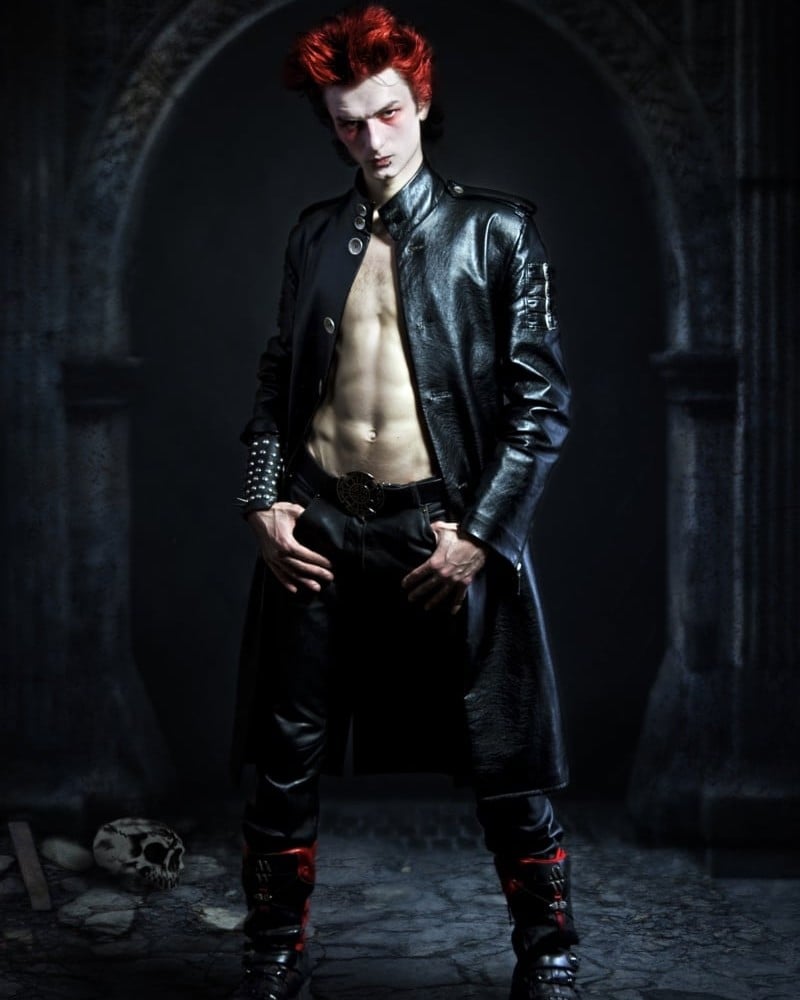
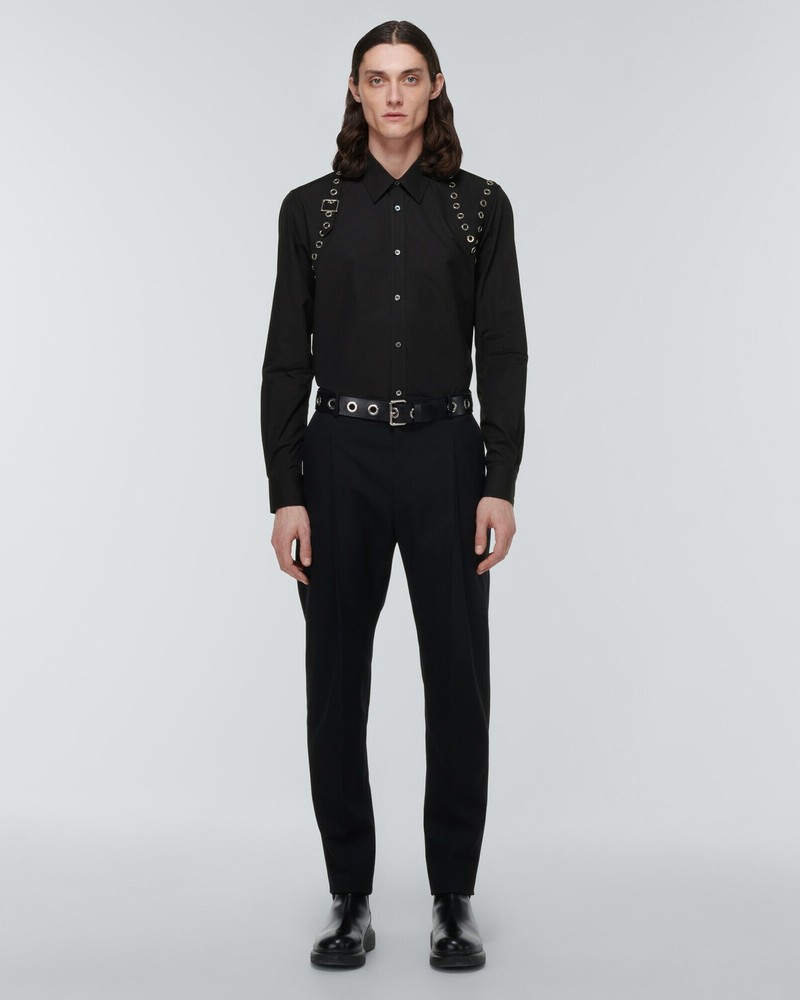
Leather jackets, distressed fabrics, and metal fastenings reflect goth’s connection to punk. Their impact comes partly from friction: rough surfaces against delicate cloth, heavy footwear beneath a narrow trouser leg.
For a direct approach, wear a leather jacket over a band T-shirt with black jeans. For something more romantic, replace the T-shirt with a soft, open-neck shirt. The jacket remains the anchor, but the mood changes.
Everyday Gothic Clothing

An everyday wardrobe works best when its strongest pieces fit the life you actually lead. A dramatic sleeve needs to fit beneath your coat. Trouser hems should clear the pavement. Boots need to be comfortable enough for the journey home. Start with clothes you can repeat, then introduce a detail that changes their character.
Shirts & Layers
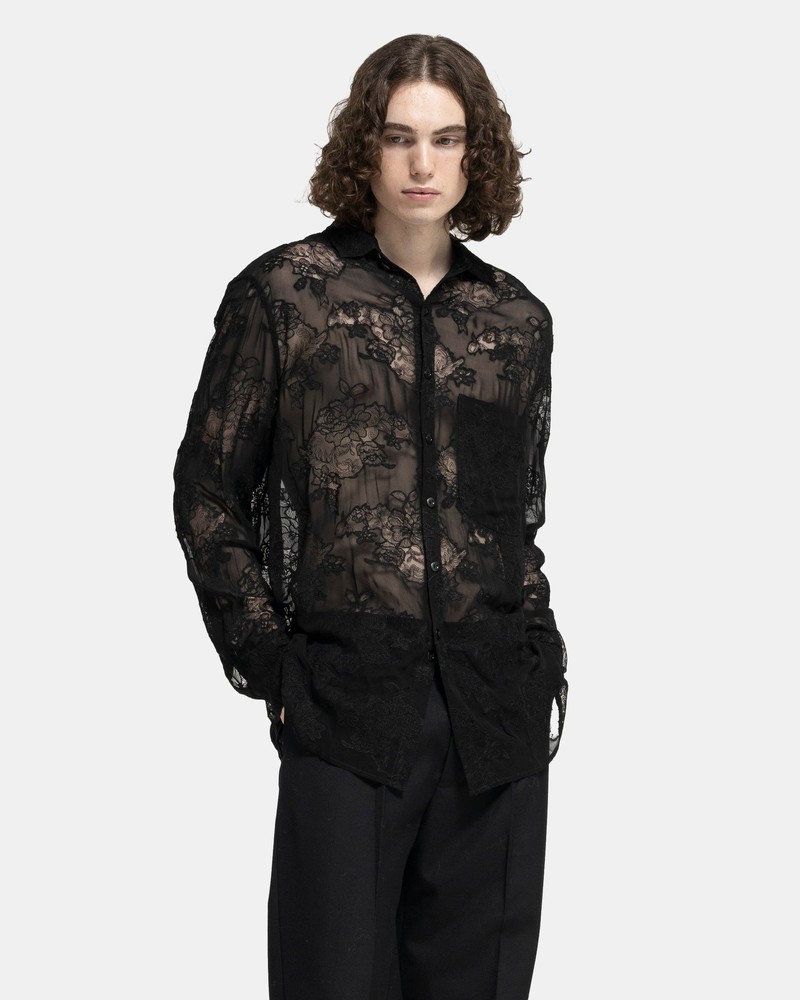
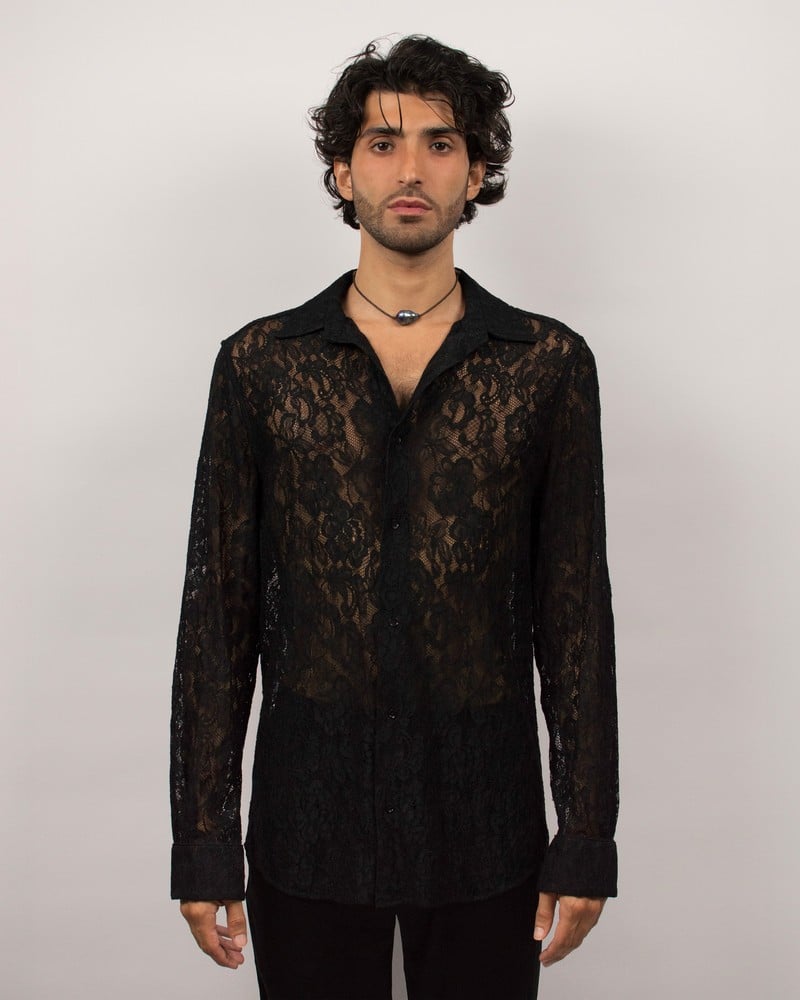
A black shirt offers more possibilities than its color suggests. An opaque cotton style feels restrained, while lace introduces transparency and a softer outline. Patterned lace makes the shirt the focal point, even when everything else is plain black.
Wear a lace shirt over a plain tank for more coverage, or beneath a jacket that reveals only a narrow panel. Keep the trousers relatively simple so the fabric remains legible.
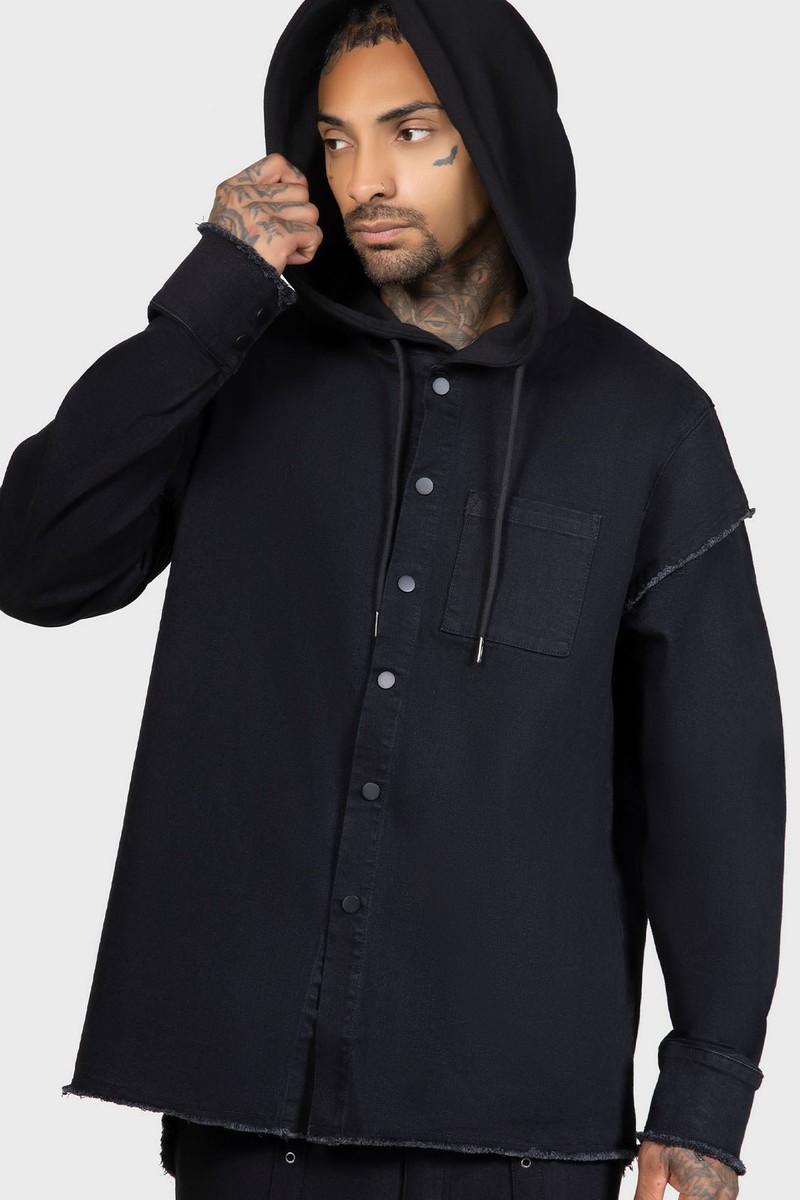
A hooded shirt brings a little monastic severity to everyday dressing. Worn loose over narrow trousers, it offers the length and shadow associated with gothic clothing in a piece as easy to wear as an overshirt.
Jeans & Trousers
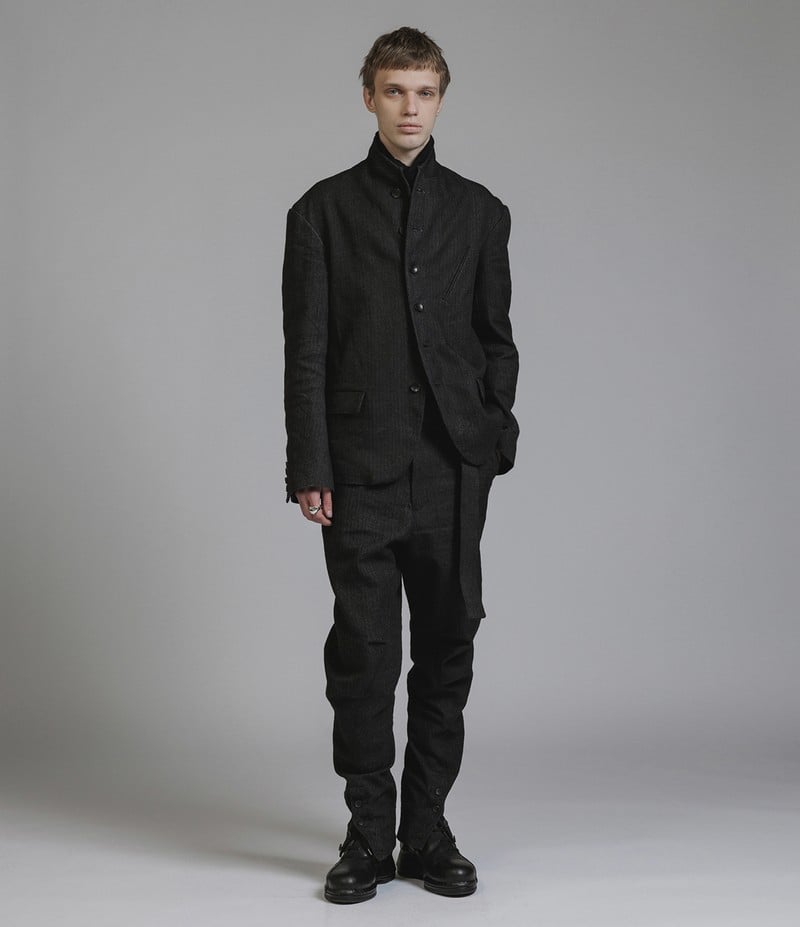
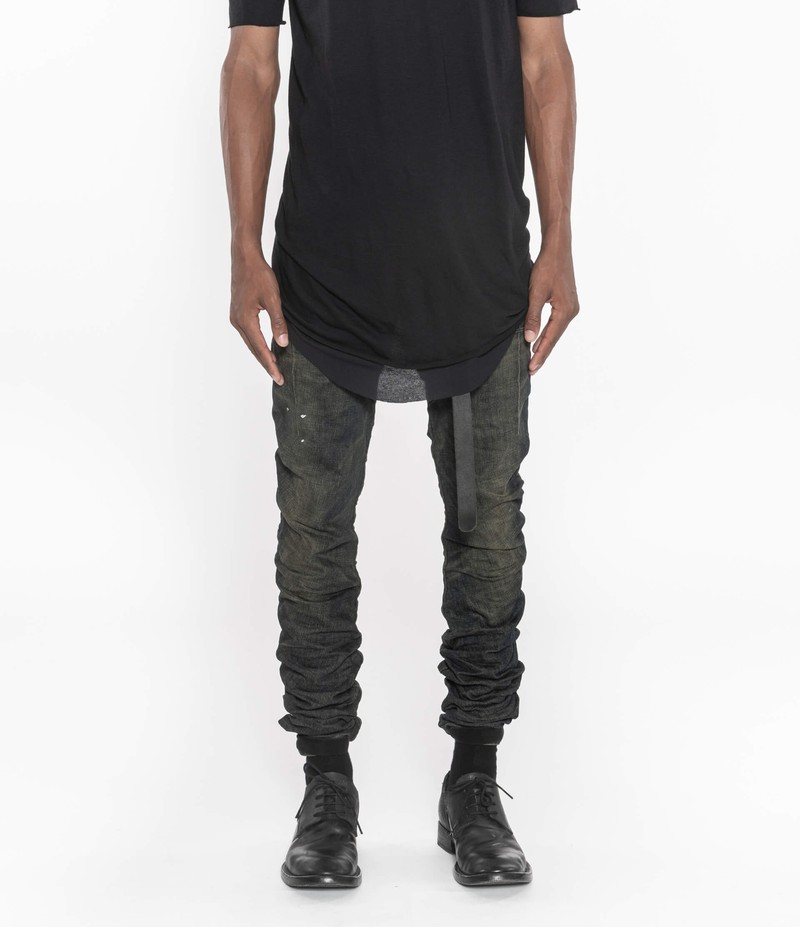
Gothic trousers change the outline of the body. A narrow leg extends the severity of a fitted jacket, while a dropped crotch and tapered ankle give loose layers a more sculptural shape. Black denim works especially well when its faded seams and worn surface break up the darkness of the outfit.
Length can be part of the effect. Jeans that gather above boots create a wrinkled, almost crumpled texture, a useful counterpoint to smooth leather. A closer ankle keeps that volume concentrated along the lower leg. With wider trousers, a shorter hem can expose a heavy boot and give the silhouette a harder finish.
For a romantic direction, wear high-waisted trousers beneath a lace shirt or long coat. For a more abrasive look, try washed jeans with a long, raw-edged T-shirt and battered lace-ups. The distinction comes from how the clothes fall and age, so decorative straps and hardware remain optional.
Hoodies
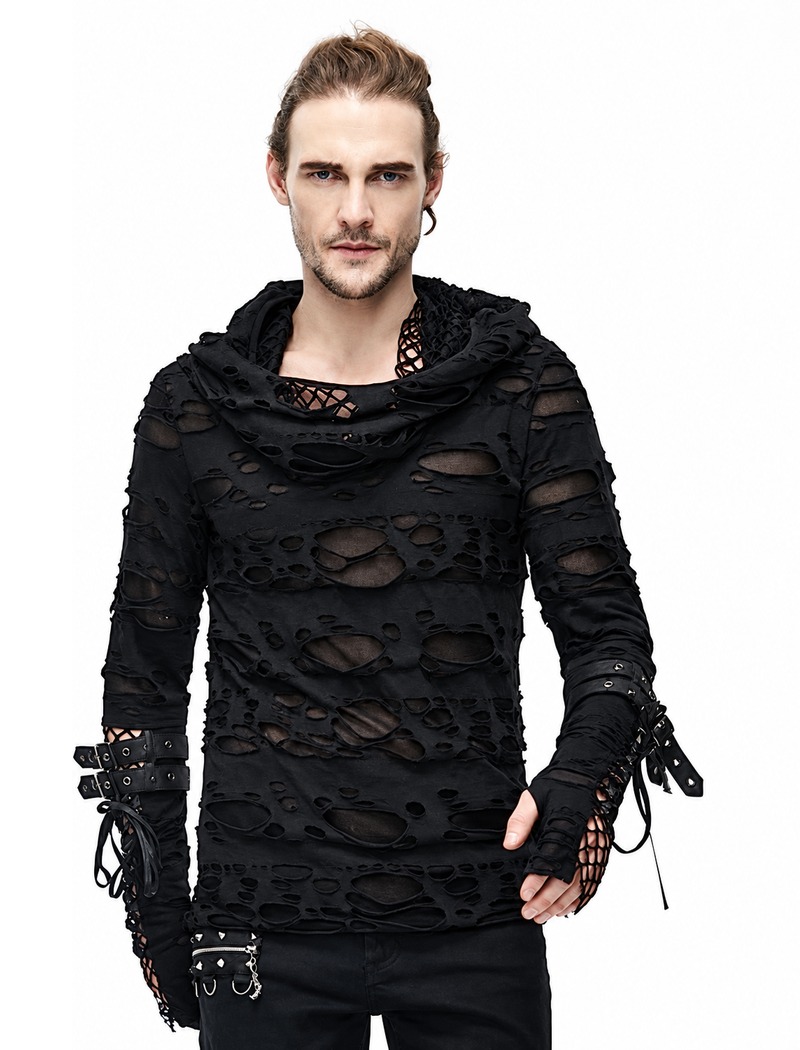
A hoodie brings the wardrobe into ordinary daily use. Distressing, an elongated cut, or textured fabric can provide interest beyond a printed motif.
Think about its position in the outfit. A longer hoodie can show beneath a short jacket, while a simpler version works under a full-length coat. Check the combined bulk around the shoulders and neck before adding another layer.
Boots

Lace-up boots give soft or flowing clothes a firm base. A heavier sole changes the balance of the whole outfit, particularly beneath narrow trousers. A slimmer boot feels less imposing and often works better with tailoring.
Everyday Accessories

Jewelry can become a consistent personal signature. Repeat a favorite ring or pendant across different outfits, then judge additional pieces by their scale and placement. Several fine chains create a different effect from one heavy necklace.
Gothic Eveningwear

Evening dressing gives richer fabrics and historical references more room. Velvet absorbs light, satin catches it, and a high collar changes how a jacket frames the face.
The occasion still sets practical limits. For a wedding or formal dinner, begin with the stated dress code and introduce gothic details through fabric, jewelry, or a shirt. Clubwear allows a different degree of exposure and ornament.
Velvet & Tailoring
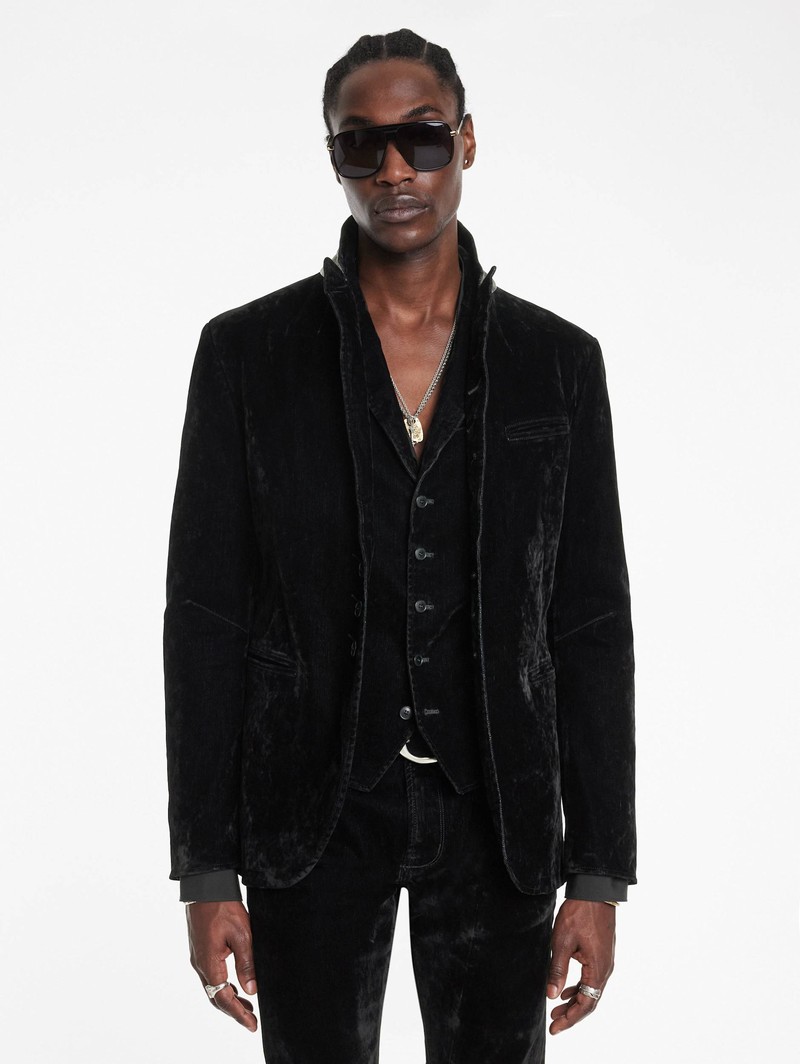

Velvet lets a conventional suit indulge its nocturnal side. A black velvet jacket over an open-neck shirt feels appropriate after dark, with the fabric supplying enough richness to make elaborate accessories optional.
A waistcoat offers another way to build depth. Wear it beneath a jacket for a continuous tailored line, or over a softer shirt to emphasize the contrast between structure and drape. Check its length against the trouser waistband so the proportions remain intentional.

Pinstripes can also suit the mood. Keep the surrounding pieces restrained enough for the stripe to register. A black pinstripe suit takes on a more gothic character with a high-buttoned waistcoat and pointed boots. An open-neck silk shirt loosens that severity, giving the tailoring a decadent edge.
Long Coats & Fitted Jackets
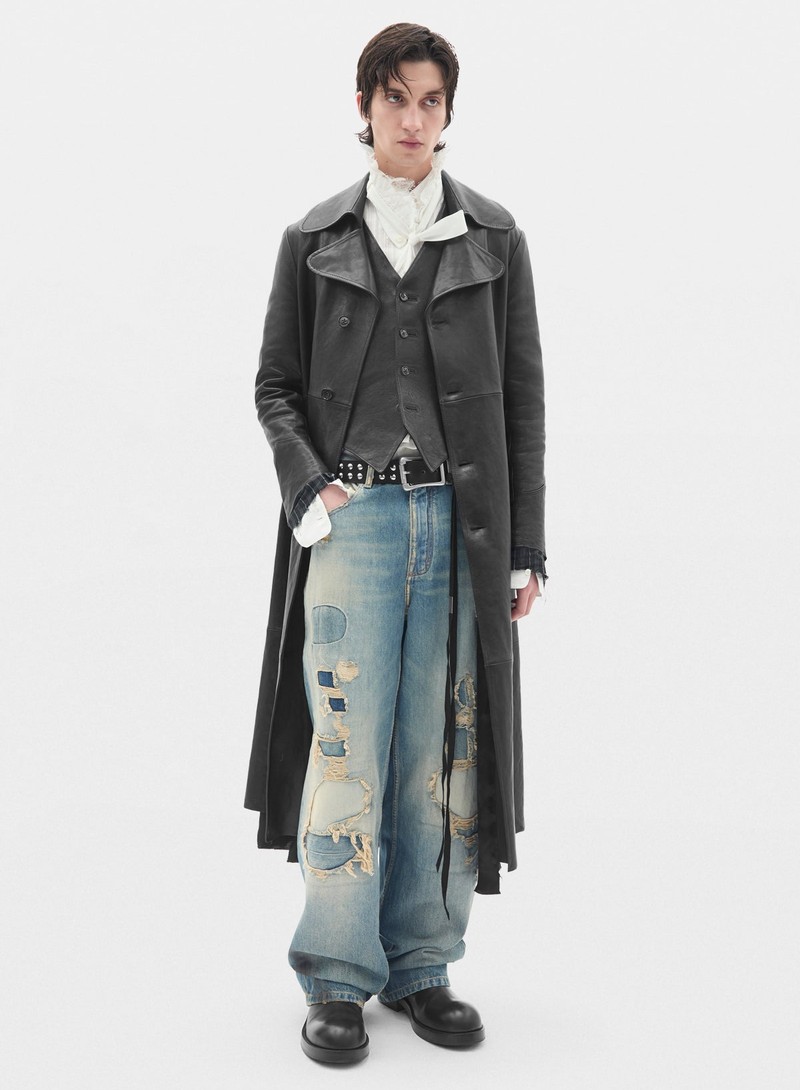
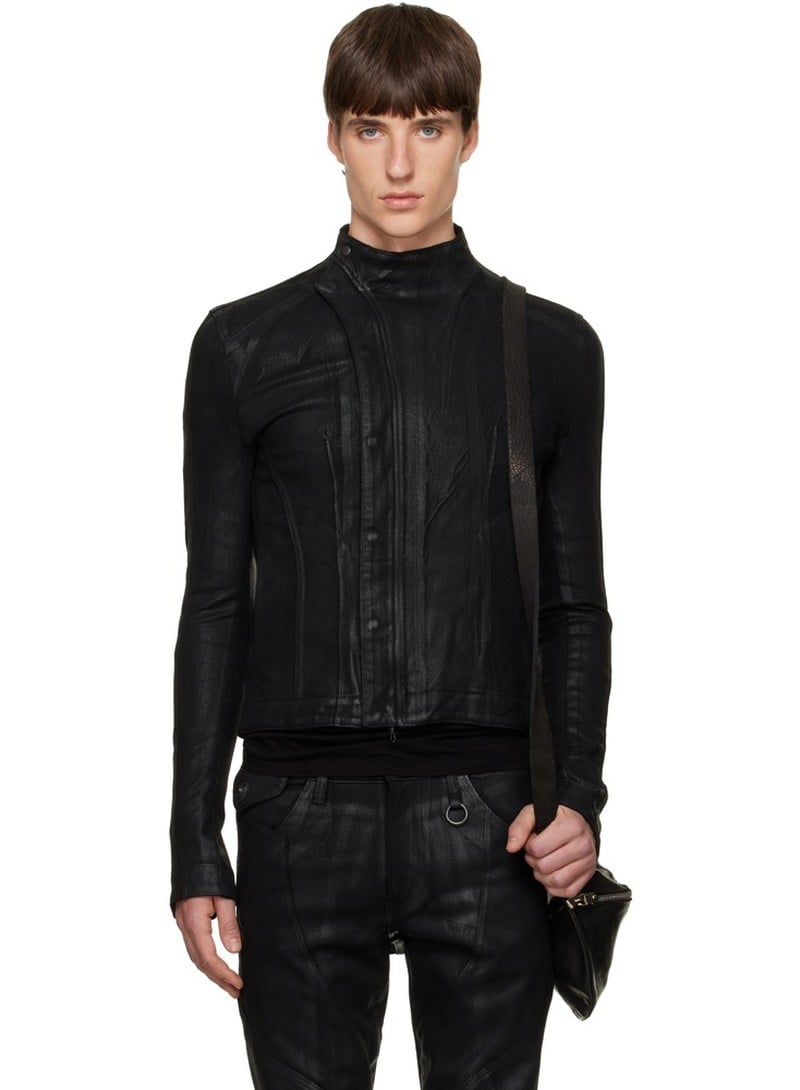
A long coat changes the outline of even a basic outfit. Over faded jeans, it creates an appealing clash between romantic dressing and clothes that have seen some use. The same coat over black tailoring feels more severe.
A fitted leather jacket takes the opposite approach. Shaped seams and a high collar give it an almost armored quality. Test this type of jacket over the layers you intend to wear; leather gives less freedom than a loose wool coat.
Choose coat length with footwear in mind. A long hem and heavy boots can feel purposeful together, but the coat should still allow an easy stride.
Shirts, Shoes & Finishing Details

A ruffled or lace shirt can lead an evening outfit. Let its neckline and cuffs show, and keep nearby accessories selective. A white shirt creates a stronger contrast with black tailoring; black lace makes the transition between layers more gradual.
For footwear, choose between the weight of boots and the cleaner outline of lace-up dress shoes. Consider the trouser opening and hem length together so the shoe looks integrated into the silhouette.
A brooch or pocket watch can reinforce a historical reference. One well-placed detail is often enough to establish it.
Gothic Makeup

Makeup can extend the outfit’s mood through a dark lip, defined eyes, or black nails. It is an option, not an entry requirement.
Begin with a feature you want to emphasize. Smudged liner creates a different impression from a sharply drawn shape, while burgundy lipstick offers an alternative to black. Test the result in the lighting where you will wear it.

Choose complexion products for your own skin tone unless a deliberately pale theatrical finish is the goal. Gothic style belongs to people of every complexion; pale skin is no prerequisite.
Making Gothic Style Your Own

Build around the pieces you enjoy wearing repeatedly. That might be a long coat, a lace shirt, or boots that have become part of your daily uniform. Add gradually, paying attention to how each purchase works with what you own.
The most convincing wardrobe has continuity. Its clothes feel connected through proportion, texture, and personal habits, even as individual outfits change.