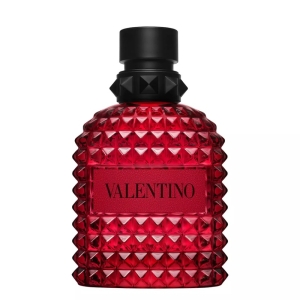
Valentino Born in Roma Ruby Uomo Eau de Toilette
Berry & creamy woods
Ruby leads with raspberry where Coral Fantasy uses red apple and tobacco.
View fragranceValentino gives the Born in Roma Uomo bottles the same rows of studs, then takes the scents in surprisingly different directions. The original eau de toilette sets aromatic sage against the saltiness of mineral notes and the smoke of vetiver. Green Stravaganza brings in roasted coffee, while Coral Fantasy starts with red apple and ends in tobacco. Vendetta Uomo has a bottle of its own and a warmer turn of phrase, with fresh ginger, cinnamon liqueur, and earthy patchouli.
Concentration alone doesn't tell you how strong a fragrance smells or how long it lasts. Versions of the same fragrance can also smell different, so use the descriptions below to compare them. Learn more about types of cologne.
Berry & creamy woods
Ruby leads with raspberry where Coral Fantasy uses red apple and tobacco.
View fragrance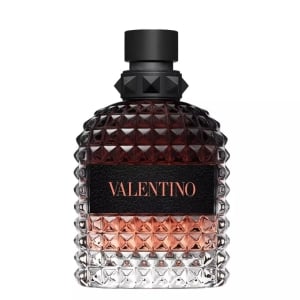
Fruity & tobacco-led
The apple and tobacco give Coral Fantasy a fruitier, warmer character than the original.
View fragrance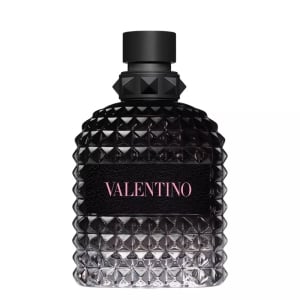
Fresh & woody
Salt, sage, and smoked vetiver give the original its mineral edge.
View fragrance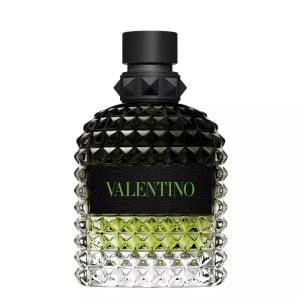
Citrus & roasted coffee
Coffee adds a roasted note to the citrus and vetiver.
View fragrance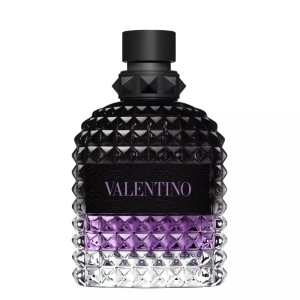
Creamy & aromatic
Coconut gives Purple Melancholia a creamier character than the original.
View fragrance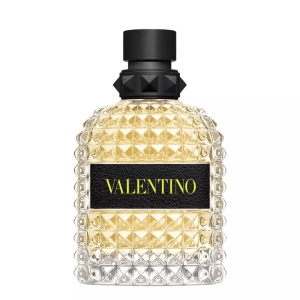
Cinnamon & vanilla
Gingerbread makes this a spicier take on sweetness than Intense.
View fragrance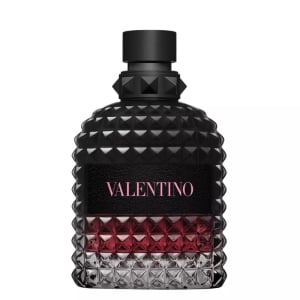
Vanilla & aromatic
Sweeter and more vanilla-led than the original eau de toilette.
View fragrance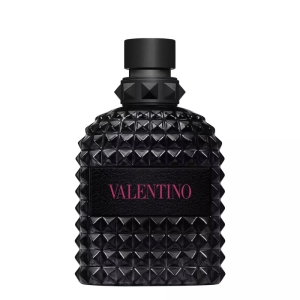
Spiced & woody
More vetiver and dry wood than Intense, with spice in place of its vanilla focus.
View fragrance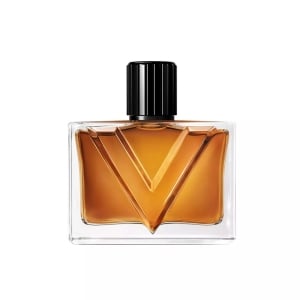
Ginger & spiced woods
Ginger and cinnamon liqueur give Vendetta its own spiced-wood profile.
View fragrance
Valentino
Founder: Valentino Garavani
Established: 1960
Headquarters: Milan, Italy
Creative Director: Alessandro Michele
Website: valentino.com
Valentino was founded in 1960, when Valentino Garavani established his fashion house on Via Condotti in Rome, Italy, with the backing of his father, and soon after, a chance partnership with architecture student Giancarlo Giammetti. Garavani had trained in Paris at the École des Beaux-Arts and apprenticed at Jean Dessès and Guy Laroche before returning home, and the house set out to bring couture drama to Italian dressing, with Giammetti handling the business side.
Valentino’s international debut took place in 1962 in Florence, the Italian fashion capital of the time, and Valentino gained immense acclaim in 1968 after releasing his landmark “no color” collection which consisted of white, beige, and ivory apparels. The label’s signature arrived early, a crimson mixed from carmine and scarlet with a hint of orange, and his style was described as jet-set chic.
Menswear came later as a formal expansion. The label staged the first Valentino menswear show at Milan Fashion Week in 1985. The design language drew from the house’s couture grammar, sharp Roman tailoring, fluid evening fabrics, and the Garavani appetite for color and embellishment, placing the brand in the same Italian cohort as Giorgio Armani and, later, Gucci, though Valentino stayed closer to dressed-up formality than Armani’s softer suiting.
Under Pierpaolo Piccioli, menswear shifted toward sportswear codes alongside tailoring, including track suits and windbreakers embroidered with colored beads, and bright sneakers with ethnic flourishes such as detachable leather fringing, and in 2023 Piccioli staged a standalone Milan men’s show where tailoring was paired with floral ties and soft fabrics.
The business has changed hands several times. In 1998, Garavani and Giammetti sold the company for approximately $300 million to the Holding di Partecipazioni Industriali (HdP), an Italian conglomerate controlled, in part, by the late Gianni Agnelli, the head of Fiat.
In 2002, Valentino S.p.A. was sold by HdP to Marzotto Apparel, a Milan-based textile giant, for $210 million, and the Marzotto family spun off its fashion assets in 2005 to create Valentino Fashion Group. In July 2012, the Qatari investment fund acquired Valentino, driving its exponential growth. Kering purchased 30% of Valentino in July 2023. They hold an option to purchase the entire company, a timeline recently deferred to 2029.
Creative direction has also shifted, from Garavani’s retirement in 2007, to the Maria Grazia Chiuri and Pierpaolo Piccioli partnership, to Piccioli alone from 2016, and in March 2024, Valentino announced the departure of Piccioli, as a joint decision, followed by the appointment of Alessandro Michele as the next creative director.
Today the house dresses red-carpet clients, couture customers, and a younger ready-to-wear audience drawn by Michele’s romantic, historically layered approach, sitting in the Roman couture tier of the market alongside Dior and Chanel.
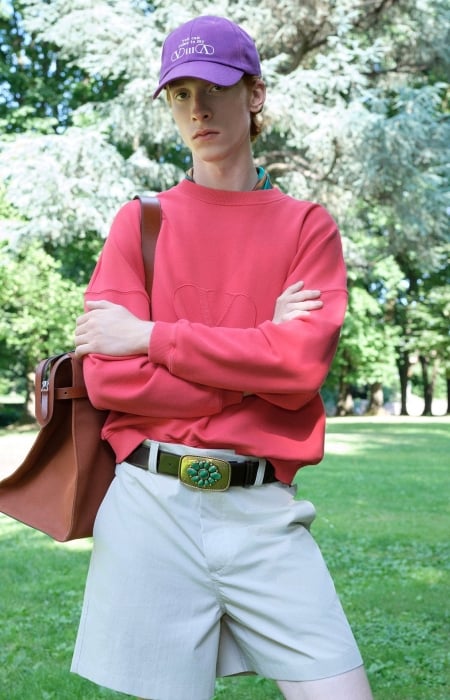
November 9, 2026
An afternoon off gets an extravagant wardrobe in Alessandro Michele's Valentino cruise 2027 collection.
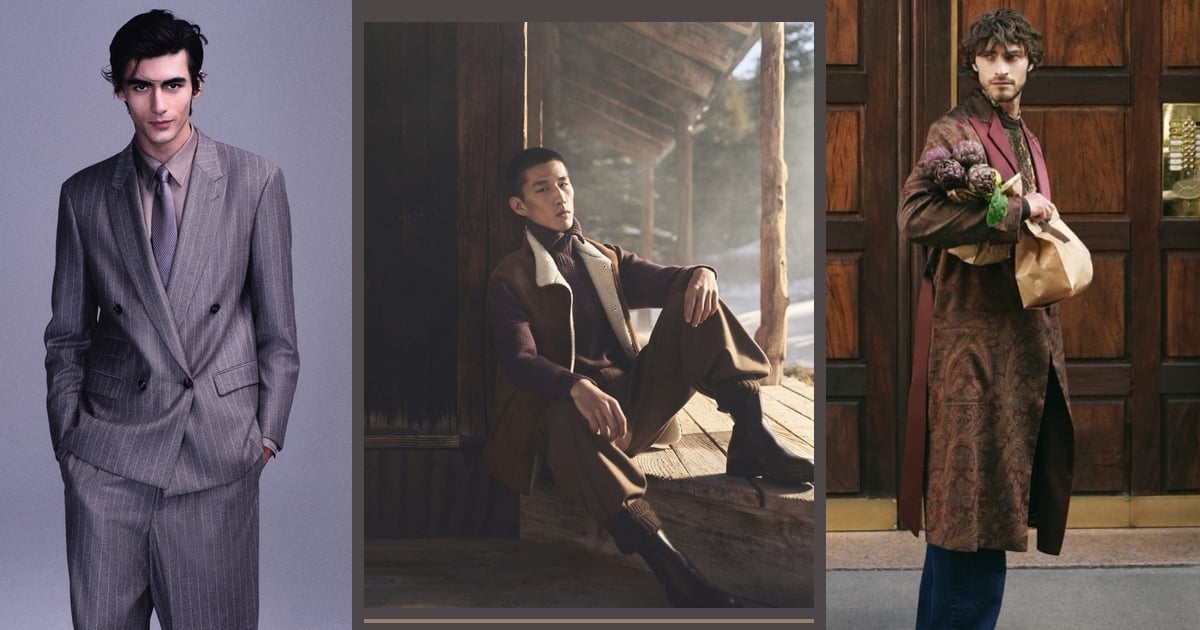
October 28, 2026
From Giorgio Armani's soft tailoring to Versace's after-dark ambitions, dressing Italian leaves plenty of room for personal taste.
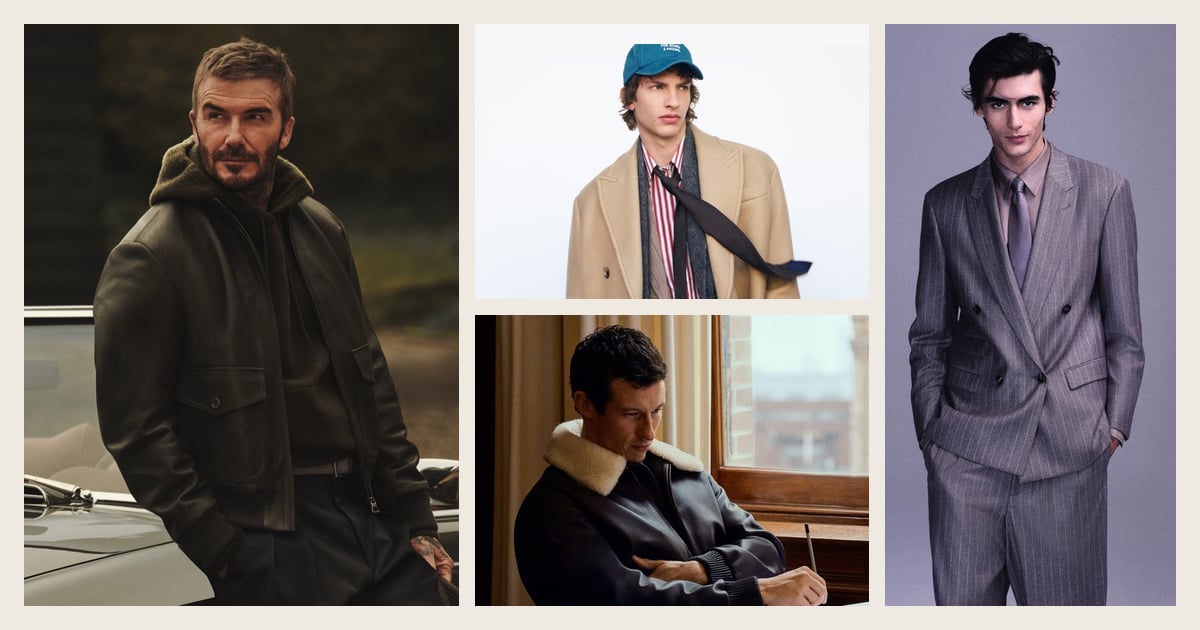
October 27, 2026
From Louis Vuitton's statement pieces to BOSS's everyday wardrobe, luxury designer brands give men plenty of ways to make an impression.
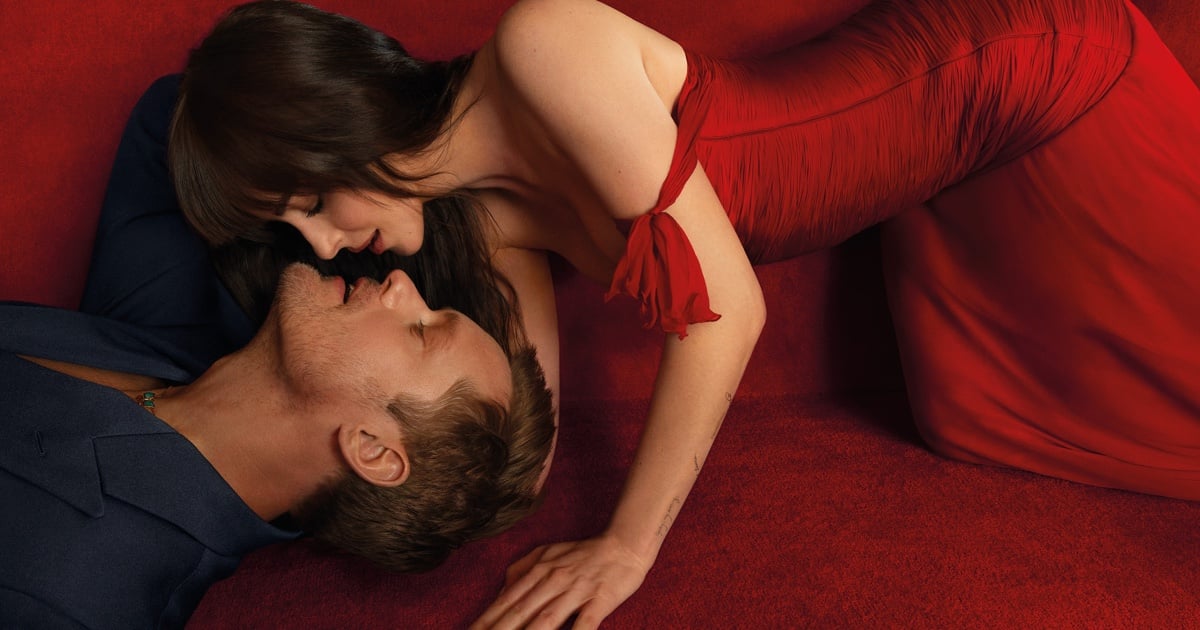
July 15, 2026
Valentino's Vendetta Uomo channels confident masculinity through ginger, cinnamon liqueur accord, and patchouli.
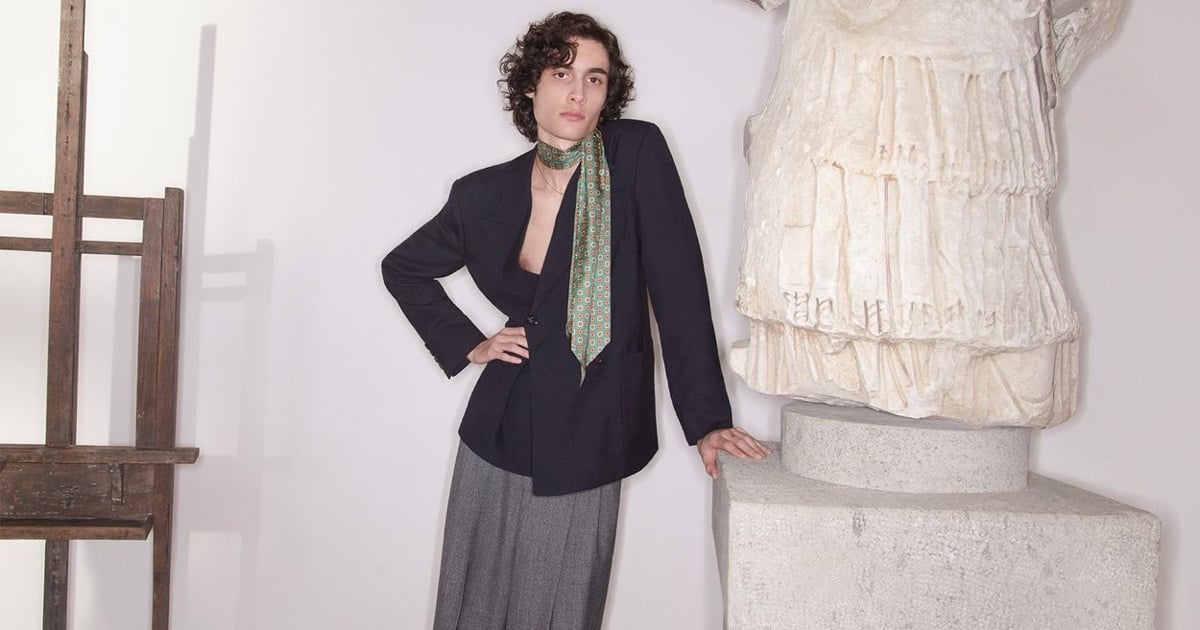
April 23, 2026
Valentino's pre-fall 2026 campaign pairs rock energy with an artist's ancient palazzo for a study in old-world tension and modern tailoring.
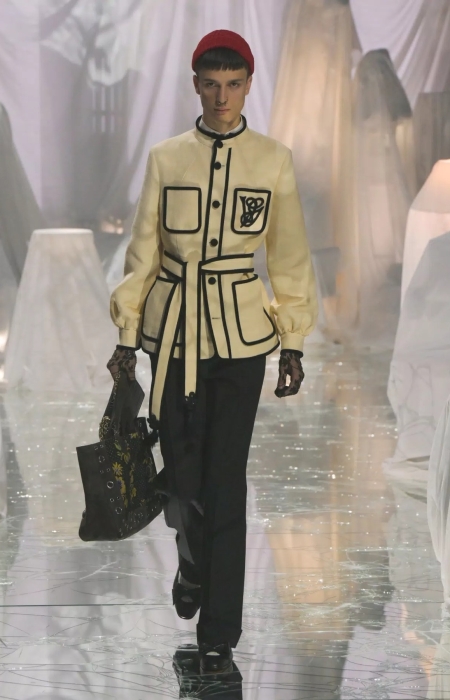
October 16, 2024
Valentino’s spring-summer 2025 collection, under the creative direction of Alessandro Michele, interweaves the poetic and the philosophical. The runway felt
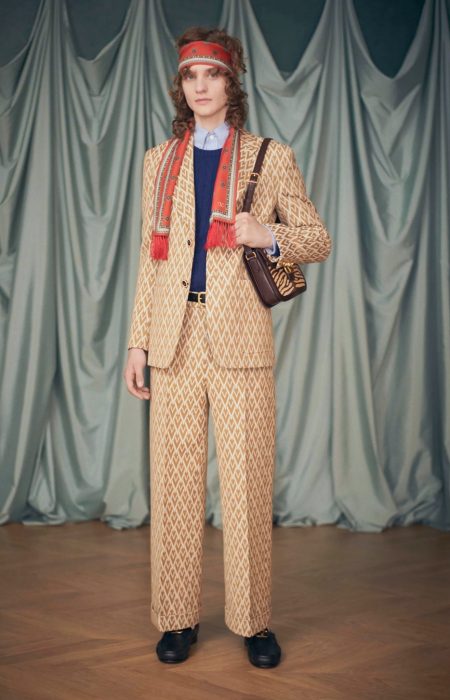
June 17, 2024
Alessandro Michele’s debut as Valentino’s new creative director marks a vibrant chapter in the fashion house’s storied history. The resort

April 2, 2024
In the heart of Rome’s historic grandeur, the Valentino Born in Roma Green Stravaganza campaign unveils a story where tradition

January 24, 2024
Valentino’s fall-winter 2024 collection is a dialogue between the time-honored and the contemporary, crafting the narrative of modern masculinity with
January 14, 2024
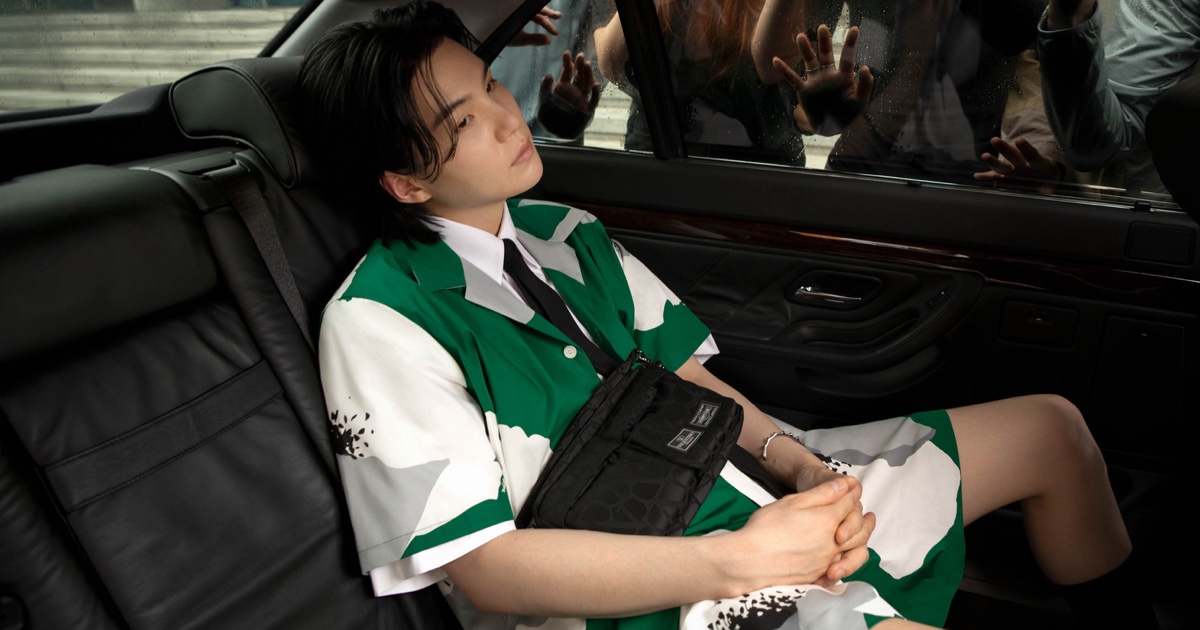
Set against the backdrop of Seoul, the Valentino spring-summer 2024 campaign unfolds with a story as compelling as its protagonist,