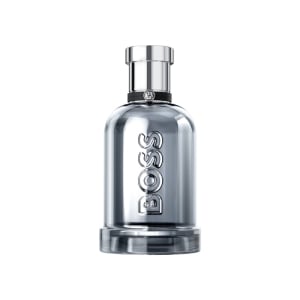
BOSS Bottled Beyond Eau de Toilette Intense
Orange blossom and warm leather
Choose this Beyond for white florals. The Eau de Parfum opens with ginger.
View fragranceWhen BOSS Bottled arrived in 1998, apple and cinnamon gave the suit an unexpected companion. The scent had the warmth of baked fruit, and sandalwood let the spice linger. Bottled still has a taste for contrasts. Beyond finds one in sharp ginger and warm leather, while Absolu takes leather in a roasted, resinous direction.
BOSS The Scent has an appetite for fruit of its own. Maninka gives the original a sweetness softened by leather. The HUGO flask tells a more casual story. Its green apple is tart and cool, with the smell of fir needles close behind.
Concentration alone doesn't tell you how strong a fragrance smells or how long it lasts. Versions of the same fragrance can also smell different, so use the descriptions below to compare them. Learn more about types of cologne.
Orange blossom and warm leather
Choose this Beyond for white florals. The Eau de Parfum opens with ginger.
View fragrance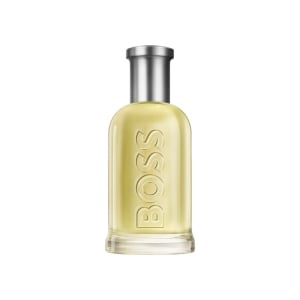
Apple and cinnamon over soft woods
Start here for the original apple-cinnamon profile.
View fragrance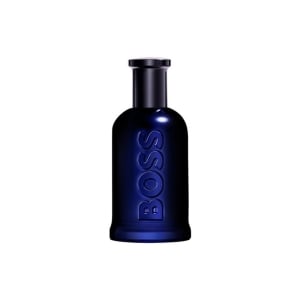
Cool spice over musky woods
Night emphasizes musky woods. The original Bottled is sweeter and more apple-led.
View fragrance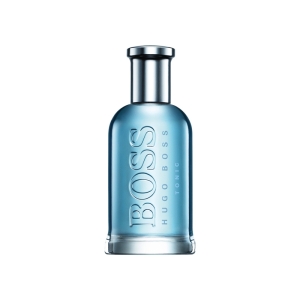
Bitter citrus and dry vetiver
Tonic is the more citrus-led choice beside the minty Bottled Unlimited.
View fragrance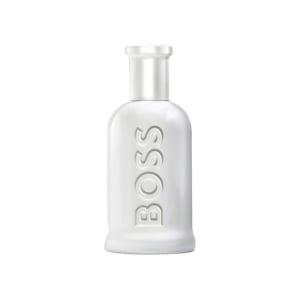
Cooling mint and juicy pineapple
The mint-and-pineapple Bottled. Tonic brings citrus and ginger to the foreground.
View fragrance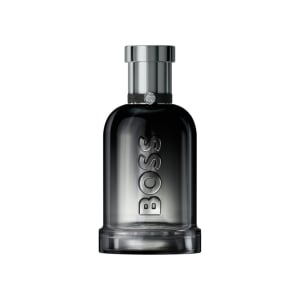
Fresh ginger and warm leather
The spicy Beyond. The Eau de Toilette Intense puts orange blossom up front.
View fragrance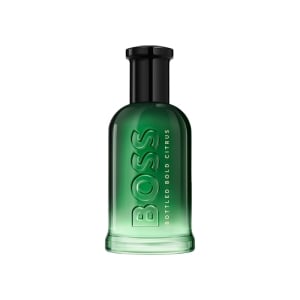
Lemon peel and bergamot over dry woods
The lemon-forward Bottled, with earthy vetiver as it dries down.
View fragrance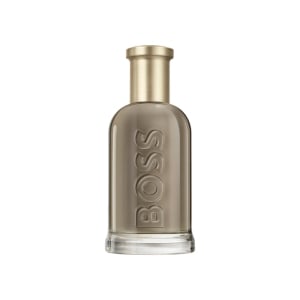
Apple, cardamom, and dry woods
Keeps the original’s apple and adds cardamom and grassy vetiver.
View fragrance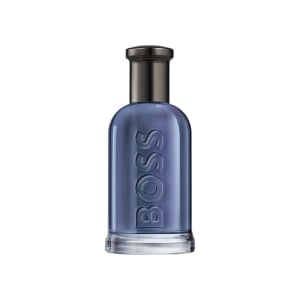
Mandarin and herbs over smooth woods
A more herbal take on Bottled, with lavender and rosemary in place of the original’s warmer spice.
View fragrance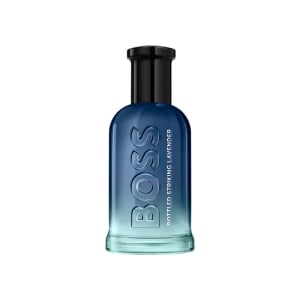
Cool lavender with a mossy base
Striking Lavender puts herbs and moss first. Bold Citrus leads with lemon and bergamot.
View fragrance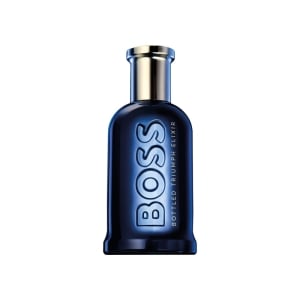
Green violet leaf over dry vetiver
Try Triumph for the greener side of Bottled Elixir.
View fragrance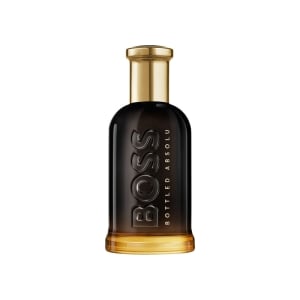
Roasted leather with myrrh and fruity davana
Go here for roasted leather. The Bottled Elixir leans into incense and vetiver.
View fragrance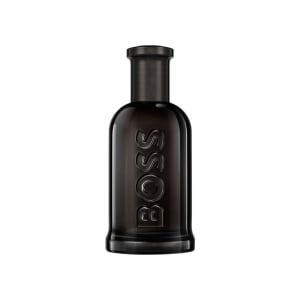
Powdery orris and earthy fig root
The Bottled for orris and soft leather. Absolu heads into roasted leather and resins.
View fragrance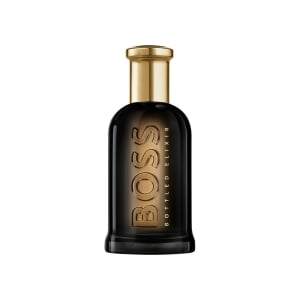
Incense, earthy vetiver, and cedarwood
The smokier sibling of Triumph Elixir, which opens on green violet leaf.
View fragrance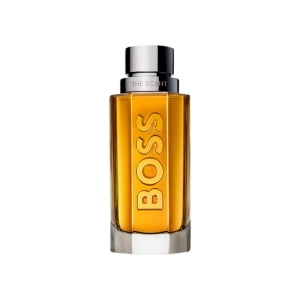
Ginger, maninka fruit, and dry leather
The classic fruit-and-leather version. Eau de Parfum Intense turns up the amber.
View fragrance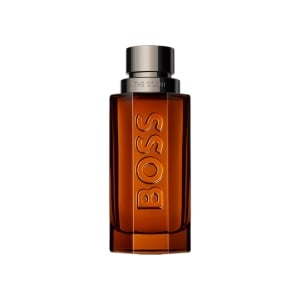
Maninka fruit and rich amber
The 2026 Eau de Parfum Intense leans into amber. Magnetic takes its sweetness from vanilla and bran.
View fragrance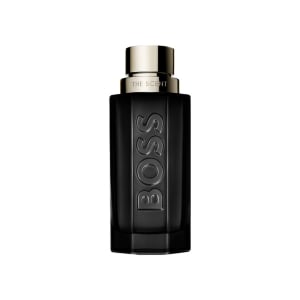
Maninka and toasted bran with vanilla
The most vanilla-led of these versions of The Scent.
View fragrance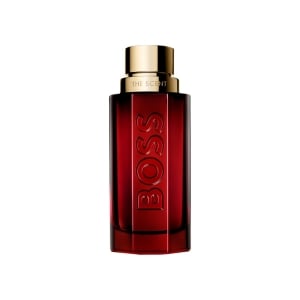
Pimento and lavandin over creamy sandalwood
The spice-led The Scent. Magnetic goes sweeter with black vanilla.
View fragrance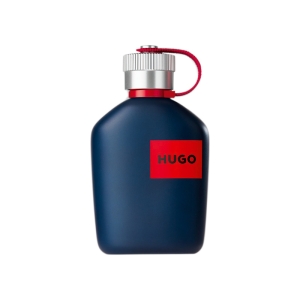
Grapefruit and peppermint with sandalwood
The mintiest of the core HUGO fragrances.
View fragrance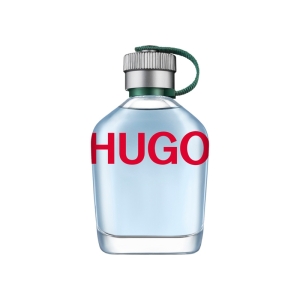
Tart green apple and smoky fir
The classic HUGO. Jeans takes its freshness in a mintier direction.
View fragrance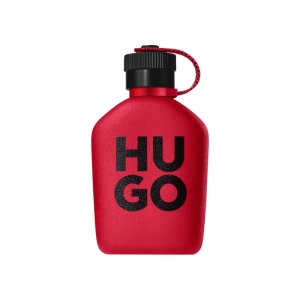
Red grapefruit and apple with cinnamon and herbs
A warmer HUGO with cinnamon in place of the original’s smoky fir.
View fragrance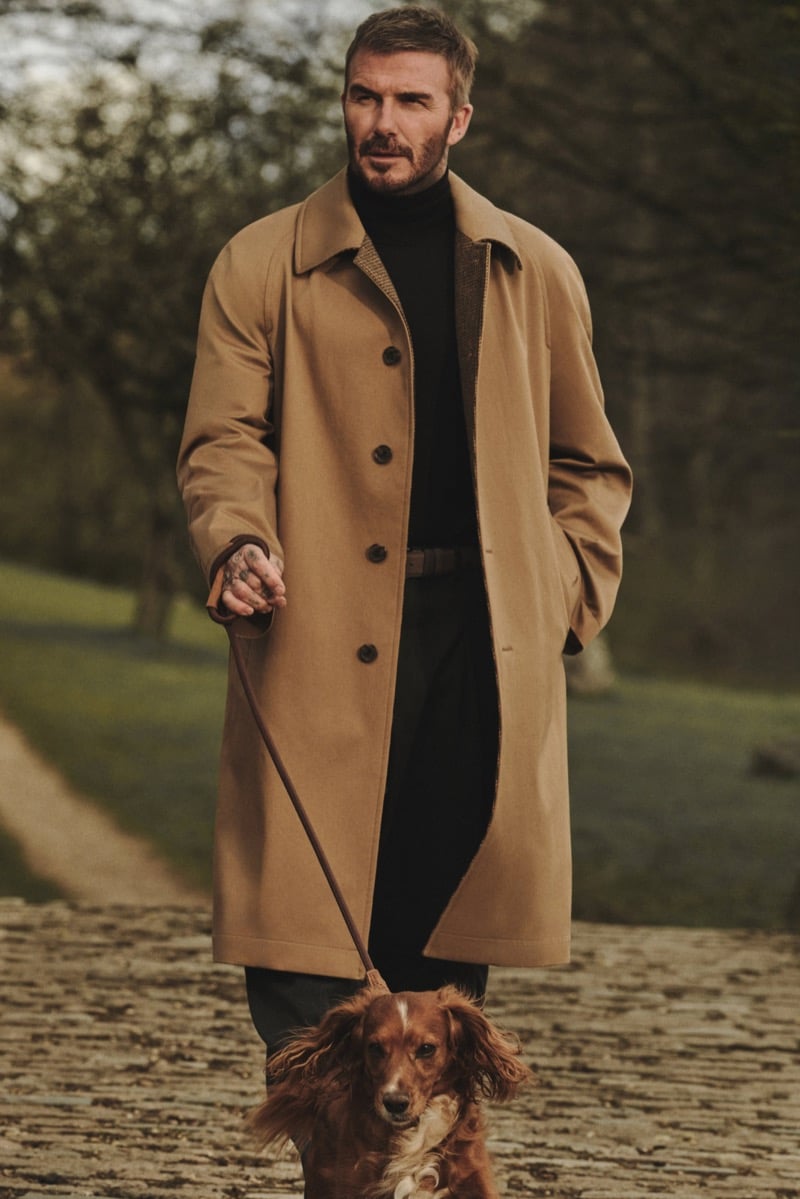
Daniel Jackson / BOSS
Founder: Hugo Ferdinand Boss
Established: 1924
Headquarters: Metzingen, Germany
Creative Director: Marco Falcioni
Website: hugoboss.com
Hugo Boss built its menswear reputation on the suit and the promise of looking ready for the next promotion. Founded by Hugo Ferdinand Boss in Metzingen, Germany, in 1924, the business developed into a global clothing company whose name still carries an association with professional ambition. Today, it operates through two brands, BOSS and HUGO, with different approaches to dressing the modern man.
The company’s beginnings predate that polished image. Its founder joined the Nazi Party in 1931, and the factory manufactured uniforms for Nazi organizations and the German armed forces. During the Second World War, it used forced labor and French prisoners of war. Hugo Boss published an independently researched company history in 2011 and expressed regret for the suffering inflicted at the factory.
The turn toward civilian tailoring took shape after the war under Eugen Holy, the founder’s son-in-law. Men’s suits entered production in the 1950s, followed by standardized ready-to-wear suits in 1960. The BOSS brand emerged in the early 1970s. International expansion and motorsport sponsorship helped give a German clothing manufacturer the visibility of a global menswear name.
BOSS remains the tailoring-led core of the business, extending from office suits into casualwear and athleisure. Its appeal lies in clothes that make a man look put together across different parts of his day. HUGO, introduced in 1993, takes a younger, more fashion-driven approach, combining tailoring with streetwear influences and more assertive cuts. The distinction is useful when shopping the company, where a conservative business suit and a graphic casual wardrobe can sit under the same corporate name.
Marco Falcioni took charge of creative direction across both brands in 2022. His BOSS collections have explored how tailoring works beyond conventional office dress, retaining the authority of a suit while loosening the expectations around it. David Beckham’s ongoing design partnership adds another route into that wardrobe, drawing on a public image shaped as much by casual dressing as formal occasions.
Headquartered in Metzingen, Hugo Boss positions itself in the premium market. Its menswear proposition remains practical even when the campaigns grow more theatrical. A customer can buy into the image through a polo shirt or a complete suit, with the same promise that getting dressed should help him feel equal to the occasion.
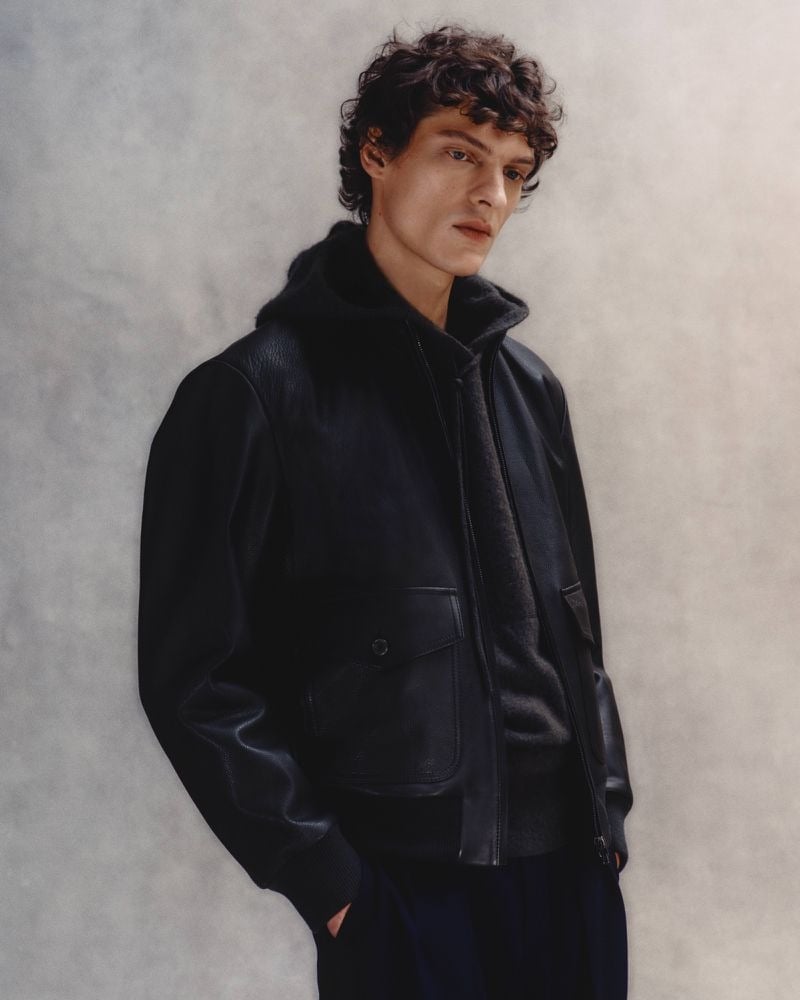
Fall/Winter 2026
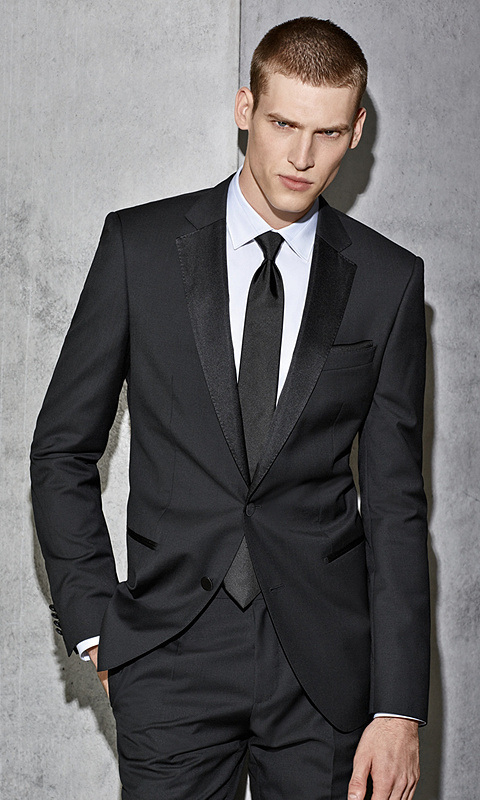
Fall/Winter 2015
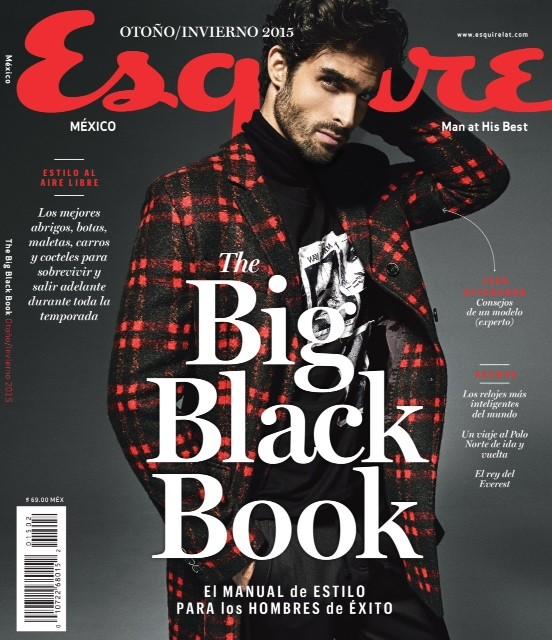
Fall/Winter 2015
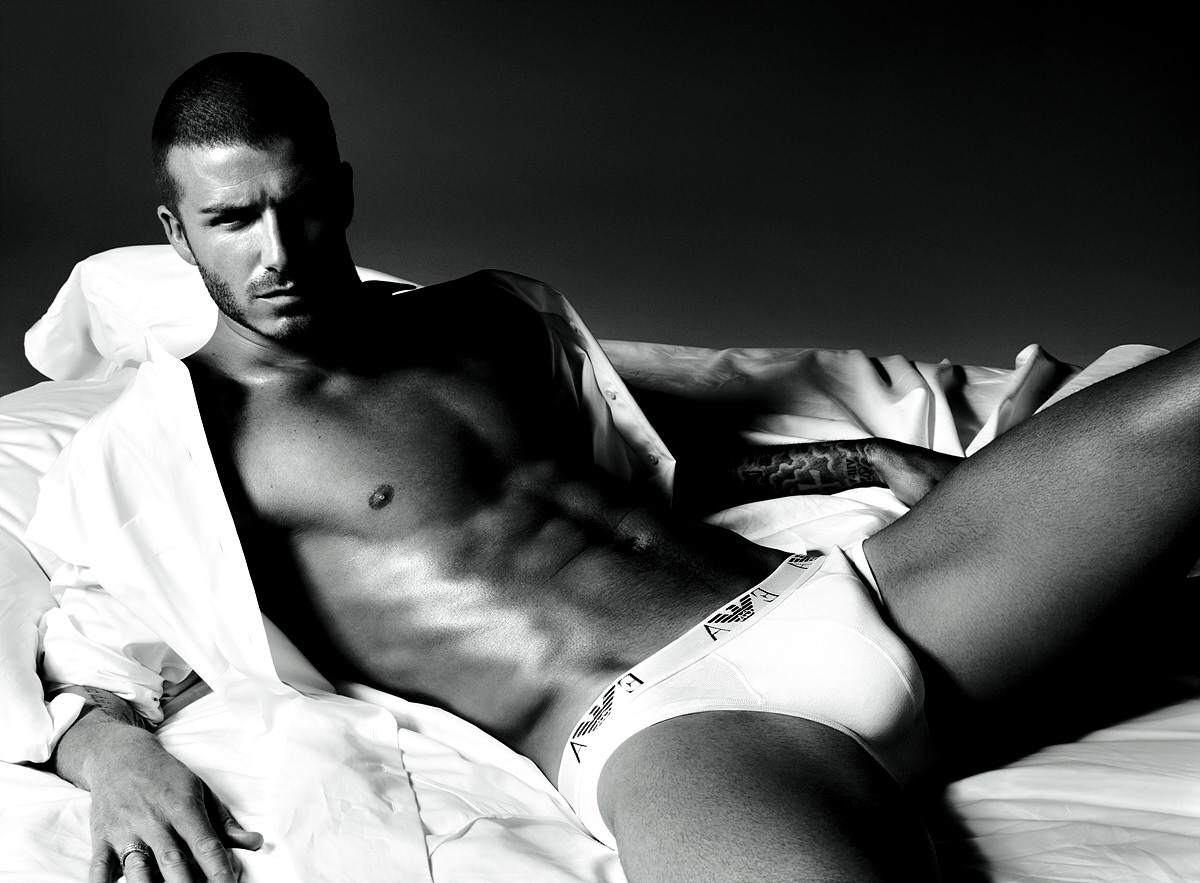
November 14, 2026
Calvin Klein, Armani, and Lacoste enlist famous men to sell the smallest pieces in the wardrobe with some of fashion's biggest images.
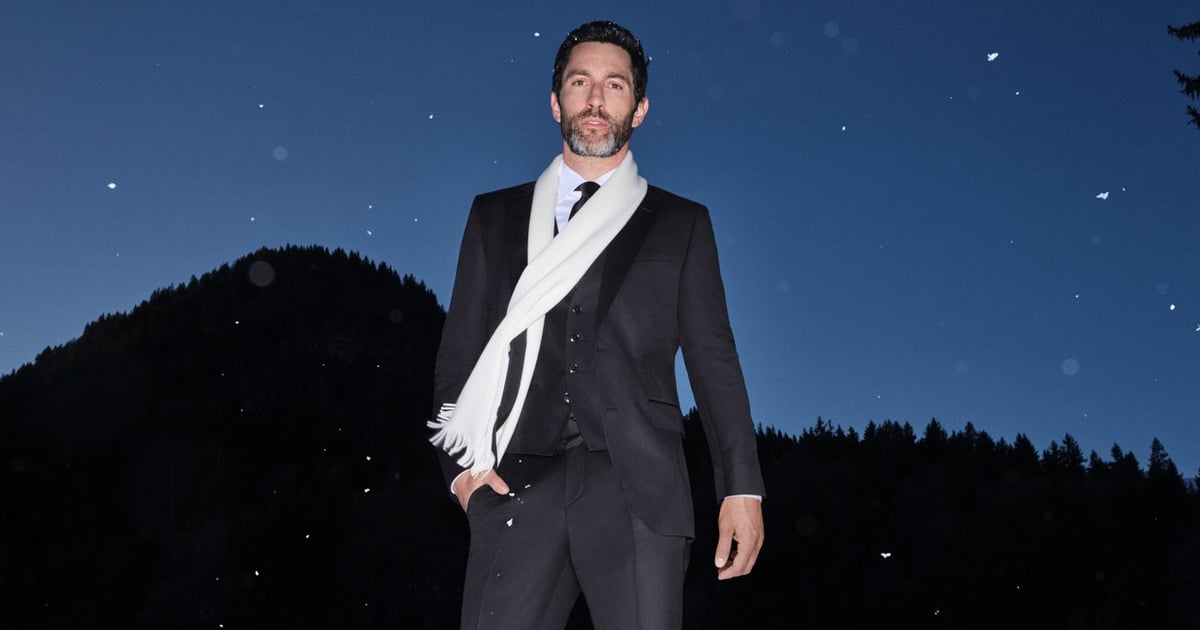
November 14, 2026
Snow boots share luggage space with satin lapels in BOSS’ holiday 2026 campaign starring Noah Mills.
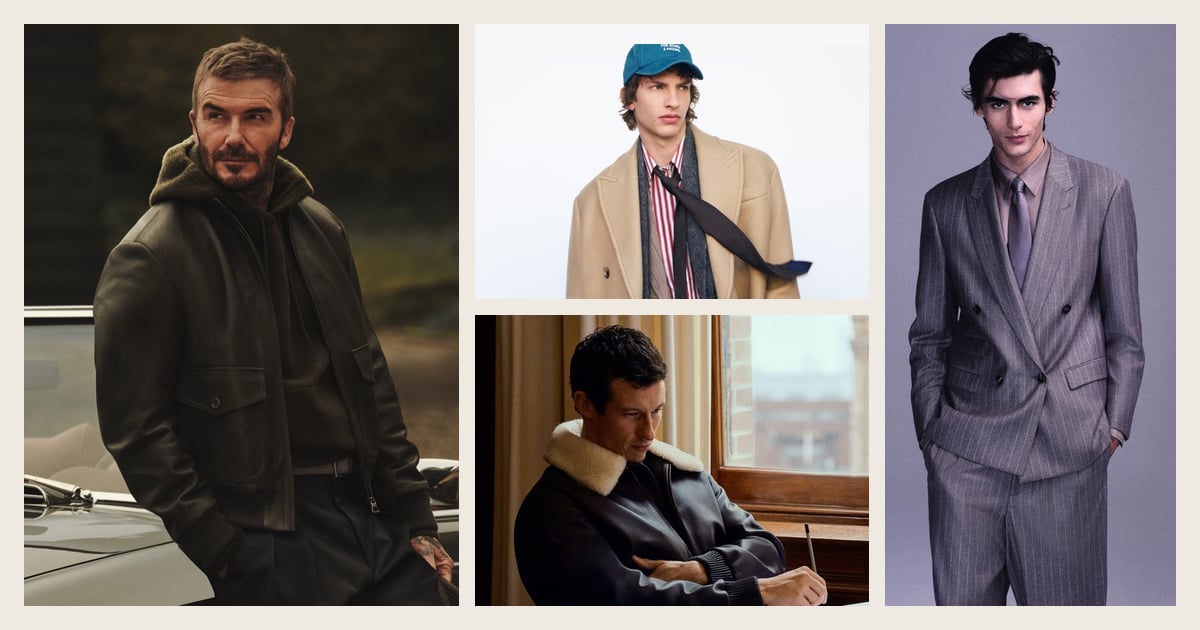
October 27, 2026
From Louis Vuitton's statement pieces to BOSS's everyday wardrobe, luxury designer brands give men plenty of ways to make an impression.
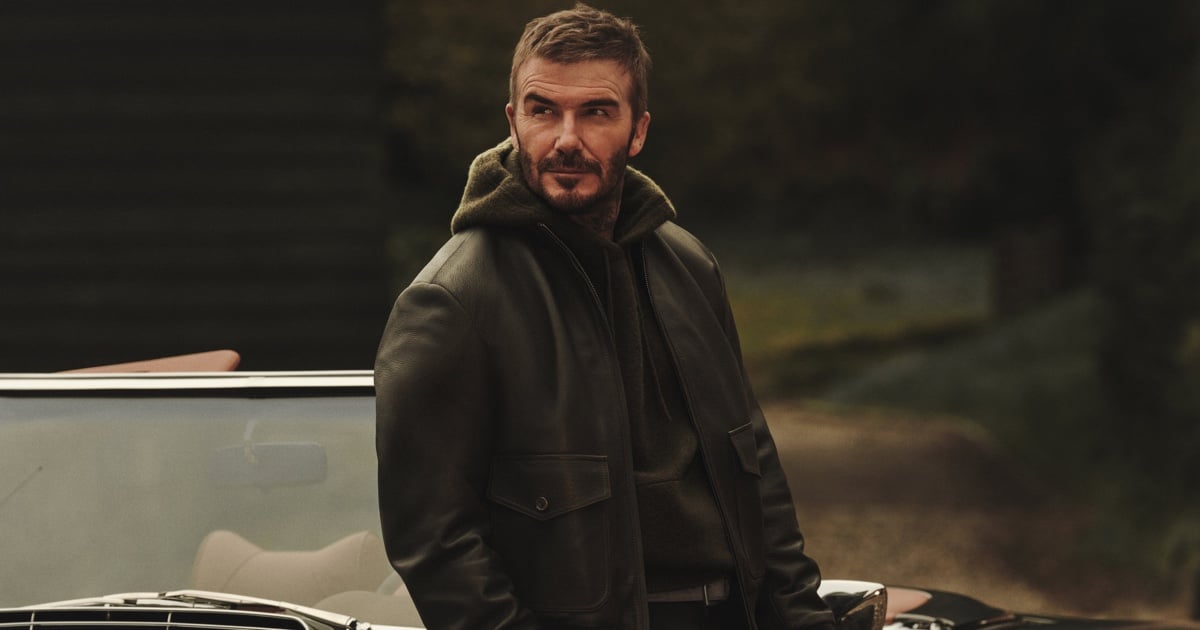
October 8, 2026
David Beckham embraces British country life in BOSS by Beckham fall-winter 2026, pairing classic tailoring with relaxed seasonal staples.
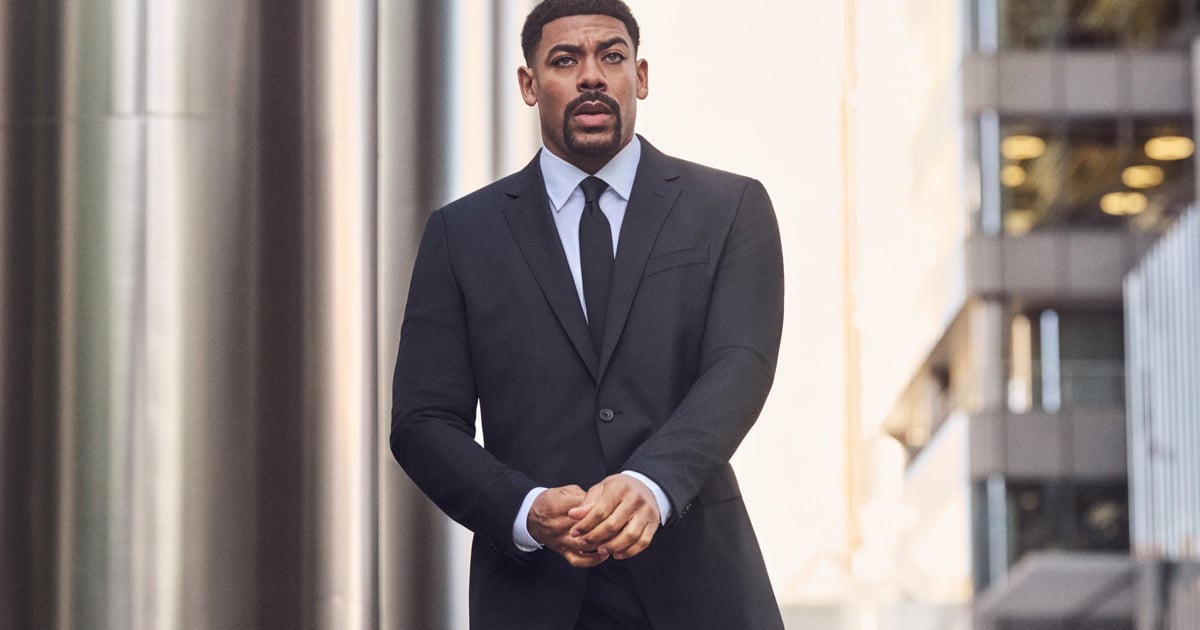
August 26, 2026
BOSS puts the suit back in focus with Aaron Pierre as its most persuasive selling point.
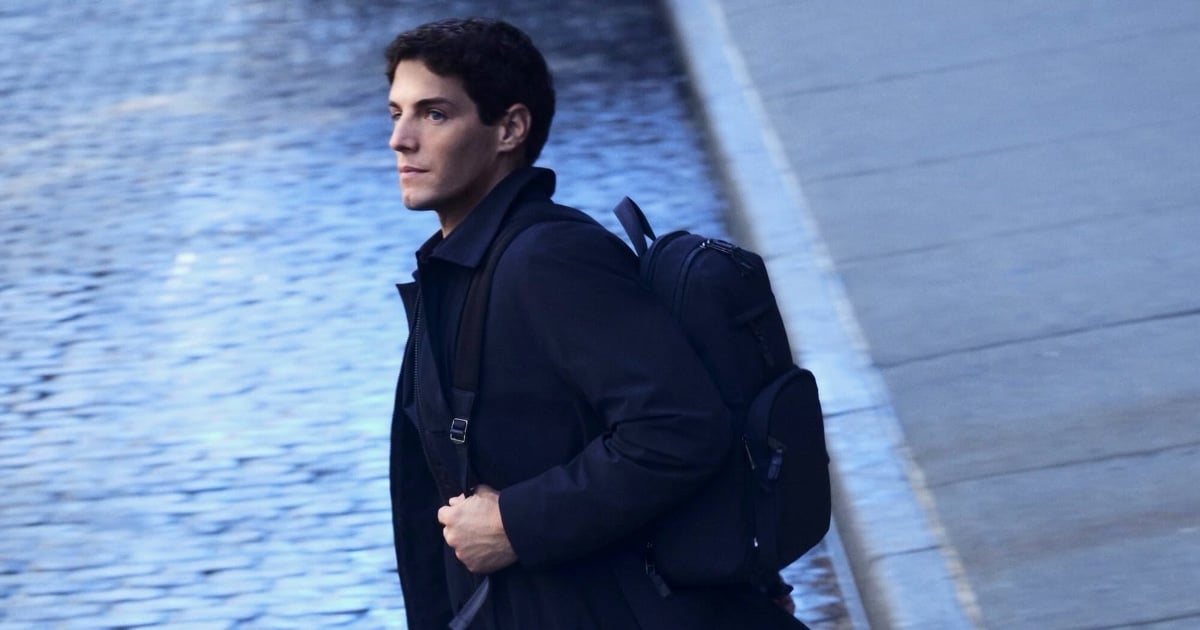
August 20, 2026
BOSS puts tailoring in motion for fall 2026 with its latest Performance edit, fronted by Marcos Fecchino. On the streets
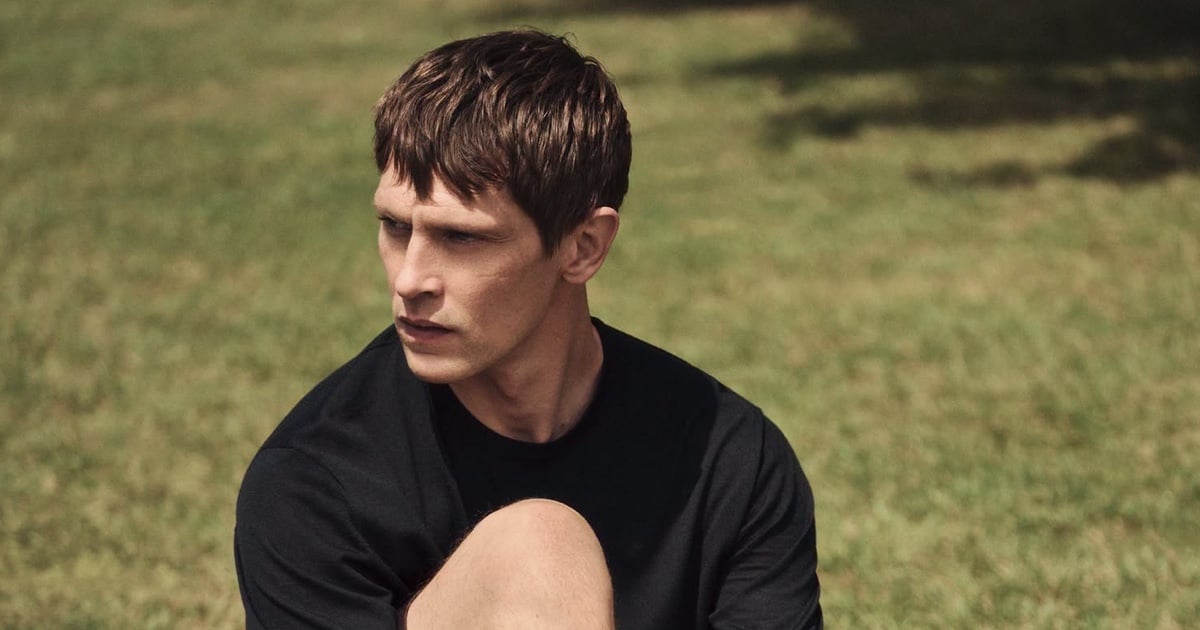
August 15, 2026
Danish model Mathias Lauridsen gives the BOSS by Beckham summer capsule a spin in photos that feature the line’s tailoring,
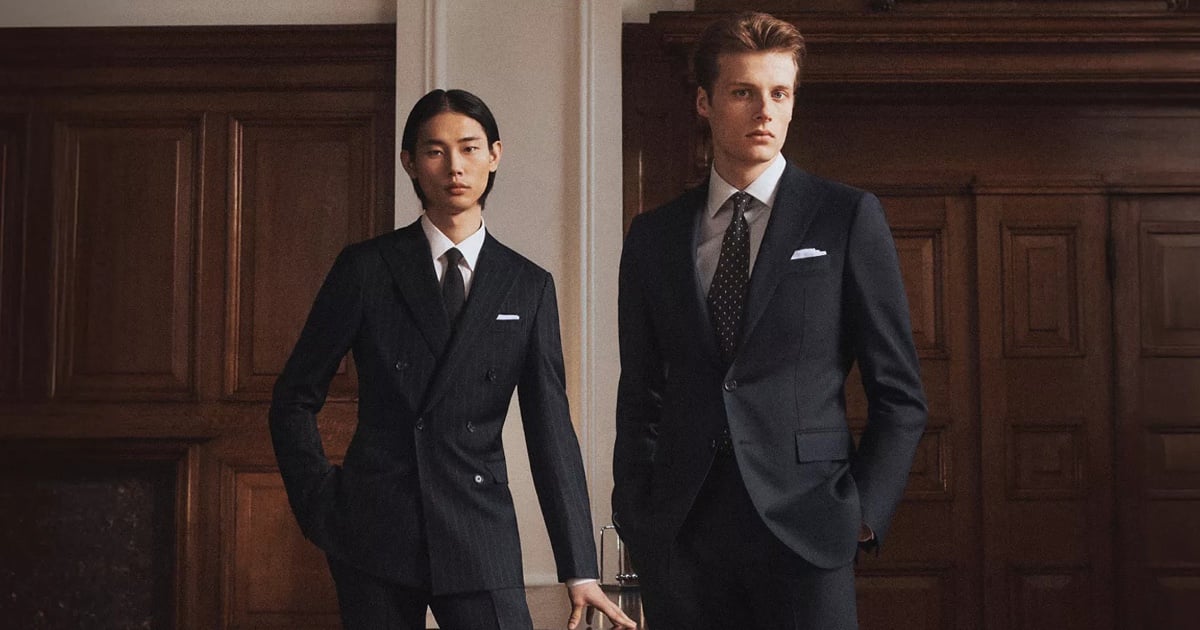
April 12, 2026
BOSS spotlights its Made to Order program through a campaign featuring Josh Heuston, Hugh Laughton-Scott, and Taemin Park.
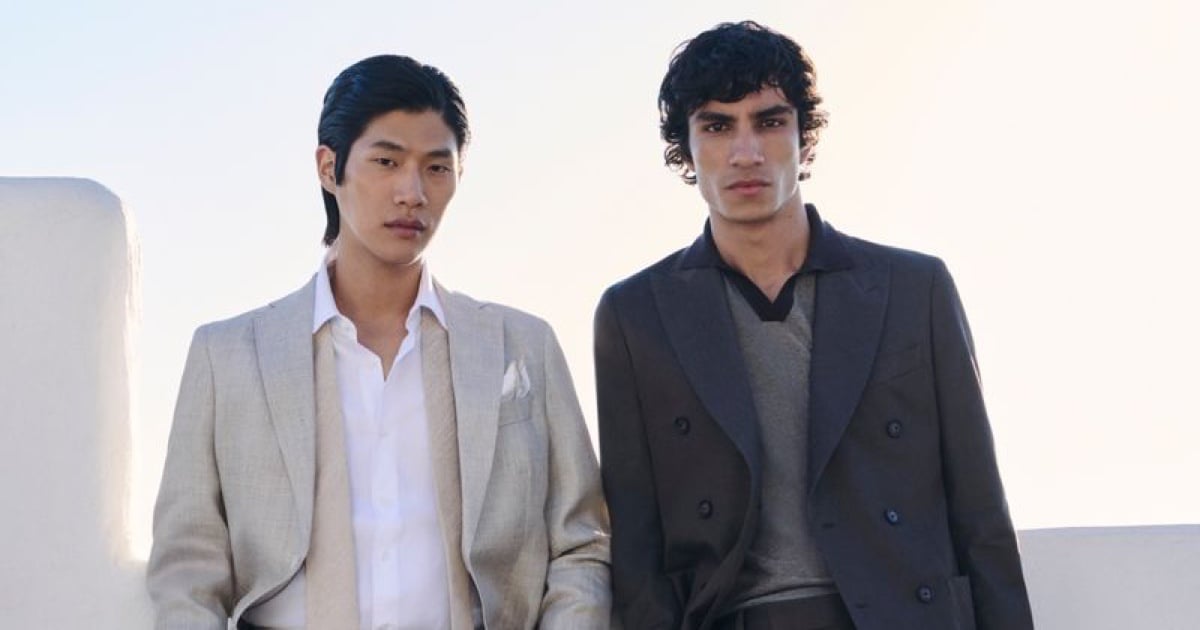
March 31, 2026
BOSS dresses the summer wedding from first toast to last dance, with warm neutrals and breathable linen made for every hour of the occasion.
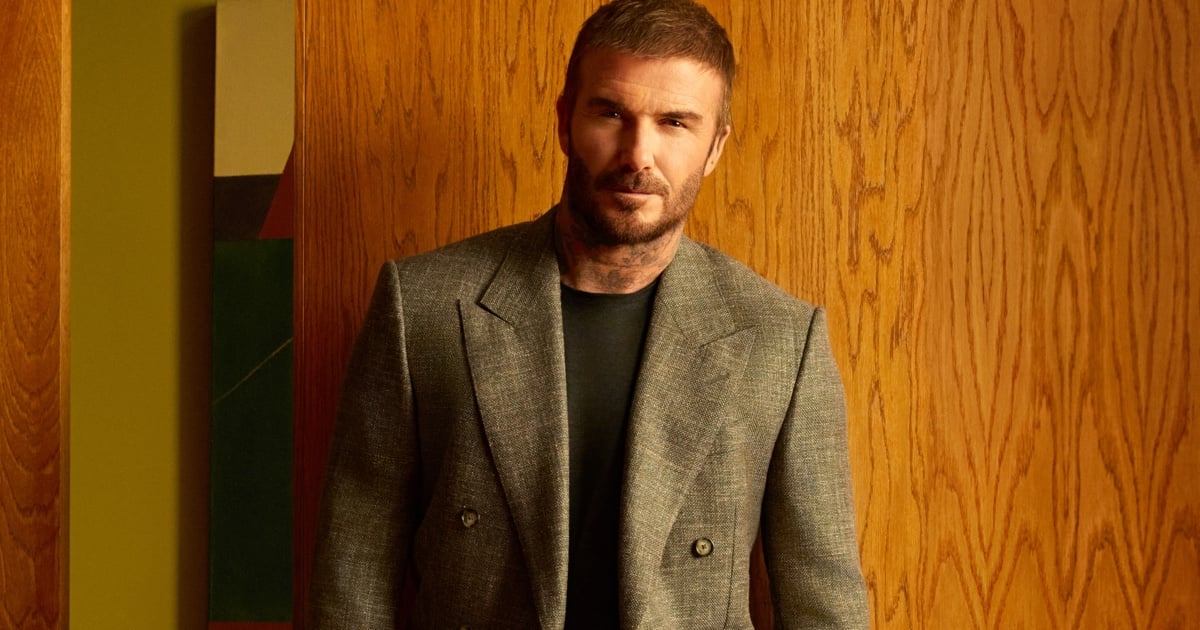
March 26, 2026
David Beckham returns for spring-summer 2026 with a new BOSS by Beckham collection. The collaboration treats maturity as aspiration, compressing