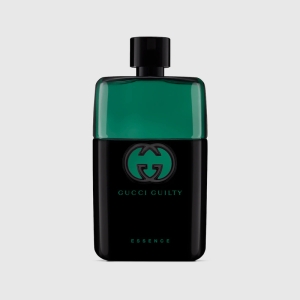
Gucci Guilty Essence Pour Homme Eau de Toilette
Herbal & Earthy
Lavandin and orange blossom give way to smoky, earthy patchouli.
View fragranceGucci Guilty gives men’s fragrance a taste for floral extravagance. In Guilty Pour Homme Eau de Parfum, rose meets chili pepper, giving the opening a hot, slightly unruly edge. Guilty Elixir de Parfum puts powdery orris at the heart of a leathery amber blend, with benzoin adding resinous sweetness. These Gucci colognes treat softness as something a man can show off, much like a silk shirt worn open at the neck.
Concentration alone doesn't tell you how strong a fragrance smells or how long it lasts. Versions of the same fragrance can also smell different, so use the descriptions below to compare them. Learn more about types of cologne.
Herbal & Earthy
Lavandin and orange blossom give way to smoky, earthy patchouli.
View fragrance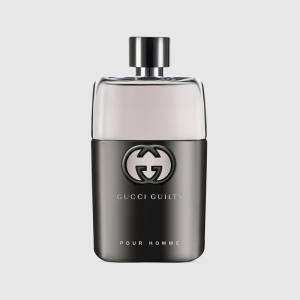
Citrus & Aromatic
Lemon and pepper lead into orange blossom, lavender, and earthy woods.
View fragrance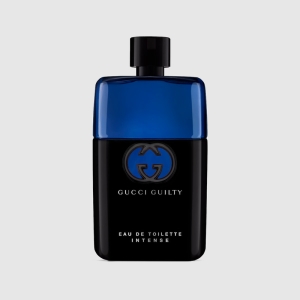
Salty & Woody
A salt accord meets herbal lavender and resinous palo santo.
View fragrance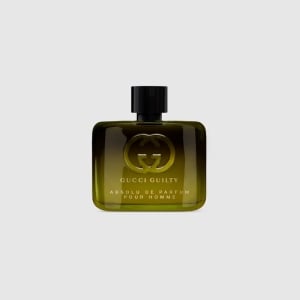
Boozy & Leathery
Rum, chili pepper, and resinous sweetness develop into a leather finish.
View fragrance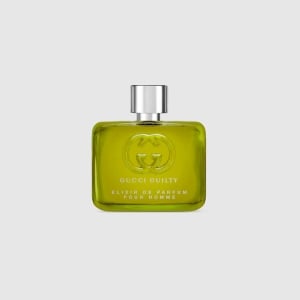
Powdery & Ambery
Orris and benzoin bring powdery sweetness to a leathery amber blend.
View fragrance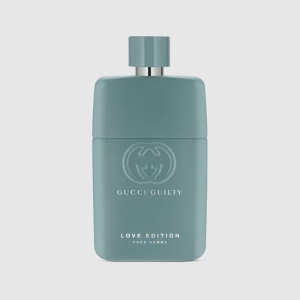
Balsamic & Ambery
Juniper and orange blossom sit over a warm Ambrofix base.
View fragrance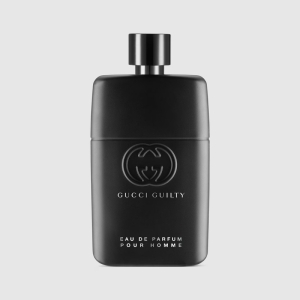
Floral & Spicy
Rose and chili pepper sharpen a floral heart over patchouli and cedar.
View fragrance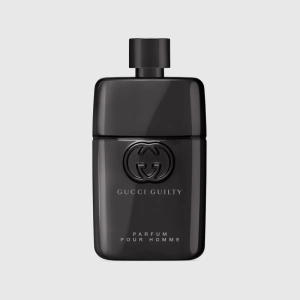
Herbal & Resinous
Lavandin and juniper meet warm cistus, nutmeg, and musky woods.
View fragrance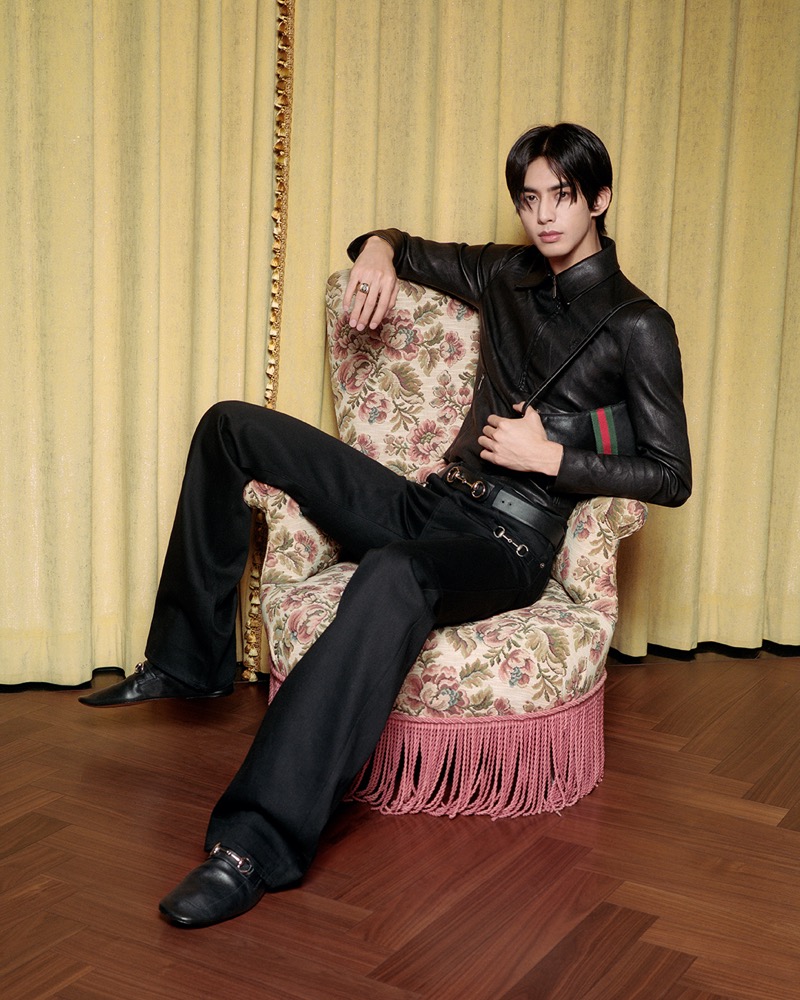
Andrew Miksys / Gucci
Gucci was founded in 1921 by Guccio Gucci in Florence. The shop on Via della Vigna Nuova began as a leather goods and luggage business, drawing on the founder’s years working at the Savoy Hotel in London, where he had worked as a bellboy and become enamored with the luxury suitcases carried by the city’s aristocrats.
The proposition was Florentine leatherwork aimed at a traveling upper class, with equestrian accessories following soon after. After the war, the Gucci crest, which showed a shield and armored knight surrounded by a ribbon inscribed with the family name, became synonymous with the city of Florence. Under Aldo Gucci, the company became, in the standard description, emblematic of the Italian economic miracle.
Menswear grew alongside the accessories business, then expanded sharply once Tom Ford took over design. In 1981, Gucci showed ready-to-wear for the first time at the Sala Bianca in Florence, playing heavily on the Flora print.
Ford joined in 1990 and became creative director in 1994. He redefined the house’s men’s wardrobe around velvet flares, jewel-toned silk shirts, and sharp tailoring, taking much of his hedonistic inspiration from the Halston-era world of Studio 54, putting his models in jeweled silk blouses and velvet flares.
The 1996 red velvet suit became the reference point for the era. Ford’s tenure steered fashion away from oversized Armani-style menswear and nineties grunge collections toward a glitzy, unapologetically opulent image that would define the early noughties.
Recognition came in the form of long-running CFDA honors and the loafer’s place in fashion history. The Gucci loafer with metal horsebit, created in 1953, was displayed at the Metropolitan Museum of Art in New York in 1985, becoming part of the permanent collection.
Ownership changes shaped the modern company. Following family feuds during the 1980s, the Gucci family was entirely ousted from the capital of the company by 1993, and in 1999 Gucci became a subsidiary of Kering.
Creative leadership shifted from Ford to Frida Giannini, then to Alessandro Michele, whose decade-long run drew on floral suiting, pussy-bow shirts, and gender-fluid menswear that pulled in a younger client base.
Stefano Cantino has been CEO of Gucci since October 2024, and Demna creative director since March 2025. The business remains one of the largest houses in the Kering portfolio, with 529 stores, 20,032 employees, and €7.65 billion in sales in 2024.
In menswear, Gucci now dresses a mix of musicians, athletes, and film talent, sitting in the upper tier of the Italian houses alongside Prada and Bottega Veneta. Demna’s arrival signals another shift in the men’s silhouette.
February 2026

Fall/Winter 2015
Fall/Winter 2015
November 25, 2026
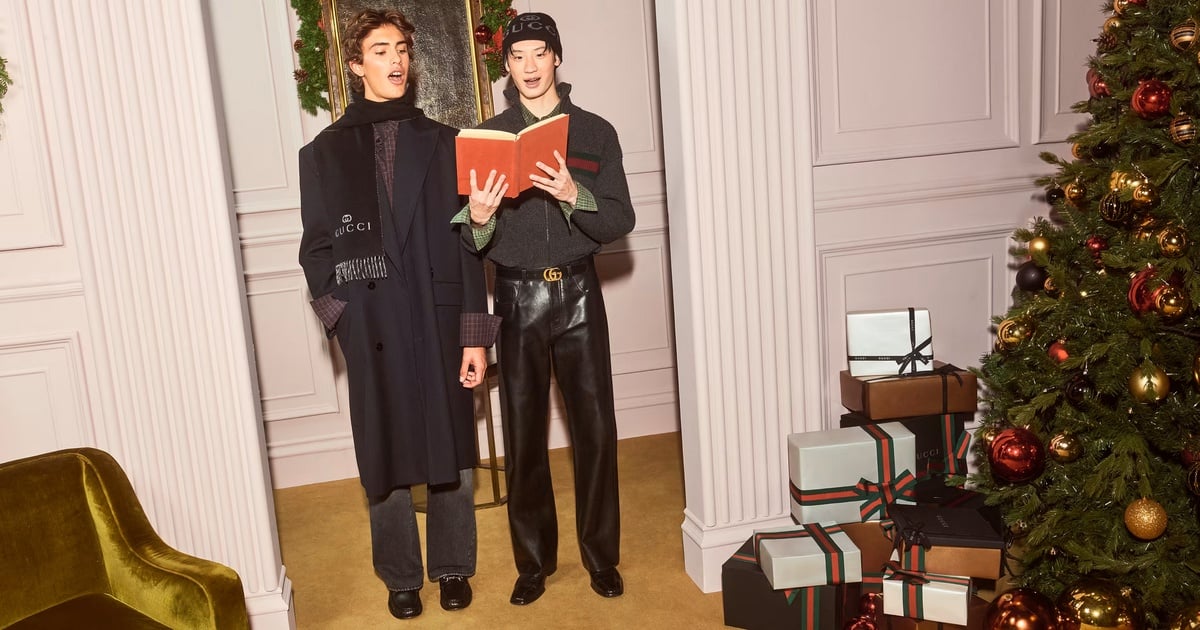
Gucci Gift’s Christmas guests arrive with plush coats, oversized bags, and every intention of being noticed.

November 13, 2026
With a weakness for soft shirts and an eye for proportion, Paul Mescal gives dressing up a personal appeal.

November 12, 2026
Finding your signature sunglasses involves a little vanity, a few millimeters, and knowing which frames feel like you.
October 28, 2026
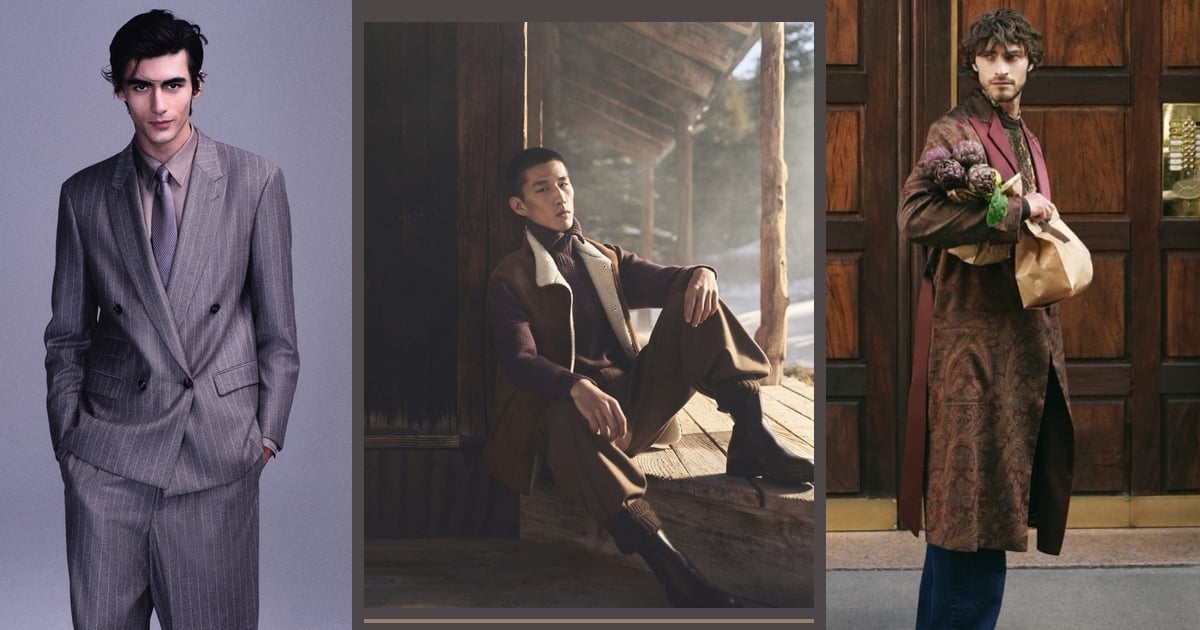
From Giorgio Armani's soft tailoring to Versace's after-dark ambitions, dressing Italian leaves plenty of room for personal taste.
October 27, 2026
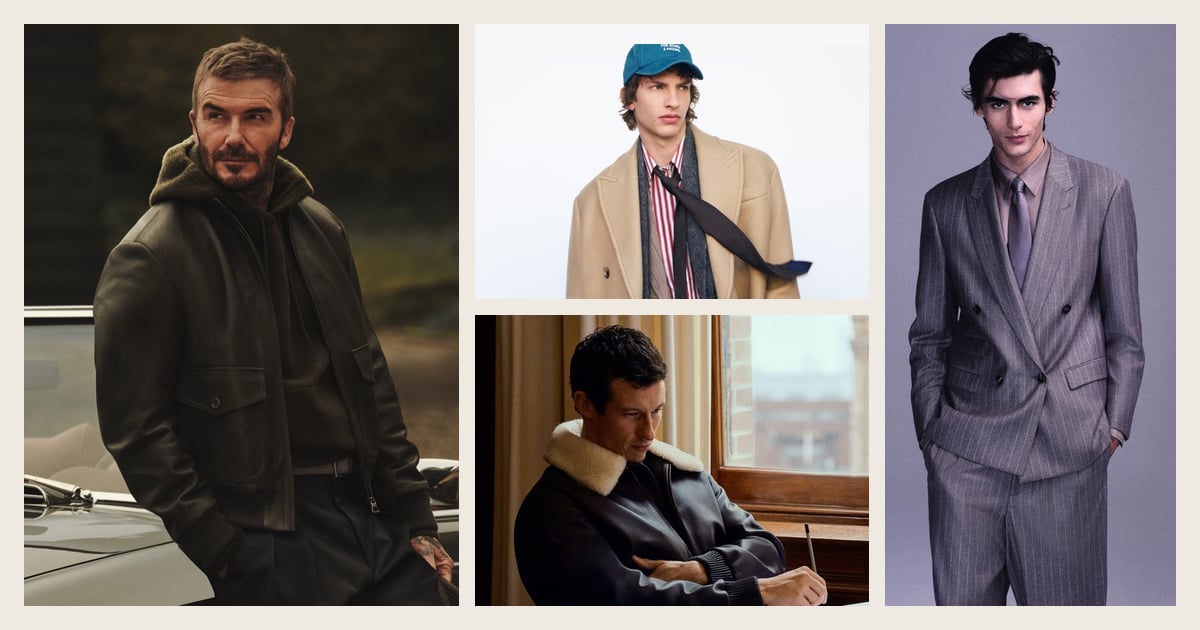
From Louis Vuitton's statement pieces to BOSS's everyday wardrobe, luxury designer brands give men plenty of ways to make an impression.
October 21, 2026
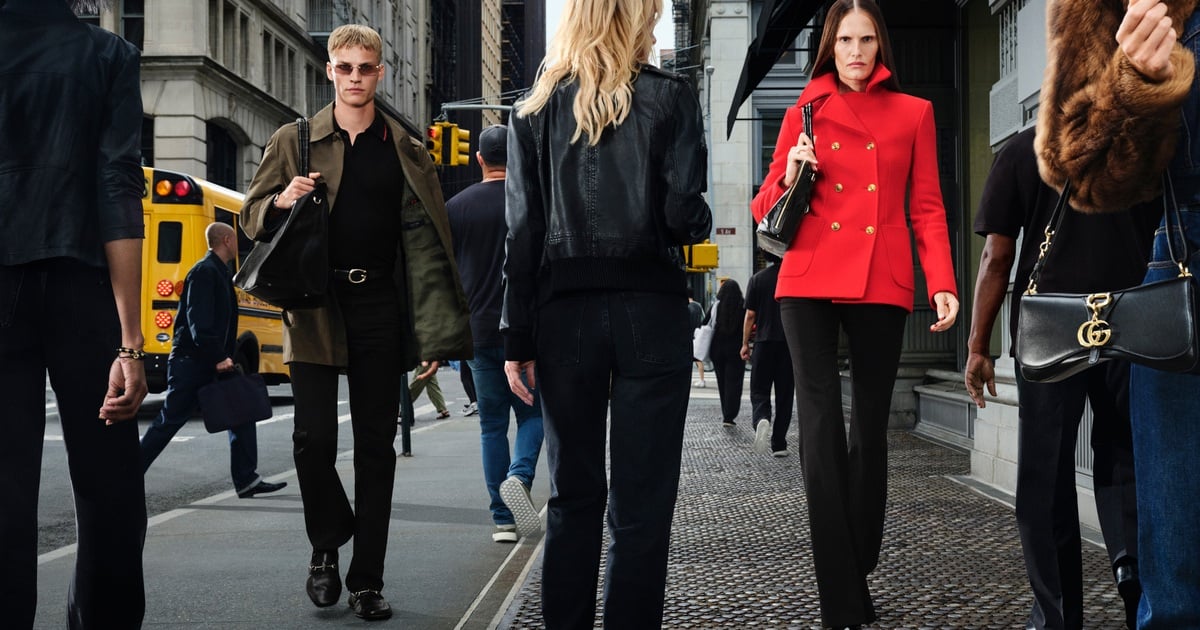
Rush hour gets a selective dress code as Peter Funch photographs Gucci's GucciCore campaign on the streets of New York.
September 26, 2026
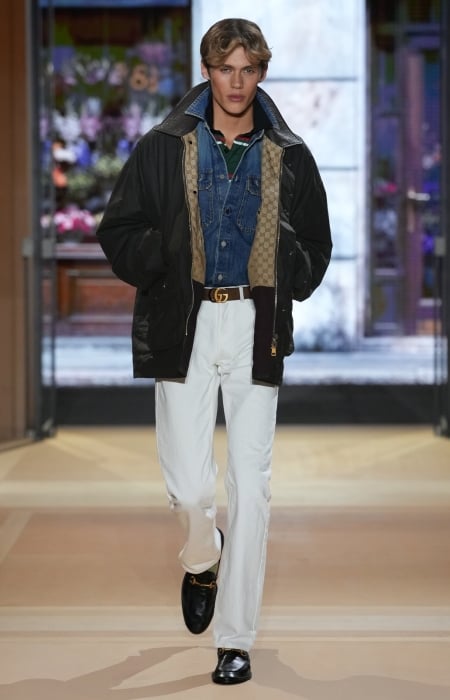
Gucci's past becomes Demna's working inventory as two distinct identities meet for spring.
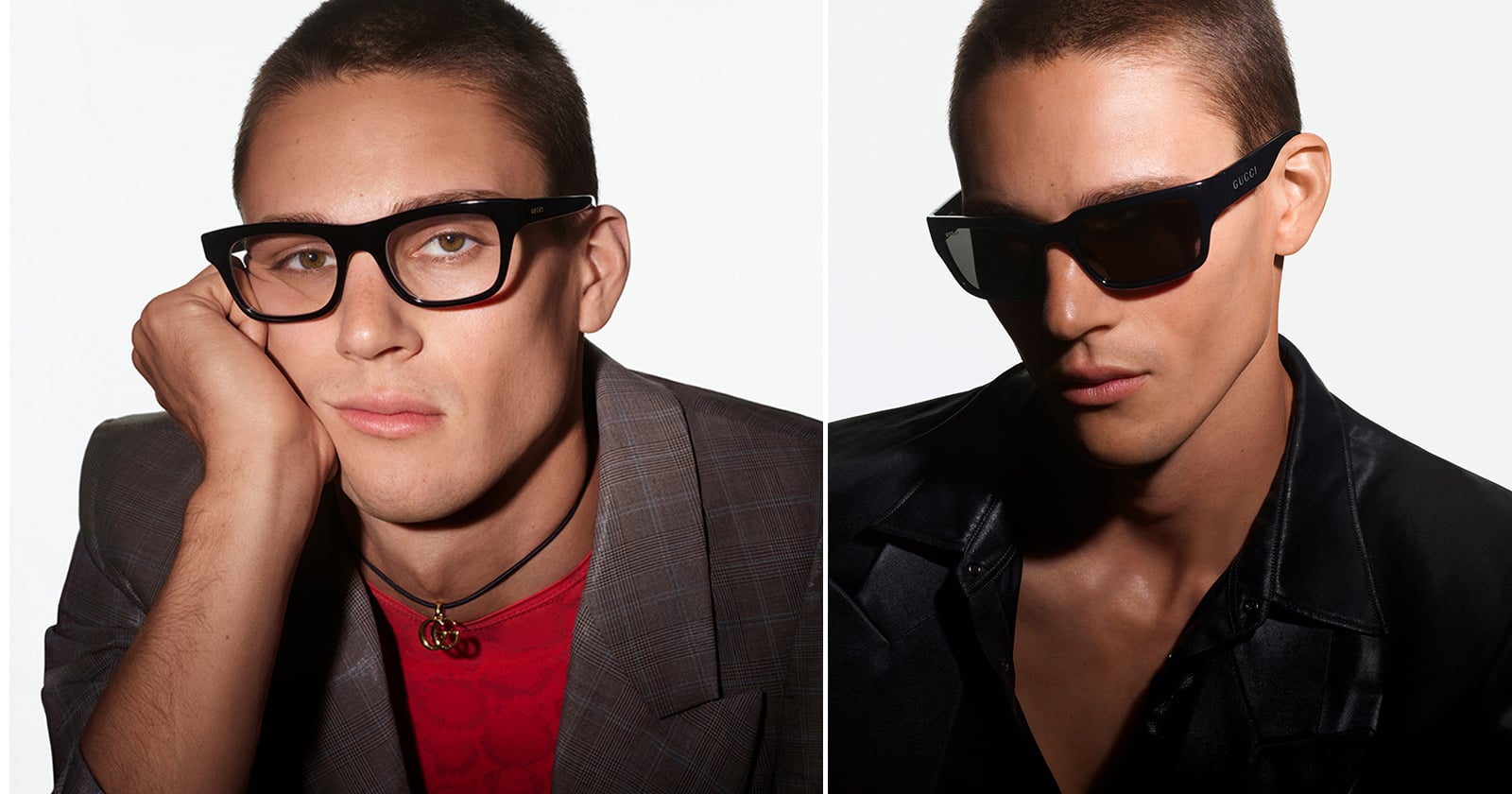
September 14, 2026
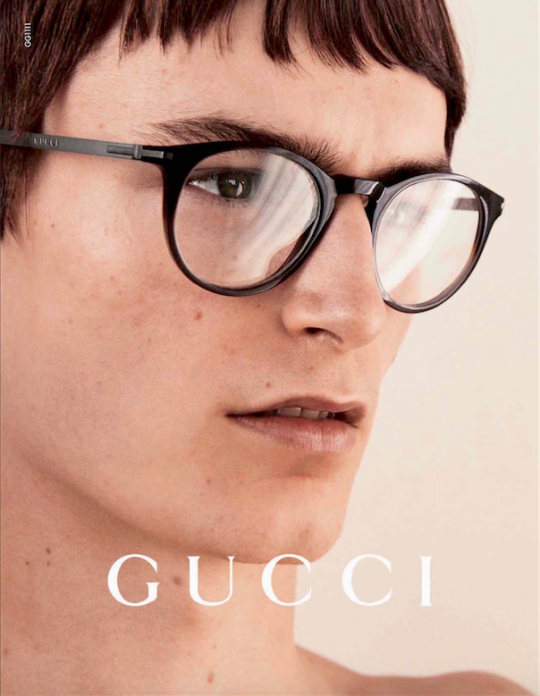
Eyewear becomes an exercise in personality for Gucci’s fall-winter 2026 eyewear campaign. Photographed by Mark Seliger, the advertisement turns to
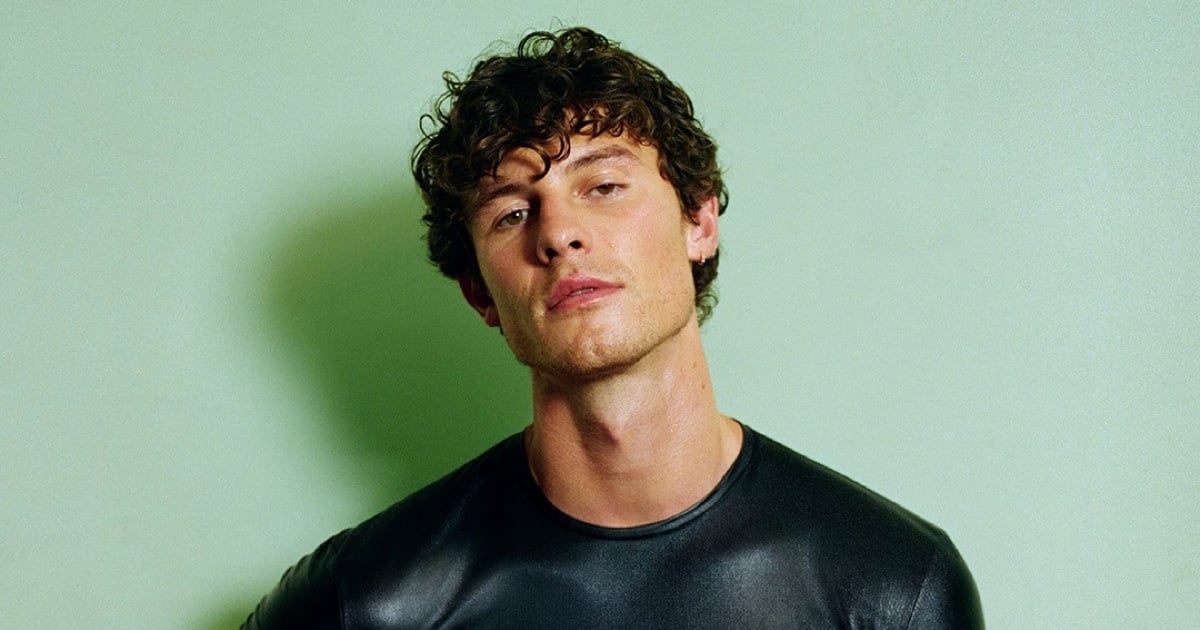
August 25, 2026
Shawn Mendes, Jin, Tom Brady, Xiao Zhan and more step into Demna's debut Gucci collection for fall-winter 2026.
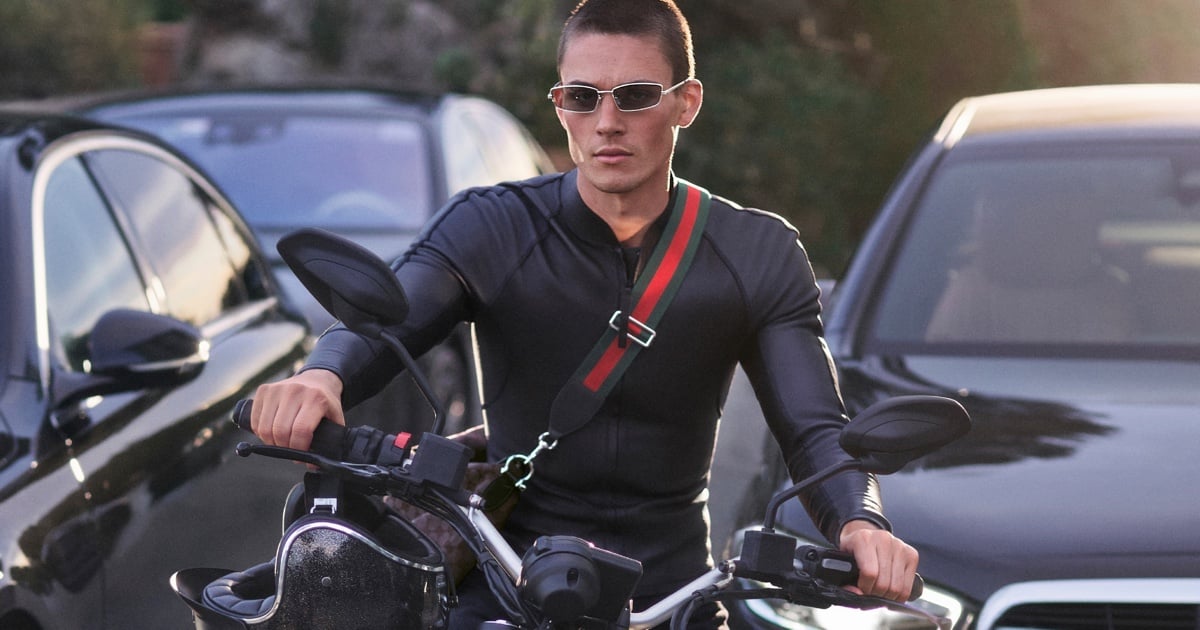
July 3, 2026
From Flora-covered beach clubs to the open road, Gucci expands its vision of a Monte Carlo summer.