A team logo can say where you’re from, who you support, or simply which colors you like together. Snapback hats leave that choice to the wearer. With a bomber jacket and the brim turned backward, the cap gives an everyday outfit a little of the attitude associated with skate parks and music videos. Its practical appeal is more straightforward: a few plastic snaps let you adjust the fit.
Snapback Hats
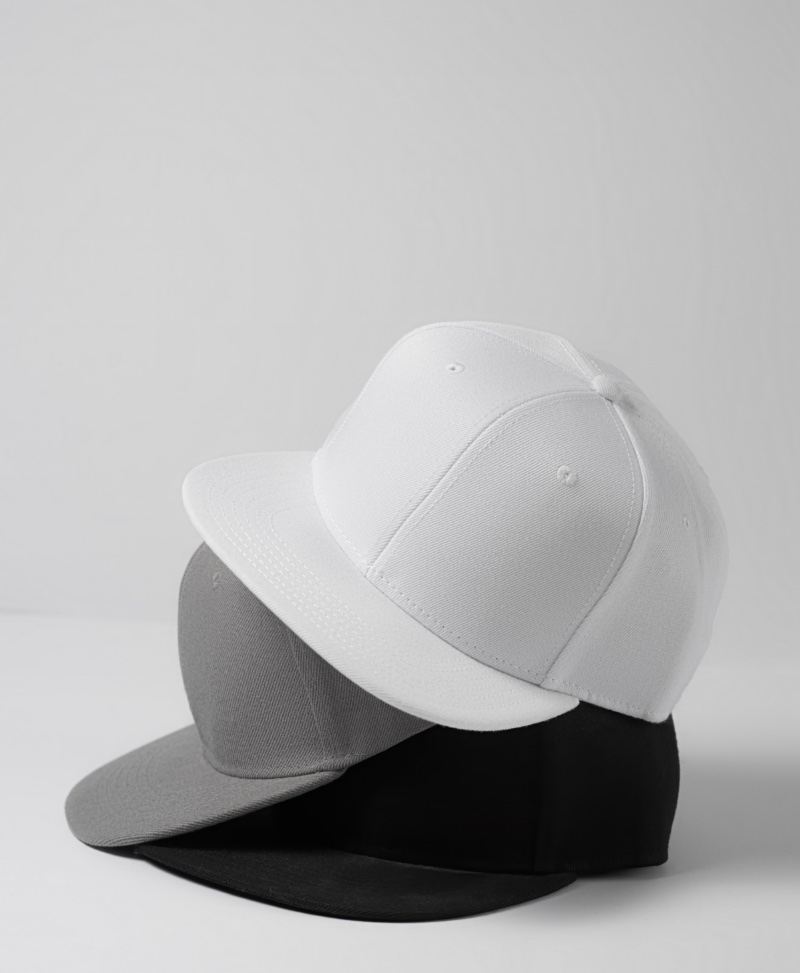
A snapback hat is a cap with an adjustable plastic closure made from interlocking studs and holes. The name refers to that fastening. Tall crowns and flat brims helped establish its recognizable shape, though curved-brim versions belong to the same category.
Cap terminology gets more useful once you separate shape from construction. Among the different types of baseball caps, a six-panel design may also be a snapback, and so may a mesh-backed trucker. A fitted cap comes in a set size. A strapback adjusts through a fabric or leather strap, usually held by a buckle or clasp.
Choosing the Fit & Shape

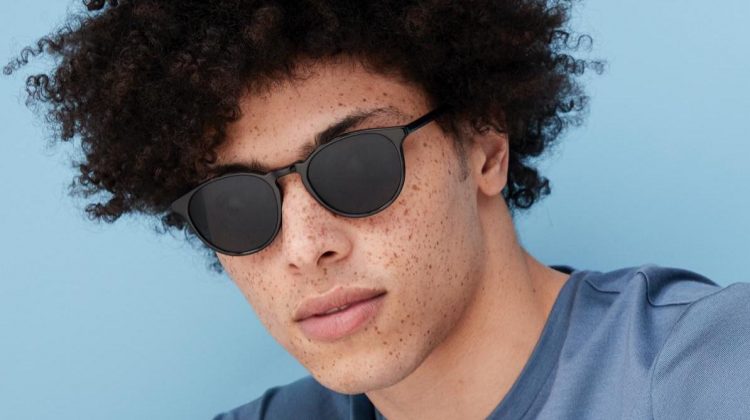
The right cap feels like part of your clothes, and crown height has plenty to do with that. A high, structured crown adds definition above a broad sweatshirt or jacket. A lower crown sits closer to the head, making a subtler addition to a shirt. Here, matching blues draw the cap into the outfit, giving the combination a uniform quality.
Start with the fit around your head. Measure just above the eyebrows and ears, then compare the result with the maker’s size chart. Adjustable still means a particular range of sizes. The band should feel comfortable, with the fastening securely engaged, as you turn your head.
Then look at the brim. A flat bill draws a stronger horizontal line; a curved one follows the face more closely. A curved-bill snapback hat offers the same adjustable convenience in a shape that feels closer to a traditional sporting cap. Try the side view in a mirror, too. Crown depth can change the effect considerably.
How to Wear a Snapback Hat

Color gives a snapback something to contribute beyond covering your hair. The yellow cap here picks up the sneakers, connecting the outfit from head to toe, while the green top and patterned jeans keep things playful. The clothes share a casual attitude, so the cap feels like a natural extension of them.
That small repetition of color can do most of the work. A bright cap above a plain T-shirt and jeans needs little further explanation. A team logo adds another possibility, especially in a streetwear-inspired look, where lettering and sports references are already part of the vocabulary. Choose a logo you enjoy wearing. Baseball knowledge is useful at the stadium; getting dressed permits other loyalties.
Keeping It Tonal
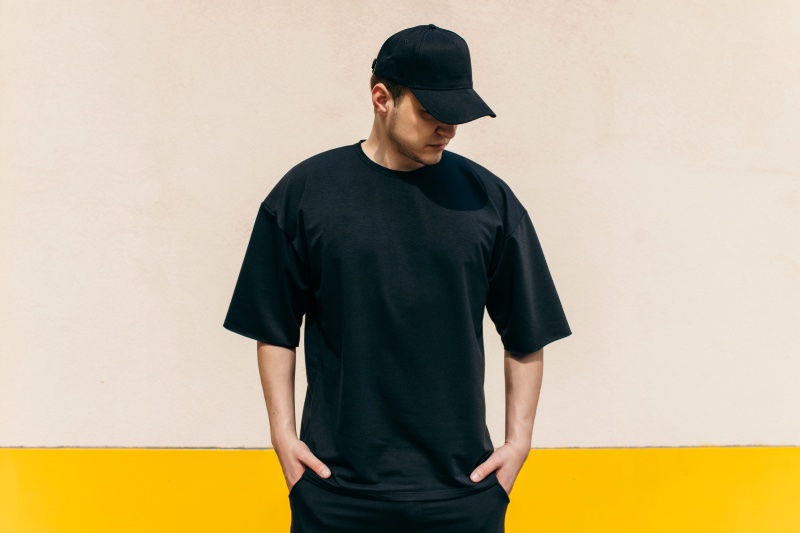
Black on black puts the emphasis on shape. A firm crown and projecting brim give definition to the loose T-shirt beneath them, while the shared color makes the cap feel integrated. It’s a useful approach for someone who likes the silhouette and prefers quieter branding.
The direction of the brim changes the mood. Forward, it frames the face and shades the eyes. Backward, as with the opening bomber-jacket look, it exposes the forehead and brings the fastening into view. The latter has a youthful informality that suits casual clothes. Readjust the band after turning the cap around; comfort matters more than maintaining a particular angle.
Baseball Roots
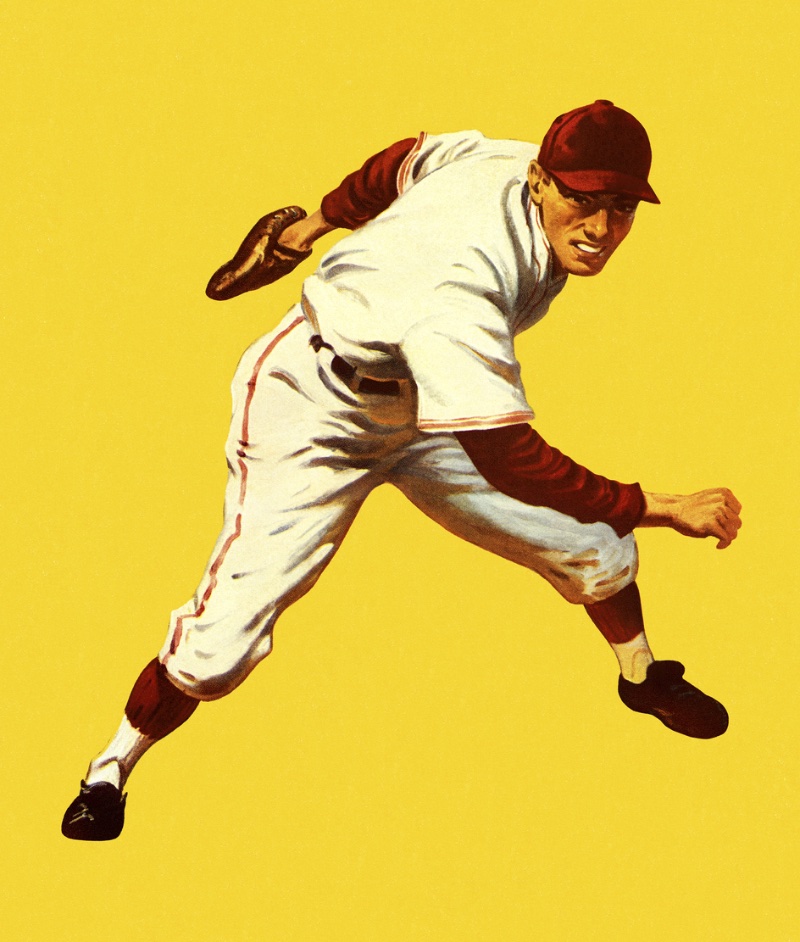
Baseball gave the cap both a practical purpose and a social identity. As headwear for baseball players, the projecting brim helped shade the eyes. Team colors and insignia also made affiliation visible from a distance, a quality that proved just as useful in the stands.
The snap fastening offered adjustment across a range of head sizes. Once the cap became everyday clothing, that convenience traveled with it. So did the logo, which could suggest a hometown connection or become a graphic choice in its own right. The sporting reference stayed legible even as the reasons for wearing it multiplied.
Music & Personal Style
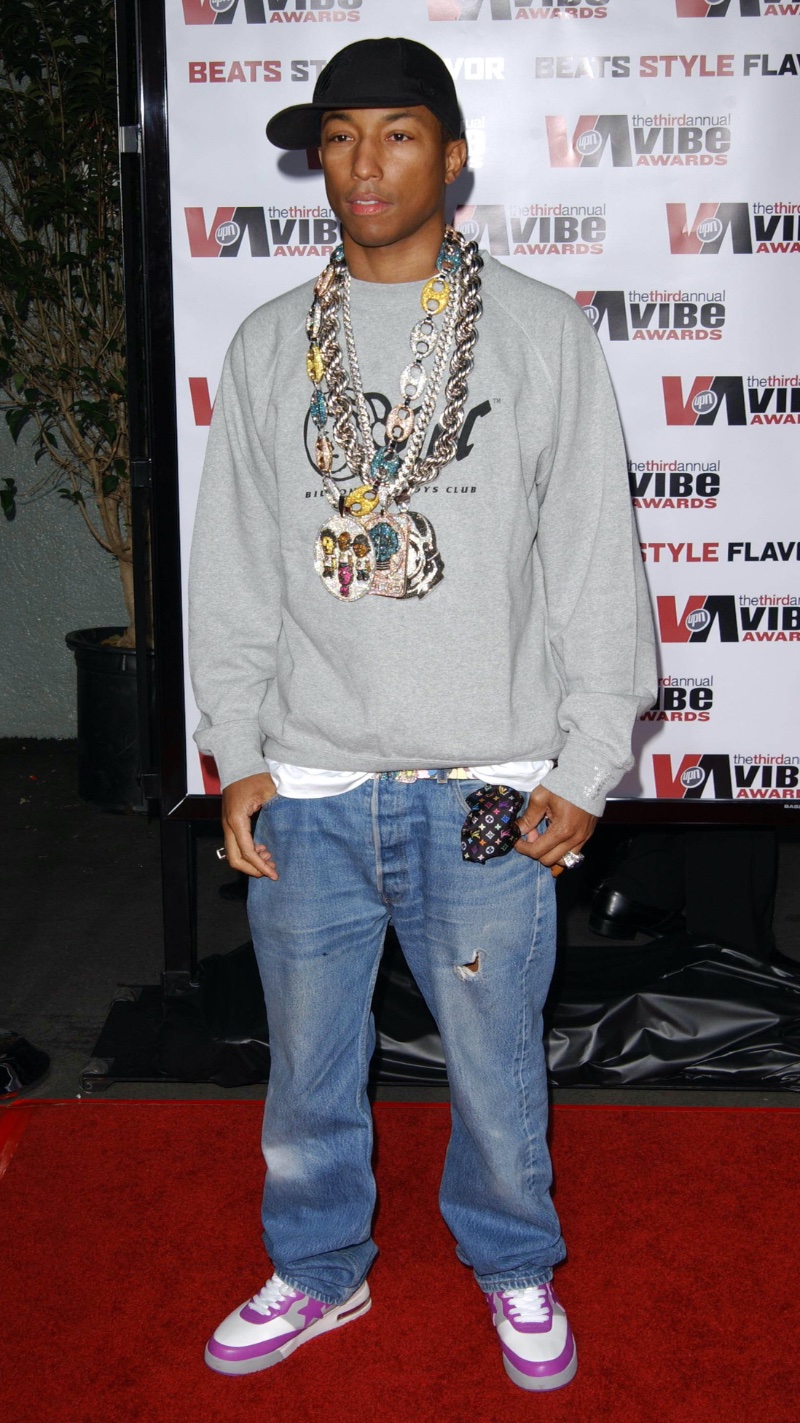
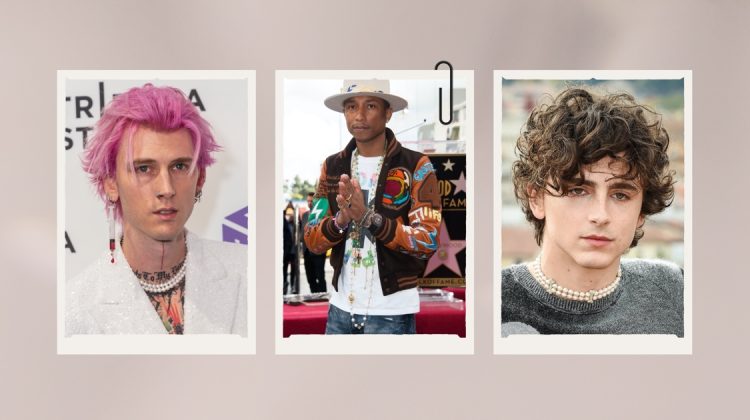
Pharrell Williams wore his cap with a gray sweatshirt, jeans and layered chains in 2005. The clothes were casual, the jewelry conspicuous, and the cap helped hold those different impulses together. His sneakers added another point of color below the denim.
The combination captured something appealing about music-led sportswear: ordinary garments could become highly personal through the way they were worn. A cap supplied another choice of shape and affiliation. For someone watching, the attraction might have started with the artist and ended with a particular way of getting dressed.
Snapback Brands
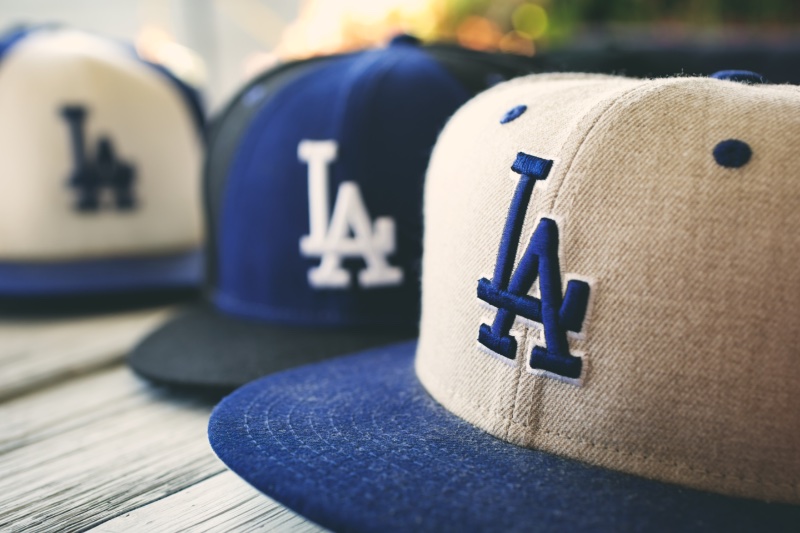
New Era is a useful place to learn the difference between a logo and a silhouette. The same team can appear across several cap shapes. Its classic 9FIFTY has an adjustable snap closure, structured crown and flat visor; the fitted 59FIFTY comes in specific sizes. Knowing which shape you like saves a great deal of browsing.
Mitchell & Ness puts sports heritage at the center of its appeal, with throwback team designs that speak to the look of a particular era. An older logo can be the attraction itself, whether it recalls a favorite season or simply has better lettering.
Yupoong, in the headwear business since 1974, brings the conversation back to the cap’s construction. The manufacturer produces private-label headwear alongside its own collections, including YP Classics. Its blank styles suit those who want to choose a shape before committing to a graphic. Starter belongs to the sporting side of the conversation, too, with individual designs worth assessing for their crown and closure.
Caring for a Snapback Hat
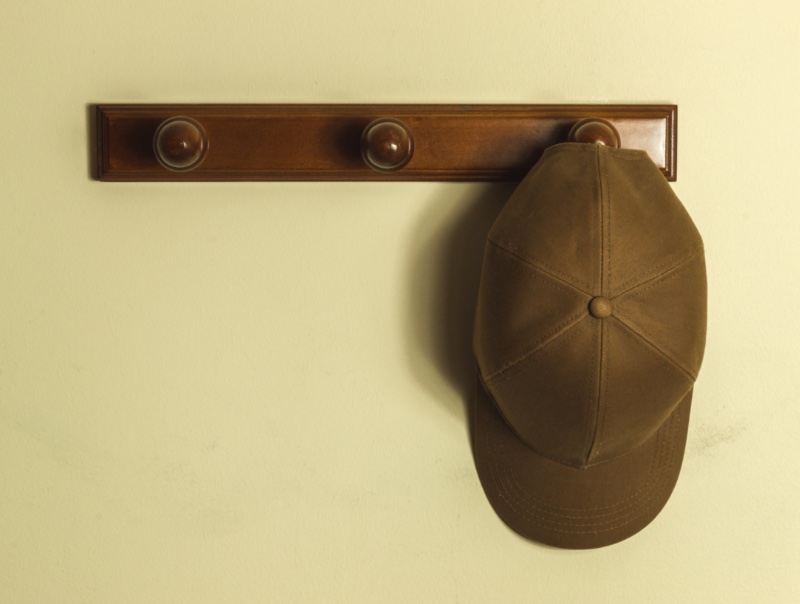
A favorite cap tends to get handled often and cleaned less enthusiastically. Start with the care label: the fastening tells you how it fits, while the fabric and construction determine how to wash it. Where permitted, spot-clean with a damp cloth and mild, color-safe detergent, testing a concealed area first. The sweatband deserves particular attention.
New Era recommends spot cleaning its cotton, polyester and wool caps, followed by air-drying in their natural shape. It advises against machine washing or full immersion. Leather and suede call for their own care, so check the maker’s instructions before reaching for water.
Between wears, a smooth hook keeps the cap handy, while a shelf or supportive box protects its shape. Let it dry fully before storing it, and keep heavy objects off the crown and brim. A little care preserves the proportions you chose in the first place.