The different types of polo shirts can suggest a country-club dress code or a summer spent well away from one. Much depends on the version. Cotton piqué keeps its sporting associations, while an open-collar knit looks at home with pleated trousers and loafers.
That range explains the polo’s staying power. Its collar gives casual clothes a little structure, but the shirt’s character changes with the fabric and fit. The different types of polo shirts offer everything from an easy alternative to a T-shirt to knitwear that works beneath tailoring.
Some distinctions concern fabric, others concern purpose or design. A long-sleeve polo can also have a chest pocket, while a golf shirt may use performance fabric. These overlapping categories leave plenty of room to find a version that suits how you dress.
The Classic Polo
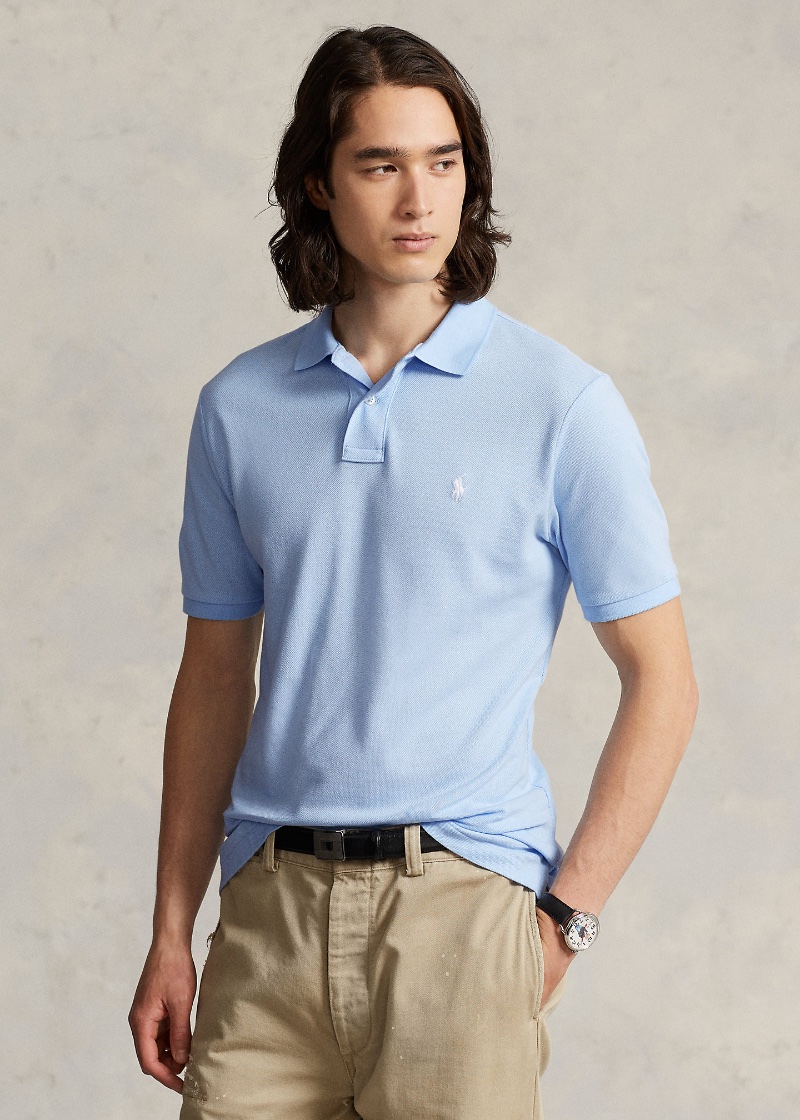
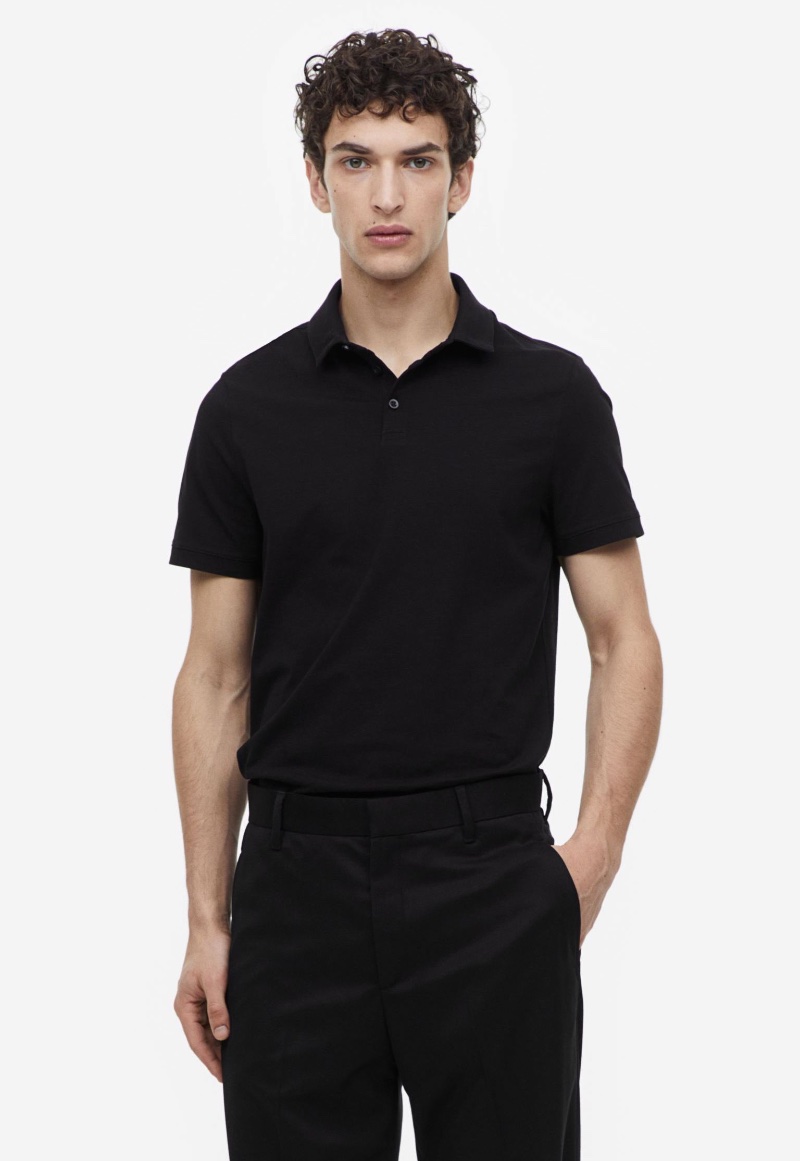
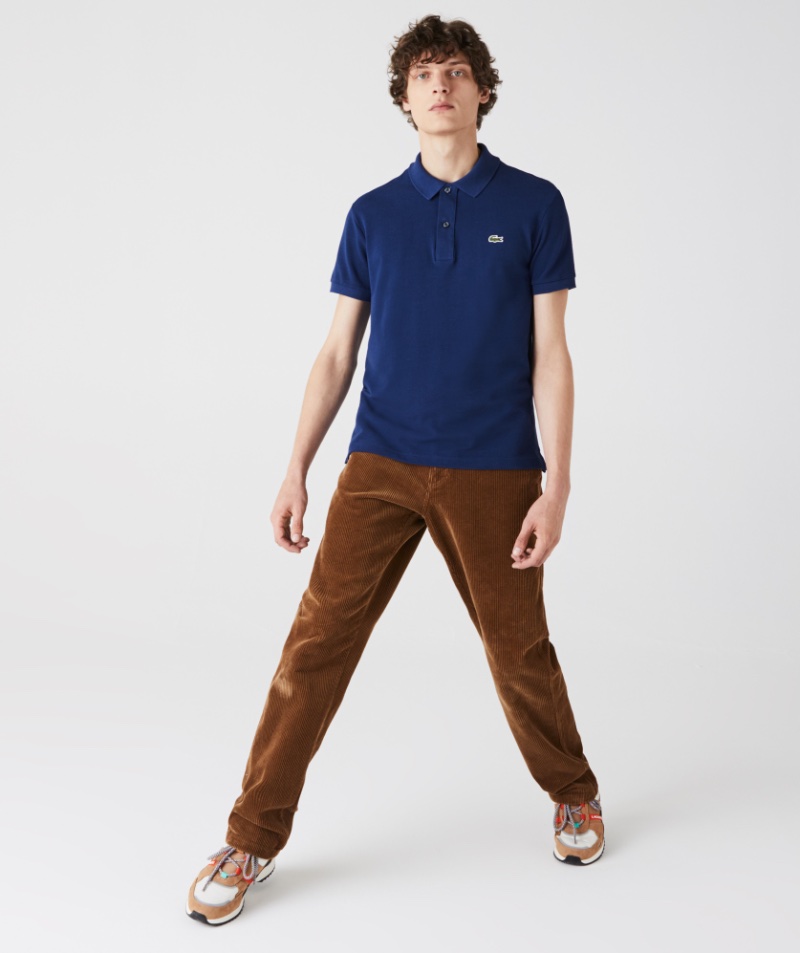
The classic polo shirt has a soft, fold-over collar and a short button placket, usually with short sleeves. Cotton piqué is a traditional choice, giving the surface a raised texture that distinguishes it from a plain T-shirt.
Its appeal lies in how little styling it needs. Wear it with jeans for an easy weekend outfit, or choose chinos and loafers when the occasion calls for a little more effort. A plain color keeps the focus on fit and proportion.
The Fashion Polo
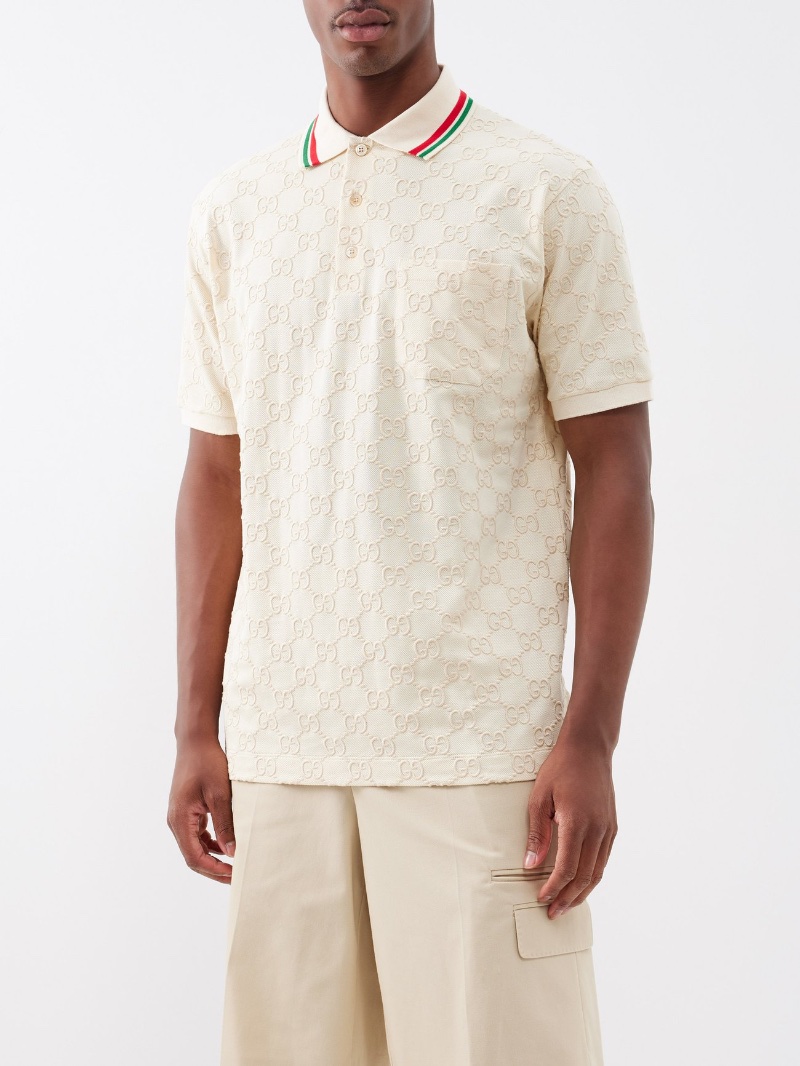
The fashion polo shirt treats that recognizable shape as a starting point. Embroidery, oversized proportions, or an unusual fabric can shift it away from its sporting origins. A graphic print changes the mood just as quickly.
These styles work with everything from casual jeans to tailored trousers. Give an elaborate polo simpler companions so its details have room to register.
The Golf Polo
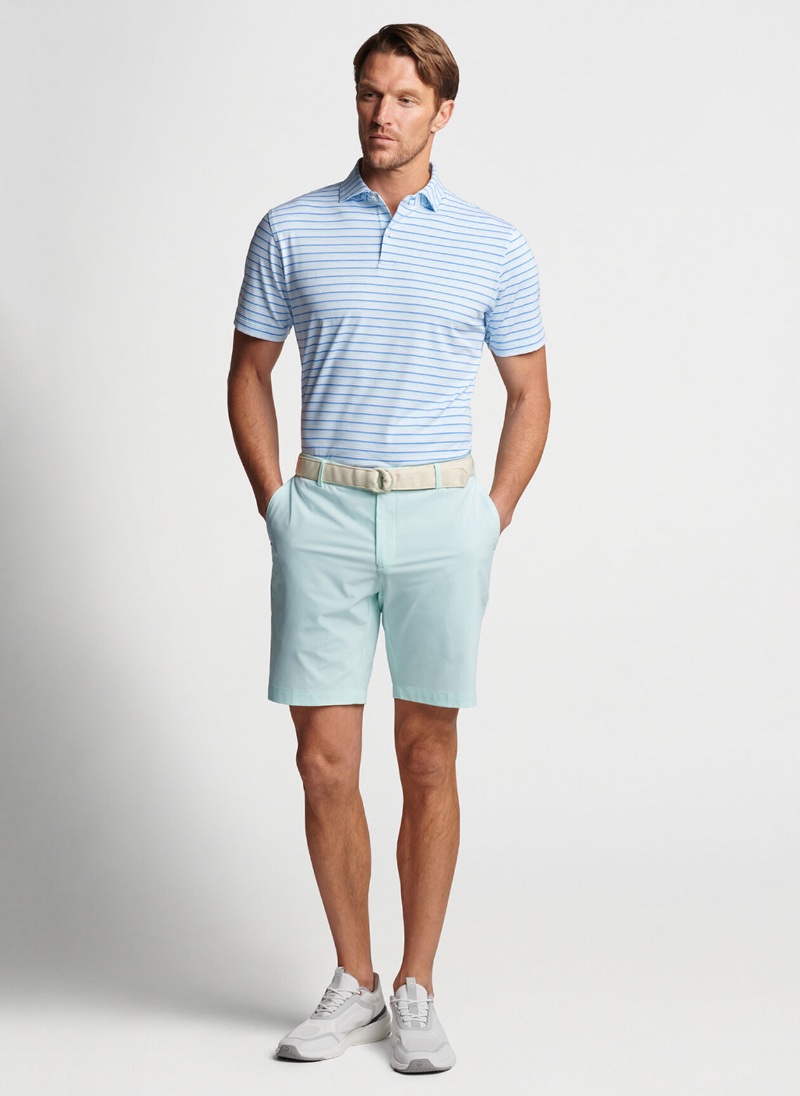
The golf polo shirt keeps the collar course-ready while giving the wearer room to swing. Many modern versions use stretch fabrics and moisture-wicking finishes, although traditional cotton still has its followers.
Fits range from relaxed to slim, with movement through the shoulders taking priority. Longer hems help the shirt stay tucked, while restrained patterns make the move from the course to lunch an easy one.
The Rugby Polo
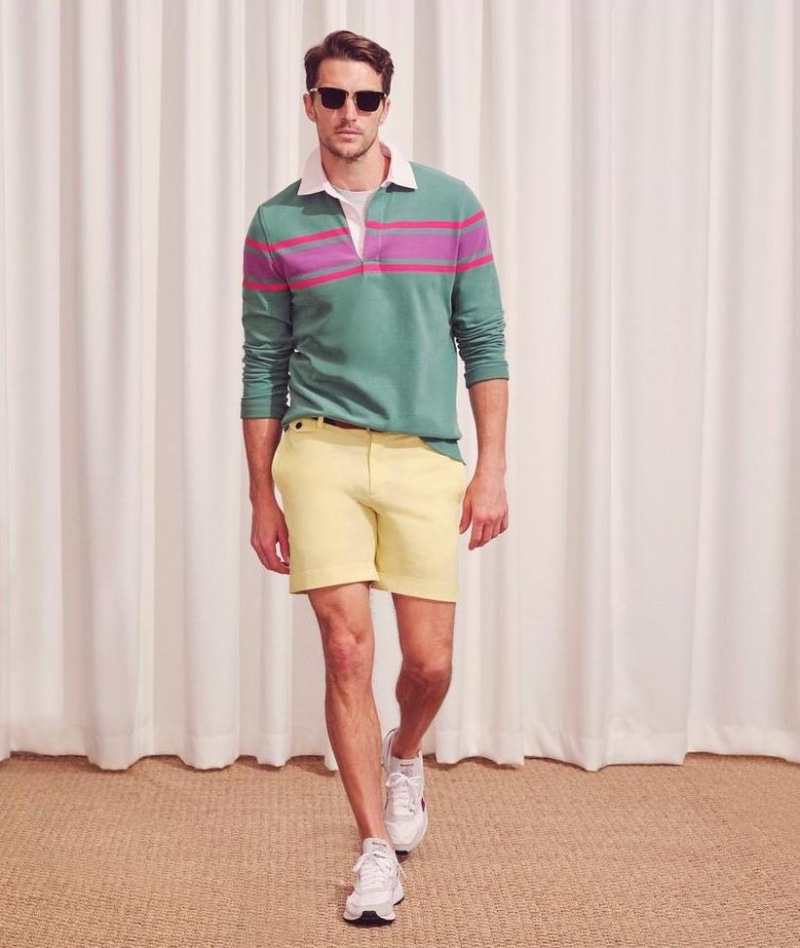
The rugby polo shirt offers a heavier alternative, drawing on the sport’s traditional cotton jerseys. Long sleeves and a contrasting collar are common features, often accompanied by broad horizontal stripes.
Its weight gives an outfit more structure than a lightweight polo. Wear it with straight-leg jeans or chinos, letting the roomy sporting shape do the work. Short-sleeve versions offer the same visual character for milder weather.
The Performance Polo
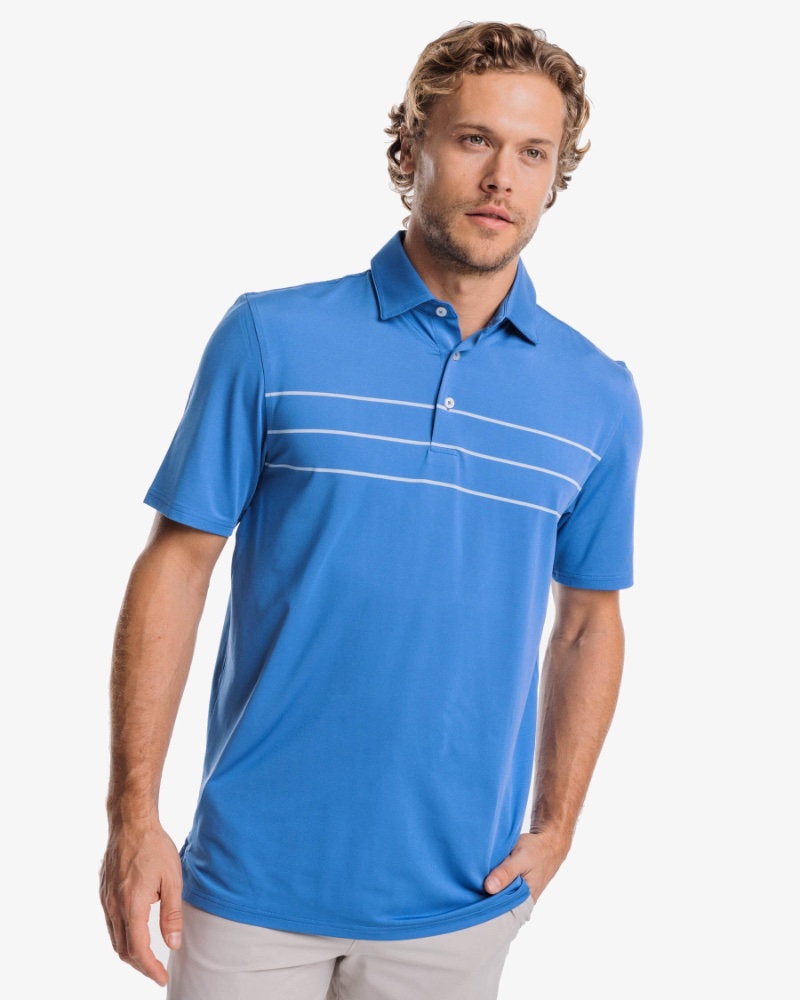
The performance polo shirt takes a sporting approach to an everyday staple. Technical fabrics can help manage moisture and dry quickly, making these shirts useful for active days in warm weather.
The details differ between designs. Stretch may improve movement, while some shirts offer odor control or sun protection. For everyday wear, a discreet logo and matte fabric keep the athletic associations in check.
The Sweater Polo
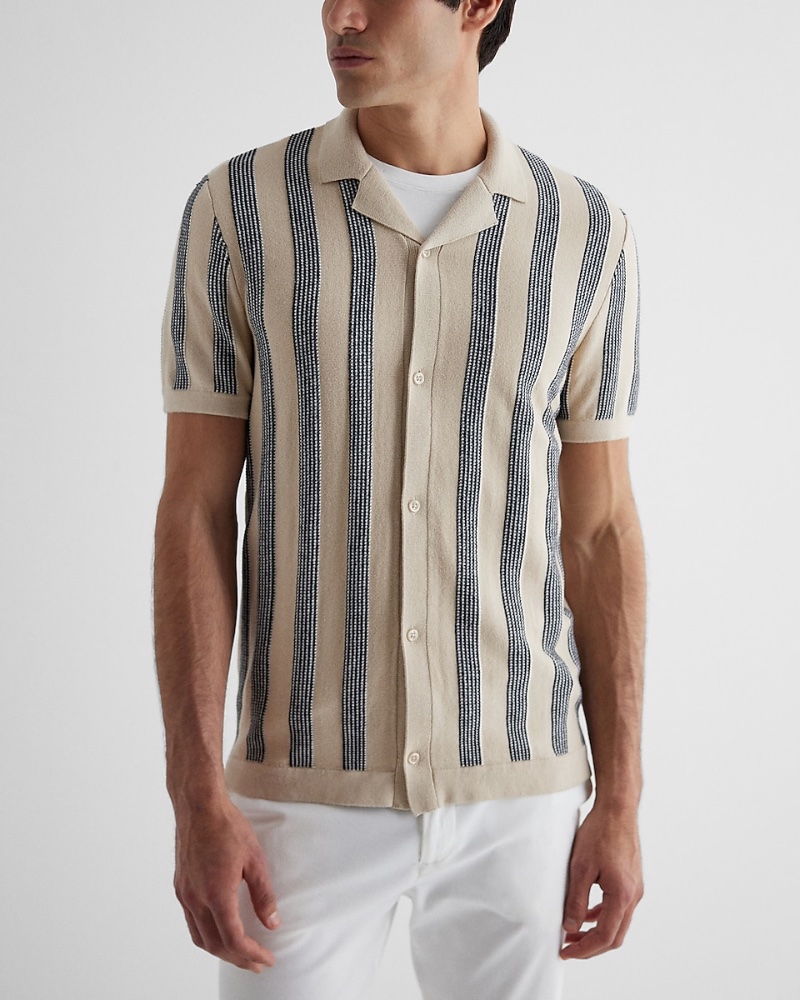
The sweater polo combines a collared neckline with the feel of knitwear. Wool and cashmere versions suit cooler weather, while cotton offers an option for milder days. Some have the weight of a traditional sweater; others are fine enough to sit beneath a jacket.
Long sleeves give it an easy relationship with tailored trousers, though short-sleeve sweater polos work well on their own. The appeal is a softer approach to dressing up, with the collar providing definition.
A plain, fine-gauge version can work for weekday business meetings where the dress code allows it. With jeans, the same shirt takes on a more relaxed character.
The Pocket Polo
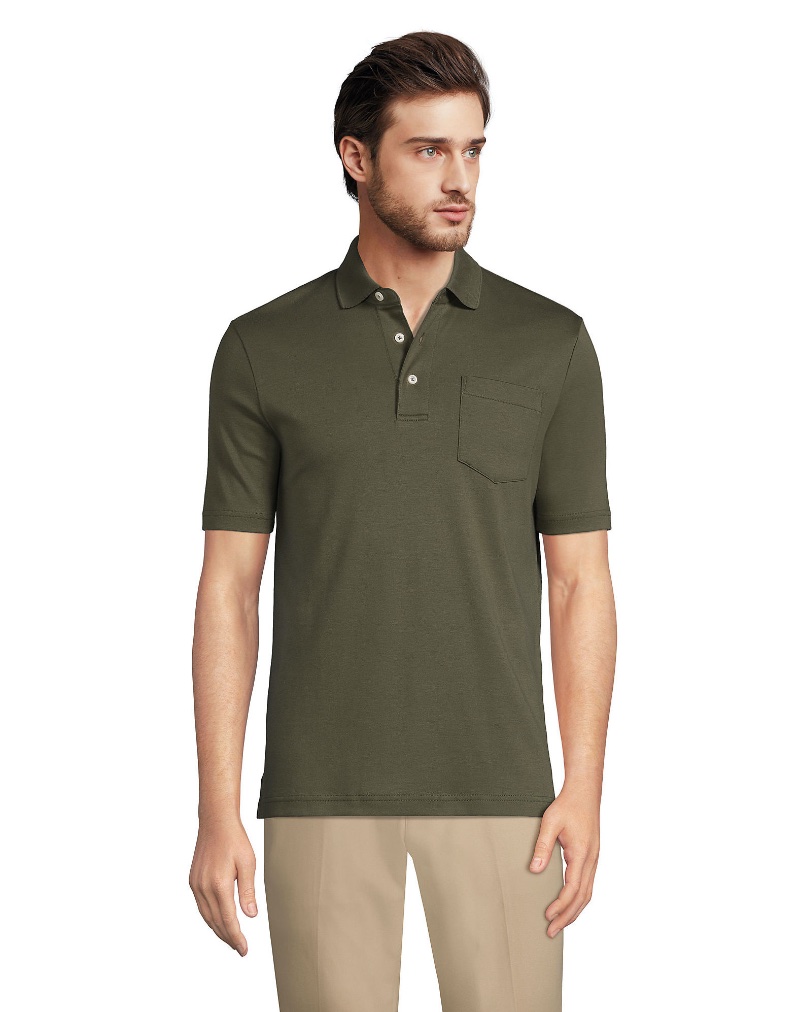
The pocket polo shirt adds a small chest pocket to the usual design. It is a modest detail, but one that gives a plain polo a more casual, utilitarian feel.
Available with short or long sleeves, it works much like its pocketless counterpart. Keep anything stored in the pocket light, since heavier objects can pull the fabric out of shape.
The Knitted Polo
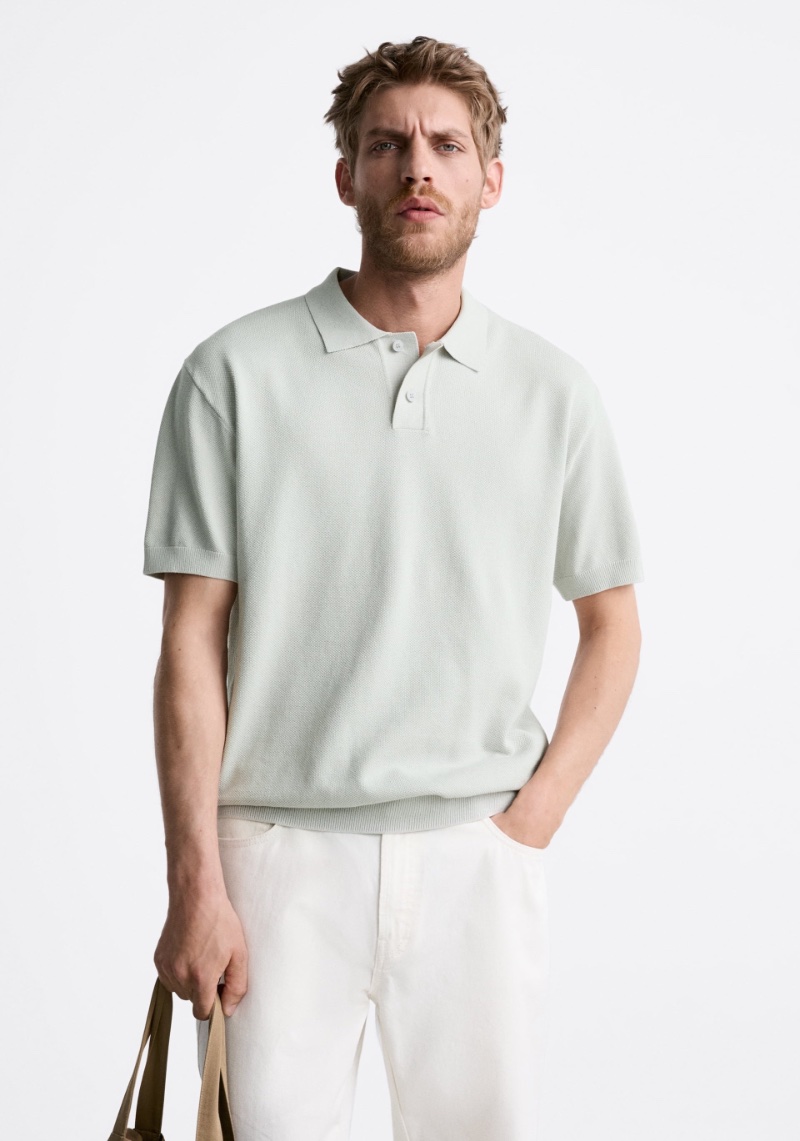
The knitted polo brings texture to the foreground. Ribbed patterns and open stitches give it a retro character that works particularly well with higher-waisted trousers. Even a plain version can make jeans feel more dressed.
Most conventional polos are knitted too, but the shopping term generally describes styles closer to knitwear. The boundary with a sweater polo is loose. Lightweight cotton knits suit summer evenings, while denser versions work as the weather cools.
Polo Shirt Collars & Necklines
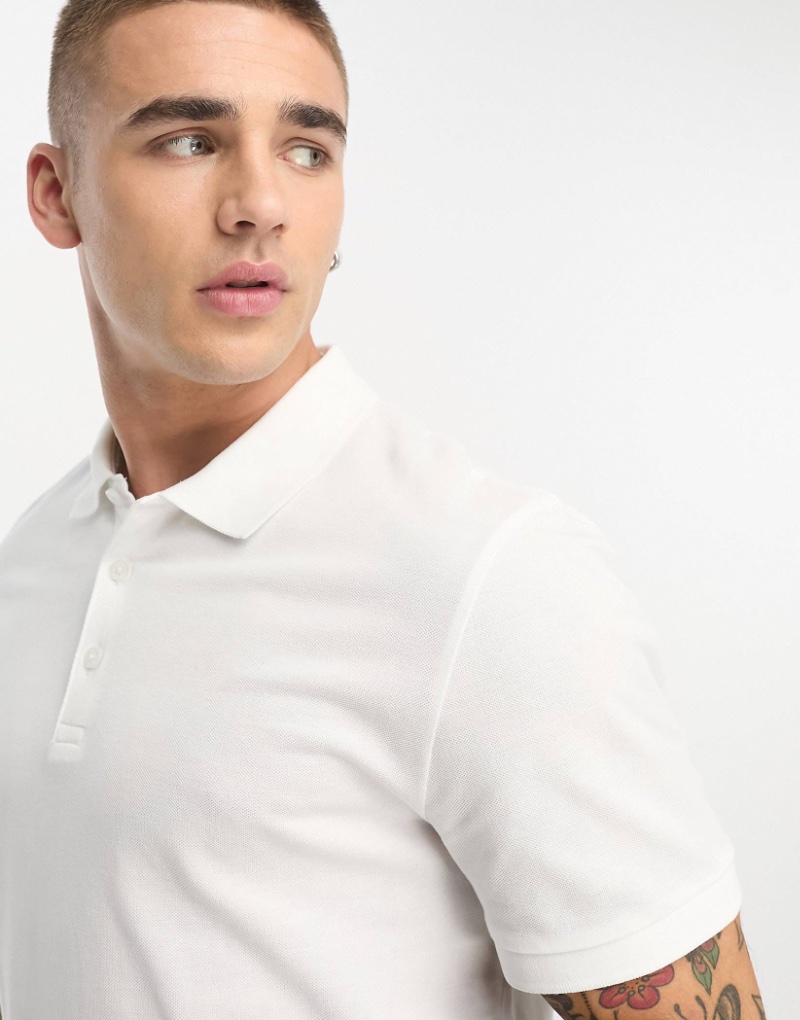
A polo’s collar does much of the work. The traditional buttoned placket retains a sporting feel, with ribbed collars offering a softer finish and shirt-style collars giving the neckline more definition.
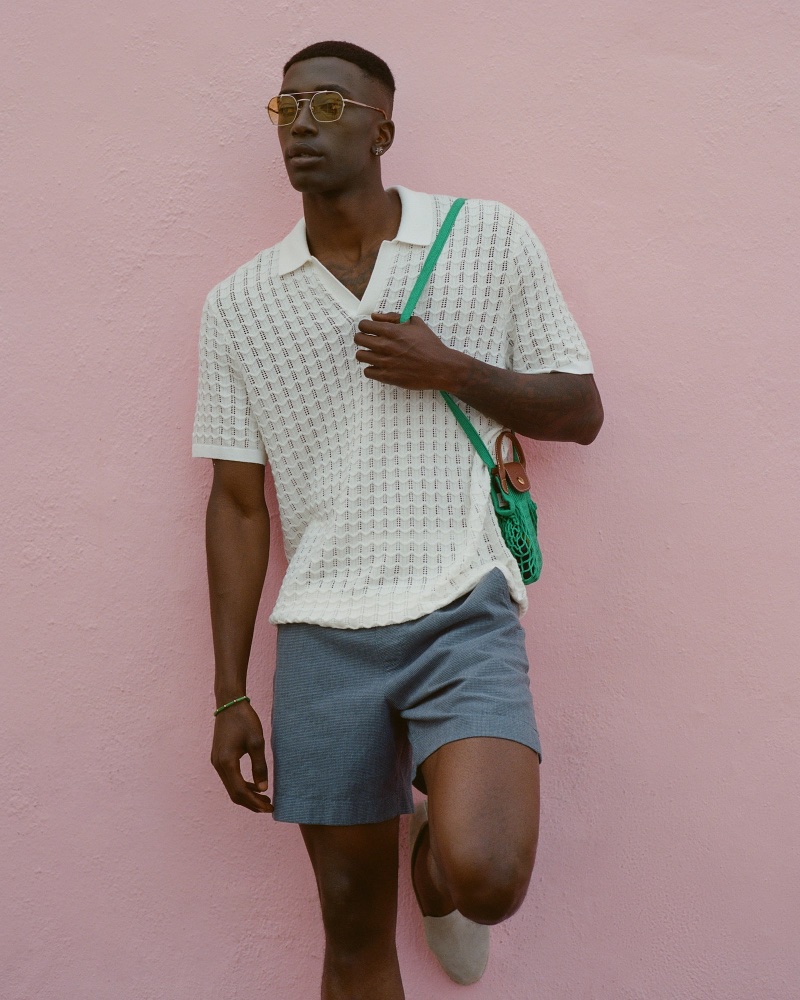
The Johnny collar opens things up. Its buttonless neckline lends a relaxed air to tailored trousers, particularly when the shirt has a textured knit and a hem that sits at the waist.
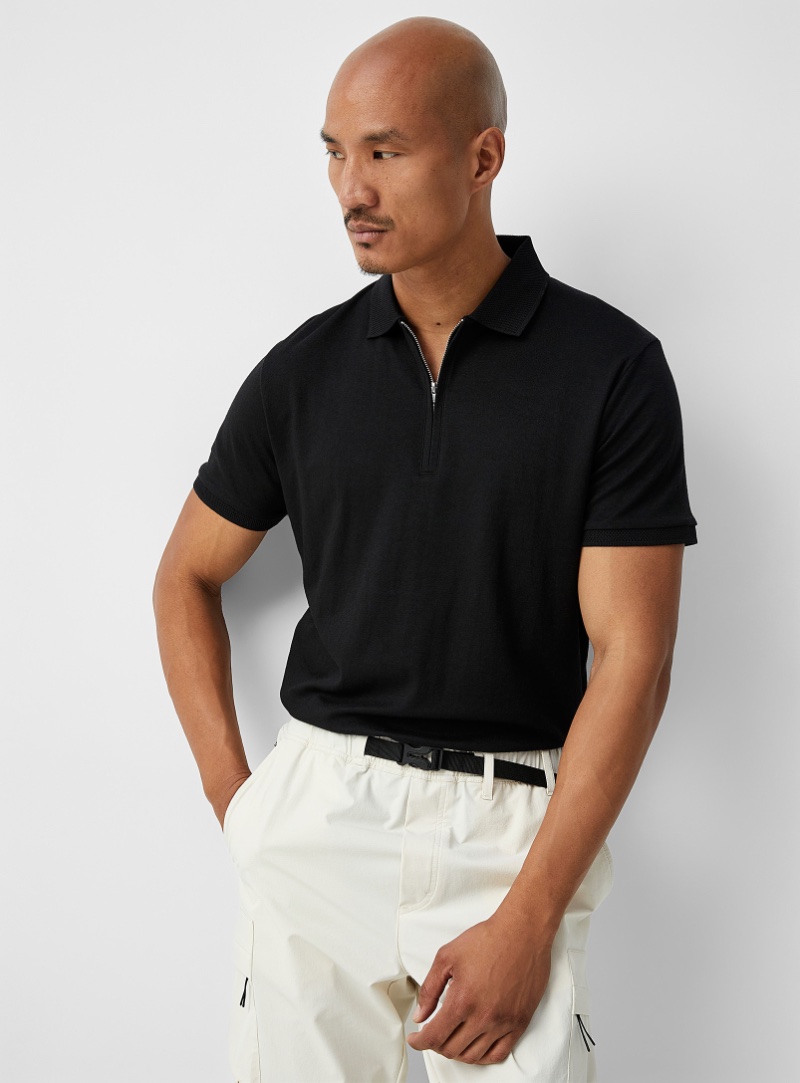
A short zip gives the polo a more athletic finish. Worn partly open, it breaks up the neckline much like a button placket, with the hardware adding a small point of interest.
Short Sleeve vs. Long Sleeve Polos
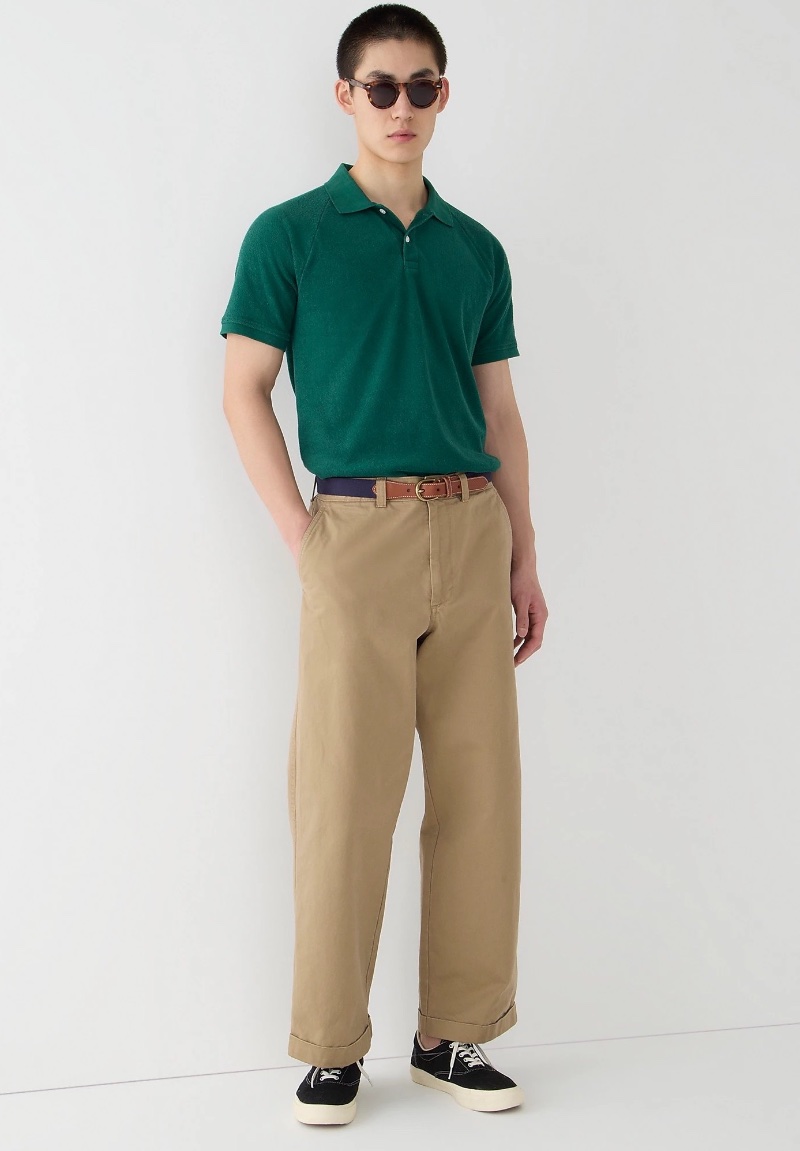
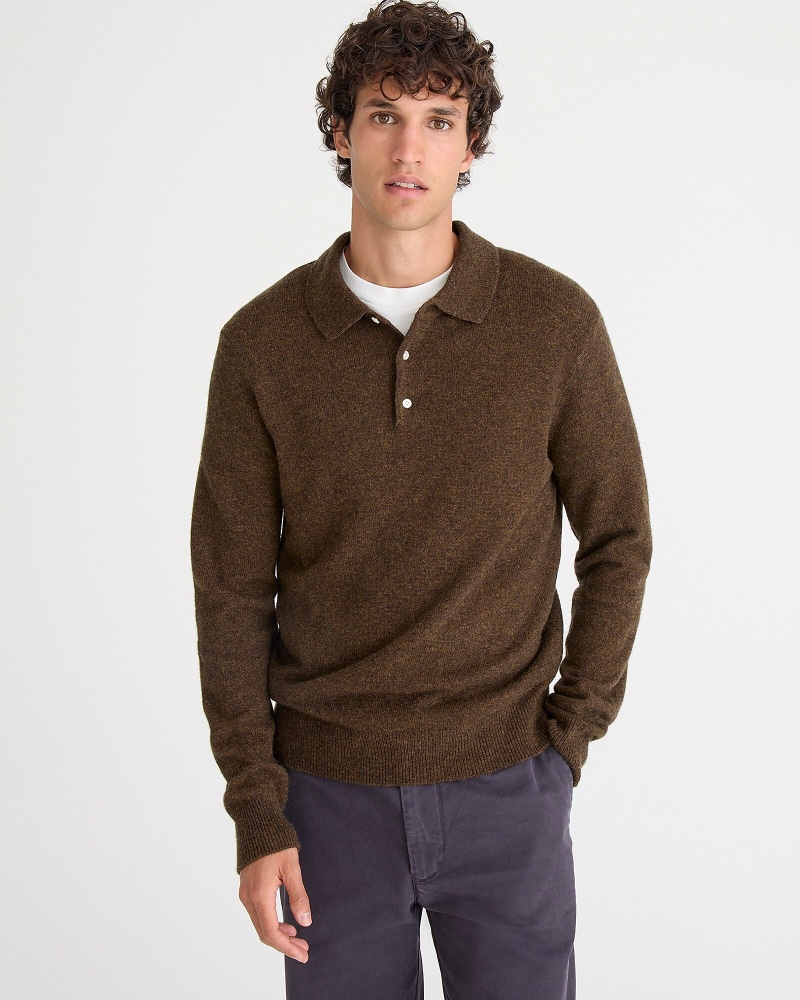
Short-sleeve polo shirts are a summer staple, working with shorts as readily as lightweight trousers. The sleeve opening affects the silhouette. A close sleeve emphasizes the arm, while a wider cut gives the shirt an easier shape.
Long-sleeve polo shirts offer more coverage and another layering option. A fine-knit version can sit beneath tailoring, while a heavier cotton polo works as a casual top on cooler days.
Sleeve length alone does not determine how dressed a polo looks. Fabric and fit matter just as much, and neither version replaces a dress shirt when an occasion requires one.
Polo Shirt Materials
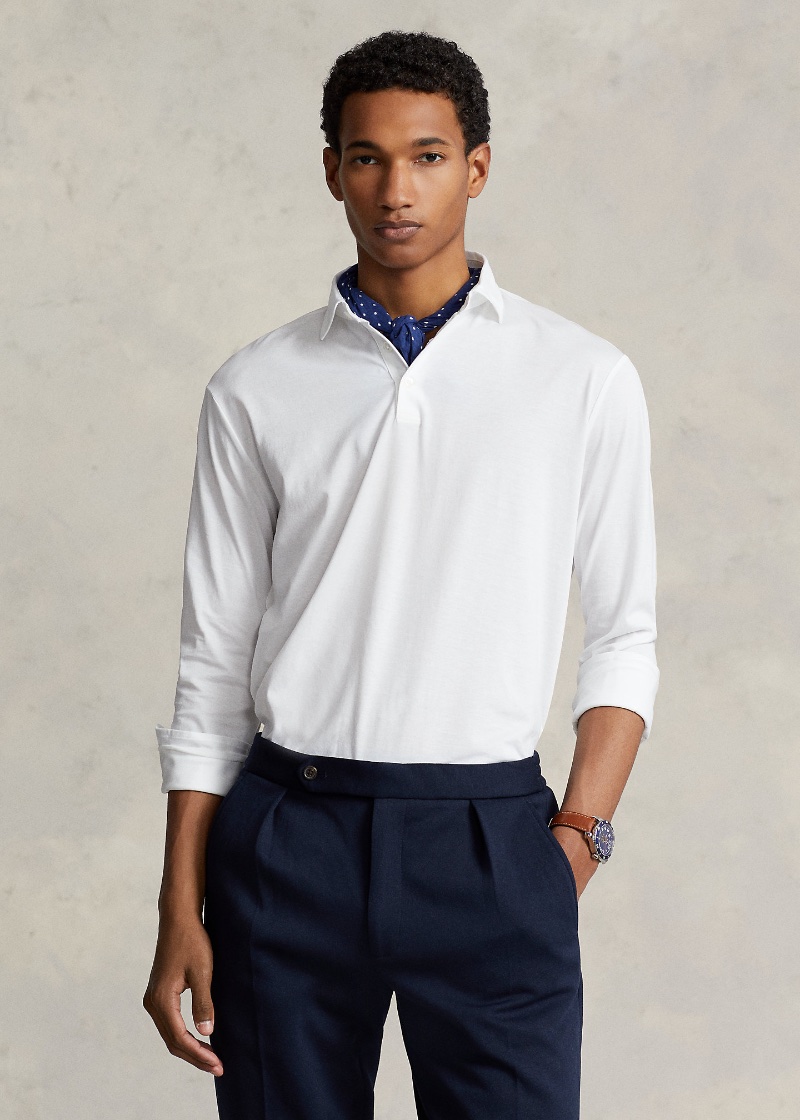
Fabric changes both the feel of a polo and the way it falls. Fiber content is part of the story, but the knit and weight also determine whether a shirt feels airy or dense.
Cotton
Cotton is a common choice for everyday polos. Piqué gives it a textured surface, while jersey produces a smoother finish with a softer drape.
Long-staple varieties such as Pima can produce smooth yarns, though the finished shirt’s quality also depends on its construction. For daily wear, pay attention to how the collar holds its shape and how the fabric feels against the skin.
Synthetic Fabrics
Polyester and nylon frequently appear in performance polos, sometimes blended with elastane for stretch. These fabrics can offer quick drying and moisture management, depending on their construction and finish.
They are useful for sport, but the surface matters for everyday styling. A matte finish generally sits more easily alongside cotton chinos than a noticeably shiny athletic fabric.
Silk & Linen
Silk gives a polo a smooth surface and fluid drape, lending itself to dressier combinations. Linen has a drier texture and a relaxed appearance, with natural creasing that suits summer clothes.
Neither fiber tells the whole story. A dense silk knit can feel warm, while an open linen blend allows more airflow. Choose the fabric’s weight with the weather in mind.
Choosing the Right Fit
A polo should feel easy through the shoulders, with the placket lying flat across the chest. Pulling between the buttons or fabric bunching beneath the arms usually signals that the cut is too close.
For an untucked shirt, a hem around the middle of the trouser fly is a useful starting point. Longer sporting cuts often look better tucked.
Classic Fit
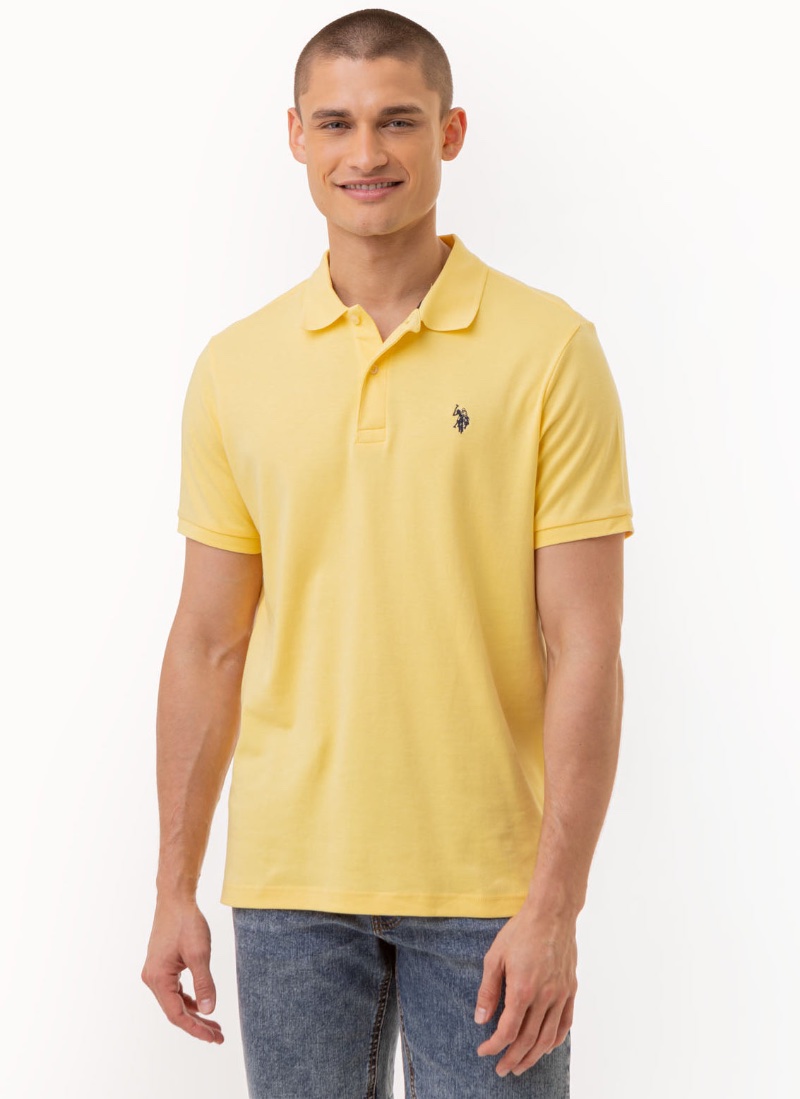
The classic fit leaves more room through the chest and waist. It suits men who prefer an easier silhouette and works well with straight-leg trousers.
Roomy does not have to mean oversized. Check that the shoulder seams sit close to the shoulders and that the hem does not overwhelm the trousers.
Slim Fit
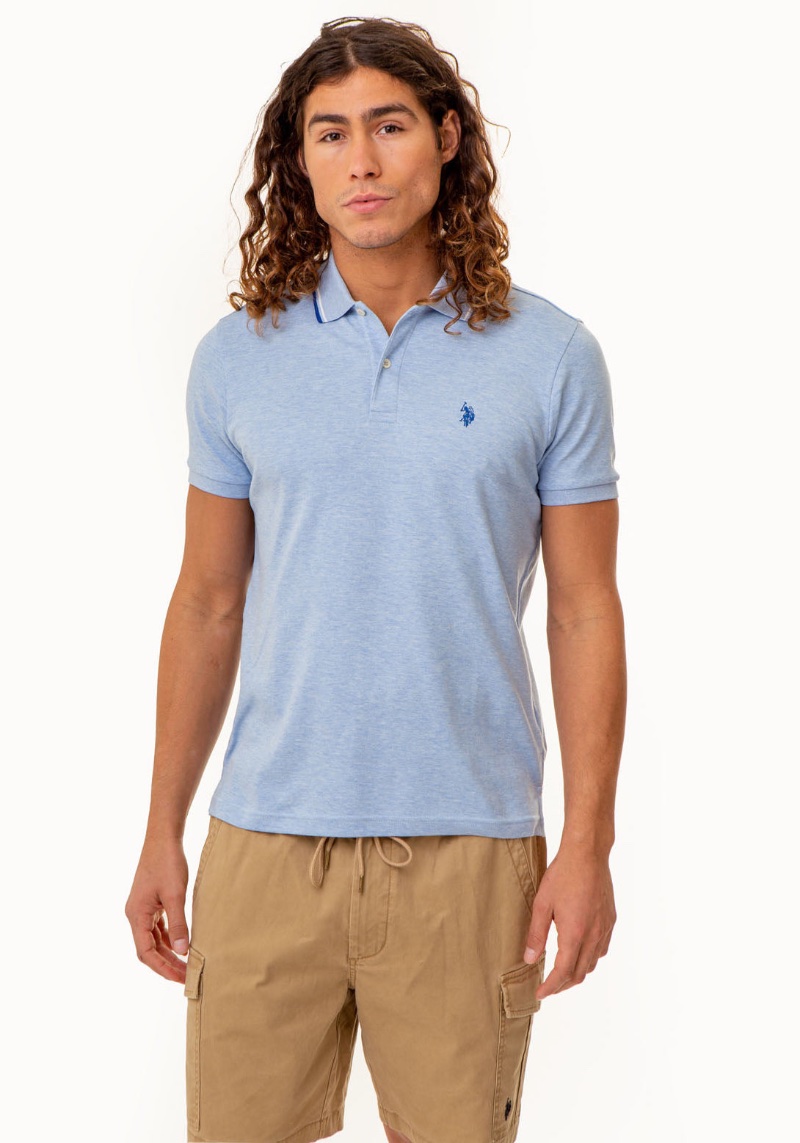
A slim-fitting polo shirt follows the torso more closely, reducing excess fabric at the waist. It can work beneath a jacket or with narrower trousers.
The fabric should still fall smoothly. If the sleeves pinch or the placket pulls open, a different size or cut will look better than stretching the shirt into place.
Choosing the Right Color & Pattern
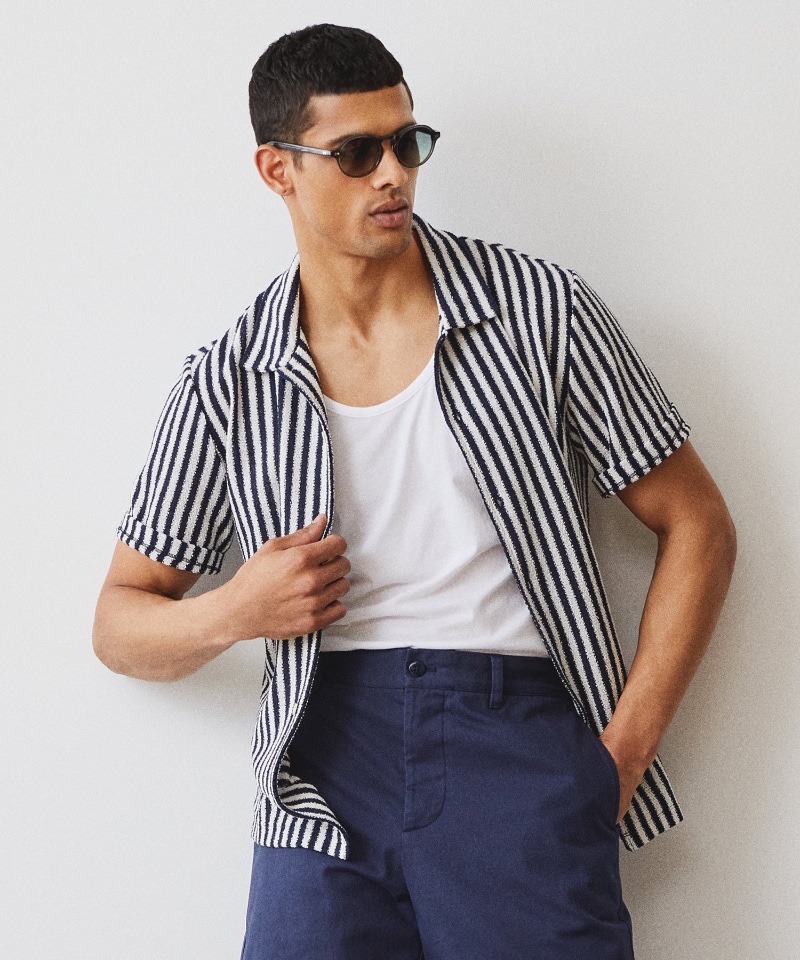
White, navy, and shades of gray are easy starting points. These neutral tones work across much of a wardrobe, leaving texture and proportion to give the outfit interest.
Brighter colors can change the mood of a simple combination. A yellow polo brings warmth to blue denim, while pastel shades sit comfortably with pale summer trousers. Stripes introduce a sporting or retro association, depending on their scale.
Consider the rest of the outfit before adding more pattern. A patterned polo often needs little beyond plain trousers and suitable shoes.
Polo Shirt Styling Tips
A successful polo shirt outfit depends on the relationship between the shirt and its surroundings. A textured knit suggests different trousers and shoes from a technical golf polo, even when both share a collar.
Casual Outfit
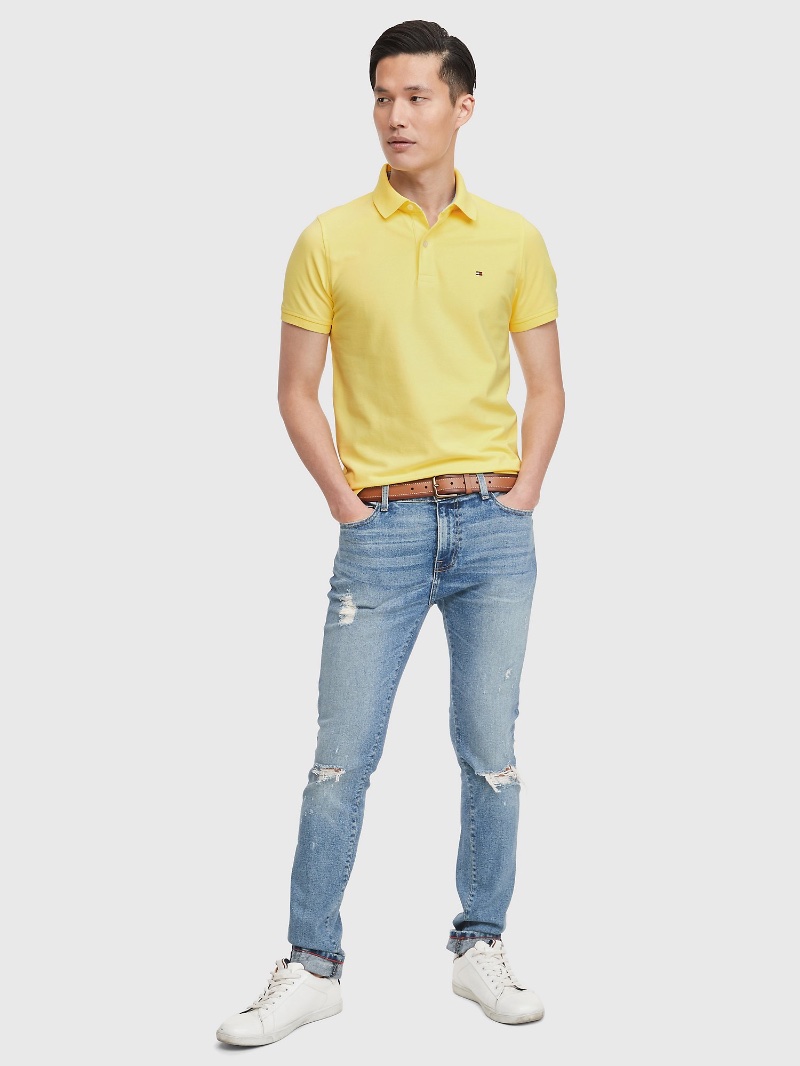
Wear a cotton polo with jeans or chinos for a straightforward casual outfit. Sneakers keep it relaxed, while loafers give the same clothes a dressier direction.
Watch the proportions. An easy-fitting polo works well with straight-leg jeans; a very close shirt above wide trousers creates a more deliberate contrast.
Smart Casual Outfit
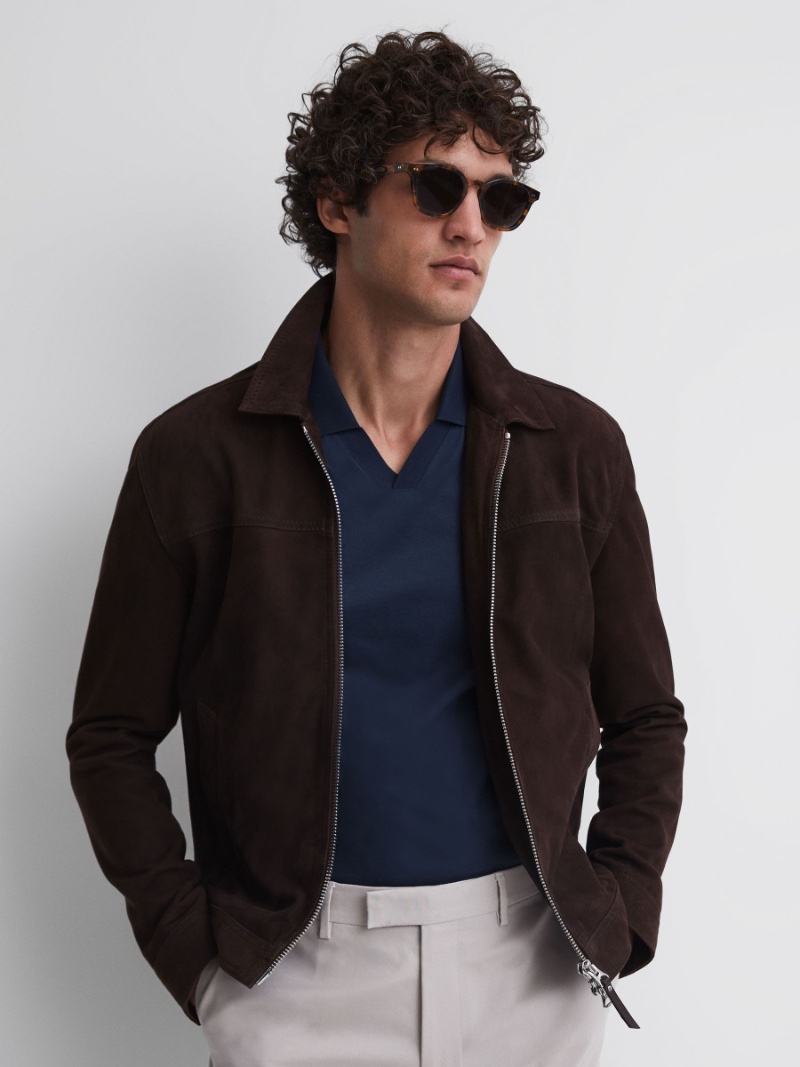
Tailored trousers give a polo a different setting. Choose a fine knit or a shirt with a collar that holds its shape, then add a suede jacket or lightweight blazer.
An open neckline keeps the outfit relaxed. Tucking the shirt can emphasize the waist and show the trousers’ cut, particularly with a higher rise.
Business Casual Outfit
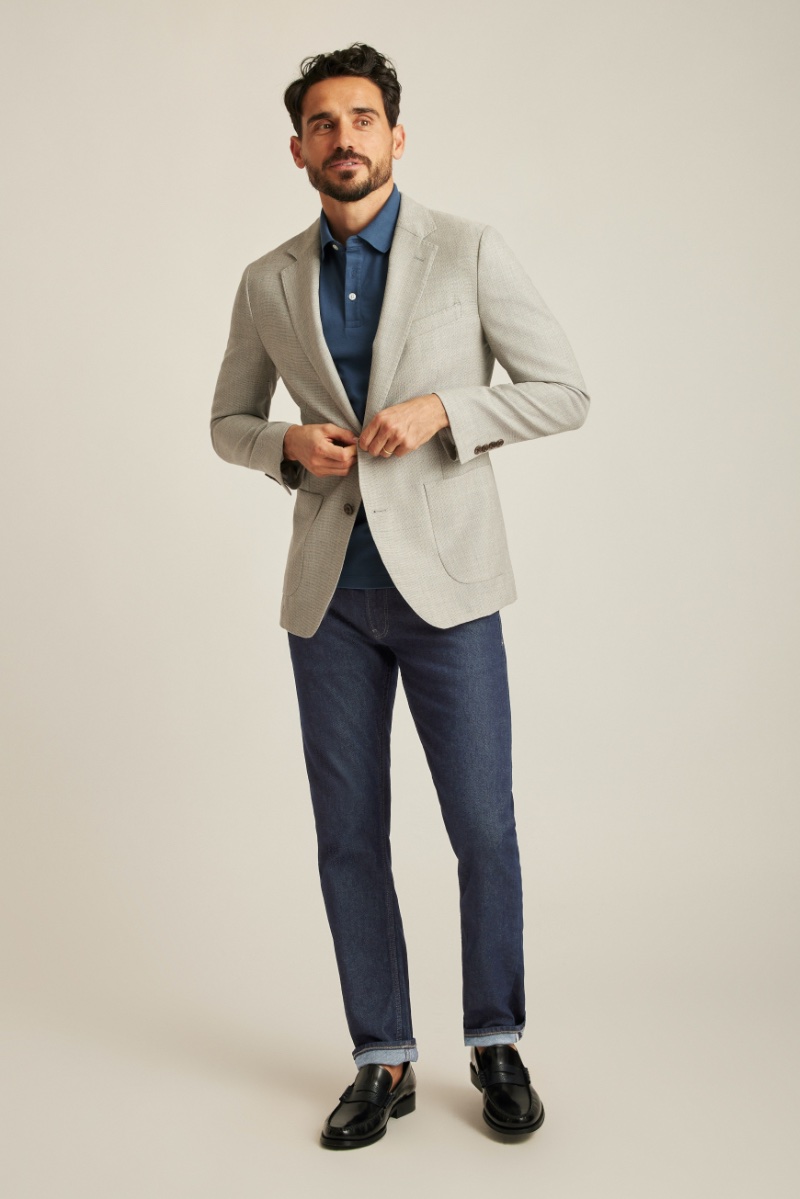
A plain polo can take the place of a button-down in a relaxed office. Wear it with tailored trousers and a softly structured jacket, keeping the collar flat against the neckline.
Chinos offer an easier alternative. Dark-wash jeans and a sports coat work where denim is welcome, though a collar alone does not make an outfit office-appropriate.
Summer Outfit
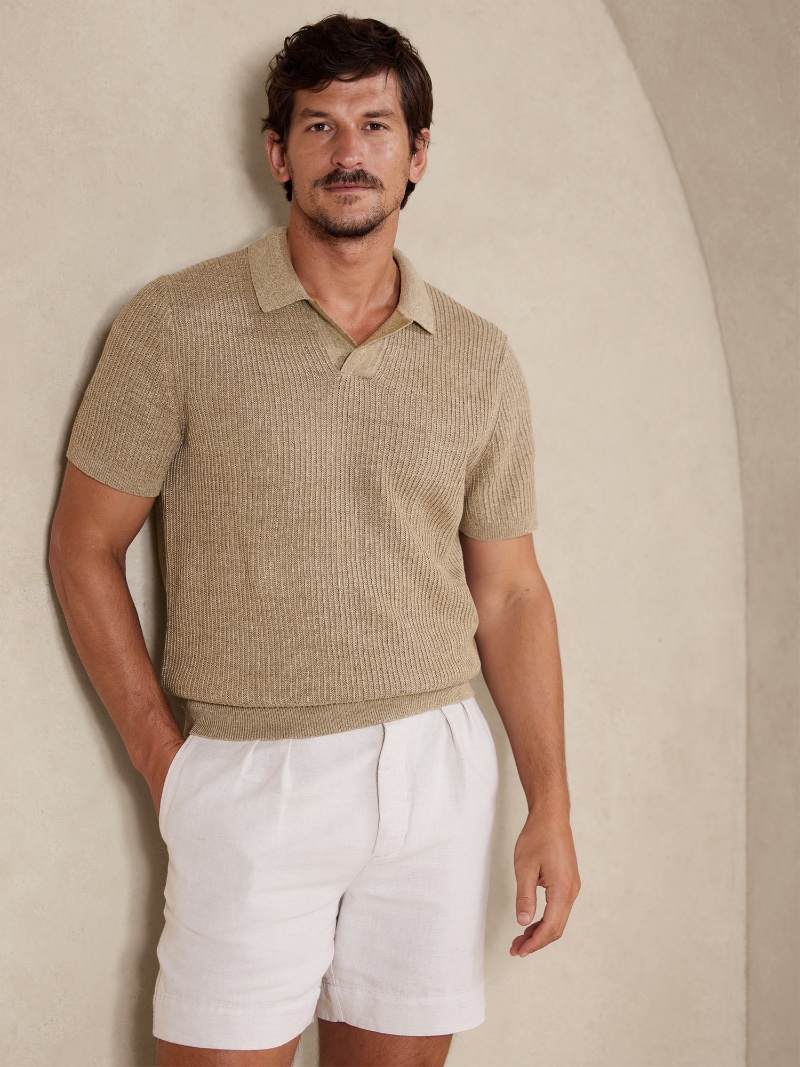
A lightweight polo works with shorts and sandals when the weather turns warm. Cotton or linen blends are useful options, with an open knit offering another way to introduce airflow.
Keep the proportions relaxed enough for the heat. A shirt that clings to the torso can feel restrictive even when its fabric is light.
Mastering the Polo Shirt
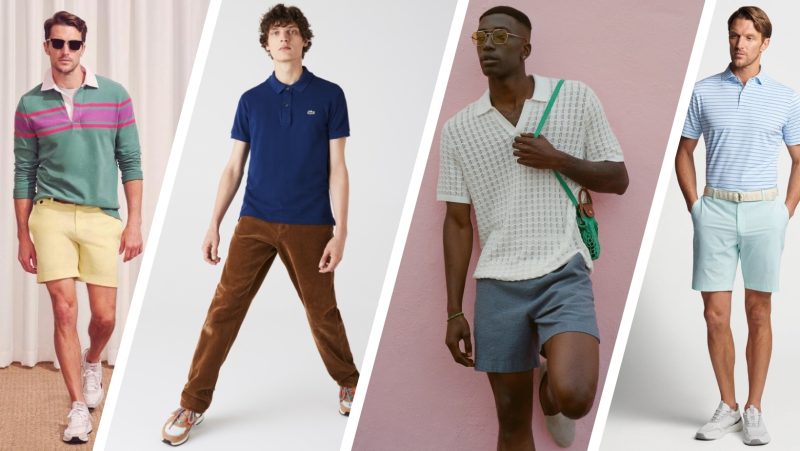
The most useful polo is one that fits the clothes you already wear. Cotton piqué suits a wardrobe built around jeans and chinos, while a textured knit offers a softer companion to tailored trousers.
Start with that relationship, then choose the collar and fit. The polo’s appeal is its ability to move between sporting and dressed settings, with small changes making a visible difference.