Raw denim is denim sold unwashed, leaving the fabric to soften and develop its wear patterns on the person who buys it. The appeal is personal in a very literal sense. Creases form where you sit, pocket edges fade around what you keep in them, and a dark, uniform pair gradually acquires the marks of daily life. Plenty of jeans arrive with a history manufactured into the cloth. With raw denim jeans, you supply your own.
What Is Raw Denim?

Also called dry denim, raw denim has not received a finishing wash before sale. It often feels firm at first, with an even surface that changes through wear and laundering. Indigo blue is the best-known version, although raw denim also comes in black and other colors.
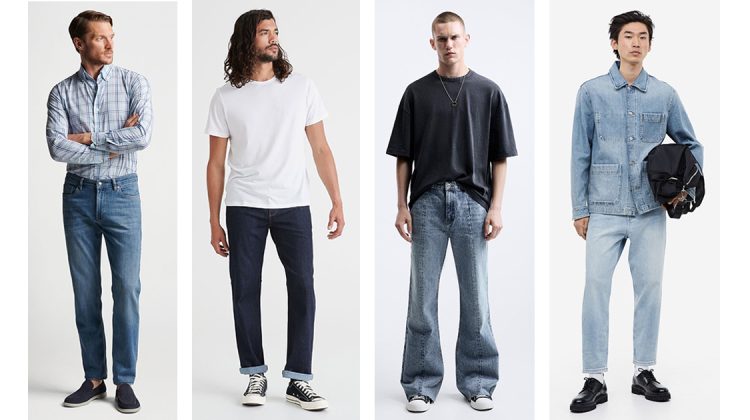
“Raw” describes the finish. The cut is a separate choice. Among the different types of jeans, raw denim can become a narrow tapered pair or a broad straight leg, each suggesting a different way of dressing.
Its attraction has much to do with the history of jeans. Working clothes acquired their appearance through work, and wear became part of their appeal. Raw denim gives that process a contemporary audience, even when the working day involves considerably more sitting.
What Is Raw Denim Made Of?

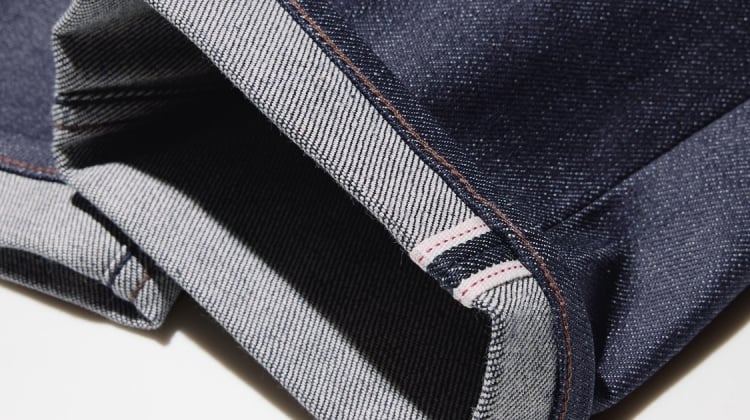
Traditional denim is a cotton twill, recognizable by the diagonal lines across its surface. Classic blue denim uses indigo-dyed warp yarns and lighter weft yarns. Turn up a cuff and the difference becomes visible.
Many raw denim jeans use 100% cotton. Others incorporate stretch fibers or different blends, so the composition deserves a look before buying. A raw finish and a rigid fabric often go together, but stretch raw denim exists, too.
Weight changes the experience. Heavy denim can feel formidable on the first outing, particularly to someone accustomed to soft, washed jeans. Lighter cloth asks less of the wearer in warm weather. The weave and yarn matter alongside weight; the heaviest pair on the rail is simply the heaviest pair.
Raw vs. Washed Denim

Washed jeans have received a wash during production. That can mean a single rinse to soften the cloth and reduce shrinkage, or a more elaborate treatment that creates faded thighs and worn-looking seams.
Raw denim reaches the wardrobe before that finishing wash. In indigo versions, the surface often begins dark and relatively even, with the fabric holding its shape more firmly. The wearer gradually changes both.
The choice comes down to what you enjoy about clothes. Washed jeans offer their intended feel and appearance immediately. Raw denim rewards an interest in the process, from the first stubborn creases to the point when the jeans become the pair you instinctively reach for.
Sanforized vs. Unsanforized Denim

Sanforization reduces a fabric’s potential to shrink. It is a separate treatment from garment washing, so raw denim can be sanforized. This distinction matters considerably more at the fitting stage than an impressive fabric weight.
Sanforized raw denim: Unwashed denim treated to limit shrinkage. Some change can still occur during laundering, and the maker’s sizing advice remains useful.
Unsanforized raw denim: Unwashed denim that has not received that shrink-reducing treatment. An initial soak or wash can alter its measurements significantly.
Unsanforized jeans also appear in “one-wash” versions. The manufacturer has already washed them to remove much of the initial shrinkage, giving the customer a more settled starting point.
Check the exact product description. The word “raw” tells you about washing; it leaves the shrinkage question open.
Raw vs. Selvedge Denim

Raw refers to the finish. Selvedge refers to the woven edge of the fabric. The two frequently appear on the same label, which helps explain why they are so often treated as interchangeable.
Selvedge denim is typically woven on narrow shuttle looms that produce a finished self-edge. On jeans, it often appears along the inside outseam, visible when the hem is cuffed. A colored thread may run along the edge, with red being one of several possibilities.
Raw denim can be selvedge or non-selvedge, and selvedge denim can be raw or washed. Each term answers a different question.
The finished edge appeals to men who enjoy construction details and a turned-up hem. Quality still depends on the whole garment, including the cloth and sewing. A stripe at the ankle has its charms; the jeans also have to fit.
Japanese Raw Denim

Japanese raw denim is made with denim woven in Japan. The jeans may be sewn there or manufactured in another country, so fabric origin and garment origin deserve separate attention.
The appeal lies partly in the variety. Japanese mills produce relatively even cloth as well as fabrics with pronounced irregularities in the yarn. Often described as “slubby,” those uneven yarns give the surface texture and can influence the way it fades.

Some fabrics draw closely on vintage American workwear. Others take the cloth in more experimental directions through texture or dye. That range gives denim enthusiasts plenty to debate and everyone else a useful choice about how their jeans should look.
A textured weave rewards close inspection. A smoother fabric can sit more easily beside a tailored jacket. Choose the cloth you want to wear, since its place of origin is only the beginning of the decision.
Breaking In Raw Denim

Breaking in raw denim is the gradual softening of the fabric and development of creases through wear. How long it takes depends on the jeans and how you live in them. A pair worn daily will have a different experience from one that leaves the wardrobe twice a month.
The fit should allow you to sit and walk comfortably from the start. Cotton denim can relax at points of tension, although the amount varies. Buying painfully tight jeans in the hope of a future transformation gives the trousers too much say in your day.
Wear them with the clothes you already own. Their workwear roots make boots and practical jackets natural companions, while a T-shirt keeps the attention on the cut and fabric.
Dark raw denim can transfer dye, particularly early on. Light upholstery and white footwear warrant some care. Your jeans may be acquiring character, but the sofa has other ambitions.
How Raw Denim Fades Develop

Raw denim fades as friction and washing remove dye from the yarn’s surface. With many indigo fabrics, that process exposes the lighter yarn beneath, making repeated movement visible in the cloth.
Whiskers develop across the lap and upper thighs. Honeycombs form behind the knees, where the fabric folds as you move. Pocket edges and hems can show abrasion from everyday contact.

Fit influences the result. Close-fitting jeans hold different creases from a loose straight leg, while the dye and weave affect how readily those marks appear. Two men can buy the same pair and eventually own quite different-looking jeans.
Longer intervals between washes can encourage stronger contrast around areas of wear. More frequent washing generally produces a more even change in color. Both have their appeal. The condition of the jeans should remain part of the decision, even when an ambitious fade is the objective.
How to Wash Raw Denim

Start with the care label and the manufacturer’s instructions, especially for unsanforized denim or specialty fabrics. Most conventional raw denim jeans respond to gentle washing and air drying.
Turn the jeans inside out and fasten the fly. Wash separately in cold water with a small amount of mild detergent, using a gentle machine cycle if the label permits it. Dark denim can release dye, particularly in its early washes.
For hand washing, immerse the jeans in water with a suitable detergent, gently move them through it, and rinse thoroughly. Scrubbing one patch aggressively can leave a lighter mark, so treat stains carefully.
Reshape the jeans after washing, then hang them or lay them flat to dry. Follow any specific directions for leather patches or other details. Tumble drying can increase shrinkage, making air drying the more predictable choice for maintaining fit.
An initial soak for unsanforized jeans has a different job: allowing shrinkage before regular wear. Follow the maker’s directions for that particular fabric, including temperature and sizing expectations.
How Often to Wash Raw Denim

Wash raw denim when it is dirty, smells, or needs cleaning. A cool-weather commute and a summer spent working outdoors make very different laundry demands. The jeans will offer more useful evidence than a date circled on the calendar.
Airing them between wears can help them feel fresher. Small spills may respond to spot cleaning. Accumulated sweat and dirt call for a wash.
Denim enthusiasm can turn delayed laundry into a badge of commitment. Clean jeans remain entirely compatible with an interest in fades. Washing is part of the fabric’s life, and wear continues after it dries.
Fit, Sizing & Shrinkage

Choose the silhouette before becoming absorbed in the fabric specifications. The rise and thigh measurements affect how the jeans feel through the day. The leg opening determines how they fall over your shoes.
For online purchases, compare the maker’s measurements with a pair you already enjoy wearing. Use its measuring method, since retailers may measure the same garment differently.
Check whether the figures describe the jeans before or after washing. Unsanforized pairs may have both pre-soak measurements and expected post-soak measurements. The distinction can decide whether your new purchase becomes a regular favorite or an expensive lesson.
Allow for the stated shrinkage before hemming. With shrink-prone denim, a wash or soak according to the manufacturer’s instructions helps establish the eventual length. A cuff can wait; a shortened hem is a more committed decision.
Wearing Raw Denim Jeans

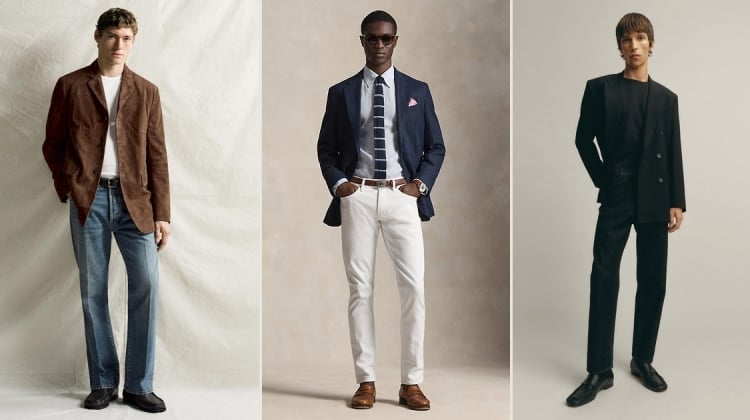
Dark raw denim has an even finish that works easily with shirts and knitwear. A straight leg over loafers can suit a man who enjoys tailoring, while a wider cut over boots brings the fabric’s working associations forward.
A business casual denim outfit benefits from a tidy fit and minimal visible wear, assuming the workplace accepts jeans. As fading becomes more pronounced, the same pair may find its place among simple casual wear.

That shift gives raw denim a particular usefulness. The jeans bought to wear with an Oxford shirt can eventually become the faded pair worn with an old sweatshirt. By then, the most persuasive detail is usually how readily you put them on.