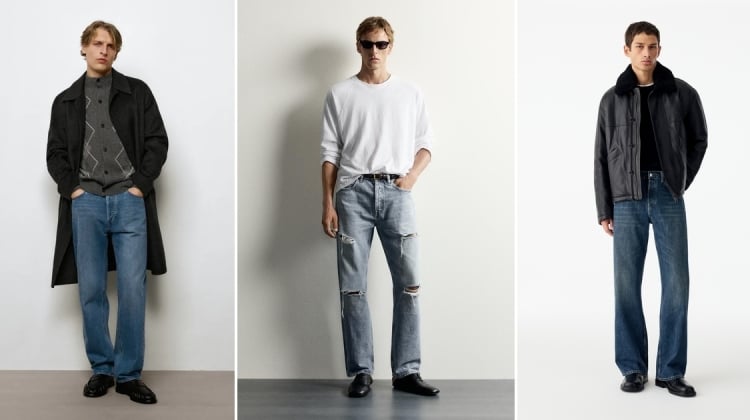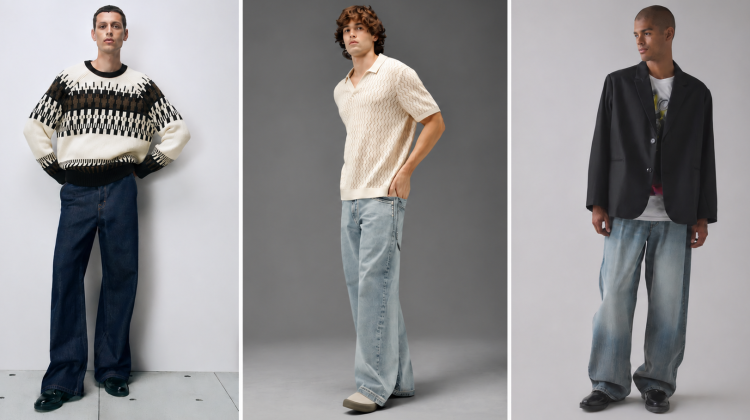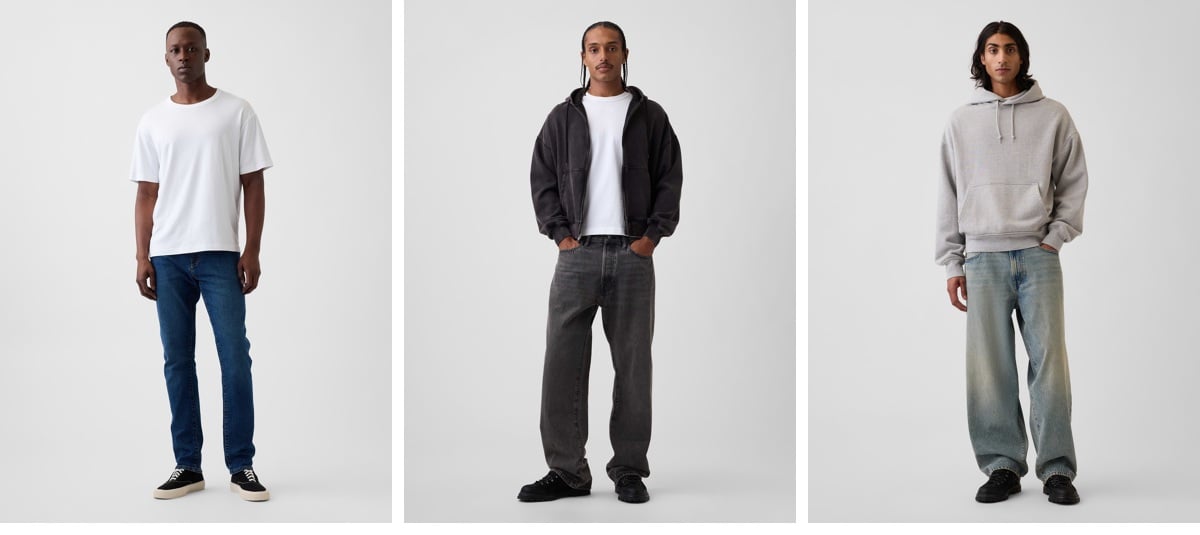
Gap has dressed several generations of men in jeans, often with the same white T-shirt above them. The denim has done more of the changing. Narrow legs and dark rinses suggest one version of American casual; faded washes and broad hems suggest another, with a few decades of fashion arguments between them. Choosing Gap jeans for men comes down to which proportions feel like yours.
The brand began with a practical problem. Don and Doris Fisher opened their first San Francisco store in 1969, selling Levi’s jeans alongside records and tapes. Gap eventually built its own denim identity, reaching Vogue’s anniversary cover in white jeans in 1992 and turning everyday clothes into the subject of celebrity campaigns. Its appeal still rests on that relationship between ordinary clothes and the people wearing them.
Gap Jeans for Men
Gap’s jeans lineup runs from close-fitting Slim to Extra Baggy, with several stops along the way. As with other types of jeans, the name describes only part of the fit. A straight leg can sit beneath a slim thigh, and two washes in the same cut can use different fabrics. The silhouette gets your attention; the product details decide whether you will actually enjoy wearing it.
Slim Jeans
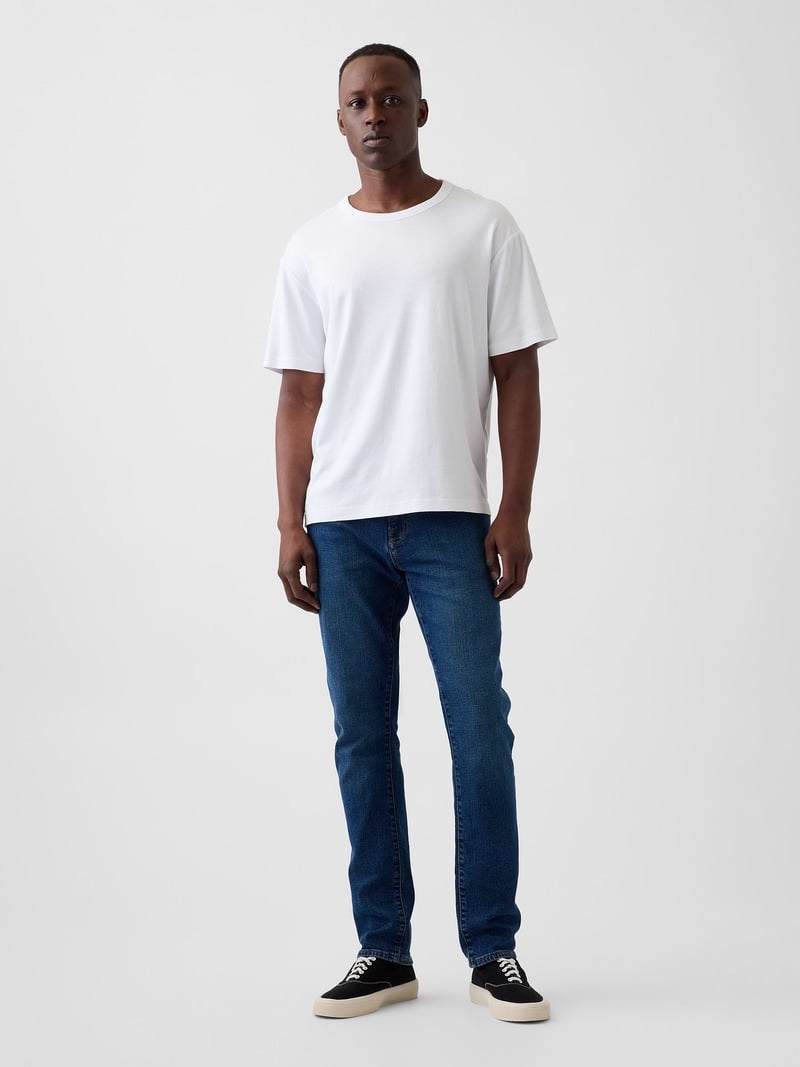
Slim jeans keep the outline close through the hip and thigh, finishing with a narrow leg. In a dark rinse, they give the white T-shirt and sneakers a slightly sharper character, the kind of outfit that depends on getting a few ordinary things right. This Gap version uses stretch denim to make the close cut more accommodating. The hem sits near the shoe, leaving the leg line visible instead of gathering into folds.
Straight Jeans
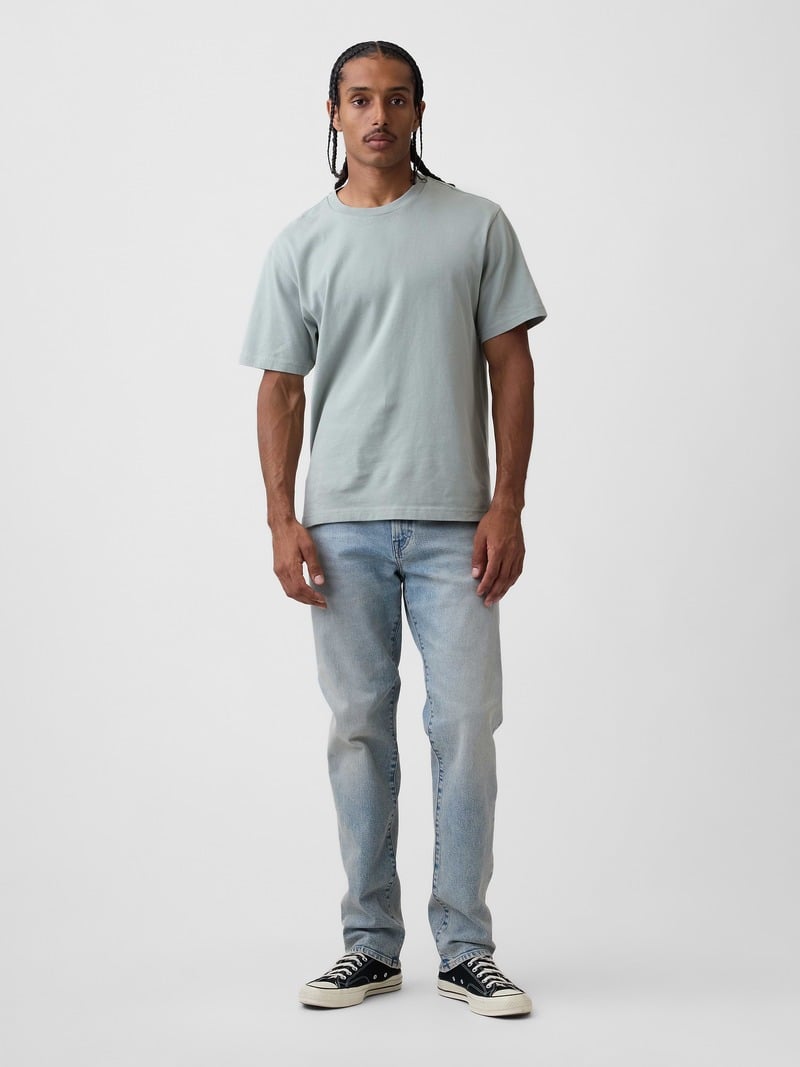
Straight jeans are often treated as neutral territory in the denim debate. Their appeal is the direct line down the leg, which works with a simple tee and canvas sneakers as naturally as the photograph suggests. Gap describes this version as slim through the hip and thigh, an important distinction for anyone expecting a fuller fit throughout. The light wash gives it a more lived-in character, while the leg keeps the outfit from looking too slight.
Relaxed Straight Jeans
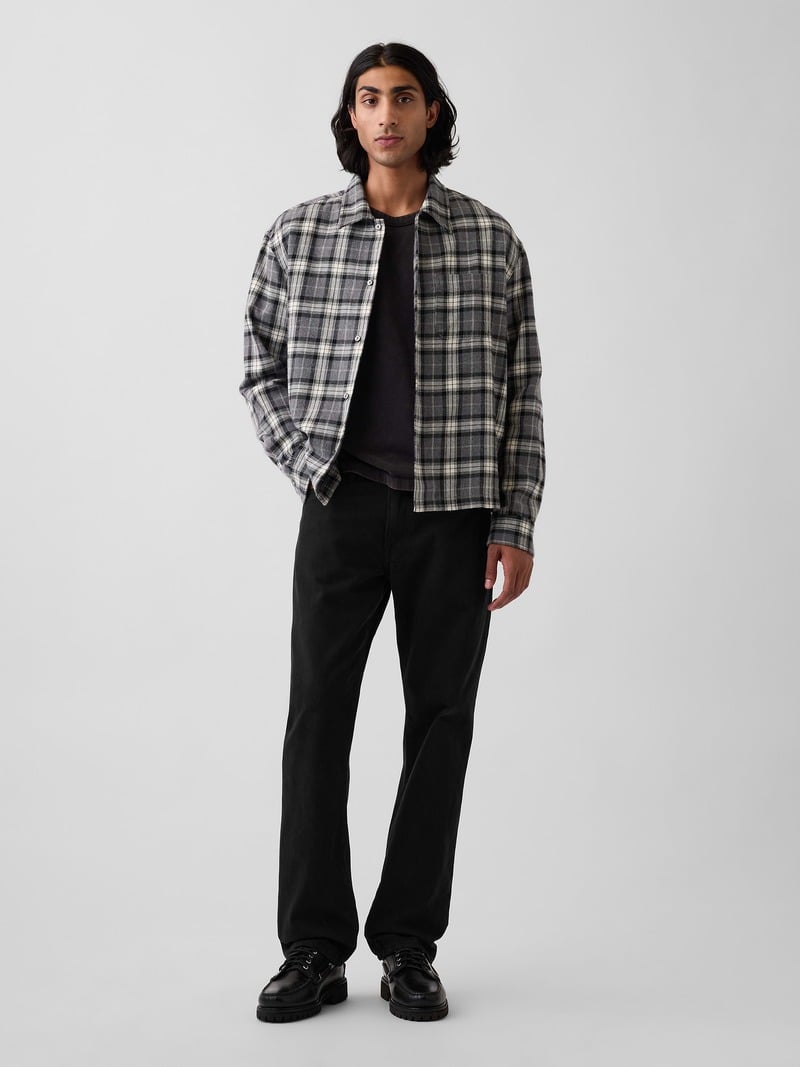
Black denim and a plaid overshirt have a long-standing understanding. The shirt supplies the pattern; the jeans give it a solid base, with a fuller leg that suits the overshirt’s width. Gap’s Relaxed Straight is still described as slim through the hip and thigh in this version, so the name deserves a closer look if that is where you want extra space. Its nonstretch cotton also holds a firmer shape than the stretch denim used in the selected Slim jeans.
Bootcut Jeans
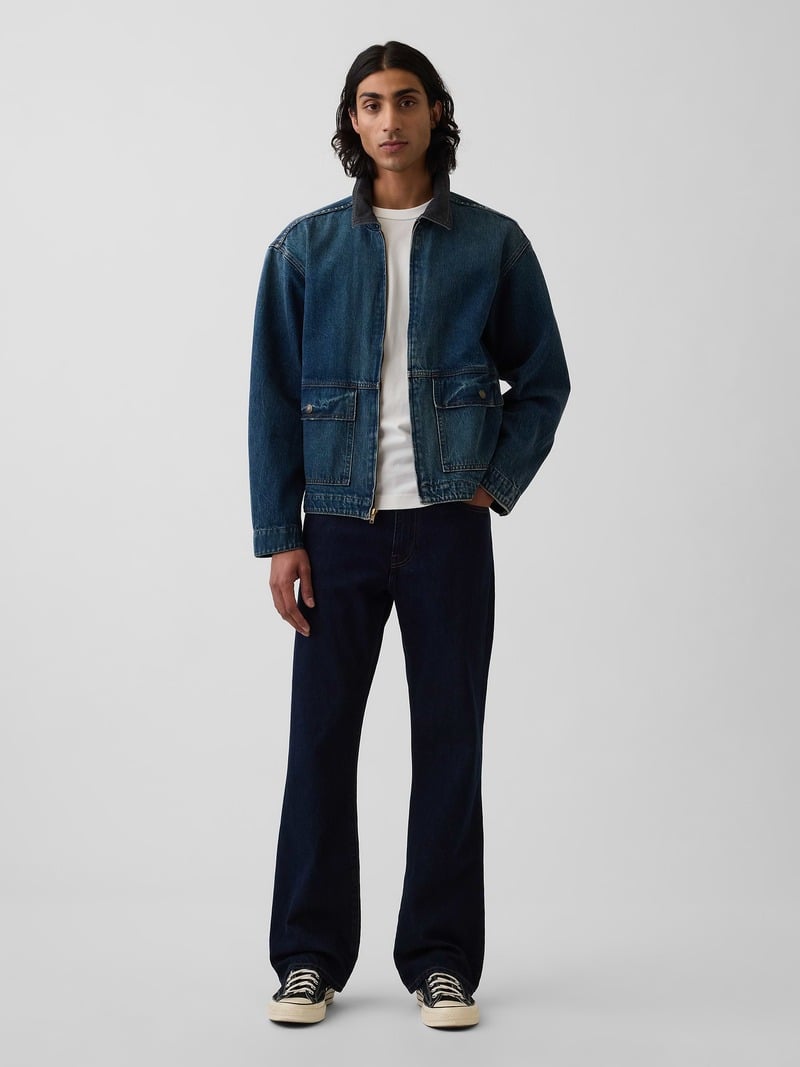
Bootcut brings a little flare back into the conversation. Gap’s Boot jeans run straight through the hip and thigh before opening toward the hem, giving the lower leg a shape of its own. With a denim jacket, the effect has a Western inflection, though the white sneakers keep the outfit firmly in everyday territory. The pictured jeans use rigid denim, which helps the flare hold its shape. Length matters here: the hem needs to fall over the shoe for the cut to read properly.
’90s Loose Jeans
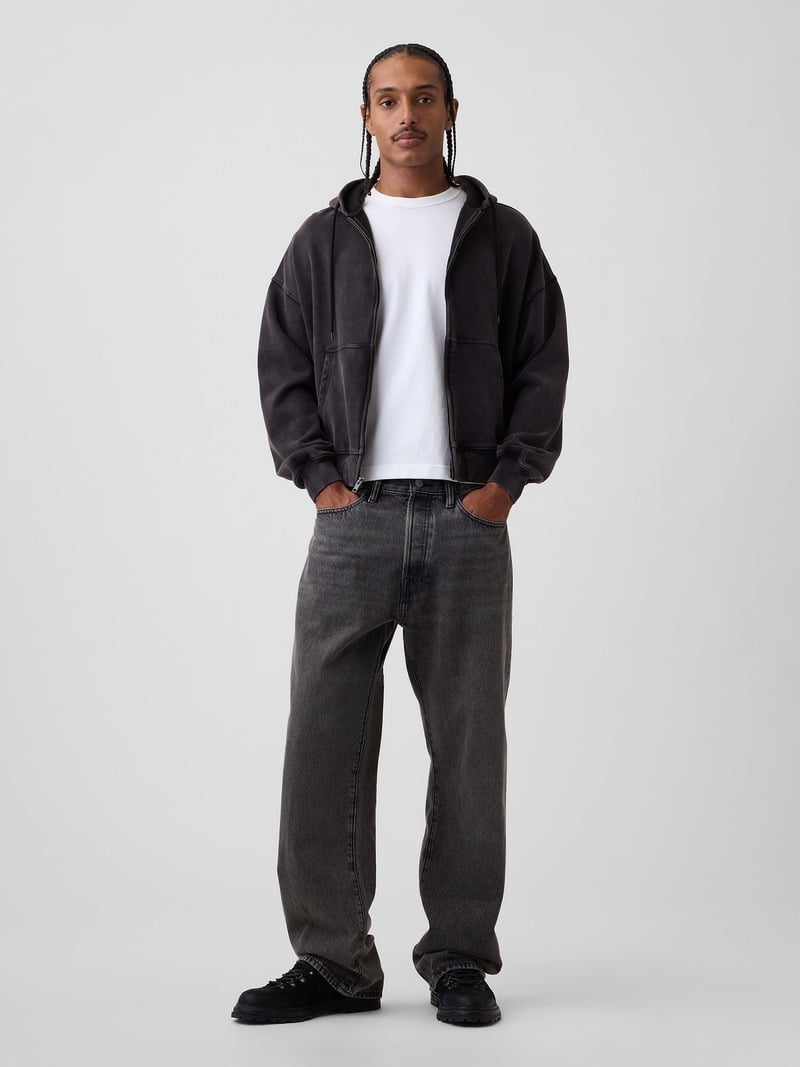
The ’90s Loose fit understands the appeal of jeans that slouch a little. A relaxed hip and thigh lead into a loose, straight leg, with a longer inseam designed to gather at the shoes. In washed black, the folds and fading become part of the look, particularly beneath the charcoal zip hoodie. A white tee gives the layers some definition. This is denim for men who like their casual clothes to look as though they have already spent time together.
Baggy Jeans
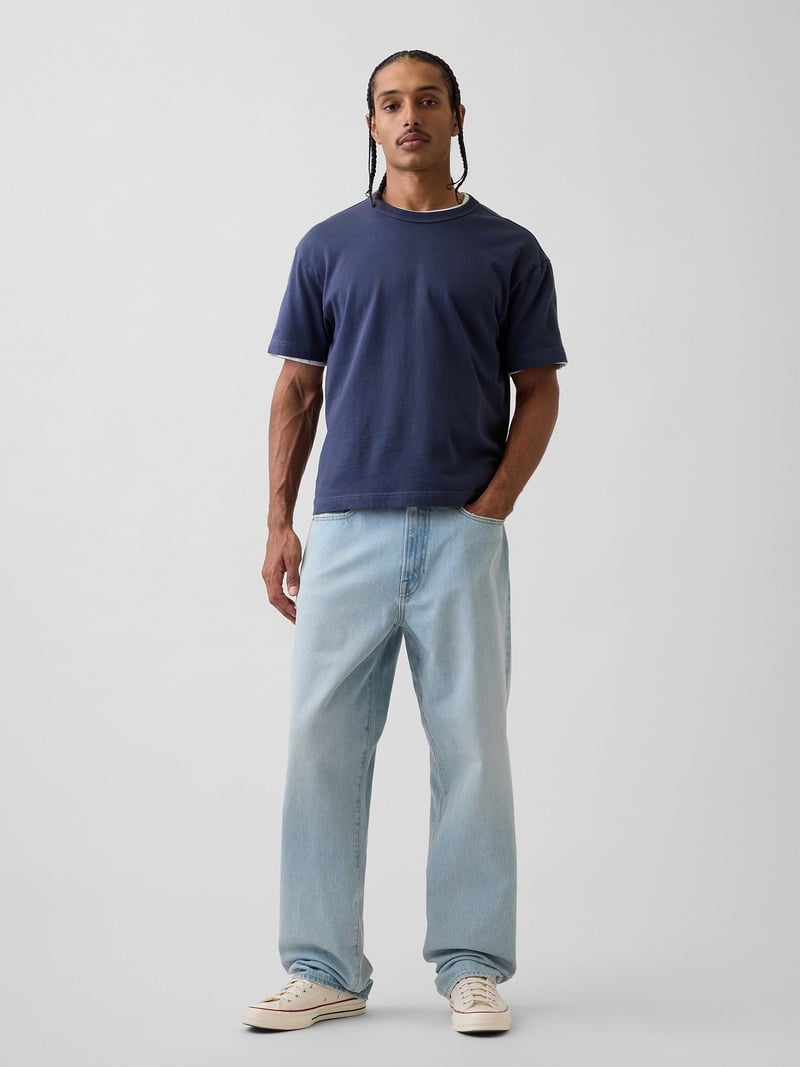
Baggy jeans make the trousers a more active part of the outfit. The width through the hip and thigh changes how a plain navy tee looks above them, giving a basic combination a different set of proportions. This Gap version tapers slightly toward the hem, where the light denim gathers over off-white sneakers. The cut supplies the volume, so the waistband can still fit securely. Buying a larger waist is a different experiment, usually involving a belt.
Extra Baggy Jeans
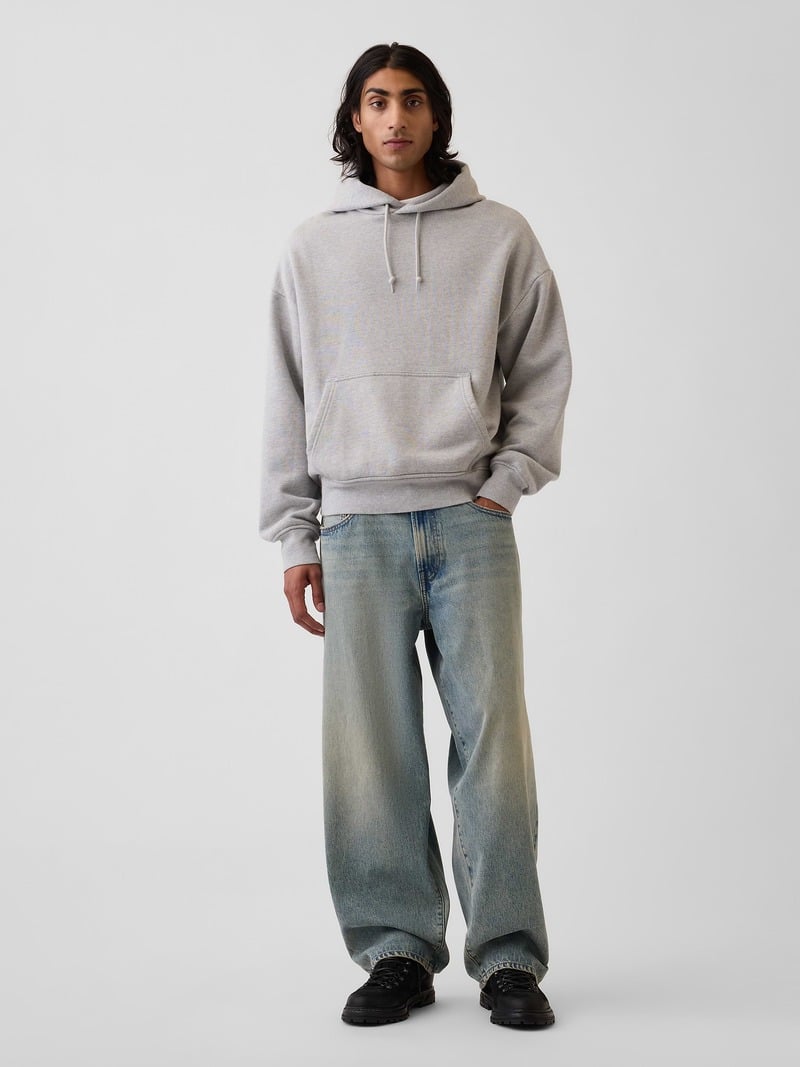
Extra Baggy is the fullest silhouette here, with more width through the hip and thigh and a slight taper toward the hem. The gray hoodie meets that scale, giving the outfit a consistent sense of volume from the shoulders down. Faded nonstretch denim forms deeper folds over the black shoes, making the fabric part of the silhouette. A little stacking suits the cut; a hem collecting the pavement is a less persuasive detail.
Gap Jeans Sizing
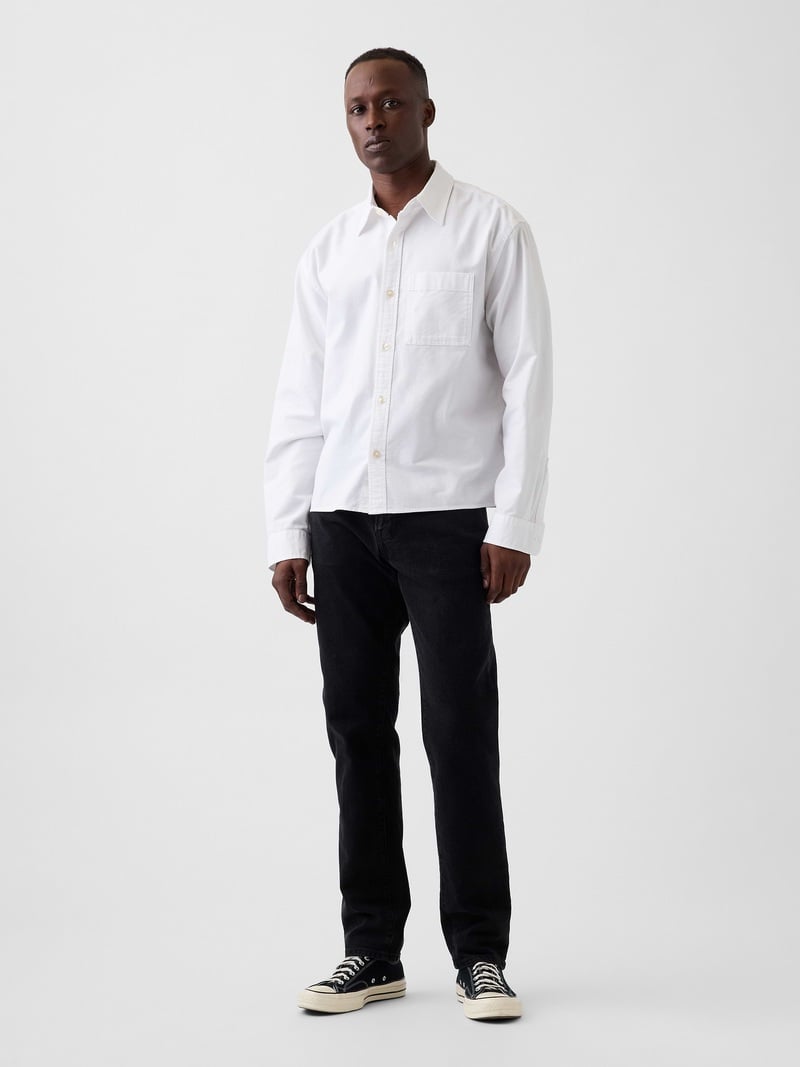
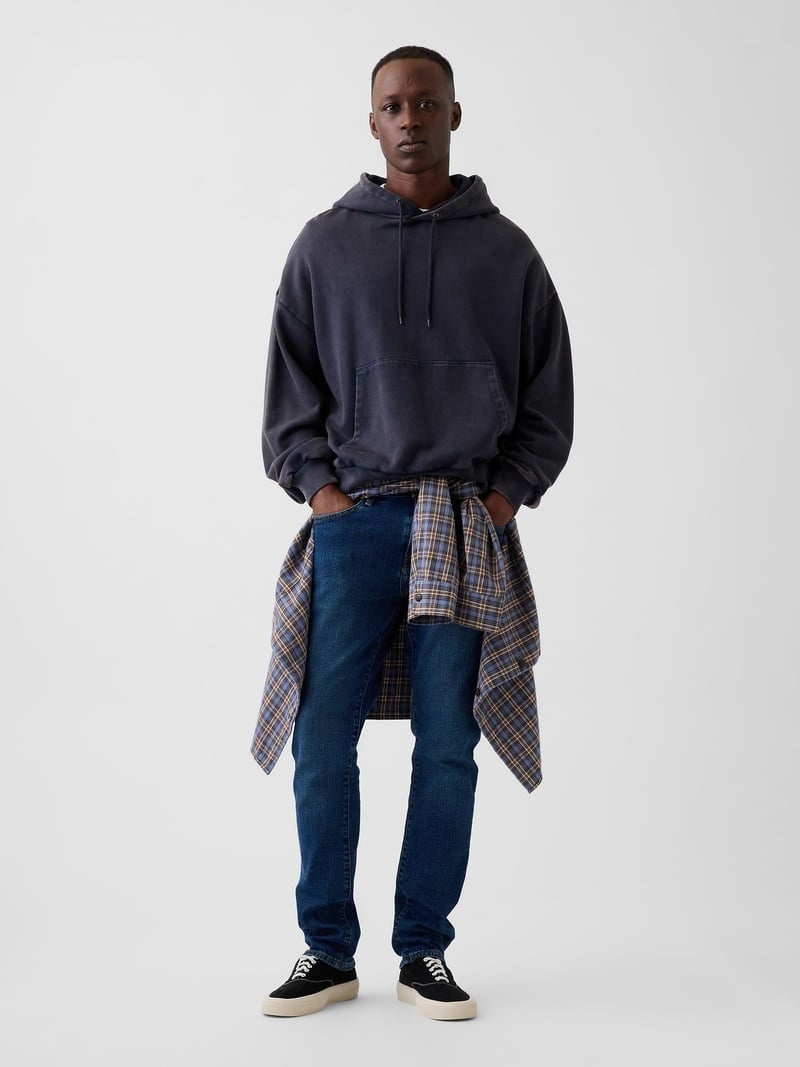
Gap jeans sizing starts with waist and inseam, usually expressed as two numbers such as 32 x 30. The second number refers to the inseam in inches. Compare the product’s size guide with a pair you already wear, then look at the rise and fabric. A size label is useful information, but it has never been the whole relationship between a man and his jeans.
Rise determines how the jeans fit between the crotch and waistband and helps establish where they sit on the body. During a try-on, sitting down tells you more than standing squarely in front of a mirror. Check for pulling across the fly and thighs, especially in rigid denim. When the waist fits and the thigh feels tight, changing the cut often makes more sense than increasing the waistband.
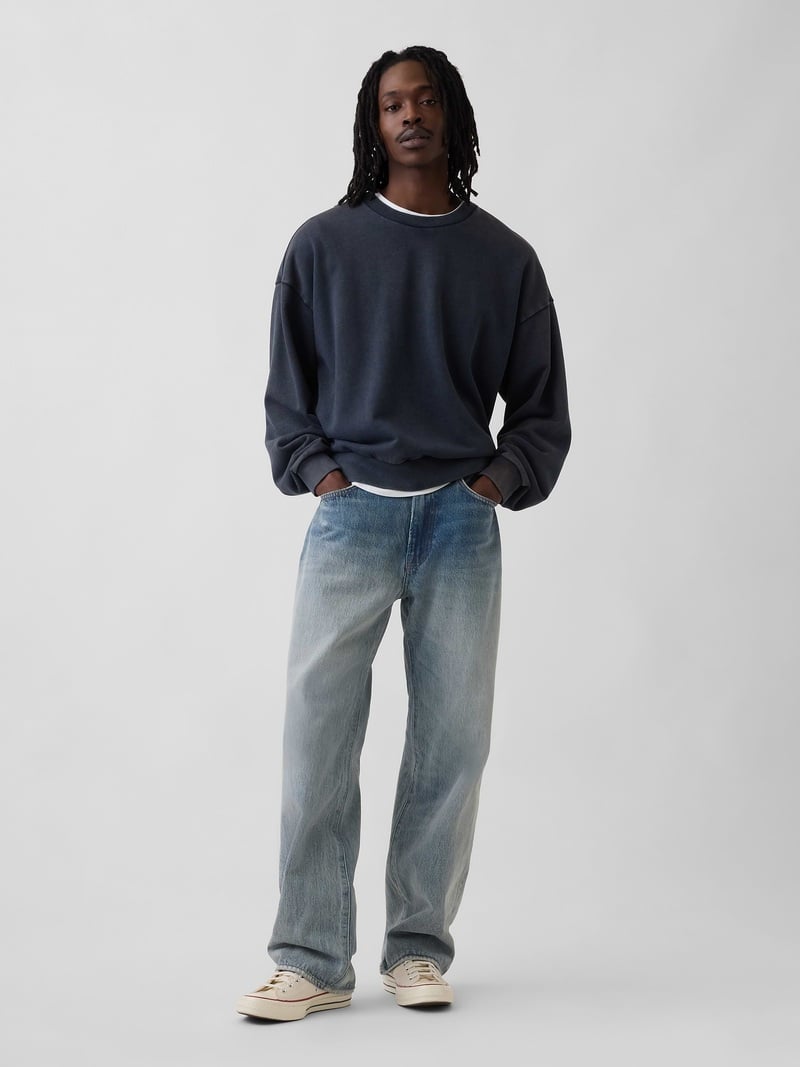
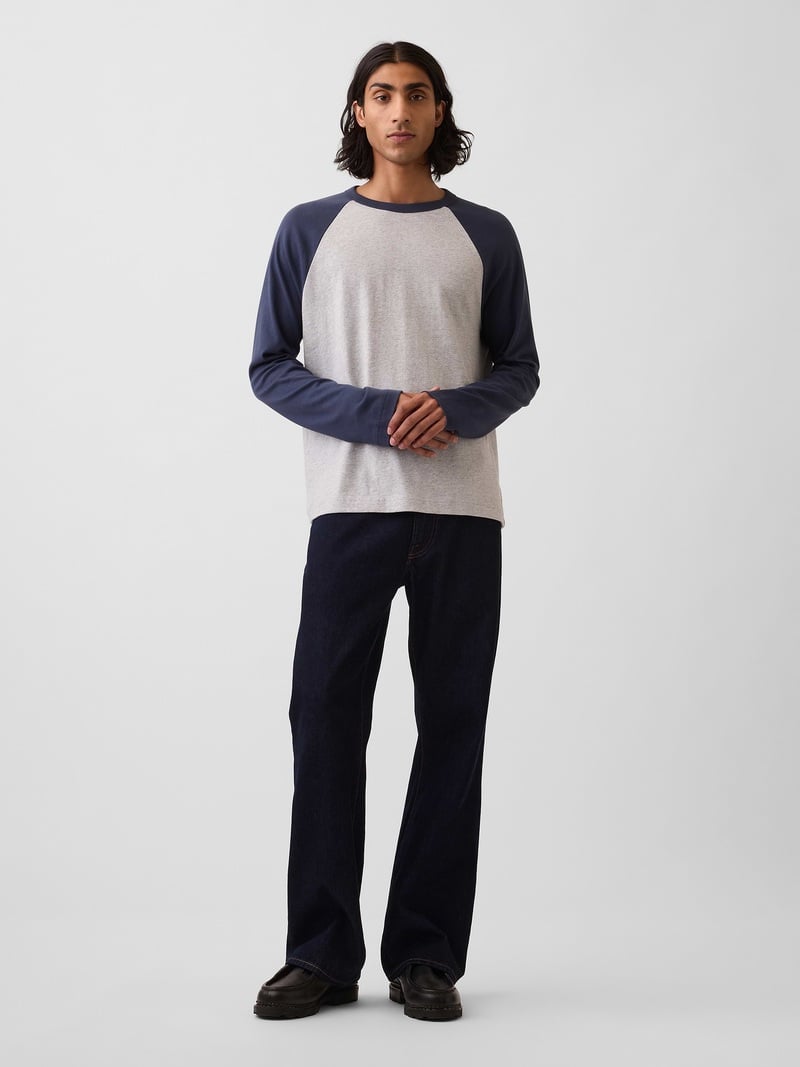
Try the length with your usual shoes. Slim jeans can finish close to the top of a sneaker, while the selected ’90s Loose and Baggy styles are designed to gather at the hem. Bootcut needs enough length for the flare to fall over the footwear. The aim is to retain the shape you chose, with the back edge clear of the ground.
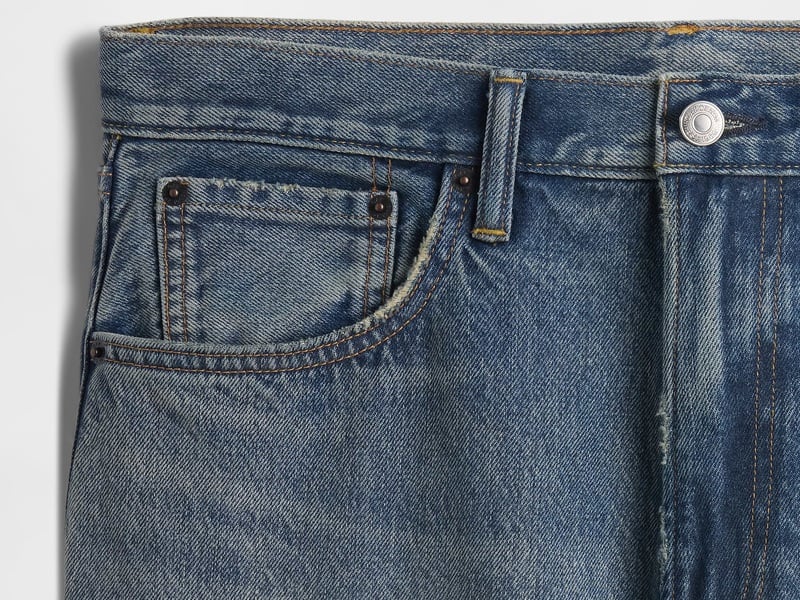
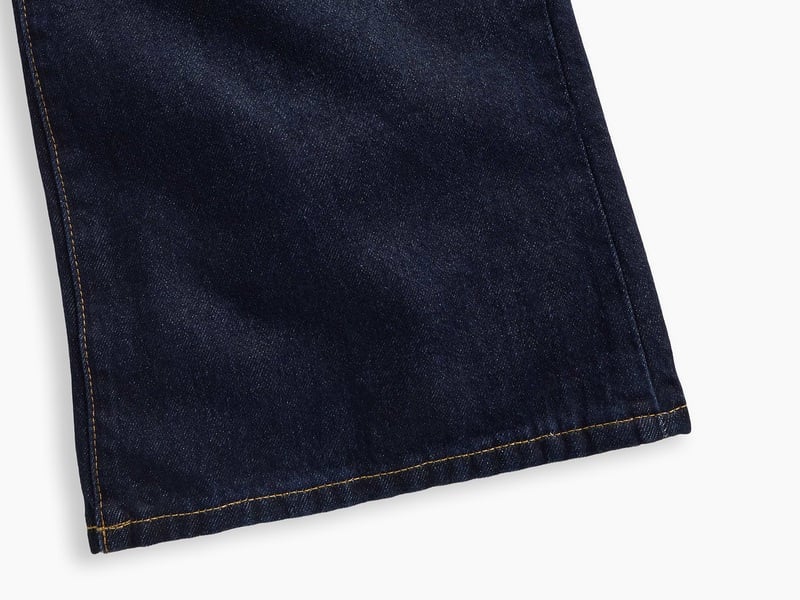
GapFlex refers to stretch denim within Gap’s range, with fiber blends and stretch levels varying by product. The selected Straight jeans contain elastane; the pictured ’90s Loose jeans use nonstretch cotton. Softness, stretch, and a wide cut describe separate qualities. A loose pair can still feel firm, just as a slim pair can flex when you sit down.
Washwell concerns the washing process. Gap states that qualifying jeans use at least 20% less water during washing than conventional methods. That figure describes one stage of production. Cotton sourcing and the garment’s overall environmental impact are separate questions, even when the claims appear together on a product page.
As with corduroy pants, a change in cut can give the rest of your wardrobe a different character. A tee you have owned for years looks different above a wider leg. Start with the shape that interests you, then let the fit decide whether it comes home.