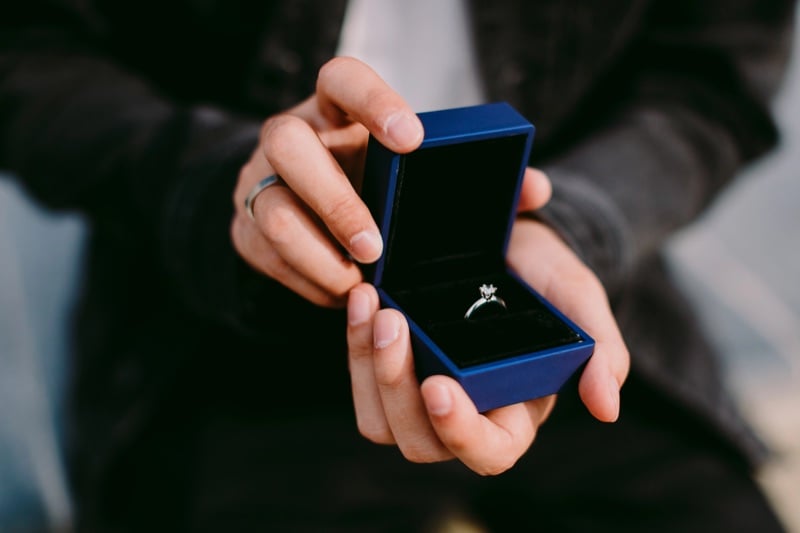
The diamond may attract most of the attention, but the setting determines how an engagement ring looks, wears, and holds up over time. It can expose more of the stone, offer additional protection, reduce snagging, or add decorative detail.
Choosing the right setting starts with the stone itself, followed by practical considerations such as daily wear, metal, prongs, and the eventual wedding band.
Begin with the Stone
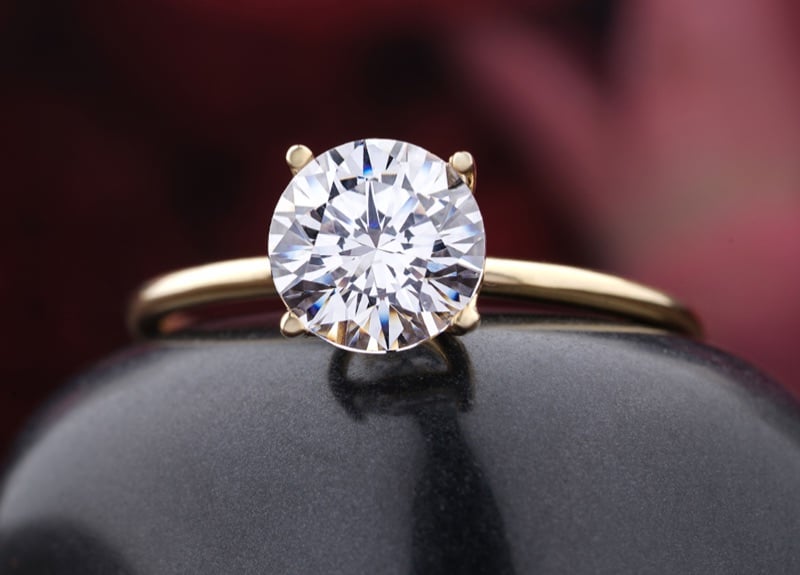
Diamond shape immediately narrows the options. If you are considering round engagement rings, the round brilliant works with a particularly wide range of settings, including four- and six-prong solitaires, bezels, halos, and pave bands.
Shapes with pointed ends or corners require more consideration. Pear, marquise, and princess-cut stones have vulnerable points that generally benefit from protective prongs or settings designed around their geometry.
The setting should ultimately work with the stone instead of competing with it.
Engagement Ring Setting Styles
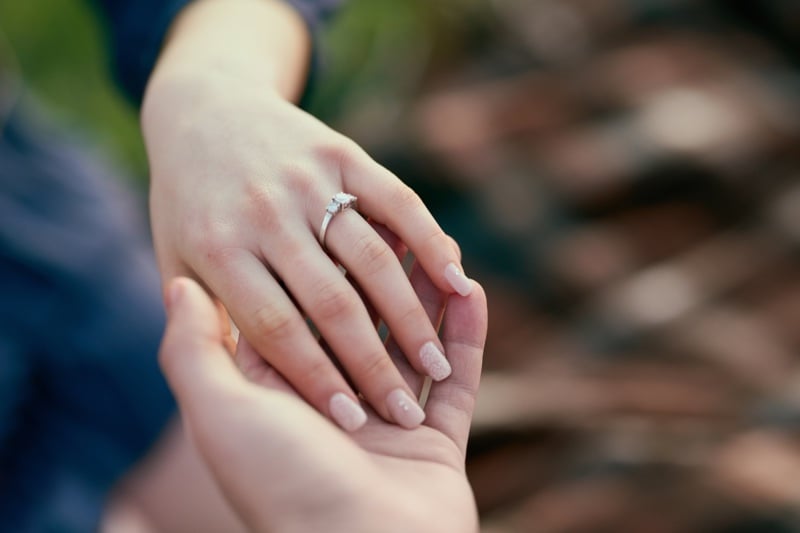
Solitaire
A solitaire places a single stone at the center of the ring, typically on a plain metal band. Its minimal construction keeps attention on the diamond and makes the ring relatively easy to clean.
Because there are few additional decorative elements, the size, cut, and setting of the center stone become especially noticeable. The band itself will also develop scratches and signs of wear over time.
Halo
A halo surrounds the center stone with smaller diamonds, increasing the ring’s visual size and adding more brilliance. It can be particularly effective when the goal is to give a modestly sized center stone greater impact.
The additional stones also require more maintenance. Small pave-set diamonds should be checked periodically to ensure they remain secure.
Three-Stone
Three-stone engagement rings place a center stone between two smaller stones. The arrangement is traditionally associated with the past, present, and future, although its practical appeal comes from the broader appearance it creates across the finger. It offers more visual interest than a solitaire while keeping the center diamond as the main focus.
Bezel
A bezel setting surrounds all or part of the stone’s edge with metal. Its smooth profile protects the diamond and reduces the likelihood of the ring catching on clothing, making it particularly useful for someone who works frequently with their hands.
Because more metal surrounds the stone, a bezel exposes less of the diamond than a traditional prong setting. The result is a clean, contemporary appearance with added protection.
Pave & Cathedral
Pave settings place rows of small diamonds along the band, extending sparkle beyond the center stone. The added stones require care, and extensive pave can make future resizing more complicated.
A cathedral setting uses arches of metal rising from the band to support the center stone. This elevates the diamond and gives the ring a more pronounced profile.
Vintage-Inspired
Vintage-inspired engagement rings draw on details associated with jewelry from earlier periods, including milgrain edges, engraving, filigree, and decorative shoulders.
The category can encompass influences ranging from Edwardian filigree to the strong geometry associated with Art Deco jewelry. These details can make the setting as visually important as the center stone itself.
Consider How the Ring Will Be Worn

An engagement ring designed for daily wear needs to suit the wearer’s routine. Someone who gardens, cooks, works with their hands, or regularly handles equipment may find a high-profile setting inconvenient.
A lower setting keeps the stone closer to the finger, reducing opportunities for snagging and accidental knocks. Higher settings expose more of the diamond and can accommodate certain wedding bands more easily, but they are generally more noticeable during everyday activities.
Finger proportions can also affect how a setting appears. Wider bands and large halos occupy more space across the hand, while narrow bands and elongated stones such as oval, pear, and marquise cuts can visually lengthen the finger. Trying different combinations in person remains the best way to judge proportion.
Choosing the Metal
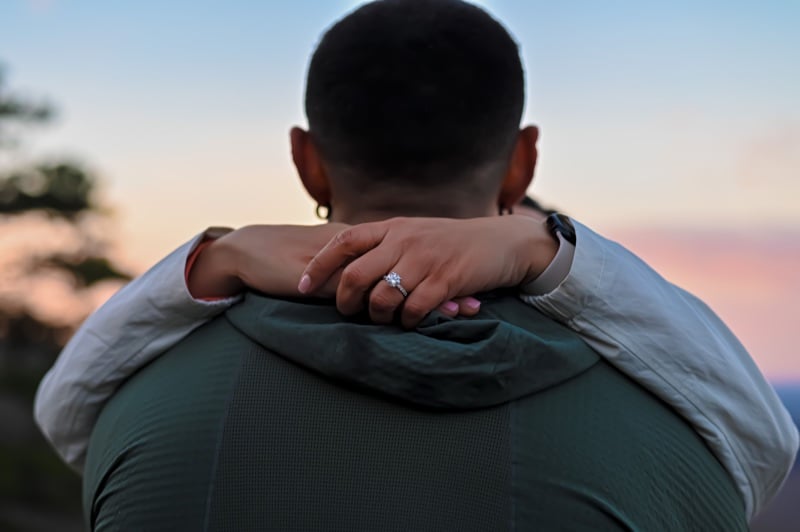
Platinum is dense, durable, and naturally white. Instead of requiring plating to maintain its color, it develops a patina as it acquires fine scratches through wear.
White gold provides a similar appearance at a different price point. It is commonly rhodium plated to create its bright white finish, which may need to be renewed periodically.
Yellow and rose gold offer warmer alternatives and can change the character of the same diamond setting considerably. Metal choice is ultimately a matter of personal preference, existing jewelry, budget, and maintenance expectations.
Four Prongs or Six Prongs
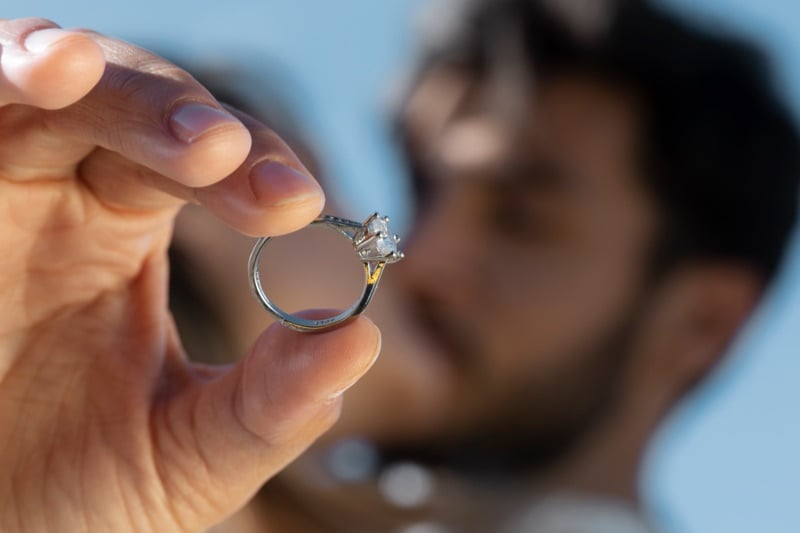
Prongs, sometimes called claws, secure the center stone while leaving much of its surface exposed. Four prongs expose more of the diamond and can make cleaning easier. Six provide additional points of contact around the stone and are often chosen for larger diamonds or when greater security is a priority.
Prong shape matters as well. Rounded prongs create a softer profile, while pointed or claw-style prongs can give the setting a sharper appearance. Any prong that sits too high or develops damage can catch on clothing, so it should be inspected as part of regular ring maintenance.
Consider the Wedding Band
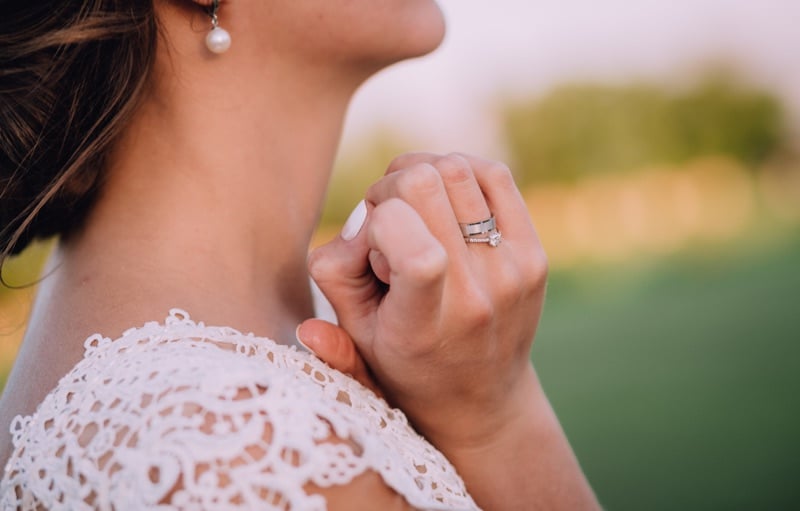
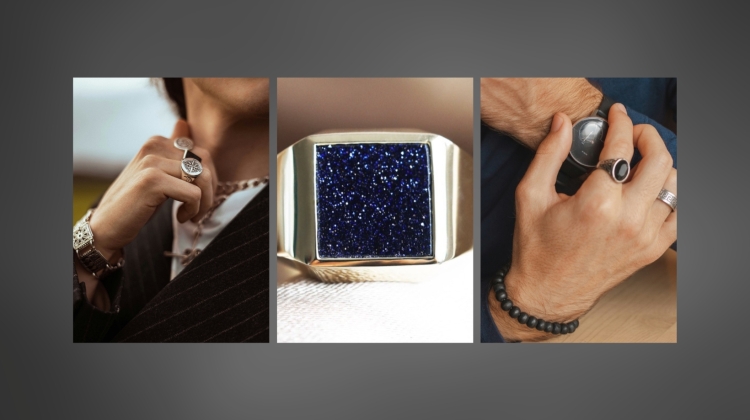
The engagement ring and wedding band will eventually need to share the same finger. Certain engagement ring settings allow a straight wedding band to sit flush against them, while others create a gap. For couples planning the rest of the ceremony, choices such as the rings and groom outfits often come together as part of the larger wedding picture.
Low bezels, large halos, elaborate baskets, and unusually wide settings may require a curved, contoured, or notched wedding band. Considering the eventual pairing before choosing the engagement ring can avoid limiting the options later.
Questions to Consider Before Choosing
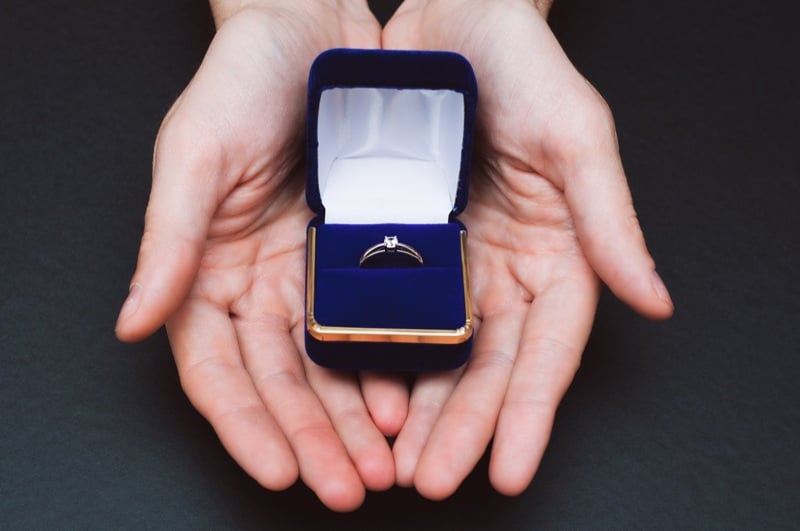
Before settling on a setting, consider how often the ring will be worn, whether the wearer prefers simple or decorative jewelry, how much maintenance is acceptable, and whether particular periods or jewelry styles consistently appeal to them.
Existing jewelry can provide useful clues. A collection dominated by simple gold pieces suggests something very different from one filled with ornate vintage jewelry or geometric designs.
Choosing an Engagement Ring Setting
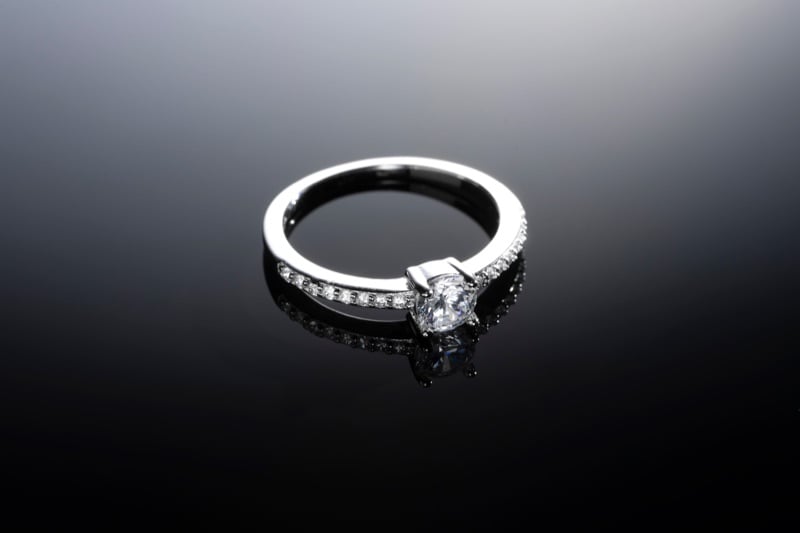
There is no single setting that works for every diamond or every wearer. Solitaires emphasize the center stone, halos increase its visual impact, bezels provide additional protection, and vintage-inspired settings introduce decorative detail.
The strongest choice accounts for the diamond, the wearer’s daily routine, and how the ring will eventually sit beside a wedding band. An engagement ring may be purchased for a single occasion, but its setting determines how successfully it functions as an everyday piece of jewelry for the decades that follow.