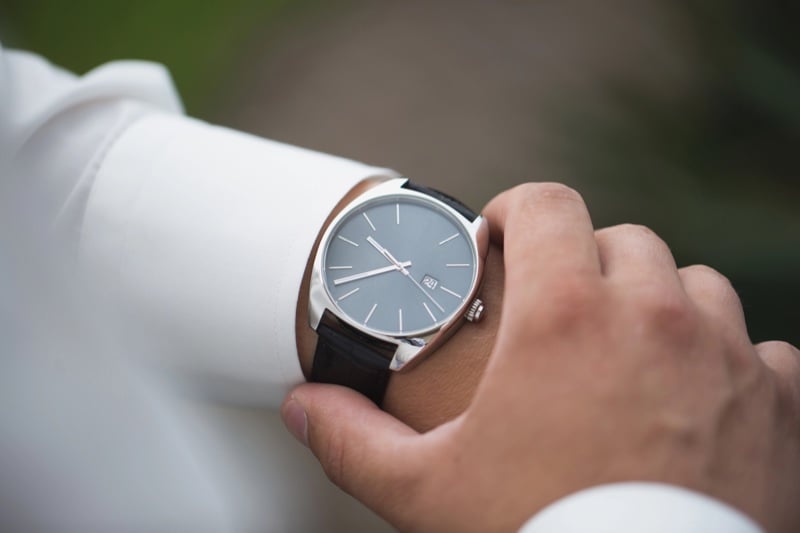
Minimalism is easy to imitate on a watch dial. Remove a date window, reduce the numerals, leave more empty space, and almost anything can look minimal from across the room. The better test is proportion. In minimalist luxury watches, case thickness, typography, finishing, and the relationship between dial and wrist have to carry the design.
That principle owes plenty to Bauhaus thinking, where ornament gave way to function and proportion. A true minimalist dress watch usually follows with a time-only or time-and-small-seconds layout, baton markers or slim Arabic numerals, and a thin case that slips under a cuff. Kevin Ghassemi, a luxury watch enthusiast and operations manager at WatchMaestro, points to those same fundamentals when defining the category.
Case diameter only tells part of the story. A 40mm watch at 7mm tall can wear more elegantly than a 37mm watch at 13mm. Case height and lug-to-lug length often tell you more about how a watch will sit than the diameter brands put front and center. Across the watches below, that relationship between scale and detail is what separates minimalism from a merely empty dial.
Junghans Max Bill Automatic – Around $1,100 to $1,600
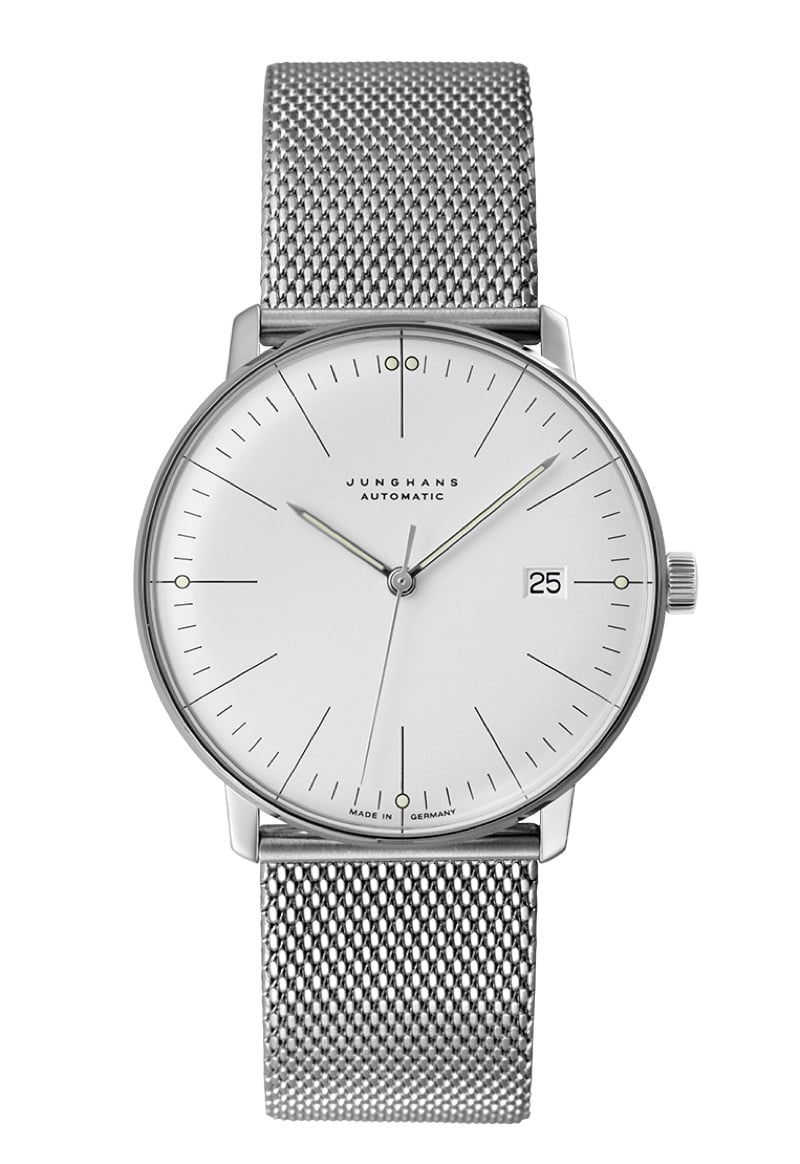
The Junghans Max Bill makes the historical connection explicit. Max Bill trained at the Bauhaus, and the watch bearing his name translates that design education into a domed crystal, printed numerals, and a dial stripped to what it needs.
The classic Plexiglas version adds warm vintage distortion, while sapphire offers the more durable alternative. At this price, its appeal comes from how closely the finished watch resembles the logic of a design drawing.
Nomos Tangente 38 – About $2,330
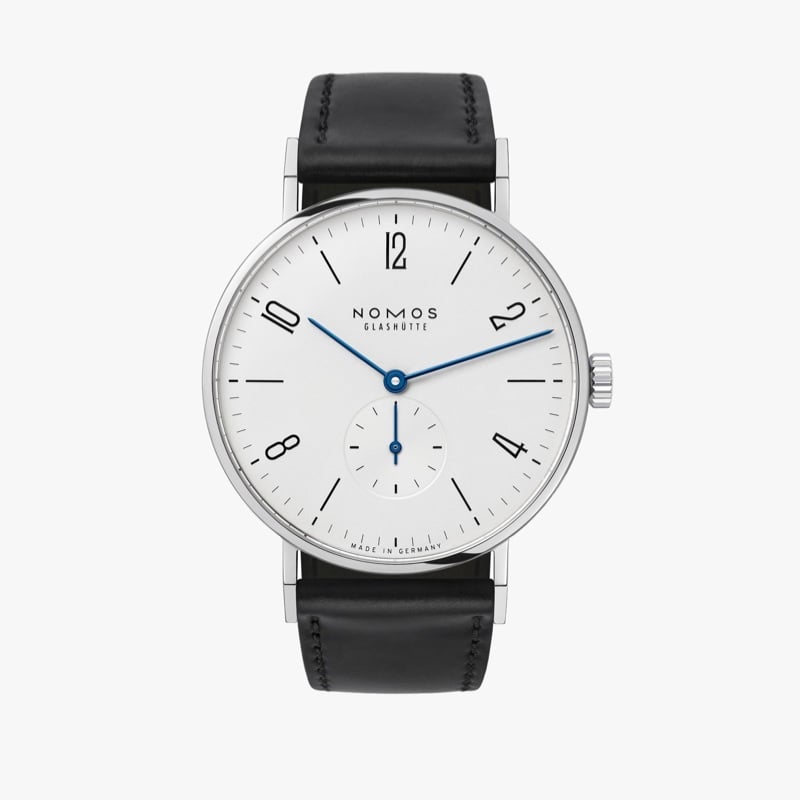
Nomos brings the idea into contemporary German watchmaking with the Tangente 38. Made in Glashutte, the hand-wound watch measures 38mm across and stays notably thin in profile. Five numerals, Bauhaus-era typography, blued steel hands, and a sub-seconds dial leave the main dial open.
Its roughly 43-hour power reserve also makes winding part of the ownership experience. For someone drawn to design as much as horology, the Tangente remains a benchmark at this end of the luxury market.
Grand Seiko SBGW231 – $4,300
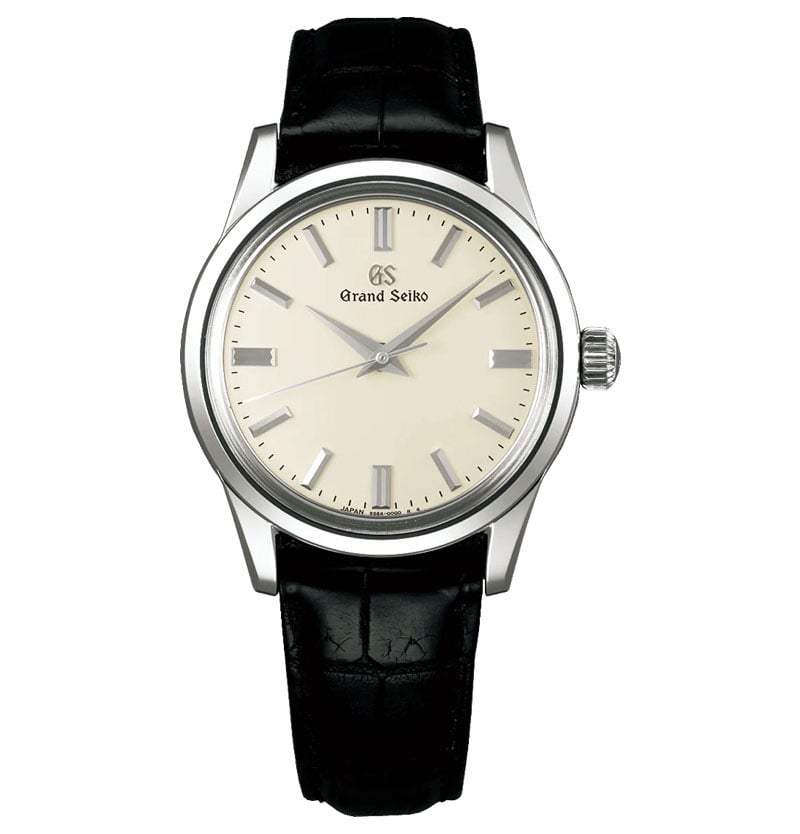
Grand Seiko approaches minimalism through finishing. The SBGW231, often nicknamed the “Japanese Calatrava” by collectors, pairs a 37.3mm steel case with an ivory dial, hand-faceted markers, and the manual-wind 9S64 caliber with a 72-hour power reserve.
At 11.6mm thick, it is not the thinnest watch here, but the Zaratsu-polished case gives the reduced design another source of visual interest. The SBGW231 has been phased out in favor of the near-identical SBGW301, making current availability worth checking.
Cartier Tank Must – $4,400
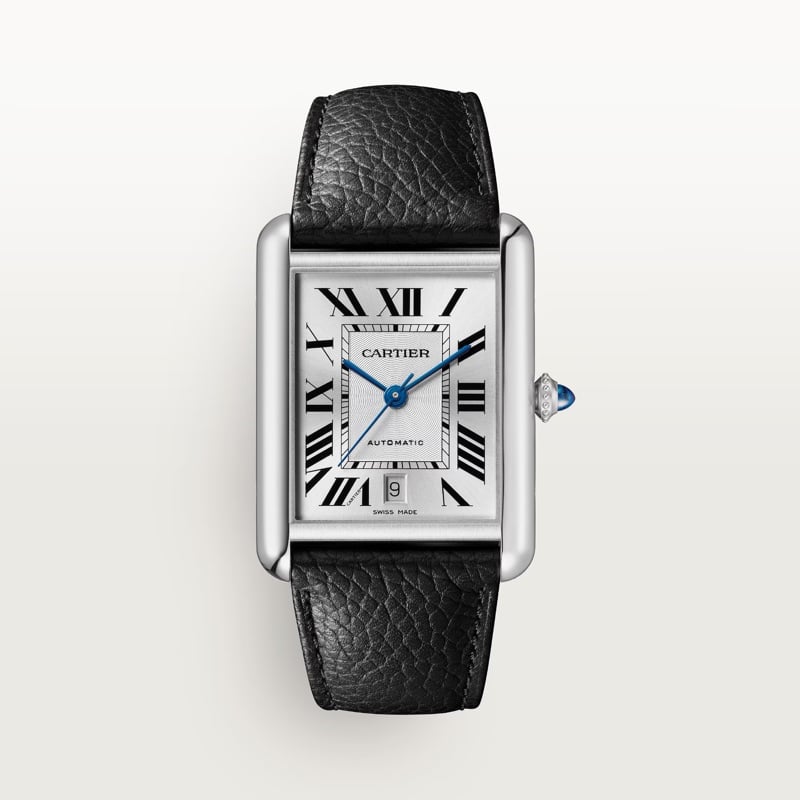
The Cartier Tank Must shows why minimalism does not have to mean a round watch with baton markers. The large steel model measures 33.7 x 25.5mm and only 6.6mm thick, yet its Roman numerals, blued sword hands, rectangular case, and spinel cabochon crown make it instantly recognizable.
It is also the only quartz watch in this group. Where other choices make their case through mechanical engineering, the Tank relies on proportion and graphic identity. Its high-autonomy quartz movement adds the practical benefit of being able to sit for years and keep running.
Rolex Oyster Perpetual 36 – $6,750
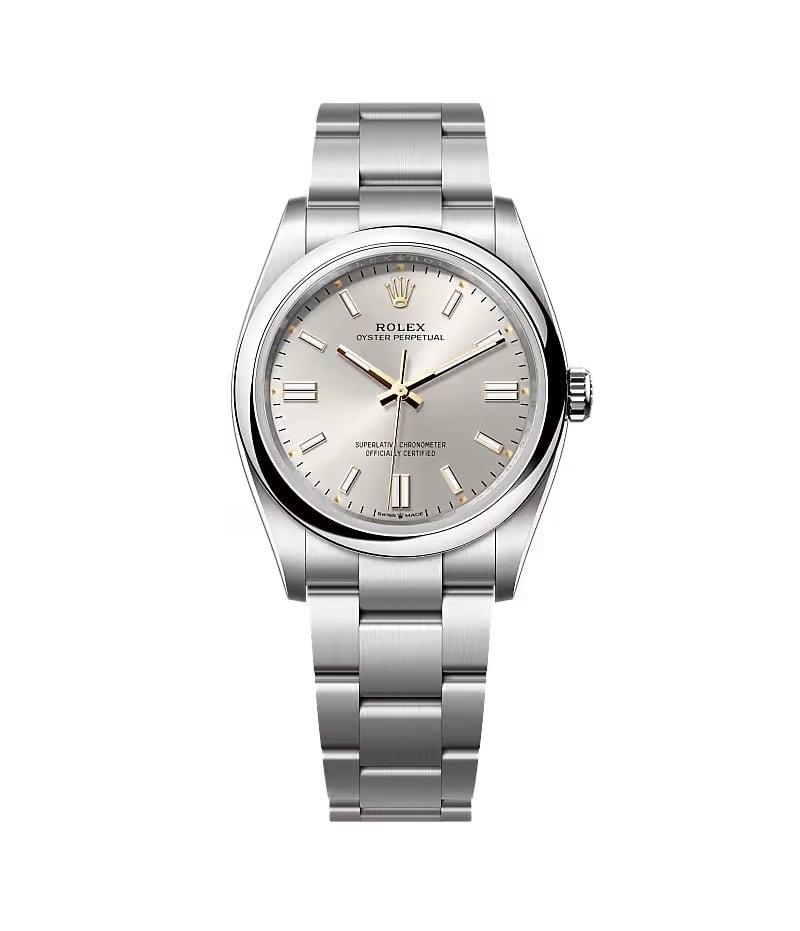
The Oyster Perpetual 36 pares Rolex back to its essentials. A 36mm Oystersteel case, domed bezel, index markers, no date, and the Oyster bracelet remove many of the visual cues associated with the brand’s sport models.
It is not especially thin, but its 100m water resistance and bracelet make it the most obvious everyday proposition here. Ghassemi describes it as genuinely wearable every day, and that utility is central to why the simple dial works.
IWC Portugieser Automatic 40 – $7,900
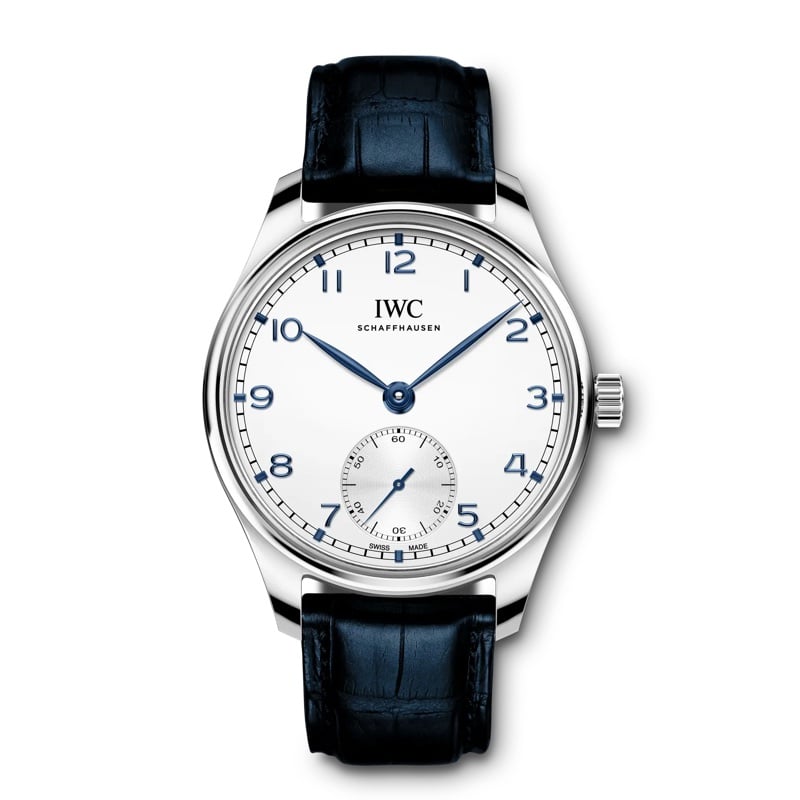
The IWC Portugieser Automatic 40 takes another route. Its 40.4mm case gives railway-track minute markings and long, slim Arabic numerals room to breathe, making empty space part of the design.
It is minimalism through scale instead of reduction alone. Buyers should also know that this reference commonly trades below retail on the secondary market, with listings in the source material ranging from about $4,600 to $7,500.
Jaeger-LeCoultre Master Ultra Thin Moon 39mm – $12,900
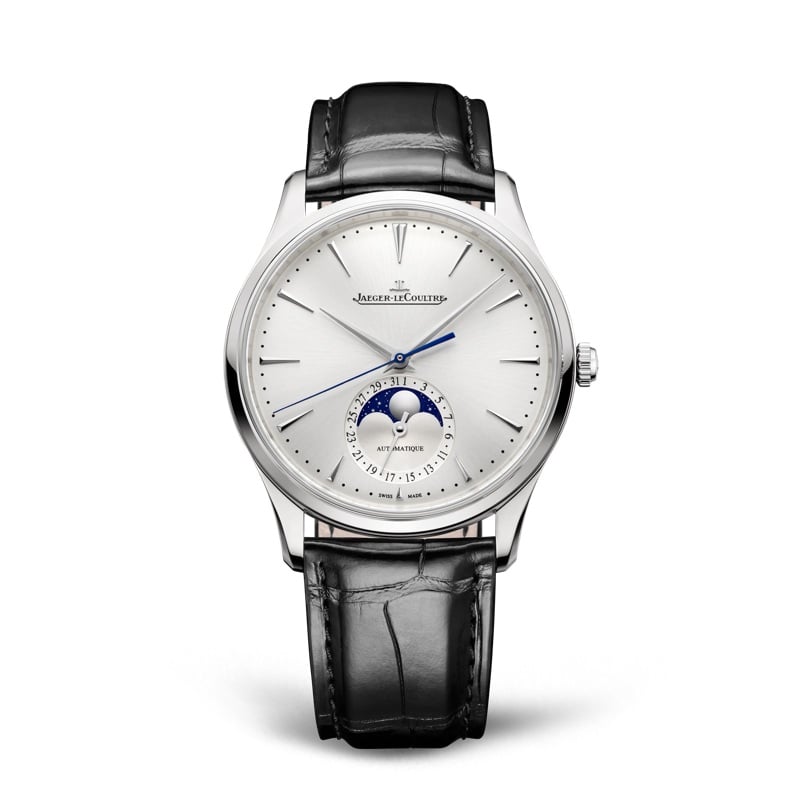
Jaeger-LeCoultre complicates the premise, literally. The 39mm steel Master Ultra Thin Moon adds a moon phase while preserving the visual economy expected of an ultra-thin dress watch.
Its 9.3mm case houses the in-house Calibre 925 with a 70-hour power reserve. Here, thinness is less a styling device than a watchmaking discipline, proving a complication does not automatically make a watch visually busy.
A. Lange & Sohne Saxonia Thin – $17,500 and Up
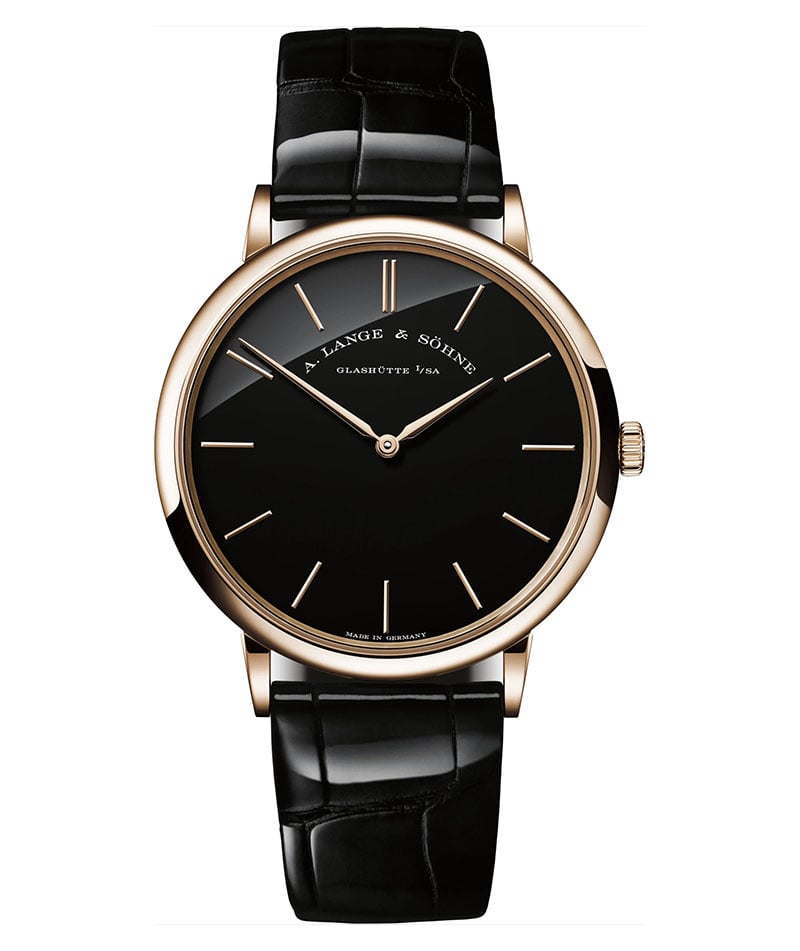
At A. Lange & Sohne, reduction puts more pressure on the details that remain. The Saxonia Thin pairs a solid gold case and spare dial with a hand-wound German movement whose finishing is best appreciated through the caseback.
The source material recalls the founder wanting a Lange to feel like “closing a Mercedes door,” an idea the Saxonia Thin translates into an unexpected sense of substance for its size. With so little happening on the dial, material, proportion, and movement finishing have nowhere to hide.
Minimalism at the Highest Level
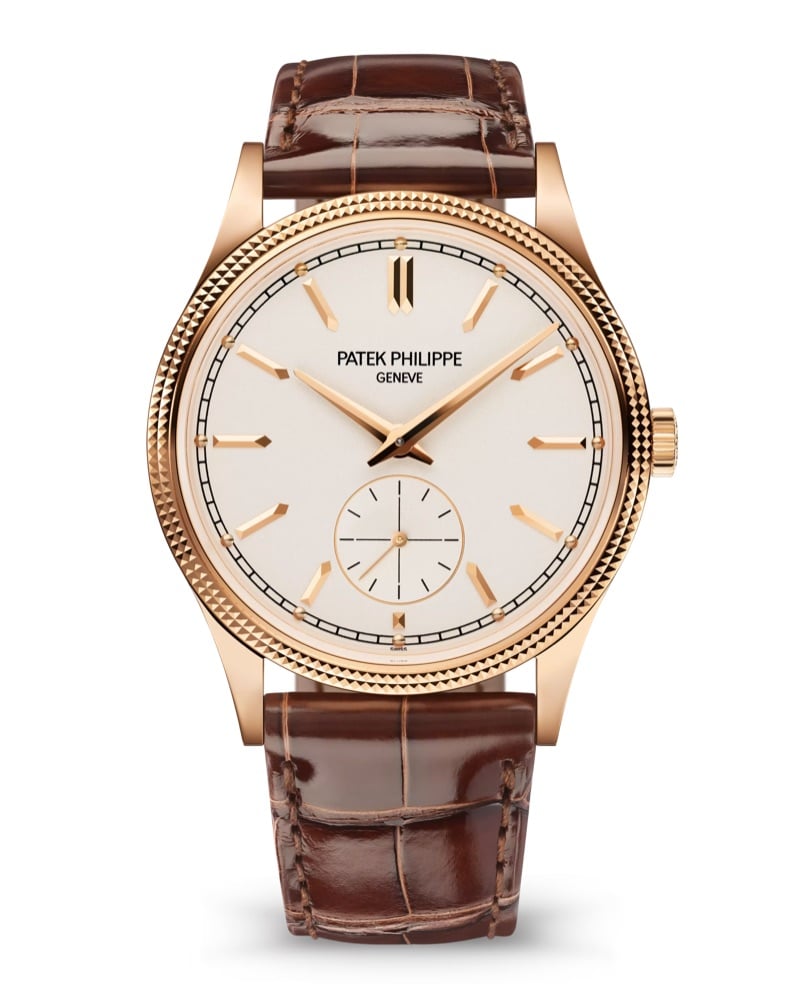
The Patek Philippe Calatrava 6119 and Piaget Altiplano show how the same principles carry into haute horlogerie. The Calatrava 6119 measures 39mm and uses a 65-hour hand-wound caliber just 2.55mm thick. At this level, minimalism becomes less about removing design elements than perfecting the few that remain.
How to Choose a Minimalist Watch

Start with the wrist instead of the trend. Round cases work across a broad range of wrists, while rectangular watches such as the Tank tend to suit flatter, narrower wrists where the long sides do not overhang.
Strap choice changes the character just as much. Leather pushes a watch toward dressier territory and can make it feel thinner on the wrist, while a bracelet makes the same basic proposition easier to wear every day.
For a broader comparison of case styles, movements, and functions, our guide to types of watches covers the larger watch vocabulary beyond minimalism.
Movement choice is similarly personal. Hand-wound movements can be thinner and turn winding into a small daily ritual. Automatics are more convenient, particularly when a watch is worn regularly. Neither is inherently better.
The more useful warning is against mistaking sparseness for quality. A dial can look empty while sitting inside a thick case with stamped markers and an oversized printed logo. Applied markers, precise finishing, and a case that tapers reveal more. When judging a minimalist watch, look at it from the side as carefully as you look at the dial.
Why Minimalist Watches Last
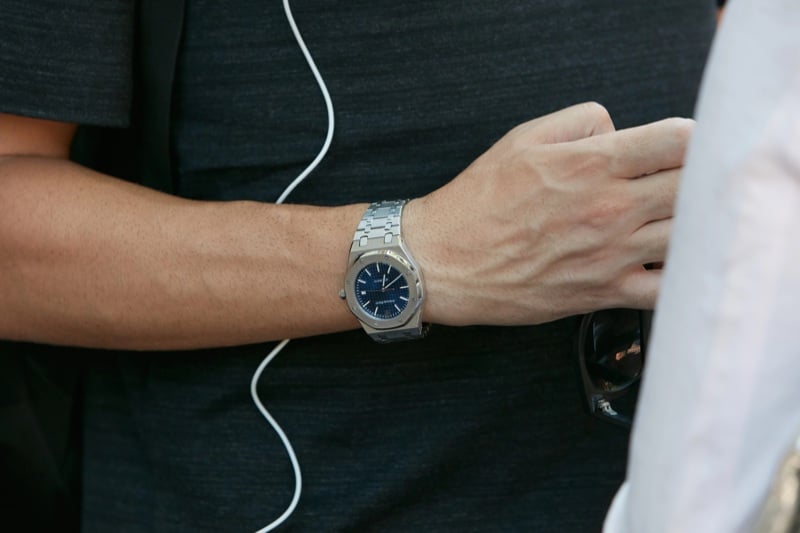
The advantage of a minimalist luxury watch is how slowly a good one dates. A clean two-hand dial from 1960 can sit comfortably beside a contemporary design because there is less period-specific decoration to give away its age.
The Max Bill, Tank, Tangente, and Calatrava arrive at that longevity from different histories, but the lesson is much the same. Buy for proportion first, then decide which expression of minimalism belongs on your wrist.