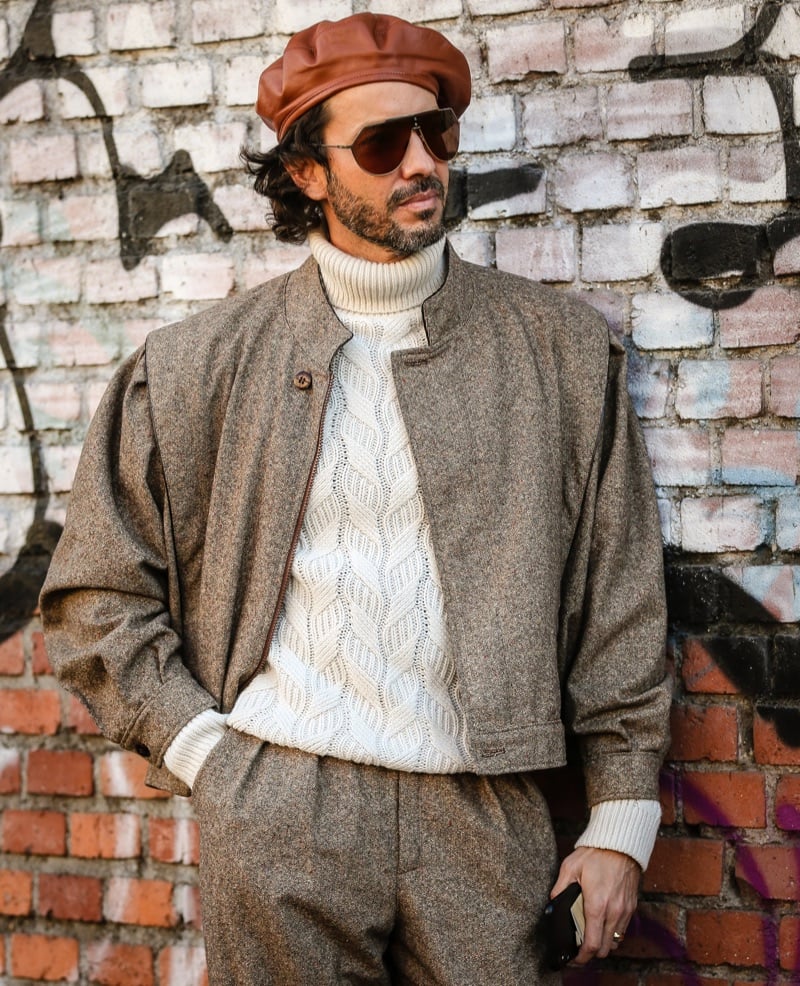
Most men have stood in front of a packed closet on a Monday morning and reached for the same navy sweater and gray chinos. Behind those staples hang impulse purchases, a trending jacket from last season, and a coat with the price tag still dangling from the sleeve.
You buy something new hoping it changes the routine, and it goes on the rail with the rest. The frustration is common, and it usually stems from the way we evaluate value when we buy.
Most shoppers judge cost by the price tag. An eighty-dollar fast-fashion jacket feels like a bargain, while a two-thousand-dollar luxury jacket feels like an extravagance. But price alone leaves out how often you wear the item.
If you wear the fast-fashion jacket four times before the trend passes and it goes to the back of the rack, each wear costs twenty dollars. If you wear the luxury jacket two hundred times over the next five years, each wear costs ten dollars.
So which one was the better deal? The luxury jacket wins by ten dollars per wear. This shift in perspective is the foundation of a concept known as Cost Per Wear. It is a practical framework that evaluates purchases by long-term utility, with the initial price as one input.
Understanding the Math Behind Your Closet

Cost Per Wear takes a single division. Add the total price of an item to any maintenance or repair costs, then divide that sum by the number of times you expect to wear it.
Cost Per Wear = (Total Cost of Item + Maintenance Costs) divided by Total Number of Wears
Calculated item by item, the number shows what each garment is worth to you. High-quality items you reach for daily often become far cheaper in the long run than low-quality fast fashion garments that sit unused in your drawer. The same approach applies well beyond clothing.
Judging an item by its daily use ties your spending to your lifestyle and puts short-term desires in second place. Financial apps now use AI in finance to review your accounts and highlight spending patterns, so you can see where your money goes each month. Applying that same analytical mindset to your wardrobe directs your money toward items you wear often.
The Problem with Low Initial Prices

Fast fashion has trained us to chase the lowest price above everything else. When a shirt is cheaper than a fast food lunch, the purchase happens on impulse. Shoppers fill the cart on price alone, while fit, personal style, and longevity get pushed down the list. Cheap items also come with hidden costs.
First, low-cost garments are often made with cheap synthetic fabrics and weak stitching, so they shrink, fade, or tear after a few laundry cycles. Second, a closet filled with clothes that sit unworn creates decision fatigue every morning.
Finally, frequent replacement of cheap items adds up over time and consumes money that could have been saved or invested. Shifting your focus to Cost Per Wear changes your purchasing criteria. The question turns from how cheap an item is today to how often you’ll rely on it tomorrow.
How to Apply Cost Per Wear in Real Life

This mindset works at any budget, from fast fashion to luxury. It asks you to buy based on quality, versatility, and fit. Here are four practical strategies to put it to work today.
Assess Your Daily Routine
Before making a purchase, look at how you spend your week. If you work from home four days a week, buying multiple formal business suits yields a high Cost Per Wear, whatever the sale price. Conversely, high-quality, comfortable everyday clothes get worn continuously, which keeps their Cost Per Wear low.
Focus on Versatility & Fit
An item that pairs with several others already in your closet gets worn often. Classic neutral colors, clean silhouettes, and adaptable designs make those pairings possible and consistently yield a lower Cost Per Wear. Fit matters too, because an item that feels uncomfortable when you first try it on stays on the hanger during a busy morning routine.
Prioritize Quality Over Quantity
Inspect garments before buying them. Feel the fabric between your fingers, then check the weight of the material, the neatness of the seams, and the quality of the zippers or buttons.
Look for natural fibers like wool, cotton, and linen, which tend to outlast cheap synthetic blends. One well-made item that lasts five years usually beats five poor-quality items that fall apart in five months on Cost Per Wear.
Account for Care & Maintenance
An inexpensive silk shirt that requires dry cleaning after every use adds a hidden, ongoing cost. By contrast, a sturdy jacket that requires minimal maintenance stays inexpensive over its lifetime. Factor in the time and money required to keep an item in wearable condition.
Moving Toward Smarter Spending

A Cost Per Wear mindset changes how you shop. It ends the endless cycle of buying, discarding, and replacing. In its place, you build a curated, functional wardrobe filled with items you love and wear regularly.
When you judge value by usage, you make smarter financial decisions, reduce daily clutter, and build a collection of belongings you use every day. So the next time you eye a new purchase, look past the price tag and calculate the true cost. You might find that the smartest way to save is the jacket you wear two hundred times.