Wedding planning fills the calendar with decisions about the venue, the caterer, and the guest list, and the groom’s outfit tends to wait at the bottom of that pile. By the time the date is close, a tuxedo rental two days before the wedding starts to look like the obvious shortcut.
Most grooms want an outfit that feels comfortable, photographs well, and looks like something they chose themselves. Getting there takes a timeline that starts months before the wedding, from the first fabric swatch to the final fitting.
Whether the wedding is a black-tie evening in a city venue or an outdoor celebration, a full style brief takes stress out of the run-up. It also has to cover the reception, where the groom spends six hours under hot lights, dancing and hugging guests between photos.
The outfit needs to look right during the vows and still feel comfortable at hour six of the reception. Decisions made at every stage, from venue and budget through to the morning of the ceremony, affect both.
Match the Fabric to the Venue
Venue and season set the first limit on the outfit, as a heavy velvet dinner jacket suits a winter ballroom and turns a midsummer garden into a sauna. Formality narrows the choice next.
Traditional weddings call for a black tuxedo or a deep navy suit, while outdoor weddings welcome earthy tones, textured weaves, and patterns such as windowpane check. Settle both with your partner so the fabric and color match the wedding’s color scheme and the formality of the ceremony and reception.
Set a Budget Before You Shop
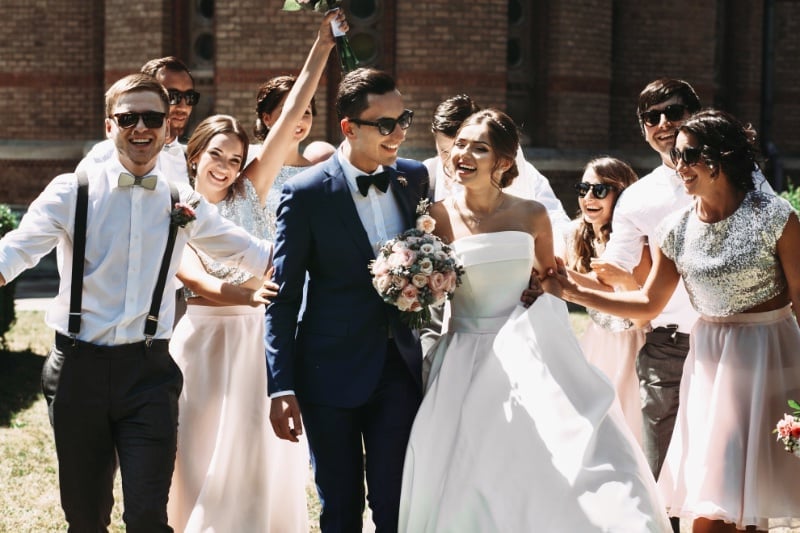
With the fabric and formality settled, the next step is a budget, since tailoring, made-to-measure garments, and leather accessories add up fast. Outfit costs also land alongside venue deposits, catering minimums, and every other line item drawing on the same account.
That overlap is why some couples fold online loans into the wider wedding budget. Knowing the full amount available from the outset lets you plan every purchase against a fixed number.
Put Fit Ahead of Price
Fit outweighs every other factor in how you look, which makes it the first place to spend from the budget. An expensive suit that fits badly looks bad, while a cheap, well-fitted suit looks great.
Choose Between Bespoke, Made to Measure, & Off the Rack
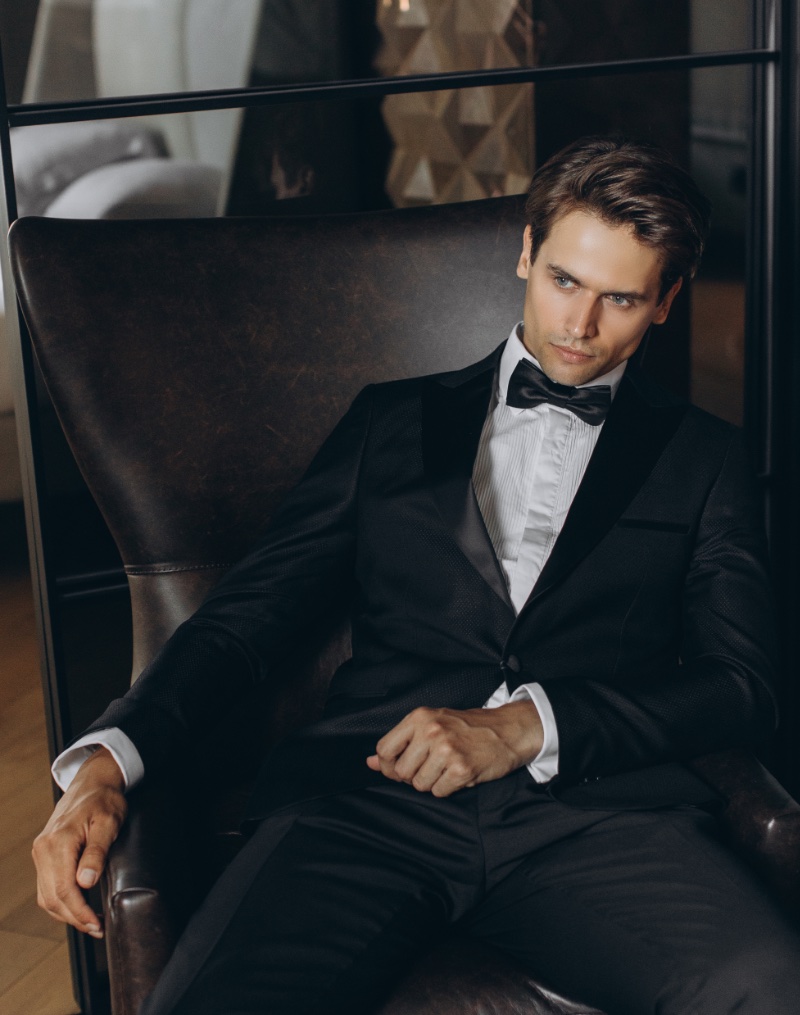
Three routes lead to a good fit, and each one trades price against time. Bespoke is a garment made from scratch, with your choice of fabric, collar, lining, and buttons. Made to measure alters a standard pattern to your body measurements and gives you a tailored suit at a lower price than bespoke.
Off the rack with alterations is usually the most affordable route and can be ready in about a week, though the sleeves, body, and trouser legs still need time at the tailor.
Start Tailoring Three to Four Months Out
The bespoke and made-to-measure routes set the schedule, so begin tailoring three to four months before the wedding to leave time for cutting and adjustments. Most grooms need two to three fittings to get everything right. Frequent travel abroad limits the number of trips back to the tailor, so add extra weeks if that applies to you.
Choose a Breathable Cotton Shirt
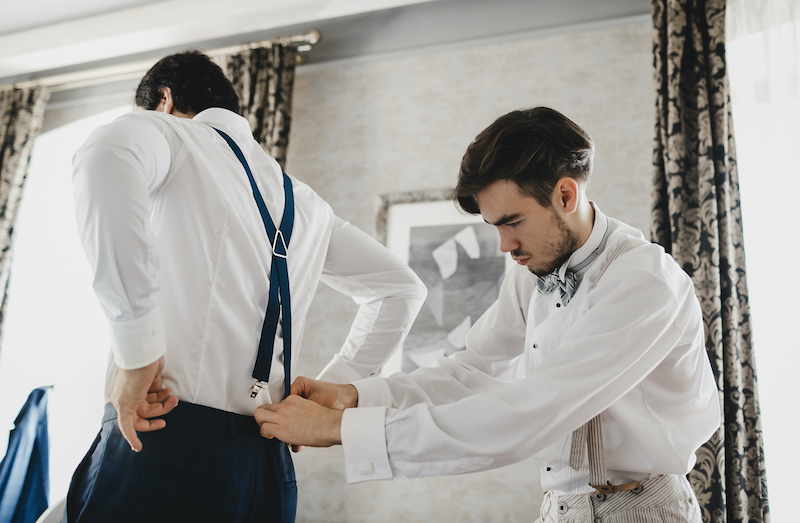
Once the suit or tuxedo is underway, the pieces around it come next, starting with the shirt that sits underneath. Cotton lets heat and moisture escape better than synthetic blends, which matters through a ceremony, a photo session, and hours of dancing.
A tuxedo shirt adds a stiff bib front and a wing or turndown collar, both firm enough to stay flat under a bow tie.
Match Your Neckwear to the Formality
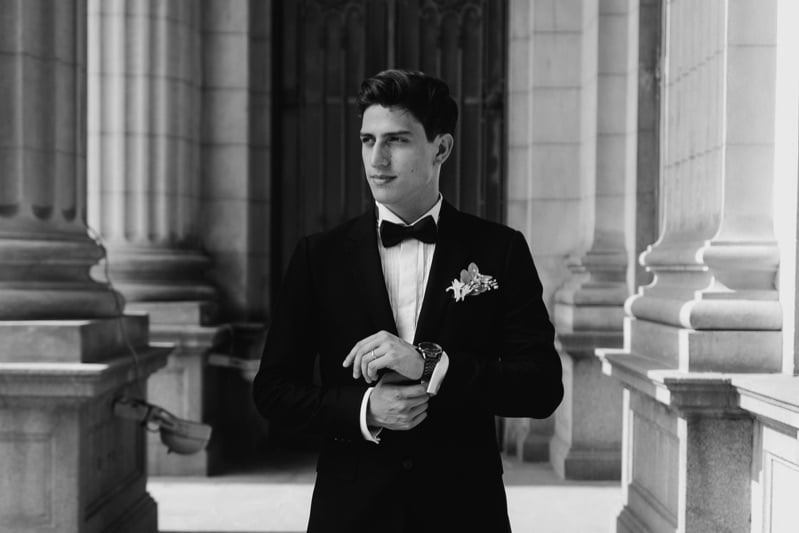
The tie is the next piece to settle, and the formality of the wedding decides between a bow tie and a necktie. A black silk bow tie is the best option for black tie. A semi-formal wedding suits a self-tied silk necktie in a rich texture such as grenadine. Match the width of that tie to the width of your jacket lapel.
Break In Your Shoes & Match Your Belt
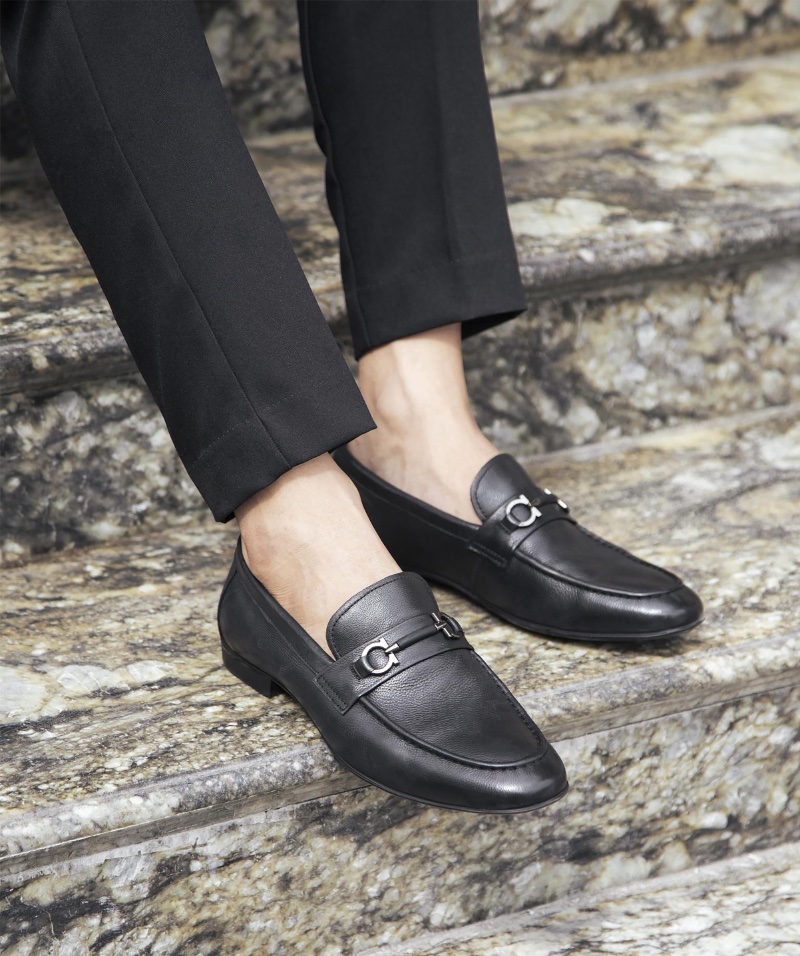
Shoes are the last piece of the outfit to settle, and the right pair depends on whether you are wearing a tuxedo or a suit. Rental tuxedos come with patent leather oxfords, while a suit in traditional formal tailoring calls for calfskin dress shoes in black or dark brown.
Break in whichever pair you choose well before the wedding, because blisters make greeting guests at the reception a slow, painful business. A suit belt should match the shoes in leather and finish, and a tuxedo takes side adjusters or classic suspenders in place of a belt.
Start Skincare Two to Three Months Out
With the clothing settled, grooming comes next. It ties the outfit together and should leave you looking as if you just returned from a relaxing vacation. Begin using simple skincare products two to three months before the wedding. That lead time shows you which products keep your skin clean, hydrated, and fresh-looking.
Book the Haircut a Week Ahead
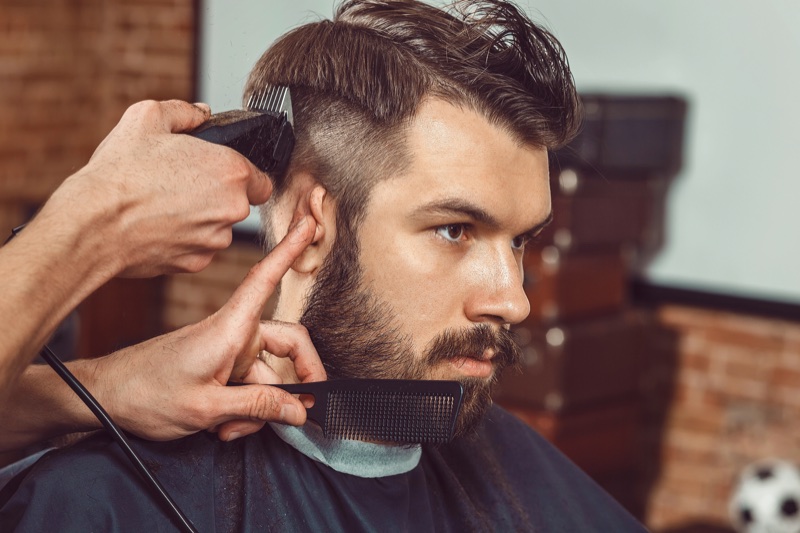
Skincare starts months out, but the haircut belongs about a week before the wedding. A week gives the cut time to grow out slightly and settle into natural-looking lines at the back and sides of your neck.
Time Your Shave Around the Ceremony
The shave has the tightest timing of any grooming step, and the method decides when it happens. A regular shave belongs on the morning of the ceremony.
A hot towel shave belongs to the evening before, which gives your skin a night to recover from any irritation before it meets a collar. If you are growing your facial hair out instead, keep it clean, trim it, and oil it well.
Set Up the Morning of the Ceremony
Every earlier step comes together on the morning of the ceremony, and a calm, organized room helps because those hours are hectic and a little order goes a long way. Run a steamer over the suit to work out any travel creases before you dress. Once you are dressed, hang the rest of your clothes on wide wooden hangers to keep their shape.
Run the Day-Of Checklist
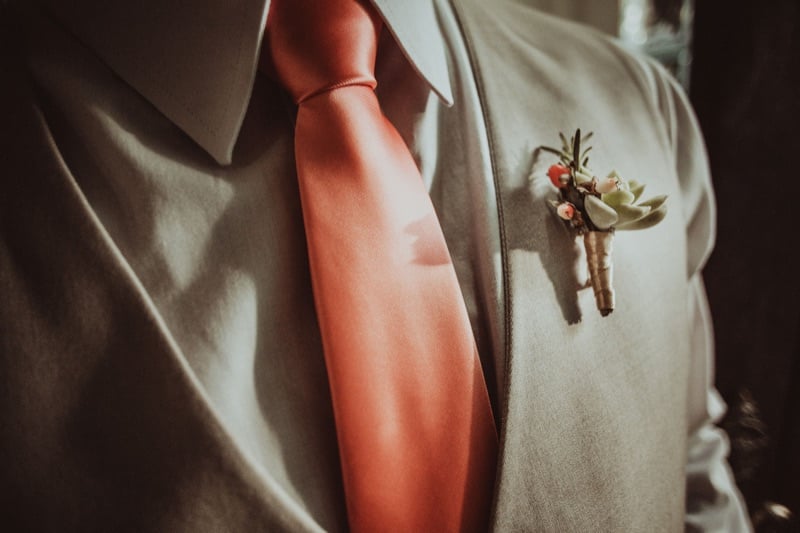
With the room set and the clothes steamed, run one last check before you leave for the ceremony. Confirm the pressed suit or tuxedo, a freshly ironed shirt with a backup, cleaned, polished dress shoes, and dress socks long enough to cover the backs of your calves when you sit down.
Add cufflinks, a watch, a pocket square, deodorant, a light fragrance, and the wedding bands. Once every item is checked off, the walk to the ceremony is all that remains.