A graphic tee holds five different stories, and which one it tells comes down to where the print came from. A record collection, a group chat, and a closet passed down from an older brother can all put a graphic tee into rotation, each for a different reason. Five separate traditions get folded into one plain garment, and each one changes what the shirt says the moment a guy puts it on.
The brand tee started this story, and it still sets the terms for the other four. Custom runs, band merch, and sports jerseys borrow the same core idea, a logo or image doing the work a full outfit used to do. What separates the five is where that image comes from and who put it there.
The Brand T-shirt
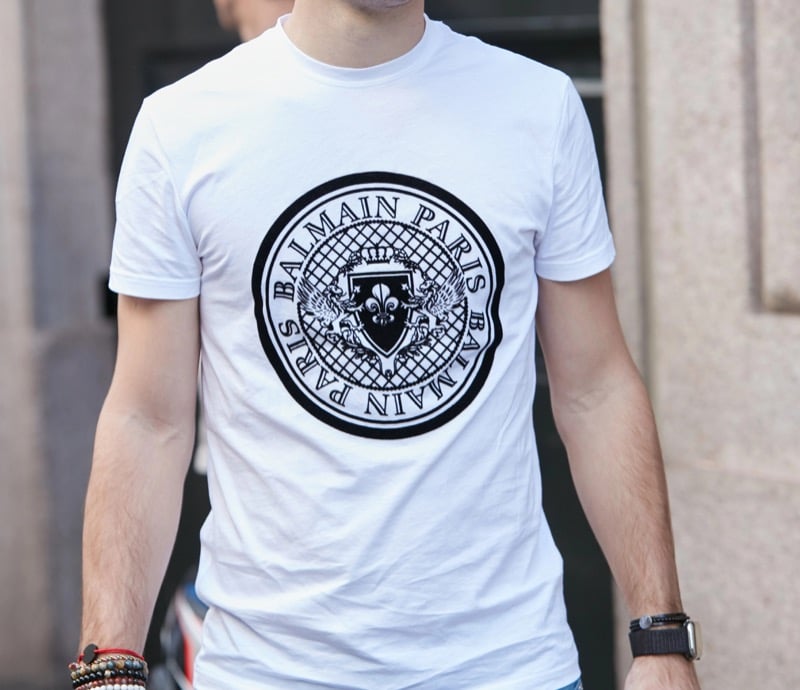
The brand tee is the plainest version of the idea. A logo across the chest, often alone, turns a plain cotton shirt into a stand-in for the company behind it. Streetwear labels turned this into a discipline over the past two decades, treating logo placement as a design decision instead of an afterthought.
Most brand tees run a heavier weight than the six-ounce cotton used for basics, giving the print a surface that holds ink without cracking after repeated washes. Supreme’s box logo, Fear of God’s Essentials script, and Aime Leon Dore’s crest work because the wearer picks a specific point of view, a bigger claim than a plain shirt makes on its own. That same logic runs through most modern streetwear staples, where the graphic often matters more than the cut.
The Custom T-shirt
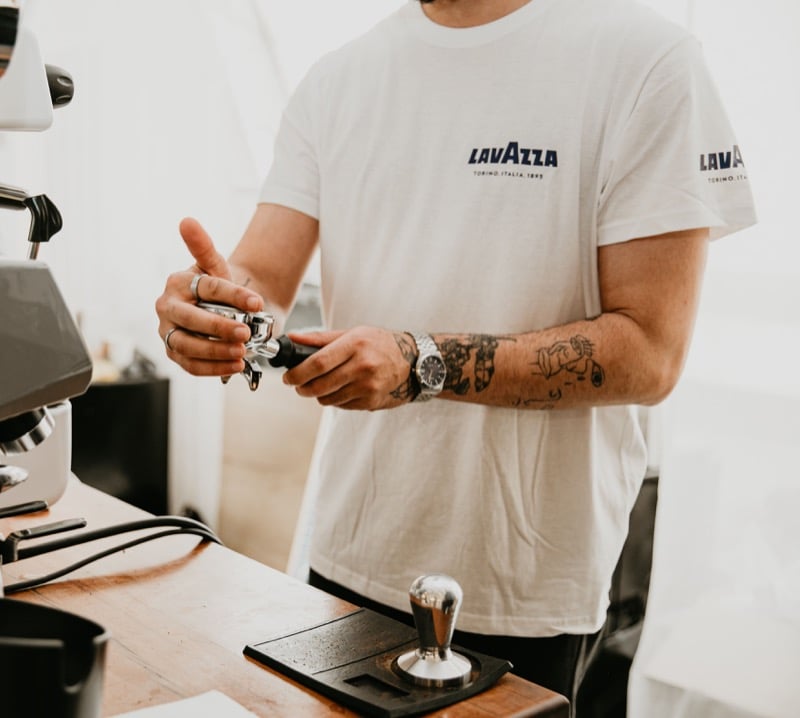
The custom tee is the one category with no outside brand, band, or team behind it, since the group ordering it supplies its own design. Companies, sports teams, nonprofits, and college organizations account for most of these orders. Golf trips, fantasy football leagues, and gym crews use the same format on a smaller scale, ordering a design made for one occasion instead of picking a shirt off a shelf.
That distinction is why more companies, teams, and organizations now turn to their own logo t-shirt printing services instead of a generic order off a template site. Screen printing still handles most of these runs, since digital printing costs more per shirt on setups under one hundred units.
The Band T-shirt

The band tee predates the brand tee’s takeover of the category by decades and still outlasts most trend cycles. A tour date printed on the back turns a shirt into proof of attendance, a stronger claim than fandom alone. Original stock from the 1970s and 1980s often used a thinner, single-stitched cotton that softens with age, a texture collectors treat as part of the appeal.
Vintage examples from that era now trade for hundreds of dollars, priced for the specific tour printed on the back more than the cotton underneath. Wearing one today borrows credibility from a moment the wearer might know only through photos and old setlists, which keeps the resale market for original band merch active.
The Graphic T-shirt
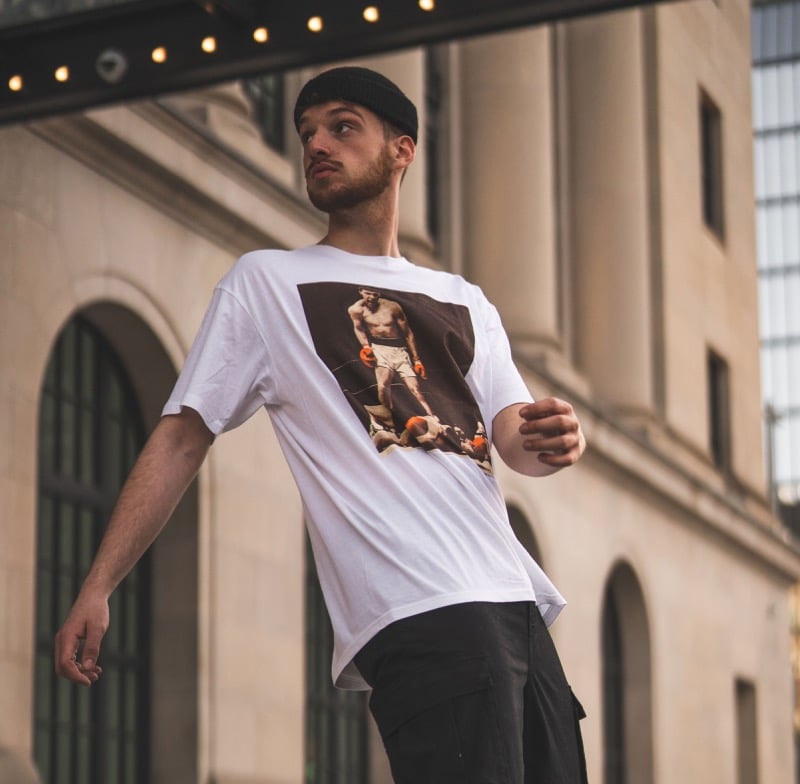
The graphic tee holds the widest range of the five categories, covering art prints, illustrations, slogans, and all-over patterns. A single chest graphic and a design repeated across the entire shirt both count, with print coverage marking the real difference between the two.
Direct-to-garment printing lets independent artists produce single units instead of committing to a full run, which keeps small operations viable. Independent artists and small print shops favor this format for its low barrier, an image and a shirt are all it takes to start. A single silkscreened line drawing and a shirt printed edge to edge in a repeating pattern sit on opposite ends of the same category.
The Sports T-shirt

The sports tee runs on borrowed nostalgia more than any of the other four categories. A team logo, a player number, or a championship date turns a plain shirt into a stand-in for a specific season a fan remembers watching.
Officially licensed shirts use heavier tackle twill for numbers and letters, a finish bootleg fan gear rarely matches. Licensing keeps this category more restricted than the others, part of why vintage sports tees command higher resale prices than most current-season stock. A worn 1996 Bulls shirt proves the wearer watched that season unfold, a claim a fresh reprint only borrows.
The One Made on Demand
Five shirts, five different claims about where a man’s taste comes from, and one of them takes only an idea and a printer to start. The other four ask the wearer to buy in, track one down, or wait on a reissue. That’s the real difference between the custom tee and the other four. It’s the only one made the week someone decides they want it.