A well-fitted suit holds up in summer when the cloth does its job. Fabric choice decides whether a commission keeps its shape through a full day in July or softens into something damp and formless by lunch.
The three fabrics dominating top-tier bespoke work for summer 2026 share lighter weights, natural fibers, and constructions tuned for summer heat. Each handles warmth differently, and the right cloth depends on where the suit will be worn.
1. Fresco Wool: The Workhorse of Summer Suiting
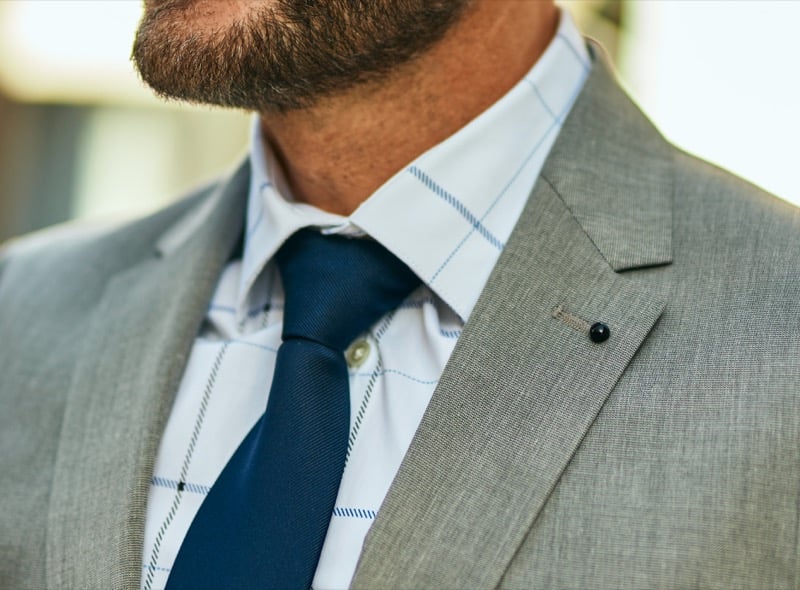
Fresco wool uses loose twists and an open weave that lets air pass through the cloth freely. The rough surface texture lifts the fabric off the skin, opening a thin pocket of airflow between body and shell. Standard wool traps heat against the torso; fresco disperses it. The open weave also resists creasing better than most summer alternatives. A fresco suit sits through a long flight or a full day of meetings and still holds its press.
English mills dominate fresco production. Harrisons of Edinburgh and Minnis both produce fresco weights around 270 to 290 grams per square meter, light enough for summer and dense enough to keep the shoulder and lapel line sharp. Established tailoring houses such as Alan David Suits and similar New York shops stock fresco as a default summer option because of how consistently it performs across commission types.
The open texture adds visual depth to navy, mid-gray, and stone, giving those colors a dimensional quality that flat-weave wools lack. For anyone wearing suits through June, July, and August, a fresco commission is one of the strongest summer wardrobe investments available. The fabric ages well, holds its shape across multiple seasons, and needs less pressing than lighter alternatives like linen.
2. Linen: The Classic Summer Statement Fabric
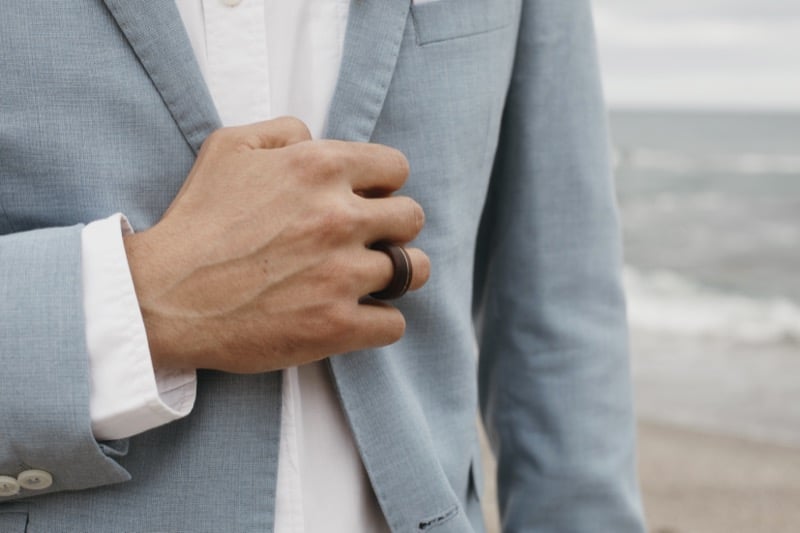
Linen has held its place in summer suiting for over a century. The fiber comes from flax, and its natural hollow structure wicks moisture faster than almost any other suiting material. In direct heat, linen keeps the wearer cooler than wool or cotton blends. Creasing is part of the fabric’s character, and in bespoke work, a linen suit that softens at the elbows and knees over a warm afternoon looks like it belongs there.
For summer 2026, linen is pulling renewed interest from bespoke clients. Scabal recently expanded its linen range with new natural dye colorways in sage, warm ecru, and dusty terracotta, all in 210-gram weights suited to true summer wear. At the bespoke level, the tailor’s skill with linen matters enormously. The fabric requires specific underlining and construction to hold its shape on the body. A well-made linen suit holds its silhouette through the chest and shoulders as the lower skirts soften with heat.
The strongest bespoke linen suits work with the fabric’s natural behavior. Unlined or half-lined construction cuts weight and improves breathability. A roomier chest and softer shoulders complement the material’s drape. Navy and off-white dominate linen choices for summer, though earth tones have gained steady ground since 2025.
3. Tropical Wool: Formality in a Lighter Weight
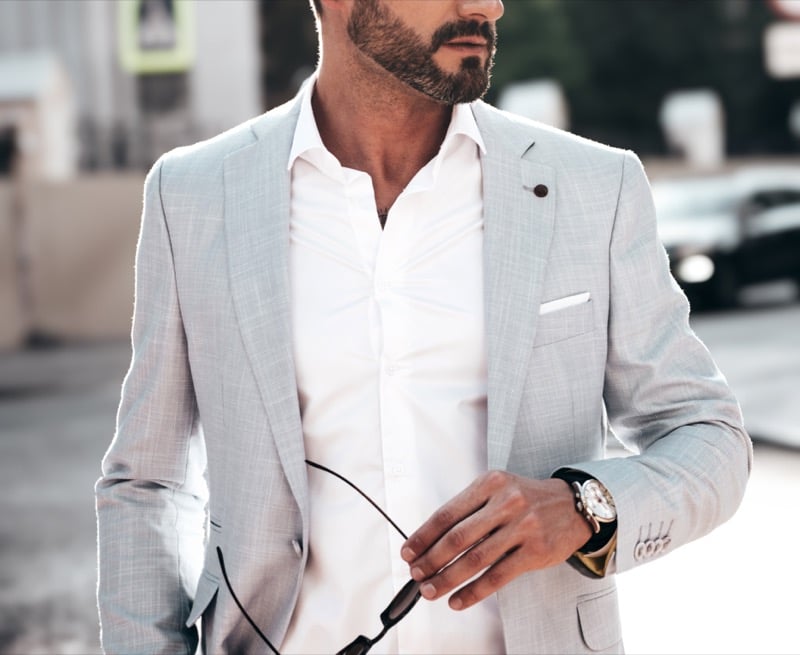
Tropical wool is a fine, tightly woven wool in plain weave, typically 180 to 220 grams per square meter. The tight construction creates a smooth, almost silk-like surface that reflects heat, while the low weight keeps thermal load minimal. Breathability comes from fiber thinness and quality. Super 120s and Super 130s tropical wools from Loro Piana and Zegna deliver a soft hand alongside light performance.
Tropical wool’s real advantage over linen is its behavior under pressure. It presses cleanly, holds a sharp crease in the trouser, and keeps the chest silhouette intact after a long day. For formal summer occasions, from weddings and client dinners to gallery openings, tropical wool delivers the visual weight of a proper suit at a fraction of the thermal load. The fabric also travels well. Pack it for a weekend, and it shakes out with fewer wrinkles than expected, especially in Super 120s counts and higher.
Tropical wool suits are the most adaptable of the three. They photograph clean and sharp in any setting, work across more dress codes than linen, and withstand repeated wear and dry cleaning better than ultra-light fabrics. For bespoke clients who need one summer suit that handles everything from a business lunch to a summer evening, tropical wool is the most practical commission.
Choosing the Right Summer Cloth
Each of these three fabrics solves summer heat through a different construction. Fresco’s open weave disperses warmth. Linen’s hollow flax fibers wick moisture on contact. Tropical wool’s tight plain weave reflects heat at the surface. The choice comes down to the suit’s job and how much creasing the wearer will accept. The best starting point is a swatch appointment, where the difference between a 210-gram linen and a 280-gram fresco becomes something felt in the hand.