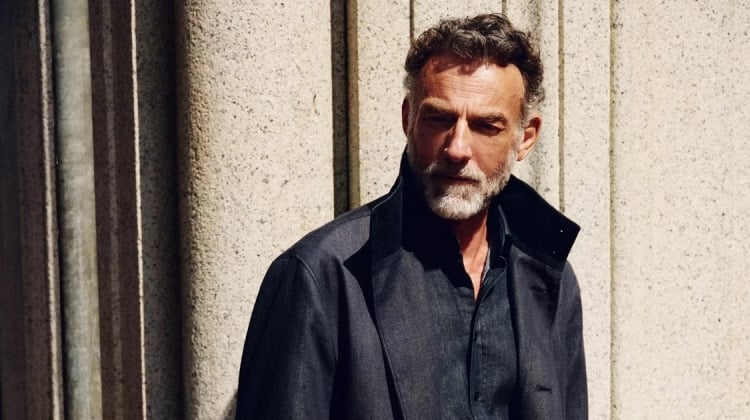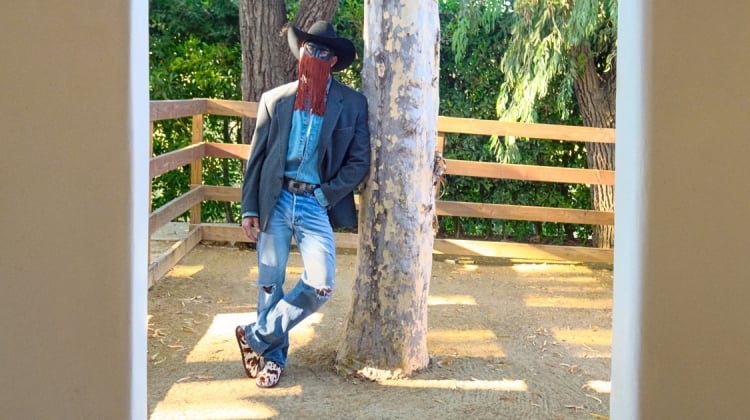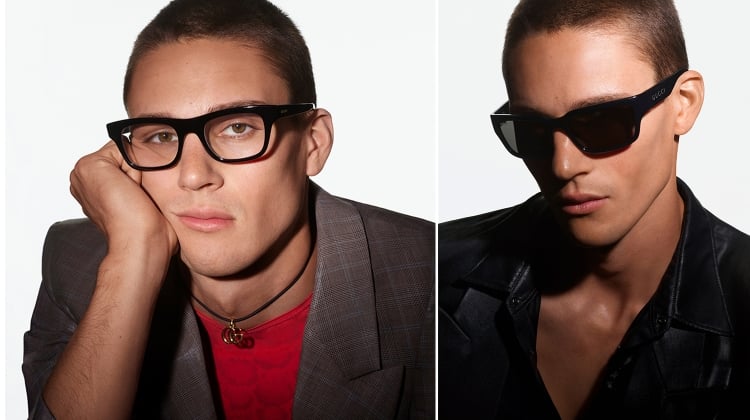
The boutique used to do most of the work. A man walked in, picked the season’s bag, took the receipt, and walked out with proof of taste sealed in a shopping bag. Across North America, that performance is fading. Men are buying fewer luxury pieces, holding them longer, and treating the purchase itself as a signal of what they know more than what they can spend.
The numbers tell part of the story. Global resale is projected to reach up to $360 billion by 2030, growing significantly faster than the traditional retail market it once sat beside. The more interesting part is who is driving that growth and why. The style-conscious men reshaping this space are watching how a designer watch holds value, learning leather grades, tracking which references hold up across a decade. They have stopped buying status and started buying knowledge.
This is a steadier form of confidence than the logo era trained men to expect. A pre-owned coat from a discontinued line says something different from the current campaign piece. It says the wearer looked past the boutique window, found the version that aged into something better, and trusted his own eye over the seasonal release calendar. The garment becomes evidence of judgment, not just spend.
How Resale Reorganized the Wardrobe

Pre-owned access changes what a wardrobe can include. Discontinued colorways, archival pieces, earlier production runs from before the price increases, leather treatments brands no longer offer. These items live outside the standard retail channel and require a different kind of buyer to find them. The reward for that effort is a wardrobe with depth that current-season shopping cannot replicate.
Platforms like Rome Station Canada sit at the center of that change, helping shoppers across North America move into authenticated pre-owned luxury with confidence boutique retail used to monopolize.
The categories where this shift shows up most clearly are the ones men keep longest. Watches, leather goods, outerwear, accessories. A designer watch acquired second-hand often outperforms its retail counterpart on both character and value. A leather bag from a previous decade arrives already broken in, the patina belonging to someone else first and inherited by the new owner. A tailored coat with the right shoulder construction holds its shape across years of wear because the original maker shaped it to.
None of this works without trust, which is why authentication has become the operating spine of the category. Specialist grading, honest condition reporting, and detailed photography turn a pre-owned purchase into a known quantity. The buyer needs to see what he is getting before money changes hands, and the platforms that take that responsibility seriously have separated themselves from the ones that do not. Professional resale has stopped feeling like a gamble and started feeling like a better-stocked version of the boutique experience.
The Style Signal Has Shifted

The best-dressed men in the room are no longer the ones wearing the newest pieces. They are often the ones who know which version of a piece to buy and which year to look for. That knowledge is now its own form of taste. It shows in fewer purchases, longer-held wardrobes, and a wider gap between what a man owns and what is currently displayed in every boutique window.
Cost per wear has become part of how men talk about luxury. A coat worn across ten winters, a bag held onto for a decade, a watch handed down. Each piece has to justify its place through use, not just acquisition. Resale fits that math because it widens the field to items already proven, already aged, already shown to last.
The new rules are simple to state and harder to live by. Choose timeless design over seasonal noise. Value craftsmanship over hype. Buy pieces that work with the life you have. Look for authenticity and provenance. Treat resale as the smart route to better pieces, not just the cheaper one. Each rule depends on the others. None of them work if the buyer skips the homework.
Luxury used to be defined by buying something new at full price. It is now defined by the ability to choose well. The strongest wardrobe in the room belongs to the man who passed on this season, found the better version from three seasons back, and can tell you why his choice was the right one.