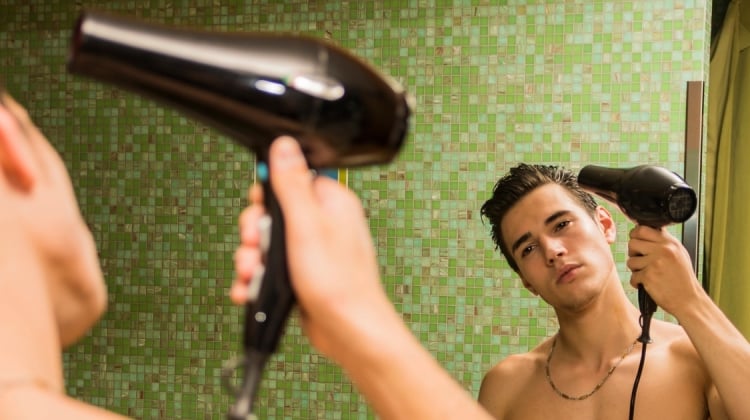
The beard has had several lives. It was a mark of wisdom on ancient philosophers, a symbol of rebellion in the counterculture years, a hipster badge of honor in the 2010s, and then the pandemic turned it into the default setting for every man on earth. Six years on, it stuck.
The beard is no longer a statement, it is a given, and when even the politicians show up to work with one, the look has officially crossed every demographic line it had left to cross. Whatever beard style you land on, what separates a great one from a forgettable one is not whether you have it, but whether you actually tend to it.
How to Groom a Beard
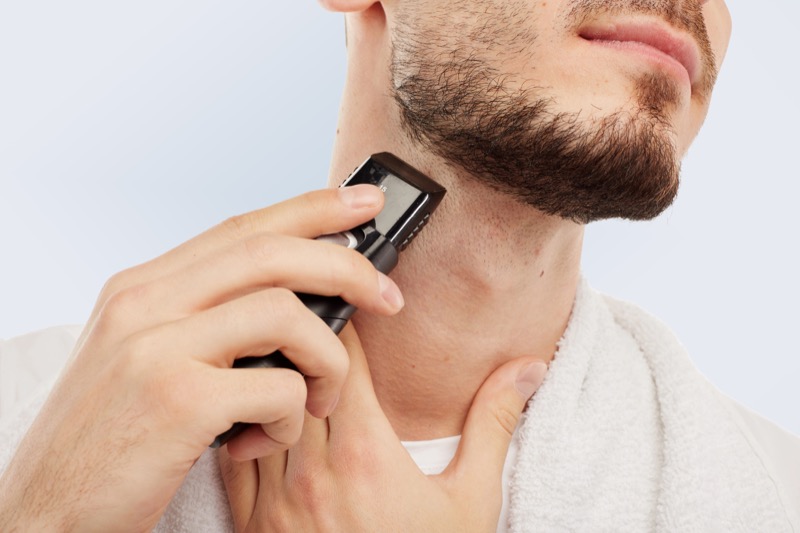
Start With More Length Than You Think You Need: Set the trimmer guard longer than your target length and take it down in passes. It is much easier to remove more than it is to explain to your barber what happened. For a softer, fuller result, follow the grain of the hair as you go. Finish with scissors on anything that sticks out past the shape.
Get the Lines Right: A T-liner with an adjustable blade is what separates a groomed beard from a trimmed one. Tightening the blade gap gives you a sharp, defined line at the neck and cheeks. Opening it up produces something that looks less like geometry and more like intention.
Set Your Neckline Correctly: Place two fingers above your Adam’s apple and trim everything below that point. It is a simple reference that works for most face shapes and keeps the beard from looking overgrown. Go too high and the whole thing looks stubby. Go too low and it looks like you simply forgot.
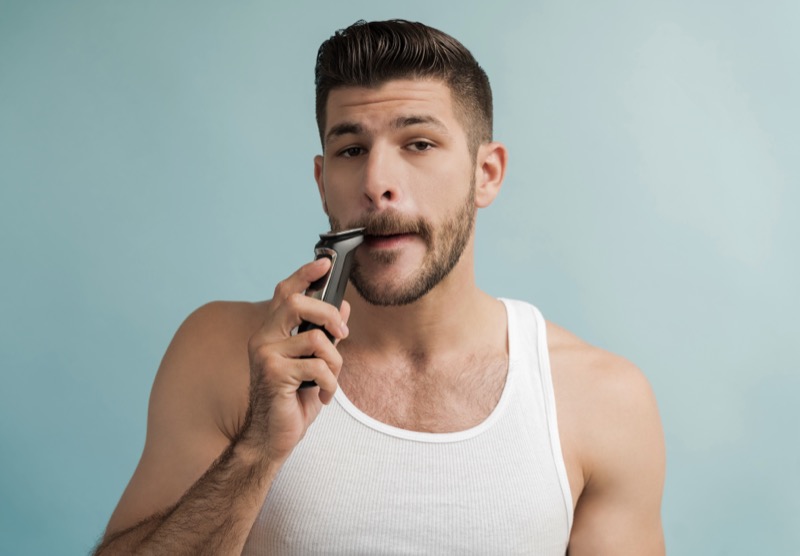
The Mustache Is Not an Afterthought: Trim the mustache so it falls at the lip line, working the T-liner from the center outward in a vertical motion rather than cutting straight across. It produces a far cleaner result. Take care of the nose hair while you are at it.
Clean It Like You Mean It: A beard wash is not optional. It cleans the hair and the skin underneath in one step, and skipping it shows. Food, pollution, and dead skin build up fast under there.
Brush It Before Anything Else: Run a boar-bristle brush through the beard every day. It detangles, distributes the natural oils, and immediately shows you where the shape has gone wrong.
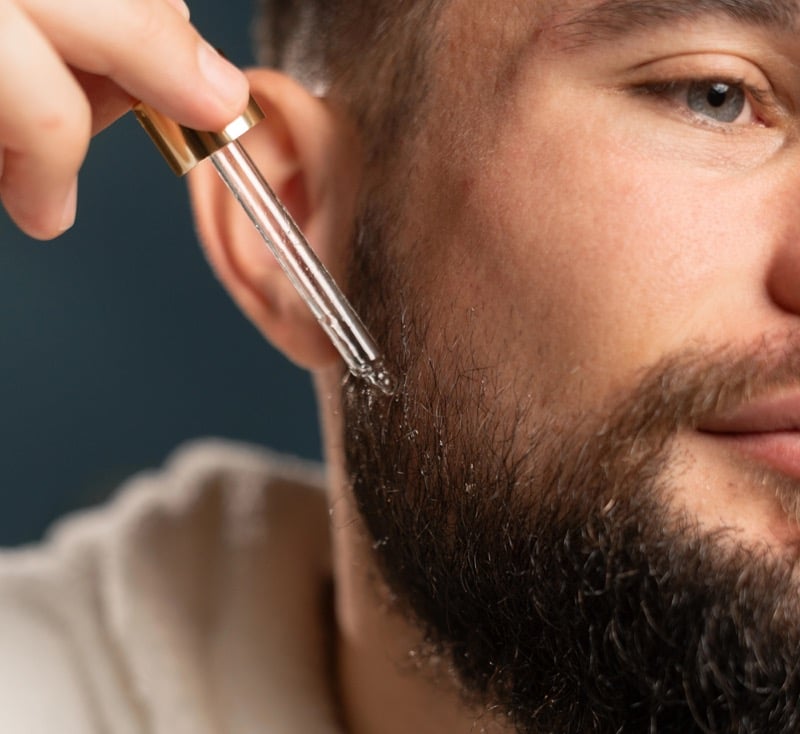
Oil for Softness, Balm for Control: Beard oil keeps the hair hydrated and the skin underneath healthy, and it is the first line of defense against beardruff, the flaking that comes from a dry, neglected face rather than any fault of the hair itself. If you want to actually shape the beard, reach for a balm instead. It functions like a pomade and gives you something to work with. Whichever you use, the scent is going to be on your face all day, so choose accordingly.
Work With a Patchy Beard, Not Against It: If growth is uneven, the instinct is usually to keep it short. That is the wrong call. Letting the beard grow longer fills in sparse areas far better than cropping it down, where every gap becomes more visible. Give it time and let the density catch up.
Gray Is Fine: Some gray in the beard reads well. If you are not there yet, a root touch-up product applied directly to the hair will neutralize it without leaving a mark on the surrounding skin.
Know the Difference Between Acne and Ingrowns: Bumps under a beard are usually ingrown hairs, not breakouts, and treating them like acne will not fix them. A spot treatment designed to release the trapped hair will handle it far better than anything you would put on your face otherwise.