The perfume vs cologne question often begins at the department-store counter, where the men’s bottles sit on one side and the women’s on the other. That division tells you how a fragrance is marketed. For a clearer idea of what’s inside, read the smaller print on the bottle: eau de cologne, eau de toilette, eau de parfum, or parfum.
Those labels help describe the fragrance’s concentration, while the words people use in conversation are much less precise. A man calling his scent “cologne” might be wearing an eau de parfum. Understanding both meanings makes the choice less confusing and puts the attention back on how the fragrance smells and wears.
Difference Between Cologne & Perfume
In everyday American usage, cologne commonly means a fragrance marketed to men. Perfume can describe fragrance broadly, although shopping departments often associate it with women. In that context, either word can refer to products sold in several concentrations.
Eau de cologne: A fragrance designation generally associated with a lower concentration of aromatic ingredients.
Parfum or extrait de parfum: A designation generally associated with a higher concentration of aromatic ingredients.
The distinction becomes useful when you compare complete product names. An eau de cologne and an extrait occupy different parts of the concentration range; two bottles casually called “cologne” may be an EDT and an EDP. Read the designation before drawing conclusions about strength.
Fragrance Concentration & Strength
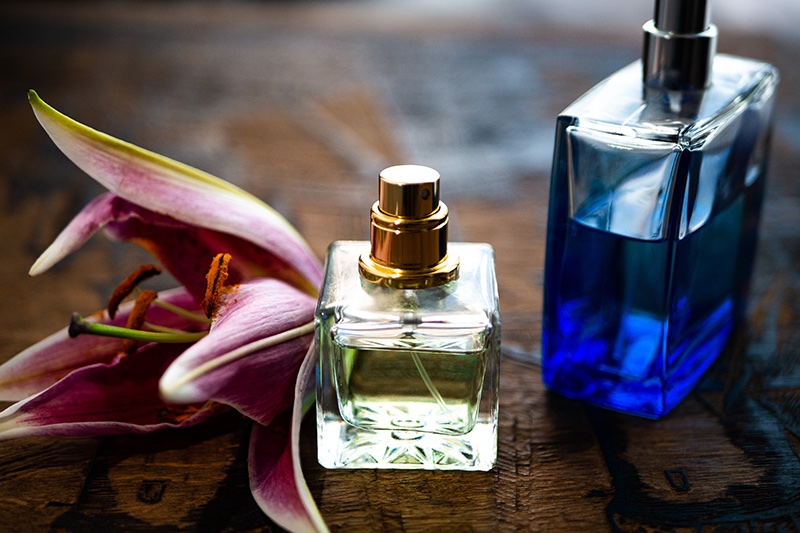
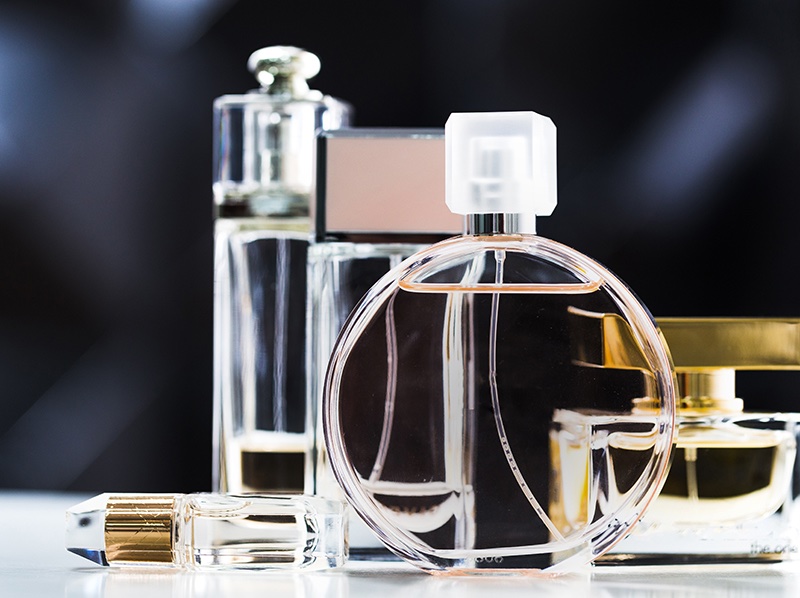
Concentration describes the proportion of fragrance material in the finished formula. The International Fragrance Association gives the following typical ranges for alcohol-based fragrances, while noting that these terms have no strict international definitions.
| Bottle label | Typical fragrance concentration |
|---|---|
| Eau de cologne | 3-8% |
| Eau de toilette | 5-15% |
| Eau de parfum | 10-20% |
| Parfum or extrait | 15-40% |
The overlapping ranges reflect variation between products and markets. Treat them as a reference when comparing cologne types, then check the manufacturer’s description of the individual fragrance.
An EDT and an Eau de Parfum sharing a name may also have different formulas. The perfumer can adjust the composition, emphasizing particular facets as well as changing concentration. Sample each version as its own scent.

Concentration also says little about a fragrance’s complexity. Perfume accords are combinations of materials that create a recognizable scent impression, and the composition determines their character. A higher percentage alone cannot tell you how interesting the result will be.
Eau fraiche and aftershave require their own context. “Eau fraiche” can describe a fresh interpretation of a fragrance, so check its actual designation and ingredients. Aftershave is intended for use after shaving and may come as a lotion or balm; its purpose differs from a fragrance spray. Neither name establishes a universal alcohol percentage.
Longevity & Projection
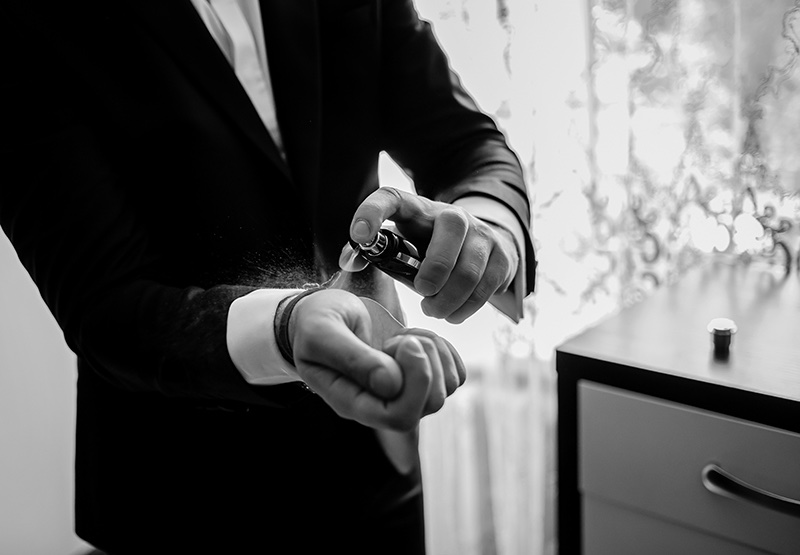
Longevity: How long a fragrance remains detectable after application.
Projection: How far its scent radiates from the wearer.
A scent can linger close to the skin for hours while making a modest impression at a distance. Another may announce itself strongly at first, then become quieter. The amount of fragrance material matters, but the formula and application also shape the experience. A concentration label gives you a starting point, not a guaranteed number of hours.
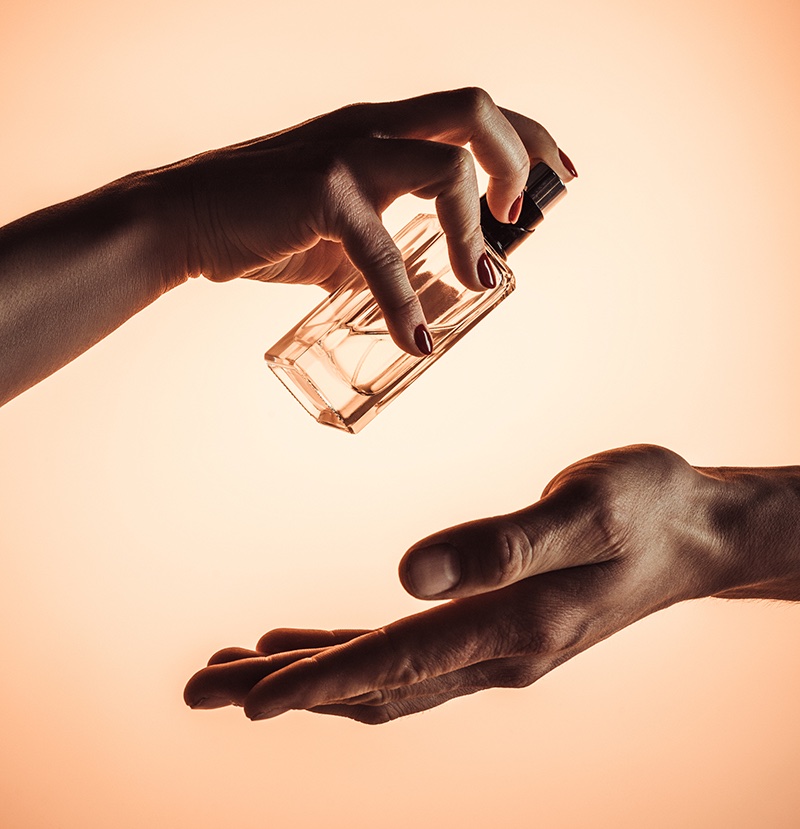
For an office or a crowded train, pay attention to projection as well as staying power. The aim may be a scent someone notices when they come closer. An evening fragrance can suit the same approach; a dinner reservation hardly calls for announcing your arrival through fragrance alone.
Cologne, Perfume & Gender


Woody and aromatic scents have strong associations with men’s grooming, while floral fragrances often appear in women’s advertising. Those conventions influence expectations, but the balance of notes offers a more useful way to describe what you enjoy. Rose can be dry and spicy; a woody composition can have a sweet finish.
Whether you buy perfume or cologne, explore the scent families that appeal to you. A floral note deserves the same skin test as vetiver or leather. The men’s counter is a convenient place to start, and personal taste can take you further.
Choosing Your Fragrance

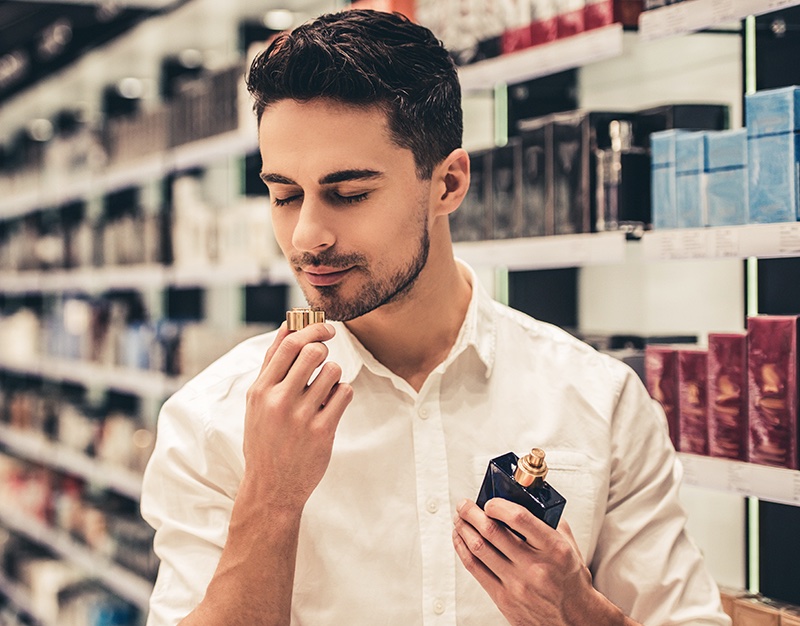
Begin with the exact version on the label, then try it on skin and revisit it over several hours. Notice how the opening changes and whether you still enjoy the scent later in the day. If two concentrations share a name, test them separately before deciding which one suits you.
When choosing a cologne, think about where you’ll wear it and the effect you want. You may prefer something discreet for work or a richer composition for an evening out. The useful choice is the version you enjoy wearing through the day, long after the first spray has made its introduction.