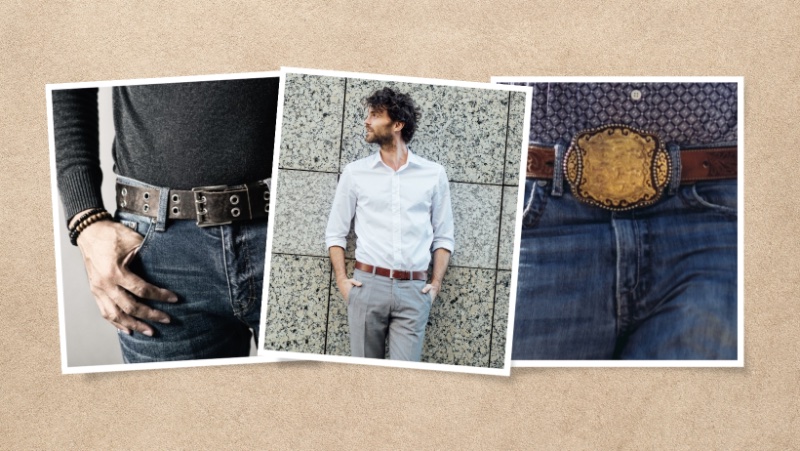
A belt buckle can keep to itself or become the whole point of the belt. Across the variety of belt styles, the hardware helps determine how dressy a belt looks, while its mechanism determines how it adjusts and releases.
A small tongue buckle sits easily with tailored trousers; an engraved western plate can give a plain shirt and jeans some personality. The different types of belt buckles offer choices in both appearance and everyday convenience, from a conventional pin to a magnetic click.
Types of Belt Buckles
Buckle names describe several things, including shape, fastening mechanism, and intended use, so the categories overlap. A roller buckle can also have a tongue, while a reversible belt may use a conventional pin closure. Start with how the buckle secures the strap, then decide whether you want the hardware to blend into an outfit or attract attention.
Box Belt Buckle
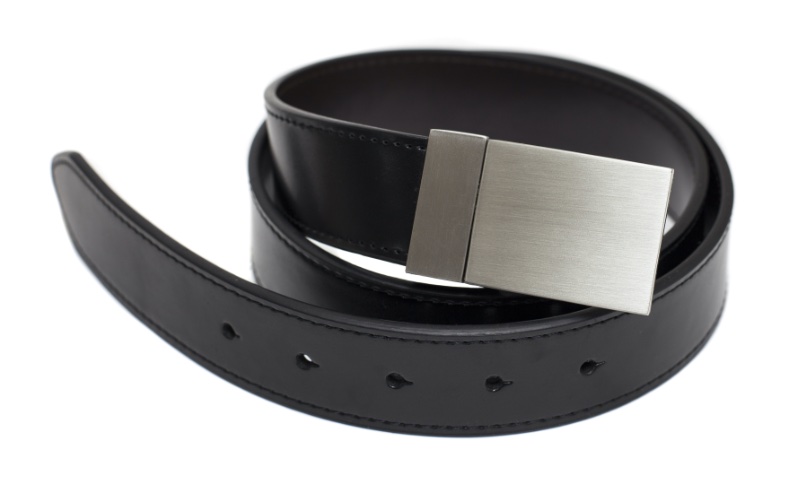
A box buckle conceals much of its fastening mechanism inside a rectangular housing. Depending on the design, a clamp, sliding bar, or toothed component grips the strap. The enclosed face puts the metal front and center, giving even a simple belt a more deliberate geometric detail. Some versions overlap with military-style webbing closures or ratchet systems; the box describes the housing, not one universal mechanism.
For business attire, a modest rectangular face sits discreetly against tailored trousers. Increase its size or add a conspicuous logo, and the buckle starts doing more of the talking.
Clip Buckle
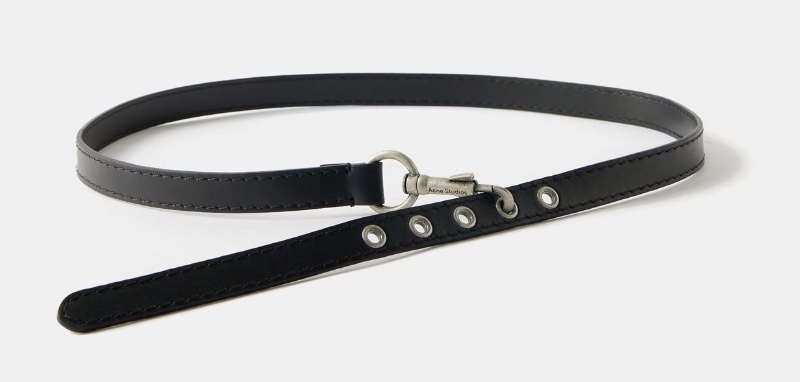
Clip buckle is a broad name for hardware that hooks or clips into a matching component. The appeal is a direct connection between the two ends, often with the workings left on show. A hook catches a loop or receiving piece, while a clamp grips the strap itself. Similar-looking belts can use different arrangements, so the release action deserves a look before you buy.
Exposed hardware can give an ordinary leather belt an industrial character. Against a tucked T-shirt or simple knit, that small piece of engineering becomes the detail that changes the outfit.
Double Buckle
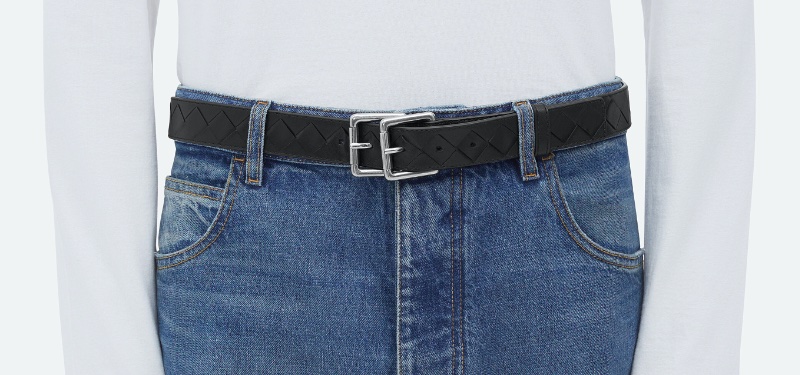
A double buckle introduces two buckle elements, making the fastening part of the belt’s visual identity. Depending on the design, both may function or one may serve a decorative purpose. This differs from a double-ring closure, which holds through threading and friction. Two framed buckles may instead use separate tongues and holes, creating a more elaborate arrangement across the waist.
A tucked shirt gives the hardware room to register. There is little point choosing a belt for its double buckle only to keep it permanently under a long sweatshirt.
Flip Top / Flip Closure Buckle
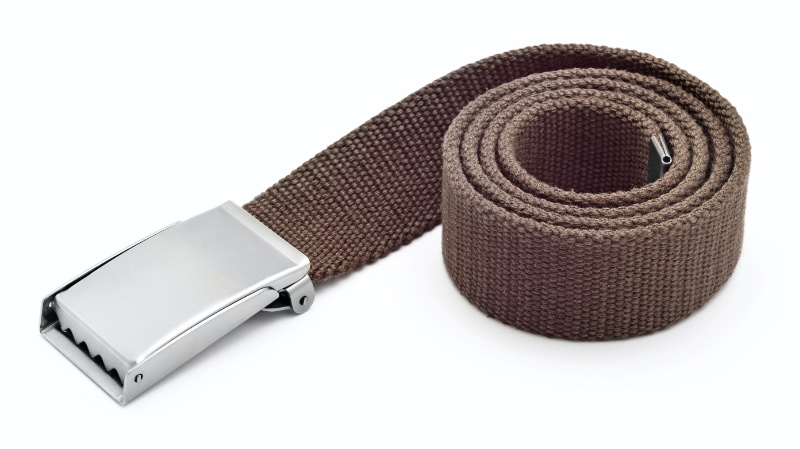
A flip-top buckle has a hinged section that lifts to admit or release the strap. Closing the top engages the grip, keeping the fastening compact. Common on webbing belts, it allows adjustment along the strap instead of making you choose between punched holes. The flat face also suits the straightforward character of canvas and utility clothing.
It is an easy companion to chinos or casual shorts, provided the strap fits the hardware properly. Too much thickness makes threading a struggle; too little grip leaves you adjusting the belt throughout the day.
Hoof Pick Belt Buckle
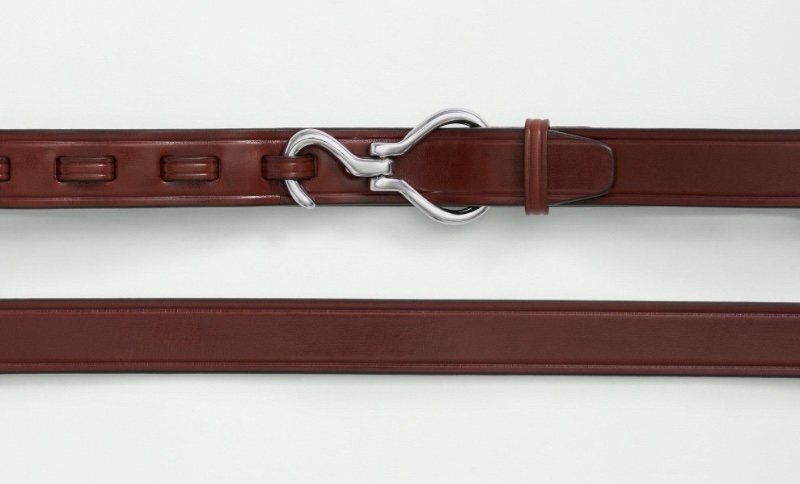
The hoof pick buckle borrows its hooked shape from the stable, giving a leather belt an equestrian reference beyond the usual horsebit. The hook catches a matching loop or fitting to secure the strap.
With chinos and an Oxford shirt, it suggests country clothes. With jeans, it becomes an offbeat alternative to the rectangular buckle most men reach for. The shape does enough on its own. Simple clothing lets the unusual fastening register as a personal choice instead of part of an equestrian costume.
Magnetic Buckle
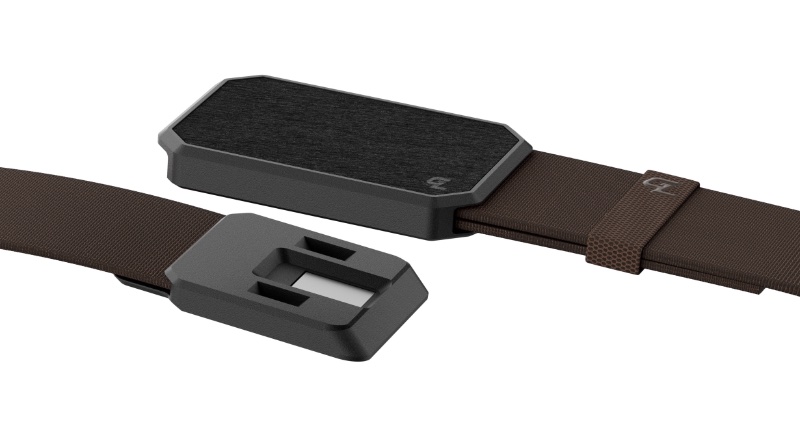
A magnetic belt buckle brings its components together with magnetic assistance. Some designs also use a mechanical interlock to help secure the closure. The attraction is easy alignment, particularly when compared with finding a belt hole by feel. How the buckle releases matters just as much, since different systems use different movements to open.
These closures often suit webbing belts and casual wardrobes, where convenience takes priority over traditional dress-belt conventions. Try the fastening action if possible; a satisfying click is useful only if opening it feels equally straightforward.
Military Buckle
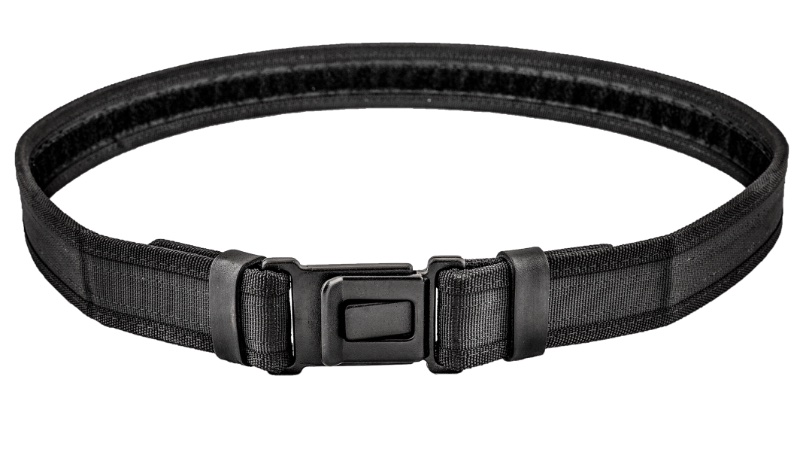
Military buckle covers a family of utility-oriented designs, from enclosed webbing closures to exposed quick-release hardware. The name suggests a purpose, but it does not identify one mechanism. Tactical buckles commonly connect two components, with fit adjusted separately through the webbing. Their visible workings can give cargo trousers or denim a harder edge, even when the day’s most demanding assignment is the commute.
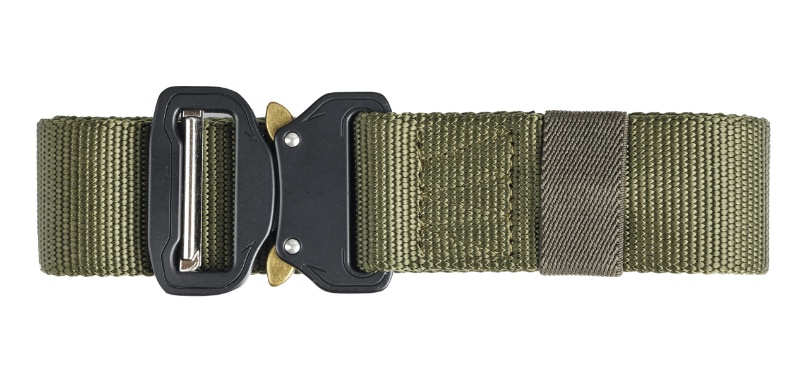
Rigger-style belts may use friction closures or other systems. Neither the name nor the appearance establishes a load rating; an everyday belt is not safety equipment simply because it looks ready for duty.
O Ring / D Ring Buckle
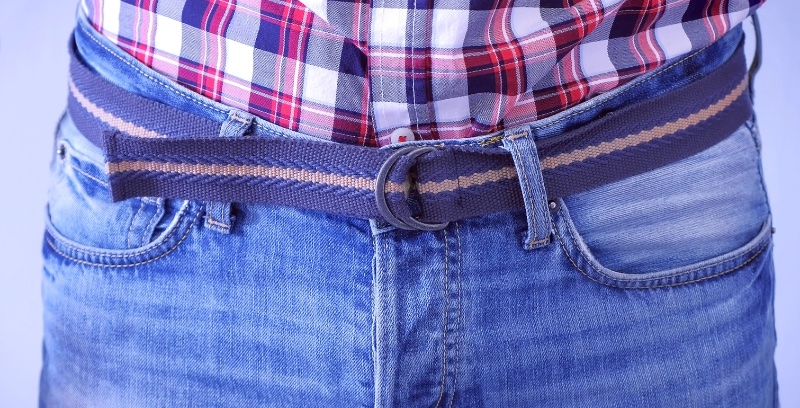
Ring buckles reduce the fastening to a simple relationship between metal and strap. O rings are circular; D rings have a straight side that gives the hardware a different outline. In a common double-ring closure, the strap passes through both rings, folds back over one, and returns through the other. Tension holds it in place.
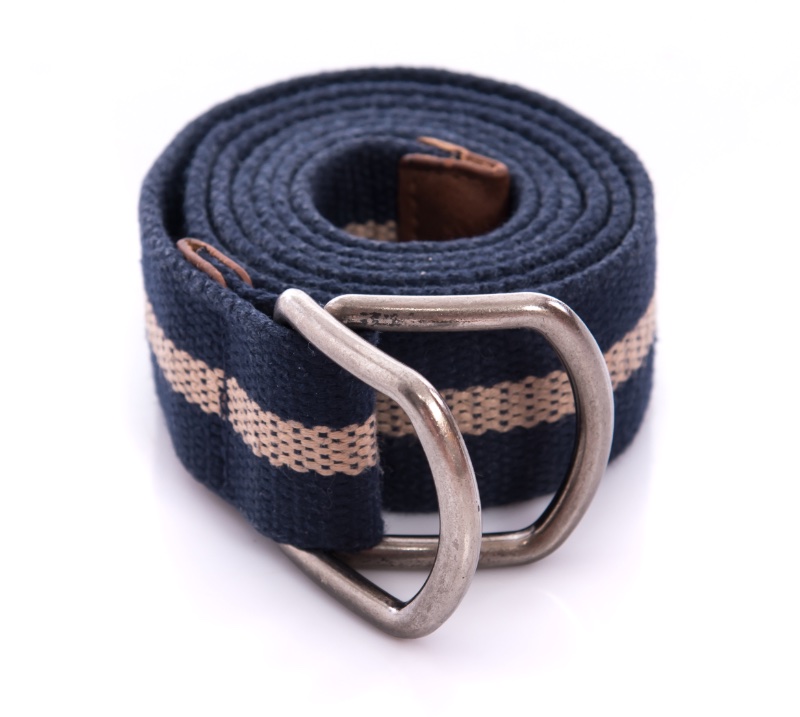
Double D-ring buckles use the same general principle. The rings stay separate, with the threaded strap creating the grip. On a flexible fabric belt, the result feels relaxed and allows adjustment beyond a fixed set of holes. A visible length of strap can become part of the look, particularly with casual trousers and a tucked tee.
Plate Buckle
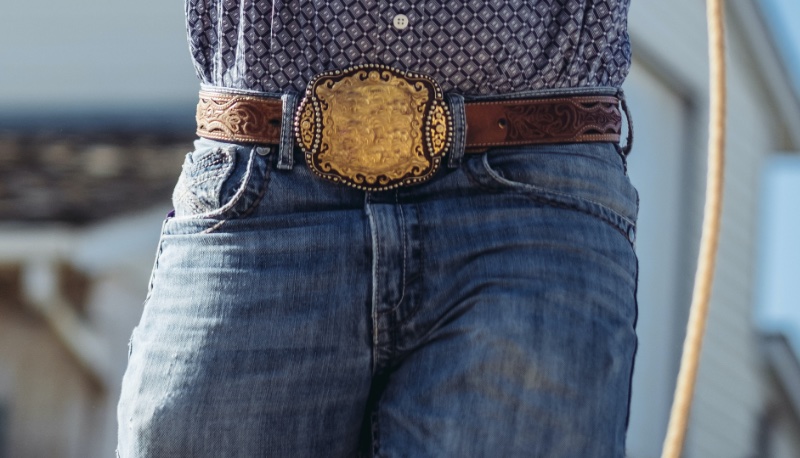
A plate buckle gives the belt a broad metal face, with the fastening hardware positioned behind it. It can be plain, but decoration is often the point. Western buckles make the most of that surface through engraving, relief work, or a central motif. Many secure through a hook or stud that engages a hole in the strap.
With a plain shirt and jeans, a large plate can supply all the ornament an outfit needs. Check the attachment system when buying a replacement buckle, since the right appearance does not guarantee the right fit.
Ratchet Buckle
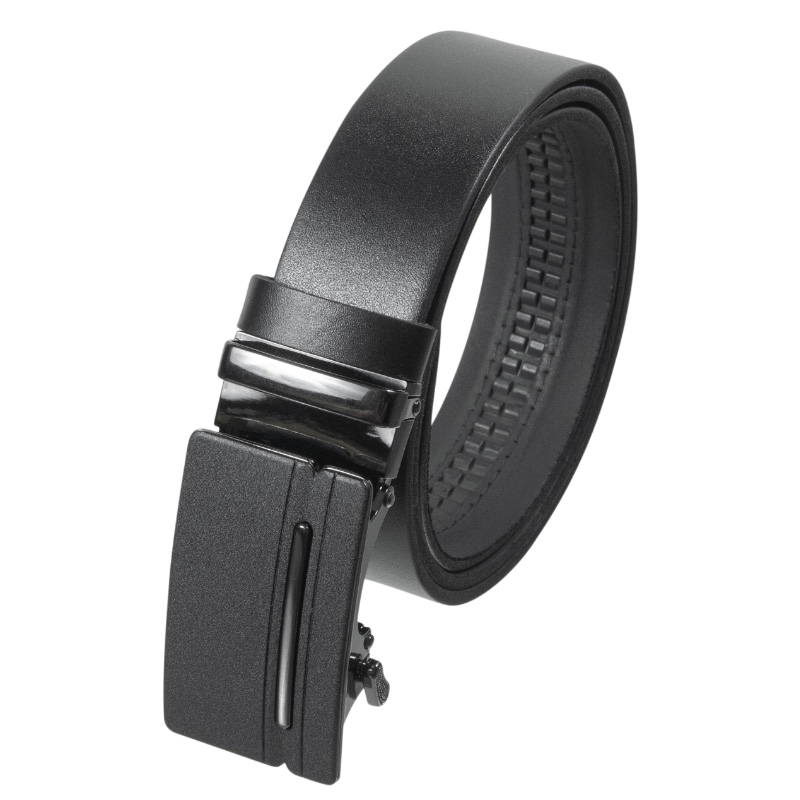
A ratchet buckle offers an answer to the belt that feels too tight in one hole and too loose in the next. Teeth on the underside of a compatible strap engage the buckle’s mechanism, allowing smaller adjustments. A release lever loosens the fit. That extra control becomes useful when you sit down, particularly after lunch.
The face can look as restrained as conventional dress-belt hardware, making the mechanism a practical choice for tailored trousers. Buckle and tracked strap work as a system, though, so an ordinary punched leather belt will not do.
Reversible Buckle
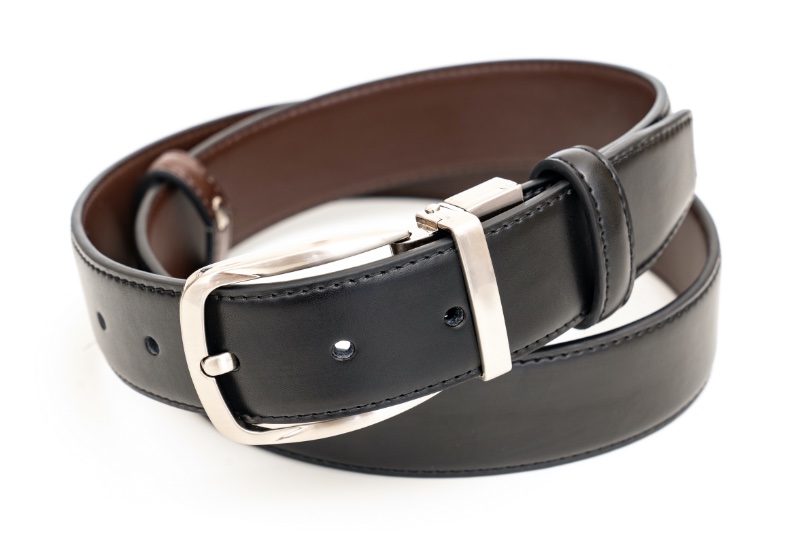
A reversible buckle allows either face of a two-sided belt to face outward, often through a rotating attachment. The fastening itself may still be a conventional tongue and hole. For a small wardrobe or a lightly packed suitcase, two usable colors have an obvious appeal. A black side might serve one outfit while brown works better with another.
The hardware stays the same, so choose a buckle that suits both faces. Follow the maker’s turning instructions too; a reversible attachment should move as designed, not through a contest of strength.
Roller Buckle
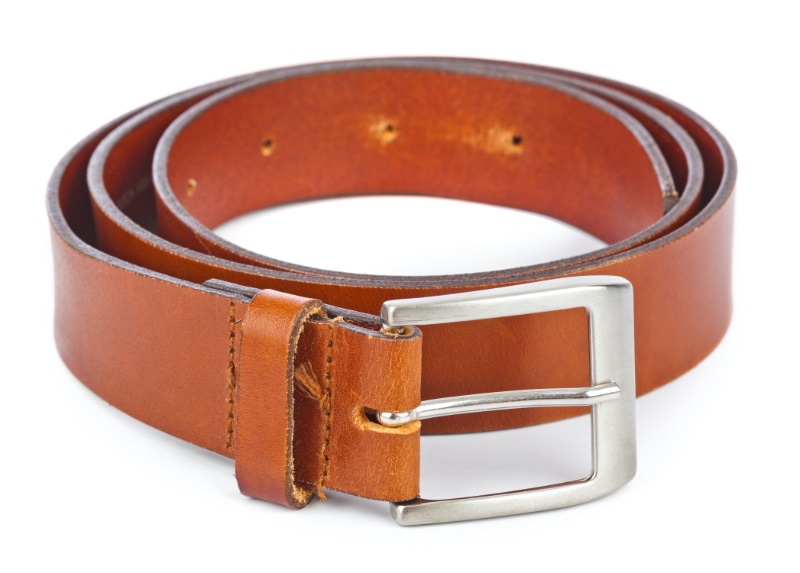
A roller buckle has a rotating sleeve on part of its frame, helping the strap move across the metal as you thread it. Many versions retain a tongue that fastens through punched holes. The roller is particularly useful with thicker leather, where pulling the strap through a fixed frame can take more effort. It is a small mechanical detail with an everyday benefit.
On a wide leather belt, the exposed roller suits denim and workwear. A center-bar buckle describes a different construction feature, so it may have a roller, but the name alone does not promise one.
Screw Closure Buckle
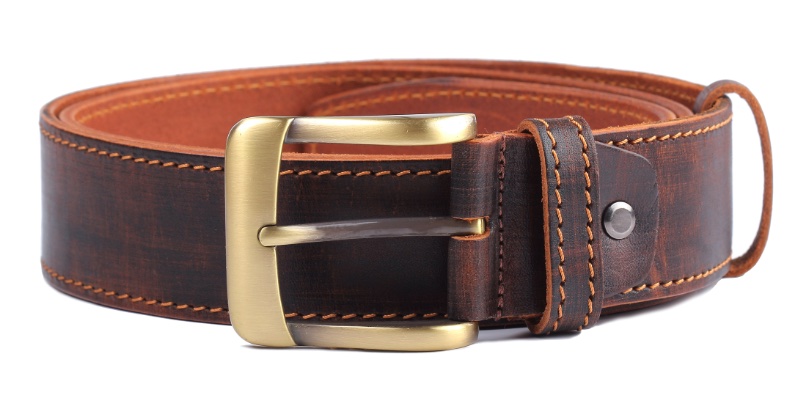
Screw closure usually describes how the buckle attaches to the strap. A removable screw or Chicago screw secures the folded leather around the buckle’s bar. For someone who likes changing hardware, that construction can make a compatible buckle easy to replace. Some belts can also be shortened at this end, depending on how they are made.
Daily adjustment still comes from the fastening mechanism, such as a tongue engaging the belt holes. The screw does its work behind the scenes, though it deserves an occasional check for loosening.
Slide Buckle
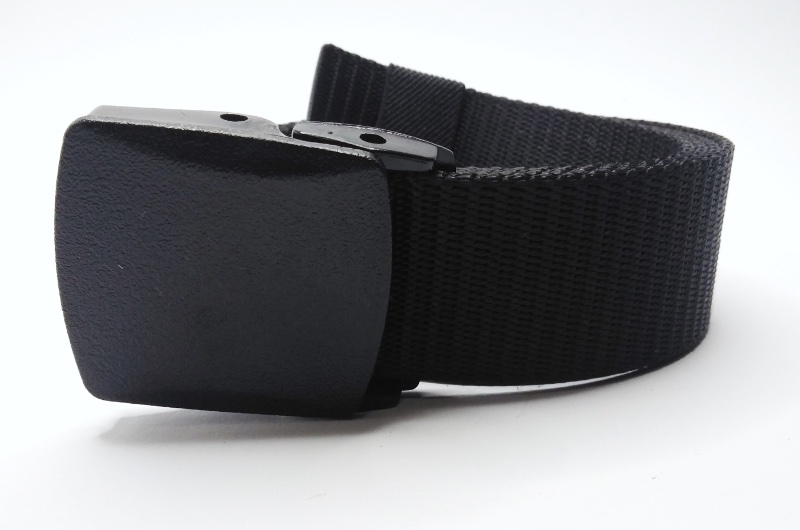
A slide buckle holds a threaded strap through friction or a gripping bar. Adjustment follows the length of the strap, giving you more freedom than a row of holes. On fabric belts, this simple hardware suits the relaxed character of the material. It can sit comfortably with casual trousers, especially when a conventional leather dress belt would feel too formal.
Some slides adjust the fit alongside a separate closure, while others form the fastening itself. The strap needs to suit the hardware’s width and grip; smooth movement is welcome, persistent slipping is less so.
Snap Buckle
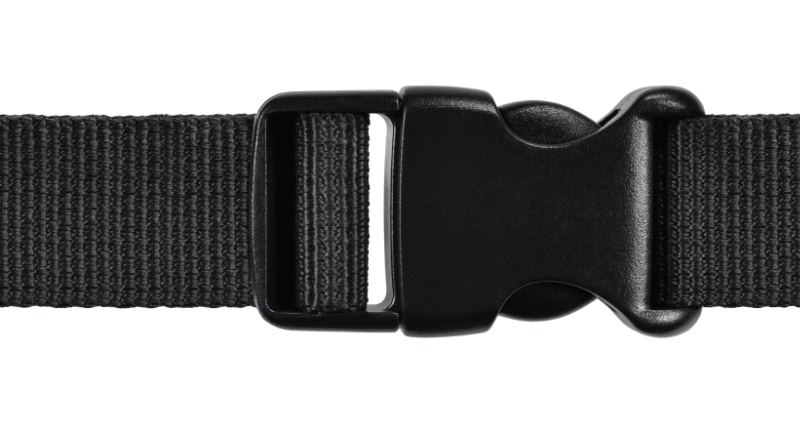
A snap buckle connects two components with a click. Side-release versions open when their tabs are pressed, making them a common choice for casual webbing belts. Fit is usually controlled where the strap threads through the hardware. Plastic versions keep the fastening light, while metal changes both its weight and appearance.
The result suits shorts and utility trousers, where an easy release feels more relevant than dress-belt tradition. Press studs used to attach a removable buckle to leather perform a separate job, securing the folded end of the strap.
Tongue Buckle
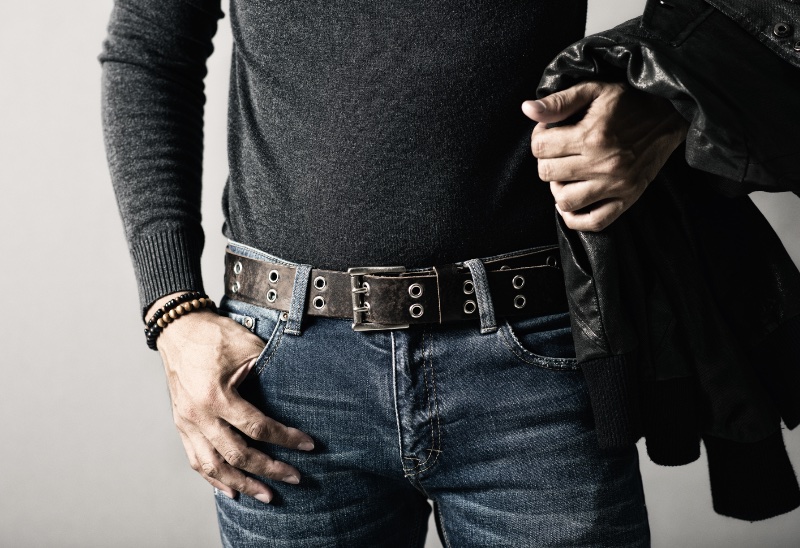
The tongue buckle is the conventional choice for good reason. A hinged pin passes through a hole in the strap, fixing the fit through a simple, visible mechanism. Also called a pin or prong buckle, it appears on belts across the dress spectrum. A small frame on narrow leather suits tailored trousers; heavier hardware and a wider strap look at home with jeans.
Its limitation is the spacing between holes. When the fit is right, though, there is little to think about, which is often exactly what you want from the belt you wear most.
Choosing a Buckle for Your Wardrobe

Start with your trousers. The belt needs to pass comfortably through their loops, and the buckle should feel comfortable when you sit. An impressive piece of hardware loses some appeal when it spends the afternoon digging into your waist.
Smaller buckles usually suit dressier clothes, while denim gives larger frames and decorative plates more room. Matching the metal to a watch can bring consistency to an outfit, but a buckle does not require a supporting cast of perfectly coordinated accessories.
If most of your wardrobe is quiet, an unusual buckle can be the detail you enjoy wearing. If your clothes already attract attention, a simple frame may do the job. Either choice should be as easy to live with as it is to look at.