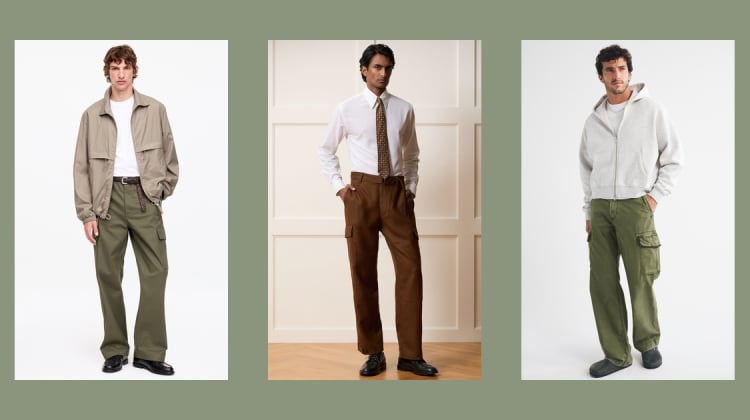
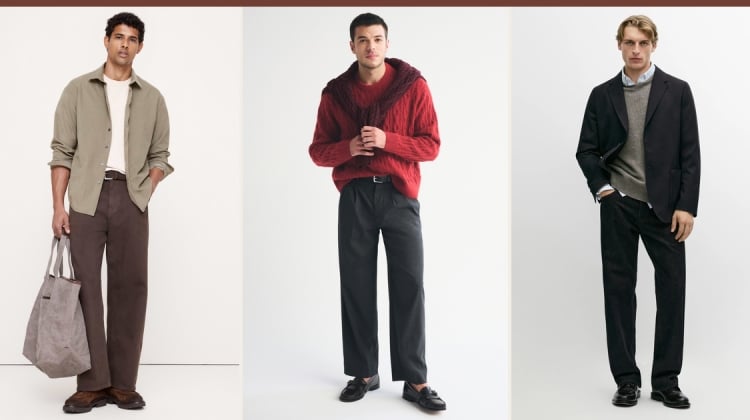
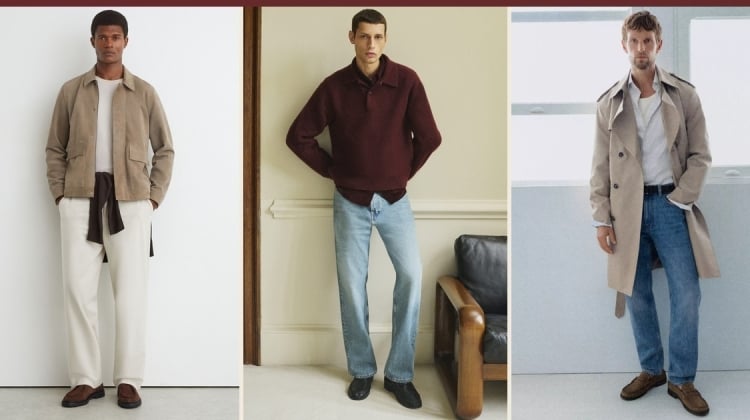
Neutral color outfits for men have an obvious advantage. Most of the pieces already get along. The challenge is giving a beige shirt and beige trousers enough definition to look like an outfit, or making black layers read as something more than a single dark shape. Contrast does that work. Sometimes it comes from a white shirt against black shorts; sometimes it is the difference between a textured sweater and smooth trousers.
What Are Neutral Colors in Menswear?
Black, white, and gray are achromatic neutrals. In clothing, the term also commonly includes beige, cream, taupe, and brown. Navy and muted olive serve a similar purpose in many wardrobes, though both have a recognizable hue. They are useful partners for neutrals, especially when an outfit needs more depth.

These shades are easy to combine, but they are not interchangeable. Cream looks warmer than bright white. A sandy beige can sit differently beside gray than a pinkish taupe does. Compare pieces in daylight, particularly when buying separates that you intend to wear together.
Neutral Outfit Ideas for Men
Light Neutrals with a Linen Overshirt

An off-white overshirt, pale T-shirt, and light trousers make a relaxed starting point. Keep the shirt open so the layers remain visible, and choose trousers with enough room to continue the easy shape through the leg. A darker sneaker gives the outfit a clear finish.
This is tonal dressing, which uses related shades instead of an exact color match. Small differences between ivory and cream help, as does the texture of linen. The pieces should look related, not like an unsuccessful attempt to assemble a matching set.
Brown Layers with White Trousers

White trousers can make a brown jacket feel lighter, particularly when a dark top sits underneath. The trousers provide the largest contrast, while the darker upper half keeps the outfit grounded. This is an effective alternative to wearing every brown piece with blue jeans.

Let the jacket and trousers have different textures. A soft jacket over a knit gives the upper half depth, while smoother trousers keep the overall effect controlled. Dark shoes can connect the bottom of the outfit to the top.
White Shorts with a Light Knit
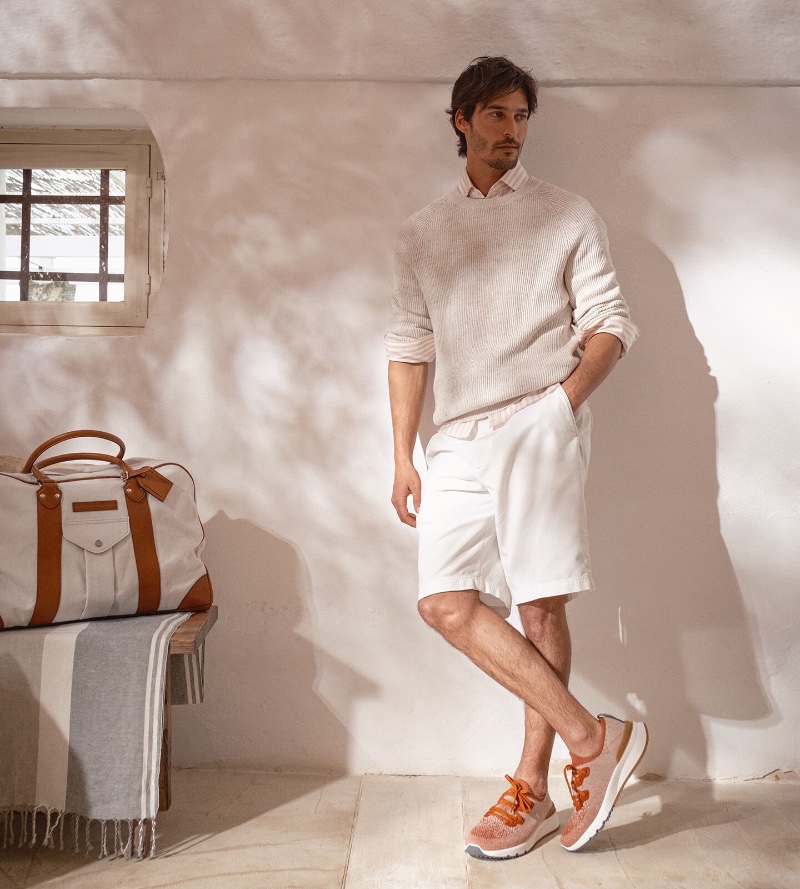
White shorts and a pale knit give summer dressing a softer texture than the usual T-shirt combination. A white shirt underneath adds definition at the collar and hem, while pushed-up sleeves keep the layers relaxed. The shorts leave enough leg exposed to balance the covered upper half.
Orange-accented sneakers give the light palette a focal point. Keep the rest of the outfit quiet so the footwear feels intentional. Plain white sneakers offer a more tonal alternative, while a canvas bag with brown leather trim brings another warm neutral into the mix.
Navy Outerwear with Off-White Trousers
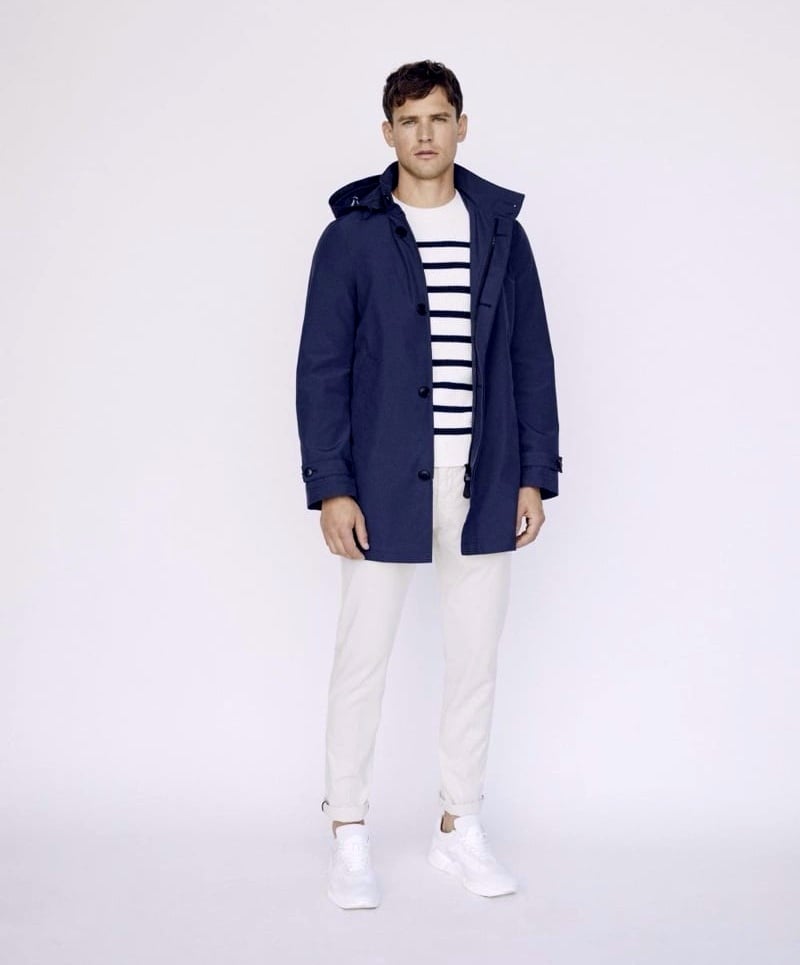
A navy jacket and off-white trousers offer a softer alternative to black and white. A striped knit connects the two colors through the middle of the outfit, making the outerwear feel part of the combination.
Off-white trousers also change the weight of a practical jacket. The result feels lighter than the same coat worn over dark jeans. Choose a straight or relaxed leg so the trousers can hold their own beneath the outer layer.
Black Shorts with an Open Off-White Shirt

An open off-white shirt over a white ribbed tank gives black shorts a lighter counterpart. The shirt's loose shape balances the shorts, while the tank keeps the layers defined through the middle. Botanical embroidery adds detail across the pale fabric.
Washed black feels less severe here than a deep, uniform black. A rope belt suits the beach setting and introduces another texture at the waist. For a simpler version, use a plain camp-collar shirt and let the contrast between the light top and dark shorts do the work.
A Gray Blazer with Black Trousers
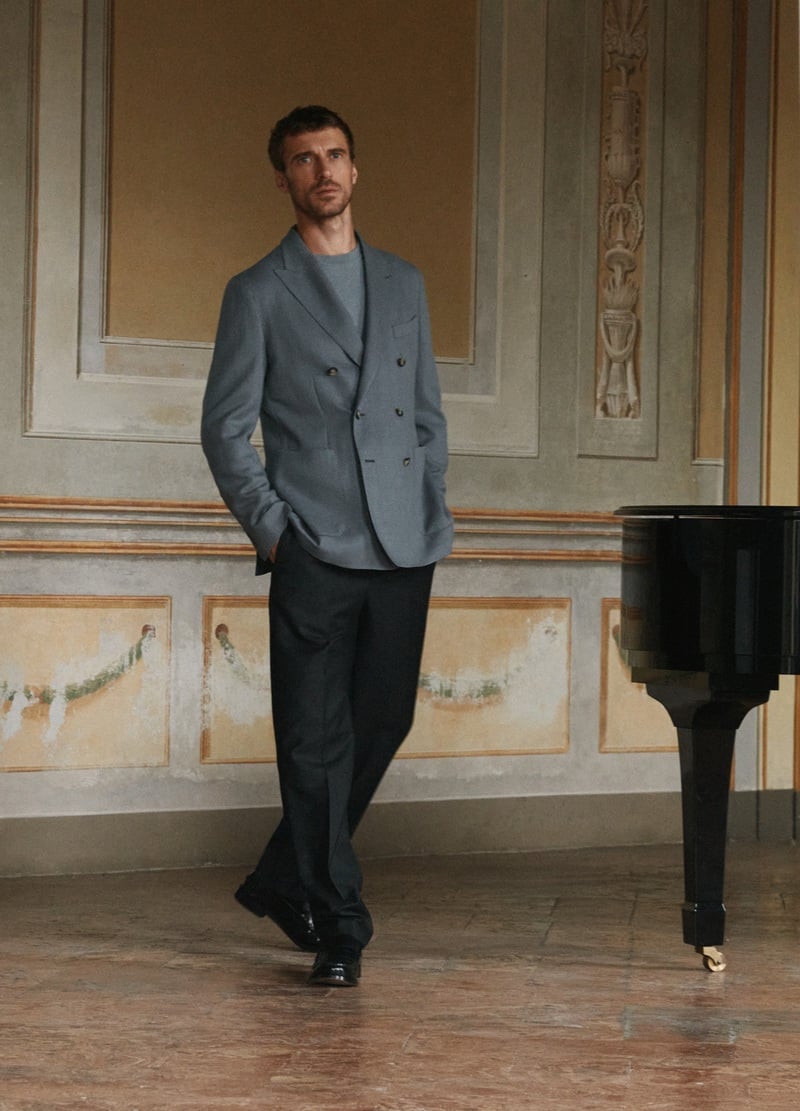
A gray blazer over a gray knit can work even when the shades are close. The lapels, neckline, and change in fabric distinguish the layers. Black trousers create a stronger division at the waist and keep the outfit from depending entirely on subtle differences.
This is useful for dinners or offices where a suit would feel excessive. Loafers or leather lace-ups suit the tailoring; the knit makes a shirt and tie optional.
A Camel Coat over Black Layers

A camel coat makes a useful frame for black clothing. The light outer layer defines the shoulders and length of the silhouette, while the black underneath creates a continuous line.
The coat needs enough room for the layers beneath it. Black knitwear, trousers, and boots can then remain simple. The contrast is already built into the largest piece.
Gray Tailoring with a Light Knit

A gray suit changes character when a light crewneck replaces the shirt and tie. The pale neckline brings definition near the face, while white sneakers repeat that contrast at the feet.
Keep the sneakers simple and the trouser hem clear of excess bunching. This combination suits settings that welcome relaxed tailoring. Follow the stated dress code for formal events; a suit with sneakers is not black tie.
How Neutrals Complement Color


Neutral colors give brighter pieces a clear backdrop. White trousers bring lightness to a rust jacket, while a dark knit underneath separates the jacket from the trousers. The result has contrast even though only one garment supplies a strong color.
Black trousers take a different approach beneath a multicolored striped sweater. Their uninterrupted surface gives the stripes room and keeps the outfit from competing with itself. You can repeat a neutral from the knit elsewhere in the outfit, or choose one that lets the whole pattern stand out.
How to Make Neutral Outfits Work


Start with the difference between light and dark. If two pieces merge more than you want them to, change one shade or add a visible layer. An open overshirt, a pale collar, or a contrasting waistband can separate similar tones.


For an outfit built around one color, vary the surface. Ribbed knitwear looks different from smooth cotton, and suede catches light differently from leather. There is no fixed limit on how many neutrals you can wear. What matters is whether the pieces remain legible together.
Finally, judge pale shades near your face individually. Beige is not automatically flattering or unflattering because of your complexion. Try cream, stone, and taupe in daylight and see which you prefer. The most useful neutral wardrobe is one you enjoy wearing, with enough variation to keep getting dressed interesting.