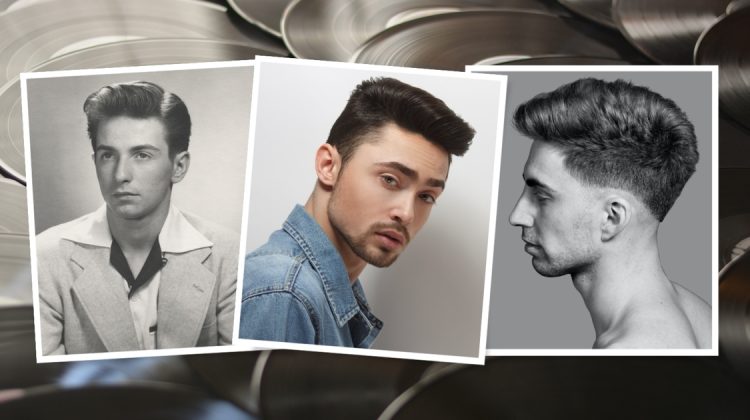
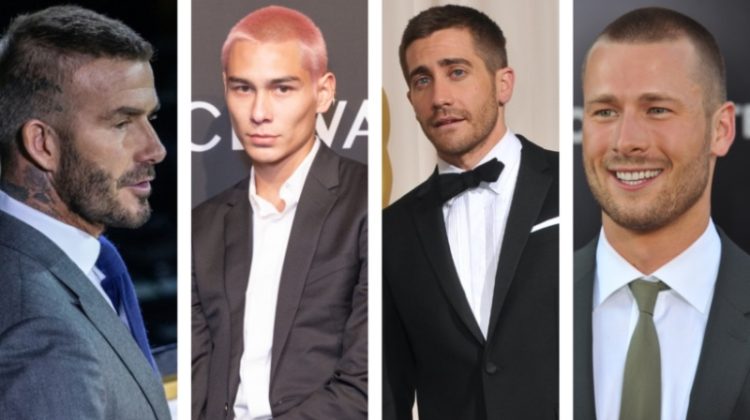
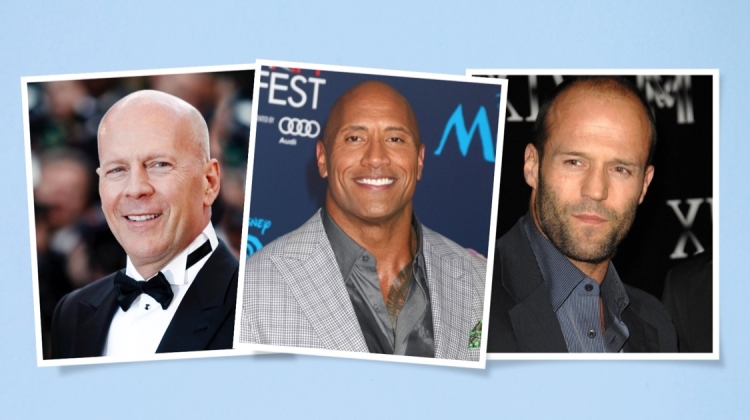
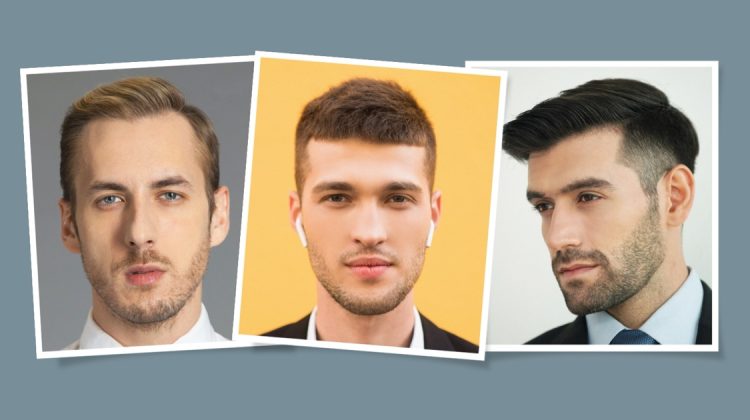
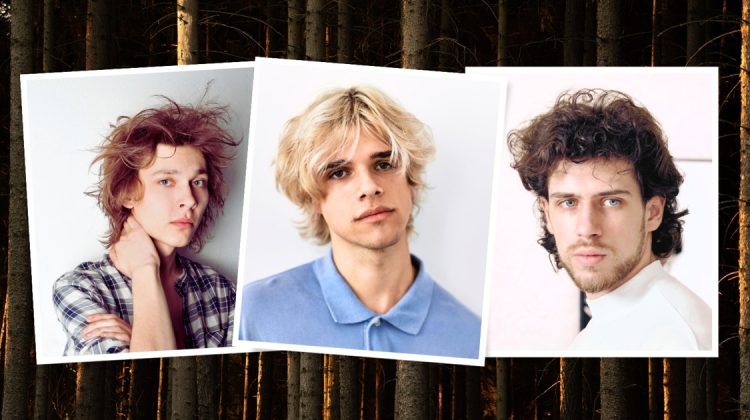
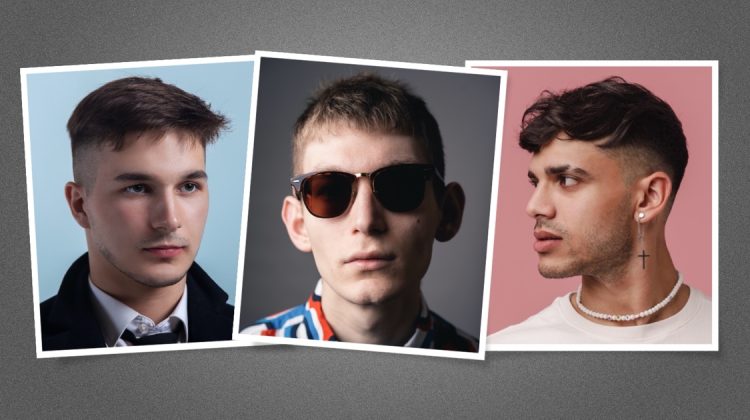
People size you up by your haircut before you open your mouth. The right mens haircut sharpens the jawline, balances the forehead, and signals corporate, creative, or somewhere between the two. The wrong one fights every other decision in the morning routine.
This guide covers the best hairstyles for men across every length, face shape, and hair type. Short cuts that take two minutes to style. Medium lengths that reward a dab of clay. Long styles that demand commitment and pay it back in presence. Each entry includes what to ask your barber, which products to reach for, and who the cut flatters most.
The styles here are current for 2026, but most have lasted decades because they solve real problems of proportion and texture. Trends appear and recede. A cut that fits your head shape, your hair density, and your daily routine will outlast all of them.
How to Choose the Right Hairstyle
Face Shape
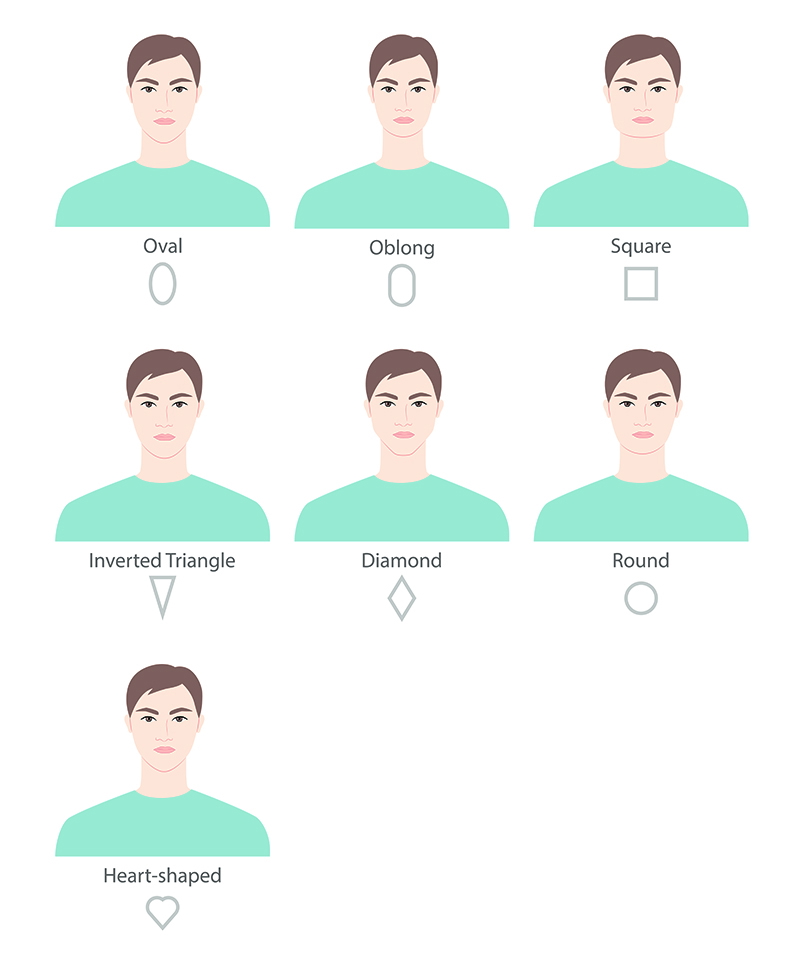
Face shape determines which cuts flatter and which ones fight the geometry you already have. The six common shapes each respond differently to volume, length, and fade height.
Oval faces have balanced proportions, with the forehead slightly wider than the jaw and gentle curvature at the temples. Most cuts work. The risk is playing it too safe and defaulting to a generic medium length when a stronger shape would land better.
Round faces are widest at the cheeks, with a soft jawline and roughly equal width and length. Height on top creates the illusion of elongation. A pompadour, quiff, or textured crop with a high fade adds vertical emphasis. Anything that hugs the sides flat to the head will reinforce the roundness.
Square faces show a strong jaw and wide forehead in near-equal proportion. The bone structure already has angles, so most short and medium styles complement it. Crew cuts, side parts, and textured crops all sit well. Styles that add too much width at the temples can make the head look boxy.
Heart faces taper from a wider forehead to a narrower chin. Longer styles that add width at the jaw line help balance the proportions. A bro flow, curtains, or textured fringe draws attention downward and softens the forehead’s dominance.
Diamond faces are narrow at the forehead and jaw with prominent cheekbones. Fringe styles that add width at the forehead and longer cuts that fill out the jawline work best. Slicked-back styles that expose the narrow temples can exaggerate the diamond shape.
Oblong faces are longer than they are wide, with a deep forehead. Styles that add side volume and keep the top shorter help balance the length. A textured crop, French crop, or side-swept style adds horizontal emphasis. Tall quiffs and high fades stretch the face further and should be avoided.
Hair Type
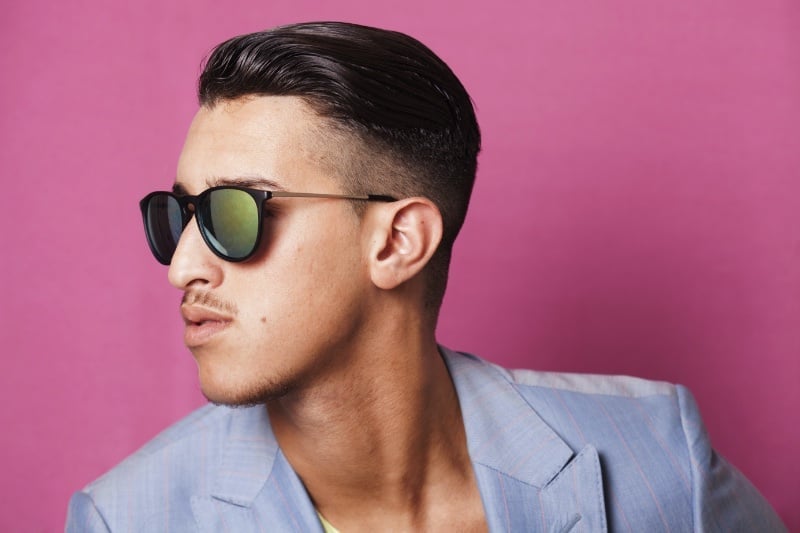
Straight hair holds clean lines and parts well but can fall flat in longer cuts that need body. Wavy hair adds natural texture to quiffs, shags, and medium-length styles, often needing only minimal product. Curly hair thrives in tapers and fades that let the curl pattern show on top, while coily hair works best with styles that respect its density, from high top fades to natural afros and protective braids.
Talking to Your Barber
Bring a reference photo. Describe what you want in terms of length on top, fade height, and how much texture you prefer. Use guard numbers when possible. A number 1 guard leaves 3mm, a number 2 leaves 6mm, a number 3 leaves 10mm, and a number 4 leaves 13mm. Ask your barber to show you the length before committing. Mention your styling routine. If you spend zero minutes on your hair in the morning, say so. That information changes the cut.
Short Hairstyles for Men
Short haircuts for men stay popular because they solve two problems at once. They look sharp with minimal effort, and they adapt to nearly every professional and social setting. The styles below range from near-zero maintenance to a few minutes with product, and each one creates a different effect depending on face shape, hair density, and fade preference.
Buzz Cut
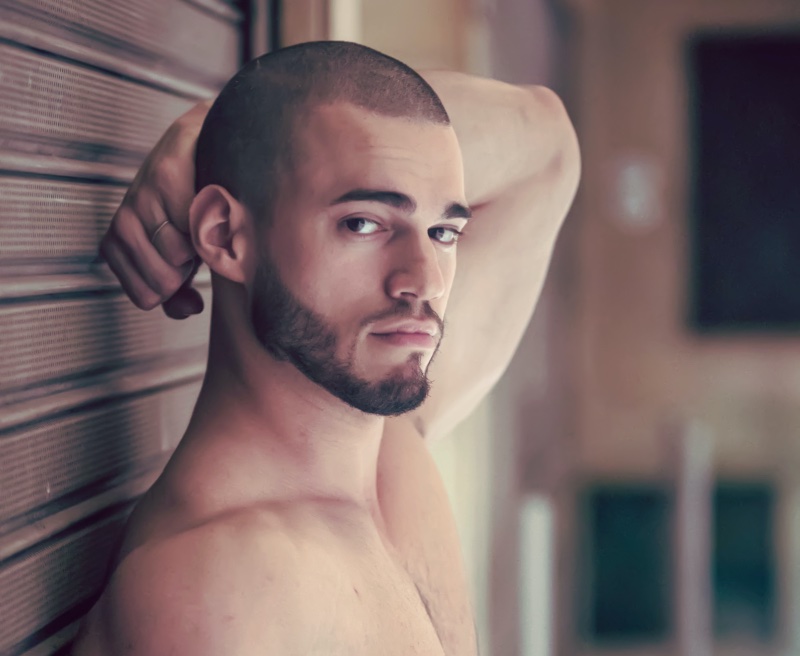
The buzz cut strips a haircut to its most basic form. One clipper guard, uniform length, and nothing to style. The result depends entirely on head shape and bone structure, and it projects confidence for that reason. There is nowhere to hide behind texture or volume. The cut exposes the head’s natural contours, the jawline, and the ears, making proportions visible in a way that longer styles soften or disguise.
Best For: Oval and square face shapes. All hair types. Men who want zero morning maintenance.
Styling Time: 0 minutes.
Key Products: None required. A light SPF moisturizer for the scalp in summer.
Barber Tip: Ask for a number 2 guard (6mm) for a clean look with some coverage, or a number 1 (3mm) for a tighter crop. If you are unsure about going full buzz, start with a number 3 and work down.
Crew Cut with Tapered Sides

The crew cut keeps the top short enough to stand on its own, usually one to two inches, while the sides taper gradually from slightly longer at the temples down to skin or near-skin at the neckline. The taper adds shape and structure that a basic all-over buzz lacks. It flatters wider faces by slimming the profile and gives the front enough length to push forward or to the side for a small amount of styling range.
Best For: Square and round face shapes. Straight to wavy hair. Works well with a beard.
Styling Time: 2 minutes.
Key Products: A small amount of matte paste or light pomade to direct the front.
Barber Tip: Ask for a tapered fade starting at a number 2 on the sides, blending into one and a half to two inches on top. Specify whether you want a skin fade at the neckline or a softer taper.
French Crop
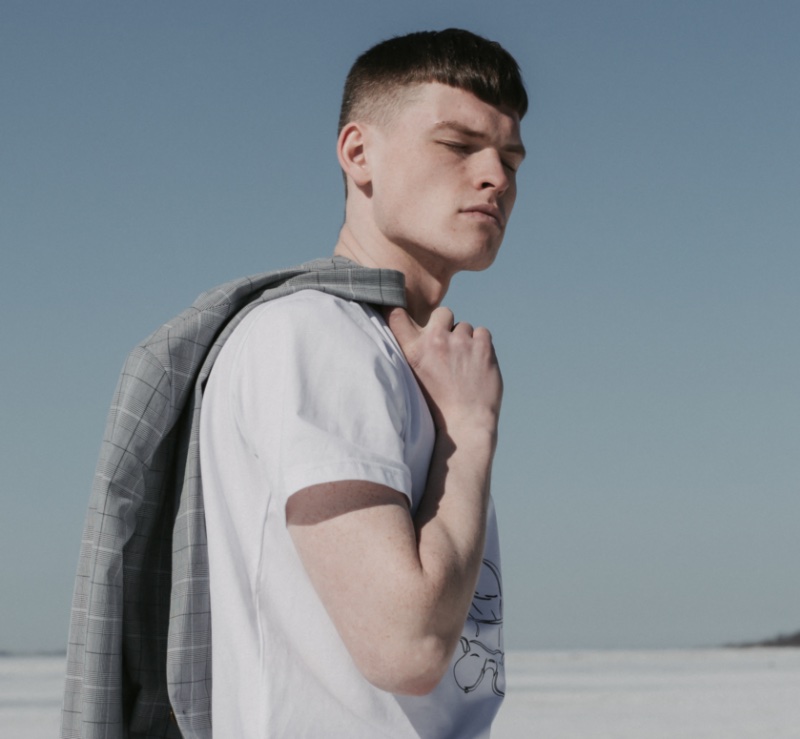
The French crop is defined by a short fringe that falls forward across the forehead, with the back and sides cut tight. The fringe is the whole personality of the cut. It softens a high forehead, frames the brow line, and gives the style a European sensibility that sets it apart from a crew cut or buzz. The cut works especially well on fine or thin hair because the forward direction creates the appearance of density where a side part might expose thinning.
Best For: Oval, oblong, and heart face shapes. Straight to wavy hair. Fine or thinning hair.
Styling Time: 3 minutes.
Key Products: Matte clay or texturizing paste for hold and separation in the fringe.
Barber Tip: Ask for a short textured crop with a fringe, number 1 or 2 on the sides with a fade or taper. Specify whether you want the fringe blunt-cut or textured at the tips.
Contemporary High and Tight
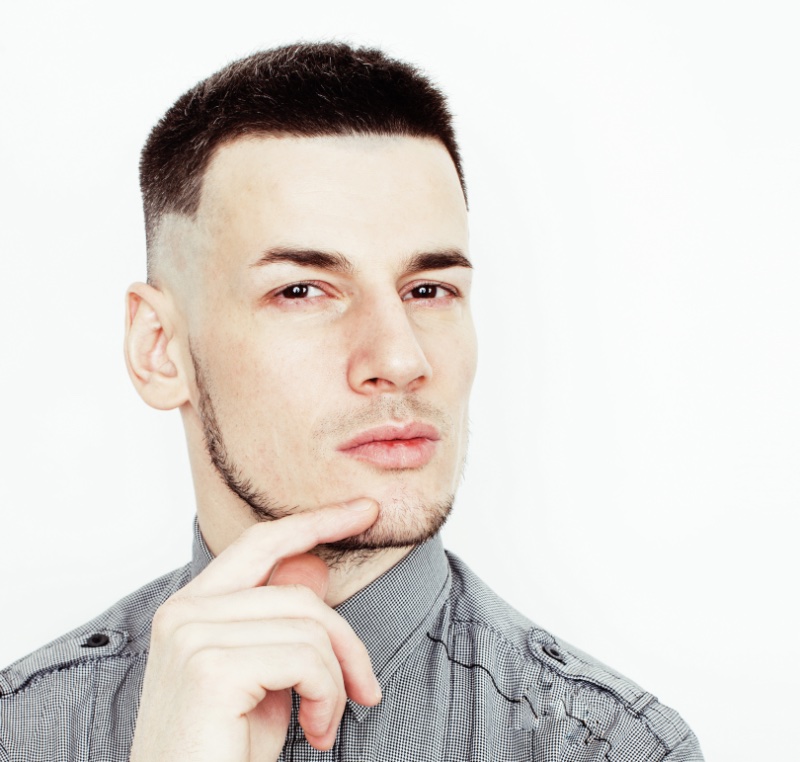
The high and tight originated in military grooming and still signals discipline, but the contemporary version features more length and texture on top than the regulation original. The sides are taken down close to the skin, often to a zero or skin fade, with a pronounced contrast where the longer top begins. That hard transition creates a geometric look that emphasizes the upper face and sharpens a soft jawline.
Best For: Oval and round face shapes. Straight to wavy hair. Strong features benefit most.
Styling Time: 2 minutes.
Key Products: Light pomade or styling cream to shape the top.
Barber Tip: Ask for a skin fade or zero fade on the sides and back, with two to three inches on top. The transition should be sharp, not blended.
Caesar Cut
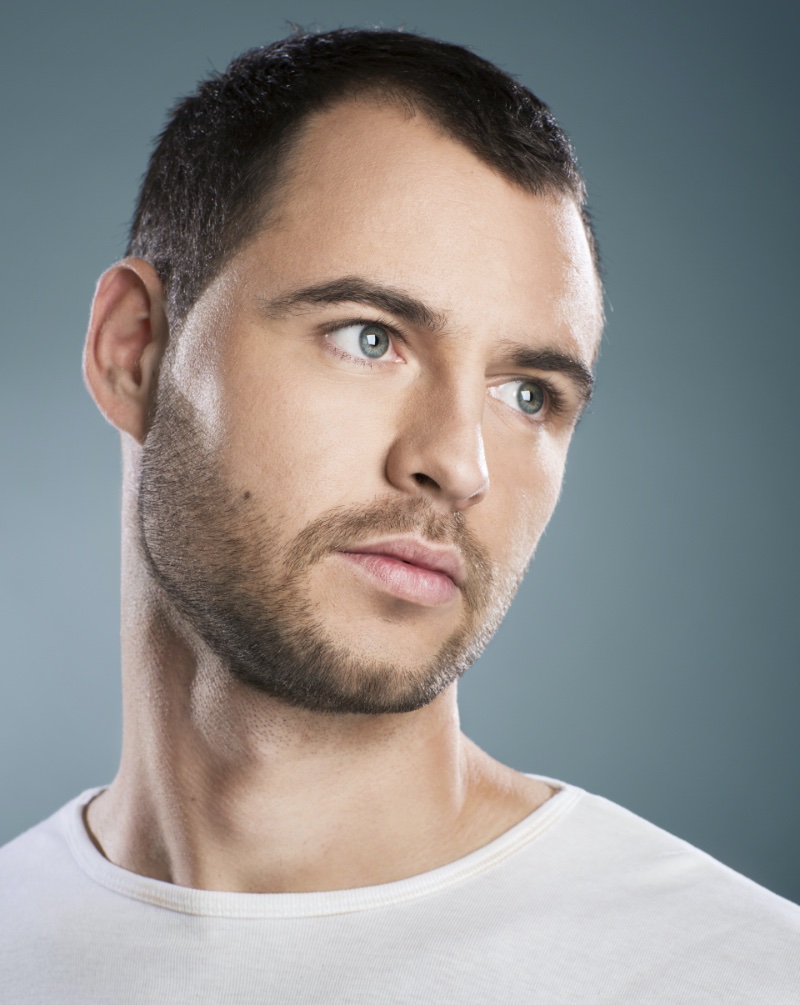
The Caesar cut keeps a uniform short length all over with a small, horizontal fringe pushed forward. Named for its resemblance to the laurel-crowned profiles on Roman coins, it creates a compact, structured silhouette that works on most head shapes. The forward fringe conceals a receding hairline more effectively than almost any other short haircut, and that staying power shows most with men in their thirties and forties.
Best For: Oval and square face shapes. Straight hair. Thinning or receding hairlines.
Styling Time: 2 minutes.
Key Products: Matte paste for a natural finish. Avoid high-shine products, which undermine the cut’s understated character.
Barber Tip: Ask for a Caesar cut at one to two inches all over with a straight-across fringe. Sides can be tapered or faded depending on how much contrast you want.
Textured Crop
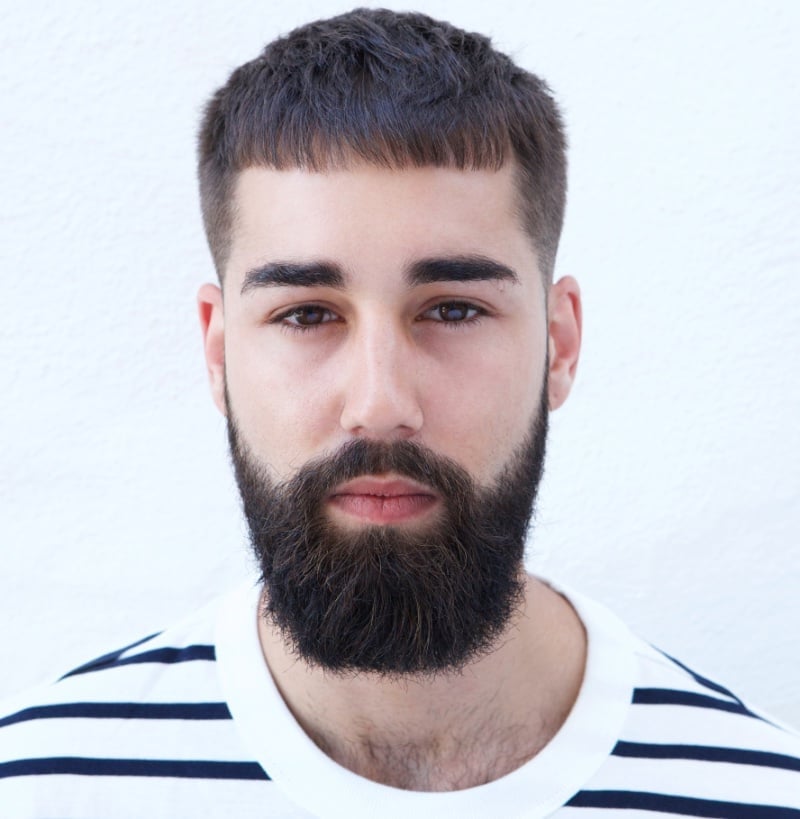
The textured crop builds on the French crop’s template by adding choppy, piece-y texture throughout the top. The hair is cut with point cutting or razoring to create separation between strands, giving the style a rougher, more dimensional surface than a standard crop. It sits somewhere between polished and undone, and that balance has made it one of the most requested cuts in barbershops over the past several years.
Best For: All face shapes. Wavy to straight hair. Medium density.
Styling Time: 3 to 5 minutes.
Key Products: Matte clay or texturizing powder for separation and hold.
Barber Tip: Ask for a textured crop with point-cut or razor-cut ends on top, faded or tapered sides. Bring a photo, because “textured crop” can mean different things depending on the barber.
Hard Part
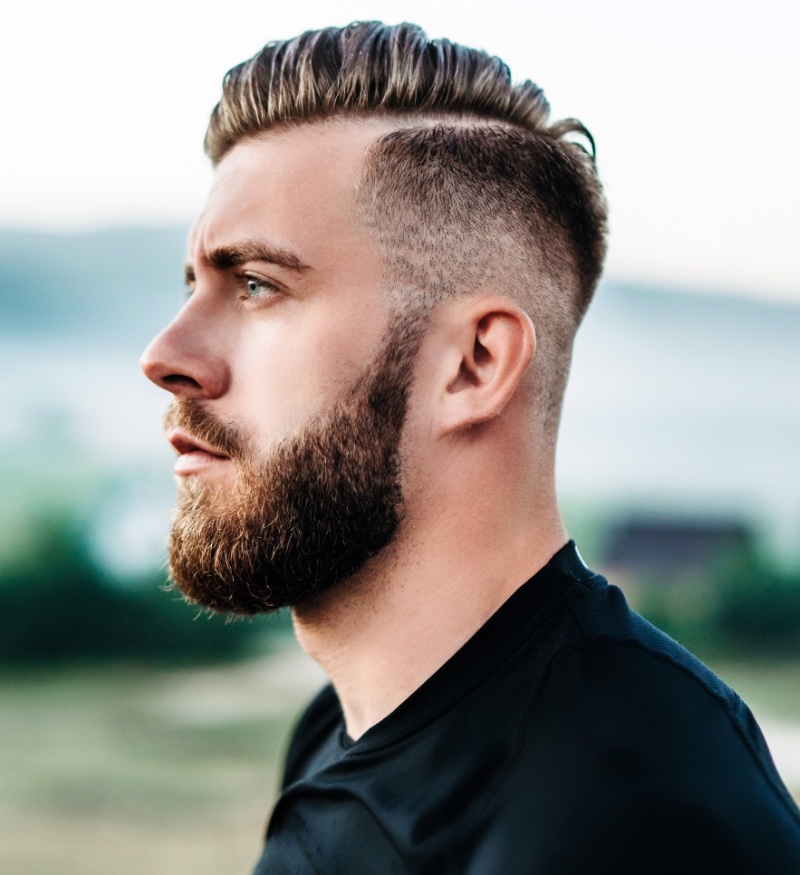
The hard part adds a shaved line along the natural parting of the hair, creating a visible separation between the top and sides. It is a detail, not a full haircut, but it transforms a standard side part or comb over into something more defined. The shaved line acts as a visual divider that sharpens the geometry of the style and highlights the contrast between longer top hair and shorter sides.
Best For: Square and oval face shapes. Straight to wavy hair. Medium to thick density.
Styling Time: 5 minutes.
Key Products: Pomade for a slick finish, or matte clay for a more textured look.
Barber Tip: Ask your barber to shave the part line with a trimmer, about one to two millimeters wide. Specify which side you part on and how far back you want the line to extend. The hard part will need a touch-up every two to three weeks.
Ivy League Cut

The Ivy League is a longer crew cut, with enough length on top, typically two to three inches, to part to the side and comb neatly. It emerged from East Coast collegiate culture in the mid-20th century and still looks at home in professional settings because it signals order and attention to grooming. The sides are scissor-cut or tapered, giving a softer transition than most modern short cuts that rely on clipper fades.
Best For: Oval, oblong, and square face shapes. Straight to wavy hair.
Styling Time: 3 to 5 minutes.
Key Products: Light pomade or grooming cream for a natural, side-parted hold.
Barber Tip: Ask for a long crew cut or Ivy League with a side part. Two to three inches on top, scissor-tapered sides. Avoid asking for a fade unless you want to modernize the look.
Medium Length Hairstyles for Men
Medium length hairstyles for men occupy the range between two and six inches on top, long enough to style with direction and movement but short enough to manage on a busy morning. These cuts reward a few minutes of effort and a small amount of product. The trade-off is maintenance. Medium lengths need regular trims every four to six weeks to hold their shape.
Bro Flow

The bro flow is medium-length hair swept back from the face and allowed to fall naturally. There is no hard structure, no defined part, and no sculpted silhouette. The hair follows gravity and its own texture, which is the point. It works best on wavy or straight hair with enough body to push back from the forehead and hold its position at the sides. Thinner hair tends to separate and look stringy at this length, which limits the style’s range.
Best For: Oval and heart face shapes. Wavy to straight hair with medium to thick density.
Styling Time: 2 to 3 minutes.
Key Products: Sea salt spray for texture and body. Light cream or mousse for hold on straight hair.
Barber Tip: Ask for four to six inches on top with layers to encourage movement. The sides and back should taper gradually. Tell your barber you want to sweep it back, and they will adjust the layering accordingly.
Curtains / Middle Part
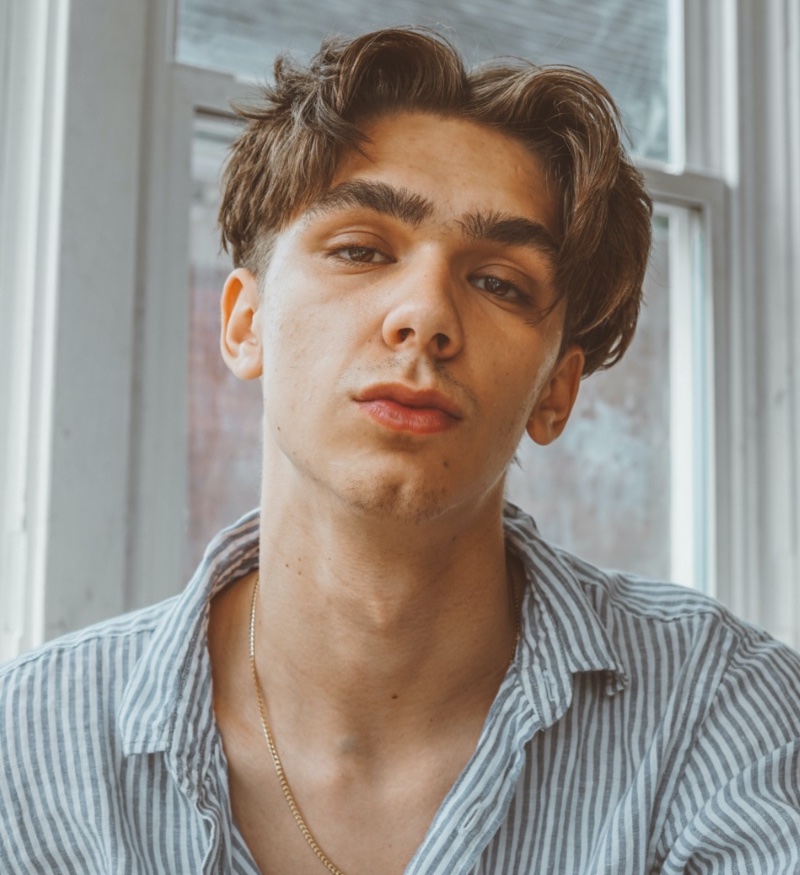
The curtains hairstyle splits the hair down the center and lets it drape to each side, framing the face symmetrically. It reappeared in the mid-2010s after decades tied to 1990s associations, and it now looks relaxed and contemporary, fully detached from its retro origins. The middle part demands symmetry in the face to look balanced. Uneven features get amplified by the center division, so oval faces tend to wear it best. The length can range from jaw-skimming to just past the ears, depending on how much frame you want.
Best For: Oval and diamond face shapes. Straight to wavy hair.
Styling Time: 3 to 5 minutes.
Key Products: Light styling cream or mousse to encourage the drape. A round brush during blow-drying adds direction.
Barber Tip: Ask for a center part with four to six inches of length, and long layers to prevent bulk at the sides. Request the ends be textured or point-cut to keep them from looking blunt and heavy.
Textured Quiff
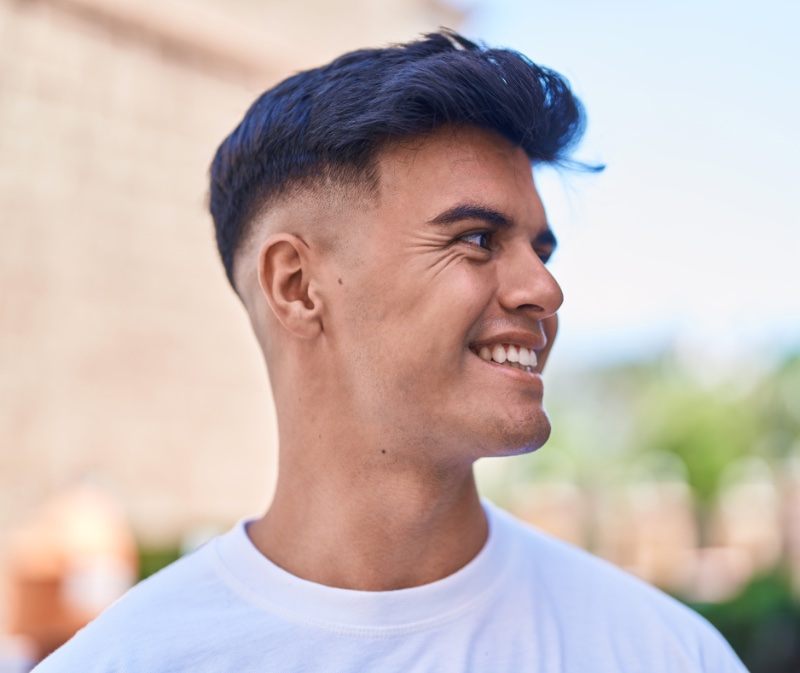
The textured quiff pushes volume upward and slightly forward at the front, then breaks the surface with choppy, piece-y texture for a rougher finish than a traditional quiff. Where a classic quiff is smooth and sculpted, the textured version looks like it took less effort, even though it often takes more. The height adds length to the face, which suits round and square shapes. The texture keeps it from looking overly formal.
Best For: Round and square face shapes. Straight to wavy hair. Medium to thick density.
Styling Time: 5 to 7 minutes.
Key Products: Matte clay or paste applied to towel-dried hair, then blow-dried upward. A texturizing powder at the roots adds grip.
Barber Tip: Ask for a quiff with three to four inches on top and a mid or high fade on the sides. Request textured or point-cut ends to break up the volume.
Messy Taper
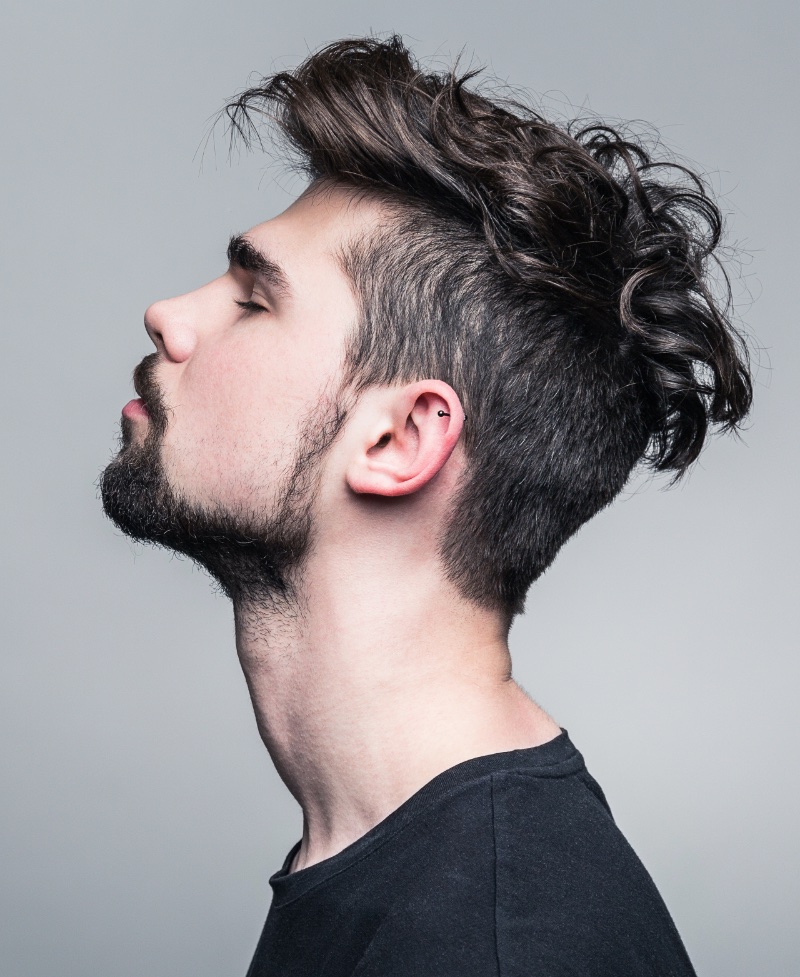
The messy taper pairs a tapered fade on the sides with a tousled, loosely styled top that looks wind-caught and natural. The contrast between the clean, graduated sides and the rougher top is what gives the cut its energy. It works as a dressed-down alternative to more structured tapers, and it translates well to both casual and semi-formal settings because the fade keeps it looking groomed even when the top is out of place.
Best For: Oval, heart, and diamond face shapes. Wavy to curly hair benefits most from the natural texture.
Styling Time: 3 to 5 minutes.
Key Products: Texturizing spray or sea salt spray, worked through damp hair and left to air-dry. A matte paste adds definition.
Barber Tip: Ask for a taper fade, starting at a number 2 on the sides, with three to four inches left on top. Let the barber know you want to style it loose and messy so they leave enough weight and texture.
Side Swoop
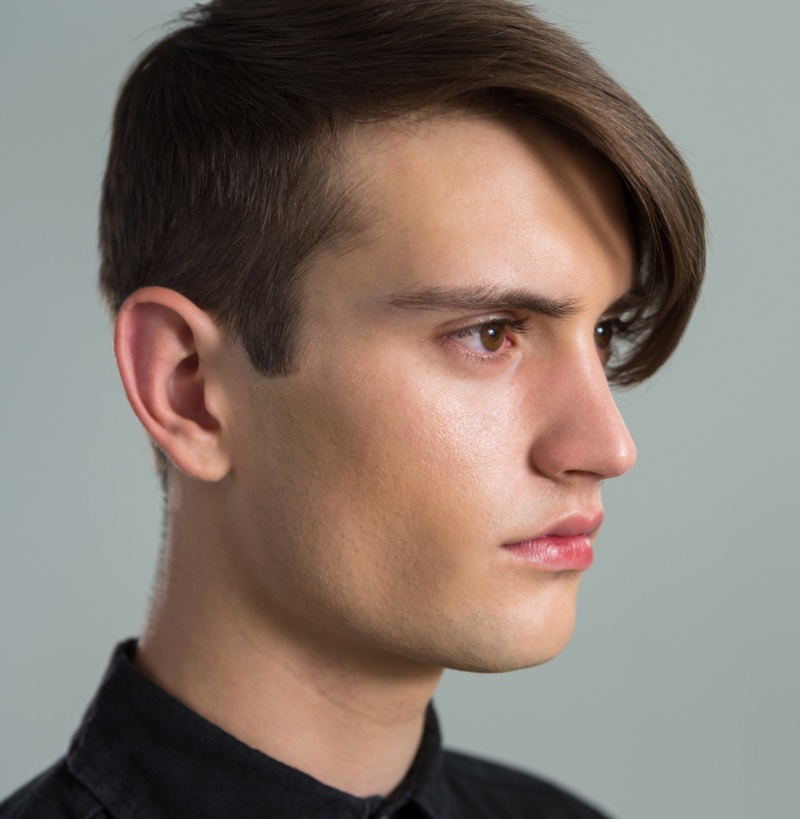
The side swoop takes medium-length hair and pushes it to one side in a single, sweeping motion. It creates a wave-like silhouette that adds width to one side of the face while revealing the forehead on the other. The asymmetry gives the cut personality and a sense of movement. It pairs well with a low or mid fade, but also works with tapered sides for a softer look.
Best For: Oval, square, and oblong face shapes. Straight to wavy hair.
Styling Time: 5 minutes.
Key Products: Light pomade or cream for hold and direction. A blow dryer and round brush set the sweep.
Barber Tip: Ask for four to five inches on top with a fade or taper on the sides. Let the barber know which side you part on so they layer the top to encourage the sweep in that direction.
Textured Shag
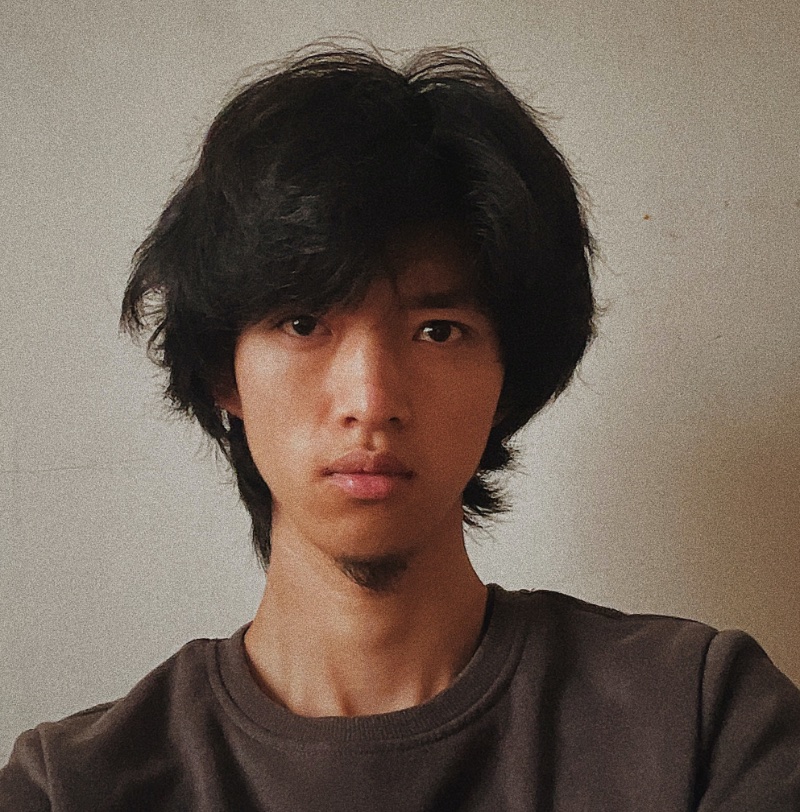
The textured shag revives the layered, fringe-heavy silhouette of 1970s men’s hair with updated texturing that keeps it from looking costume-like. Choppy layers run throughout, the fringe falls past the brows, and the back has enough length to brush the collar. The cut thrives on natural wave and movement. On straight hair, it can look limp at this length unless you add product and blow-dry with a diffuser.
Best For: Oval and heart face shapes. Wavy to curly hair. Medium to thick density.
Styling Time: 5 to 7 minutes.
Key Products: Sea salt spray for texture. A small amount of matte clay worked through the mid-lengths for separation.
Barber Tip: Ask for a shag cut with choppy layers, a curtain fringe, and enough length at the back to hit the collar. Specify that you want it textured, not blunt.
Modern Comb Over
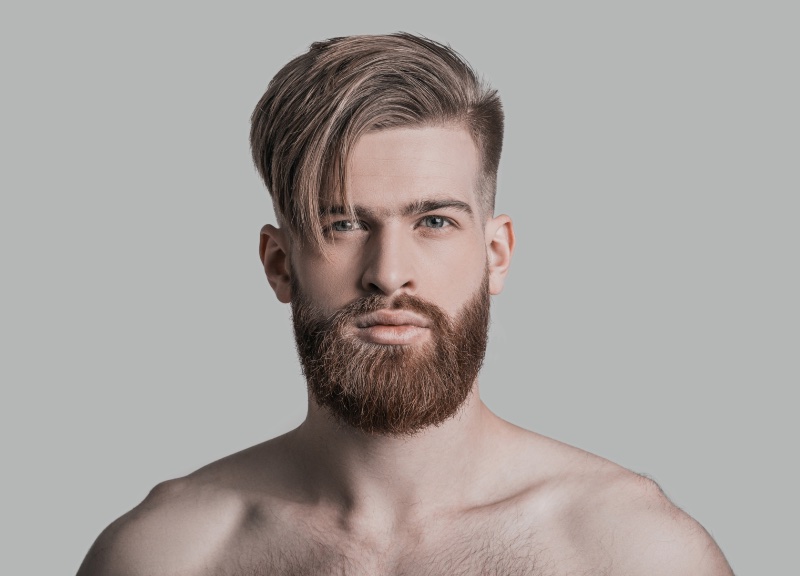
The modern comb over keeps the structure of the classic side-parted style but adds volume on top and a fade on the sides for a sharper contrast. The top is swept to one side with a slight lift at the roots, and the transition from top to sides is clean and defined. It is one of the most versatile medium-length cuts because it scales up to formal settings and down to weekend wear depending on product and finish.
Best For: All face shapes. Straight to wavy hair.
Styling Time: 5 to 7 minutes.
Key Products: Pomade for a polished finish, or matte paste for a more textured, modern look. A blow dryer sets the volume.
Barber Tip: Ask for a modern comb over with a mid fade. Three to four inches on top, parted to one side. Specify the fade height and whether you want a hard or natural part line.
Disconnected Undercut
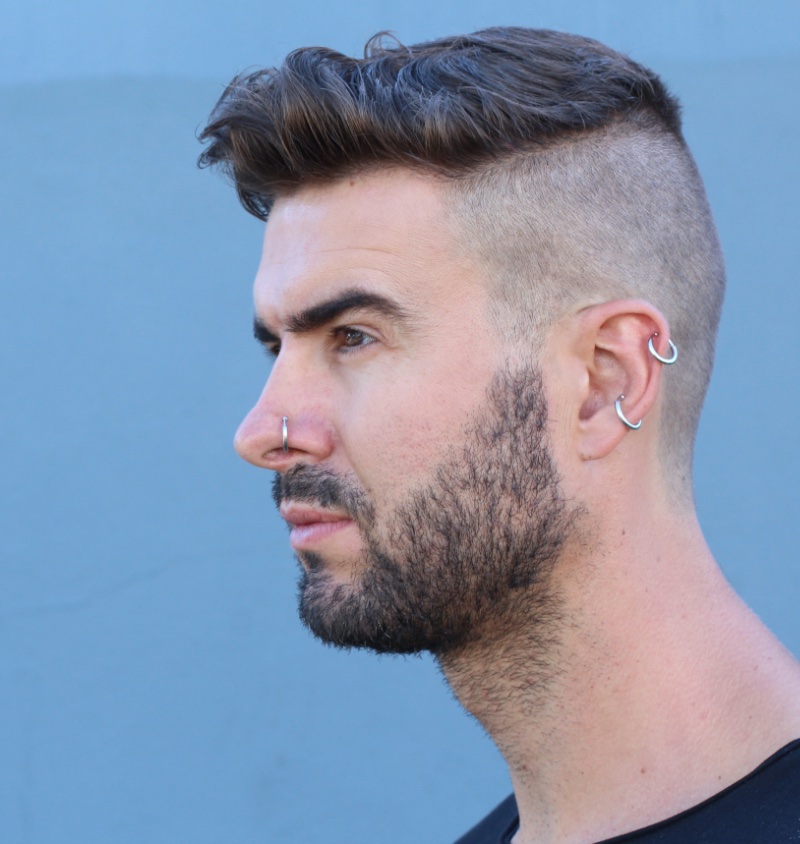
The disconnected undercut creates a stark contrast between closely cropped or shaved sides and a longer top with no gradual blend between the two. The “disconnect” is the abrupt transition, which creates a shelf-like line where the top hair begins. This hard line is the defining feature and what separates it from a standard undercut fade. The style works as a frame for whatever you do on top, whether you slick it back, push it forward, or let it fall naturally.
Best For: Oval and square face shapes. Straight to wavy hair. Thick hair holds the top section best.
Styling Time: 5 to 7 minutes.
Key Products: Strong-hold pomade for a slicked-back look, or matte clay for a textured, pushed-back style.
Barber Tip: Ask for an undercut with a hard disconnect. Sides at a number 1 or 0, with four to five inches on top. Specify that you want no blending between the top and sides.
Comma Haircut

The comma haircut gets its name from the single curl or swoop at the front that falls across the forehead like a typographic comma. It originated in Korean and Japanese men’s grooming and gained global traction through K-pop and East Asian street style. The rest of the hair is usually textured and mid-length, with the sides trimmed shorter to keep the focus on that signature front curl.
Best For: Oval and heart face shapes. Straight to wavy hair. Fine to medium density works best for shaping the comma.
Styling Time: 5 to 7 minutes.
Key Products: A curling iron or straightener to shape the front swoop. Light-hold wax or styling cream to set it.
Barber Tip: Ask for a textured medium cut with the front left longer, around three to four inches. The sides should taper or fade. Mention the comma style specifically, as the front layering needs to support the curl.
Faux Hawk Fade
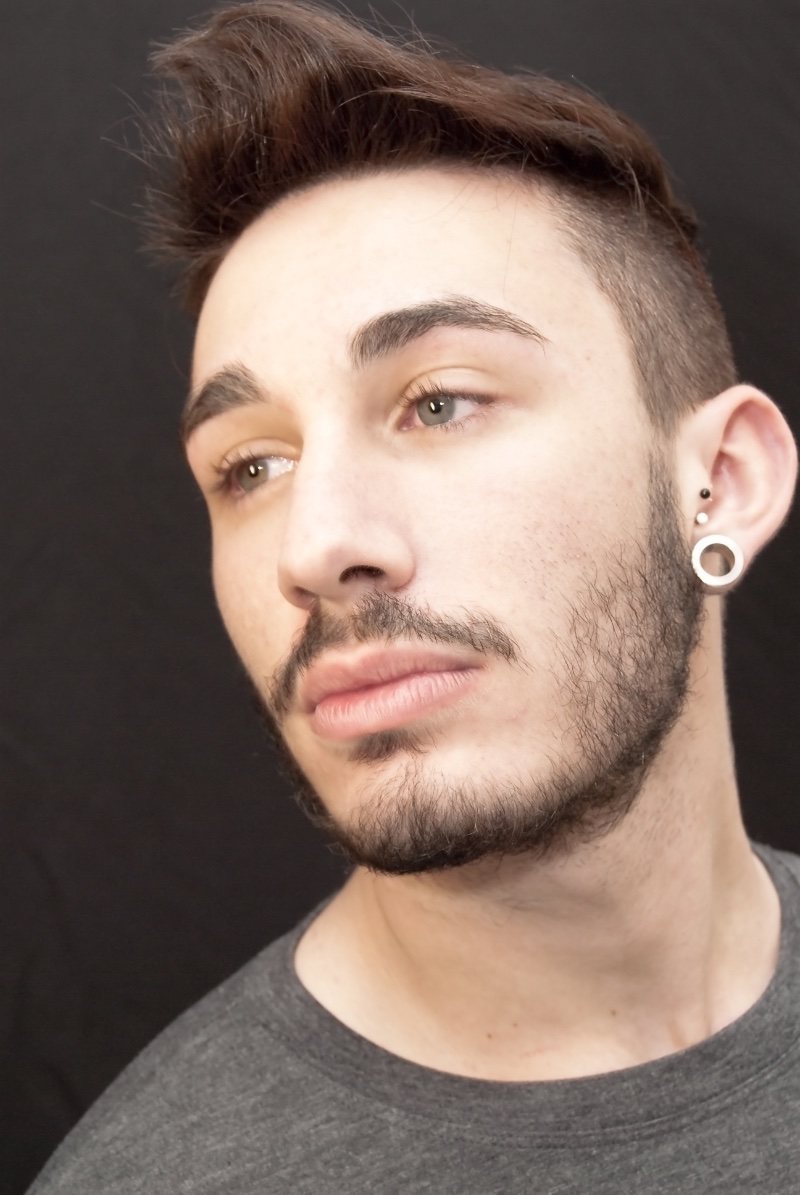
The faux hawk fade mimics the mohawk’s central ridge of height but keeps the sides faded instead of shaved, making it wearable in settings where a full mohawk would draw the wrong attention. The hair in the center is pushed upward and slightly forward, tapering in height from front to back. The fade cleans up the profile and lets the central volume do the work.
Best For: Round, oval, and square face shapes. Straight to wavy hair. Medium to thick density.
Styling Time: 5 to 7 minutes.
Key Products: Strong-hold gel or matte clay, depending on whether you want a wet or dry finish. A blow dryer pushes the center section upward.
Barber Tip: Ask for a faux hawk with a mid to high fade. Three to four inches on top in the center, tapering shorter toward the back. Sides at a number 1 or 2. Let the barber know how much height you want so they can layer the top accordingly.
Long Hairstyles for Men
Long hairstyles for men start at shoulder length and go from there. They demand patience to grow out, regular conditioning to keep healthy, and a willingness to deal with the awkward mid-growth stages that make most men give up and reach for the clippers around month four. The payoff is range. Long hair can be tied up, braided, left loose, or pinned back, giving more daily options than any short cut.
Man Bun
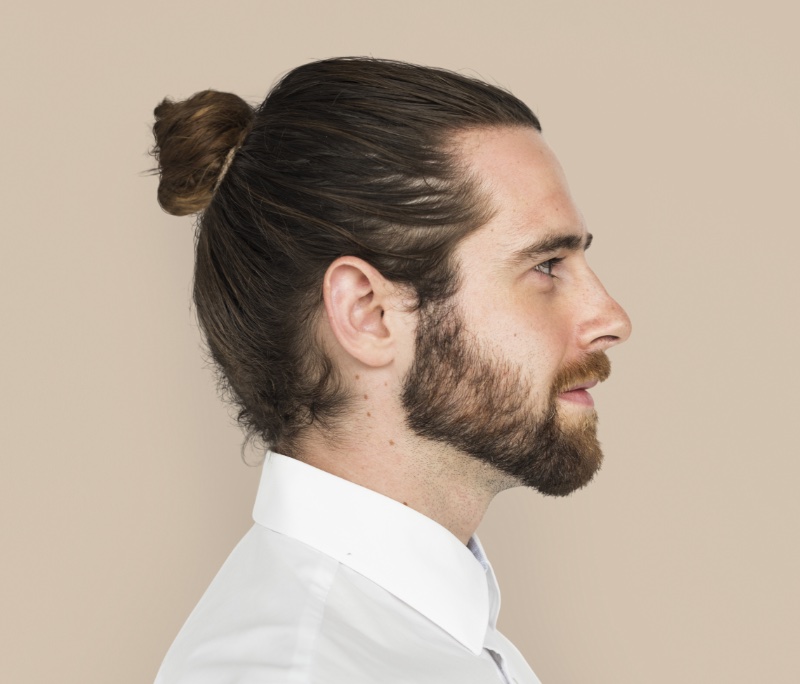
The man bun gathers long hair into a knot at the crown or back of the head. It functions as both a style and a practical solution for keeping hair off the face during work, exercise, or heat. The knot’s position changes the effect. A high bun at the crown looks sharper and more structured, while a low bun at the nape looks relaxed. The style requires at least eight inches of length to tie cleanly, and it puts tension on the hairline if worn too tight or too often.
Best For: Oval and square face shapes. All hair types with sufficient length.
Styling Time: 2 minutes.
Key Products: A hair tie. Leave-in conditioner to manage frizz. An anti-breakage serum protects the hairline.
Barber Tip: Ask for long layers to reduce bulk in the bun. Even if you are growing it out, get trims every eight to ten weeks to keep the ends healthy and the shape manageable.
Half Bun
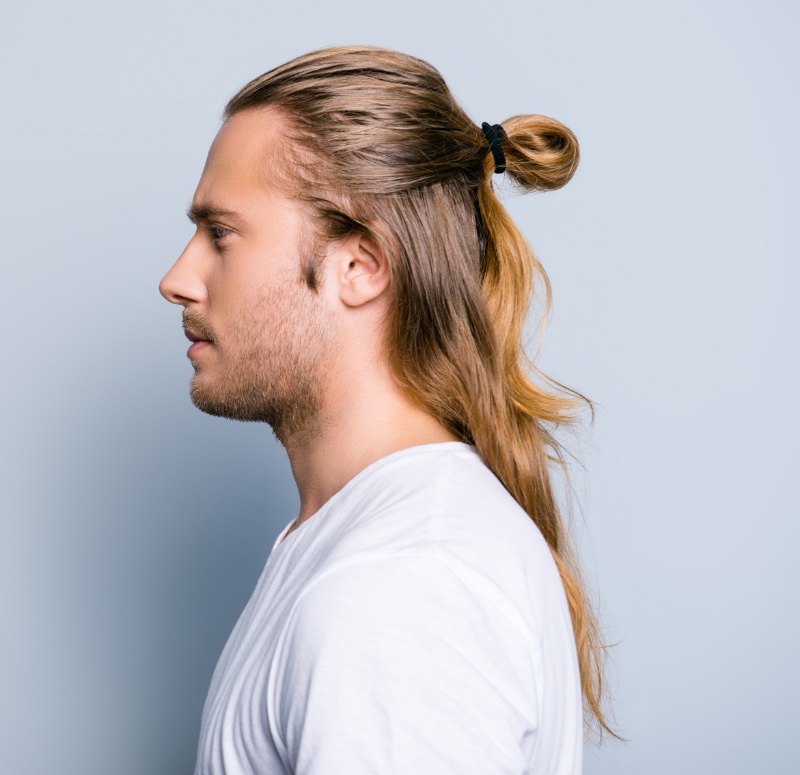
The half bun pulls back only the top section of hair while leaving the rest down, blending the structure of a tied style with the looseness of worn-down hair. It works at shorter lengths than a full man bun, making it accessible to men still growing out a medium cut. The combination of pulled-back top and free-hanging sides creates a layered silhouette that adds visual interest.
Best For: Oval and heart face shapes. Straight to wavy hair. Medium to thick density.
Styling Time: 2 minutes.
Key Products: A small elastic or hair tie. Texturizing spray to add body to the loose sections.
Barber Tip: Ask for layers that allow the top section to pull back cleanly while the lower sections hang at a complementary length. A slight taper at the neckline keeps the style from looking unkempt as it grows.
Modern Ponytail
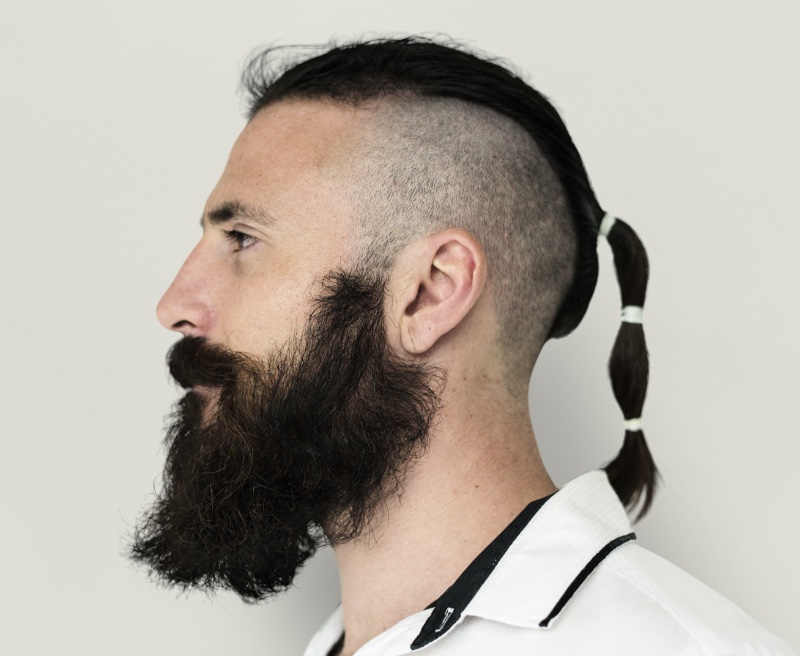
The modern ponytail with shaved or faded sides takes the classic low ponytail and pairs it with closely cropped sides, creating a contrast between the controlled perimeter and the length in the back. The result is sharper and more graphic than a standard ponytail. This version works well for men who want the practicality of tied-back hair and the clean profile of a fade.
Best For: Oval, square, and diamond face shapes. Straight to wavy hair.
Styling Time: 2 to 3 minutes.
Key Products: A strong elastic. Smoothing cream to control flyaways along the fade line.
Barber Tip: Ask for a mid or high fade on the sides and back, with the top and crown left long enough to tie back. Specify how tight you want the fade so the contrast matches your preference.
Dreadlocks
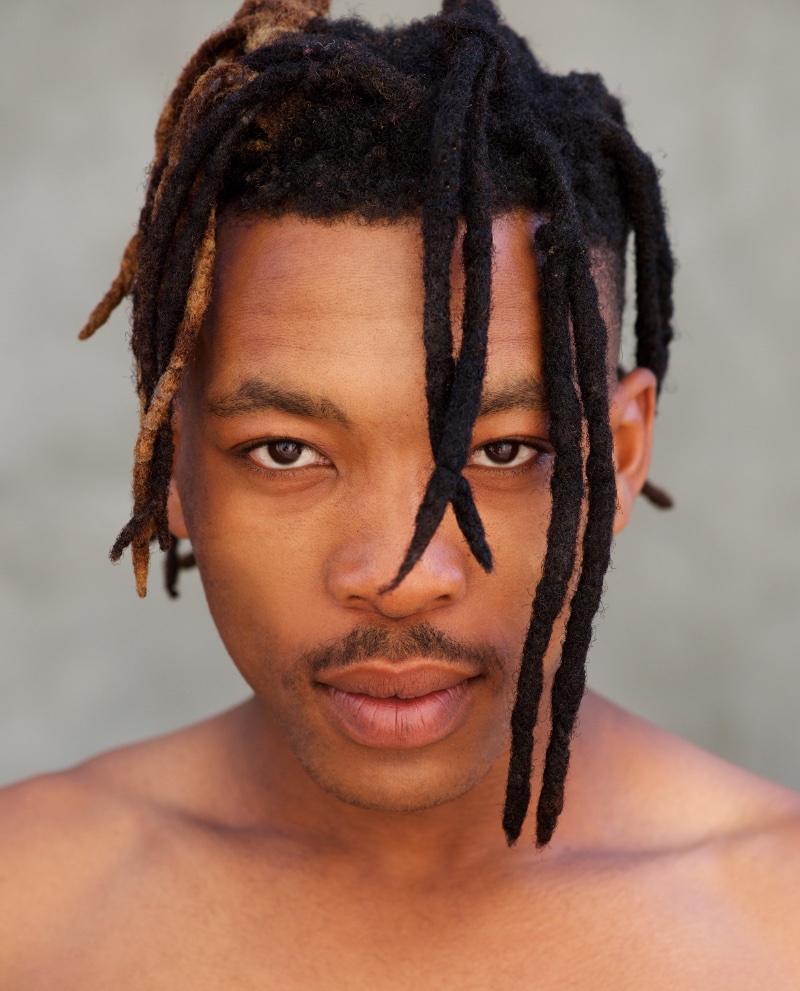
Dreadlocks form when hair is sectioned and allowed to mat and lock into rope-like strands over time. The process varies depending on hair type. Coily hair locks naturally with palm rolling or twisting, while straighter textures may require backcombing or crochet methods. Locs range from pencil-thin to thumb-thick depending on sectioning, and each size creates a different visual weight. The style is both a grooming decision and a cultural one, rooted in African and Caribbean heritage with a long global history.
Best For: All face shapes. Coily and curly hair types lock most readily. Straight and wavy hair can loc with more maintenance.
Styling Time: Varies. Daily maintenance is minimal once established. Initial setup and regular re-twisting require professional help.
Key Products: Loc maintenance oil for moisture. A residue-free shampoo to keep locs clean. Avoid heavy waxes, which build up inside the loc and attract lint.
Barber Tip: Consult a loctician instead of a traditional barber. Discuss sectioning size, starting method, and maintenance schedule before beginning. Expect the locking process to take several months to a year for full maturation.
Braids
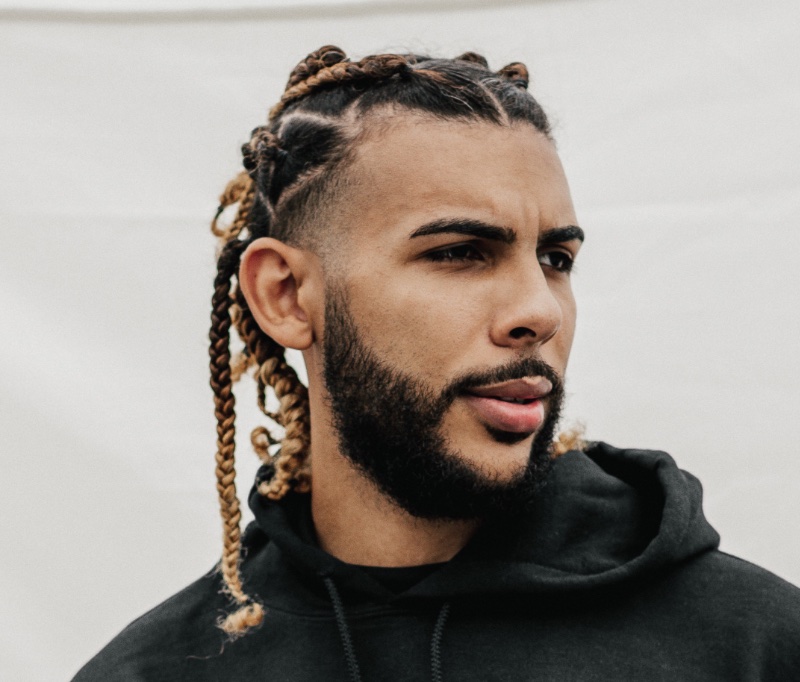
Braids for men encompass a wide range of patterns, from simple three-strand plaits to more complex box braids and feed-in styles. The pattern, size, and direction of braids all change the look. Tight, thin braids create a sleek, sculpted surface, while thicker braids add texture and dimension. Braids serve as a protective style, reducing daily manipulation and breakage, which makes them practical for maintaining hair health alongside their visual impact.
Best For: All face shapes. Coily and curly hair types hold braids most effectively. Straight hair can be braided but may slip.
Styling Time: Minimal daily maintenance once installed. Installation takes one to several hours depending on complexity.
Key Products: Edge control for clean lines at the hairline. A lightweight oil or braid spray to keep the scalp moisturized between washes.
Barber Tip: See a braiding specialist. Discuss the pattern, size, and how long you want them to last. Braids typically hold for two to six weeks depending on hair type and maintenance. Avoid excessive tension at the hairline to prevent traction alopecia.
Cornrows
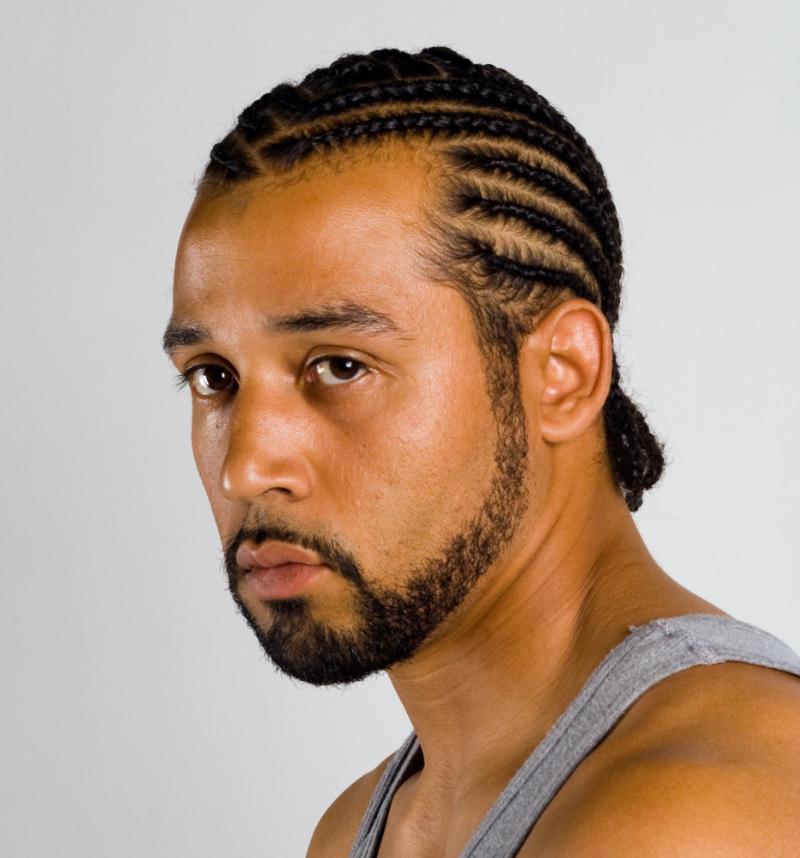
Cornrows are braided flat against the scalp in continuous, raised rows. The braiding technique weaves three strands tightly to the head, creating geometric lines that can run straight back, curve in patterns, or form designs. Each row sits close to the skin, which shows the scalp between the braids and makes the pattern itself the visual feature. Cornrows function as a protective style that can last two to four weeks with proper care.
Best For: All face shapes. Coily and curly hair types. Hair needs at least two to three inches of length.
Styling Time: Minimal once installed. Installation takes one to three hours.
Key Products: Scalp oil to prevent dryness between the braids. A silk or satin sleep wrap to reduce friction and frizz overnight.
Barber Tip: See a braider or stylist who specializes in cornrows. Bring reference images for the pattern you want. Discuss maintenance, including how often to redo them and how to wash your scalp while they are in.
Natural Afro
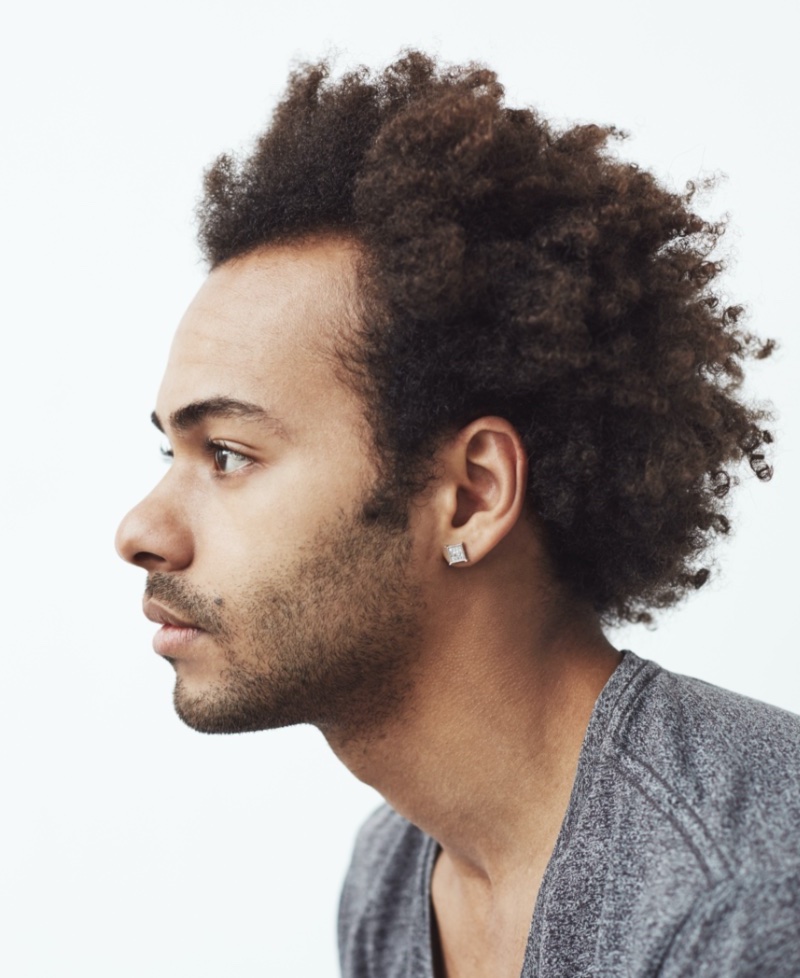
The natural afro lets coily and curly hair grow outward into its rounded, voluminous shape. The silhouette is defined by density and curl pattern, and no two afros look the same. Shaping the afro takes regular picking or combing to distribute the curls evenly, trimming to keep the shape spherical, and deep conditioning to preserve moisture in hair that is naturally prone to dryness. The afro makes a visual statement through scale and proportion, occupying space in a way that few other styles do.
Best For: Round, oval, and heart face shapes. Coily hair (type 4a-4c).
Styling Time: 5 to 10 minutes for shaping and moisturizing.
Key Products: A wide-tooth comb or afro pick for shaping. Leave-in conditioner and a curl-defining cream for moisture and hold. A deep conditioner used weekly.
Barber Tip: Ask for a shape-up and trim to maintain the afro’s spherical silhouette. Discuss how round or tapered you want the shape. Regular trims every six to eight weeks keep the outline clean.
Long Fringe
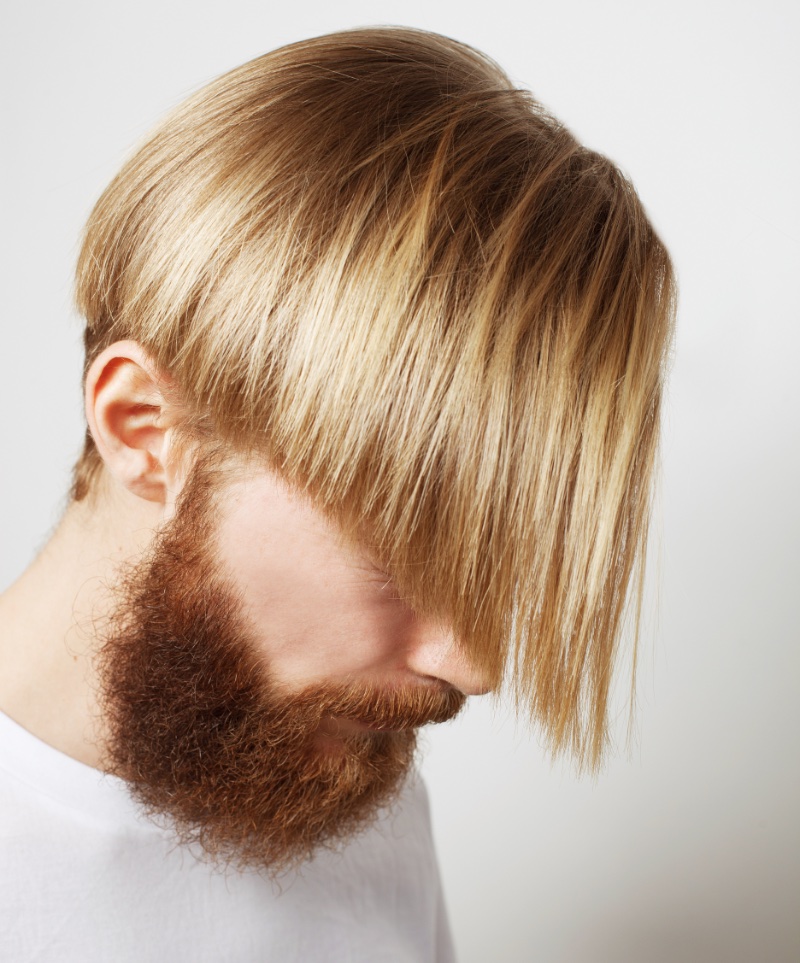
The long fringe grows the front section past the eyebrows, sometimes past the chin, while the back and sides are kept shorter. The fringe drapes over the forehead and falls across or to the side of the face, creating a partially obscured look. It frames the eyes and cheekbones while concealing the forehead, which makes it effective for men with high hairlines or broad foreheads.
Best For: Oval, square, and oblong face shapes. Straight to wavy hair. Fine to medium density.
Styling Time: 3 to 5 minutes.
Key Products: A flat iron or blow dryer to direct the fringe. Light styling cream or serum for smoothness.
Barber Tip: Ask for a long fringe with the front at five to seven inches and the back and sides shorter, either tapered or at a medium length. Specify whether you want the fringe to fall straight or swept to one side.
Modern Samurai Bun / Top Knot
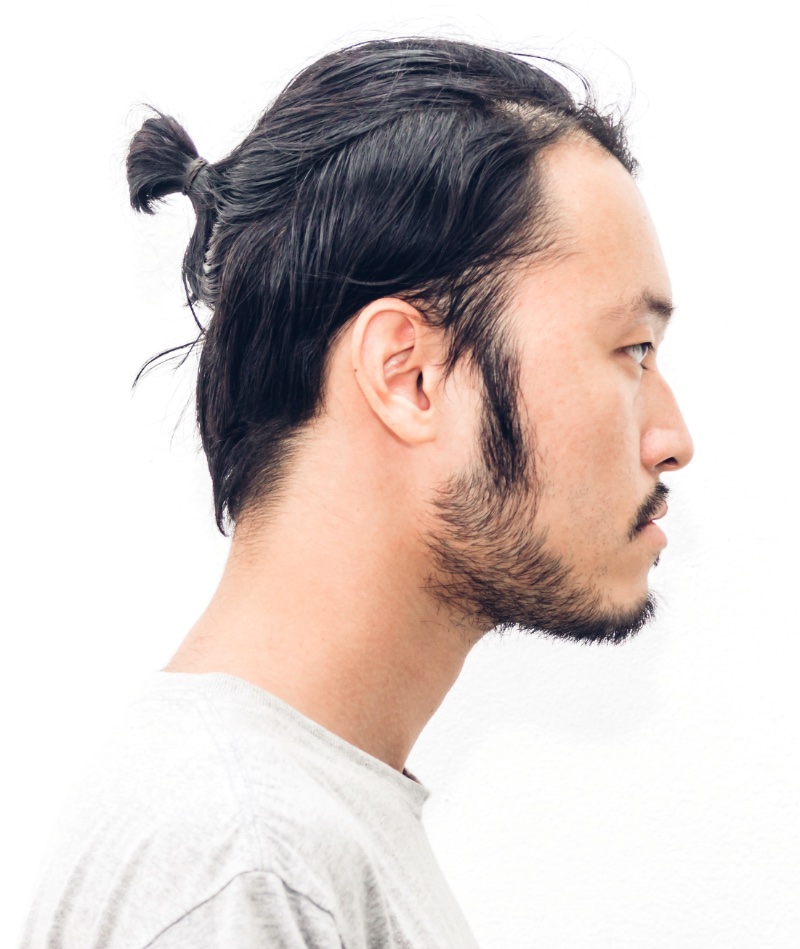
The modern samurai bun places a tight knot at the crown of the head, often paired with shaved or faded sides. The historical reference is the Japanese chonmage worn by samurai, but the modern version is tighter, smaller, and paired with contemporary fade work that the original never included. The high placement and exposed sides create a vertical emphasis that elongates the face and emphasizes the jawline and cheekbones.
Best For: Oval, square, and heart face shapes. Straight to wavy hair. Medium to thick density.
Styling Time: 3 minutes.
Key Products: A strong elastic. Smoothing balm or light pomade to control the pulled-back hair and keep flyaways flat.
Barber Tip: Ask for a high fade or undercut on the sides with the top left long enough to tie into a knot at the crown, typically six to eight inches. Specify the fade level and whether you want a hard or blended transition.
Men’s Hair Trends for 2026
Men’s hair trends for 2026 reflect a shift toward texture over structure and natural movement over sculpted shape. The era of the tight, product-heavy fade is giving way to softer blends, grown-out lengths, and styles that work with the hair’s natural behavior instead of fighting it.
The Grown-Out Buzz
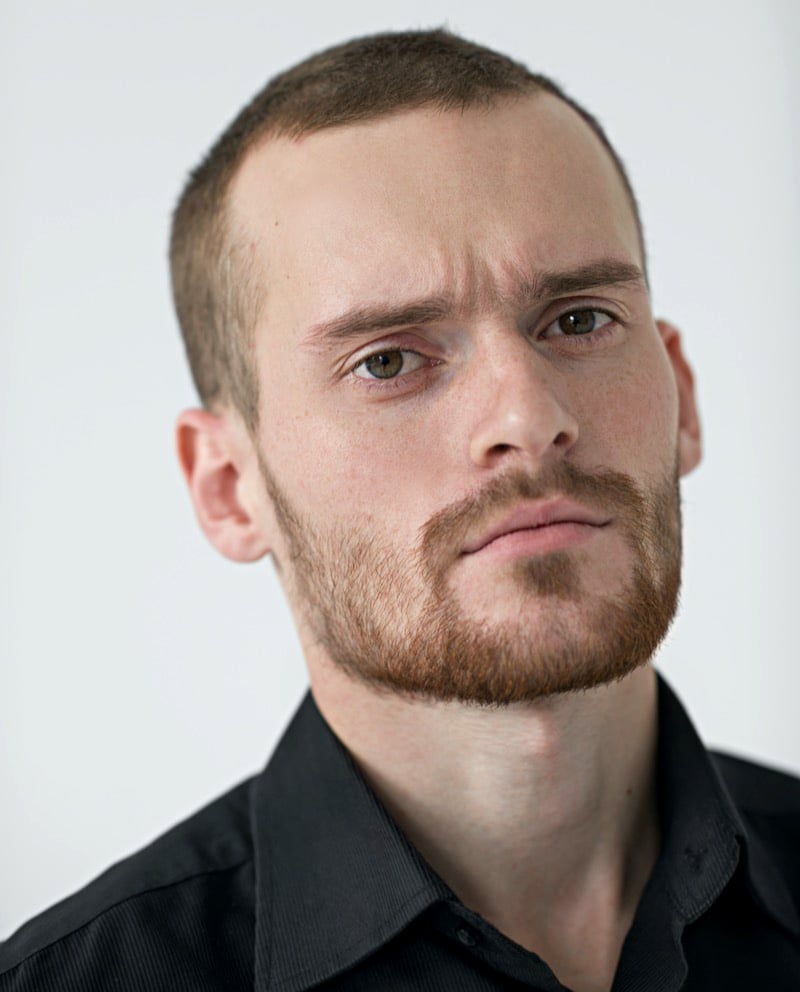
The grown-out buzz takes a standard buzz cut and lets it push past the tidy stage into a slightly shaggy, textured crop. The look sits at about one to two inches all over, long enough to show texture and wave, short enough to need no styling. It gained traction on runways in late 2025 and into 2026, where models appeared with hair that looked like a buzz cut three months after the clippers. The appeal is low effort with visible personality. It works on most hair types because the length is short enough that density and curl pattern both show favorably.
Soft Fade with Texture
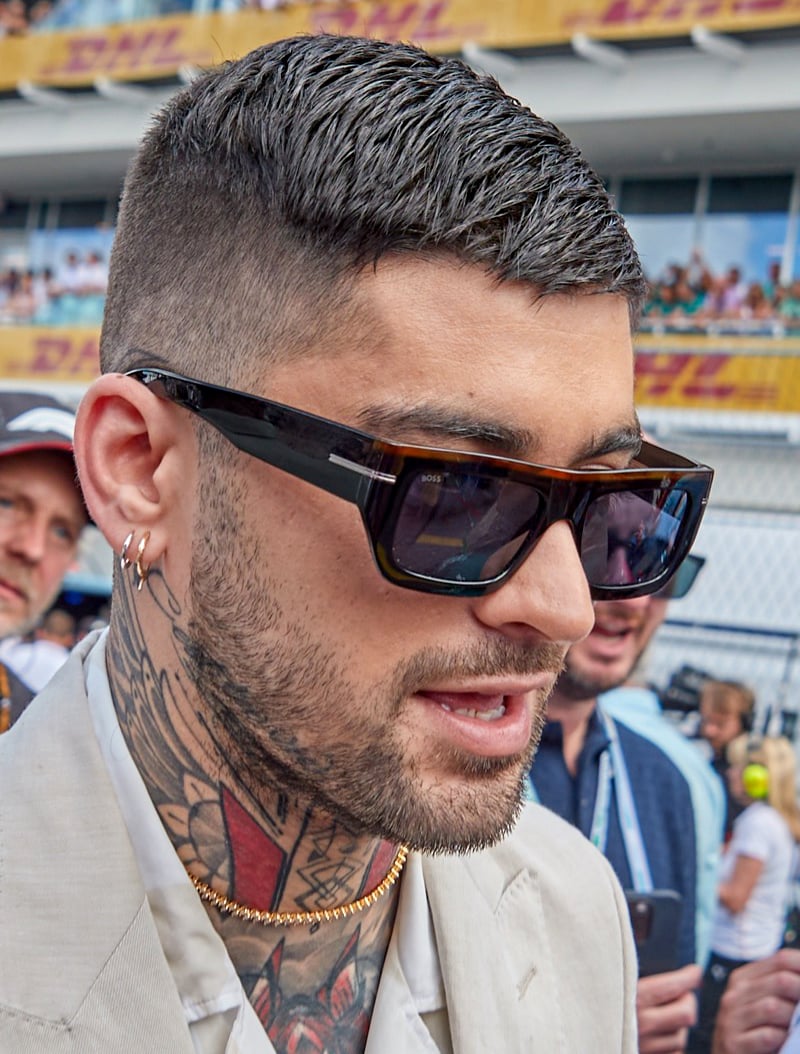
The hard-line fade that dominated the late 2010s and early 2020s is softening. In 2026, the fade blends more gradually, with less contrast between the shortest point and the top. The result looks less geometric and more organic. Barbers are leaving more weight in the sides and using scissor-over-comb techniques instead of clippers for the transition, giving the profile a tapered, softer appearance. This shift suits men who want a clean look on a longer maintenance cycle, skipping the biweekly barber visits that a sharp skin fade demands.
The Return of the Side Part

The side part, dormant for years beneath center parts and pushed-back flows, is back in circulation. The 2026 version trades the pomade-slick finish of its 1950s predecessor for a matte, slightly undone texture. The part itself is natural, the hair on either side falling with movement and looseness. The style’s return aligns with a broader shift back toward tailored, proportional dressing in menswear, where the side part’s clean lines complement structured jackets and collared shirts.
Textured Mid-Length with Fringe
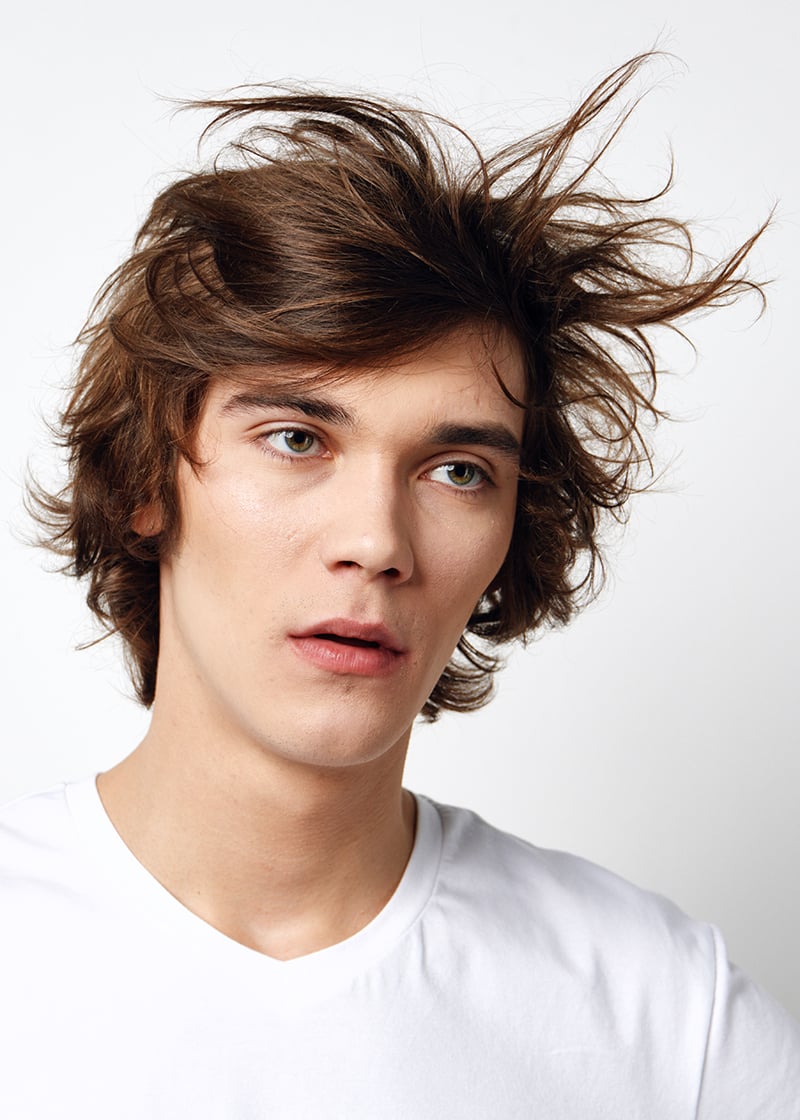
This trend combines four to six inches of layered, textured length on top with a fringe that falls at or past the brow line. It borrows from the shag and the curtain styles but drops the symmetry of a center part, letting the fringe fall naturally to one side or across the forehead. The layering removes bulk and adds movement, and the overall effect is relaxed and slightly art-school. It is one of the more demanding trends to maintain, requiring regular trims to keep the layers from growing out into a shapeless mass.
Protective Styles as Everyday Grooming

Braids, twists, locs, and cornrows have expanded from cultural staples into mainstream men’s grooming conversations. In 2026, protective styles are showing up in fashion campaigns, on red carpets, and in barbershop menus alongside fades and tapers. The shift is partly visibility and partly practicality. Protective styles reduce daily manipulation, promote hair health, and offer a range of pattern and texture options that clipped styles have never provided.
The Low-Maintenance Philosophy
Across all lengths and textures, the prevailing mood in 2026 men’s hair favors fewer products, fewer tools, and faster mornings. The styles gaining ground are the ones that look good on day two and day three between washes, that hold their shape after a nap, and that perform with air-drying alone. The trend is a collective shift in expectations. A haircut now needs to work on its own, which puts more pressure on the cut and the barber’s technique than on the medicine cabinet.
Styling Products & Tools
Choosing the right product depends on the finish you want, the hold you need, and your hair type. Here is what each category does and when to use it.
Pomade provides medium to high hold with a range of finishes from high shine to matte. Oil-based pomade gives a wet, classic look and stays pliable throughout the day but requires a strong shampoo to remove. Water-based pomade washes out easily and reactivates with water. Use pomade for slick-back styles, side parts, and comb overs.
Wax delivers medium hold with a natural to low-shine finish. It is thicker than pomade and works best for adding definition to individual sections of hair. Use it for textured styles where you want to separate and shape specific pieces.
Clay offers strong hold with a matte finish and adds volume and texture. It works well for short to medium styles that need structure and a dry, natural look. Apply it to towel-dried or dry hair. Clay is the go-to product for textured crops, quiffs, and any style where you want grip and movement.
Paste sits between pomade and clay in both hold and finish, offering medium hold with a low-shine, natural appearance. It is flexible and reworkable throughout the day. Use paste for messy, undone styles and medium-length cuts that need shape and direction.
Gel provides strong hold with a wet, high-shine finish. It sets hard once dry, which means it holds shape all day but loses flexibility after application. Use gel for slicked-back styles, faux hawks, and any cut where firm hold matters more than flexibility.
Mousse is a lightweight foam that adds volume and body to fine or thin hair. It provides light hold and is best applied to damp hair before blow-drying. Use mousse as a base layer for volume in bro flows, curtains, and medium-length styles that need lift.
Sea salt spray adds texture and a beachy, matte finish by roughening the hair’s surface. It works on all hair types and lengths and provides light hold. Spray it into damp hair and let it air-dry for a natural, tousled look.
Heat protectant is a necessity for anyone using a blow dryer, flat iron, or curling iron regularly. It coats the hair strand and reduces moisture loss and heat damage. Spray it into damp hair before using any heated tool.
Finding the Right Cut
The range of mens haircuts in 2026 runs from a two-minute buzz cut to a year-long commitment to locs. Between those extremes sit dozens of shapes, textures, and maintenance levels, and the right one hinges on your face, your hair, and how many minutes you will give it each morning.
Bring a reference photo to your next barber visit. Talk through what you want and what you are willing to maintain. Ask questions. A good barber will adjust the cut to your specific head shape and growth patterns, and the conversation is where the best results start.
For deeper guides on individual styles, browse our coverage of the quiff, the modern mullet, braids, the buzz cut, and more across The Fashionisto.