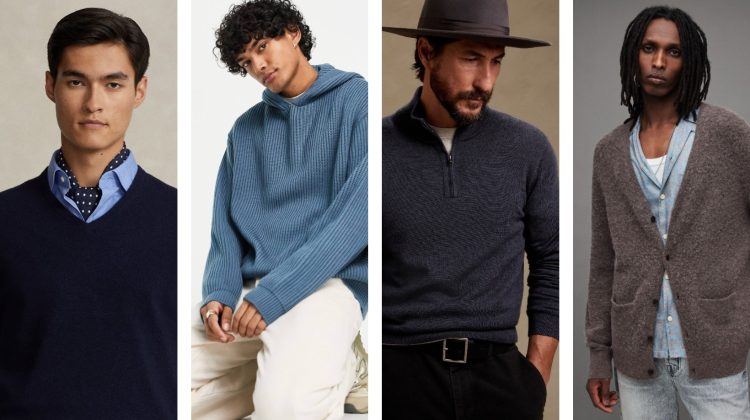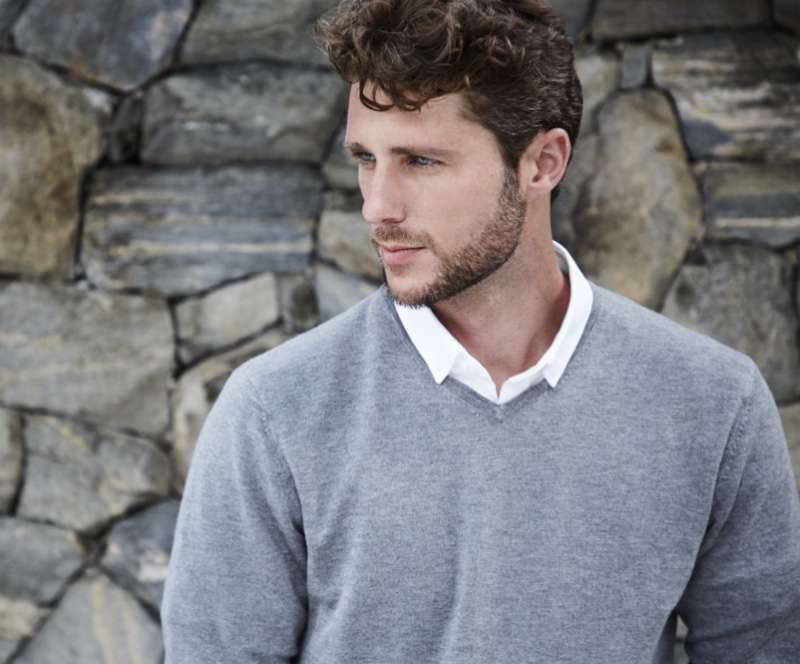
Two sweaters can share a fiber label and feel like entirely different purchases. One holds its shape through a winter of regular wear; another stretches at the elbows before the weather turns. Sweater materials explain part of that difference, but the yarn and knit construction matter too. Knowing what wool, cashmere, cotton, and their alternatives offer makes the label useful instead of letting it make the decision for you.
Understanding Sweater Materials
The fiber is the raw material. Fibers become yarn, which is knitted into the finished fabric. Change how that yarn is spun or how tightly it is knitted, and the result changes, even when the composition stays the same.
A fine-gauge sweater generally has smaller stitches and a smoother surface, making it easier to wear under tailoring. Chunkier knits create more visible texture and take up more room beneath a coat. Neither description guarantees warmth. An airy, loosely knitted sweater can let cold air through despite its bulky appearance. These differences also shape how various types of sweaters, from crewnecks to cardigans, feel and fit into an outfit.
Natural Animal Fibers
Wool
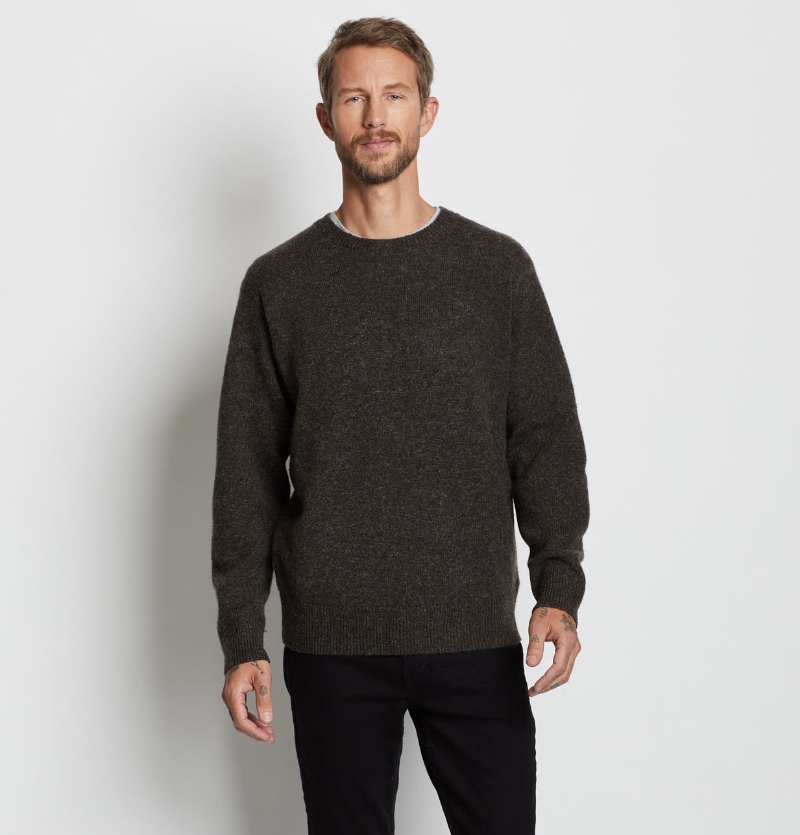
Wool comes from sheep and offers a useful combination of insulation and elasticity. Its natural crimp helps trap insulating air, while its ability to absorb moisture vapor contributes to comfort as conditions change.
The word “wool” covers a wide range of textures. A rugged Shetland-style crewneck and a smooth sweater intended for office wear can both have an all-wool label. Breed, fiber fineness, and processing help explain the difference. Choose textured wool when the sweater is meant to be part of the outfit’s character. Under a close-fitting jacket, a smoother, lighter knit is easier to accommodate.
Merino Wool
Merino is wool from Merino sheep. Fine merino fibers can feel comfortable against the skin, making the material useful for lightweight crewnecks and rollnecks. It is a practical starting point for a sweater worn between the commute and the office. A fine-gauge merino knit sits comfortably beneath a sport coat, while heavier versions offer more insulation. Sensitive skin can still react, so “merino” should not be treated as an itch-free guarantee.
Lambswool
Lambswool comes from a young sheep’s first shearing. It often has a soft, springy feel, though the name alone does not establish its fineness or make it softer than every adult sheep’s wool. In menswear, lambswool frequently appears in softly textured crewnecks and cardigans. It suits an oxford shirt or corduroy trousers, particularly when a smooth dress knit would feel too formal.
Cashmere
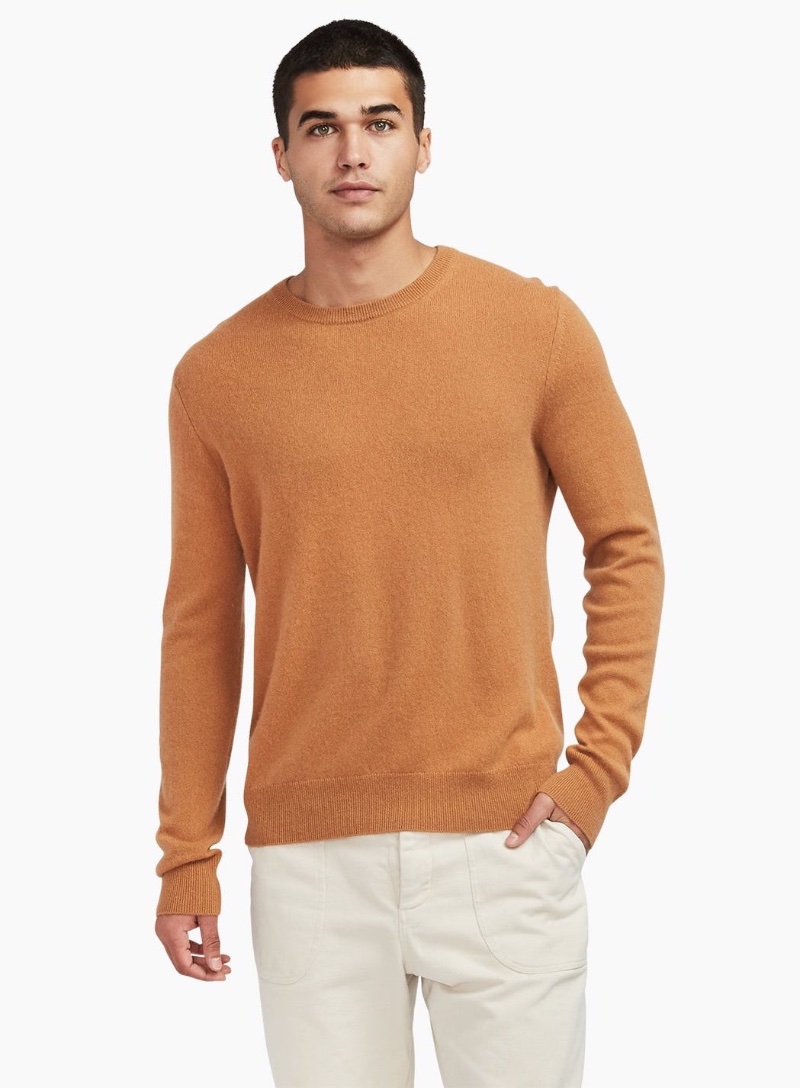
Cashmere comes from the fine undercoat of cashmere goats. Its appeal is softness and warmth at a relatively low weight, qualities that make a simple crewneck feel luxurious.
Quality varies. Fiber length, spinning, and knit density influence how a cashmere sweater wears. An exceptionally soft first touch is appealing, but it does not establish longevity. Examine the knit for evenness and check whether the cuffs recover after gentle stretching. Cashmere can pill, including in expensive sweaters. Some early pilling is compatible with good quality; persistent thinning or loss of shape deserves more attention.
Alpaca
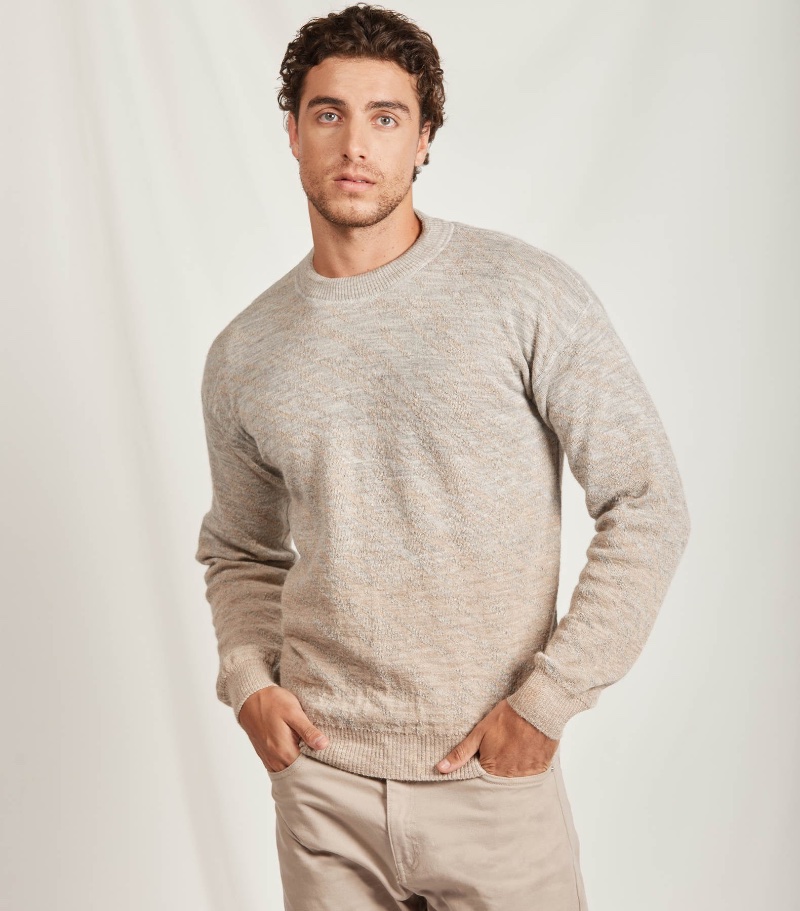
Alpaca fiber comes from the fleece of alpacas. Depending on the yarn and finish, it can create a smooth, softly lustrous knit or a brushed sweater with a pronounced halo.
“Baby alpaca” describes a fineness category, not necessarily fiber from a baby animal. It is also not the finest possible alpaca classification. The label offers a clue to softness, but the finished sweater remains the better test. Alpaca is useful when texture is central to the outfit. A brushed cardigan can give plain trousers more character, though its surface may irritate sensitive skin.
Mohair
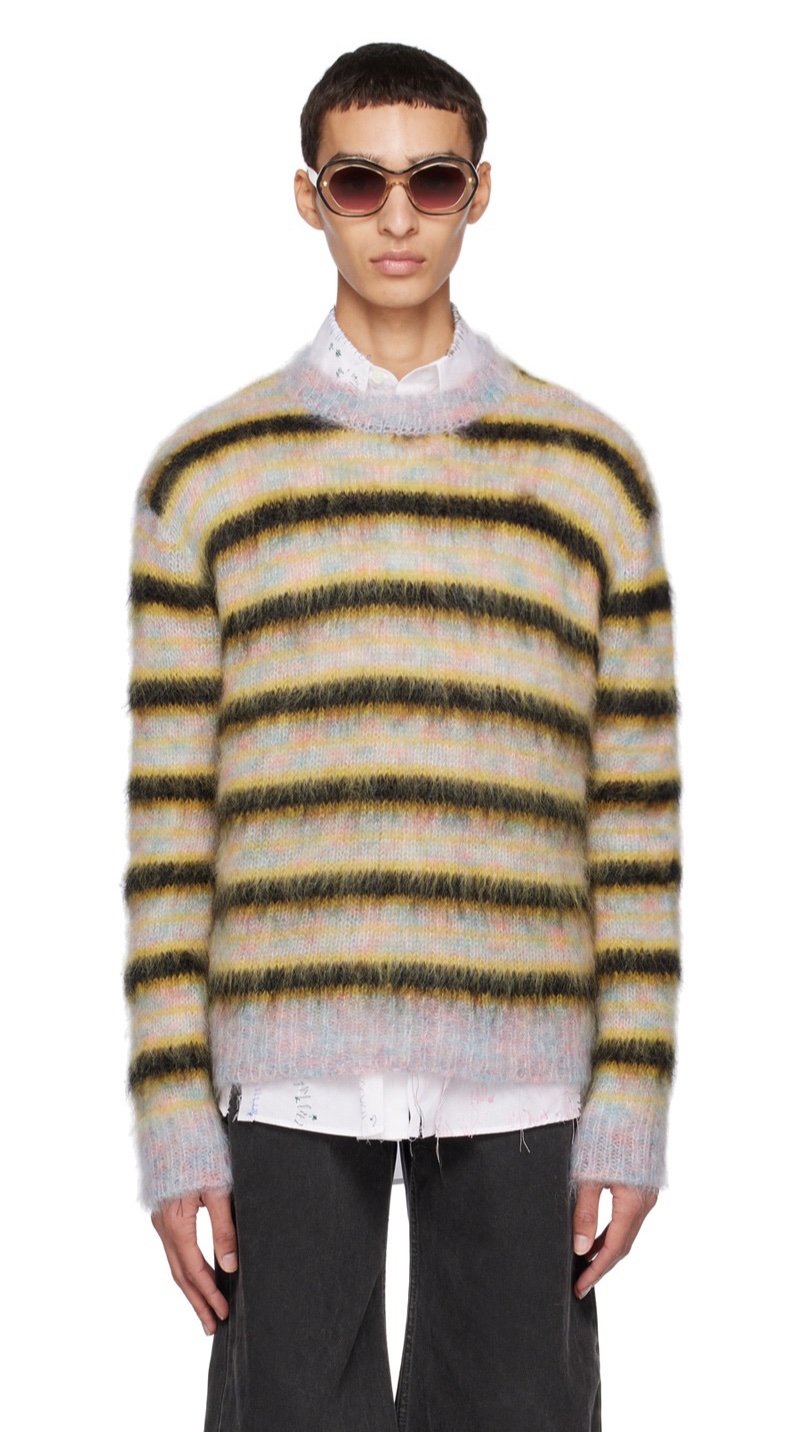
Mohair comes from Angora goats. Angora fiber, despite the similar name, comes from rabbits. Mohair’s luster and fuzzy surface give knitwear a recognizable character. It is often blended with other fibers, so check the full composition before judging the sweater by its mohair content.
A striped mohair cardigan can become the focal point of an otherwise simple outfit. For anyone sensitive to prickly fibers, trying it over the intended base layer is especially useful.
Silk
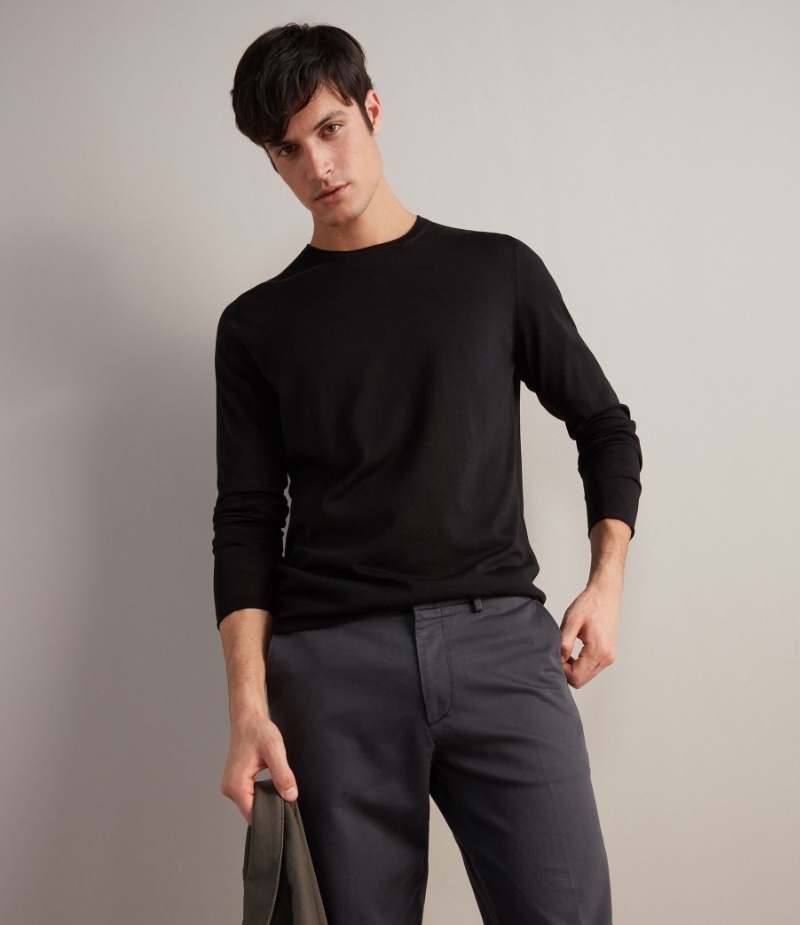
Silk can give knitwear a smooth surface and fluid drape. It appears in pure silk sweaters as well as blends with cotton, wool, or cashmere. Its role depends on the other fibers. A cotton-silk knit may suit a mild evening; a wool-silk sweater can work in colder weather. Silk content alone does not tell you how warm the garment will be.
Plant-Based Sweater Materials
Cotton
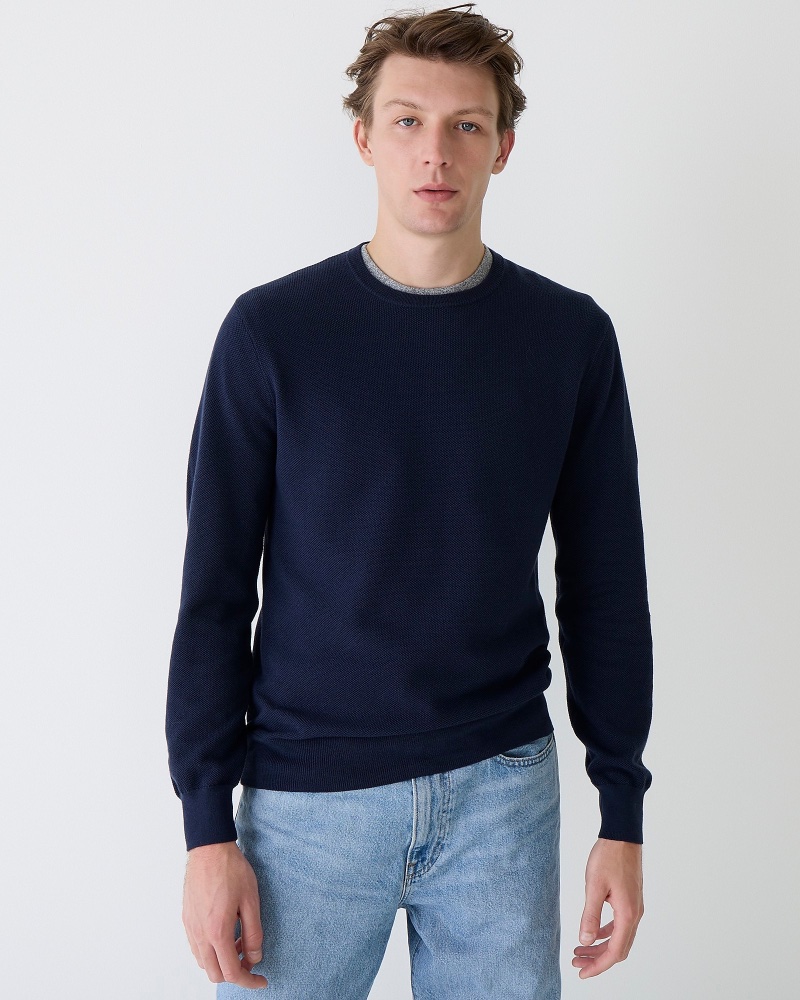
Cotton sweaters offer an alternative for men who dislike the feel of animal fibers. They work well as casual layers, especially in transitional weather.
Weight makes a difference. A fine cotton crewneck can slip under a jacket, while a heavy cable knit may feel bulky. Cotton also absorbs moisture, making a damp sweater less appealing when temperatures fall. Check the care label even when the composition is entirely cotton. Washability depends on the finished garment, and wet knitwear can stretch under its own weight.
Linen
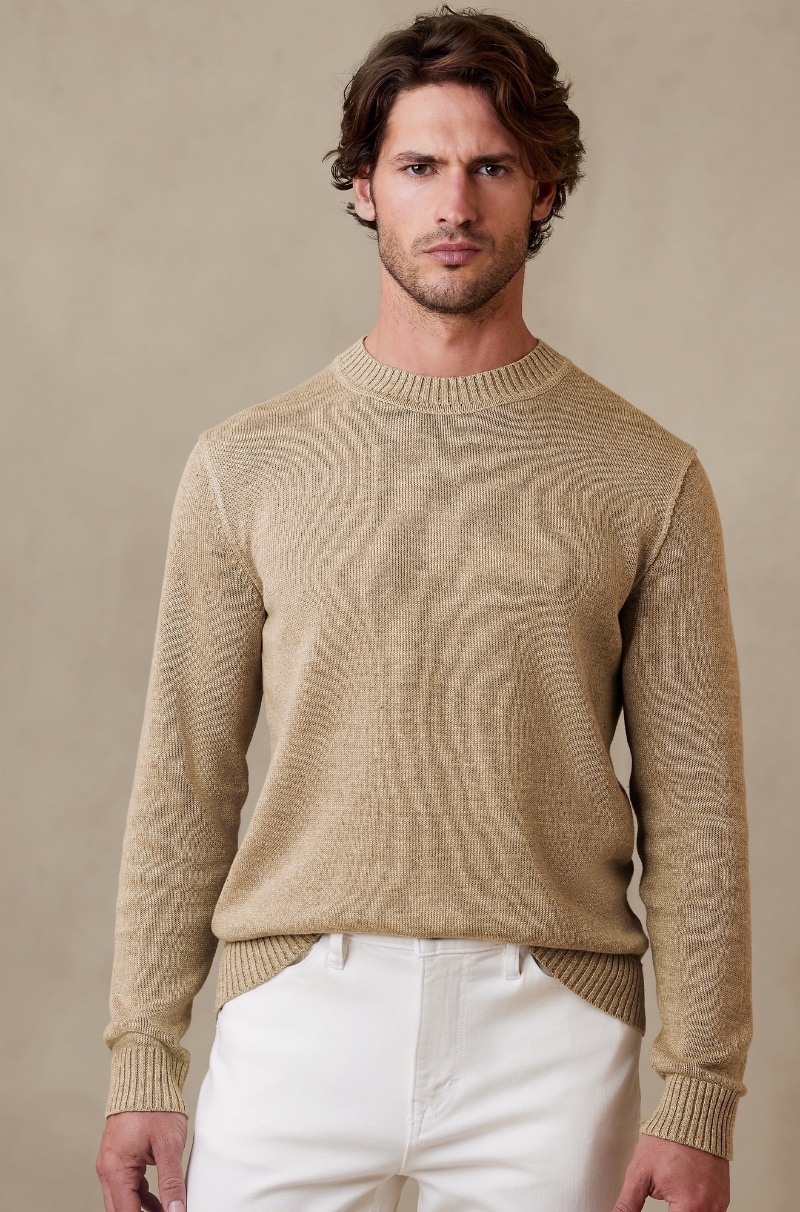
Linen comes from flax. In sweaters, it often produces a dry feel and visible texture suited to warm-weather dressing. An open linen knit allows air through, though that effect comes from construction as well as fiber. Cotton-linen blends can offer a softer alternative.
Wear linen knitwear with relaxed trousers or shorts when a T-shirt feels too casual. Check the transparency before deciding whether it needs a layer underneath.
Synthetic & Regenerated Fibers
Acrylic
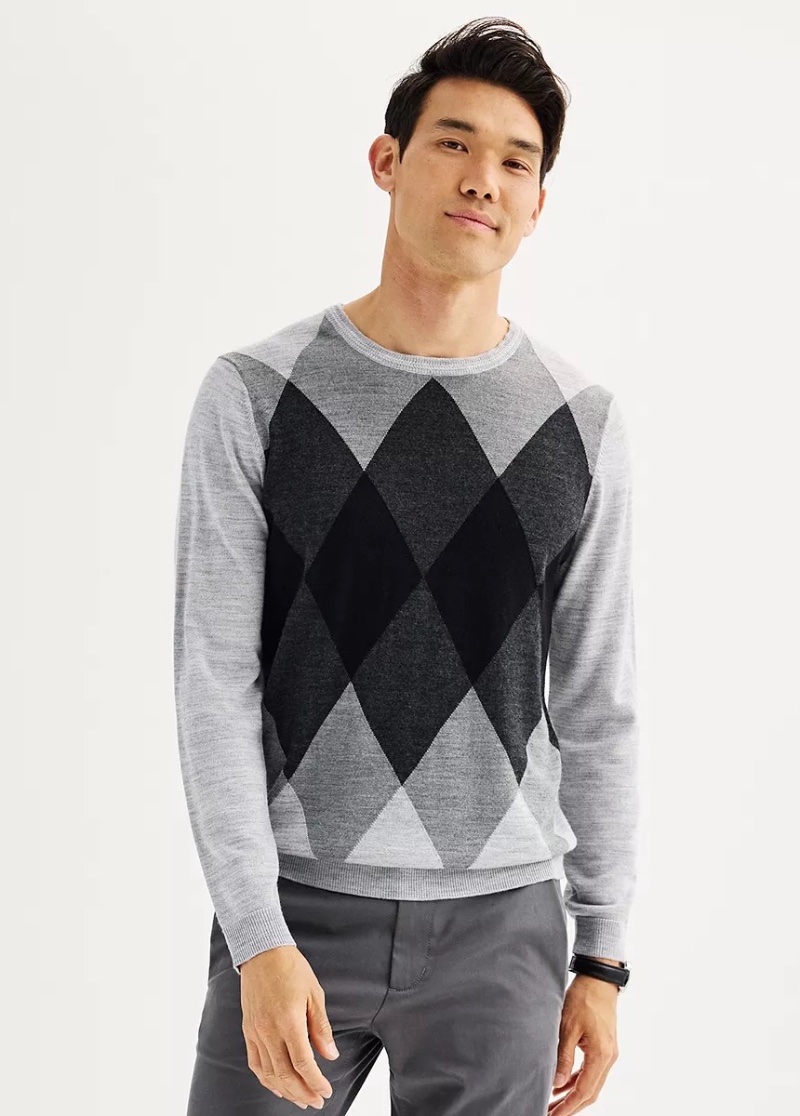
Acrylic is a synthetic fiber commonly used to create wool-like knitwear at a lower price. It can produce lightweight sweaters with a soft, lofty feel. Its performance varies with the yarn and construction. Pilling and static can be drawbacks, but price or acrylic content alone cannot predict the life of a particular sweater. Judge the fabric and finishing alongside the label.
Polyester & Nylon
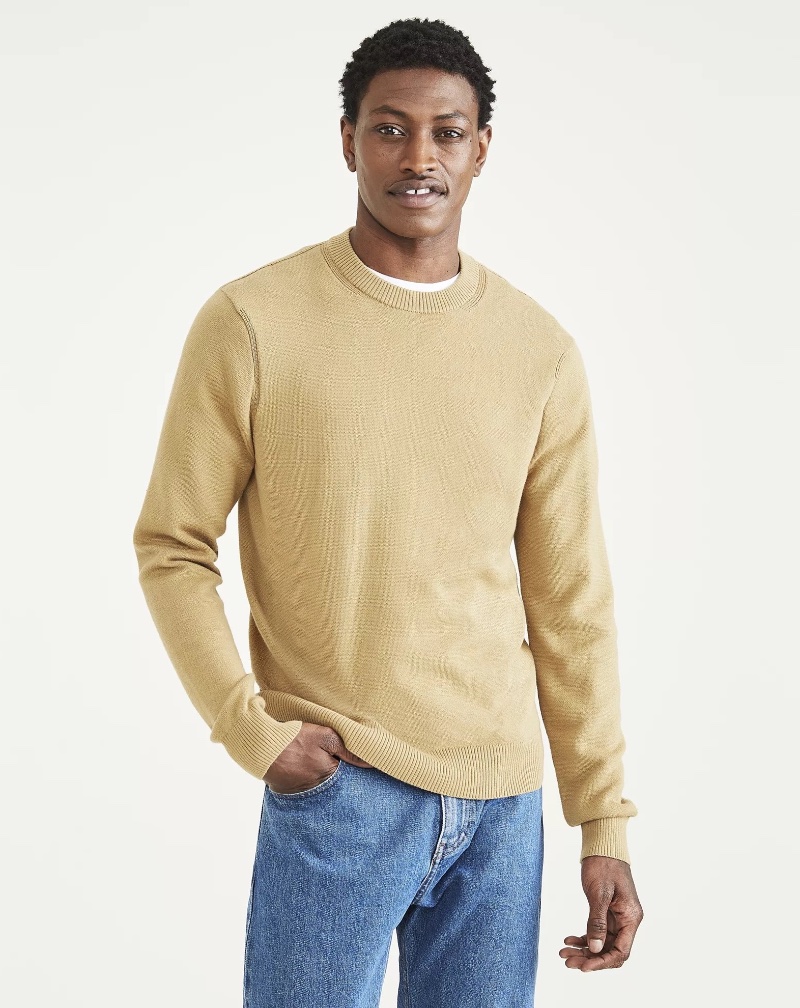
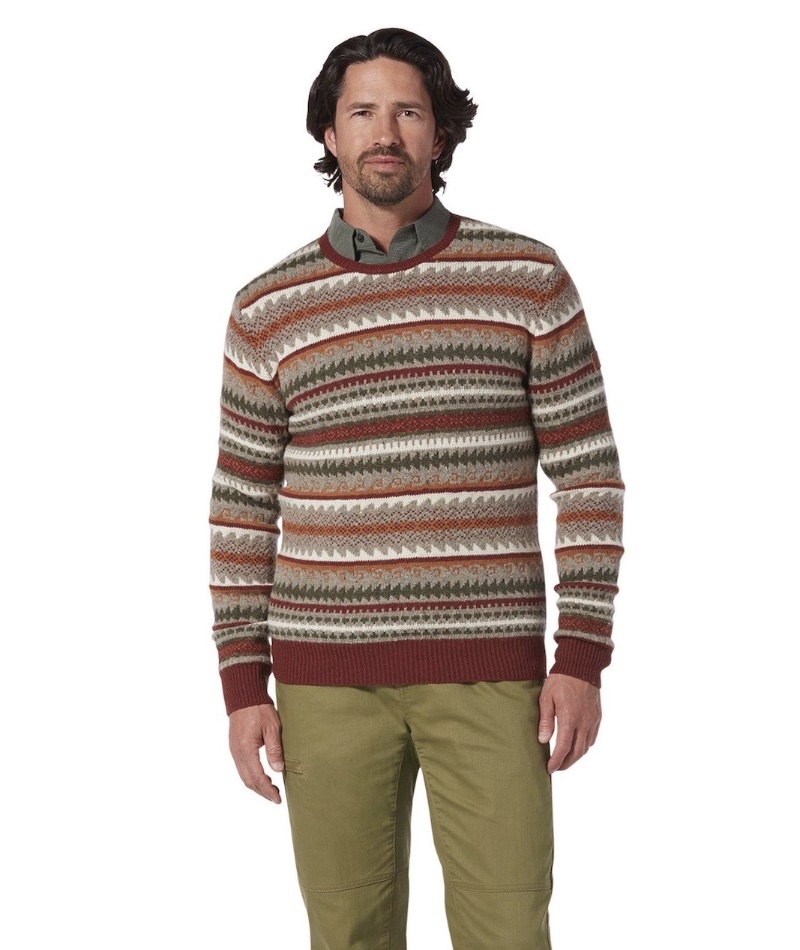
Polyester and nylon often appear as supporting fibers in blends. They can contribute strength or help achieve a particular texture, including the structure needed for brushed yarns.
A synthetic percentage is not automatically evidence of poor quality. Ask what the blend achieves. A wool-rich sweater reinforced with nylon is a different proposition from a predominantly synthetic knit containing a small amount of wool. Care requirements still depend on the whole garment. Adding polyester does not automatically make a wool sweater machine-washable.
Rayon, Viscose, & Bamboo-Derived Fibers
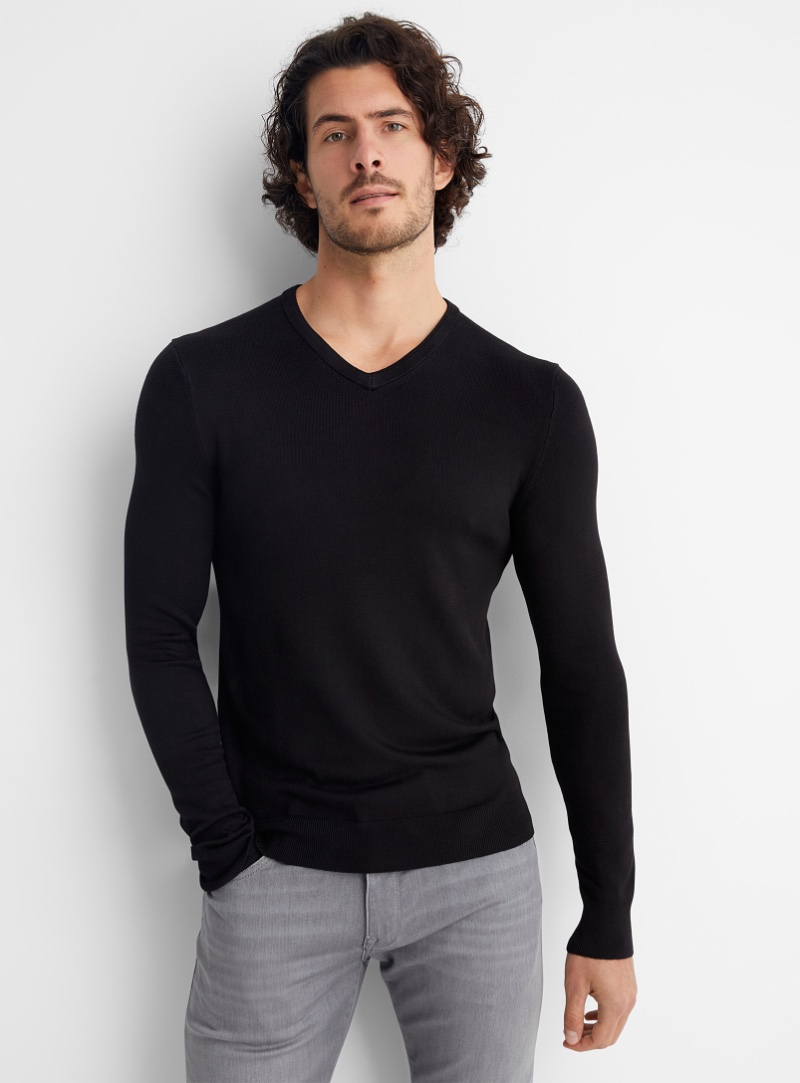
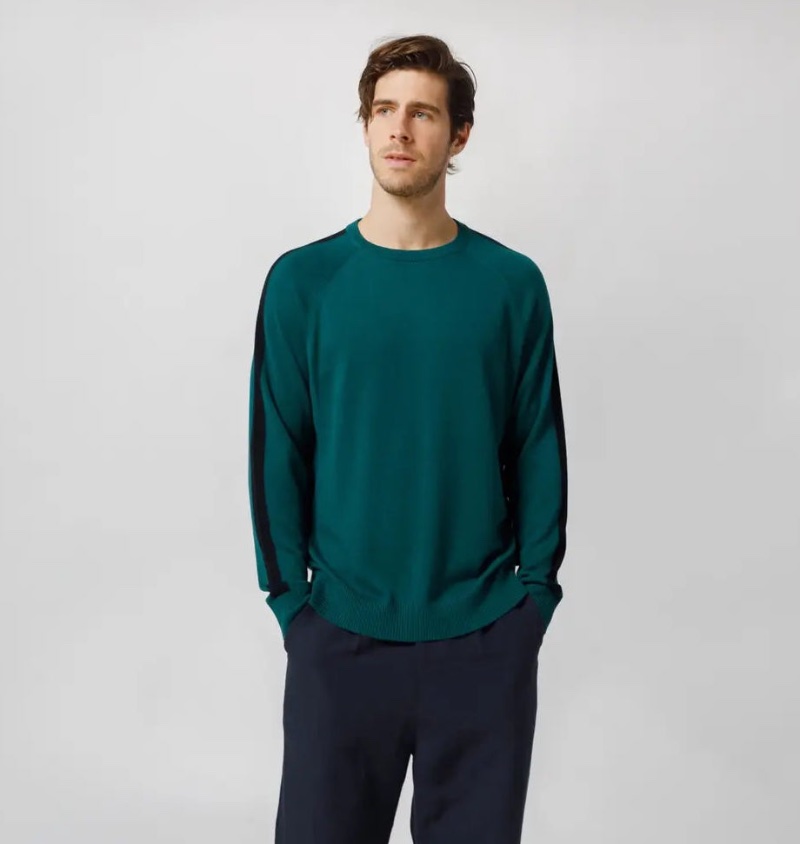
Rayon is made by regenerating cellulose into fiber; viscose is a common type. These fibers often give knitwear a soft feel and flowing drape.
Most clothing marketed as bamboo fabric is made from regenerated cellulose, not mechanically processed bamboo fiber. The useful information is the actual fiber name, such as viscose made from bamboo. The plant source alone does not establish environmental benefits. These sweaters can suit lighter, draped silhouettes. Follow the care instructions closely, since washing can affect their dimensions and shape.
Choosing the Right Sweater Material
Start with how the sweater needs to fit into your day. For layering beneath tailoring, look at fine-gauge merino or a smooth cashmere knit. For a casual sweater worn over a shirt, textured wool and lambswool offer more visual weight. Cotton and linen deserve attention for milder conditions.
Then inspect the garment itself. Look for even stitches and secure seams. Gently stretch a cuff to see how it recovers, and hold the body up to the light to assess how open the knit is. Transparency may be intentional, but it helps explain why a sweater feels lighter than expected.
Read blend percentages in context. A small amount of cashmere does not make a mostly cotton sweater behave like pure cashmere, and a touch of wool does not establish winter warmth.
Caring for Sweaters

The garment’s care label takes priority over advice based only on fiber content. Some wool sweaters permit machine washing; others require hand washing or dry cleaning. Treat those instructions as specific to the sweater.
When washing is permitted, use the recommended temperature and an appropriate detergent. Support wet knitwear when lifting it, and reshape it for drying as directed. Fold sweaters for storage to reduce stretching at the shoulders.
Pilling develops when loose fibers tangle through friction. Fiber length and yarn twist influence it, along with construction and wear. Remove pills carefully with a suitable comb or fabric shaver, following the tool’s instructions.
The best sweater material is the one that suits its job. A winter layer and a lightweight office crewneck have different demands. Once the fiber label is read alongside the knit and care instructions, choosing between them becomes much easier.