
Buying an engagement ring can turn you into an unlikely jewelry enthusiast. Suddenly, you have opinions about platinum, diamond cuts, and the correct number of prongs. Then the engagement ends, and you’re left with an expensive little box and a question the jeweler never covered.
You can put it away for a while. You can also decide you’d prefer the money. Once ownership is settled and you’re ready to sell, start with the paperwork. It’s probably the least emotional part of the process.
Find the Paperwork First
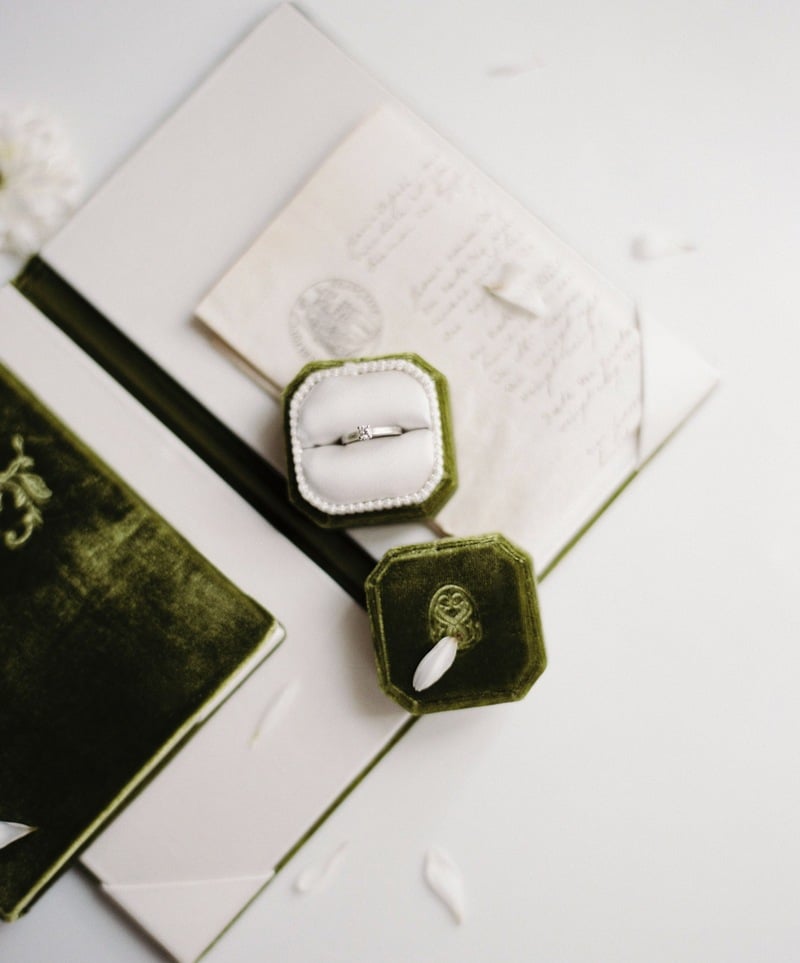
Gather the receipt, original box, and any appraisal. The diamond grading report, often called a certificate, is especially useful because it records the stone’s characteristics. Include original documentation from the jewelry house, if applicable, and photograph everything before approaching buyers.
The center diamond may be the buyer’s main interest, even when you’re offering the complete ring. When you sell engagement ring diamonds, a grading report helps establish exactly what the buyer is assessing, from carat weight to clarity. Ask how those details inform the price and whether the first quote is an estimate or a firm offer.
Understand the Numbers
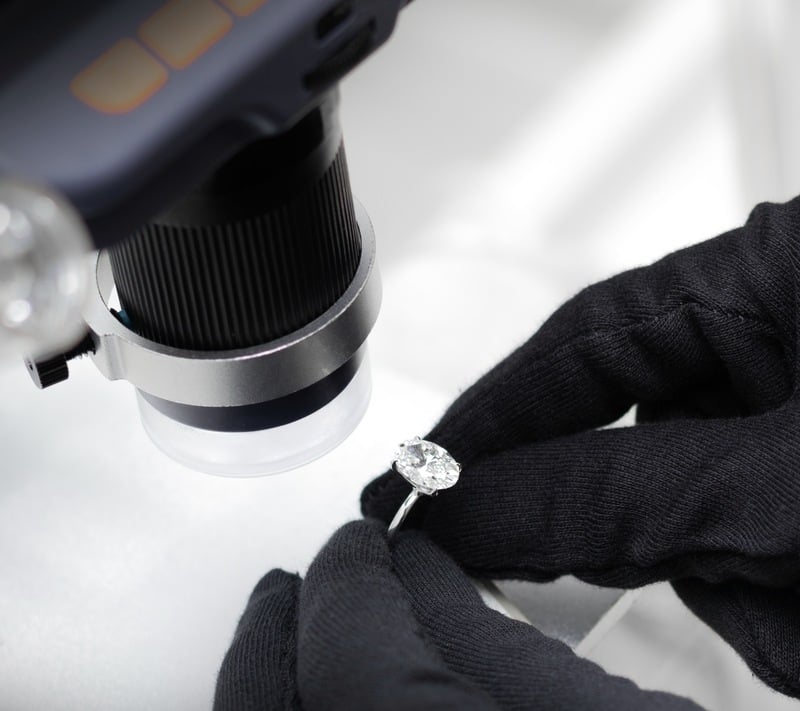
An insurance appraisal can produce a brief moment of optimism. Before planning how to spend the money, check what the figure means. Replacement value concerns buying equivalent jewelry. A resale offer reflects what someone will pay for yours now.
The Gemological Institute of America distinguishes diamond grading from appraisal. A laboratory report documents quality characteristics; it doesn’t set a selling price. GIA also explains how to check report details against its database.
Keep the appraisal for its identifying information and compare current offers. The certificate gives buyers documented details to assess, but any promise of an automatic percentage increase deserves scrutiny.
Describe the Whole Ring
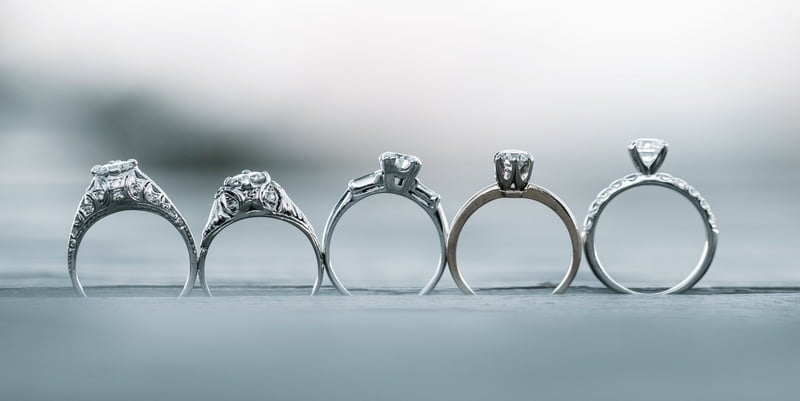
You probably spent time choosing the engagement ring setting, and its details still matter. Include the metal, smaller stones, and any maker’s marks when describing the piece.
Take clear photographs from several angles and mention known repairs or alterations. Ask whether each offer covers the complete ring or primarily reflects the center diamond. It’s a straightforward question, and the answer should be equally clear.
Can’t Find the Certificate?
Check old emails and contact the original jeweler before paying for fresh grading. They may retain the report number or other purchase records. An old appraisal can also help identify the stone, even if its dollar figure has little relevance to the sale.
Ask buyers how they evaluate mounted diamonds with missing paperwork. If you’re considering a new GIA grading report, factor in the extra work. The diamond must be unmounted, so a jeweler will need to remove it from its setting.
Confirm the grading fee, removal and resetting costs, and insurance arrangements before proceeding. A new report should serve a practical purpose, especially when you already have enough wedding-related expenses to think about.
Compare More Than the Quote
Send the same photographs and documents to several buyers so you’re comparing offers based on the same information. If a quote changes after inspection, ask why.
Check fees, shipping insurance, and payment timing. Also establish what happens if you decline the final offer, including return costs and insurance during transit. The number you care about is the amount you’ll actually receive.
Keep the written terms until the sale is complete, and take the time you need to review them. Wanting the ring out of the drawer is understandable. You can still give the offer a proper read.
Decide on Your Own Timetable
Selling the ring can be a practical task after a breakup. It can also wait until you feel ready to deal with it. You owe nobody a performance of moving on.
When the time comes, gather the records and compare your options. You spent enough time choosing the ring. You’re allowed some time to decide what happens next.