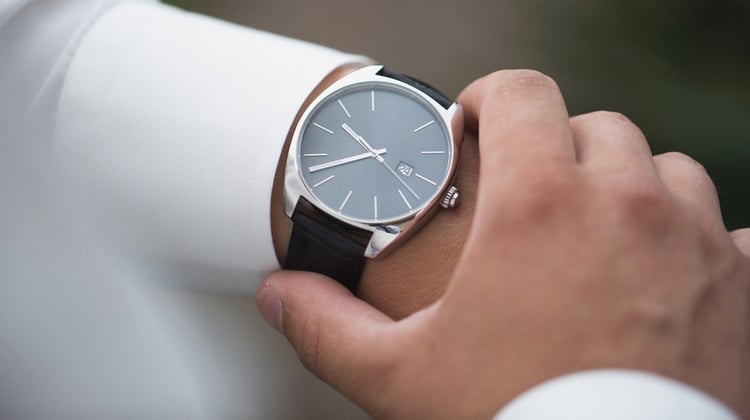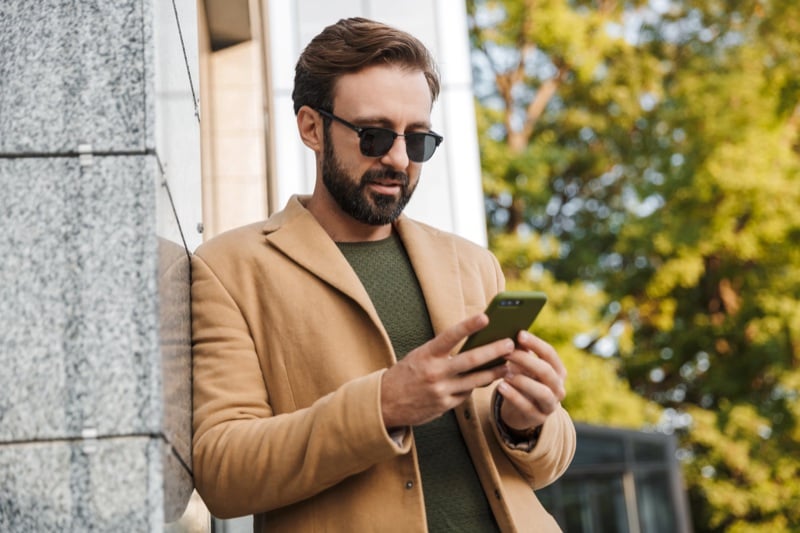
Accessories do two things at once. They serve a functional purpose, and they communicate something about the person who owns them. A watch tells time and signals taste. A bag holds belongings and projects an aesthetic.
The objects people keep close, use daily, and expose in photographs and on surfaces add up to a picture of personal style beyond anything anyone plans.
The phone case fits that pattern, and the fashion world has been slower to recognize it than the people making and buying cases. The market has understood for several years that the phone case occupies a position in the ecosystem of personal objects that no other accessory matches.
It’s visible constantly, changed more often than most other accessories, and present in nearly every photograph taken from a certain distance. That combination of visibility and flexibility makes it one of the more interesting objects in personal styling, whether or not anyone discusses it in those terms.
The category has expanded to reflect that reality. iPhone cases now span a range of aesthetic territory that covers more ground than many established accessory categories, including minimalist finishes for those who want the case to disappear and artist-collaborative limited editions that function more like collectibles than protective equipment.
The Visibility Logic
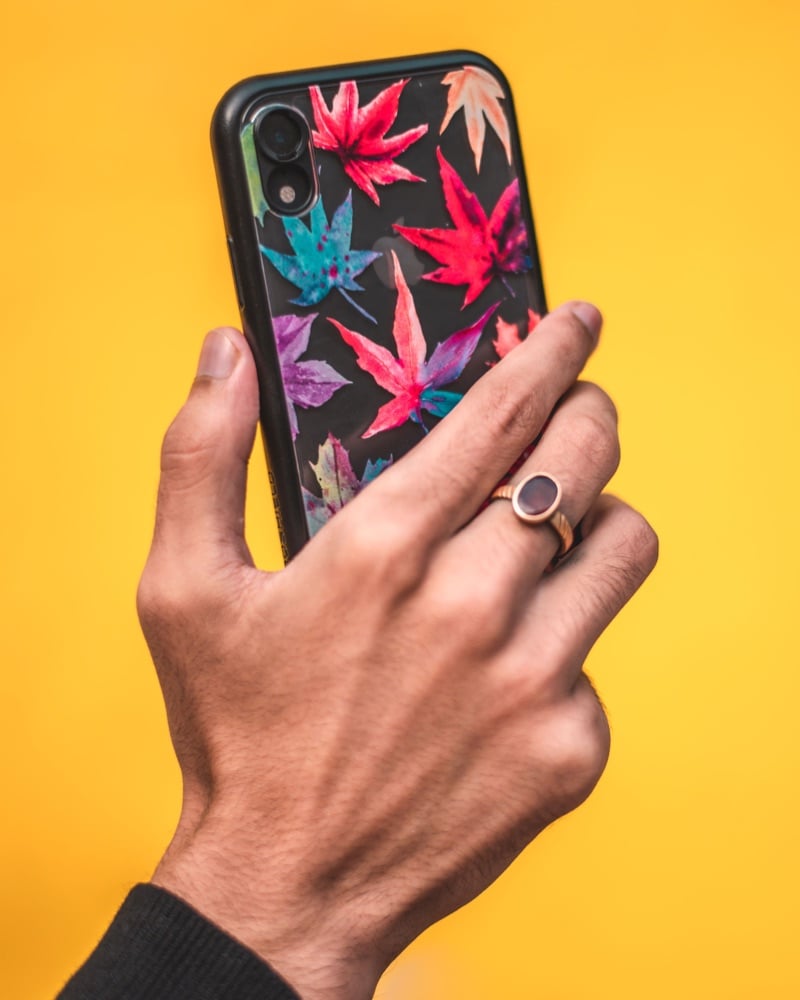
Part of what’s driven the case’s emergence as a style object is mathematical. The phone comes out of a pocket or bag dozens of times a day. It sits on tables during meetings and meals.
It appears in the background of photographs taken by other people. It’s visible in contexts where a person has no plan to make a style statement but makes one anyway, because the case is right there.
That involuntary visibility is different from other accessories, which can be chosen for specific occasions and removed when they don’t fit. The case is always present, which means it’s always communicating something about taste, about priorities, about which artist collaboration someone recognizes, and about which aesthetic direction they find compelling.
The way people think about case selection has shifted accordingly. Buying a case for protection remains a motivation, but it’s now joined by the question of what the case says about the person who owns it, the same way that question applies to any other visible personal object.
The Artist Collaboration Effect
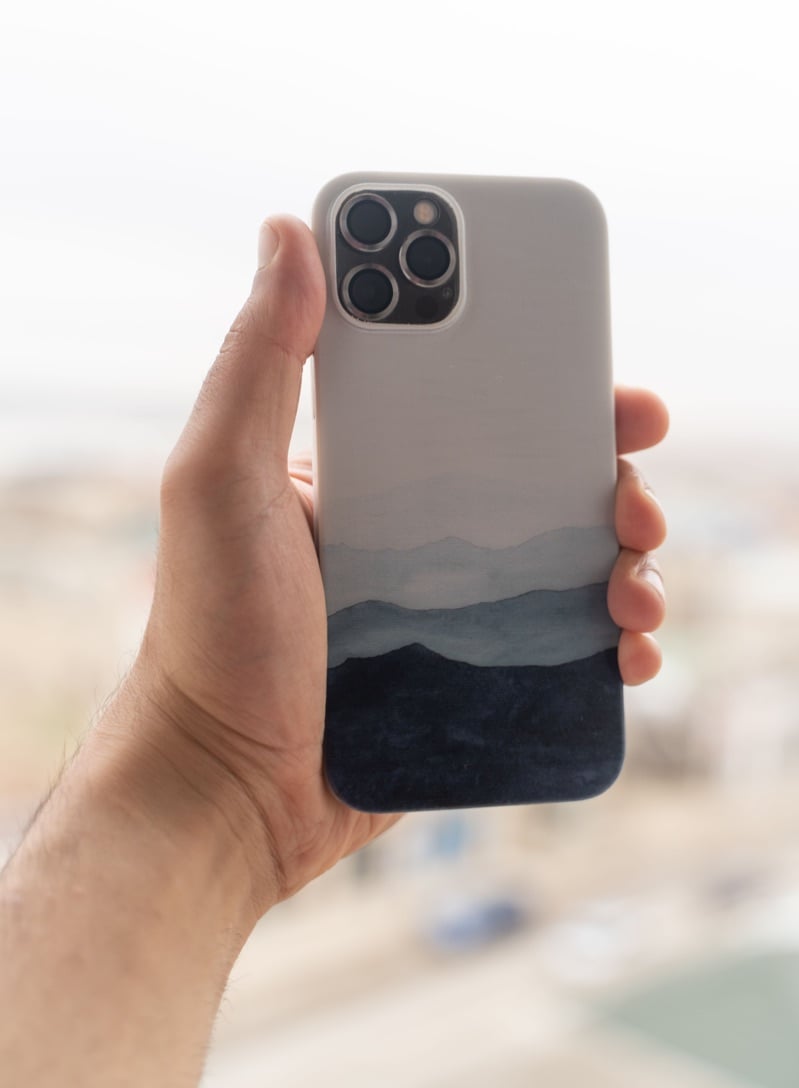
Nothing changed the aesthetic stakes of the phone case category more than the emergence of genuine artist collaborations. Case brands started working with artists whose visual languages were developed and specific, instead of licensing generic imagery or producing in-house designs with no distinct authorship. The objects they produced held provenance, a quality manufactured accessories typically lack.
A case that represents a specific artist’s practice, produced in a limited run and drawing secondary market interest from collectors, functions as a piece of visual culture that happens to also protect a phone. That’s a different category of object, even if it looks similar from across a room.
The collector dynamic that’s developed around certain case releases resembles the dynamics that defined sneaker culture before streetwear absorbed those mechanics into the broader fashion conversation.
Sold-out drops, secondary market pricing, and communities forming around specific artists or aesthetic directions show up in both categories. Cases sit below that cultural weight so far, but the mechanics are recognizable.
Frequency of Change as a Styling Tool
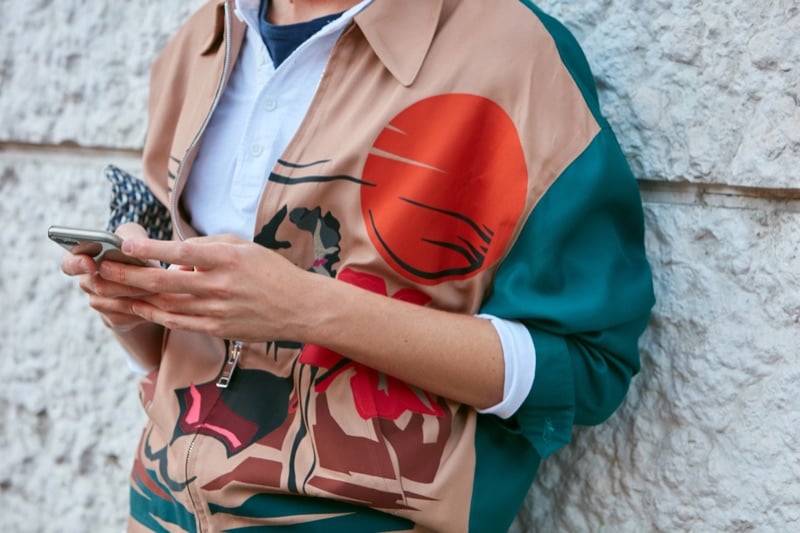
Unlike most fashion accessories, cases can be changed daily, seasonally, or by mood at a fraction of the cost of the phone itself. That frequency of change makes the case function differently than a bag or a piece of jewelry. It operates as a variable element of personal style, shifting the tone of a look in ways that more permanent accessories can’t accommodate.
This flexibility maps well onto how people relate to their personal style, as something that shifts with context, mood, and seasonal sensibility instead of holding a fixed aesthetic position.
A case that suits a summer aesthetic gets swapped for one that feels right in fall, or one for work gives way to one for a weekend, in a pattern of change that mirrors how people use their wardrobes but happens even more frequently.
Where the Category Is Heading
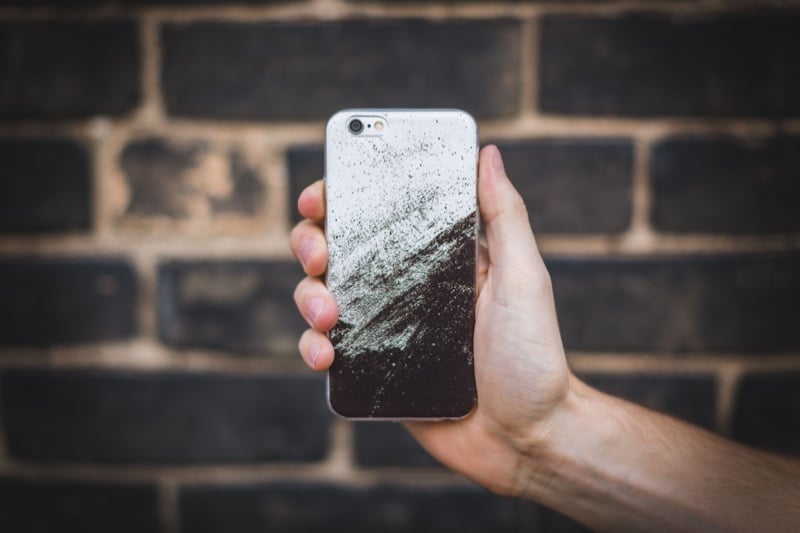
The convergence of personal technology and personal style was probably inevitable, given how central the phone is to daily life. The case arrived at its current cultural position because the visibility and ubiquity of the object made its emergence as a style category a natural consequence of how people relate to the things they keep close.
Whether the case counts as a “real” accessory is no longer the interesting question. It clearly does, to the people buying and collecting them. The more interesting question is where the aesthetic conversation goes from here, as brands, artists, and consumers work out what it means to take seriously an object that’s been underestimated for most of its existence.