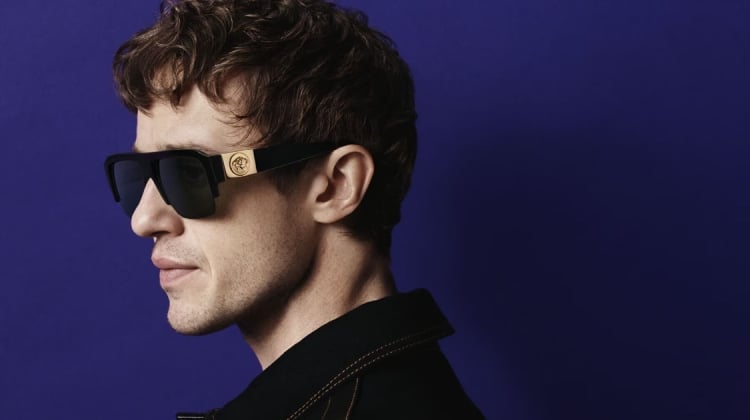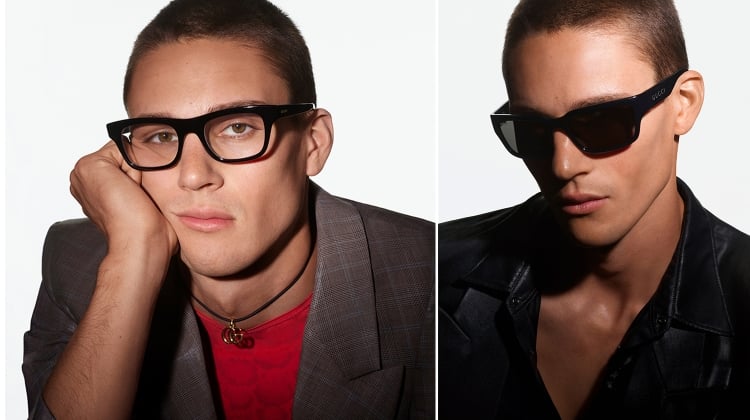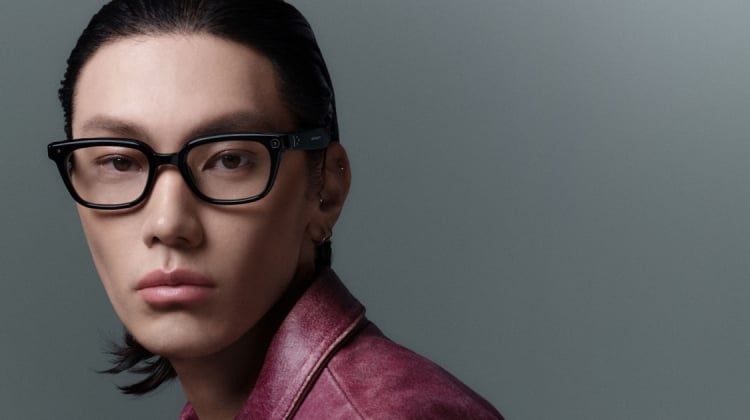
The way men shop for eyewear has changed, and online retail is leading the shift. Something has been building for a decade in how men buy eyewear, and the traditional retail optician model has faced real competition it was not designed for.
The generation that comparison-shops everything, including suits, hotels, and watches, brought that same instinct to glasses and found a compelling alternative online. The shift has been dramatic, and the last few years have made it increasingly hard to ignore.
What has changed is not just where men are buying, but what they expect when they get there. Better selection, better pricing, and a returns process that removes most of the guesswork have raised the bar in ways that are difficult to walk back.
The Problem with the Chain Optician Floor

Chain opticians provide a genuine service. Eye tests are important, and the expertise of a qualified dispensing optician is not something to dismiss. Where the experience gets harder to defend is on selection.
The frames with prominent placement tend to be safe, broad, and designed to appeal to the widest possible customer. If your taste runs toward a specific Japanese acetate house, an Italian heritage brand with a sixty-year history, or a performance silhouette that actually holds up outdoors, you won’t find it at your local chain.
Men with specific preferences have had to look elsewhere, and online retail has been happy to accommodate them. The appetite was always there, but the infrastructure to serve it properly just took a while to catch up
The New Destination

SmartBuyGlasses has grown to become one of the most comprehensive eyewear platforms available, and the men’s selection reflects that depth. Access to full seasonal collections is easily accessible.
Designs from Ray-Ban, Persol, Oakley, Tom Ford, Prada, Gucci, Carrera, and over 170 other brands mean the specific colorway you want is actually available, not just the three options the store decided to stock.
The overhead economics of online retail also flow directly to the consumer. A frame retailing for $350 at a chain optician can be meaningfully lower online from the same brand at the same quality, because the rent on Fifth Avenue is not your problem anymore.
That price difference is not marginal at the premium end of the market, and for buyers who know exactly what they want, it makes the decision fairly straightforward.
Addressing the Fit Concern

The standing argument against buying glasses online is fit, and it is fair to take seriously. Frames that sit wrong affect optics, comfort, and how the whole thing reads on your face.
Virtual try-on technology has improved to the point where it genuinely helps assess proportionality, even if it cannot replace the tactile experience of trying something on in person. The more substantive answer, though, is the return policy.
SmartBuyGlasses has a 100-day return window, which changes the risk calculation entirely. You receive the frames, wear them in real conditions for weeks, and return them if something is off.
That kind of flexibility is rarely available at a physical retailer, where returning dispensed prescription lenses tends to fall somewhere between complicated and simply not done.
What’s Worth Buying Online

Classic frames from established brands are the lowest-risk online purchase. If you already own a pair of Ray-Ban Wayfarers or Persol 714s and know the sizing works for you, reordering online carries almost no uncertainty.
Premium Italian and Japanese eyewear represents a different kind of opportunity. Brands like Masunaga, Oliver Peoples, and Cutler and Gross have limited physical retail outside major coastal cities, making online the only practical access point for most buyers.
Sunglasses are where the price argument is most pronounced. Shopping Tom Ford or Gucci sunglasses online versus a retail location often produces a gap of $100 or more for the same frame, which is the kind of differential that is hard to rationalize away.
For buyers willing to do a little research upfront, the categories where online underdelivers are narrower than most people assume. The more familiar you are with a brand’s sizing and aesthetic, the easier the whole process becomes.
The Method That Works

The method that avoids buyer’s remorse is straightforward. Know your measurements before you start, specifically your pupillary distance and your current frame width, both of which are on your existing glasses or available from your optician.
Use virtual try-on to build a short list. Verify the return policy before committing. Start with something you have some reference point for, whether a style you have worn before or a brand whose proportions you already know.
Eye tests still belong in an optician’s chair. The frame selection, the pricing, and the range belong somewhere else now. Most men who make the switch find that the process is considerably less complicated than they expected, and the results are better than what they were settling for before.