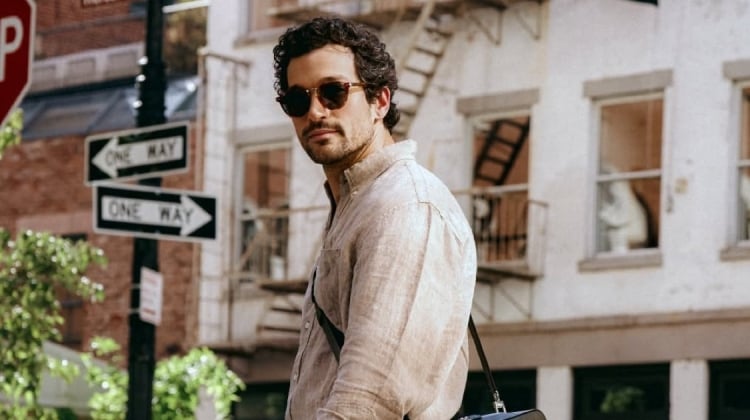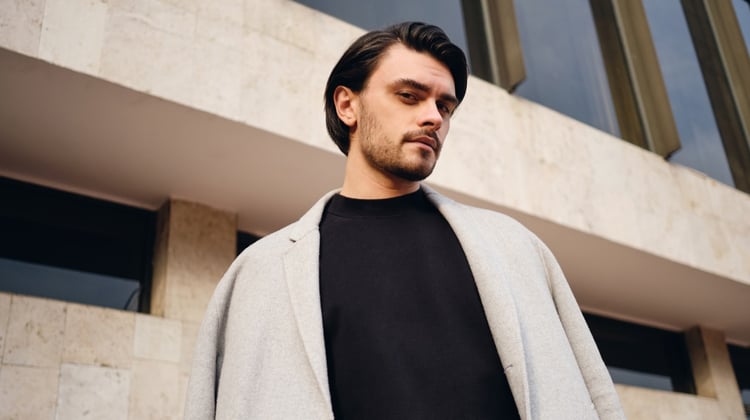
The father of the bride has one of the stranger jobs at a wedding. He walks his daughter down the aisle, often gives a toast, and stands in nearly every photograph destined for a frame on someone’s mantel. His suit has to look the part for all of it while leaving the spotlight on the groom.
The best father of the bride outfits look right for the wedding while still looking like the man wearing them. That result comes from good tailoring and restraint with color, where one or two shades from the wedding scheme appear in a tie or pocket square. The man himself stays recognizable in the photographs his grandchildren will study decades later.
What Should the Father of the Bride Wear?
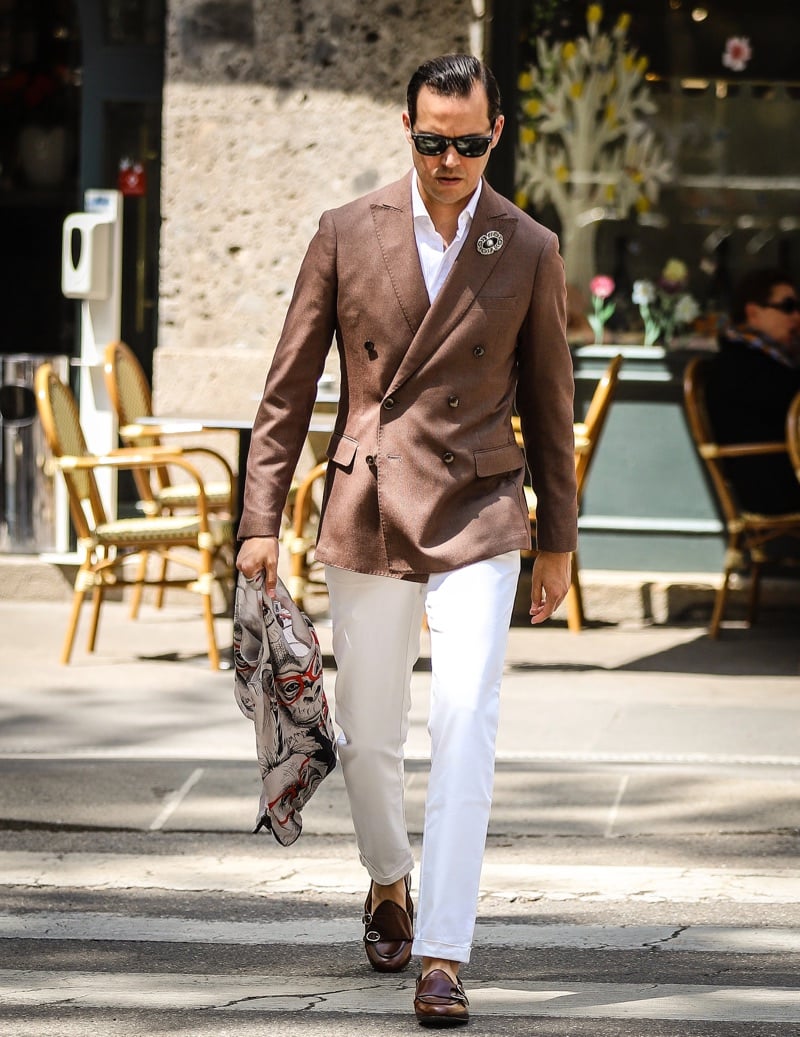
Start with the dress code on the invitation. Black tie calls for a tuxedo, formal and cocktail weddings open the door to a dark suit, and garden, beach, and destination weddings welcome lighter colors and fabrics.
The venue narrows the choice further. A hotel ballroom favors dark worsted wool and black oxfords, while a ceremony on the Amalfi Coast calls for an unlined linen-blend suit and suede loafers.
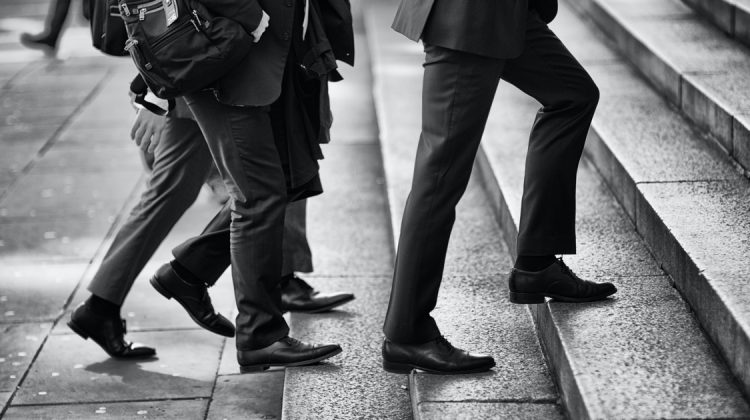
Whatever the setting, fit decides how the suit looks in photographs. A moderately priced suit, altered so the sleeves show a quarter inch of shirt cuff and the trousers break once over the shoe, will look sharper than a designer suit worn straight off the rack. Book alterations six to eight weeks ahead so the tailor has time for a second fitting before the final rush.
Suit or Tuxedo?
When the invitation says black tie, the decision is already made. A black or midnight-blue tuxedo with a white dress shirt, black silk bow tie, and polished black oxfords remains the classic formula, and it photographs well against any color scheme the couple chooses. From there, the fit across the shoulders and the break of the trousers determine how good it looks.
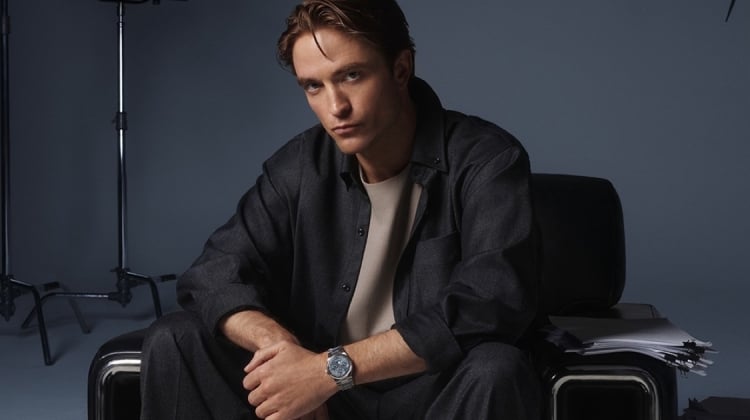
For every other dress code, a suit gives the father of the bride room to choose. Navy covers the widest territory, since it photographs well, works in every season, and pairs with nearly any shirt and tie color. Charcoal sits a step higher in formality, while medium gray suits a daytime ceremony.
Brown, tan, and pale neutrals come into play for outdoor and warm-weather weddings, where fabric matters as much as color.
Linen and tropical wool keep summer tailoring comfortable through a long afternoon ceremony, while flannel and heavier worsteds suit the cooler months. A navy suit in tropical wool covers both concerns at once for a June wedding.
The father of the bride can wear a different suit from the groomsmen, and a slight contrast often looks better. A charcoal suit beside a line of navy groomsmen marks his separate place in the wedding party. He belongs to the group, though his role within it is his own.
Coordinate With the Wedding Palette
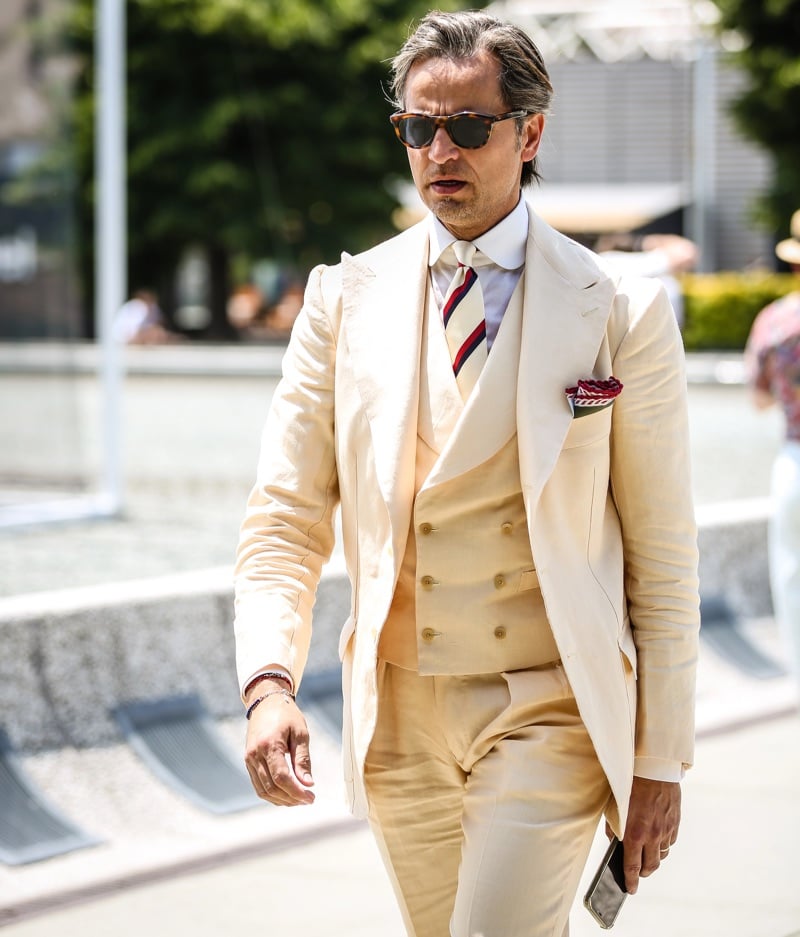
Wedding coordination turns literal fast. Sage bridesmaid dresses leave room for one sage element on the father of the bride, and a tie, pocket square, and socks in the same shade turn his suit into a uniform.
Work from the overall palette and the level of formality instead. The same approach applies to the bridal dresses, where the gown’s formality and the ceremony’s wider colors guide his choices.
A pocket square, tie, or boutonniere can introduce one of those colors, and one accent is usually enough against a navy or charcoal suit. The suit itself stays neutral, which lets the accent stand out in photographs. When the wedding party lines up for group portraits, everyone looks connected while each person’s clothes keep some individuality.
Coordination with the groom matters most of all. If he plans to wear a tuxedo, the father of the bride should know well before the wedding day, since a business suit will look underdressed beside him.
The reverse applies at a destination wedding, where full evening dress beside a groom in a relaxed linen suit looks just as mismatched. The groom’s own choices, from midnight-blue tuxedos to unlined linen suits, get a full breakdown in the guide to groom outfits.
Father of the Bride Outfit Ideas
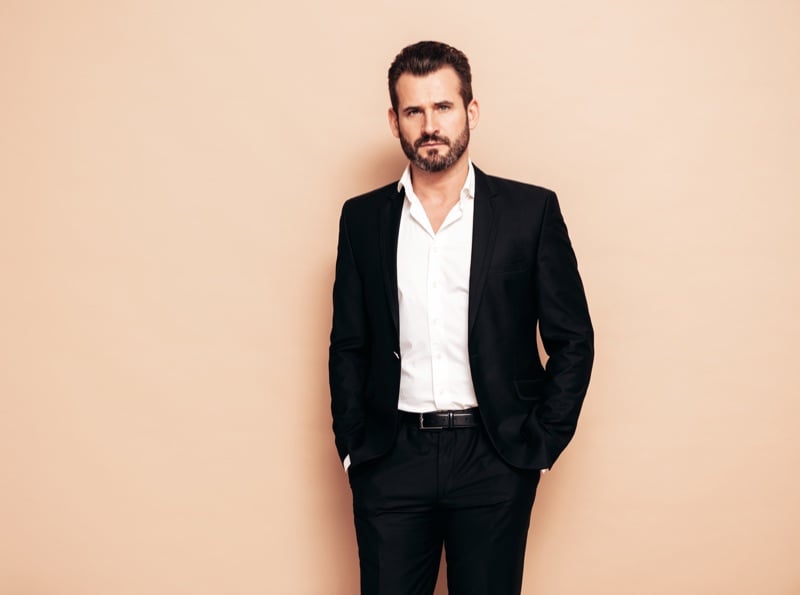
For a traditional formal wedding, start with a navy or charcoal suit, a white shirt, a silk tie, and black or dark brown leather shoes. A pocket square and boutonniere then tie the outfit to the wedding colors.
At a black-tie wedding, the tuxedo settles most decisions, so attention shifts to how well it fits across the shoulders and how cleanly the trousers break. This is one occasion where convention serves the man wearing it.
A garden wedding opens the door to softer colors. Light gray, taupe, or pale blue suiting pairs with a white or pale blue shirt and brown suede or leather shoes. For summer, lightweight wool looks dressier, while a linen blend suits a relaxed ceremony in the afternoon sun.
At a beach or destination wedding, the setting guides the outfit. An unlined tan or light blue suit fits the surroundings, and if the invitation allows a casual approach, an open collar works in place of a tie. Suede loafers in tan or tobacco look at home on sand and stone terraces alike.
Fall and winter weddings call for richer fabrics and darker shades. Navy, charcoal, and deep brown in flannel or tweed look warm in photographs, and the texture of the cloth gives a plain suit visual interest, so the accessories can stay simple. A wool or grenadine tie adds texture at the collar.
Shoes & Accessories
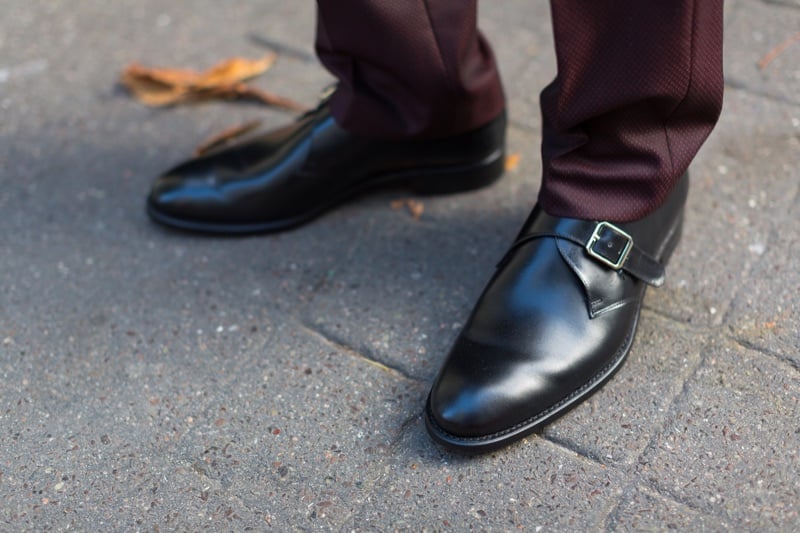
Shoes should follow the formality of the suit. Black oxfords remain the classic choice with a tuxedo and dark formal suits; derbies offer some flexibility, and loafers suit summer and destination weddings. Brown shoes pair best with navy, gray, and tan suits at daytime ceremonies.
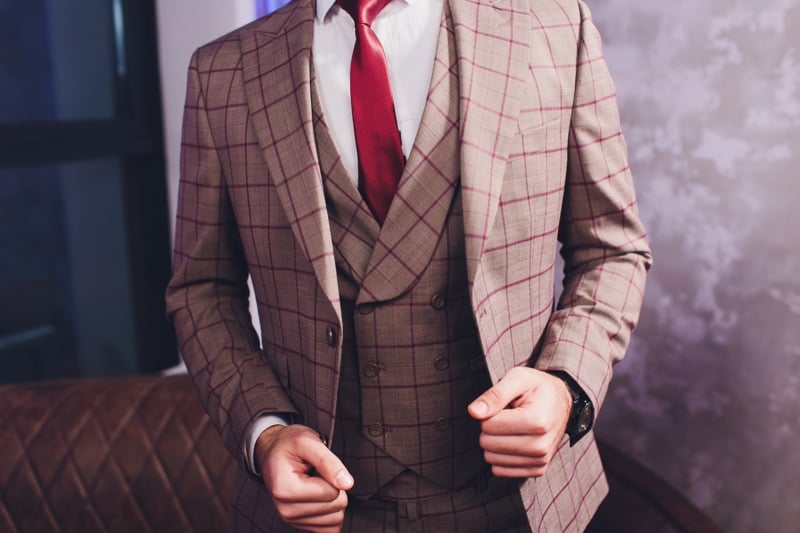
With accessories, fewer pieces look better. The tie and pocket square can relate to each other and share a tone with the wedding scheme, so a burgundy tie beside a pale pink square works, whereas two identical burgundy pieces look like a gift set.
A good watch serves as enough jewelry for most men, especially with a boutonniere already on the lapel. Save the novelty cufflinks and the cartoon tie for another occasion, since they will become the subject of every family photograph.
Dress Like Yourself
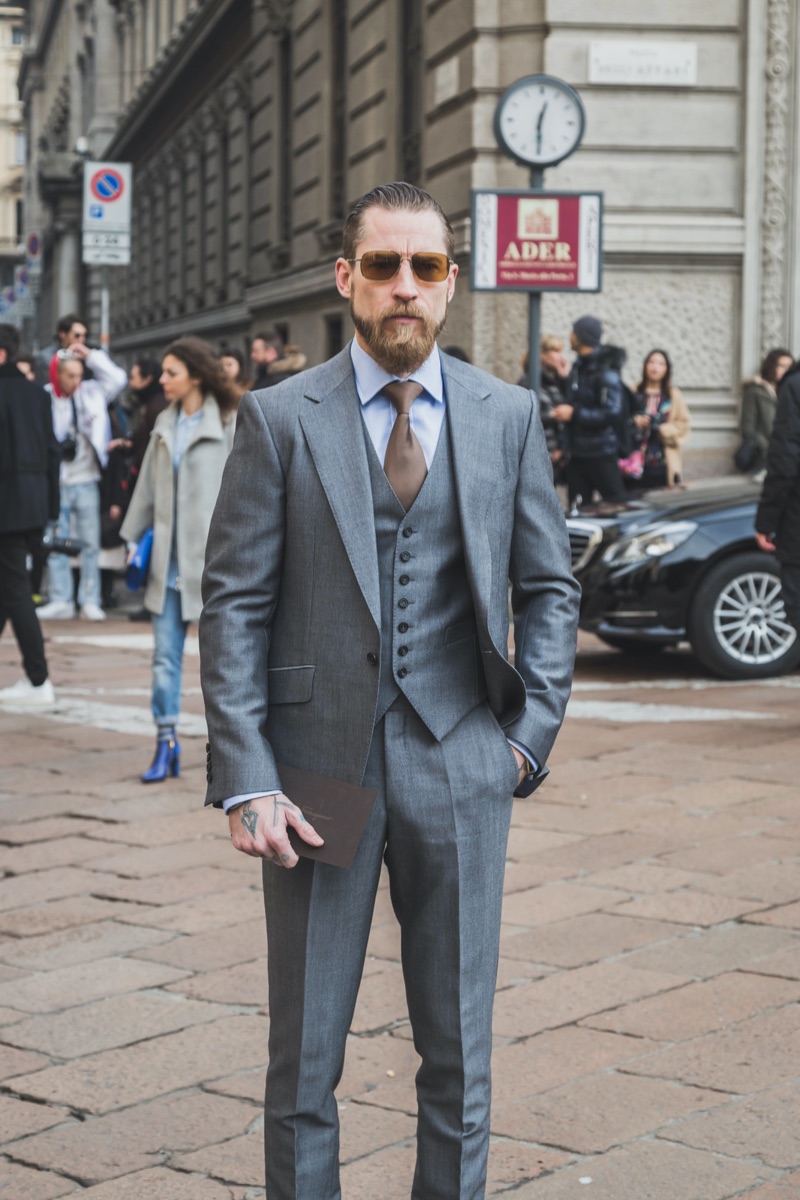
The most common mistake is dressing for a costume party. Matching every wedding color, copying the groomsmen’s outfit for outfit, and piling on decorative accessories bury the man under the theme. The opposite error is showing up in the suit from Monday’s commute.
A familiar business suit can work for a wedding once it has been pressed, altered, and paired with a silk tie and pocket square.
Wedding photographs have a long life, and good tailoring with sensible proportions will age better than whatever accessory is fashionable that season. Decades from now, the framed photo on the mantel should show a well-cut navy suit, a single sage pocket square, and a man who looks like himself standing beside his daughter.