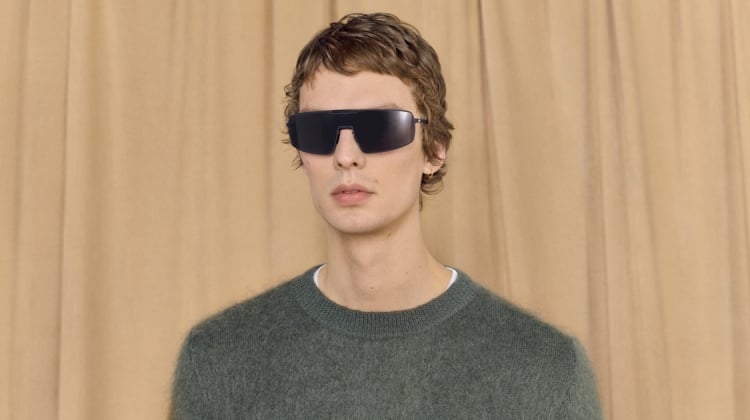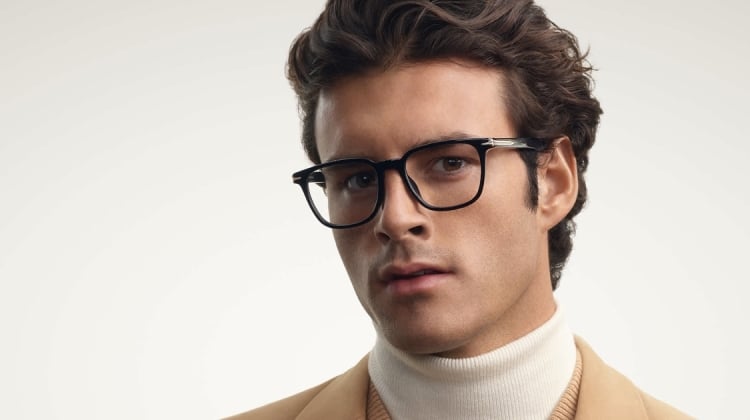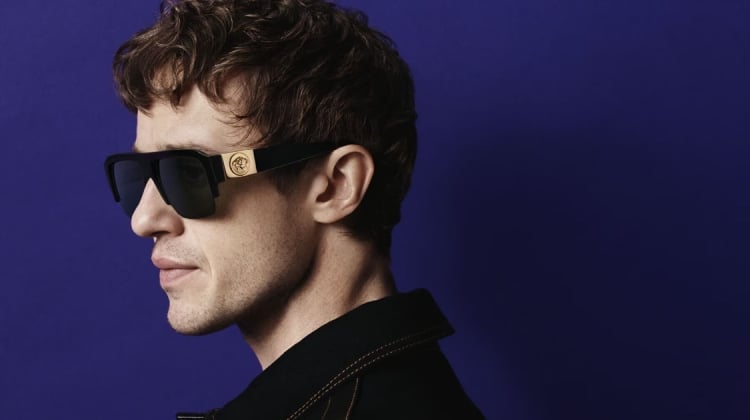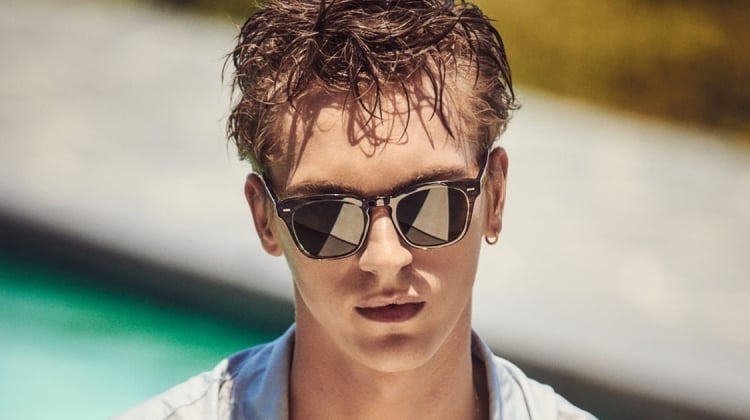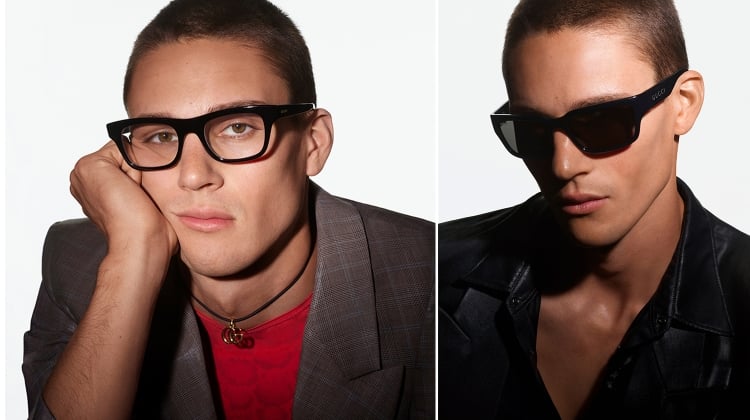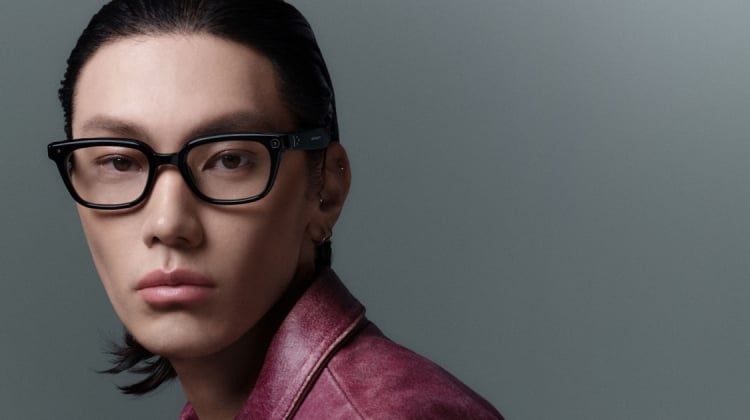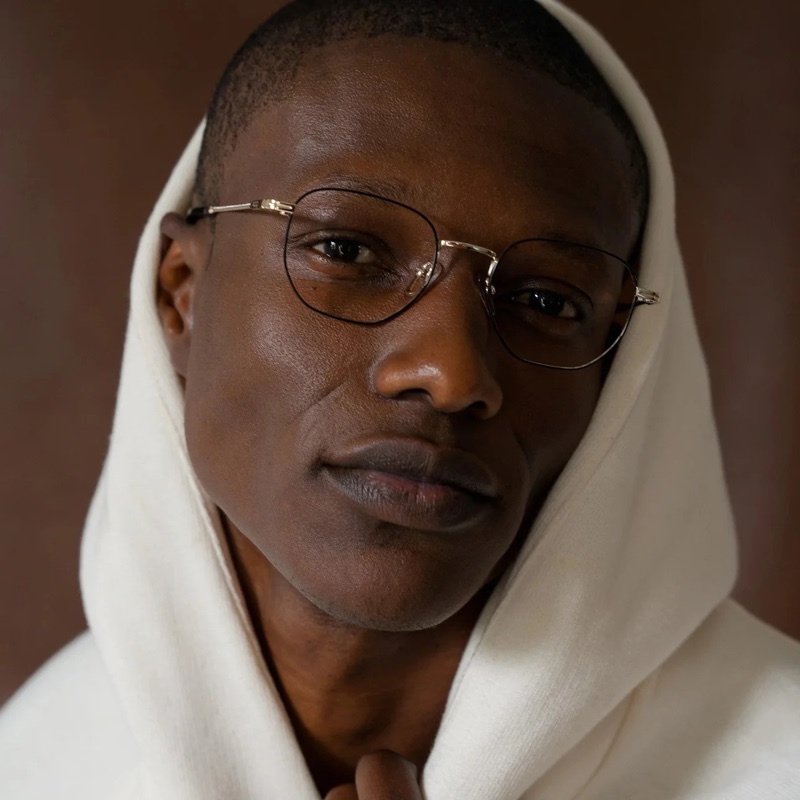
Glasses stopped being corrective equipment a long time ago. Now they are the first thing a man reaches for and the last thing anyone forgets. There is a moment in the getting-dressed routine that reveals where a man’s priorities sit.
He can swap the shirt, reconsider the trousers, and change the shoes three times over, but the frames stay the same. Men’s eyeglasses have now become the one accessory that commands the rest of the outfit. They shape the face, frame the expression, and indicate affiliation before a single word is spoken.
From Corrective to Covetable

The cultural shift took time, and it took a confluence of forces to make it happen. Thick tortoiseshell frames once marked the academic, the architect, the man who had read too many French novels and was proud of it.
Then hip-hop took them, streetwear absorbed them, and figures like Pharrell Williams made designer glasses for men a recurring fixture of their public image long before any stylist could have scripted it.
By the time Japanese eyewear brands started finding devoted cult followings in menswear circles, wearing a frame had stopped being a compromise and had become a conscious choice.
Identity at Eye Level

What makes statement eyewear so powerful as a wardrobe element is its proximity to the face. The shape of the frame, the weight of the acetate, the decision to go oversized or geometric or retro all land at eye level. That is where attention naturally settles in conversation.
Men building a personal style in 2026 understand this, which is why the hunt for the right frame has started to resemble the hunt for the right watch, specific, personal, and long. Modern menswear accessories have followed a general trajectory toward the restrained and the understated, but eyewear runs a slightly different course.
It is one of the few pieces in a man’s daily rotation that invites a genuine signature. A wardrobe full of neutral tones and tailored separates reads as one type of man until a pair of sculptural, amber-tinted frames appears and reframes everything.
That shift is what men’s style identity has been chasing for years, something that announces specificity in an era when everything else has been streamlined into interchangeable ease.
What the Frame Communicates

Not all frames speak the same language, and men who wear eyewear seriously understand this instinctively. The wire frame carries a hint of restrained intellectualism, eyewear that belongs in an architect’s studio or a gallery opening.
The round acetate frame pulls in a different direction entirely, gesturing toward the artistic and the literary, a shape with enough history behind it that it can feel either classic or self-consciously nostalgic depending on how the rest of the outfit handles it.
The oversized square sits somewhere else altogether, closer to the cultural confidence of the seventies. It’s the choice a man makes when he wants the frame to lead.
What is worth noting is that none of these readings is fixed. They shift with the weight of the acetate, the depth of the color, and the face wearing them, which is what makes the decision interesting.
Function Is No Longer the Point

The practical side of this shift is worth acknowledging, too. A man who wears glasses every day is, by necessity, wearing an accessory 16 hours a day, which makes the investment argument straightforward.
But the more interesting development is the number of men who wear frames with non-prescription lenses simply because the frame does something for them that nothing else in the wardrobe can replicate. That behavioral shift, choosing eyewear for style rather than function, is perhaps the clearest evidence that glasses have arrived at full accessory status.
The man who treats his frames as an afterthought is increasingly rare, and increasingly easy to spot. His counterpart, the one who has tracked down a particular Japanese manufacturer or aged acetate colorway the way a sneaker collector tracks a re-release, has turned eyewear into a form of connoisseurship. That level of engagement is what separates a collection from a style.