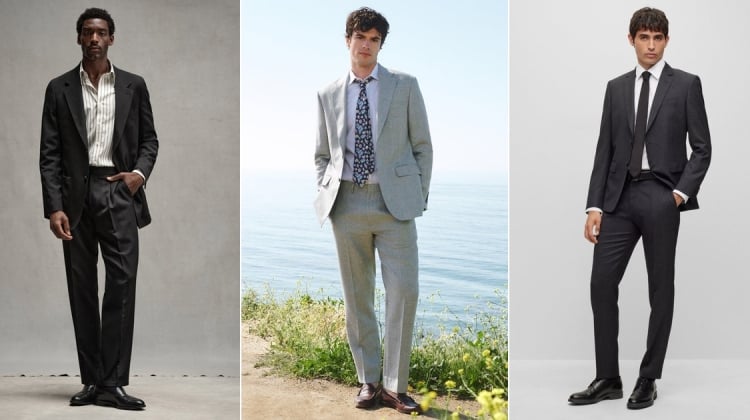
Smart casual for men combines the structure of tailoring with the ease of everyday clothes. A knit polo with pleated trousers or a blazer over jeans fits the brief, with the occasion deciding how dressy the final result should be.
Of all the dress codes in menswear, smart casual asks for some judgment. The same invitation could suggest suede loafers to one man and a favorite sport coat to another. Both can work. The aim is to look as though you understood the plans and dressed for them. For invitations specifying dressy casual, take a dressier approach with tailored trousers and leather shoes.
Smart Casual Men
Smart casual starts with the relationship between clothes. A polo takes on a dressier character tucked into tailored trousers, while jeans become more purposeful beneath a jacket. Each piece influences how the others read. That is what makes the dress code useful for men whose lives involve more than one type of setting in a day.
Smart casual and business casual share much of the same wardrobe. The difference is emphasis. One allows personal taste to lead; the other answers to the workplace.
| Dress code | Main purpose | Typical outfit | Footwear |
|---|---|---|---|
| Smart casual | Dressing for work or social plans with some individuality | Knit polo with tailored trousers; blazer with clean denim | Loafers, derbies, boots, or minimal sneakers where accepted |
| Business casual | Meeting the office’s professional expectations | Collared shirt with chinos or wool trousers; optional blazer | Leather shoes; sneakers where workplace policy permits |
| Casual | Everyday comfort and personal preference | T-shirt with jeans or shorts | Sneakers, sandals, or other setting-appropriate shoes |
For business casual for men, the office sets the boundaries. Smart casual gives more freedom to experiment with proportion or wear a stronger color. Everyday casual wear places fewer demands on either tailoring or presentation.
Office Outfit
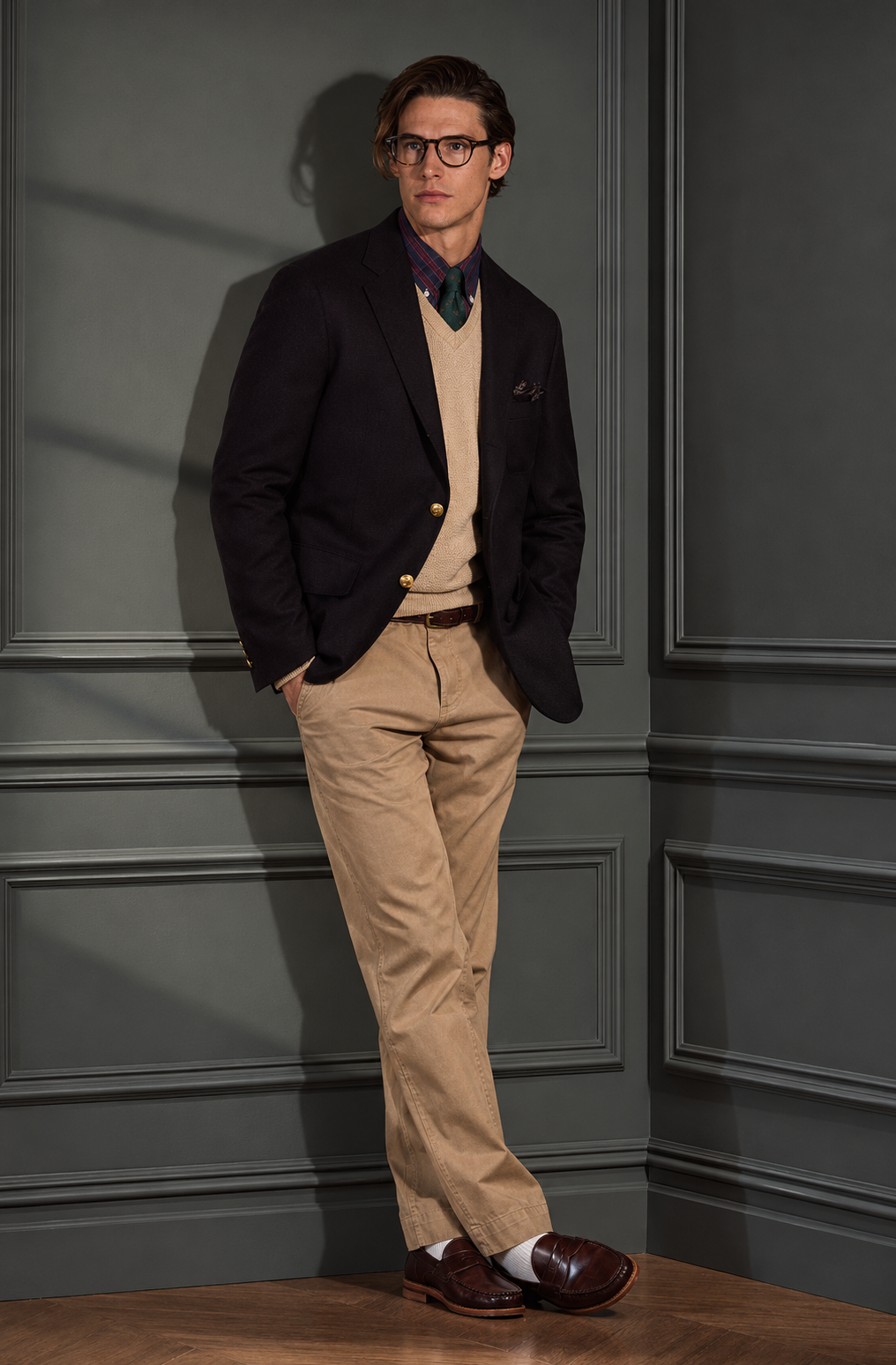
The blazer-and-chinos combination has survived several office dress codes for a reason. It gives a man the authority of a jacket and the comfort of trousers he might also wear on Saturday. A sweater vest adds another layer of interest here, with the shirt collar and loafers keeping the collegiate references intact.
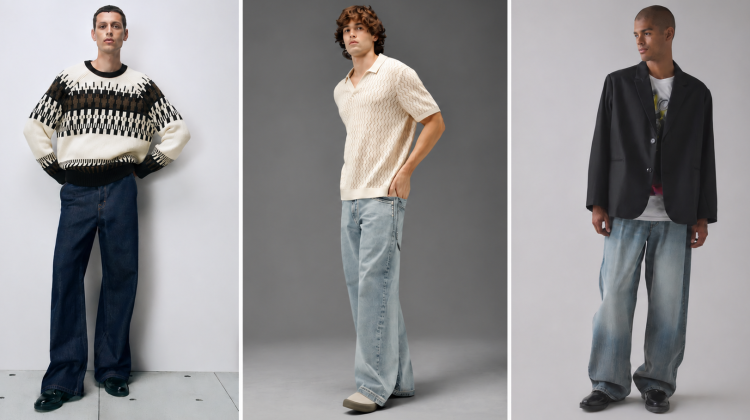
The useful lesson is in the proportions. The jacket follows the shoulders, the chinos have space through the leg, and the hems meet the shoes cleanly. Smart casual accommodates a fuller trouser just as readily as a tapered one. Fit is about how the clothes sit on the body, not allegiance to a particular decade's idea of slim.
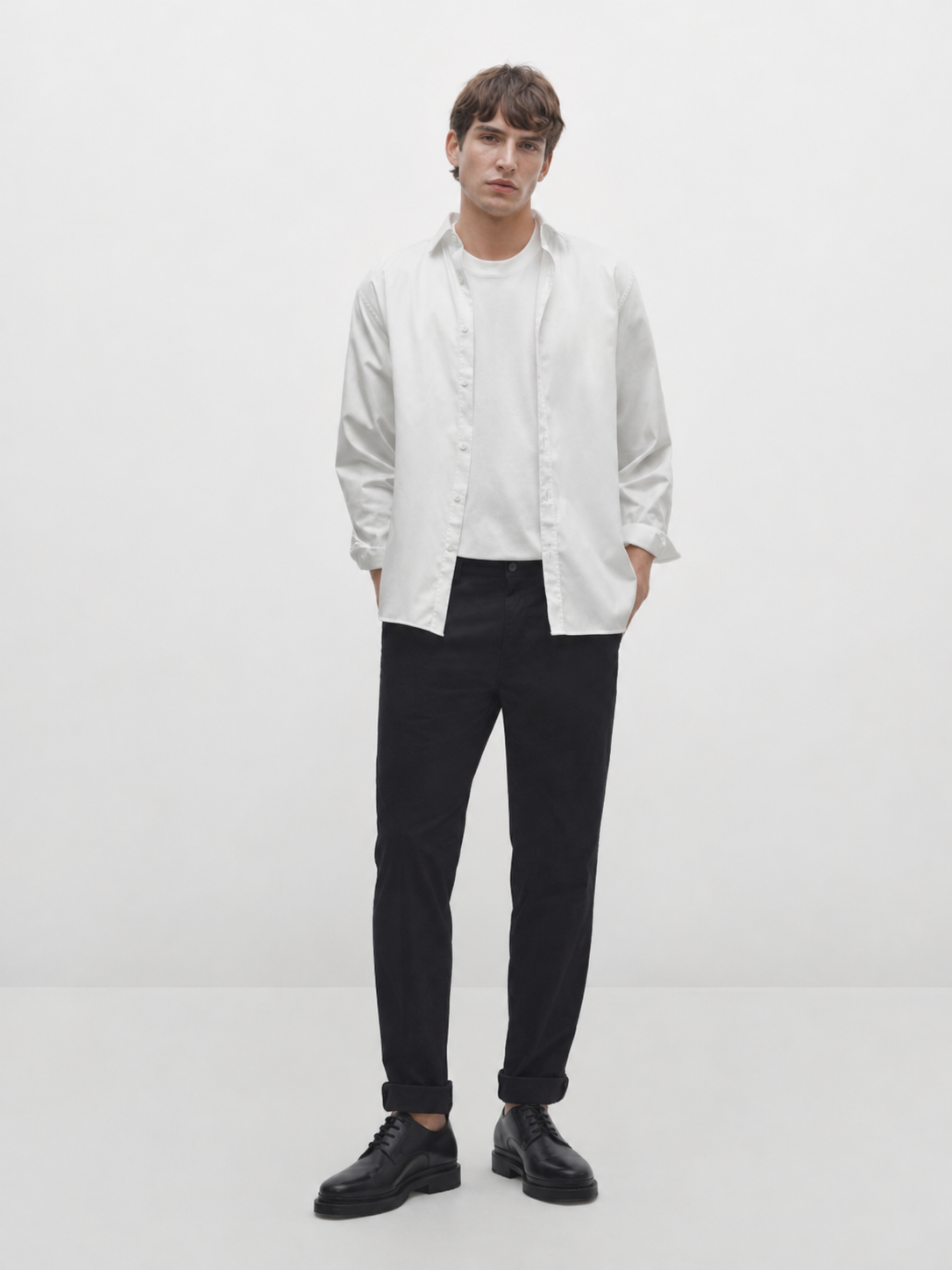
In a less traditional office, the shirt and chinos can do the day's work on their own. During colder months, a turtleneck outfit offers another way to bring knitwear beneath a jacket, trading the visible collar for a continuous line.
Dinner Outfit
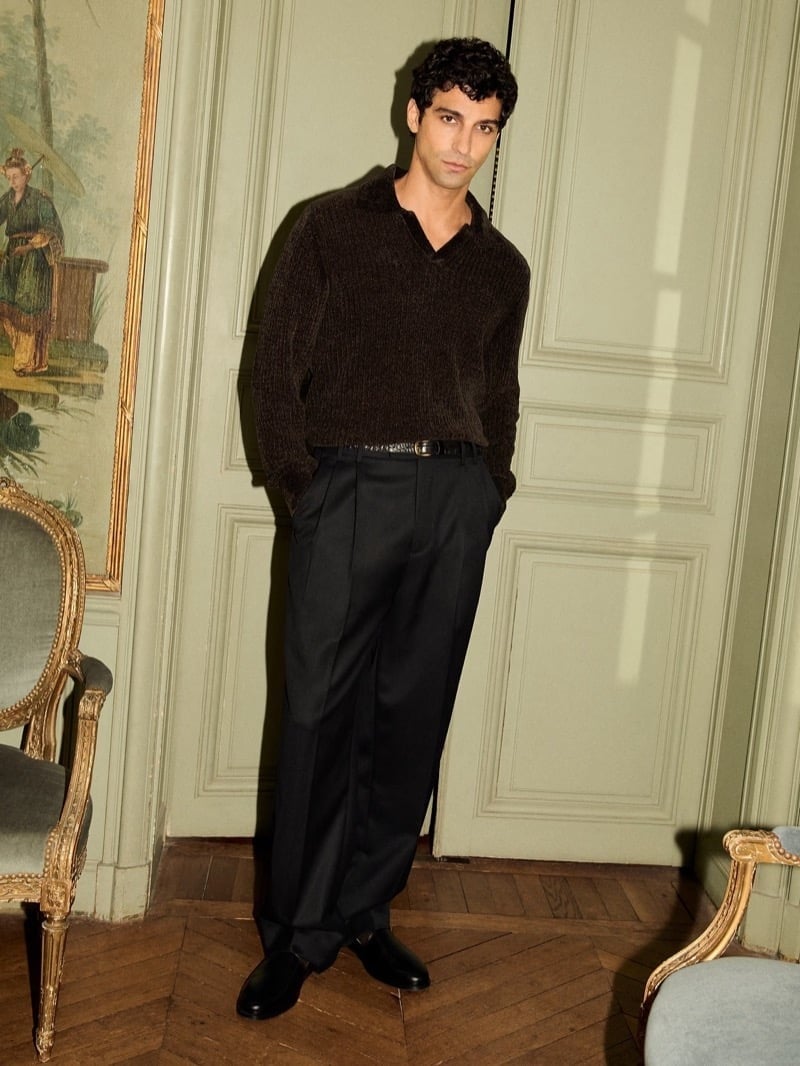
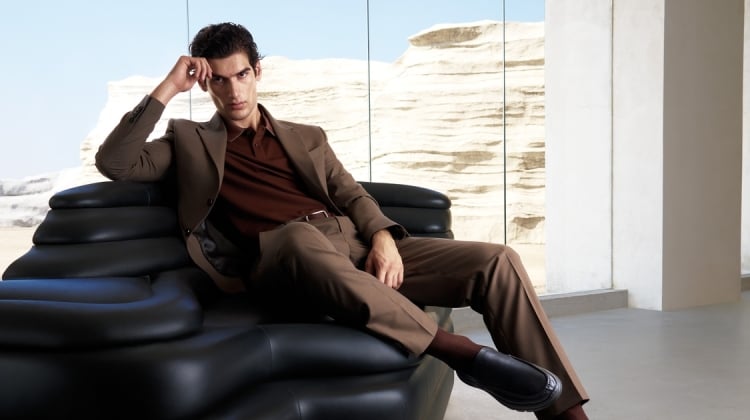
Dinner is where knitwear can take over from the button-down. An open collar lends a little evening ease, and a textured knit gives dark clothing something for the light to catch. Worn with pleated trousers and leather shoes, it looks dressed for a reservation.
A close monochrome palette brings the silhouette into focus. Here, the trousers fall from a defined waist into a fuller leg, giving the knit a tailored foundation. A belt provides a small point of contrast, which is often all a dark outfit needs.
The restaurant still has a say. Some welcome this approach; others expect a jacket. Checking the venue's dress code is a practical detail, much like checking the reservation time.
Wedding Outfit
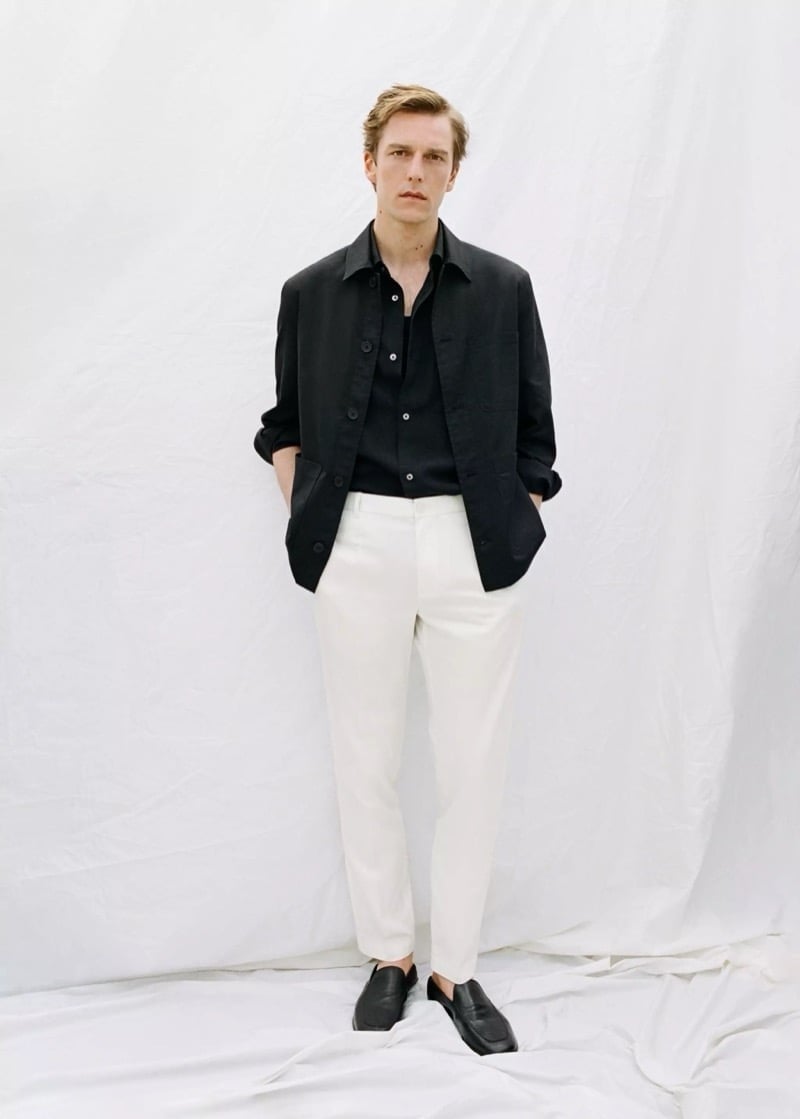
When a wedding invitation specifies smart casual, tailoring should take the lead. A dark jacket and open-collar shirt give contrasting white trousers a dressier context, while leather loafers finish the outfit at the right level. The light trousers bring a daytime quality that suits a relaxed celebration.
This is also where the phrase “dress for the occasion” becomes quite literal. The couple's instructions matter more than assumptions about the location. A garden wedding may call for a suit, and a beach ceremony can have formal expectations. This combination belongs at a wedding whose hosts have explicitly invited smart casual dressing.
Keep accessories in proportion to the clothes. A watch or pocket square can contribute something personal; the jacket and trousers already establish the outfit's character.
Weekend Outfit
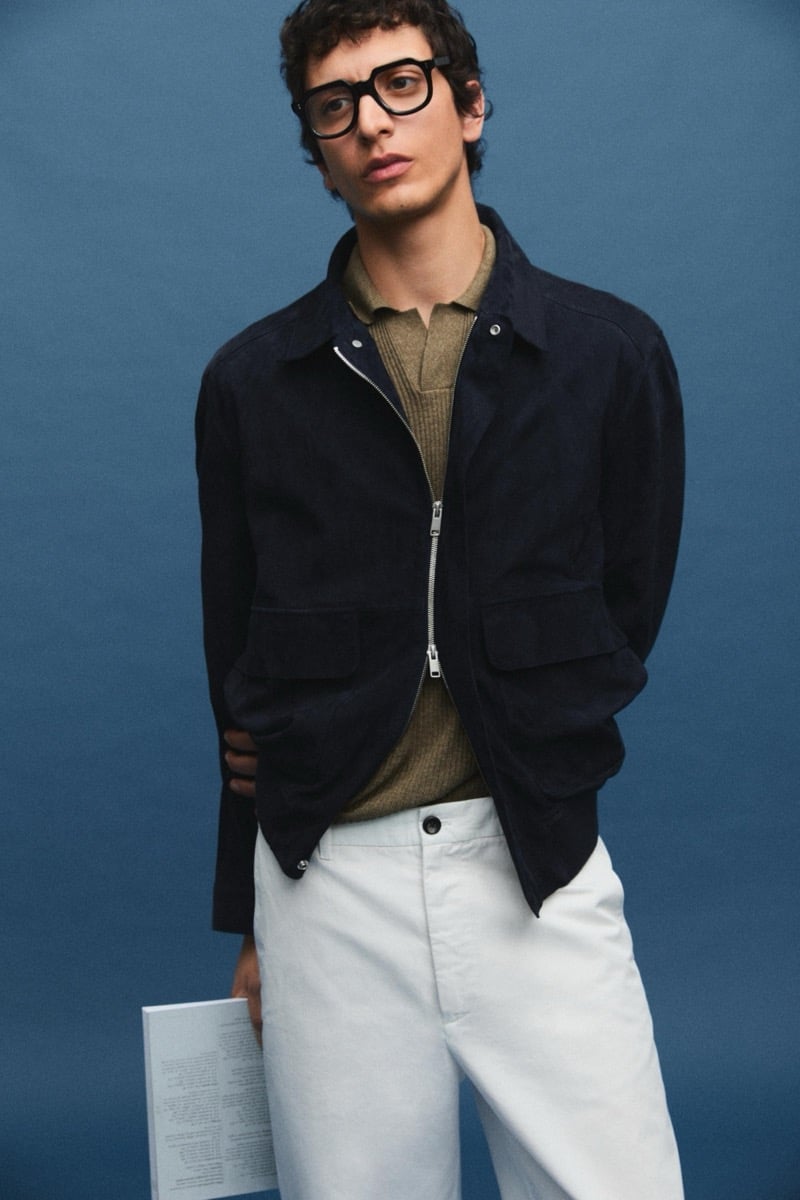
A zip jacket gives a polo and trousers a different weekend character. Suede adds texture to the dark upper half, while white trousers bring light into the combination. The polo collar keeps its shape beneath the jacket, with the open zip letting the knit remain part of the picture.
For lunch or a gallery visit, this approach offers an alternative to a sport coat. The shorter jacket finishes near the waistband, so the trousers become a more visible part of the silhouette. Their fit deserves as much attention as the layers above.
A polo also gives an untucked shirt some competition. Its shorter shape can finish cleanly around the hips, while a tucked version draws attention to the waistband. Loafers suit a dressier booking, and minimal sneakers work where the setting welcomes them.
Wearing Jeans as Smart Casual
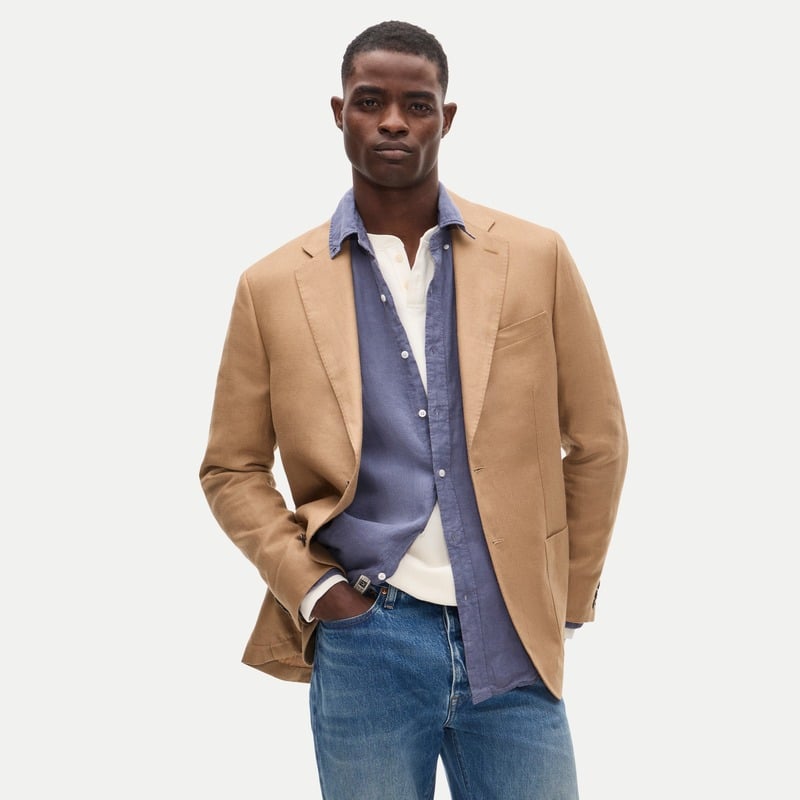
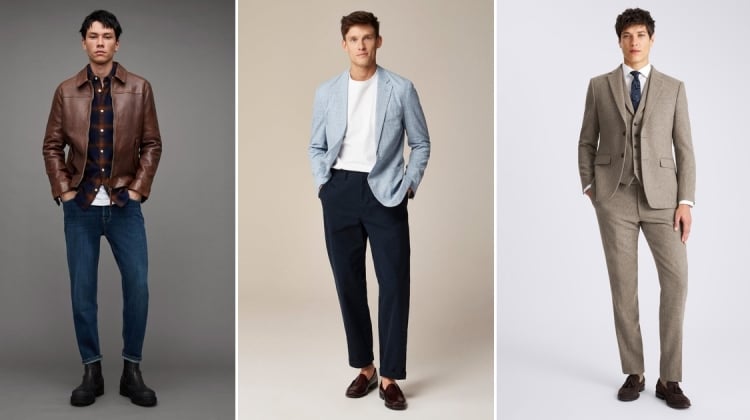
A sport coat is denim's most persuasive ally. The tan jacket here gives blue jeans a tailored frame, while the layered shirts keep the combination relaxed. It sits at the easier end of smart casual, the territory of an informal dinner or a daytime gathering where jeans are welcome.
Dark indigo and black denim are the most adaptable choices for dressier plans. Mid-blue works too, particularly during the day, provided the wash is even and the jeans are in sound condition. Straight and tapered cuts both qualify. A secure waist and a hem that falls cleanly matter more than the label on the fit.
Leather loafers or suede boots help connect the jeans to the jacket. A plain T-shirt is another option beneath a sport coat, with the jacket's texture supplying much of the interest. Sneakers call for more judgment: a clean, minimal pair can work, while technical running shoes pull the outfit toward sportswear.
Smart Casual Summer
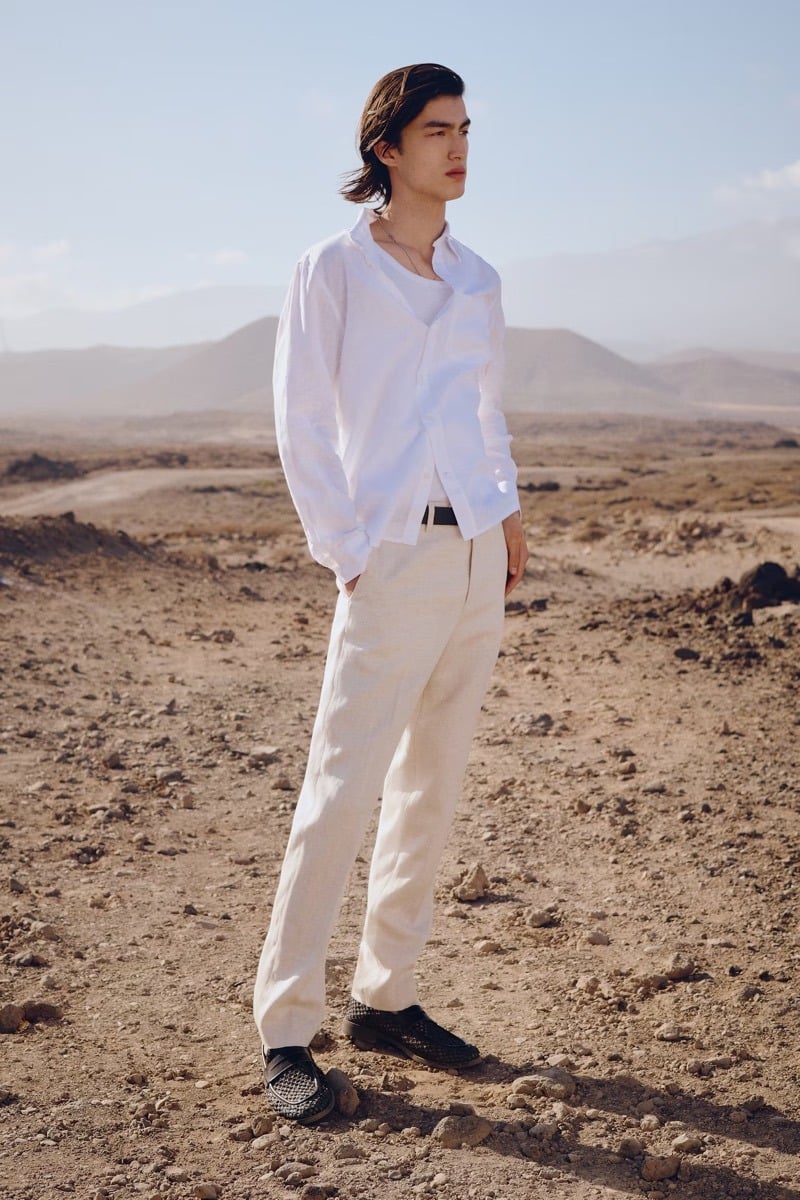
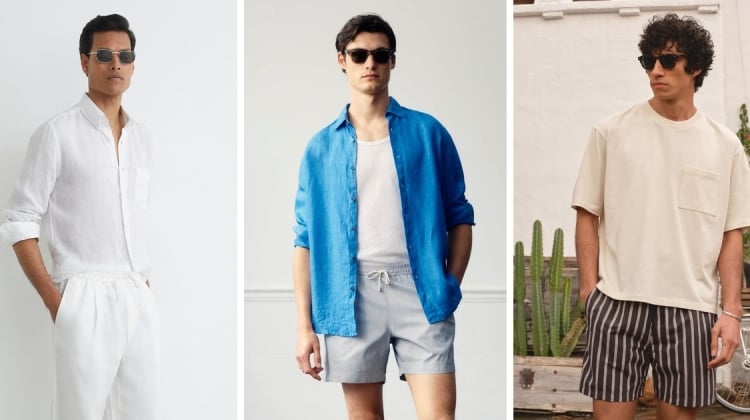
Linen understands summer better than most dress codes do. Its natural creasing suits an open collar and a relaxed stance, while light trousers give the outfit enough structure for lunch reservations or an outdoor evening. Dark woven shoes add definition beneath the soft colors.
The practical side of summer dressing begins with fabric and cut. Lightweight cotton and linen let a shirt move with the body, and a fine-knit polo offers a collared alternative. Clothes that skim the frame are more comfortable in the heat than those that cling.
Tailored shorts sit at the relaxed edge of smart casual. A clean hem and a defined waistband bring them closer to trousers, especially with a polo and loafers. They suit daytime outdoor plans where shorts are welcome. Lightweight full-length trousers are the more dependable choice for offices or evening venues.
When the occasion calls for a jacket, breathable fabric and lightweight construction make wearing one more appealing. The pleasure of smart casual is finding that point where the clothes suit the plans and still feel like something you chose for yourself.