The office may have relaxed its dress code, but the interview still has an awkward relationship with casual clothes. A man in a suit can look perfectly at ease in one company and as though he has arrived to audit another. Interview attire for men begins with reading that difference, then choosing clothes that feel appropriate to the job and natural on the person applying for it.
That leaves plenty of space for personal style. A soft jacket, a well-cut trouser, or a textured knit can suggest a man who knows his clothes. The degree of formality comes first; the pleasure is in getting the details to feel like your own.
Interview Attire for Men
Start with the employer’s instructions. If the invitation leaves the dress code open, ask the recruiter what candidates usually wear. Company photographs can help, particularly those showing people in roles similar to yours. The sales team meeting clients may have a different wardrobe from the developers upstairs.
Think about interview clothes as a slightly more attentive version of the working wardrobe you are hoping to join. At a traditional firm, that may mean a suit and tie. At a relaxed office, a shirt and tailored trousers might be enough. Understanding business casual vs. business professional gives you a starting point, and fit does much of the remaining work.
Business Professional Interview Attire
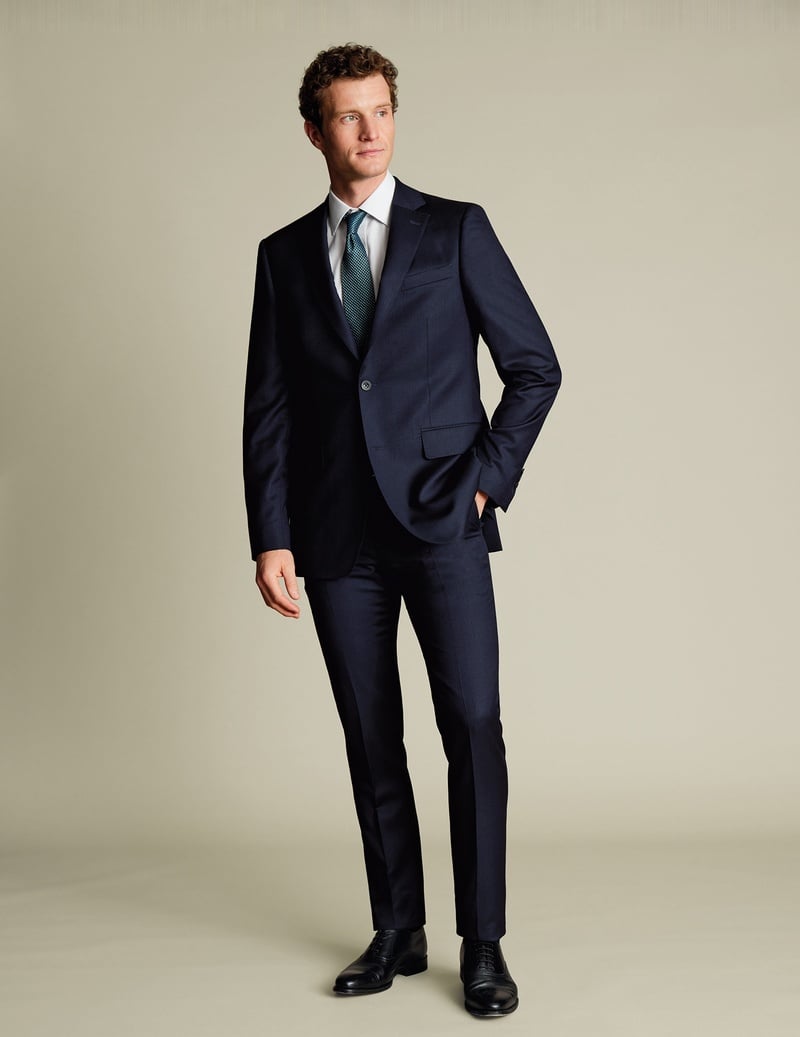
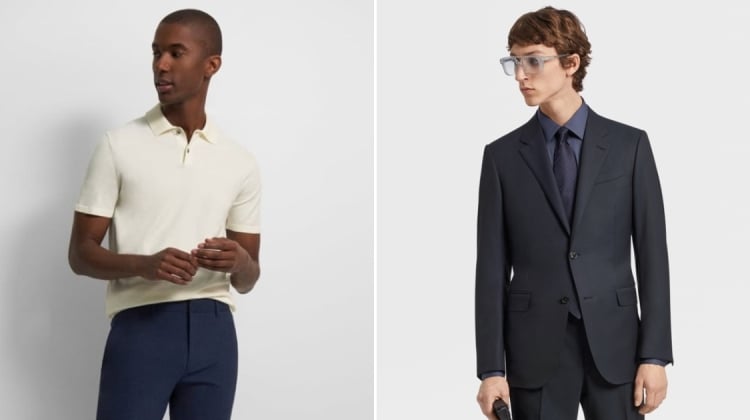
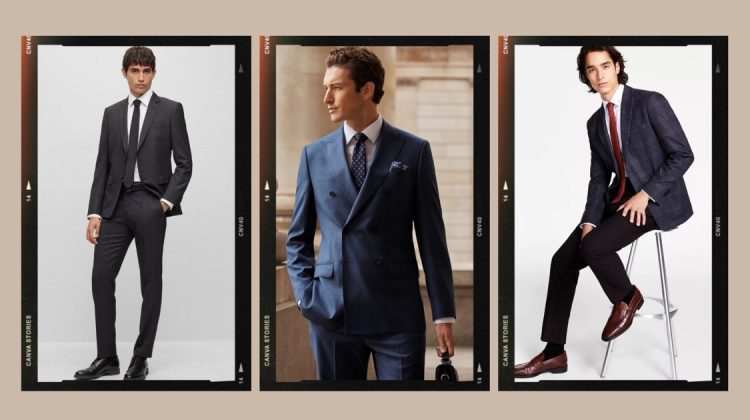
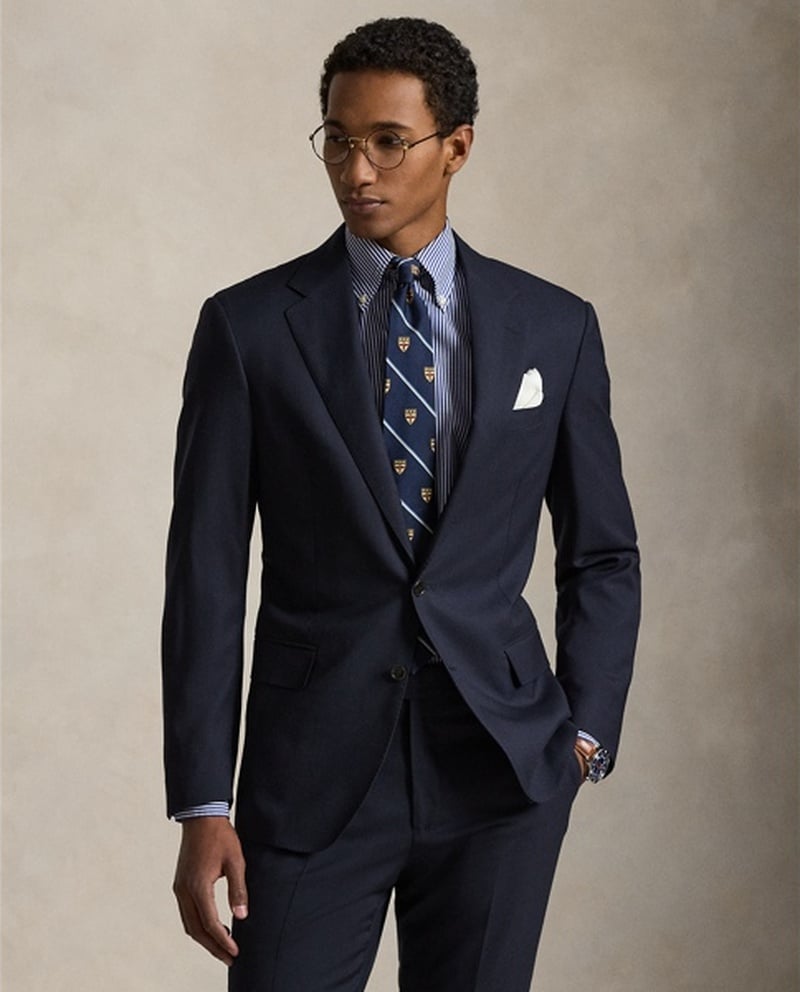
A navy suit has a particular advantage at an interview. Its associations with working life are already established, leaving the wearer to get on with the conversation. For traditional finance, law, and corporate employers, a navy or charcoal two-piece with a shirt and tie remains a dependable choice for business professional attire.
The appeal is in the proportions. A jacket should follow the shoulders and close smoothly, while the trousers fall cleanly toward the shoes. A comfortable straight or gently tapered leg usually looks more assured than fabric straining at the thigh. Sit down in the suit before the day itself. Interviews involve considerably more sitting than posing in front of a mirror.
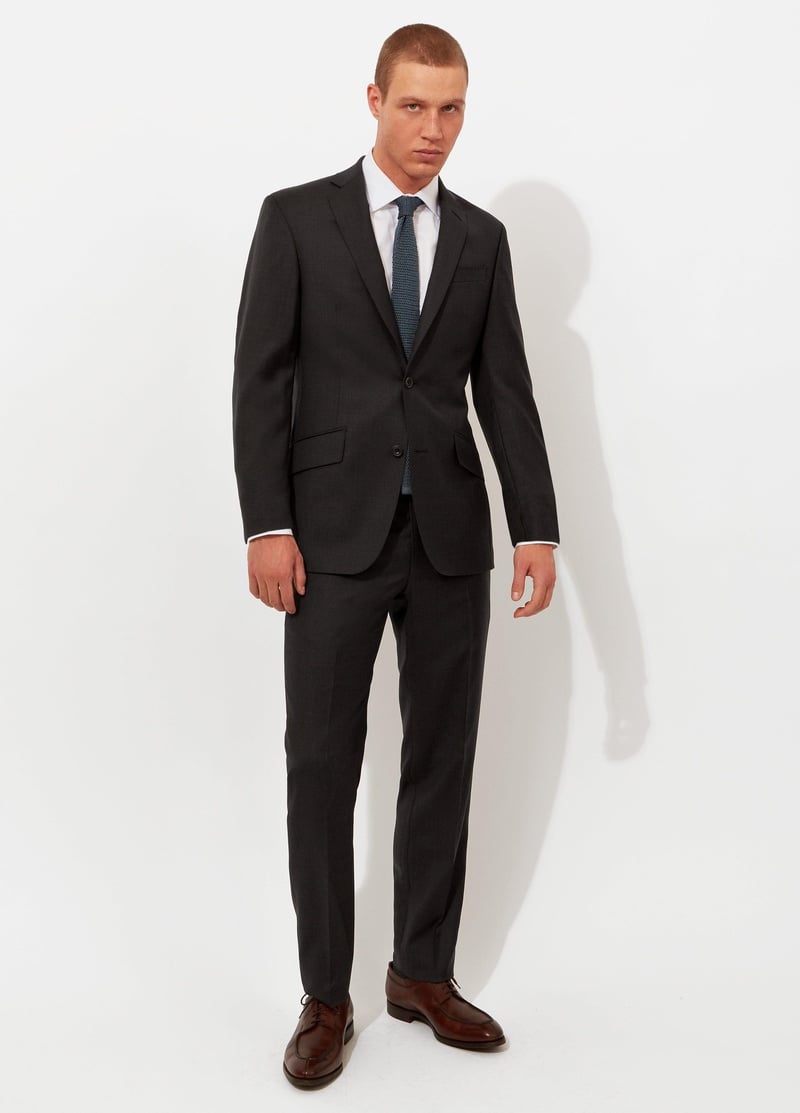
A white shirt gives navy or charcoal tailoring a clear contrast; light blue softens the effect. Keep the tie restrained enough to belong to the outfit, with a small pattern or some texture if you want a little variation. Black leather lace-ups give the suit a traditional finish. Dark brown can also work with navy when the employer’s expectations allow it.
There is little need to assemble the full ceremonial wardrobe. A two-piece suit supplies enough formality for most business professional interviews, and a pocket square is optional. Spend the attention on trouser length and a collar that sits comfortably. Those details will matter long after an elaborate tie knot has lost its appeal.
Business Casual Interview Attire
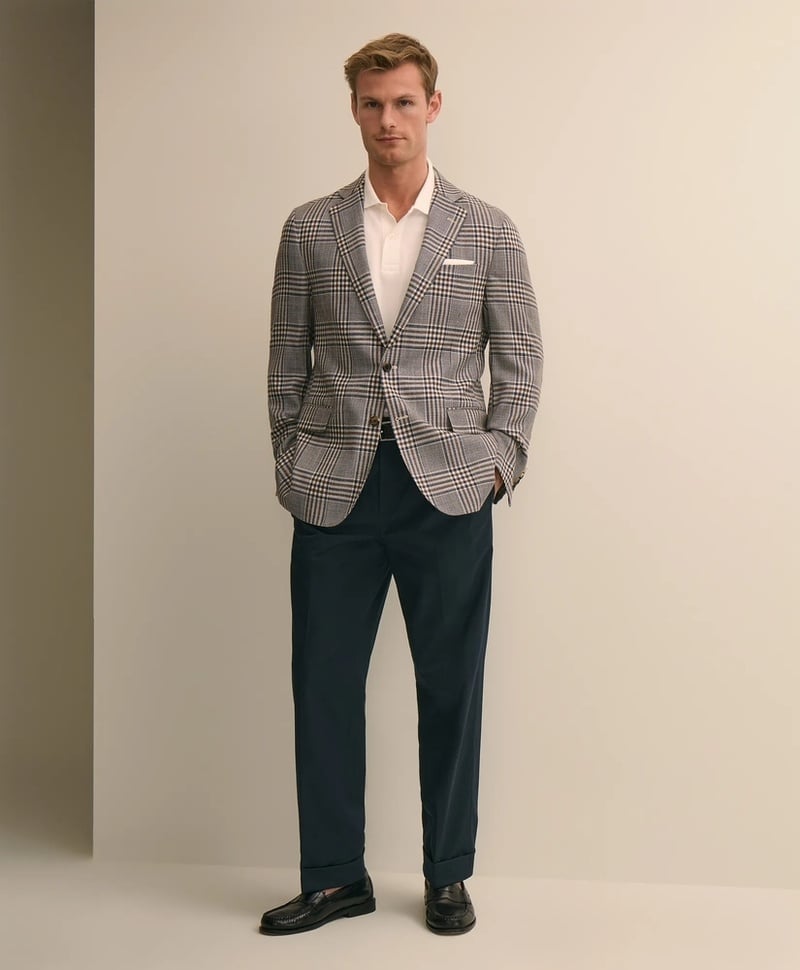
Business casual attire gives a man more decisions to make. Matching trousers have done much of the thinking on behalf of a suit jacket. Separates ask you to notice how the fabrics and colors relate, which is also where this type of dressing becomes enjoyable.
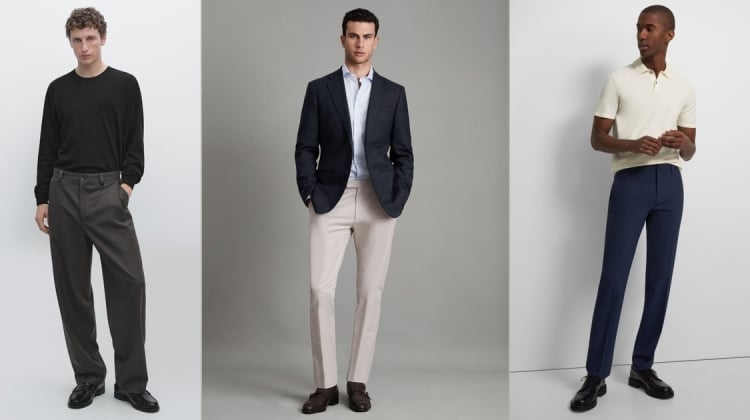
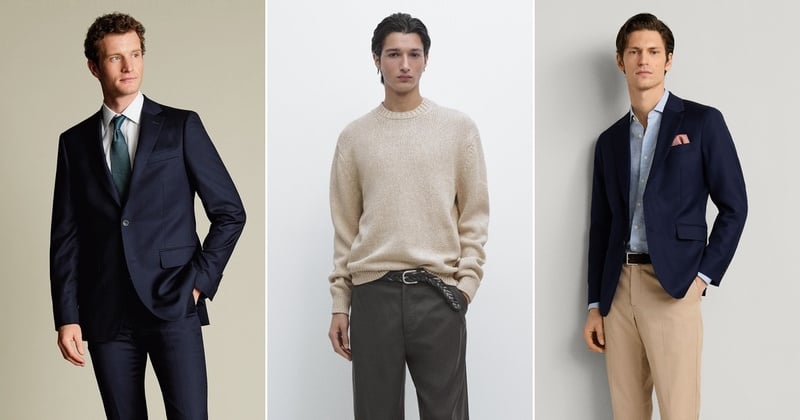
For an interview, tailored trousers or chinos with a long-sleeve collared shirt make a useful foundation. Add a blazer when the setting calls for more formality. A navy jacket over gray trousers is an easy combination because the distinction looks deliberate. Texture helps, too. Hopsack and softly woven wool look comfortable alongside separate trousers.
A checked sport coat introduces more character. Its pattern gives a plain shirt something to work with, while dark trousers keep the lower half restrained. For a conservative employer, a plain jacket offers the same structure with less visual activity.
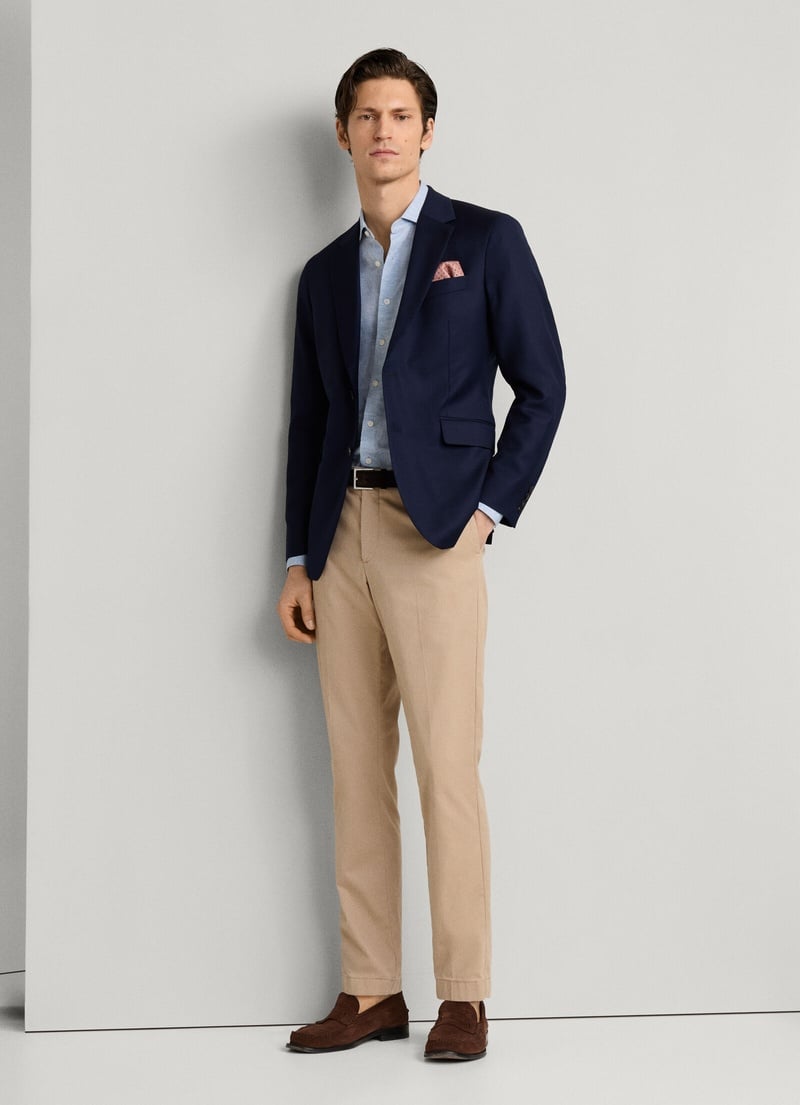
An open collar should sit properly beneath the lapels. Tuck in long dress-shirt tails and choose loafers or leather derbies that suit the weight of the trousers. The result can feel relaxed and still acknowledge that this is a day worth dressing for.
The casual part deserves a little scrutiny. A company may accept polos and jeans during the working week while expecting more from interview candidates. Even when jeans are business casual, permission to wear them on an ordinary Tuesday applies to that ordinary Tuesday. Check before making denim part of the introduction.
Smart Casual Interview Attire
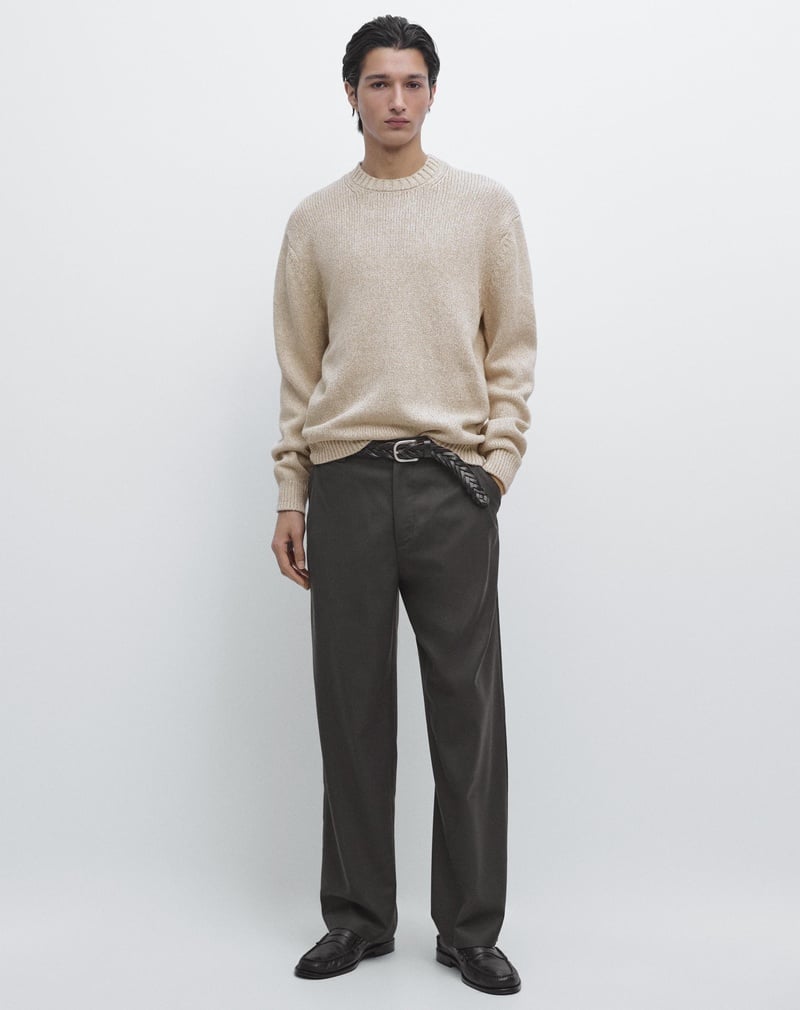
Knitwear changes the manner of an outfit. A crewneck and tailored trousers have some of the discipline of office clothes, with a softer attitude above the waist. For an employer that explicitly welcomes smart casual, this can feel entirely appropriate to the conversation.
The relationship between sweater and trousers matters. A knit that finishes around the waistband lets the trouser shape remain visible, while a lighter fabric keeps the silhouette manageable. Beige with gray is an easy example of how quiet colors can still give an outfit interest. Leather loafers connect the softness of the sweater to the more formal cut below.
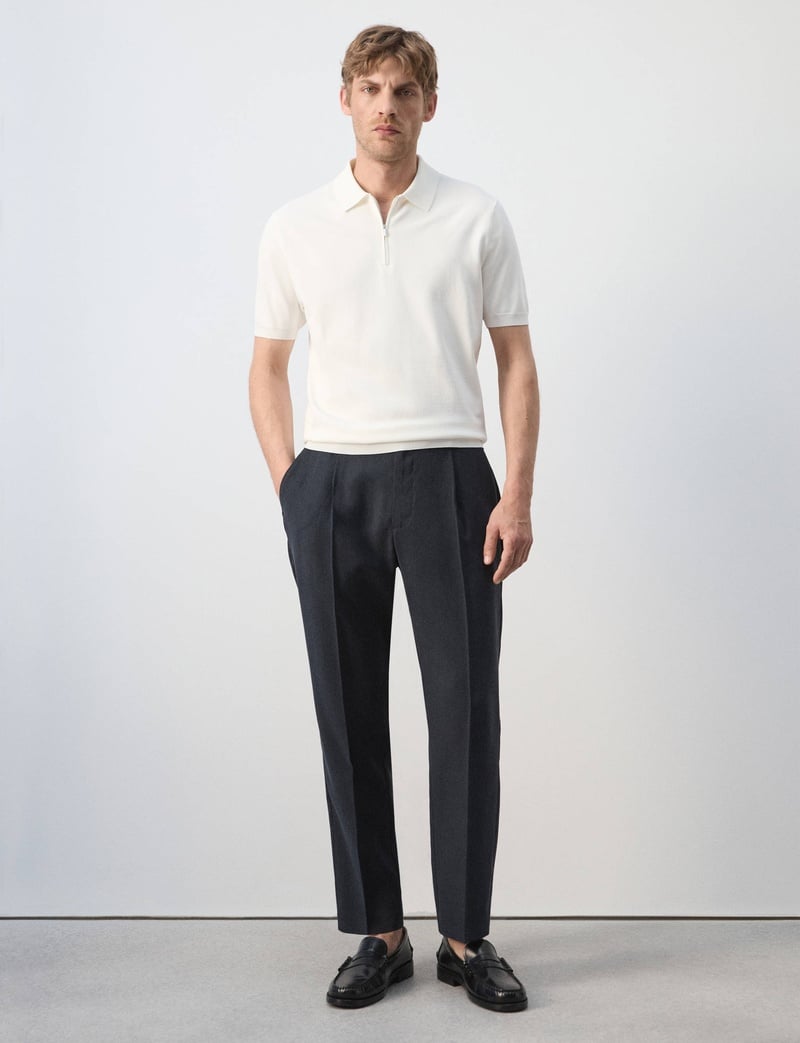
A collared shirt beneath a crewneck adds definition when needed. Keep the layers light enough to sit smoothly, especially around the neck. A knitted polo is another option where the dress code accepts one, giving the outfit a collar and a less traditional office character.
Creative businesses, startups, and tech companies may welcome this approach, though their names alone tell you little about the interview. A client-facing role can bring a jacket back into the picture. Let the particular employer settle the formality, then use texture and fit to give the clothes some individuality.
Casual Interview Attire
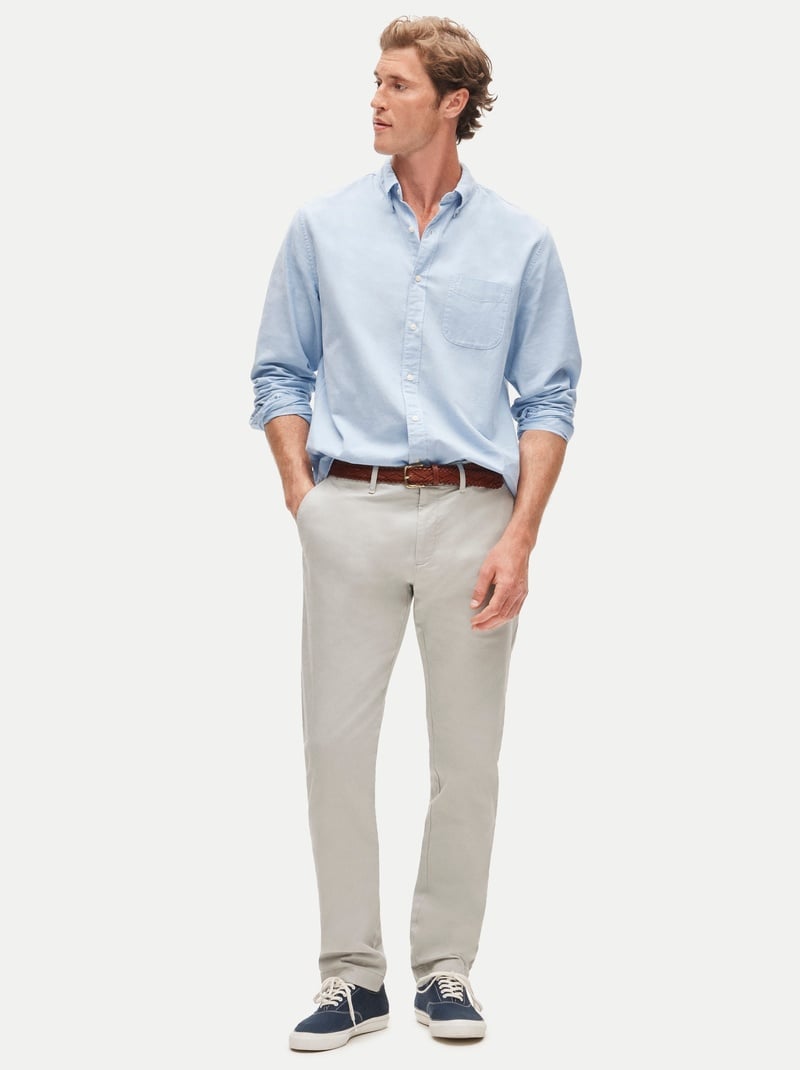
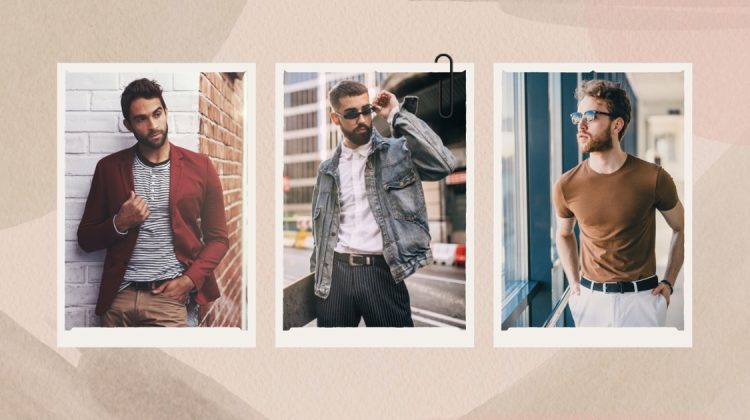
A shirt and chinos can be reassuringly straightforward. They are clothes a man might already wear by choice, and a few adjustments make them suitable for many explicitly casual interviews. The shirt supplies a collar; the chinos give the outfit a cleaner line than heavily faded denim.
The relaxed styling here shows where those adjustments happen. Lower the sleeves for the interview and consider leather shoes in place of canvas sneakers. Tucking the shirt gives the waist more definition, particularly with a longer hem. If the employer expressly accepts sneakers, choose an understated pair in clean condition.
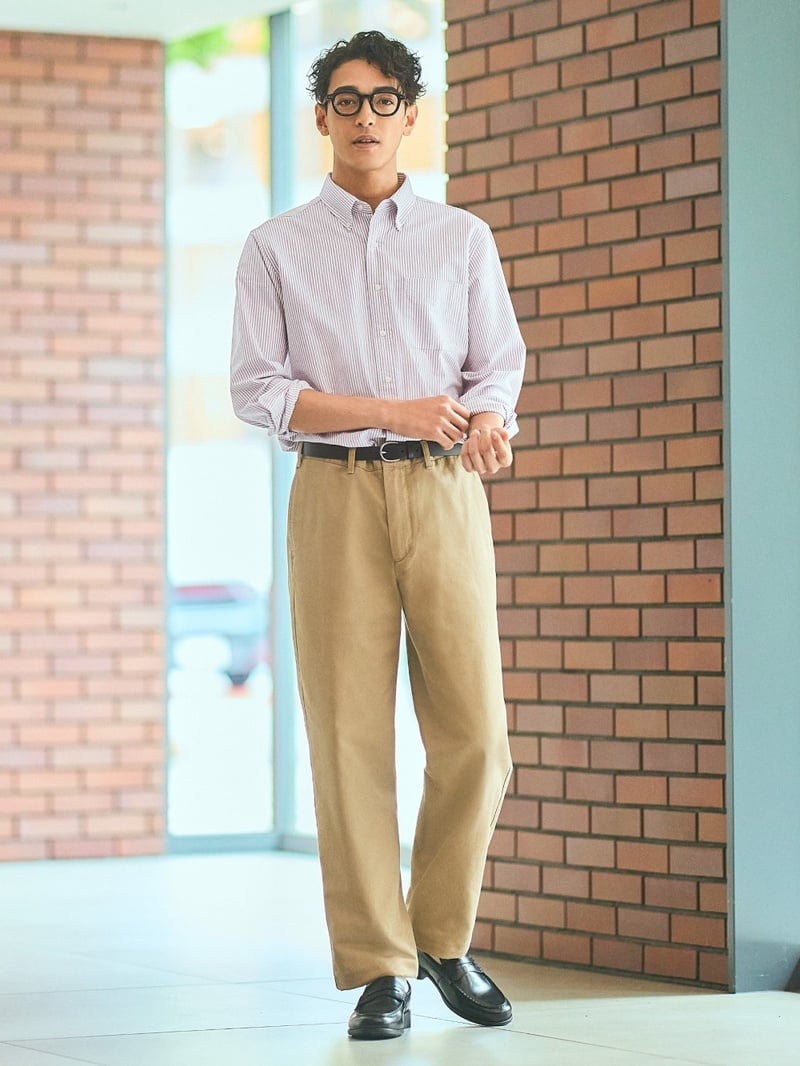
Retail and hospitality each cover a broad range of expectations. A luxury store may favor tailoring, while a neighborhood café may welcome simple casual clothes. Look at the business itself and the role you would perform. Its everyday presentation usually tells you more than an industry-wide label.
Trades interviews can add practical requirements. Ask whether the visit includes a site tour or working assessment and follow any instructions about footwear or protective clothing. That information belongs in the outfit decision from the beginning.
Interview Colors & Shoes
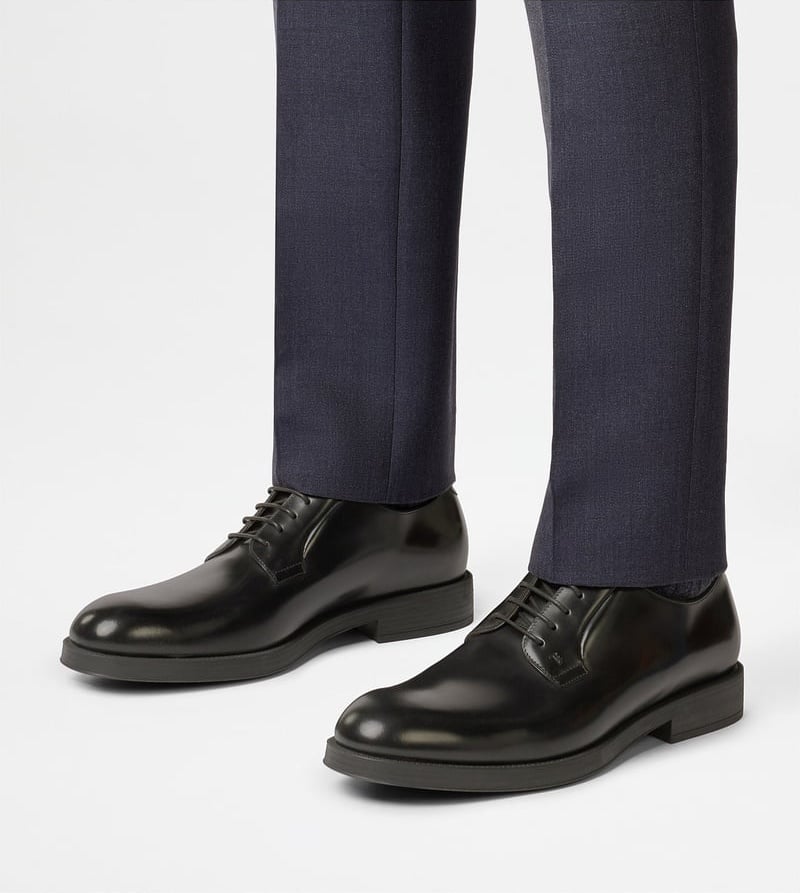
Navy and charcoal cooperate with much of a working wardrobe, giving a white shirt a clear setting and leaving the tie free to contribute personality. Brown or beige knitwear and textured jackets soften separates, while a blue shirt beneath a gray jacket offers a subtle change from white. Choose colors you feel comfortable wearing; predicting your management style is beyond the tie’s remit.
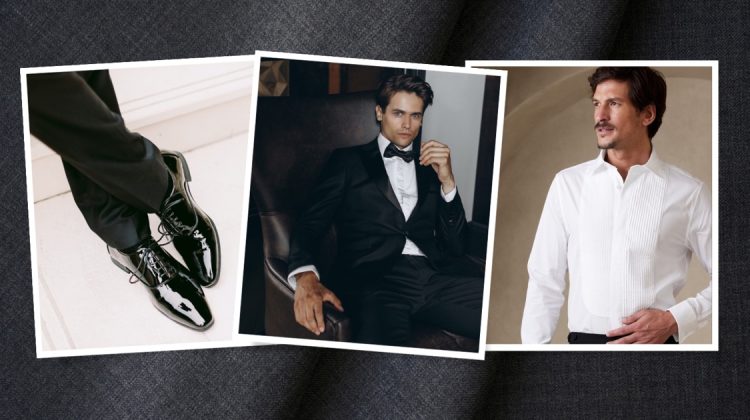
Black leather lace-ups reinforce a suit’s business character; loafers ease separates, while derbies give chinos a firmer finish. Match the trouser hem to the shoe’s proportions, shortening fabric that gathers over the instep or overwhelms a narrow dress shoe. Clean and check your shoes beforehand, and wear a pair you trust. A building tour is less enjoyable when your heels are discovering new leather.
Grooming & What to Avoid
Prepare the outfit the night before, checking the shirt for marks, pressing or steaming as needed, and hanging everything together. Clothes you know well can be a stronger choice than a recent purchase, especially once cleaned and altered to fit comfortably when seated. A jacket that needs constant tugging will compete for your attention, and small tasks acquire an unreasonable urgency when a train is due.
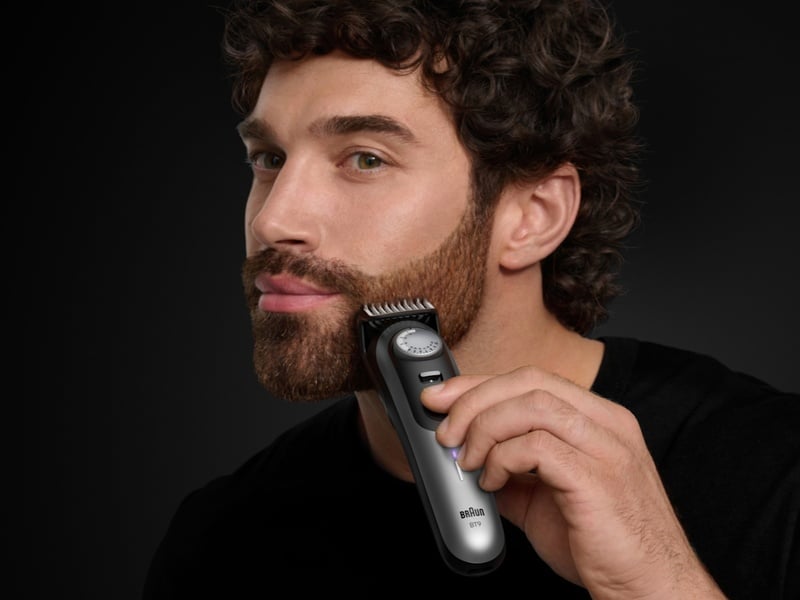
Wear your hair in a style you can maintain, give facial hair the same attention, and keep fragrance restrained for close conversation across a desk. Personal style can remain intact while showing attention to the occasion. Save distressed denim and overtly athletic clothes for settings that request them, and avoid large slogans or accessories that need constant adjustment and distract from the conversation.
Video Interview Attire
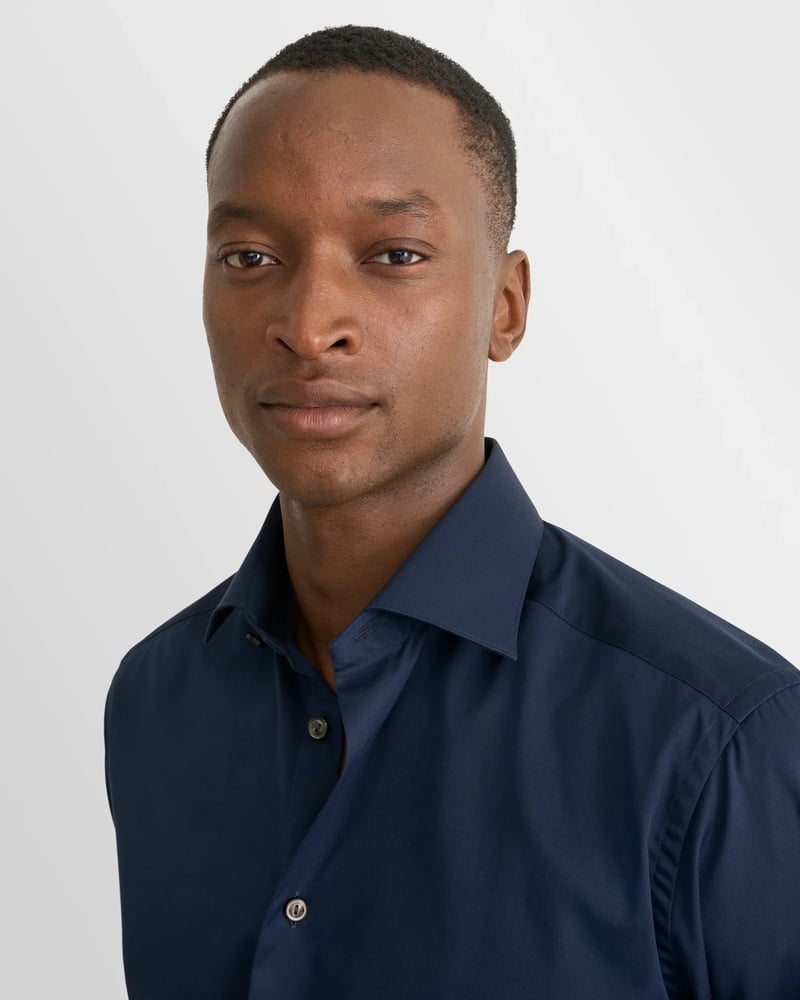
A video interview brings the shirt and neckline into unusual focus. What might be a small part of an outfit in person can fill much of the screen, so try the actual clothes on camera before the call. Fine checks and narrow stripes sometimes produce distracting patterns, while lighting can change how a color appears.
Follow the employer’s dress expectations as you would for an in-person meeting. A shirt and jacket still make sense for a formal interview; a fine knit may suit a confirmed casual setting. Check how the collar sits when seated and whether the layers bunch around the shoulders.
Dress fully, including trousers you would be happy for the interviewer to see. Position the camera near eye level and make sure the light lets your face remain visible. Once those practicalities are settled, you can give the conversation your attention.