A male model portfolio should make it easy to see what you look like and how you work in front of a camera. A close-up shows facial detail; a full-length photograph reveals proportions and posture. The task is to choose images that add useful information, then arrange them into a book that an agent or client can assess quickly.
Male Model Portfolio

Choosing the Photographs

A short edit of distinct photographs is more useful than several versions of the same pose. Look for clear focus where it matters and lighting that suits the image. A grainy editorial photograph may belong in the book, while an accidentally blurred reference shot may not.
Choose a photographer whose work suits the images you need. Discuss the brief and what files you will receive before booking. If you are applying to an agency for the first time, check its submission instructions before paying for a portfolio shoot; simple digitals may be all it requests.
Clothing

Clothing changes what a portfolio photograph communicates. A tailored jacket shows how you wear structure, while a loose shirt reveals how fabric moves around the body. Plan the wardrobe around the type of work you want to show.
Designer labels are optional. Fit and styling matter more than the price of an outfit. A plain T-shirt can be useful for a straightforward portrait, while a more involved fashion image may need a stylist to develop the look.
Clothing for the Work You Want

If you want to show suitability for business fashion, include an image in tailoring or a shirt and trousers. It should show how you wear the clothes, with the jacket and cuffs sitting as intended.
For sportswear work, an active photograph can demonstrate movement. Choose an action you can perform comfortably and check that the photographer can see both your posture and the garment.
Showing Different Looks

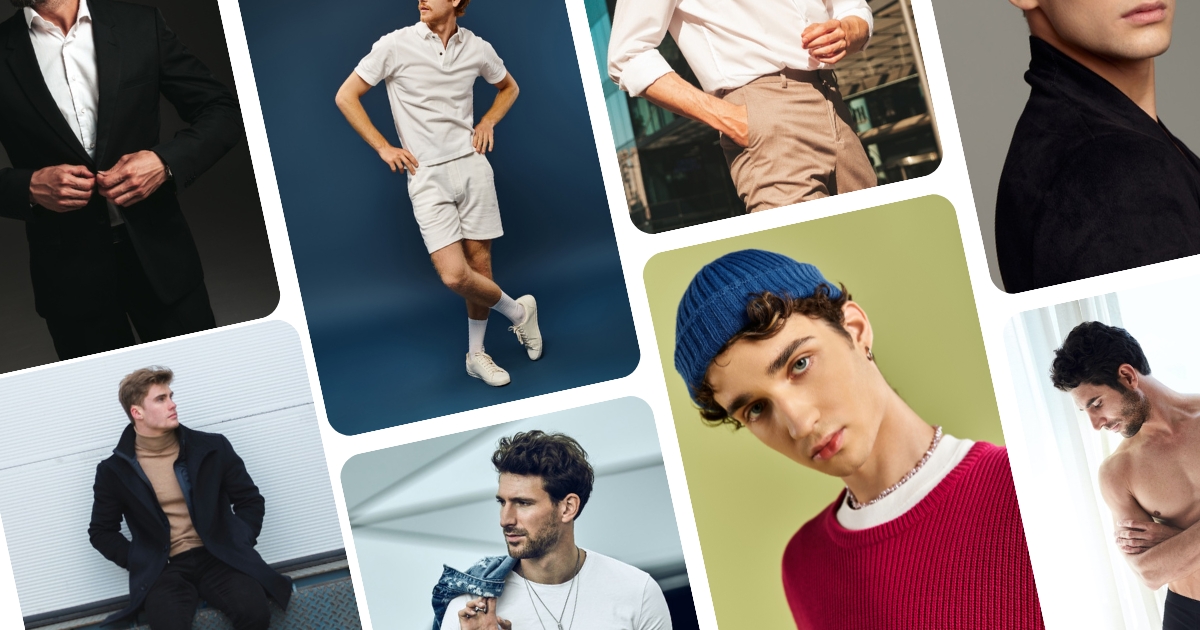
A selection of tailored and casual looks can show different aspects of your work. Add sportswear or swimwear only when it serves the book you are building. You do not need to cover every clothing category.
Consistency & Cohesion

Variety should still leave an agent with a clear sense of your current appearance. Keep images that resemble you now, even when the styling changes. If a photograph depends on an old haircut or a different physique, consider whether it still belongs.
Ask your representative to help with the edit if you have one. The most striking photograph from a shoot may not be the most useful addition to your particular book.
Skills & Individual Features

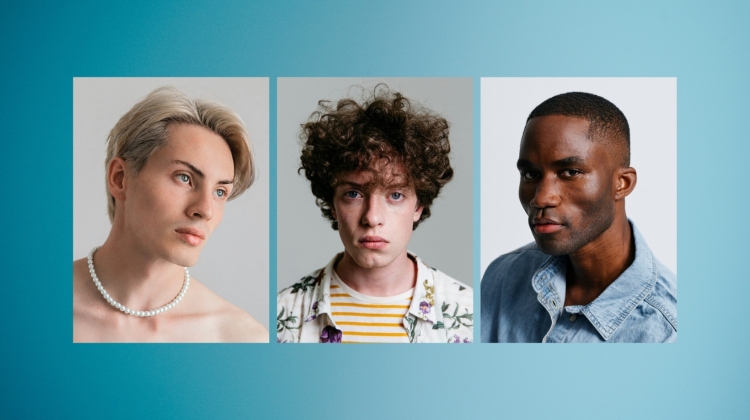
Let your existing features remain visible where the brief permits. Tattoos and piercings do not dictate a single style of shoot; they can appear in a straightforward portrait as naturally as in a more theatrical fashion image.
Relevant skills can add another dimension. The airborne pose above shows how dance can contribute to a photograph through balance and body control. Include that type of work if it reflects something you can perform reliably on set.
Editing & Retouching
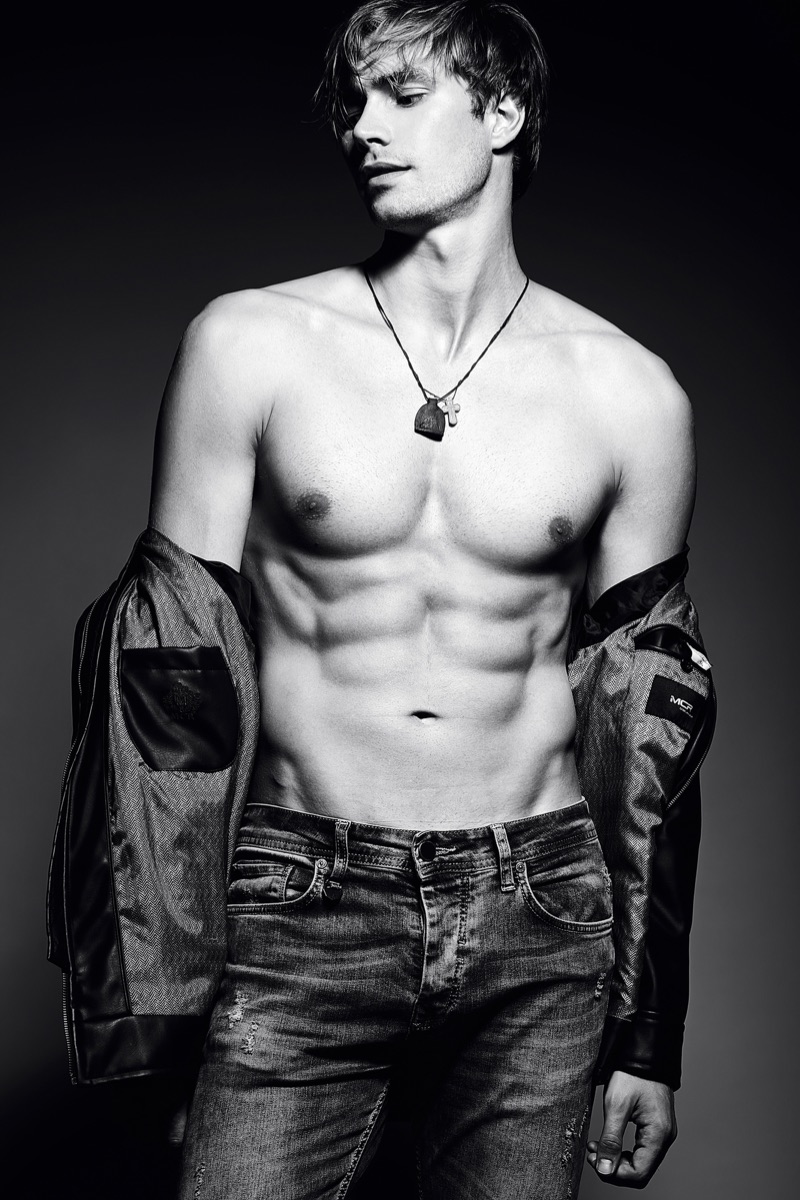
Agree on editing before the shoot. Exposure and color adjustments can support a finished portfolio image, while extensive changes to facial features or body shape can make it less representative.
Keep unedited submission digitals separate from styled portfolio work, and follow the recipient’s requirements. Black-and-white images can sit alongside color photographs when they contribute something useful; a change in treatment alone does not establish range.
Review the delivered files at full size. Check for distracting retouching and confirm that the files are suitable for the agreed digital or print use.
Poses

Choose male model poses according to what the photograph needs to show. A turn can reveal a jacket’s shape, while a quieter stance makes proportions easier to assess. Each position should have a purpose in the image.
Full-Length Photographs

A full-length photograph includes the head and feet, showing the relationship between posture and clothing. Keep the camera position consistent for straightforward reference images. A low angle changes proportions and belongs to a specific photographic treatment.
The black-suit photograph above uses a crossed step to create movement. Study work by established male models for composition and garment presentation, then adapt the idea to your own shoot instead of copying the expression or stance exactly.
Half-Length Photographs

A half-length crop concentrates attention on the upper body, often around the waist. A crop extending to mid-thigh shows more of the outfit. Give the hands a comfortable position and check that the arms leave important clothing details visible.
Body Shot

A body-focused photograph shows proportions and posture more directly. Discuss the wardrobe and purpose with the photographer in advance, and work within your comfort level. For agency submissions, send the specific views and clothing requested through the agency’s official channel.
Close-up

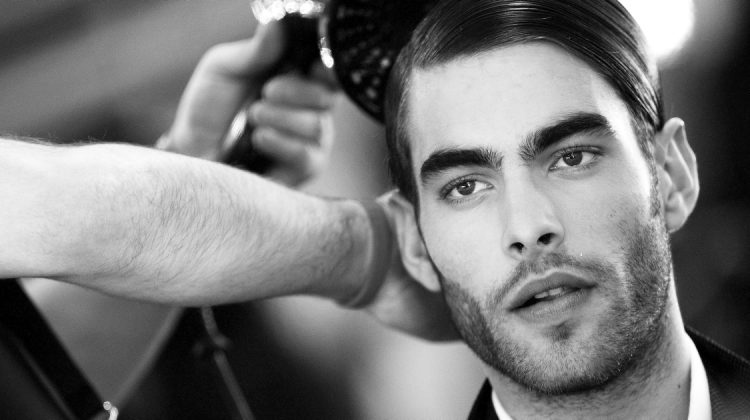
Close-ups give facial expression a larger role. A natural smile offers different information from a neutral portrait, while a profile shows the outline of the face. Select the views that add something to the book or meet the submission brief.
Your photographs should reflect your current grooming, whether you are clean-shaven or have a neatly trimmed beard. Update reference images after significant changes in hair or facial hair.
Casual

Casual photographs can show how you work within a setting. The magenta outfit above uses a street location and a relaxed stance, with the clothing providing most of the color. One convincing image of this type can add more than several nearly identical studio portraits.
Essential Information for Your Model Portfolio

Keep practical information alongside the photographs so an agent or booker can check the details needed for a casting. The requested information will depend on the recipient.
Measurements
Provide accurate, current measurements in the units requested. Common details include height, chest, waist and shoe size; add other measurements when the agency or casting brief asks for them.
Measurements help a team assess sample sizes and plan fittings. Update them when they change, and distinguish a body measurement from the labeled size of a garment you own.
Experience & Availability

A short note can identify relevant experience or skills. Name verified work where useful and be clear if you are new to modeling. A lengthy biography adds little when the recipient needs photographs and basic details.
State your base and practical availability when requested. Travel plans or location limits are useful to discuss directly with an agency, especially when they affect attendance at castings or shoots.
Contact Details

Provide a working email address or your agency’s booking contact. Send a phone number through private applications when requested; a public portfolio does not need to display every personal contact detail.
Include a portfolio website or relevant professional social profile if it adds current work. Check that links open correctly and that the strongest images are easy to find on a phone.
Keeping Your Portfolio Current

Review the book whenever new work comes in. Replace images that repeat an existing idea or no longer represent you, and keep the measurements and contact details current. The result should be a useful record of your work, not an archive of every shoot.