Men’s Y2K hairstyles could announce a personality before a man had said anything. Bleached spikes suggested a night out; a curtain fringe belonged beside a shell necklace and an unbuttoned shirt. The most recognizable 2000s hairstyles for men turned grooming into part of the outfit, with visible product at one end and carefully cultivated bedhead at the other.
The period overlapped with 90s men’s hair, then developed its own television heartthrobs and red-carpet habits. Much like the Y2K fashion aesthetic, its hair was shaped by competing ideas of how a man should look. Those associations later furnished a dress code for nostalgia-driven Y2K club style.
2000s Hairstyles for Men
Bleached Hair
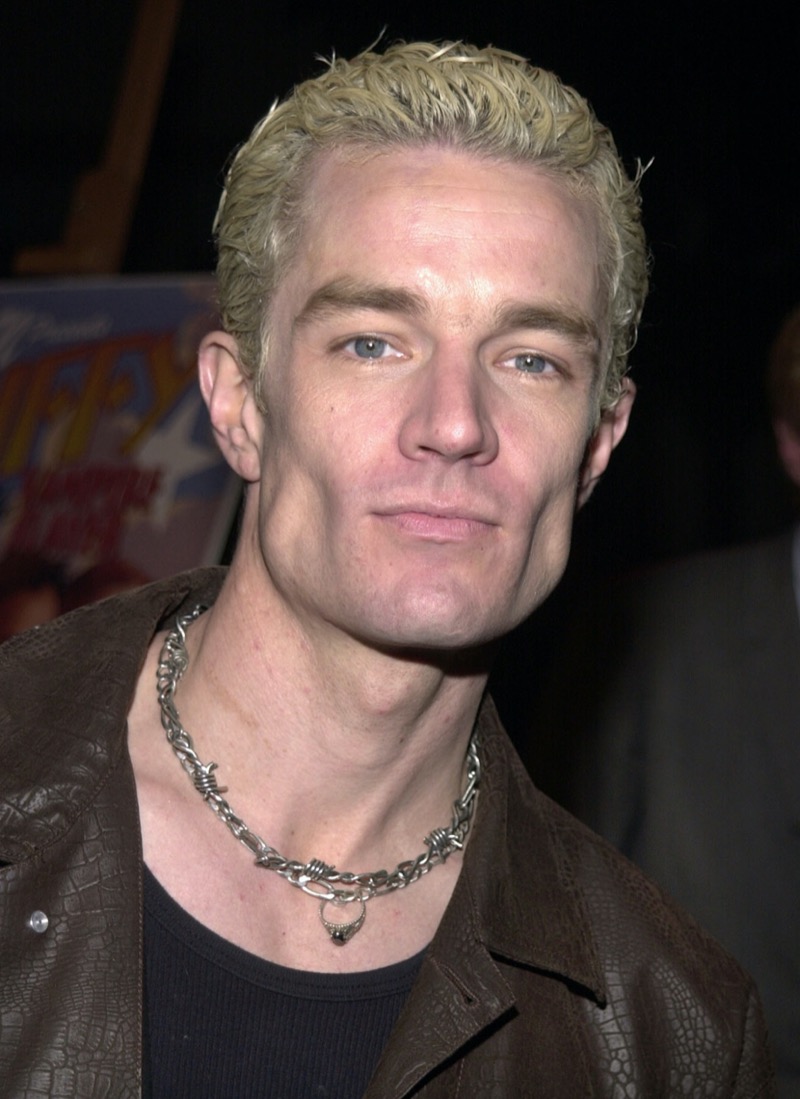
Bleached hair made color the main event. James Marsters wore it close at the sides, with the top pushed back into small, separated points. The blonde lit up against his leather jacket, giving a conventional short cut a more confrontational character. All-over bleaching also created a different effect from frosted tips: the whole head changed color, and regrowth became part of the look. Keeping the length short concentrated the impact around the face.
The Buzz Cut
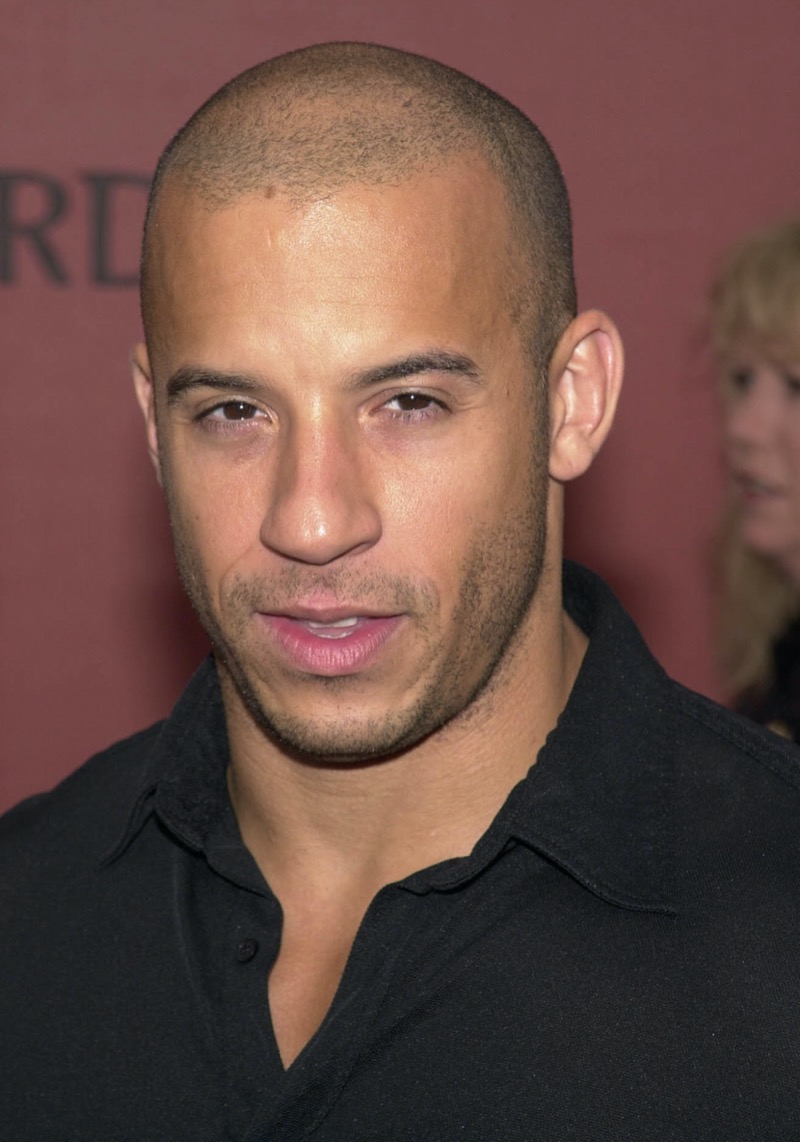
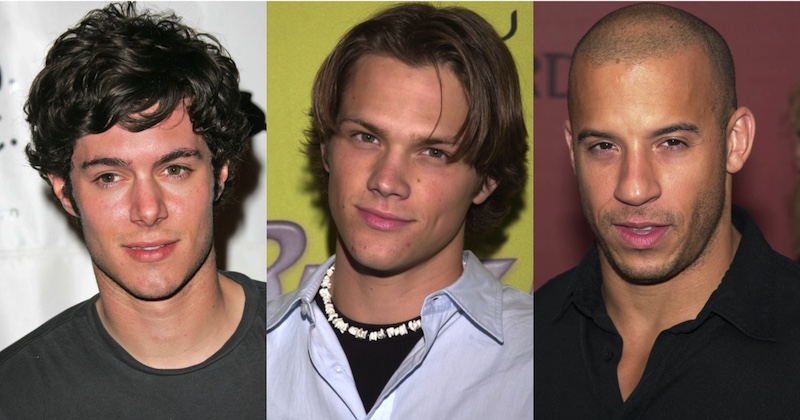
Vin Diesel’s near-shaved buzz cut belonged to the action-star end of early-2000s grooming. A fine layer of stubble followed the head’s contours, putting facial features and expression in charge. With an open-neck shirt, the effect was direct and physical, a recognizable alternative to the era’s heavily worked hair. There was little to arrange each morning, though keeping that close finish meant clipping it regularly.
Cornrows
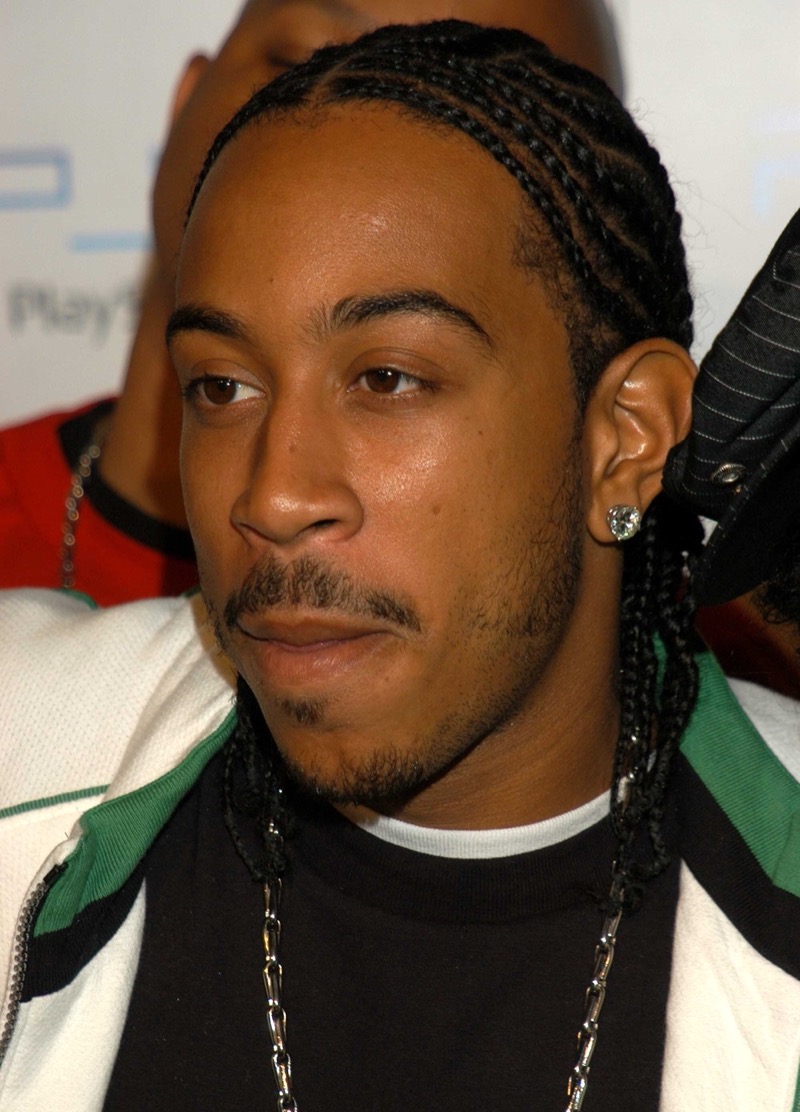
Cornrows brought intricate braiding into some of the era’s most visible images of male celebrity. Ludacris wore narrow rows that curved across the scalp, with braids extending behind his ears. Long established in Black hair culture, the style became closely associated with the meeting of hip-hop and basketball in Y2K style. The exposed partings mattered as much as the braids themselves, turning the arrangement into a graphic element alongside jewelry and sportswear.
Curly Mop Haircut
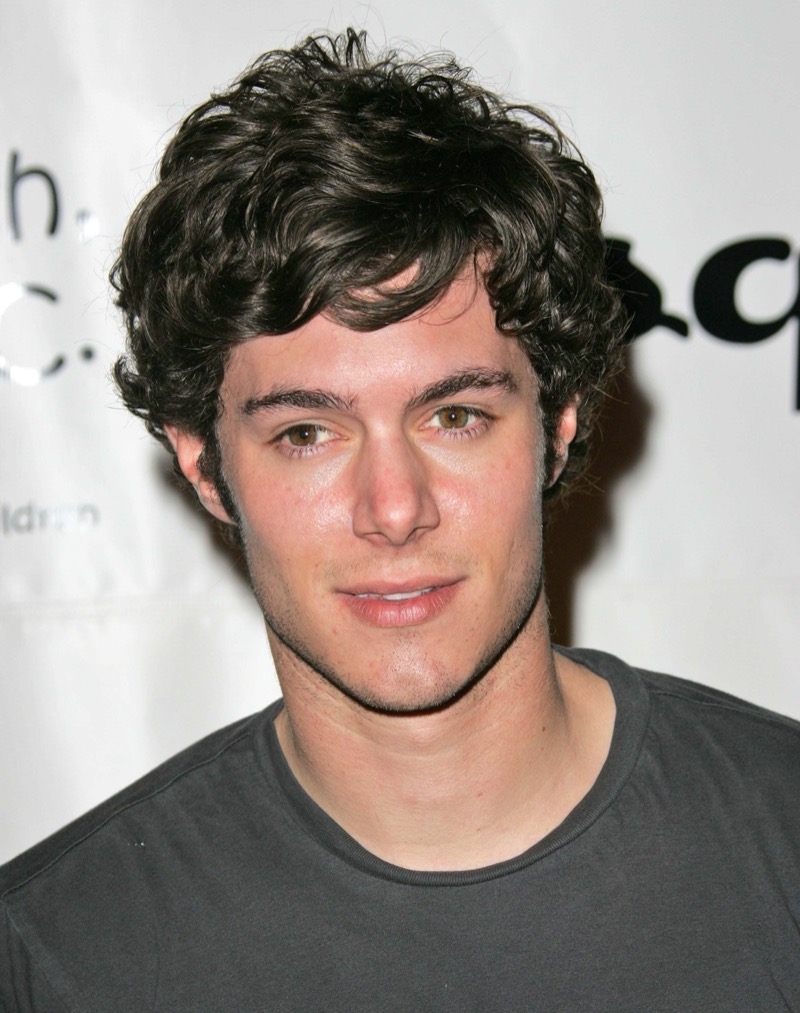
Adam Brody’s curls had a particular type of appeal in the years of The O.C. His hair made a little disarray look romantic, especially beside the hoodies and indie-band references associated with Seth Cohen. The curly mop kept enough length for waves and curls to overlap across the forehead, with fullness continuing around the sides. Its character came from that rounded, tousled outline. Lightly defined curls preserved the impression that getting dressed had been the bigger task.
The Curtain Cut
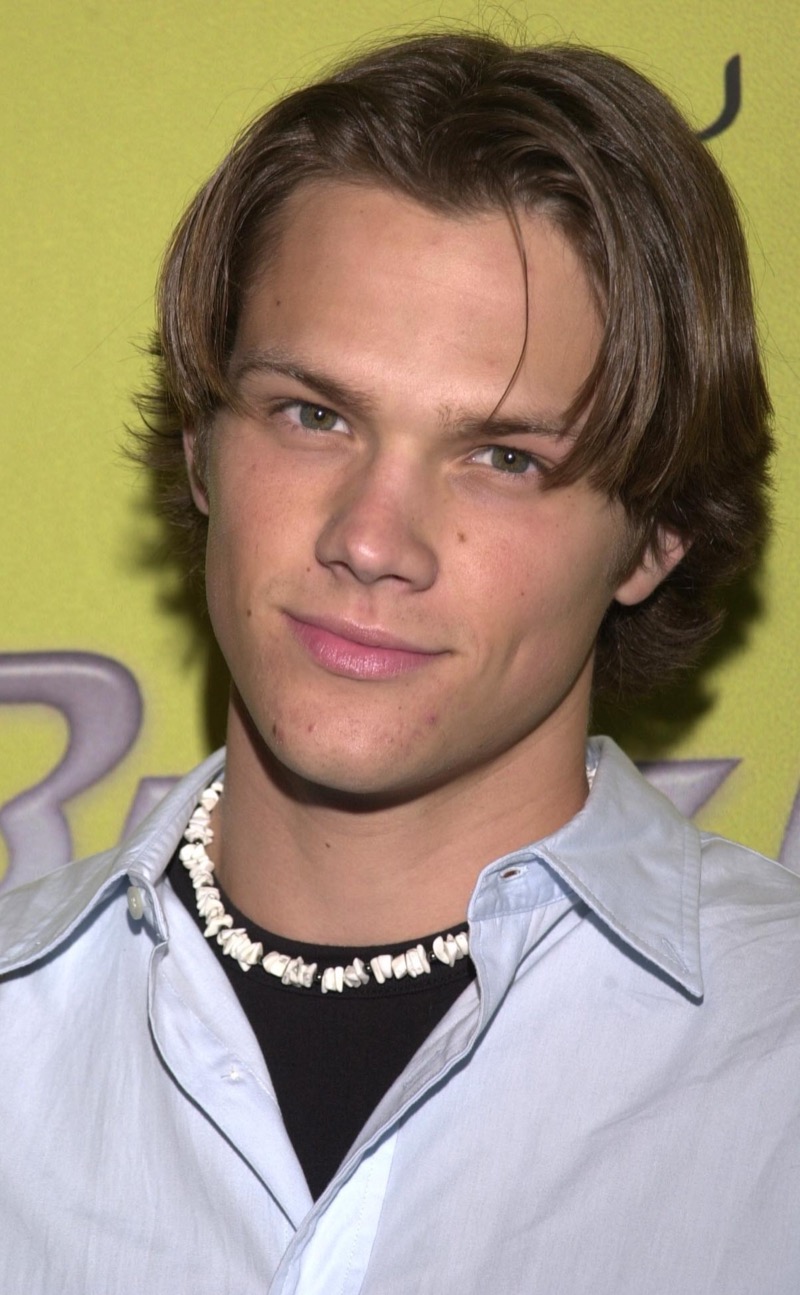
The curtain hairstyle retained its teen-heartthrob credentials as the 1990s became the 2000s. Jared Padalecki’s version had a slightly off-center part and long front sections that bent beside the eyes. The exposed forehead kept the shape open, while the length around the ears connected it to the decade’s shaggier cuts. A shell necklace and an open shirt completed the picture. The hair did as much of the flirting as anything he wore.
Frosted Spiky Hair
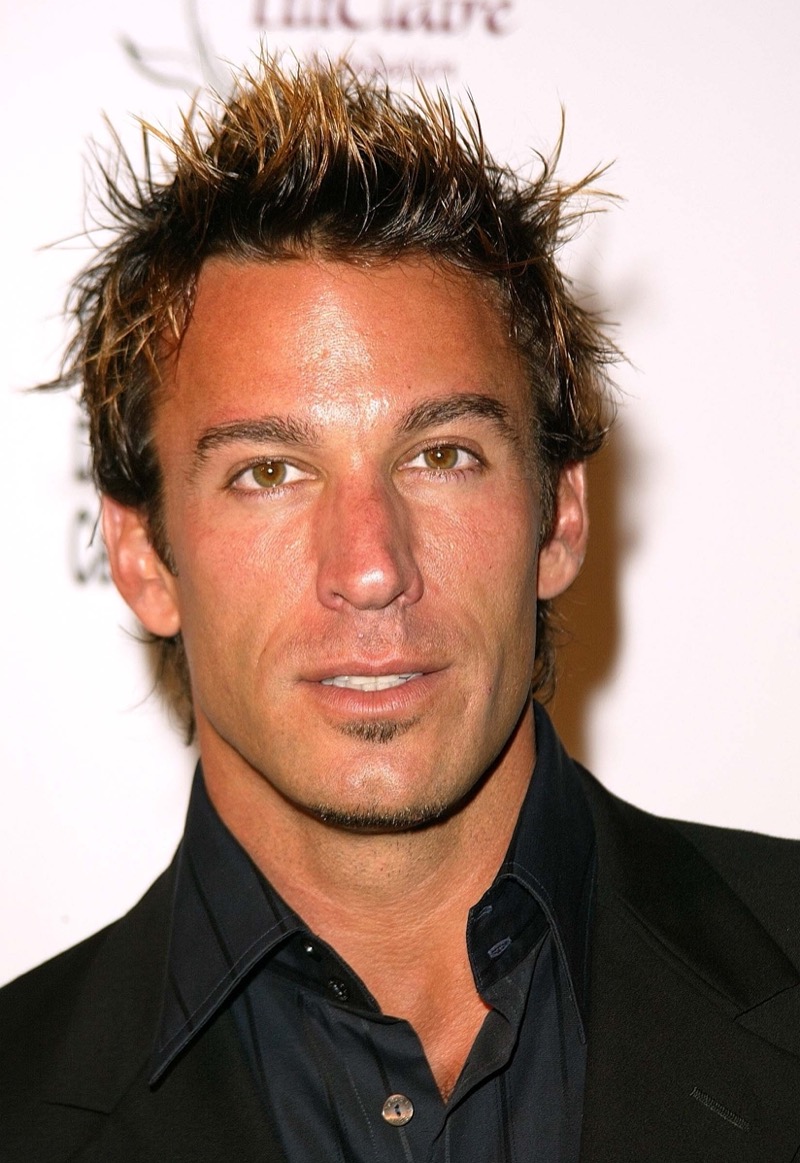
Dan Cortese’s frosted spikes showed how much the era could ask of a short haircut. Dark roots anchored the shape, lighter ends picked out each point, and the top fanned upward in several directions. Color and styling worked together here: the highlights made the separation more visible. Firm hold preserved that lifted silhouette, with the sides kept close enough to concentrate attention above the forehead. Even a black collared shirt became part of an event look beneath it.
The Layered Cut
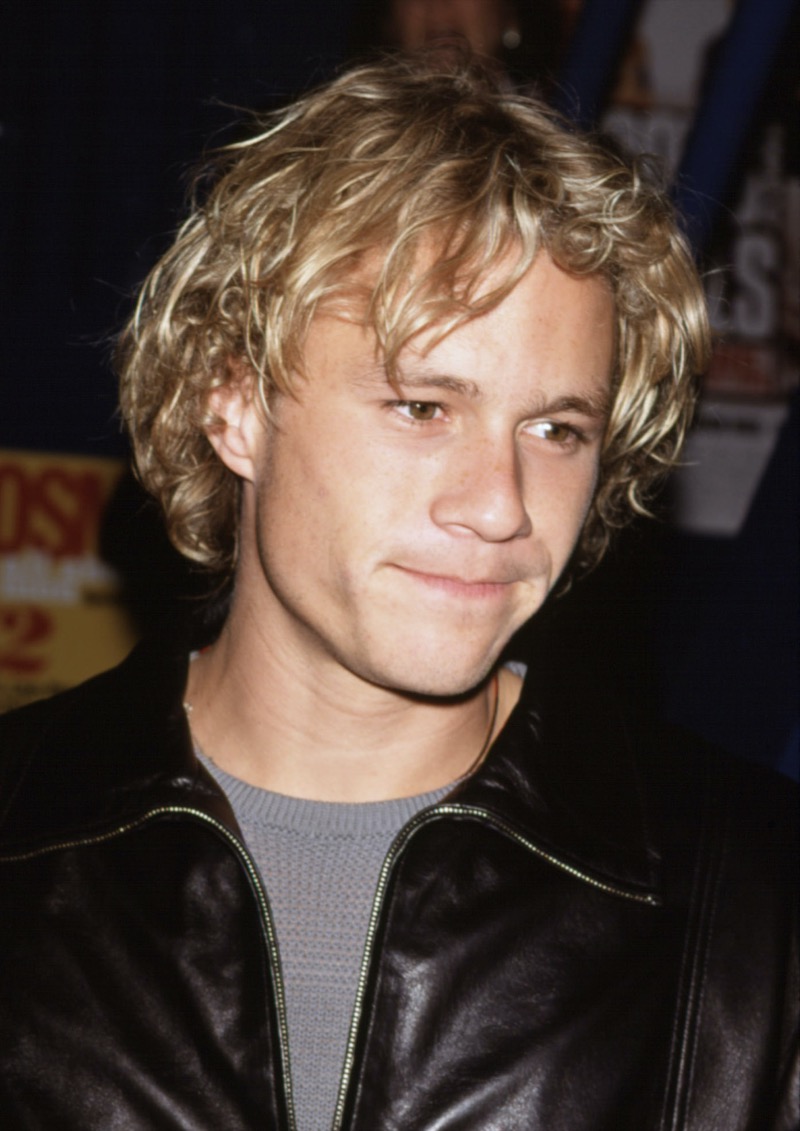
Heath Ledger’s layered hair fell around his face in loose blonde waves, with length reaching the nape. The ends bent and separated instead of forming a fixed outline, giving his leather jacket a softer frame. This was the longer, more fluid side of 2000s men’s hairstyles, where the cut allowed texture to move through the whole head. Layers kept the shape from becoming a solid curtain, and the irregular fringe contributed to its slightly disheveled charm.
Shaggy Surfer Hair
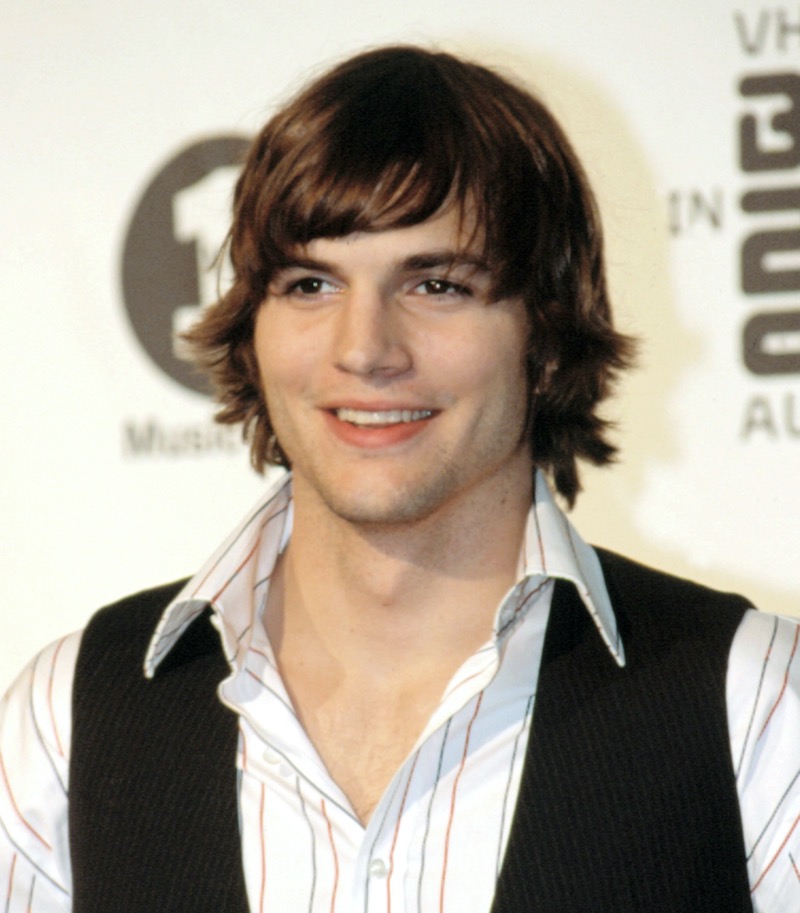
The surfer hairstyle took a particularly recognizable form in the 2000s: a heavy fringe above outward-flicking ends. Ashton Kutcher wore that shape with hair covering the ears and turning up at the sides. The result had a broad, winged outline, distinct from the loose waves of a longer layered cut. His shirt and sweater vest gave the shag a collegiate setting, showing how readily beach-associated hair could migrate into the mall wardrobe.
The Short Shag
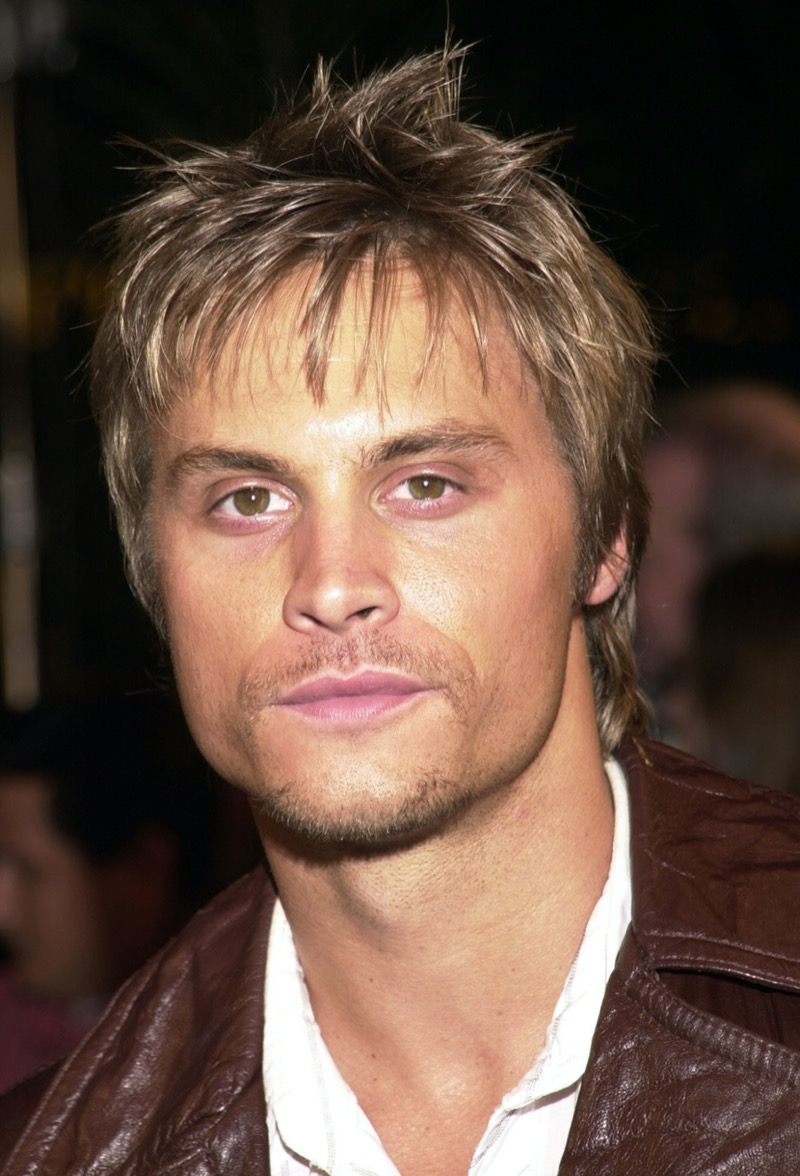
Dax Griffin’s short shag combined a broken fringe with pointed layers through the crown. The front fell toward the eyebrows while the top lifted, creating two directions within the same compact cut. Lighter strands emphasized the separation, and extra length at the back kept the silhouette shaggy. It had more visible styling than the curly mop and less uniform upward lift than frosted spikes. Piecey texture was the point, right down to the ends resting against the leather collar.
The Tapered Caesar
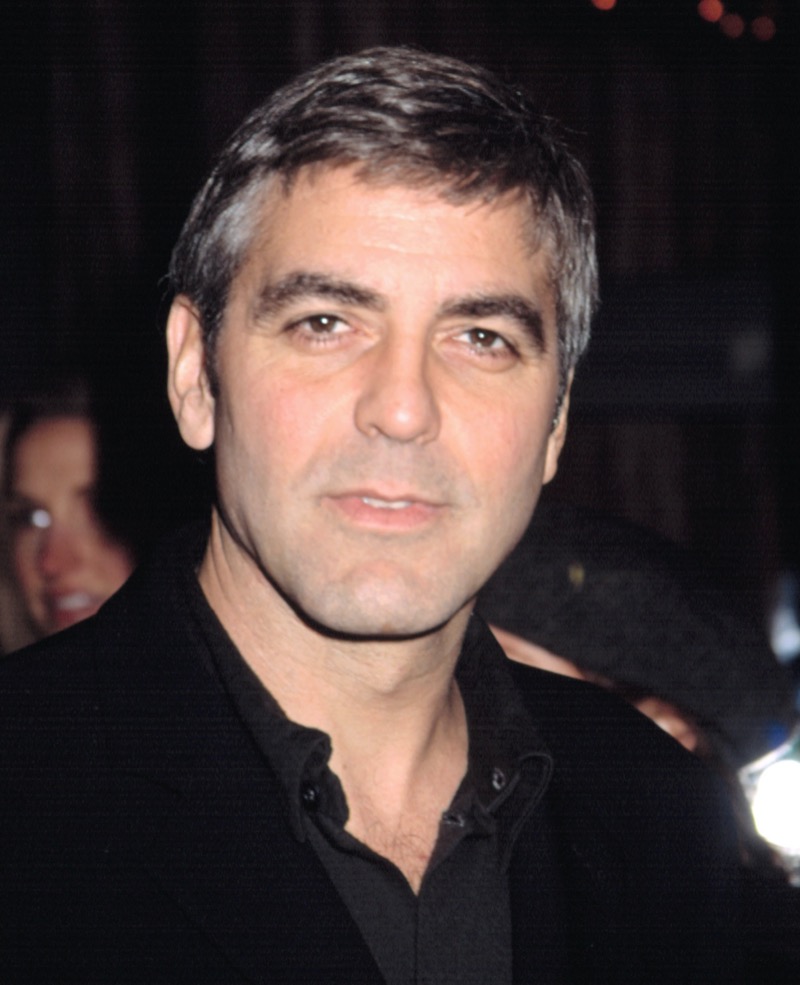
The tapered Caesar represented the shorter, more restrained side of the period. George Clooney’s compact crop kept the sides close and the top lightly textured, with the front directed slightly across the forehead. The outline was controlled, but small separations through the hair kept it from looking rigid. Worn above an open black collar, it gave the face a clear frame. Early-2000s grooming also had a place for men who preferred their haircut to make a quieter introduction.