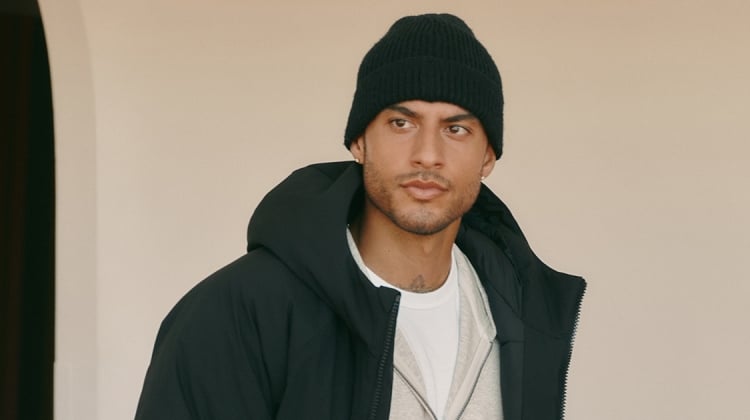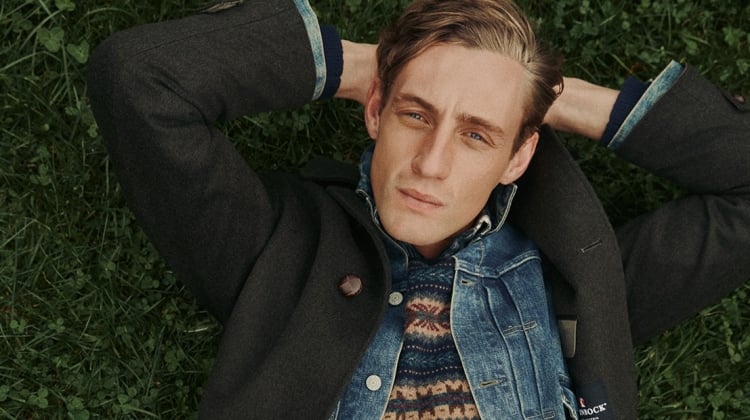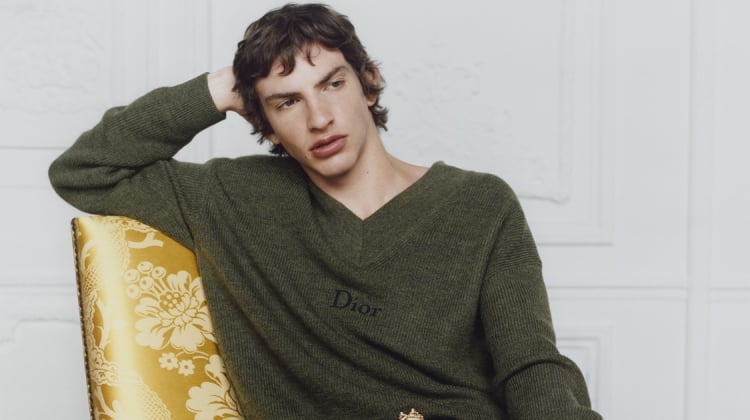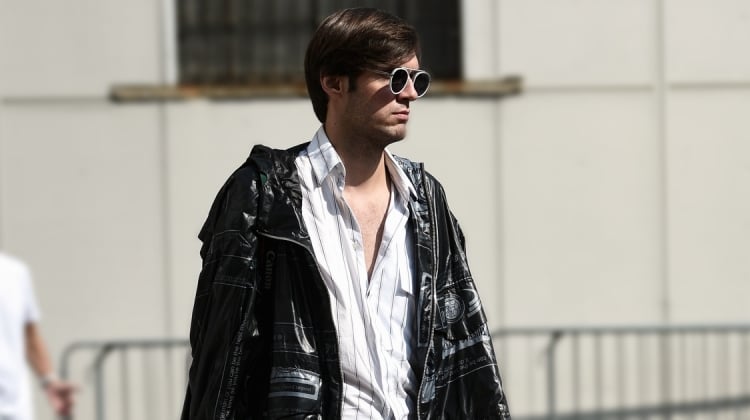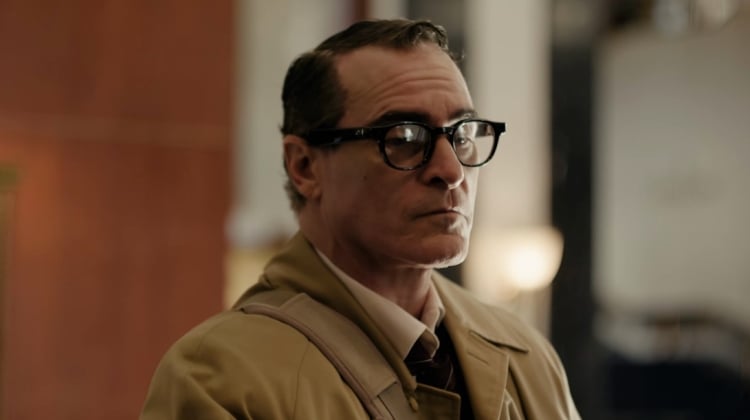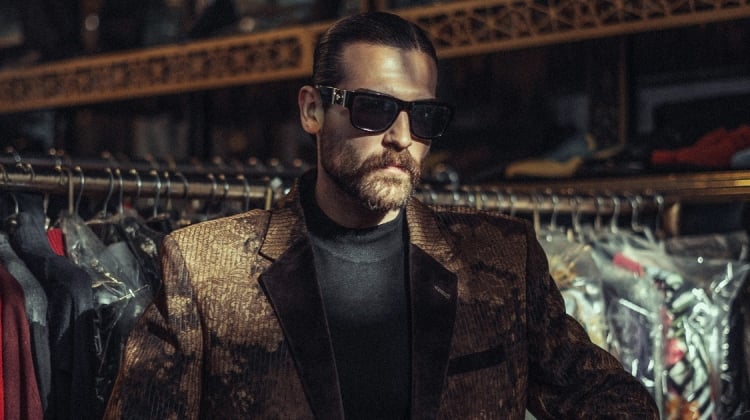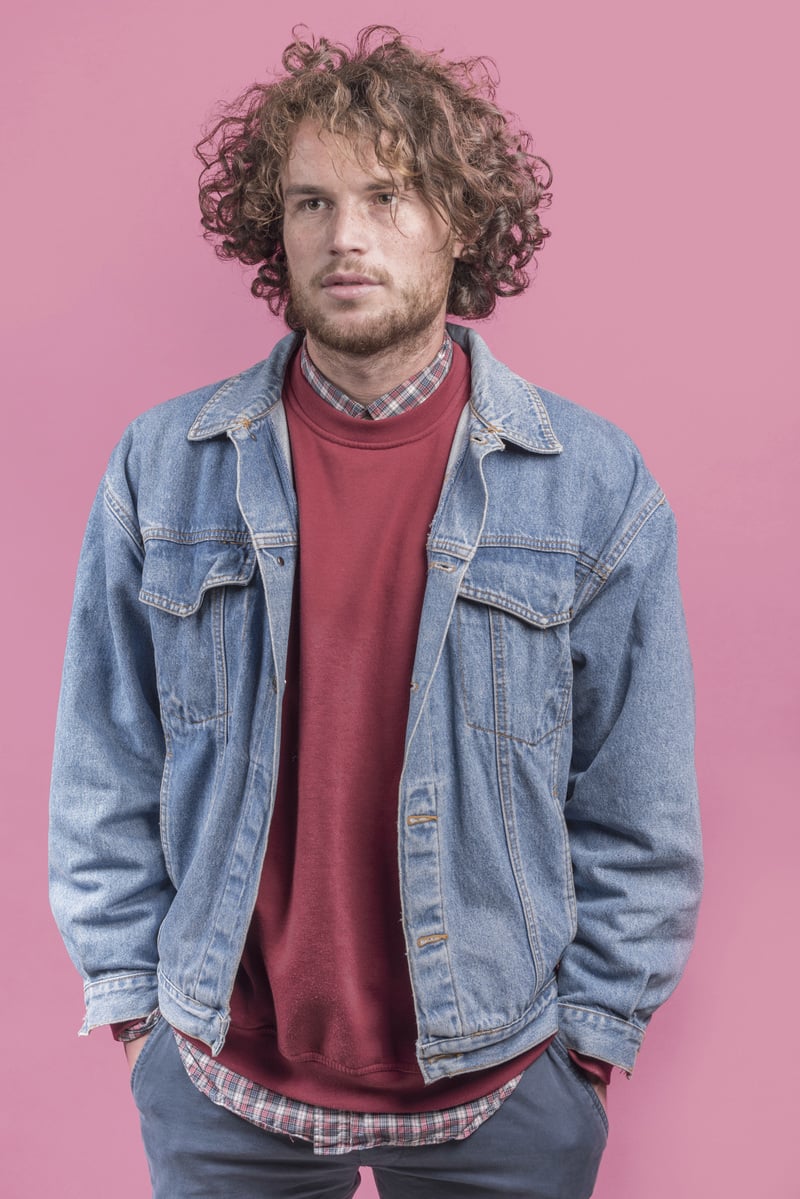
The same suit can suggest a different person after a haircut. Closely cropped hair brings the face and collar into focus, while longer waves introduce movement above a tailored jacket. The clothes haven’t changed, but their owner seems to have a different agenda. Hair helps establish how an outfit reads, giving even the most conventional pieces a personal point of view.
What Your Hair Says About Your Clothes
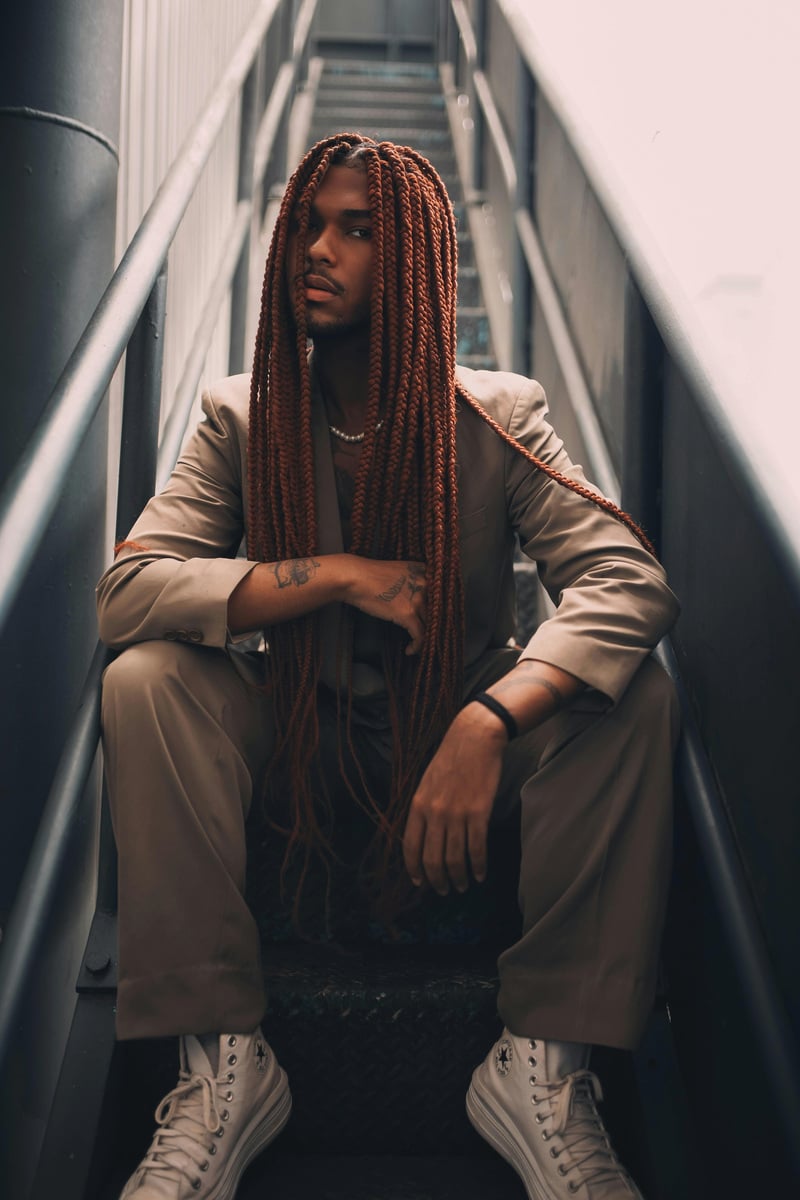
Hairstyles and clothing speak to each other. Short, precise cuts can reinforce the discipline of tailoring, while loose curls soften its formality. Reverse the combination, and the effect changes again. Slicked-back hair gives casual layers a more dressed-up attitude, while a shaggy cut lends a business suit a little rock-and-roll history.
The attraction often lies in the tension. Someone who spends the week in tailored jackets might prefer his hair slightly unruly. Another man might use a close cut to give oversized clothing a more defined outline. Matching every detail can feel predictable. Letting personal tastes meet in the same outfit gives it character.
Shape Starts Above the Collar
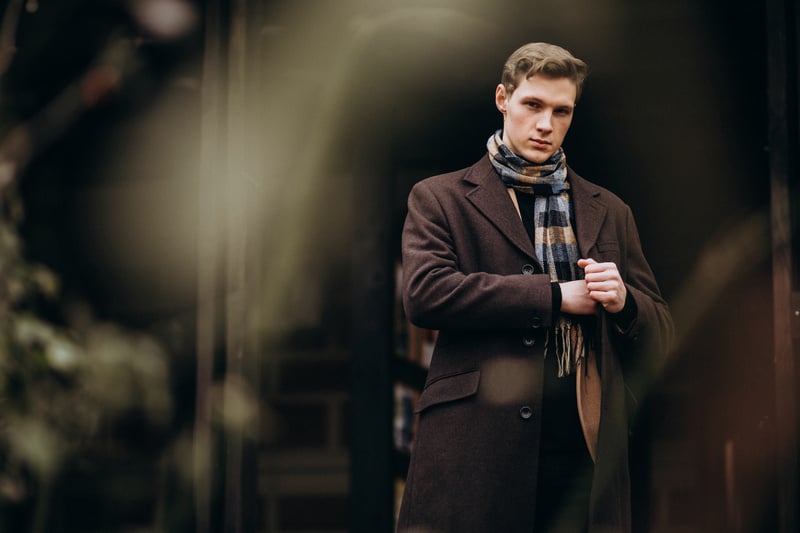
Hair creates a silhouette of its own. Straight lengths can fall close to the head, while curls and coils build volume around the face. Those proportions influence how a hairstyle sits above broad shoulders or meets a high collar. Pulling longer hair back exposes the neckline and changes the balance again.
Grunge offers a clear example of hair and clothing expressing the same attitude. Shaggy lengths worked alongside the flannel shirts and loose denim associated with the decade, making grooming part of its approach to dressing. Put the same hair above a tailored jacket, and some of those musical associations remain.
Natural texture makes these choices individual. Curls gathering at the forehead or straight hair falling across a parting can become as recognizable as a favorite frame of glasses. Sometimes, moving the part or changing the finish is enough to make an everyday outfit feel different.
A Change of Hair, a Change of Character

Sometimes a new wardrobe calls for a new head of hair to go with it. For a musician stepping into a new album era or a model becoming someone else for an editorial, real hair wigs can make a temporary change in length or texture part of the transformation. The hair helps express the character as much as the clothes do.
David Bowie’s Ziggy Stardust took the relationship between hair and wardrobe to theatrical extremes. His spiky hair and flamboyant jumpsuits worked together to create the character, as the photographs in the V&A’s collection illustrate. Each styling choice contributed to the same fantasy.
The principle works on a smaller scale, too. Imagine a velvet suit beneath flowing waves, then a short cut with a straight fringe skimming the eyebrows. One suggests a romantic frontman; the other gives the look a more severe edge. Changing the hair brings out a different side of the clothes.
Offstage, the changes can be smaller, though the connection remains. Wearing hair loose instead of tied back alters how it meets a jacket collar. Switching from a matte finish to a glossy one makes the same cut feel more formal. A transformation can begin with something already on the bathroom shelf.
Borrow the Detail, Make It Yours
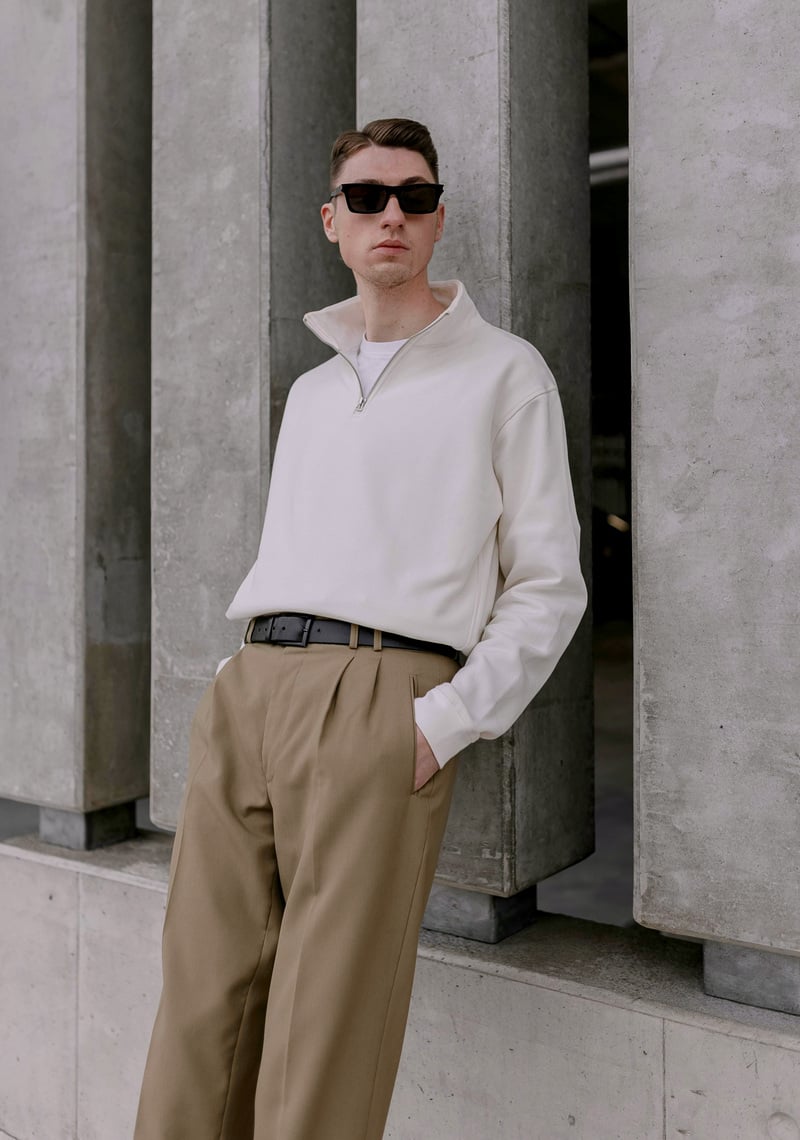
Fashion photographs invite imitation, though a hairstyle has a working life beyond the image. Daily styling time matters. So does the prospect of maintaining a fringe which looked excellent for the few seconds someone stood still in front of a camera.
Look for the specific detail behind the attraction. Perhaps it’s the length around the ears or the texture through the crown. Taking one element and adapting it to your own hair makes inspiration useful. It also gives the result a closer relationship to the clothes you actually wear.
Keeping a signature hairstyle can be just as expressive as changing it. Over time, a particular cut becomes associated with its wearer, much like a favorite jacket. Knowing what you like is a style decision, too.
The Haircut Is Part of the Outfit
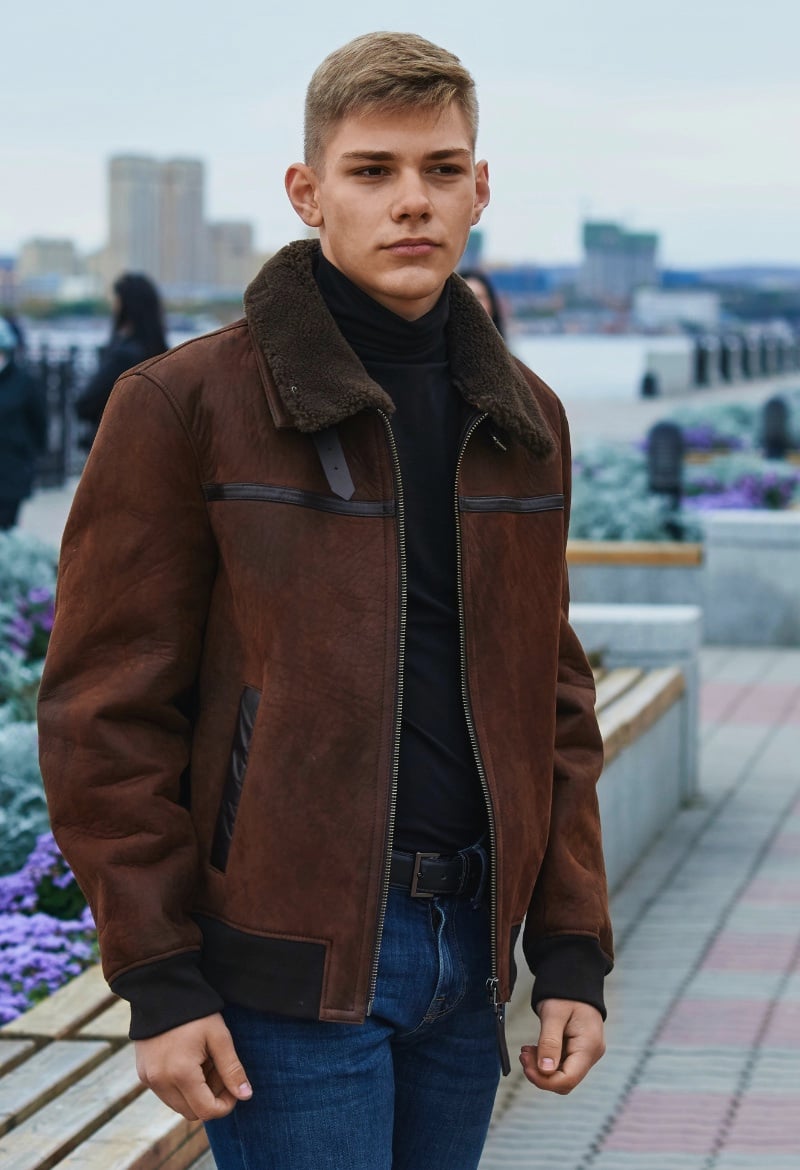
Hair connects clothing to its wearer. It can reinforce a jacket’s formality or introduce a trace of another era into an otherwise simple look. Thinking about the two together opens up possibilities in an existing wardrobe. Sometimes the suit is still right. It’s the haircut you’re ready to change.