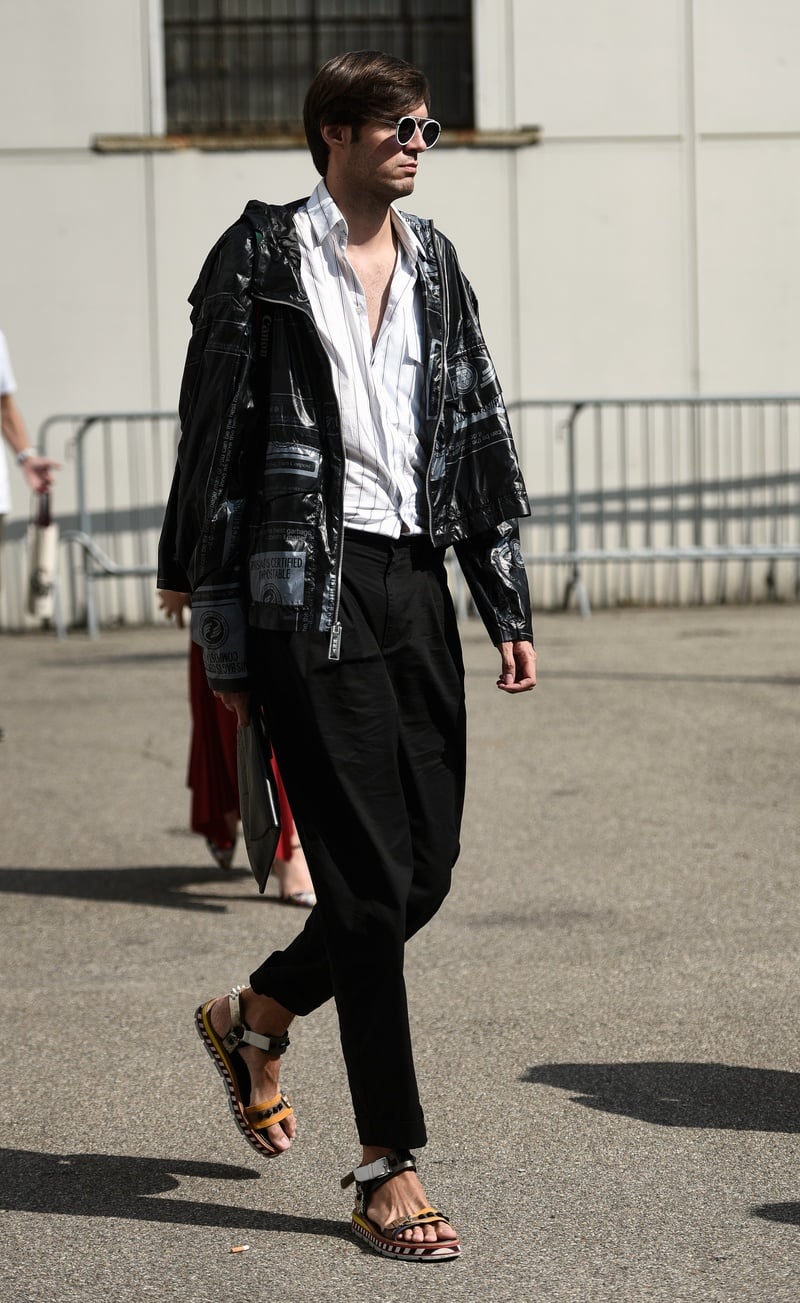
Your closet can reveal more about your shopping habits than your personal style. There are the trousers you wear twice a week, the shirt bought for a version of yourself who goes out more, and several near-identical sweaters acquired under the influence of a sale. Taken together, they tell you where the money went. What you actually wear tells you where it was useful.
That distinction is a practical starting point for dressing well on a budget. Personal style develops through choosing and wearing clothes, then noticing what feels right. Spending supports that process when you understand your preferences and the demands of your daily life. You can enjoy fashion and still expect your purchases to do some work.
Dress for the Life You Actually Lead

Most wardrobes have a gap between the occasions we shop for and the days we actually have. An invitation prompts a new suit, while the trousers worn to work every week wait another season for replacement. Before buying anything, look at where your clothing gets its most regular use.
If you work in a business-casual office, tailored trousers and an Oxford shirt may see you through much of the week. Loafers can change their character after work. Someone who spends more time traveling may put a greater value on washable layers and fabrics that tolerate being packed. The useful purchase depends on the life around it.
Your existing clothes offer evidence. Notice which pieces you reach for and why. Perhaps the shoulders fit, the fabric feels comfortable, or the color works with almost everything else. Look just as closely at what stays on the hanger. If you keep passing over a jacket because it feels too formal, another formal jacket is unlikely to solve the problem.
A wardrobe gap is specific. You might need trousers that work with the shoes you wear to the office, or a jacket suited to the weather on your commute. Being able to name the need makes shopping more focused than deciding your wardrobe requires a refresh.
Give Clothing a Place in Your Budget

A clothing budget works best when it accounts for ordinary upkeep as well as new purchases. Replacement socks are less exciting than a leather jacket, but both draw on the same money. Alterations and cleaning belong in the calculation, too.
Review essential expenses and existing financial commitments before deciding what you can allocate to clothes. Choose an amount that fits your circumstances, and revise it when those circumstances change. A new job may call for different clothes. A quieter month may call for buying nothing at all.
Credit cards deserve the same attention as the shopping bag. Review balances and payment dates so you understand what you've already committed to spend. Using free credit monitoring can help you follow changes in your credit profile. Keep that information alongside your balances and payment dates when assessing your finances. It’s also worth reviewing your credit reports to spot information that needs checking.
A spending limit also clarifies priorities. If buying another discounted shirt means putting off the trousers you need, the shirt's price tells only part of the story. The decision is about what your available money will do for your wardrobe.
Pay for Details You'll Notice in Use

Price can tell you a great deal about a brand's ambitions and less about how a garment will behave. The useful question is what you're getting for the difference.
Start with the fabric. Does it feel comfortable against your skin? Does it move as you expect? Wool, cotton, and linen each have uses, but a natural-fiber label alone tells you little about the quality of the finished garment. A synthetic blend may suit something you need to wash frequently or pack for travel. Judge the cloth against the job you're asking it to do.
Then look at construction. Check seams for loose stitches and closures for secure attachment. On a lined jacket, see how the lining sits when you move your arms. With footwear, find out how the soles are attached and whether repairs are practical. A higher price is easier to assess when you can identify the feature you're paying for.
Clothes worn together matter here, too. When putting together boots outfits, the relationship between a trouser hem and the boot's shaft can change the whole result. Spending more on either piece won't automatically make the proportions work.
Fit deserves its own share of the budget. A modestly priced jacket with the right shoulders and an achievable sleeve alteration may suit you better than a designer version that fights your proportions. Ask a tailor what's possible before buying something that depends on extensive adjustments.
Shop for Combinations, Not Isolated Finds

A memorable garment can be the start of an outfit, but it still needs company. Before buying a patterned jacket, picture it with trousers and shoes you own. If wearing it requires several more purchases, those additions are part of the decision.
This leaves plenty of scope for experimentation. Trying an unfamiliar color or silhouette can help you discover something about your taste. Give the experiment a specific role. You might try a wider trouser with your usual knitwear, keeping the rest of the outfit familiar enough to judge the change.
Special occasions call for similar thought. Borrowing or renting may suit an event that asks for clothes you'll rarely wear again. Secondhand shopping can also make an unfamiliar style more affordable, provided you check the condition and measurements.
Treat sale prices as information, not instructions. The discount doesn't alter the fit or make a color more appealing once it's back in your closet. For online orders, read the return policies before paying, including deadlines, return charges, and any final-sale exclusions. A photograph can suggest how fabric falls, but trying the garment on answers a different set of questions.
Make Care Part of Wearing Clothes

Maintenance is part of the price of owning something. Before buying a garment, check its care label and decide whether the required attention fits your routine. A jacket that needs specialist cleaning may be manageable. Several such pieces can create an expense you hadn't planned for.
Follow the instructions for each garment instead of treating every wool sweater or cotton shirt alike. Knitwear often benefits from flat drying, while structured tailoring needs care that preserves its shape. Wash denim according to its condition, use, and care instructions, and let shoes dry properly between wears.
Storage can prevent avoidable damage. Use supportive hangers for jackets and fold knitwear that might stretch on a hanger. Clean and condition leather footwear with products suited to its finish.
Deal with small repairs while they're still small. Secure a loose button before it disappears, and have an opening seam checked before it spreads. Minor alterations can also make clothes useful again when your fit preferences change. Sometimes the next piece you want is already in the closet, waiting for a shorter sleeve.
Let Your Taste Become Recognizable

Personal style often becomes clearer through repetition. You notice that you prefer softer shoulders, that a particular trouser shape suits you, or that you feel most like yourself in clothes with some history. Those observations can guide future purchases more reliably than a retailer's latest arrival email.
Keep track of what draws you to an outfit. It might be the relationship between colors or the way a scarf changes a jacket you've worn for years. Accessories can help you explore those preferences through clothes you already own, although they deserve the same judgment as any other purchase.
You can return to certain shapes and colors while remaining curious about fashion. A recognizable point of view gives new ideas something to work with. It also makes it easier to appreciate a look on someone else and leave it there.
The aim is a wardrobe that feels increasingly like yours. When you understand what you enjoy wearing, money can support those choices and care can keep them useful. Getting dressed becomes more satisfying because the clothes make sense together, and because they make sense for you.