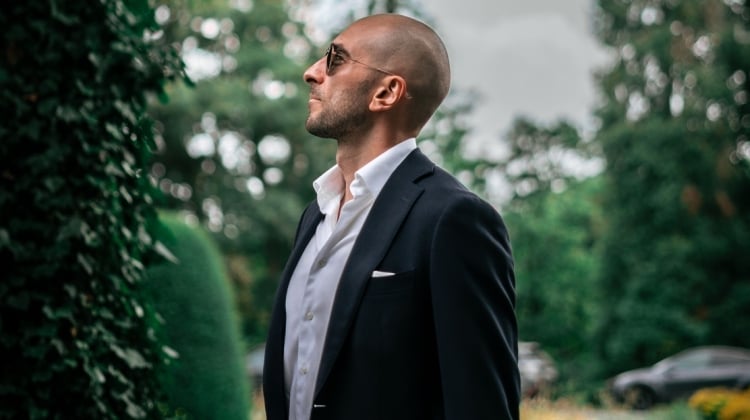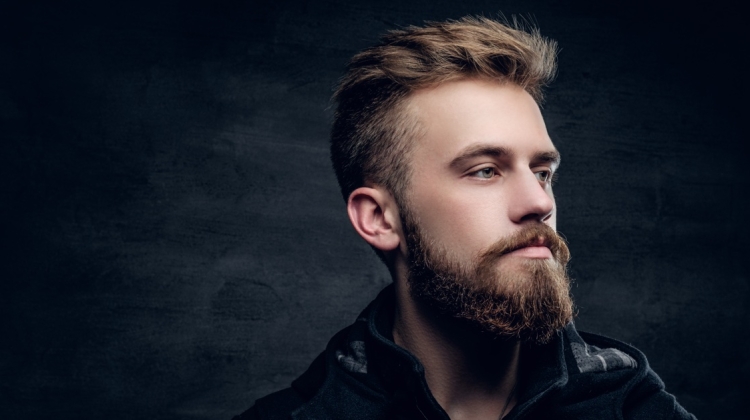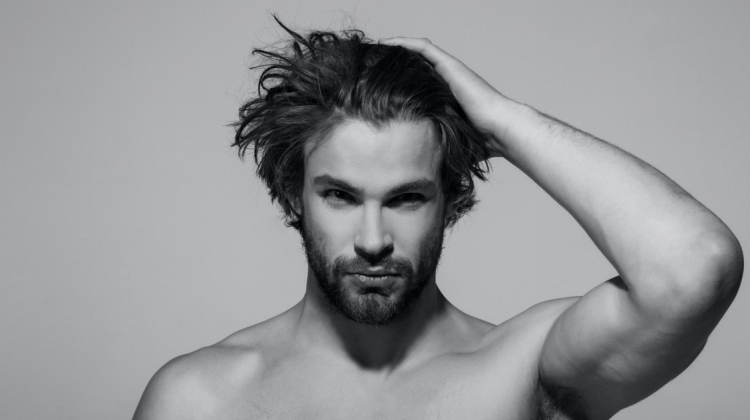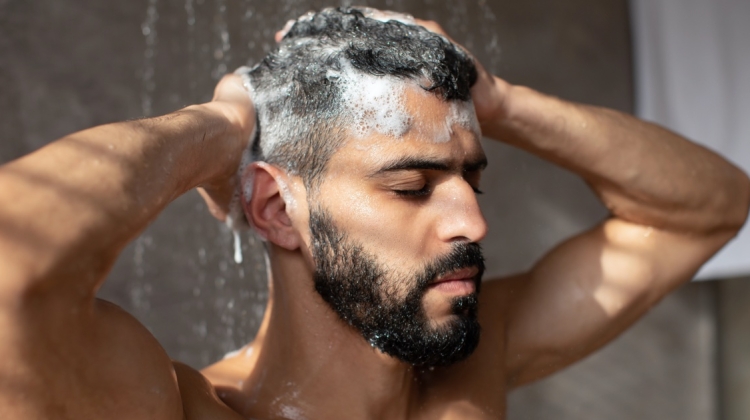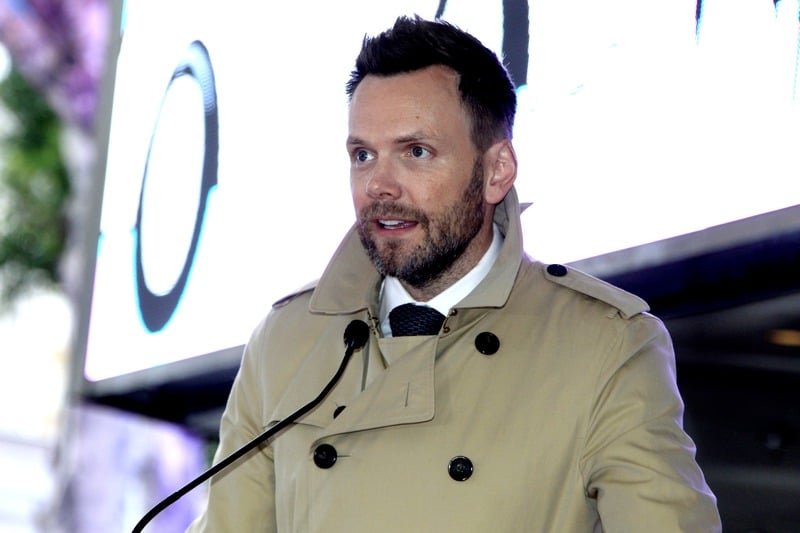
A new haircut can set off a familiar round of speculation. An actor pushes his hair back at a premiere, a footballer appears with a sharper-looking hairline, or an old photograph resurfaces beside a recent portrait. Before long, the conversation turns from grooming to hair transplants. Hair frames the face, and a change at the temples can alter the impression of an entire haircut. For men whose appearance is part of their public identity, even a subtle difference attracts attention.
What those images reveal is another matter. Hair length, styling, lighting, and camera angles can complicate a comparison before hair restoration even enters the discussion. Photographs may show a difference while leaving its cause unclear, particularly when they capture different cuts, settings, and stages of a man’s grooming routine.
A Hairline Is Part of the Look

Celebrity hair receives the same scrutiny as tailoring, physique, and skin. A leading man’s swept-back style or a musician’s familiar fringe can become a signature, making any departure feel significant. The hairline helps determine how those styles read: exposing the temples creates a different effect from wearing hair forward, while a change in length can shift attention toward or away from the forehead.
What looks like a newly defined hairline may first be a newly visible one. That makes hairstyle changes particularly fertile ground for speculation. Viewers are often comparing two different looks as though they were photographs taken under identical conditions, overlooking how much the cut itself changes what they can see.
Why Before-&-After Photos Can Mislead
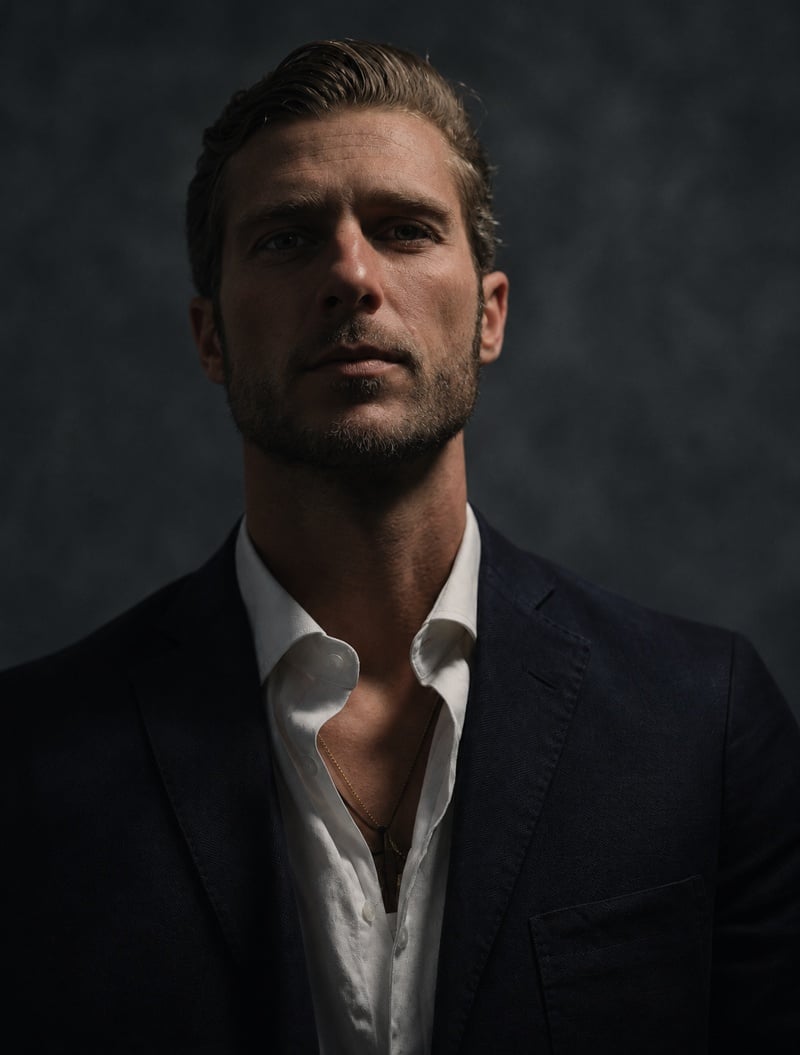
A red-carpet portrait and a candid holiday photograph offer very different views of the same person. One may involve professional styling and carefully controlled lighting; the other may catch wet hair flattened against the scalp in direct sun. Hair worn with volume can create a different impression of coverage from hair pulled tightly back, while a fringe can conceal the temples that a shorter cut exposes.
These differences do not rule out hair restoration. They limit what a photograph can establish. A fuller-looking hairstyle is an observation; identifying the procedure supposedly responsible is a separate claim. Timing adds another complication: a photograph newly circulated online may be years old, while a sequence of public appearances can leave long gaps between comparable views.
Where Hair Restoration Fits In
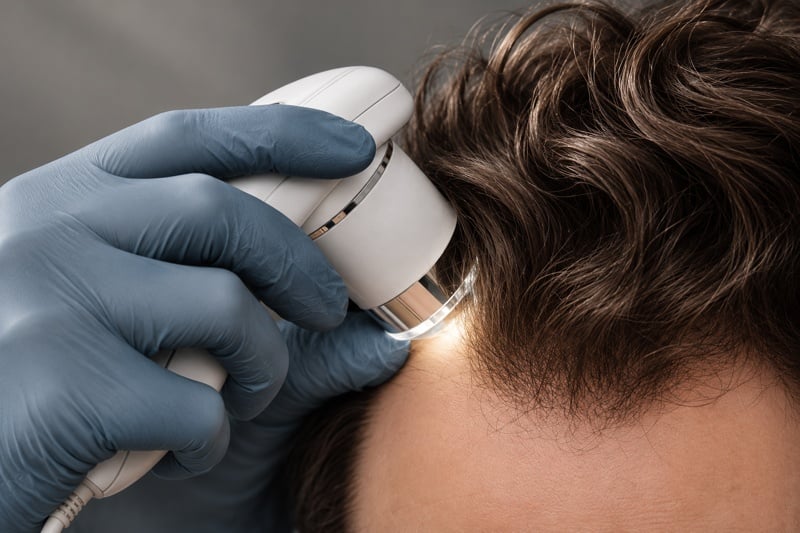
Hair transplantation remains one possible explanation for a changed hairline. An unshaven FUE hair transplant procedure is one approach readers may encounter when researching restoration options. Its relevance to the celebrity conversation is the emphasis on retaining an existing hairstyle, although the name of a technique cannot establish whether a particular person underwent treatment or what their recovery involved.
For a broader view of the field, the 2025 practice census from the ISHRS provides industry context. Such information needs to be kept separate from claims about individual actors, athletes, or musicians. General patient data cannot tell readers who has had a procedure, and a celebrity’s public image supplies an incomplete record of their appearance.
Readers considering the subject for themselves can consult NHS guidance on hair transplants for information about the procedure, recovery, and potential risks. That is a more useful starting point than treating a celebrity’s apparent results as a guide to what someone else should expect.
The Grooming Behind the Image
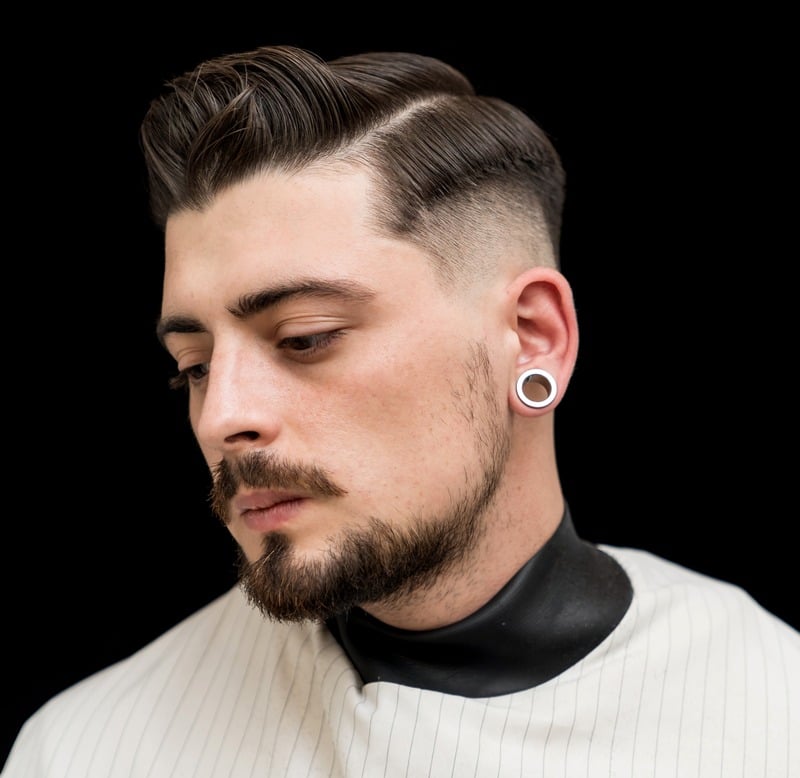
The finished celebrity look also deserves more credit. A haircut chosen to suit someone’s density and growth pattern can make a visible difference, while hair care and styling influence how hair sits, where it separates, and which parts of the hairline remain visible. A shaved head, meanwhile, may be a style choice or a role requirement; it does not establish a history of treatment.
Hairpieces and cosmetic concealers belong among the possible explanations for changes in appearance, alongside restoration procedures. Recognizing those possibilities helps explain how different approaches can produce a similar impression. It does not establish which, if any, a particular man has used, especially when the available evidence consists of a handful of photographs.
The more practical question is often what makes the hairstyle work. Does the cut preserve length at the front? Does a softer texture complement the temples? Would wearing the hair forward create a more flattering shape? Those are details a photograph can help illustrate, even when the history of the hairline remains unknown.
A Better Way to Read Celebrity Hair
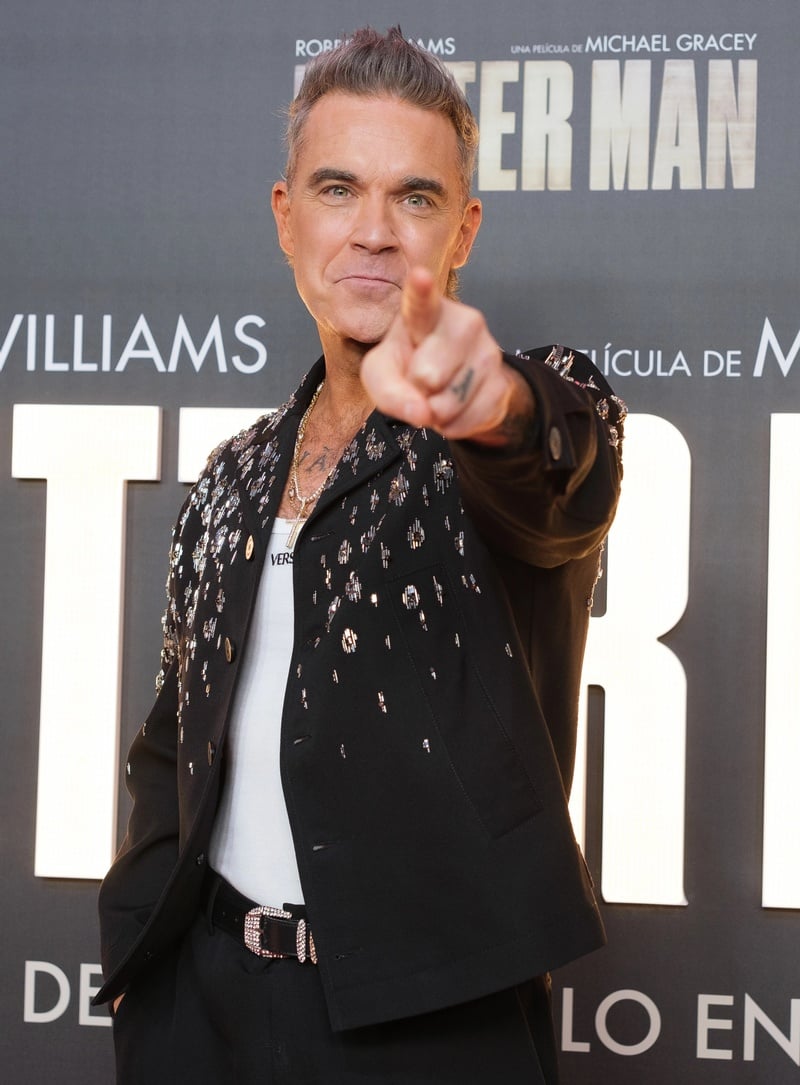
Celebrity grooming can provide inspiration while respecting the limits of what a photograph can reveal. The useful takeaway from a strong haircut is its proportion, texture, and relationship to the face. Looking at those details gives readers something they can discuss with a barber, whether they want to work with a receding hairline, adjust their fringe, or try a different silhouette.
A changing hairline may prompt curiosity, but certainty requires more than a persuasive pair of pictures. Unless a man chooses to explain what changed, the most accurate conclusion may simply be that his hair looks different. Appreciating the finished style can stand on its own.