
Fragrance deserves the same consideration as the clothes you wear. A scent may work beautifully for one man and feel completely wrong for another, which makes popularity a poor substitute for actually trying something yourself. One person may gravitate toward Prada Paradigme, while another prefers the deeper character of Creed Aventus.
Personal taste ultimately decides what earns a place on the dresser. A little experimentation makes finding those fragrances considerably easier.
Buy Samples Before the Real Thing
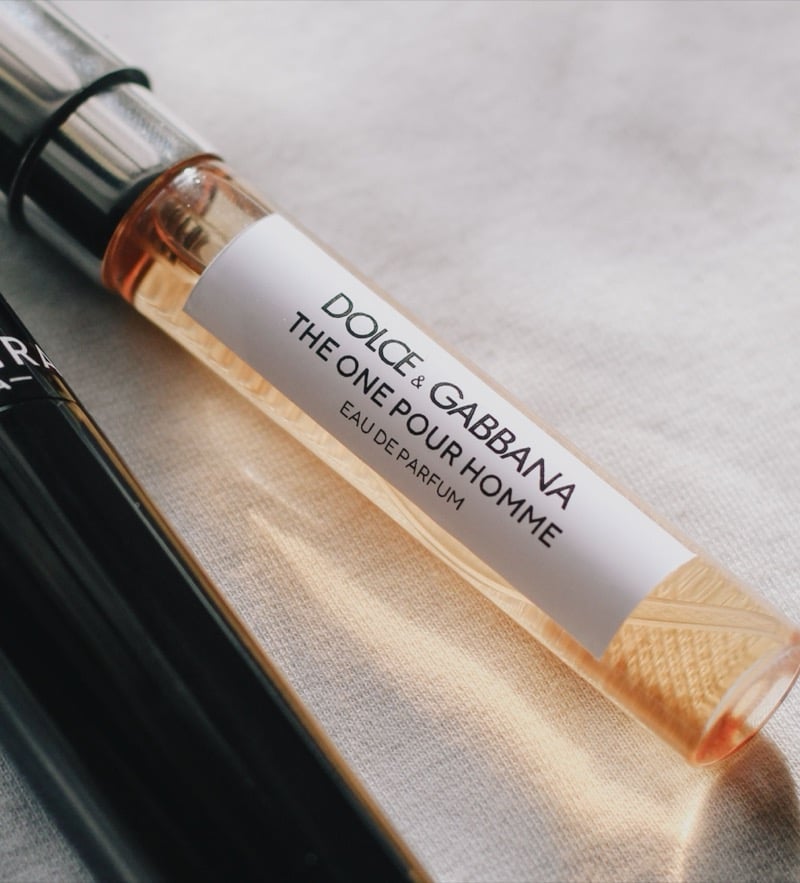
A good fragrance can be expensive, especially when buying a full-size bottle. Start with perfume sample sets and spend some time with several scents before committing to one.
Samples also make it easier to identify the notes and fragrance families that appeal to you. Try a broad selection of men’s fragrance samples and patterns may quickly emerge. Perhaps vanilla keeps catching your attention, or oud consistently wins over fresher compositions.
Once you know what interests you, sample several fragrances in that territory. It is a more practical approach than buying a full bottle based on a recommendation or a quick encounter at a fragrance counter.
Test Fragrances Multiple Times

A paper testing strip only tells part of the story. Fragrances develop over time, and their character on skin can differ from that first spray in a store.
Wear a sample for a full day and pay attention to how it develops after the opening notes fade. Then wear it again. A fragrance that seems appealing for ten minutes may become tiresome after several hours, while another can become more interesting as its heart and base notes emerge.
This is another advantage of sampling at home. You can judge a fragrance under the conditions in which you will actually wear it before spending $100 or more on a 100ml bottle.
Pick Fragrances for Different Settings
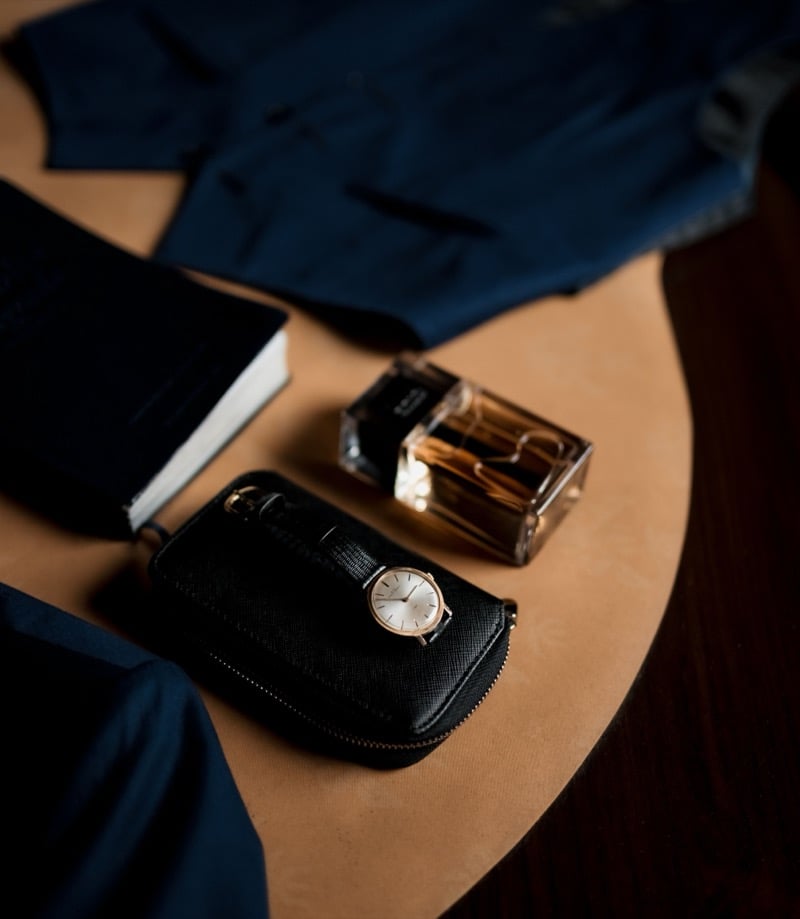
There is little reason to expect one fragrance to handle every part of your life. Just as a wardrobe changes according to occasion, scent can follow the setting.
An office fragrance generally benefits from being unobtrusive enough to wear around other people for hours. Dinner or an evening out gives you more room for richer, warmer, or more pronounced scents that add to your overall appeal.
Season can also guide the selection. Woody, spicy, and warmer compositions often feel at home during fall and winter, while citrus, aromatic, and fresher scents tend to work particularly well during spring and summer. These are useful conventions, not hard rules. Personal taste still matters most.
Keeping several fragrances in rotation also prevents one bottle from becoming monotonous and gives each scent a specific place in your routine.
Don’t Rely on Reviews
Fragrance reviews are useful when they deal with practical questions. Longevity, projection, and general performance can help establish what to expect from a bottle.
Opinions about how good a fragrance smells are considerably more subjective. A fragrance with glowing reviews can still be completely wrong for you.
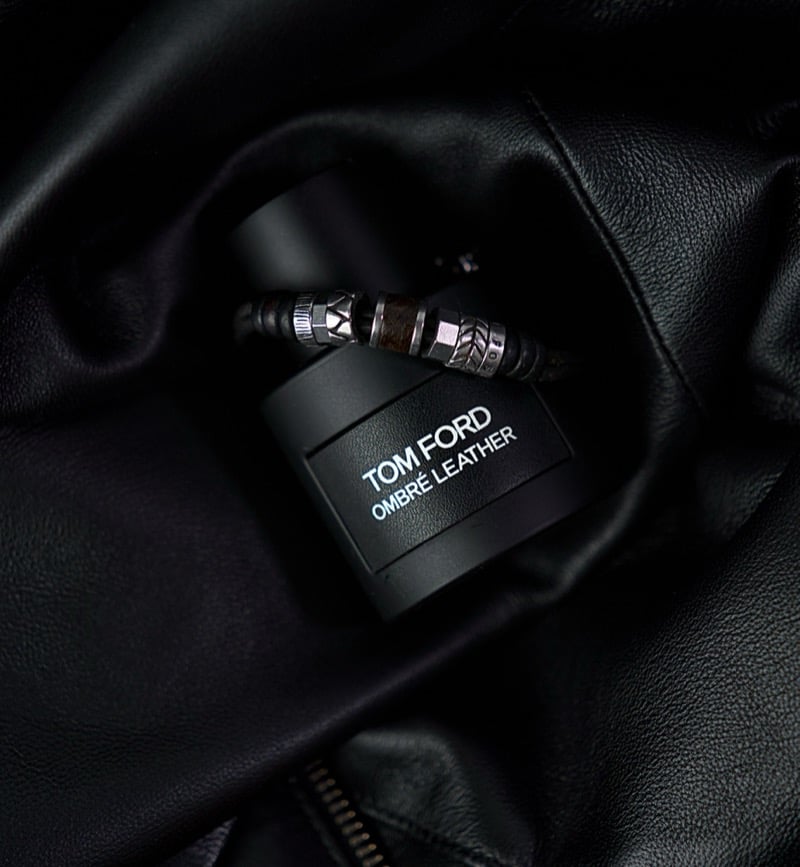
Sites like Fragrantica can help build a shortlist and identify fragrances worth sampling. Treat that research as a starting point. If Tom Ford Ombre Leather attracts hundreds of enthusiastic reviews, the sensible next move is still to test it on your own skin before buying a bottle.
Ultimately, finding the right fragrance comes down to developing your nose. Sample different families and notes, from fresh citrus and aromatic scents to woods, oud, vanilla, and musk. Over time, preferences become easier to recognize. From there, building a small fragrance wardrobe for work, evenings, seasons, and other occasions becomes much simpler.