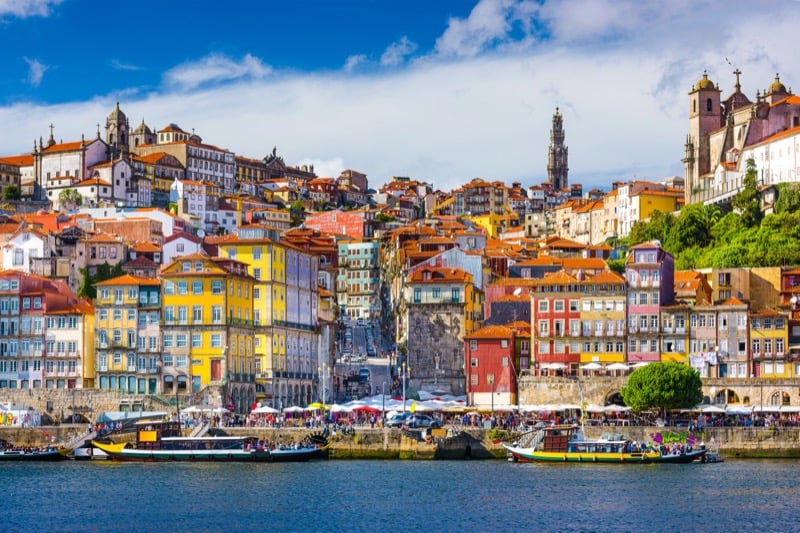
Flip a Balenciaga hoodie inside out, or check the hem on a Loewe sweatshirt, and there is a good chance the tag says Portugal instead of Italy or France. Northern Portugal has become one of the densest fashion production zones in Europe, with more than 70 percent of the country’s textile and clothing companies operating within a few hours’ drive of Porto. This is a production engine behind some of the most recognized labels in menswear, and it makes the region worth a look beyond the port wine and tiled facades.
Designers, textile developers, pattern cutters, and independent label founders are planning to settle in Portugal instead of flying in for a single season, a shift that relocation platforms like AnchorLess have tracked for years. Luxury houses stay in the region for the same proximity to the mills and ateliers, and newcomers to the industry relocate for that reason too. A pattern cutter who resettles here can be inside a Famalicão tailoring shop within the week, not within the year.
The Northern Textile Engine
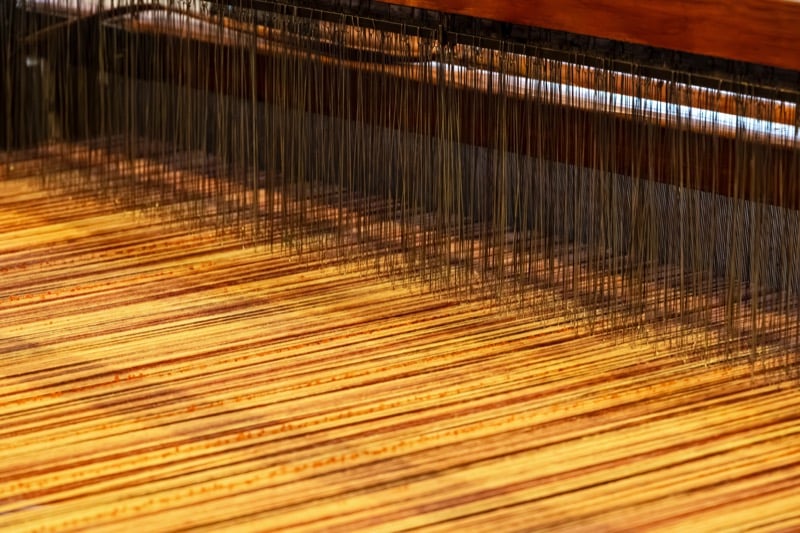
Porto’s postcard image already includes port wine, tiled facades, and the Douro River cutting through the city center. Drive 30 minutes outside that center and the postcard stops mattering. Famalicão produces half canvas and full canvas blazers for European labels that stay unfamiliar to most shoppers, and Calvelex and Lopes & Carvalho stay behind the scenes while their tailoring hangs in showrooms stocked with recognizable names.
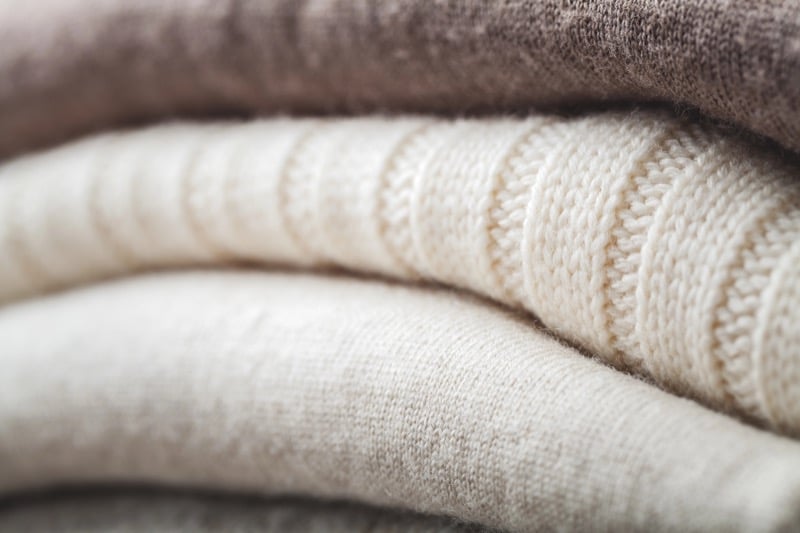
Nearby, Barcelos and Guimarães form the region’s knitwear belt. Heavy cotton jersey, circular knitting, and garment dyeing techniques feed directly into the streetwear labels that dominate resale sites. The faded black on a $1,400 hoodie likely picked up that specific tone in a dye bath here.
Porto sits about two hours from Paris or Milan by air, and cargo follows the same map by road instead. A finished garment can leave Braga on Monday and land in a Paris showroom by Wednesday, with Milan two to five days out. European luxury houses keep production in the region for that reason as much as for labor cost, because a factory two to five days out by truck is easier to inspect, correct, and rerun than one several weeks out by container ship from Asia.
The Labels You Know, the Factories You Don’t
Balenciaga’s oversized printed t-shirts, fleece hoodies, and casual sneakers make up the brand’s streetwear line, and Portuguese facilities produce a significant share of them, prized for vintage wash capabilities and reinforced construction that hold up under exaggerated proportions. The house keeps most of its structured leather crossbody and messenger bags inside Italian workshops, where the core leather production stays. Portugal’s share sits in heavy cotton jersey and footwear, the pieces made for the sidewalk instead of the display case.
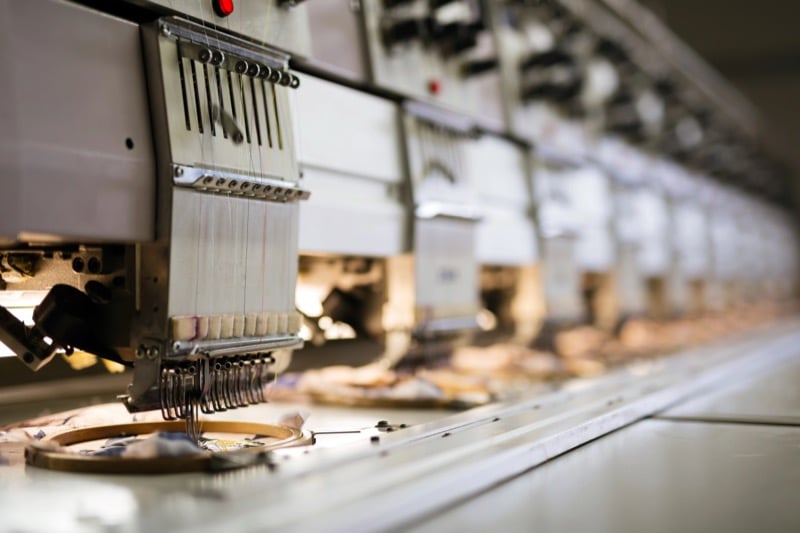
Loewe turns the story from streetwear toward luxury craft. The Spanish house’s Anagram sweatshirt, embroidered in multiple colors, gets assembled in northern Portugal, where high density embroidery machines and the technicians who run them keep heavy circular knit cotton from puckering mid stitch. That skill matters only when a sweatshirt costs $800 and the customer expects it to hold its shape after 50 washes.
Bobbies shifts the story to footwear. The Paris label, founded in 2010, has every pair handmade in São João da Madeira, the same town that trains generations of leatherworkers into loafers, boots, and sneakers. It sits well below Balenciaga in price, and it sells the loafer a Fashionisto reader owns already, which makes the geography easier to feel firsthand.
This production follows the same quality standards as the Italian workshops finishing Balenciaga’s leather goods. The technicians here specialize in jersey and footwear instead of hides. Design houses have held that view of Portugal for years, even when the shopper checking the tag has not caught up yet.
Beyond the Sewing Machine
Felgueiras holds more than 400 footwear companies inside a single town, producing premium leather sneakers, technical boots, and hand stitched loafers from a radius smaller than most city suburbs. Pilar Shoes, based in neighboring São João da Madeira, assembles technical, orthopedic, and casual footwear for international brands. That density fills the sneaker wall at every high end department store from Milan to New York.
Covilhã changes the picture entirely. The mountain town in central Portugal has been the historic center of wool production for more than a century, and its mills now work with technical centers like CITEVE and CeNTI to develop water resistant wools and performance blends for outerwear and tailoring. This is research layered on top of assembly. A wool blazer sold three years from now may trace its fabric technology to a lab in Covilhã.
Materials, specialized labor, technical development, and assembly all sit within a few hours’ drive of each other. Italy has this. Japan has this. Portugal has assembled the same infrastructure, piece by piece, and most shoppers still do not know it.
What This Means for You
For the wardrobe, “Made in Portugal” already means inside the industry what “Made in Italy” has meant for decades, fine construction at a better price, even if most shoppers have not caught up to that reading yet. A half canvas blazer stitched in Famalicão can sit next to an Italian equivalent, with comparable hand finishing inside the lapel and a lower price tag. Portuguese production means shorter supply chains, EU labor standards, and infrastructure already serving luxury houses, and the tag matters more than most shoppers give it credit for.
For the travel list, Porto already draws visitors for wine and architecture, but knowing the fashion layer changes what a visit means. Thirty minutes outside the city, factories stitch blazers headed for Paris runways. Two hours away, a mountain town develops the next generation of wool. ModaLisboa runs twice a year, and Lisbon’s Príncipe Real neighborhood has turned into a legitimate boutique district. Porto and Lisbon have entered the conversation around the world’s fashion capitals, and a trip planned around port wine can double as a lesson in what is hanging in your closet.
The next time a luxury hoodie sells out in an hour, check the tag. The finish that made it worth buying probably came out of a workshop 30 minutes outside Porto, sewn by someone who has never seen the campaign that made it famous.