Surfer style starts with clothes that make sense near the water. Board shorts dry quickly, T-shirts slip on after a session, and loose layers take the chill off when the sun drops. From Southern California to Australia, those practical choices have shaped a casual wardrobe worn far beyond the beach.
The appeal is in that easy transition between the shore and everyday life. Surf labels supply the technical gear, while printed shirts, faded tees, and sandals translate the look into clothes for summer days.
The Roots of Surf Style & Culture
Surfing has deep roots in Polynesian culture, particularly in Hawaii. Its history predates the twentieth-century surf industry and the beach fashions that grew around it.
Over time, surfing spread across the globe, attracting enthusiasts from all walks of life and giving birth to a unique and vibrant subculture.
The Rise of Surfing & Its Influence on Pop Culture
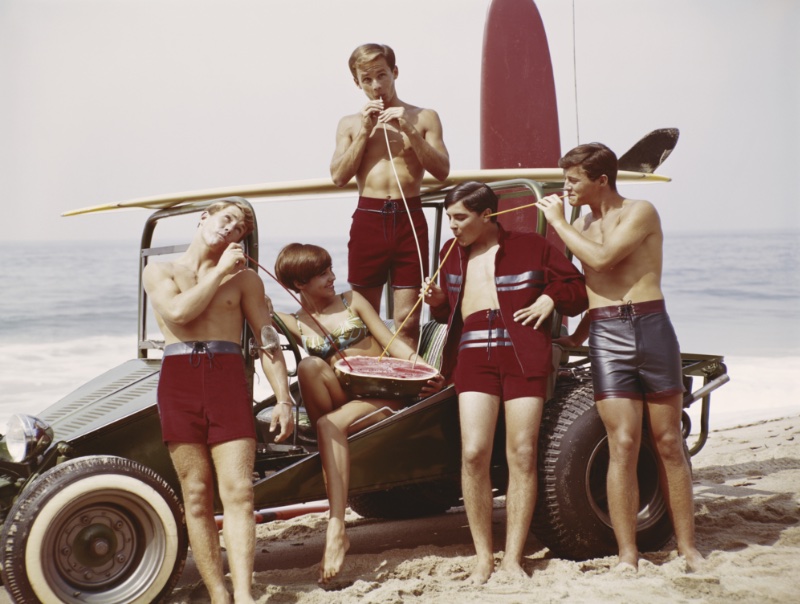
In the 1950s and 1960s, surfing gained widespread popularity, partly thanks to the booming tourism industry in Hawaii, California, and Australia. Hollywood movies like Blue Hawaii featuring Elvis Presley, the Beach Boys’ iconic album Surfin’ Safari, and the acclaimed documentary The Endless Summer further fueled the public’s fascination with surfing and its carefree, sun-soaked lifestyle.
As a result, surf fashion started gaining traction. Its simple, functional, and colorful designs reflected the surfer’s spirit. This newfound interest in surfer style soon permeated pop culture, inspiring movies, music, and high-fashion runways.
The Emergence of Surf Brands
The increasing demand for surf-inspired clothing led to the establishment of numerous big and small surf brands. These brands aimed to cater to the growing market of surf enthusiasts and those who wanted to incorporate the surfer look into their everyday wardrobe.
The Pioneers of Surf Fashion
Some of the earliest and most influential surf brands include O’Neill, Rip Curl, and Billabong. Their products were designed with surfers in mind, focusing on functionality, durability, and style.
Over the years, these brands expanded their offerings to cater to a broader audience while staying true to their surfing roots.
O’Neill

Founded in 1952 by Jack O’Neill, this iconic brand is associated with the popularity of the wetsuit. O’Neill’s innovations revolutionized the surfing world, allowing surfers to enjoy their favorite sport in colder waters and for extended periods.
Today, O’Neill offers a wide range of surf wear and accessories, staying true to its commitment to quality and performance.
Rip Curl

Established in 1969 in Australia, Rip Curl started as a producer of surfboards before branching out to board shorts and wetsuits. The brand has since become synonymous with high-quality surf wear and is known for its innovative designs and commitment to sustainability.
Billabong

Founded in 1973, Billabong made its mark with its durable, triple-stitched board shorts. The brand has since expanded into various segments of the surf industry, offering clothing, accessories, and gear for skateboarding and snowboarding.
The Role of Surf Brands in Shaping Fashion Trends

As surf brands grew in popularity and influence, they played a significant role in shaping fashion trends. Their colorful, relaxed, and functional designs resonated with people from all walks of life, making surf-inspired clothing a staple in casual wardrobes.
Over the years, surf brands have introduced various trends, including tropical prints and bold colors. These trends have been embraced by surfers and mainstream fashion enthusiasts, making surf style an integral part of the fashion landscape.
The Evolution of Surfer Style Over the Decades
Surfer style has evolved significantly over the years, reflecting the changing tastes and preferences of the surfing community and the broader fashion world.
The 1960s & 1970s: The Birth of Surfer Style
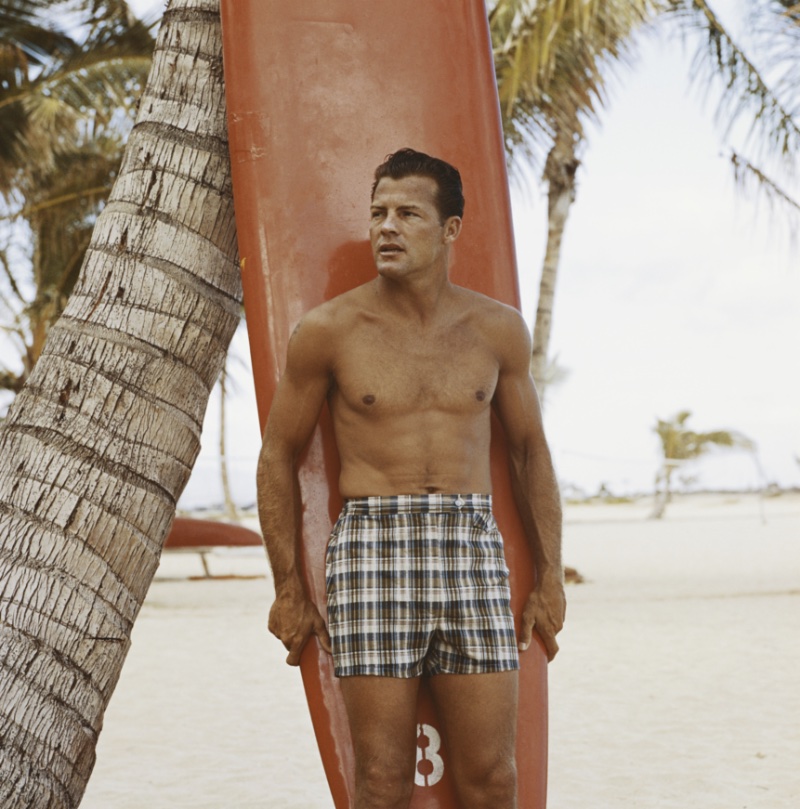
In its formative years, the essence of surfer style was encapsulated in laid-back, casual, and unpretentious apparel. Loose-fitting board shorts, often called “baggies,” were preferred to restrictive swimsuits. Moreover, the fashion landscape was awash with vibrant hues and patterns inspired by the Hawaiian aesthetic.
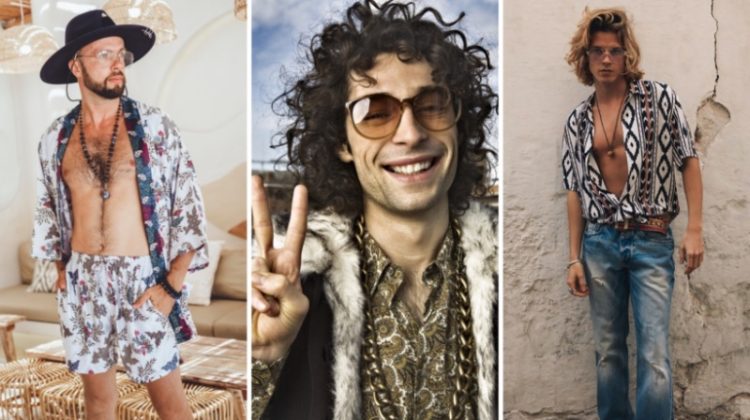
During the 1970s, psychedelic patterns and brighter colors entered surf fashion. Print became an increasingly visible part of the surfer wardrobe.
The 1980s & 1990s: The Crossover of Surf, Skate & Snow

In the 1980s and 1990s, there was a noticeable crossover between surf, skate, and snowboard fashion. Brands like Quiksilver and Reef catered to enthusiasts of all these “board sports,” creating versatile clothing and gear that could be worn across different activities.
Bold patterns and neon hues captured the zeitgeist throughout this era, making a splash both seaside and street-side. The surfer aesthetic experienced a revitalized embrace of Hawaiian motifs as well.
The 2000s & Beyond: The Modern Surfer Look
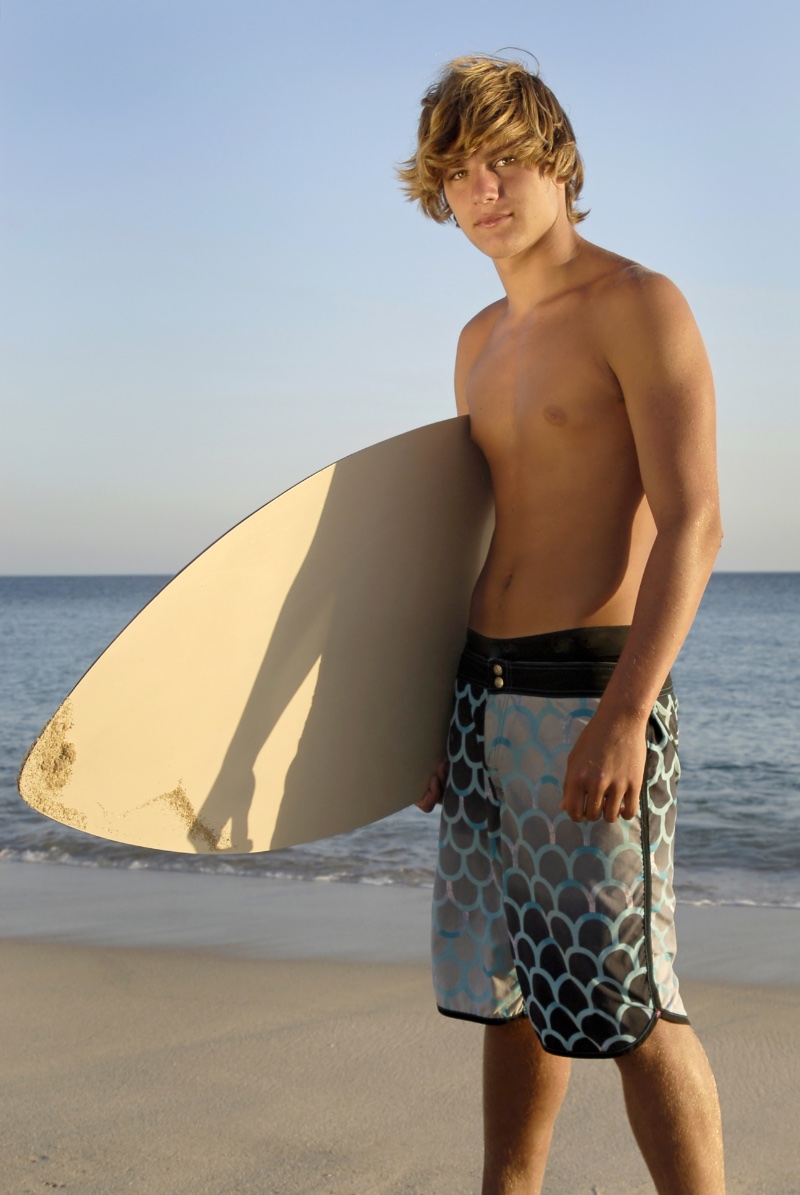
Today, surfer style is a mix of classic elements and modern trends. The laid-back, functional, and colorful aesthetic of the past is still present but with a contemporary twist.
Long surfer hair, messy buns, and man buns have become popular hairstyles, while surf brands increasingly embrace eco-friendly materials and sustainable practices.
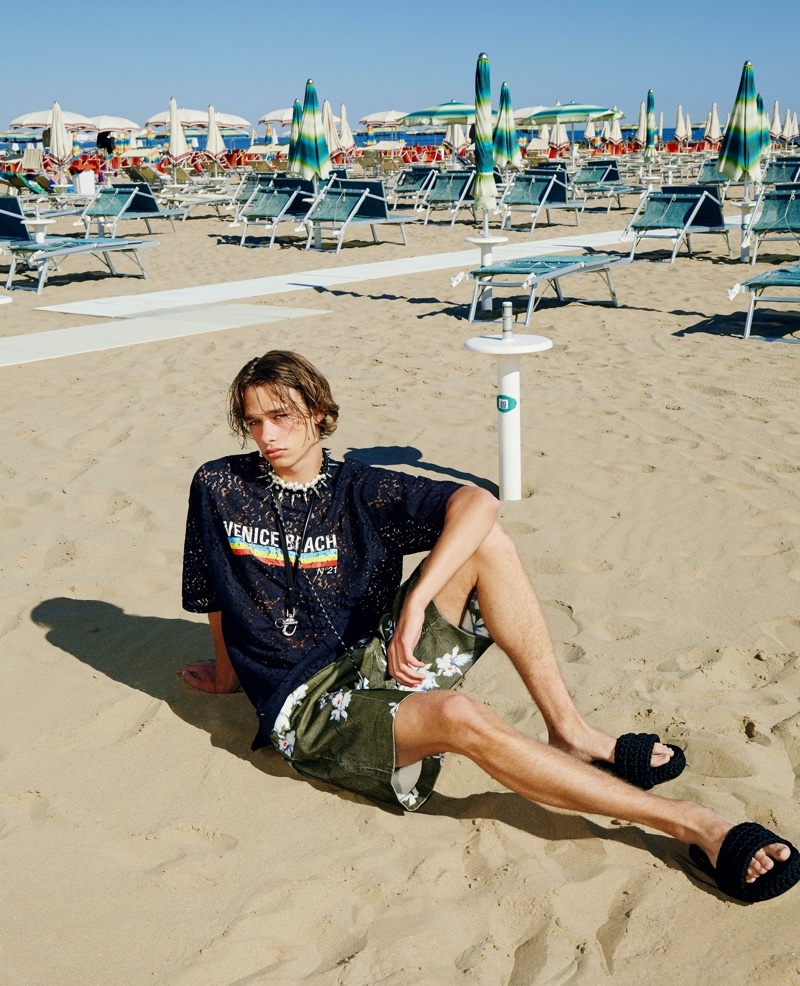
In recent years, surf fashion has also made its way onto high-fashion runways, further solidifying its status as a timeless and captivating trend.
Top Surf Brands to Follow

Knowing which surf brands offer the best products and designs is essential to capturing the essence of surfer style. Here are some of the top surf brands that have made a significant impact on the industry and continue to define the surfer look:
- O’Neill: Known for its innovative wetsuits and surfwear, O’Neill offers a range of high-quality products that cater to both surfers and fashion enthusiasts alike.
- Rip Curl: Focusing on sustainability and performance, Rip Curl is a top choice for surfwear and accessories.
- Billabong: As one of the most iconic surf brands, Billabong offers a diverse range of clothing, gear, and accessories for surfing, skateboarding, and snowboarding.
- Quiksilver: With its bold designs and crossover appeal, Quiksilver has become a staple in the surf, skate, and snowboard fashion scenes.
Achieving the Perfect Surfer Look: Tips & Tricks
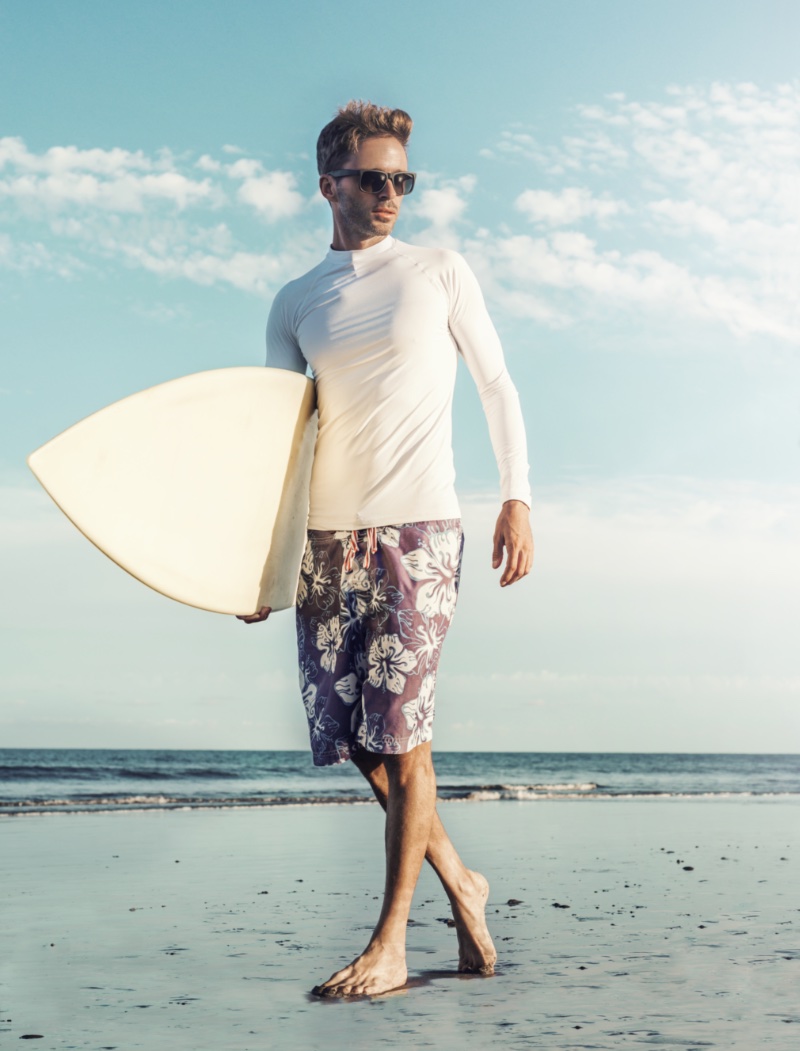
Build a surfer-inspired wardrobe around ease of movement and clothes that suit your day. A few adjustments keep the look wearable away from the coast:
- Start with the basics: Invest in a few essential items, such as board shorts, sandals, and graphic tees. These pieces will serve as the foundation for your surfer wardrobe and can be easily mixed and matched with other items.
- Embrace color and patterns: Surfer style is all about bright colors and bold patterns. Don’t be afraid to incorporate tropical prints, neon hues, and eye-catching designs into your outfits.
- Go for comfort and functionality: Surfer fashion is rooted in practicality, so opt for clothing that is comfortable, durable, and easy to move in. Lightweight materials like cotton and linen are ideal for staying cool and comfortable on the beach.
- Accessorize with purpose: Complete your surfer look with functional accessories, such as sunglasses, hats, and beach bags. Opt for eco-friendly materials and brands that prioritize sustainability.
- Experiment with hairstyles: Surfer-inspired hairstyles, such as long layers, messy buns, and the ever-popular man bun, can add authenticity to your look. Experiment with different styles to find the one that best suits your personality and lifestyle.
Surfer Style Essentials
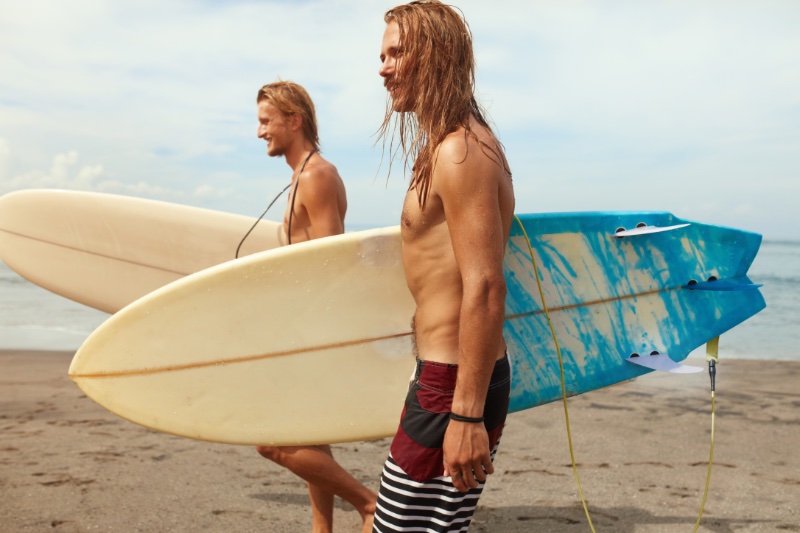
The surfer lifestyle extends beyond the waves and seashores. It has a distinct fashion aesthetic that reflects the easy-going, adventurous, and free-spirited ethos of the surfing culture:
Board Shorts
Board shorts are a crucial part of any surfer’s wardrobe. They are distinctively designed for comfort and functionality during a surf session.
Board shorts for the water typically use quick-drying polyester or nylon, often with added stretch. A secure waist helps them stay in place during a session; cotton-rich casual shorts are better kept for dry land.
Lengths vary from above the knee to longer cuts. Choose enough room to move comfortably and a waistband that stays secure when wet.
Modern designs often incorporate pockets and other functional details, enhancing their versatility and usefulness beyond the waves.
Sandals
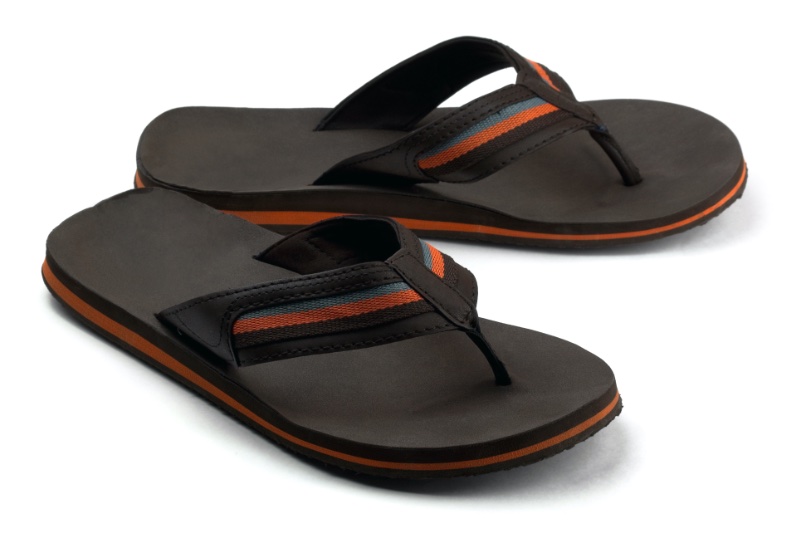
Most surfers choose sandals for footwear. These are easy to slip on and off, providing convenience when transitioning between land and water. Investing in a durable, high-quality pair is crucial, as it can withstand the sandy beach and wet conditions.
While flip-flops are standard, slide sandals can also be a stylish and comfortable choice.
Graphic & Logo T-Shirts

Surfing culture embraces vibrant, expressive t-shirt designs. The graphic tee is a staple in many surfers’ closets. These t-shirts are far from mundane, usually featuring bold colors and eye-catching inscriptions or designs.
A graphic tee works best as the focal point of a simple outfit. Wear it with plain shorts, or choose a quieter logo when the board shorts already have a strong print.
Stylish Sunglasses

Sunglasses are a vital accessory in beachwear and surfer styles. Beyond their primary function of protecting the eyes from harmful sun rays, they add a layer of coolness to the surfer’s look.
Polarized lenses can reduce reflected glare around water. Mirrored lenses describe a surface finish, so check UV protection separately when choosing sunglasses.
Jewelry

Surf-inspired jewelry tends to lean towards minimalistic and natural designs. Braided hemp ropes and shells turned into bracelets are common, reflecting the surfer’s connection with nature.
Beaded necklaces and cord bracelets work as casual accessories on shore. Keep them light so they do not compete with a printed shirt or graphic tee.
Remove loose jewelry before entering the water to avoid snagging or losing it.
Surf Life
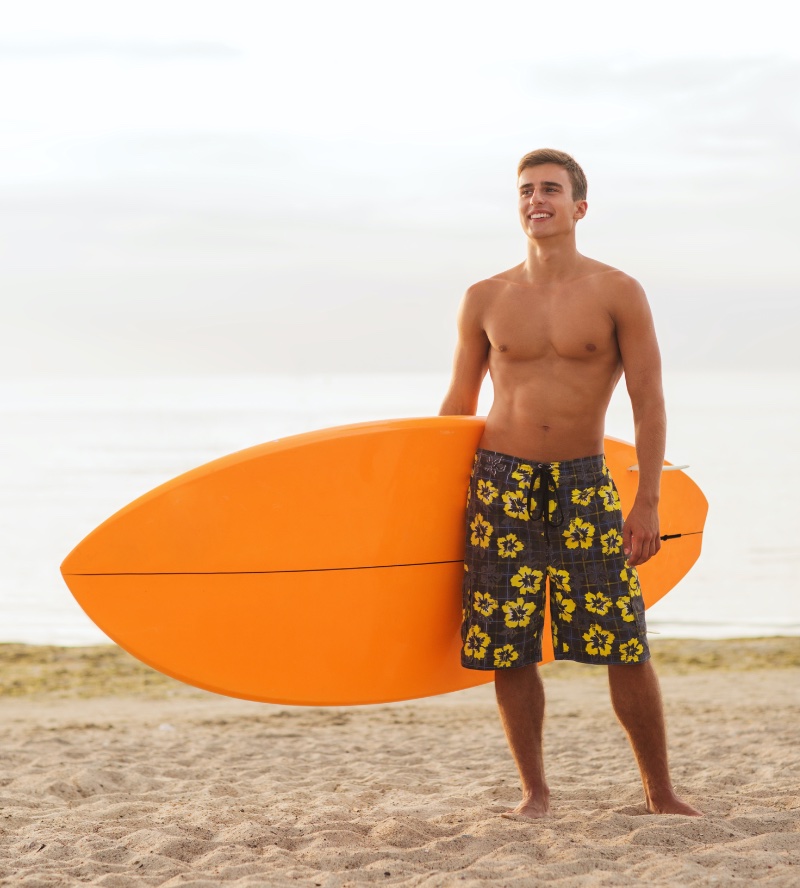
The strongest surfer outfits keep their practical origins in view. Start with shorts that fit well and a comfortable tee, then add a printed shirt or a light layer as the weather demands.
One or two references are enough for everyday wear. A surf-logo tee with plain shorts feels easier than treating every piece as part of a beach costume.