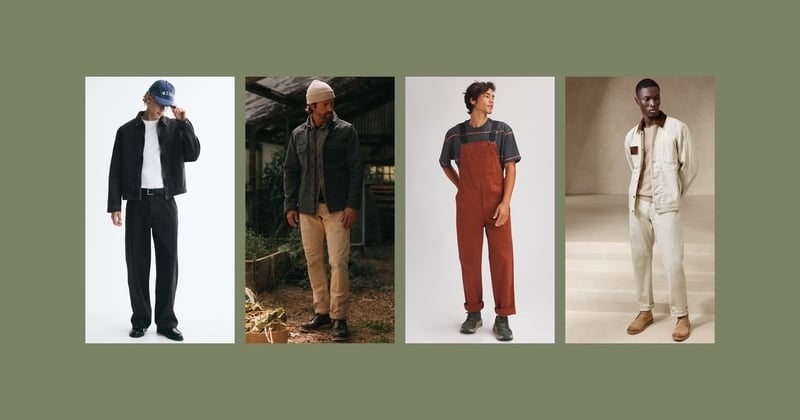
Workwear style for men starts with clothes built to take some wear. A jacket with room to move, jeans that sit comfortably over boots, and a shirt sturdy enough to double as a layer offer a useful foundation. The attraction is partly visual, with textured fabrics and practical pockets giving everyday outfits character. But the best results still come down to how the clothes fit together. Buying a work jacket is easy. Making it feel like your own takes a little more attention.
Understanding the Workwear Aesthetic
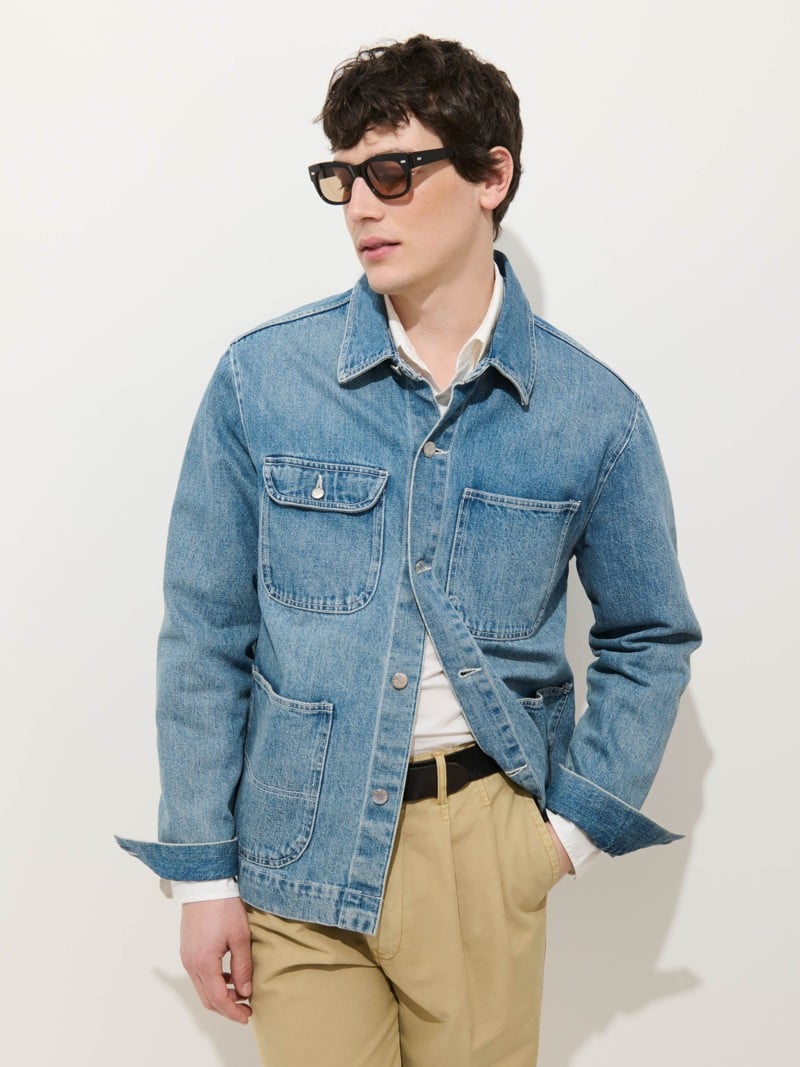
The workwear aesthetic draws on clothing made for physical work, borrowing its useful details and adapting them to everyday dress. Patch pockets, reinforced knees, and roomy cuts have practical explanations. In a casual wardrobe, they also create a recognizable vocabulary, whether the outfit leans toward faded denim or olive canvas.
That does not mean dressing as though a shift at the workshop is imminent. One utility piece can change the character of clothes you already own. A chore coat gives a shirt and chinos a more relaxed frame; carpenter pants introduce shape and texture beneath a plain sweater. Start with that relationship, then decide how far you want to take it.
The Best Men’s Workwear Staples
Chore Coats & Work Jackets
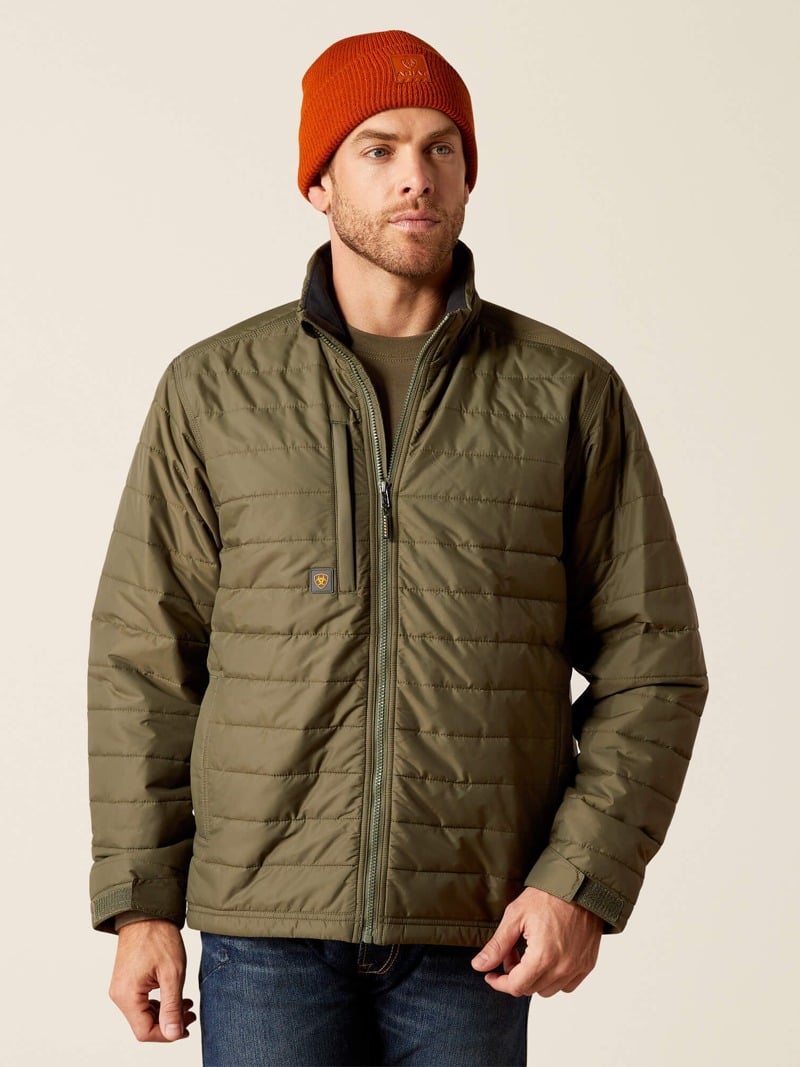
Photo: Ariat
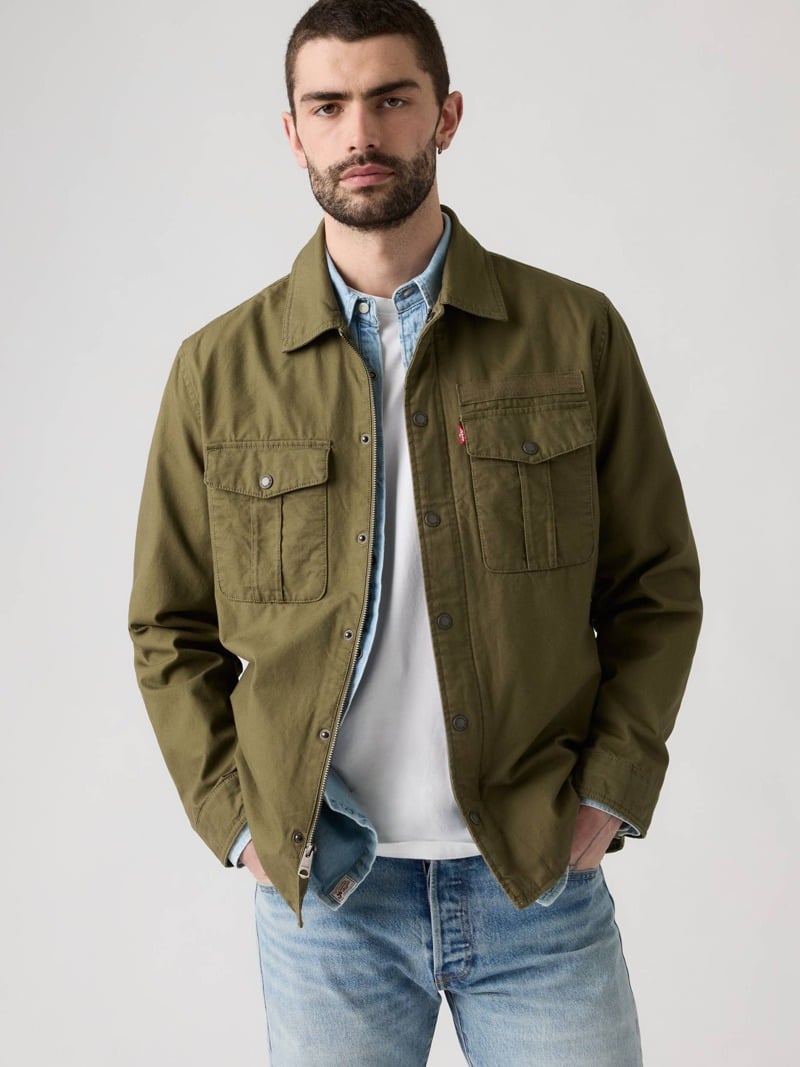
Photo: Levi’s
A chore coat is an easy entry point because it occupies the space between an overshirt and a more structured jacket. Look for room through the chest and sleeves, particularly if you plan to wear knitwear underneath. The hem should work with your trousers. A longer coat can balance a straight leg, while a shorter jacket puts more emphasis on the waist and the volume below it.
Denim gives the shape a different character from canvas. A faded wash softens its appearance, while washed black can bring utility details into a more urban outfit. Canvas tends to hold its shape more firmly, so check how the jacket sits when it is open as well as buttoned. Thick fabric is useful only if you enjoy wearing it.
Overshirts & Utility Shirts
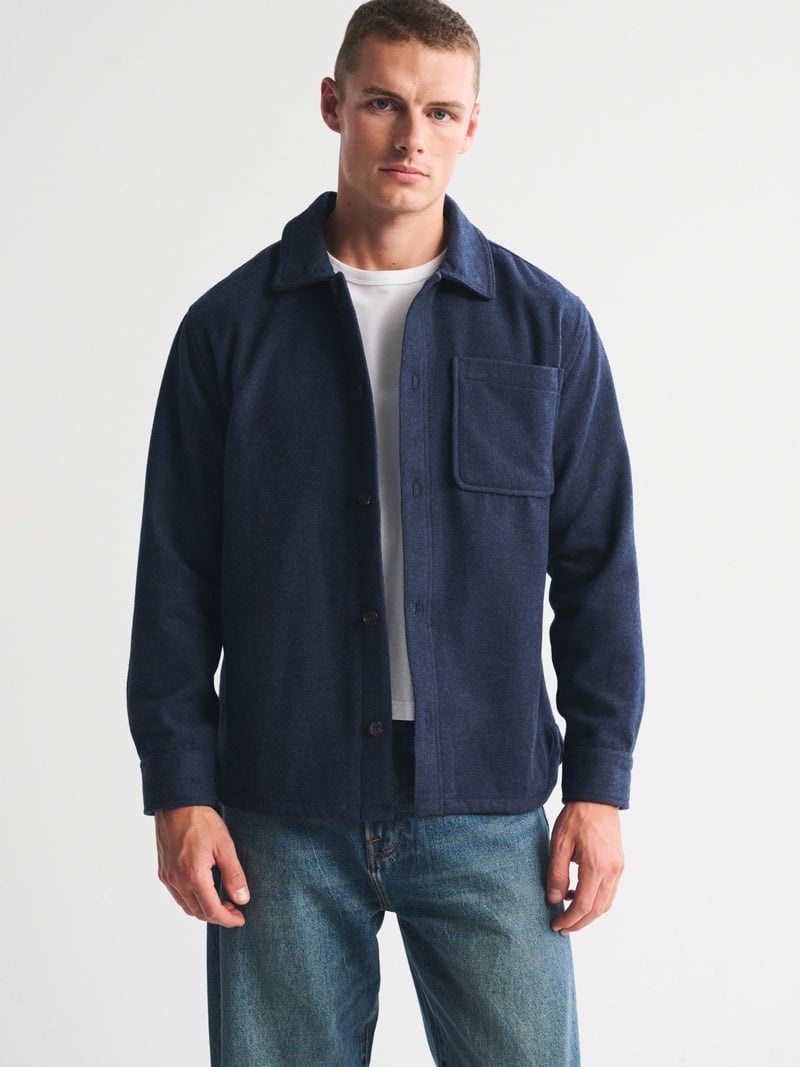
Photo: Abercrombie

Photo: Old Navy
An overshirt offers a lighter way into the look. Wear it open over a tee when a jacket feels excessive, or button it and let the pockets provide the detail. A utility shirt can perform a similar job, although its weight and cut determine how comfortably it layers.
Leave enough room at the shoulders for the shirt underneath. If the fabric pulls across the upper arms or the buttons strain when you sit, sizing up may be more useful than hoping it will soften. Keep the underlayer relatively simple so the outer shirt’s shape remains legible.
Carpenter Pants & Straight-Leg Jeans
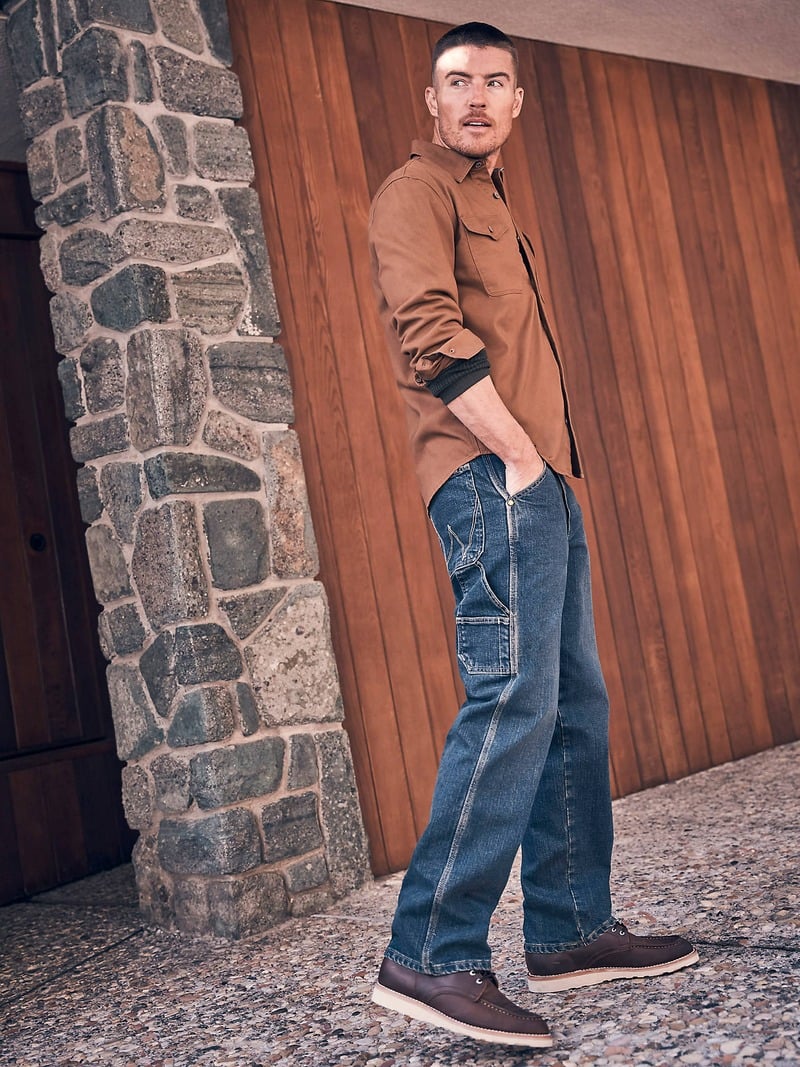
Photo: Wrangler
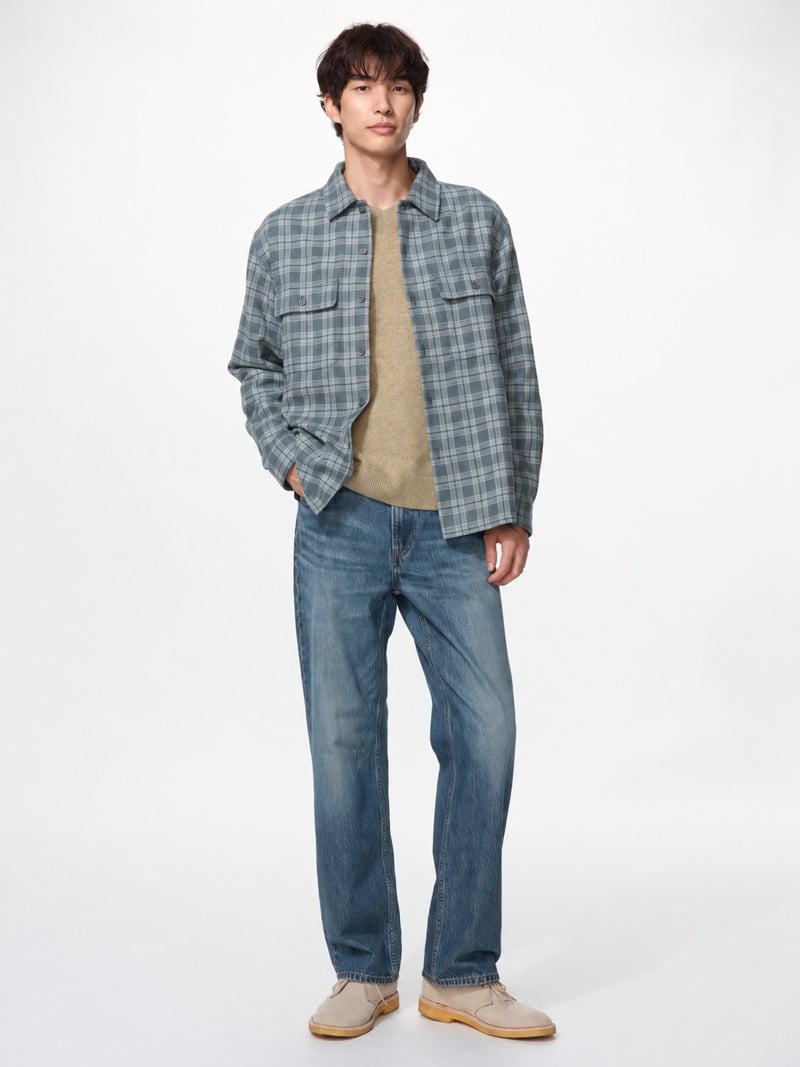
Carpenter pants shift the emphasis toward the lower half of an outfit. Tool pockets and hammer loops add detail, but the cut matters more than the number of features. Look for a comfortable rise and enough room through the thigh to make the utility styling feel natural. The existing carpenter jeans guide offers a more focused route into the denim versions.
Straight-leg jeans are an equally useful foundation. They give heavier jackets something to sit against and leave room for sturdier footwear. Raw denim is an option, not an entrance requirement. A washed pair that you reach for regularly does more for a wardrobe than a rigid pair you keep avoiding.
Pay attention to the hem. A small break can suit boots, while a modest turn-up exposes the footwear and shortens the visual line. Several thick folds can make heavy denim feel cumbersome. Adjust the length before deciding the whole fit is wrong.
Flannel Shirts
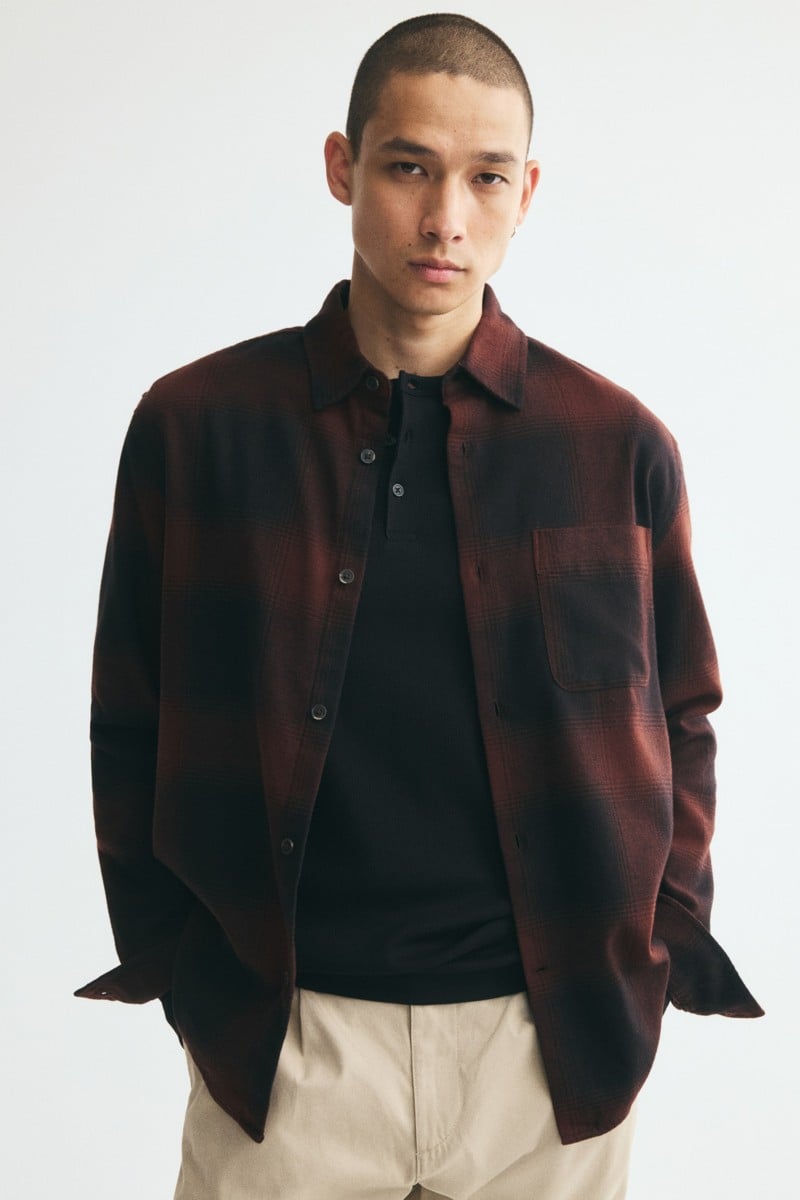
Flannel brings a softer texture to workwear, especially alongside denim. Choose the weight for the way you intend to wear it. A lighter shirt can tuck into trousers, while a heavier version is often more comfortable worn loose or open over a tee.
Plaid already gives an outfit plenty of information. Simple jeans let the pattern do its job, and rolled sleeves can make the shirt feel less bundled up. Watch the length when wearing it untucked. A hem that reaches too far down the thigh can overwhelm the proportions of an otherwise straightforward look.
Overalls

Overalls are the more committed option because they establish most of the outfit in one piece. Keep the layer underneath uncomplicated and check the fit through the torso as carefully as the legs. You should be able to sit comfortably, and the straps should hold the bib at a sensible height.
A tee keeps them casual in warm weather; a close-fitting knit adds warmth when temperatures fall. Extra utility accessories can turn the look into a costume quickly. The overalls already explain the idea.
Putting Workwear Outfits Together
Flannel, Jeans & Boots
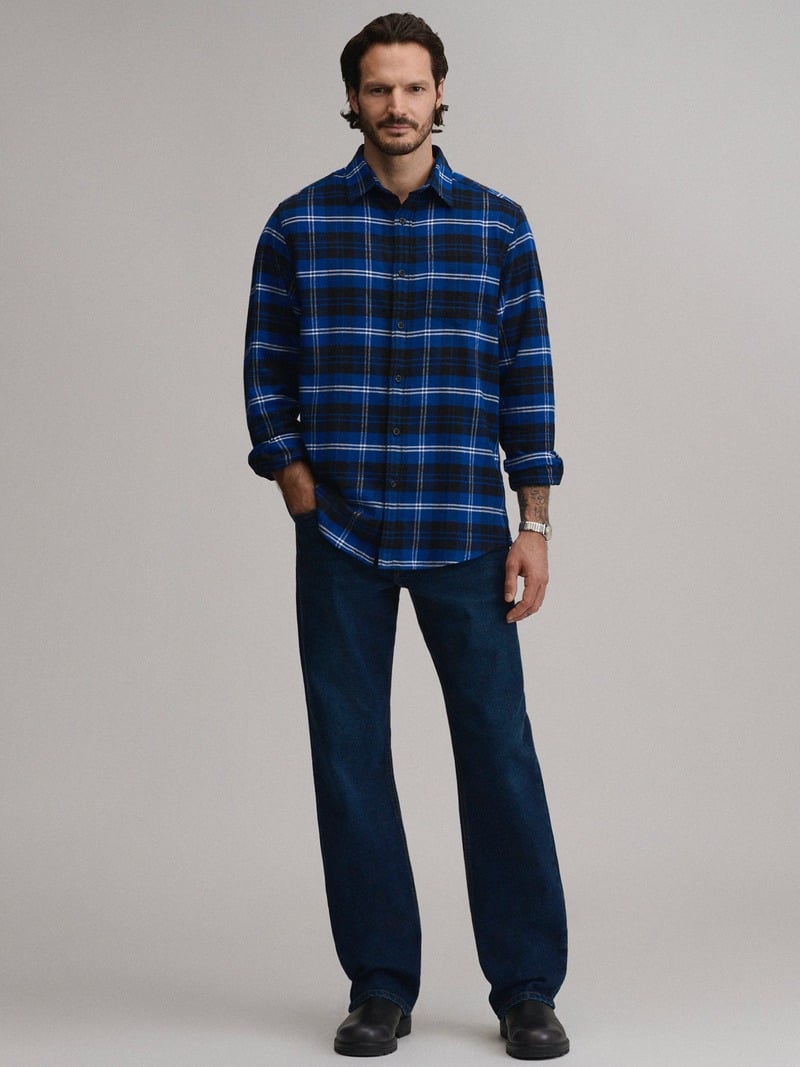
The blue plaid flannel look from Eddie Bauer shows how little complication this combination needs. Jeans continue the casual mood, while black boots give the hem a firm stopping point. The shirt is worn loose, so keeping its length in check matters as much as choosing the right denim cut.
Use the boots you will actually walk in. For everyday styling, the shape of the toe and the weight of the sole matter more than an industrial appearance. Trousers should fall comfortably over the boot opening, with enough room to move as you walk.
A Short Denim Jacket with Relaxed Trousers
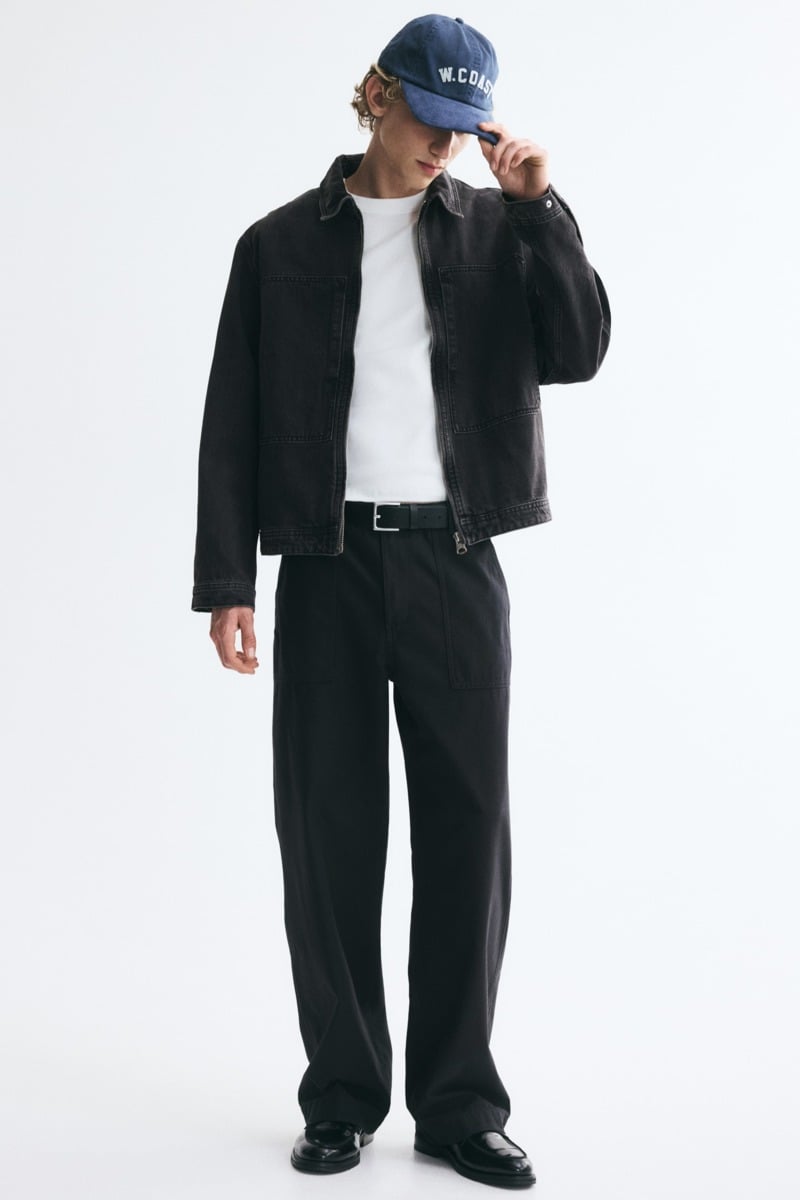
H&M’s washed-black denim jacket demonstrates a different balance. Its shorter length puts the waist in view, while the white tee breaks up the black clothing. A cap makes the outfit feel casual, but the useful lesson is the proportion. A compact upper layer gives relaxed trousers room to be the dominant shape.
A Navy Shop Shirt with Light Trousers
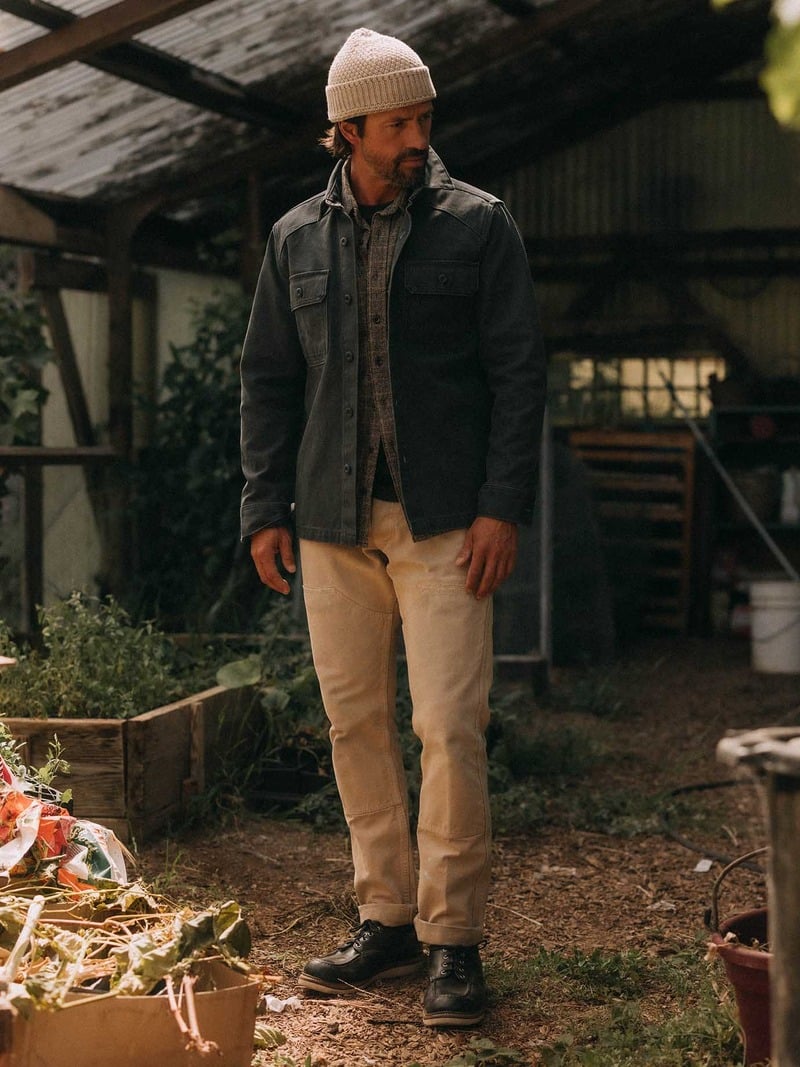
Taylor Stitch’s navy shop shirt and light trousers use contrast to separate the layers. The button-front shirt beneath adds texture, while a pale knit cap connects visually to the trousers. Black boots give the lighter lower half a firm finish.
The proportions matter as much as the colors. The outer shirt ends around the hips, leaving the trouser leg visible, and the turn-ups keep fabric from gathering over the boots. A sturdy overshirt can do the work of a jacket when the layers underneath suit the weather.
Light Denim with Brown Boots

Banana Republic’s cream denim chore coat and matching trousers give utility dressing a lighter palette. The brown collar connects the jacket to the boots, while the straight trouser leg leaves enough room for the footwear. The result depends on those small links between the upper and lower halves of the outfit, not on adding more workwear details.
A similar look can work with ecru jeans and a light cotton jacket. Keep some difference in texture between the layers, and let the boots provide the darker anchor. Matching shades are useful here, but the clothes should still feel comfortable enough for an ordinary day.
A Blue Overshirt with Khaki Trousers

Photo: Ralph Lauren
Polo Ralph Lauren’s blue overshirt and khaki trousers offer a less coordinated approach. The gray tee gives the overshirt a simple base, and the rolled trouser hems expose the socks. A knit cap adds warmth near the face, balancing the open neckline.
This is a useful way to work a utility shirt into clothes already in rotation. Leave it open, keep the trousers relaxed through the thigh, and use the cuffs to adjust their length. The overshirt supplies enough detail on its own.
Making Workwear Part of Your Wardrobe
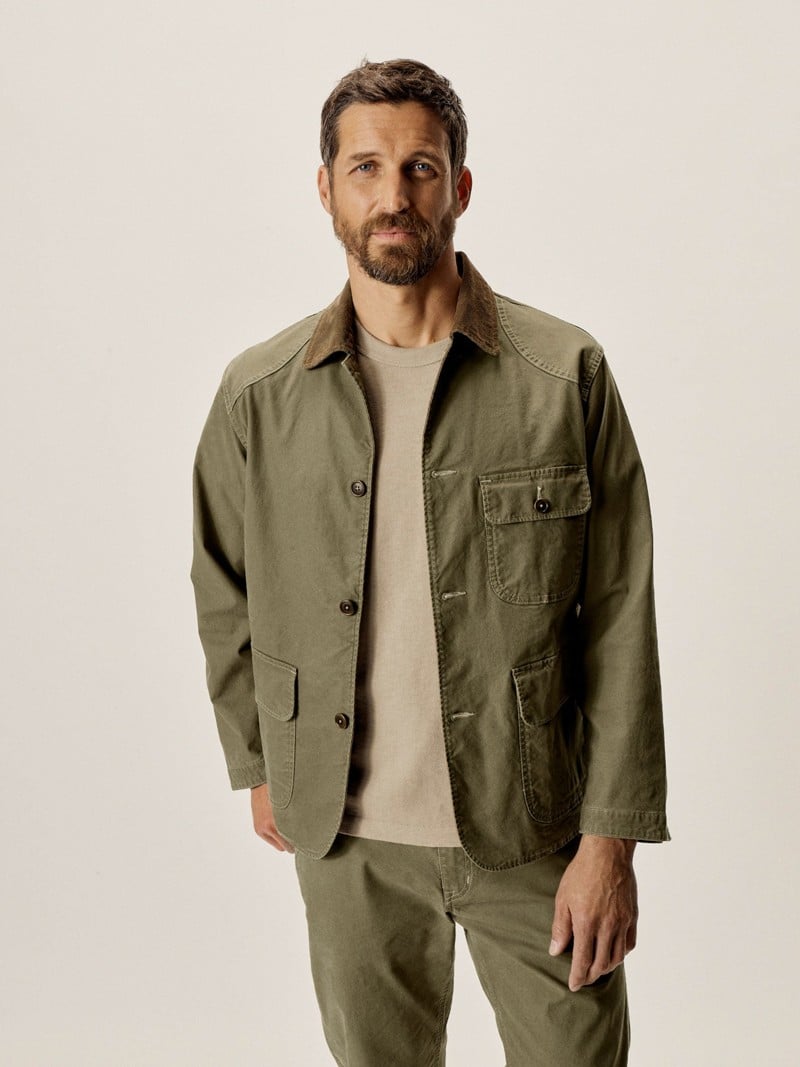
Start with the piece that solves an actual dressing problem. An overshirt may be enough if you need a light layer; straight-leg jeans may be the better purchase if your jackets already work. Build around clothes you enjoy wearing, allowing their proportions to guide the next addition.
The fabrics can change with the weather, too. Lighter denim and unlined cotton layers keep the idea useful beyond cold months. When temperatures drop, allow space for a knit beneath the jacket instead of squeezing another layer into a close fit. Workwear’s practical appeal starts to disappear when getting dressed becomes hard work.


