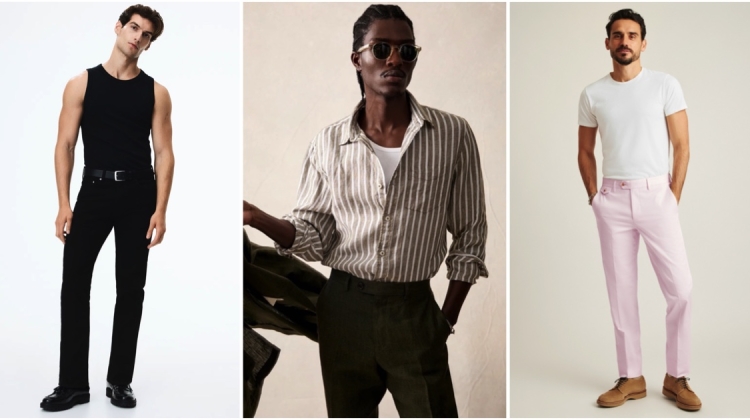
A relocation is the sharpest style audit a man gets. Every piece he owns passes through his hands, and half of them belong to the city he is leaving. The navy suit he wore twice a week in Manhattan starts collecting dust in Seattle. The linen trousers that worked year-round in Los Angeles sit folded for nine months at a stretch in Chicago. The closet reshapes as fast as the address does, and the sooner a guy works with that, the faster the new city gets a clean look at him.
Three forces do most of the rewriting. Climate sets fabric weight, outerwear categories, and footwear rotation. Pace decides how much tailoring a man wears from Monday to Friday, whether a blazer shows up once a week or once a quarter. Local dress codes handle the rest, from the tie ratio at dinner to whether sneakers pass at a decent restaurant. A guy who spent four days a week in wool trousers in New York will spend one in Austin, and the arithmetic works its way through every category of his closet.
What Stays in the Truck
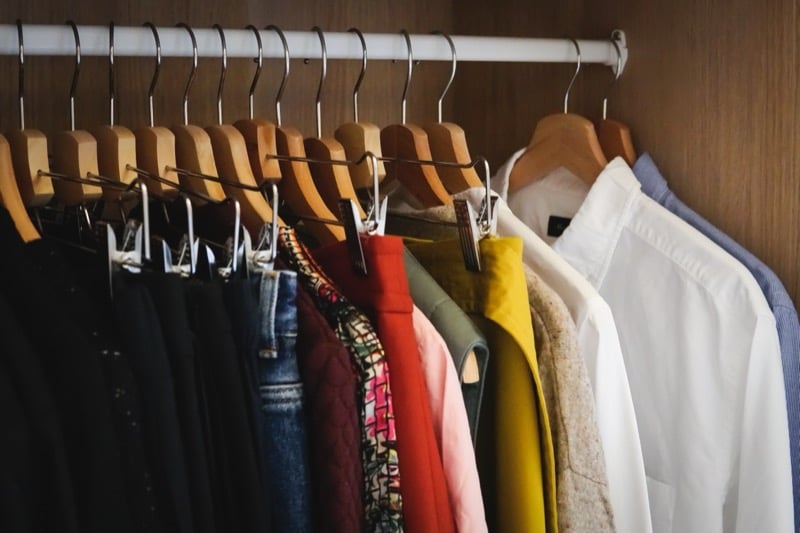
The wardrobe side of a relocation gets decided as much by how things travel as by what makes the cut. Garment boxes keep tailoring on hangers from the old closet straight into the new one, which protects the shoulder line on jackets, coats, and suits that a folded carton would crease by day two. Shoes travel in individual bags with paper stuffed inside each last to hold the shape.
A handful of pieces should stay out of the truck entirely and ride along in the duffel that crosses the country with him, usually one full outfit plus a jacket, so the first morning in the new place has something ready on the hanger. Working with movers that handle specialty items is where most of this gets decided, so request a moving quote early enough to talk through the tailoring and outerwear, and the wardrobe arrives ready to wear on day one.
The Wardrobe Transition
The closet that lands in the new city ought to look leaner and more specific than the one that got packed up. A relocation forces the edit a man otherwise skips. The three wool suits he held onto because he might need them someday get a verdict. The four similar brown jackets turn into one. The sneakers that were past their last wear finally hit the donation bin. What remains in the new closet is what the new city sees on him daily, and the guy who arrives dressed for where he lives now tends to settle in faster than the one still wearing Brooklyn in Phoenix.
New York to Seattle

The tailoring retreats to the back of the closet. Waxed cotton, technical shells, and field jackets take over the outerwear rotation for eight months of the year. Suede retires in favor of pebble-grain leather and rubber-soled boots that hold up on a wet Capitol Hill sidewalk in February. Dark denim and merino knits show up more often than flannel suits or sport coats. The navy suit still works for the three or four days a year it needs to, which is a useful thing to figure out before deciding what to keep on the hanger and what to store in a duffel under the bed.
Los Angeles to Chicago

Unstructured cotton and linen turn seasonal instead of default. A real overcoat becomes a daily piece for six months of the year, and the knitwear drawer roughly doubles in weight. Boots replace sneakers from November to March, and the whole layering logic changes, since a Los Angeles outfit lives on a single jacket and a Chicago outfit needs three garments that each look like a finished idea on their own. Gloves, scarves, and a proper hat graduate from accessories to infrastructure. The sunglasses collection gets cut roughly in half, because the wardrobe no longer turns on managing glare.
Miami to Boston

Tropical-weight tailoring retires almost entirely. Linen becomes a June-through-August piece instead of a year-round default. Wool flannel trousers, tweed sport coats, and heavier denim show up in the rotation for the first time, and the knitwear category goes from cotton polo territory to cashmere and lambswool territory.
Closed-toe footwear becomes the baseline for ten months of the year, and the wardrobe roughly doubles in weight by volume, which is the detail most men skip when they plan the relocation. What worked at a Design District dinner in July looks wrong at a Back Bay dinner in March, and adjusting for that is most of the wardrobe transition right there.
The Pieces That Travel
Some parts of a wardrobe hold up regardless of geography. A good overcoat works from Boston to Portland with only the layering underneath it changing. A navy suit holds its usefulness from Charleston to Minneapolis. Raw denim takes the shape of the man who wears it, and a year of daily rotation in Houston produces the same fade pattern as a year in Brooklyn. Leather boots from the right maker look correct on a Seattle sidewalk and a Nashville one. These are the pieces that prove personal style is a set of choices a man keeps making, independent of where he happens to live.