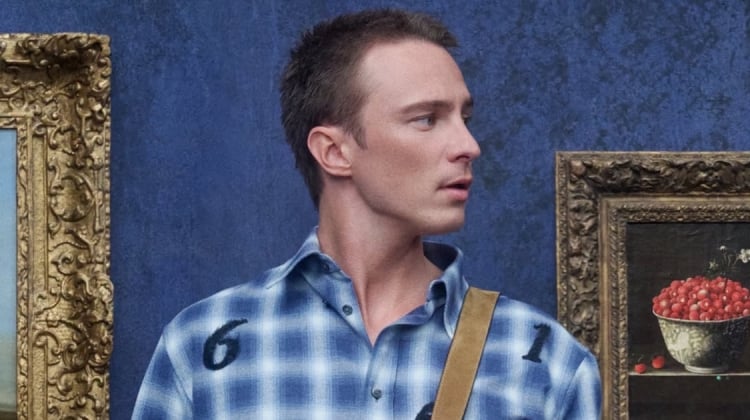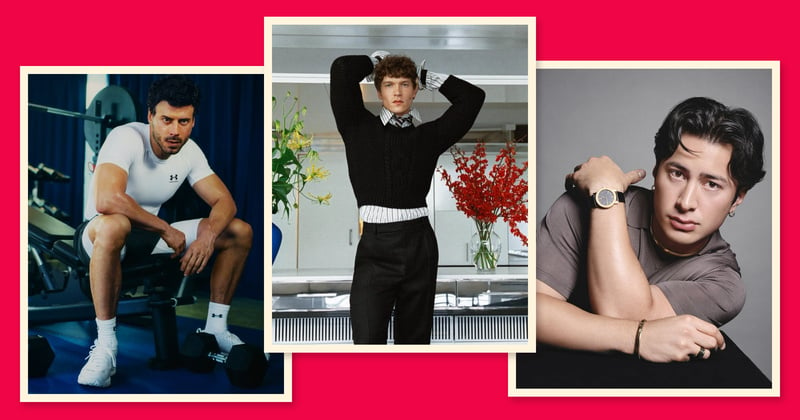
People don’t always come to fashion because they love clothes. Sometimes they come because they love who’s wearing them. The fandom surrounding Heated Rivalry offers a particularly vivid example.
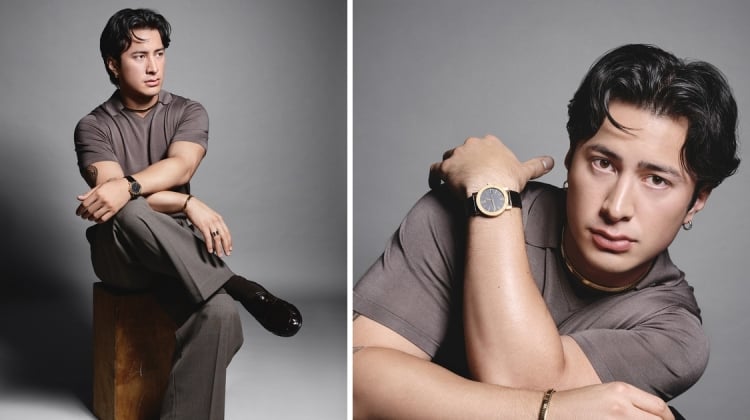
As the show’s actors have entered fashion’s orbit, their audience has followed. Connor Storrie has appeared in Saint Laurent’s fall 2026 campaign and become a Tiffany & Co. ambassador. Hudson Williams has worked with Balenciaga and become a Bulgari ambassador. Francois Arnaud has an Under Armour ambassadorship, while Robbie G.K. has appeared for UGG.
On the surface, this is familiar celebrity marketing. Popular men attract attention, and brands hope some of that affection transfers to whatever they happen to be wearing.
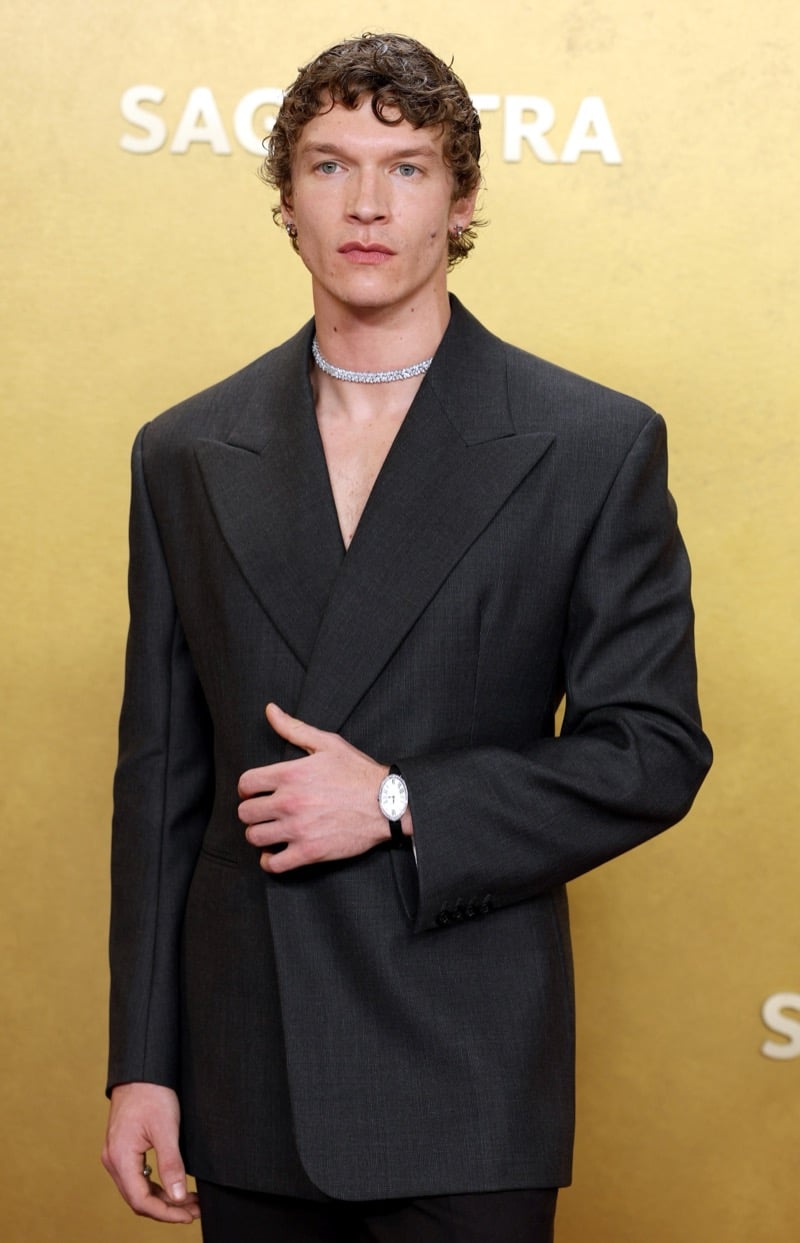
The more interesting exchange happens in the other direction. Someone who has never cared about Saint Laurent may suddenly care because Storrie is wearing it. Interest in the actor becomes interest in the clothes, then the House, the designer and eventually the larger fashion system around him. Fans learn the names of stylists. They recognize campaigns. They search runway collections. Fashion literacy can begin with something as uncomplicated as wanting to know who made a coat.
Storrie’s stylist James Yardley has already seen the progression. He told Vanity Fair that fans had been browsing Vogue Runway and sending him looks they wanted Storrie to wear. “They have this vision for the boys,” he said. Some have gone further, publicly criticizing Yardley and calling for Storrie to replace him.
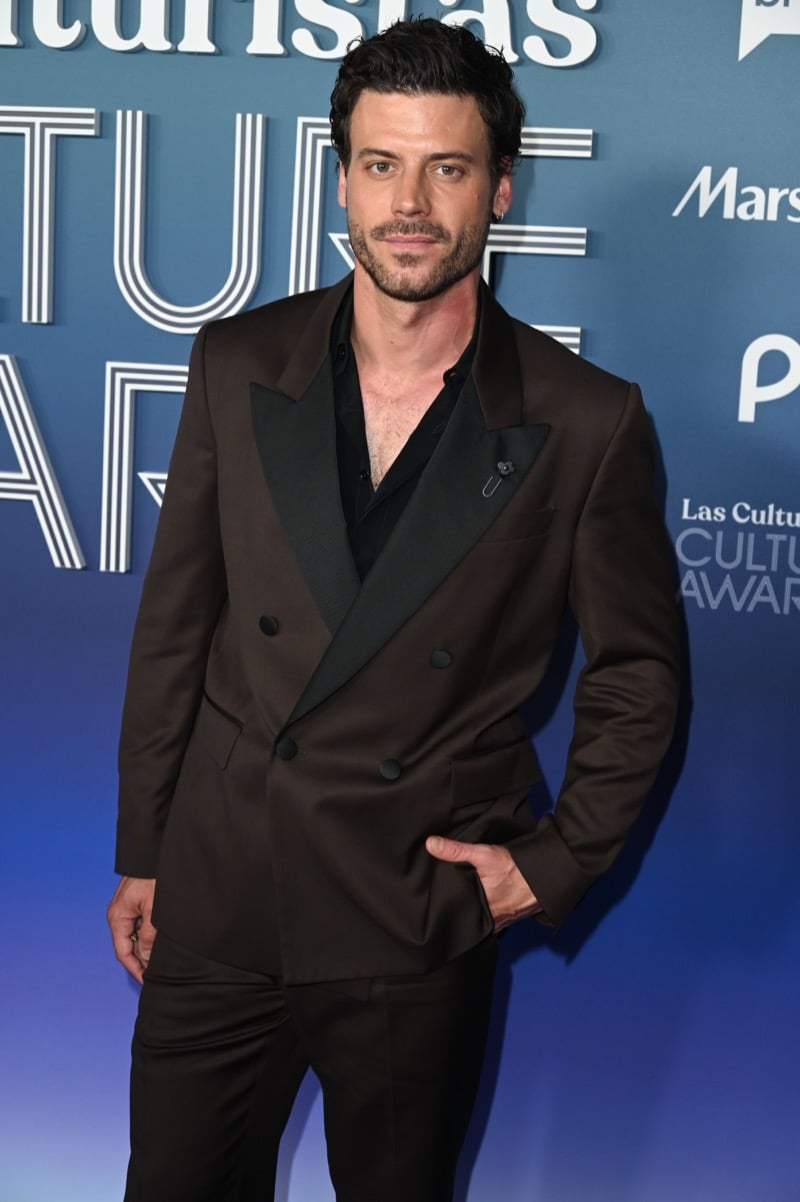
At that point, admiration has become something more complicated. Learning about fashion gives the audience the vocabulary to participate in it, but participation can create a sense of ownership over the man at its center. The stylist becomes one of the few people standing between the version of a celebrity imagined by fans and the one who actually arrives on the red carpet.
Pedro Pascal has already demonstrated how ugly that tension can become. His former stylist Julie Ragolia wrote in 2025 that someone had called for her death because they disliked one of Pascal’s outfits. Her response contained an important correction to the way celebrity dressing is often discussed. “Stylists are not dictators. We are collaborators.”
That collaboration tends to disappear when a look goes badly. The celebrity becomes someone being dressed, as though his own taste and participation vanish once a stylist enters the picture. A disliked outfit becomes something done to him. The fan’s preferred version of the celebrity is treated as the authentic one, while the stylist becomes responsible for obscuring it.
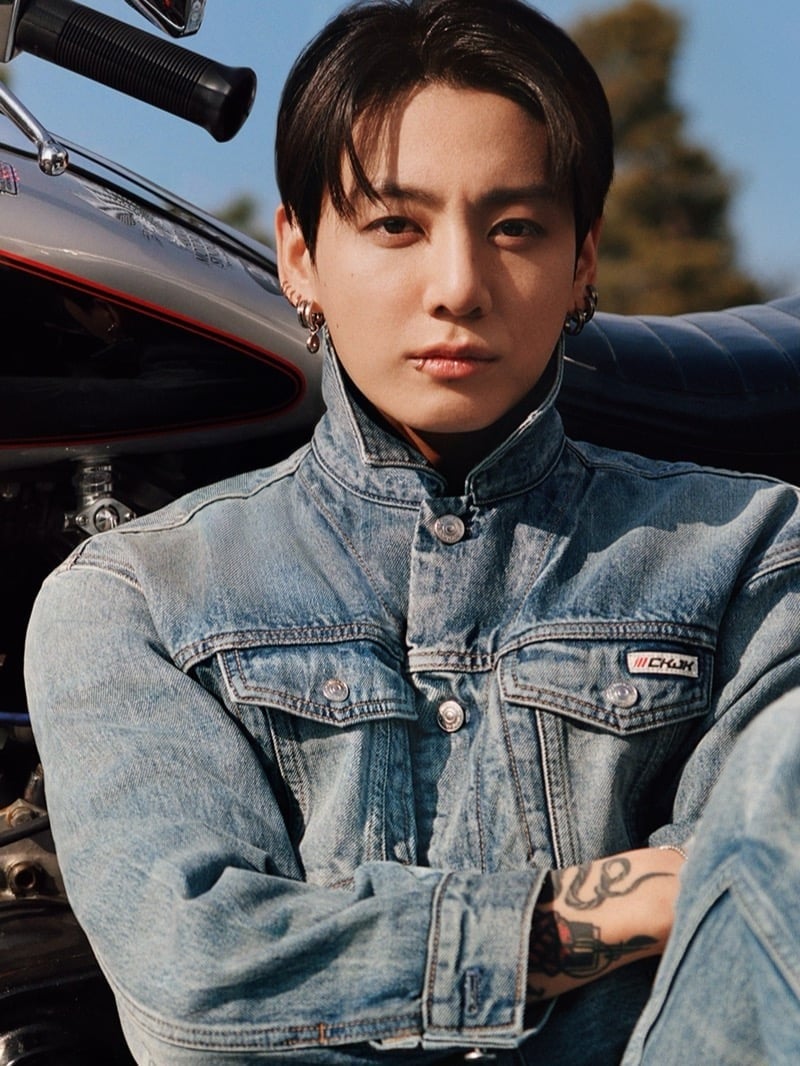
Fashion, of course, actively encourages the attachment that makes this possible. Celebrity endorsement has always depended on transferring some of a person’s desirability to an object. Anthropologist Grant McCracken described the process in 1989 as meanings passing “from celebrity to product and from product to consumer.” K-pop has since turned that relationship into one of fashion’s most effective global marketing systems.
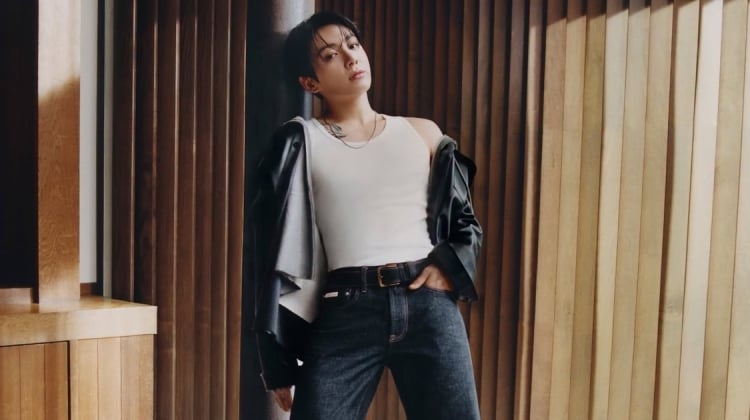
When Jung Kook became a Calvin Klein global ambassador in 2023, he described the partnership as an opportunity to connect with his fans “in a new way.” Three years later, PVH called the Jung Kook for Calvin Klein capsule its most successful collaboration to date and said the release generated rapid sell-through around the world.
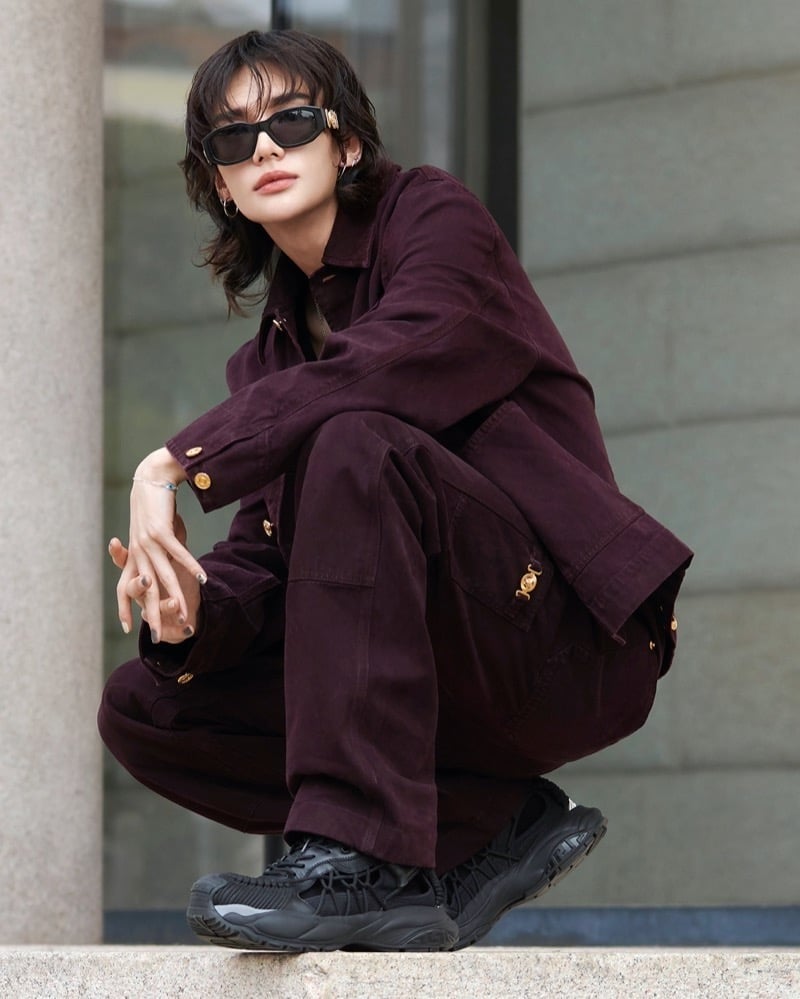
European luxury Houses have pursued the same audience. Dior appointed Jimin, Versace signed Hyunjin and Louis Vuitton brought Felix into its world. Thousands of fans gathered outside a Dior menswear show attended by Jimin and j-hope in 2023. Versace even turned Hyunjin into a recurring campaign presence. The transaction is unusually transparent. The House gains access to affection that already exists.
Yet the exchange can produce more than another customer. A fan who arrives at Dior because of Jimin may begin following Dior. Someone searching for what Hyunjin wore can end up learning Versace’s collections. The celebrity acts as an entry point into a world that previously offered little reason to enter. Some people will remain interested only as long as their favorite star is involved. Others will stay for the clothes.
Williams offers a remarkably literal version of the conversion. After he wore a cardigan from Indigenous designer Justin Jacob Louis, Louis checked his website and discovered $12,000 in sales. The cardigan sold out. Williams had bought the piece himself.
None of this began with Instagram, K-pop or the luxury ambassador arms race. Young men once went looking for the Cuban-heeled boots worn by John Lennon and Paul McCartney until the style became known as the Beatle boot. The London Museum holds a 1965 photograph of young men trying them on.
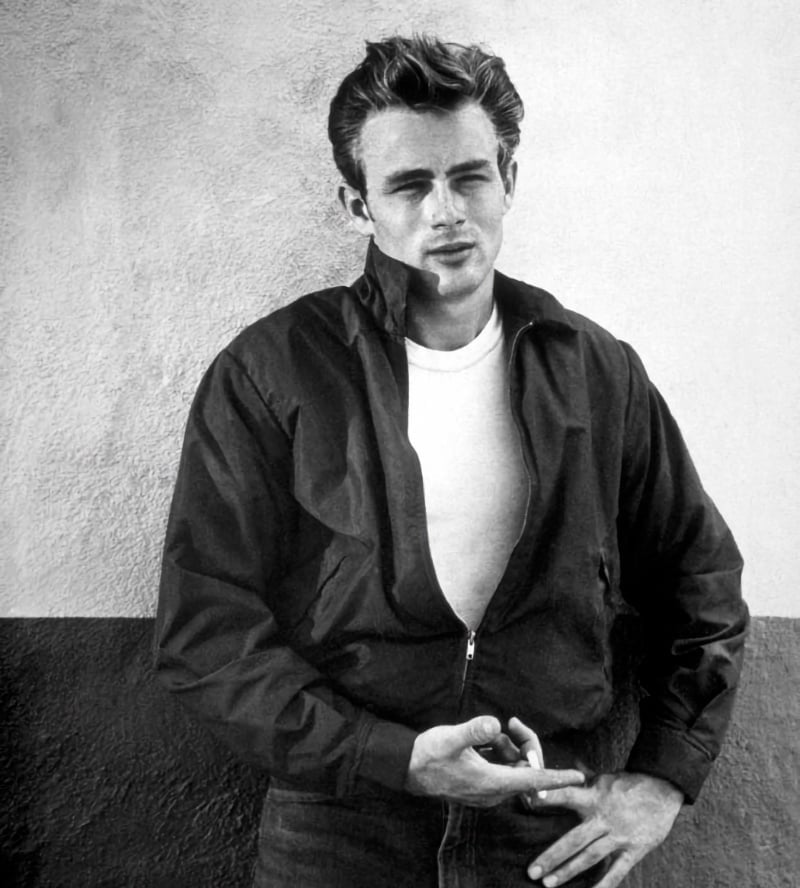
James Dean made the white T-shirt, jeans and red jacket of Rebel Without a Cause an easily copied uniform. Steve McQueen’s association with Persol 714 sunglasses has survived long enough for Persol to continue selling a version bearing his name.
The clothes change. The desire to get closer to someone by dressing like him does not. What has changed is the distance between the admirer and the machinery producing the image. A Beatles fan could buy the boots. A Storrie fan can identify the designer, search the runway collection, contact the stylist and debate his choices with thousands of other people before the next red carpet appearance. The audience no longer has to wait for fashion to explain what it is seeing.
Sometimes it sees things fashion has not explained at all. An apparent Giorgio Armani fragrance campaign featuring Storrie surfaced before its official introduction after fans spotted campaign imagery hanging in the background of an office video. The image may have been incidental to the video. To an audience already watching Storrie’s fashion career closely, it was immediately meaningful.
That accidental reveal exposes the bargain brands make when they court fandom. They want people attentive enough to notice the coat, identify the watch, search for the sunglasses and buy the cardigan. They want an audience invested enough to turn a campaign into an event.
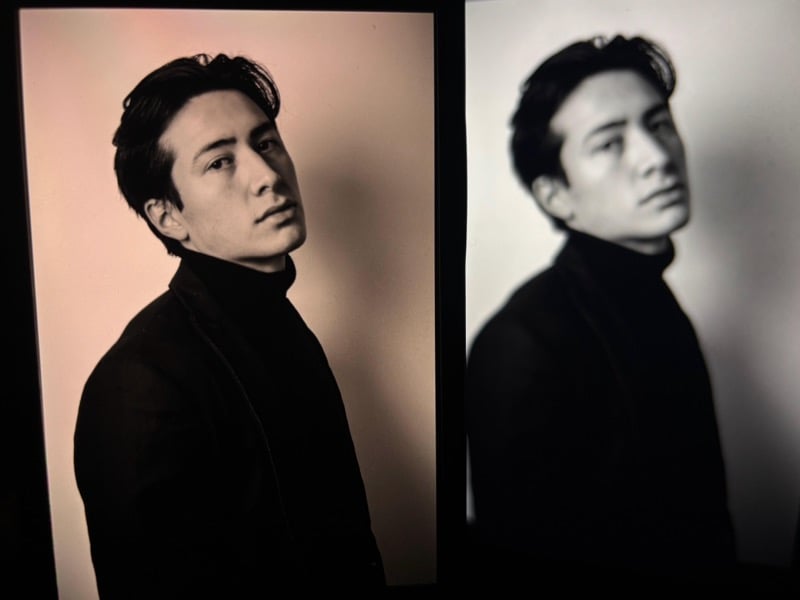
That attention does not belong to the brand. Fans will circulate the images they like, criticize the ones they don’t, discover things they were never supposed to see and develop their own ideas about how the person they admire should look. The qualities that make fandom commercially valuable are the same qualities that make it difficult to manage.
Fashion may think it is borrowing famous men to sell clothes. In the process, it is also teaching an enormous new audience how to look at fashion. Once that audience learns how to look, there is no guarantee it will look where fashion tells it to.