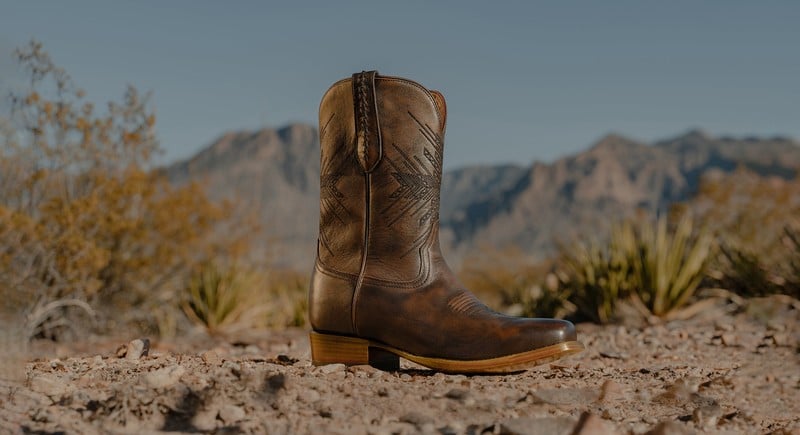
Cowboy boots announce themselves before most shoes get a word in. The heel changes your stance; the toe gives even plain jeans a particular attitude. Choosing the best cowboy boots for men starts with deciding how much of that character you want, and what you expect the boots to do.
A leather-soled roper for evenings belongs to a different buying conversation from a rubber-soled pair for daily ranch work. The best cowboy boot brands offer several answers, with differences in fit and construction that matter long after the first outing.
Best Cowboy Boot Brands
These 12 makers cover accessible first purchases, traditional Texas bootmaking, and more expressive Western styles. Prices vary with leather and construction, especially when exotic skins enter the picture.
1. Tecovas

Price guide: Approximately $375-$775 for selected core and exotic cowboy styles.
Who it suits: Men buying their first traditional-looking pair or building an everyday Western wardrobe.
Tecovas makes the initial decision relatively straightforward. Its range gives recognizable cowboy shapes a clean presentation, with leather choices doing much of the decorative work. That approach suits a man who wants his boots to feel like part of his clothes from the start.
The Doc, currently $375 in goat leather, offers a broad square toe and stitched shaft. Its wider front has a more assertive appearance than a tapered dress boot, while the leather sole keeps the profile relatively lean. Start with a leather you enjoy looking at; exotic skins can come with the second pair.
2. Lucchese

Price guide: Approximately $395-$1,000 and above across selected men's styles.
Who it suits: Buyers drawn to dressier Western boots and a broader choice of fine leathers.
Lucchese is a useful place to see how much variation exists within cowboy boots. A restrained roper and a richly textured exotic can suggest very different wardrobes, even when both come from the same maker.
The $895 Tanner gives the quieter approach its due. Its shorter roper shaft and relatively simple appearance bring attention to the leather and proportions. That makes it an appealing starting point for men who wear tailored jackets as readily as denim. Check the individual style's construction and origin, since those details vary across the collection.
3. Ariat

Price guide: Approximately $190-$250 for selected everyday Western styles, with premium collections priced higher.
Who it suits: Men who prioritize cushioning and practical soles for frequent wear.
Ariat approaches Western footwear with a strong interest in what happens underfoot. Its range includes riding boots and farm styles alongside dressier options, making the product specifications especially useful when narrowing the choice.
The $199.95 Hybrid Rancher demonstrates the practical side of the brand. Its broad square toe and rubber outsole give it a heavier appearance than a leather-soled dress boot, which works naturally with heavier denim. Choose the particular version according to your needs; a Western silhouette alone tells you little about waterproofing or workplace protection.
4. Tony Lama
Price guide: Approximately $200-$650 for selected Western and exotic styles.
Who it suits: Buyers who want traditional Western decoration with several construction and leather options.
Tony Lama gives shaft stitching plenty of attention, though the details beneath it deserve an equal look. Toe shape and sole composition can make two similarly decorated boots feel quite different in use.
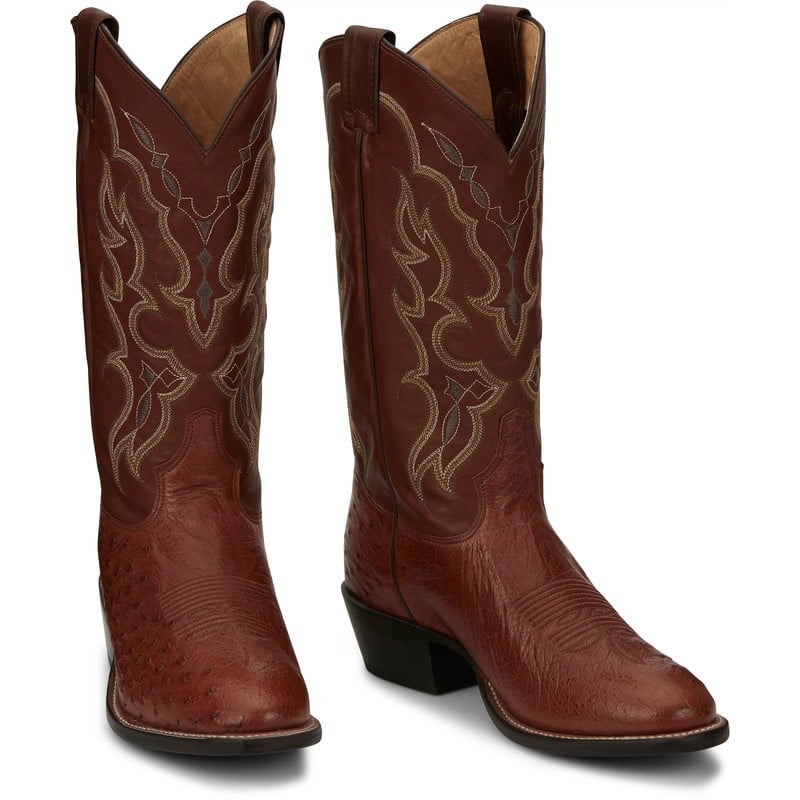
The Tiberius combines a smooth ostrich foot with a stitched leather shaft. Its Brandy color keeps the contrast subtle, letting texture distinguish the foot from the taller upper. The shaped toe and cowboy heel give it a dressier appearance that works with a jacket as readily as denim. At a regular price of $319.95, it offers an entry into exotic leather; check the current price and available widths before ordering.
5. Justin
Price guide: Approximately $170-$520 for selected everyday and exotic cowboy styles.
Who it suits: Men seeking a broad selection at approachable prices, including several width options.
Justin gives buyers plenty of ways into Western footwear. Its selection runs from straightforward leather boots to full-quill ostrich, so there is scope to begin modestly and get more particular later.
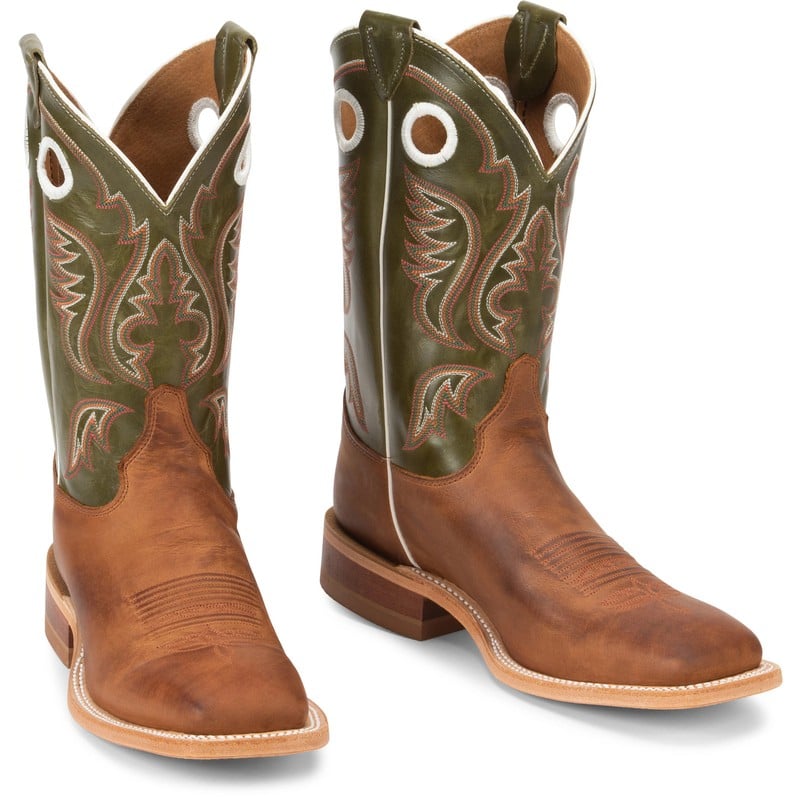
The Austin 11-inch Western boot, priced at $249.95, is a useful middle point. It features the brand's J-Flex comfort system and is labeled Made in the USA with global parts. Available widths include B, D, and EE, subject to stock. That choice matters more than an attractive shaft pattern when your foot needs a narrower or wider fit.
6. Dan Post

Price guide: Approximately $200-$510 for selected leather and exotic styles.
Who it suits: Buyers comparing classic cowboy shapes with comfort features and practical alternatives.
Dan Post offers a broad selection at prices that make regular wear an easier proposition. The $229.95 Milwaukee provides a traditional starting point, while other styles move toward waterproof construction or more decorative leathers.
The $204.95 Albuquerque illustrates that practical branch of the collection. Its waterproof construction, removable orthotic insole, and mini-lug rubber outsole make it relevant to buyers who expect more than occasional evening wear. Its broad round toe also offers a different visual direction from the square fronts common across contemporary Western footwear.
7. HYER

Price guide: Approximately $300-$600 across selected everyday, ranching, and exotic styles.
Who it suits: Men drawn to taller shafts and a pronounced ranch-boot profile.
HYER gives its boots a strong Western identity through taller shafts and expressive stitching. They suit a man who enjoys the shape of a cowboy boot as much as the leather.
The Hays, currently $390, combines a 13-inch shaft with a cutter toe and an underslung heel. In the Bay Apache/Rust version, a cowhide foot meets a goat-leather shaft, with an oiled leather outsole and removable dual-density insert beneath. It offers a useful combination of traditional construction and added cushioning. Allow time to assess the fit and break in the leather.
8. Rios of Mercedes
Price guide: Approximately $550-$1,000 for selected stockist styles, with some exotic versions higher.
Who it suits: Experienced buyers who enjoy choosing particular leathers and retailer-specific designs.
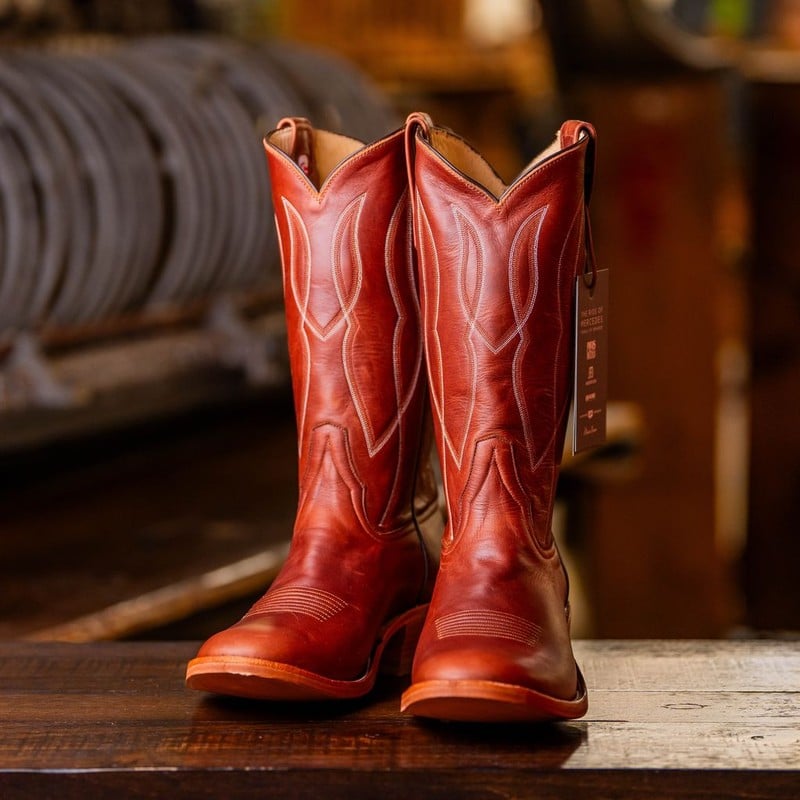
Rios of Mercedes rewards a more deliberate shopping approach. Its Originals are made to retailers' specifications, so the selection changes according to where you shop. The store becomes part of the decision.
That arrangement opens up distinctive combinations of shaft leather and foot shape. A chestnut oiled-latigo roper, for example, has a very different character from a colorful cutter-toe boot. Compare the exact specifications and ask the stockist about fit. With this maker, the most useful recommendation is a particular boot from a retailer who understands it.
9. Anderson Bean
Price guide: Approximately $400-$770 for selected main-line styles.
Who it suits: Buyers seeking Texas-made boots with expressive leather and shaft combinations.
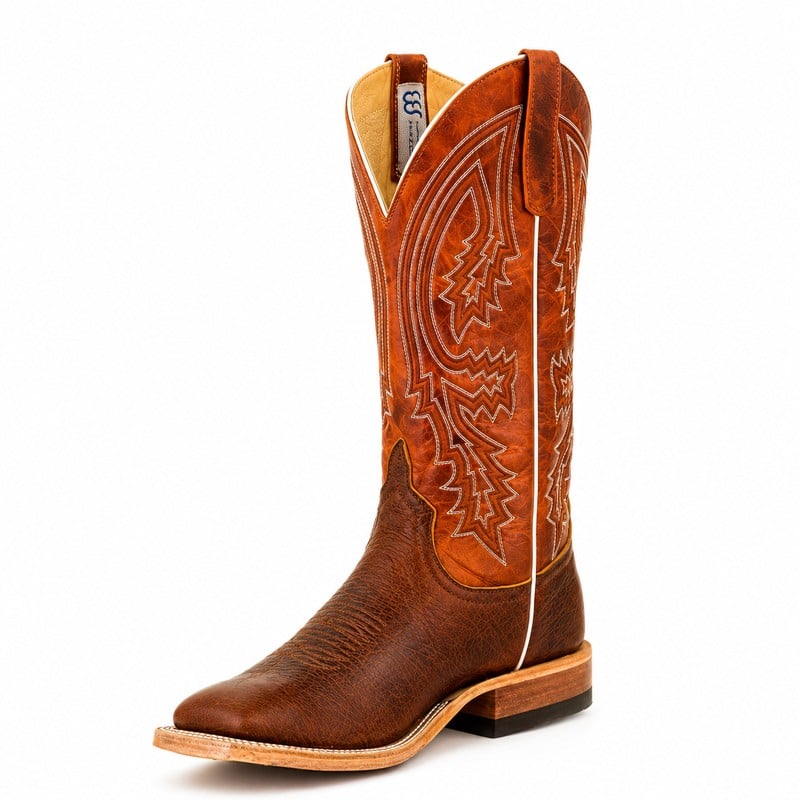
Anderson Bean builds its main-line boots by hand in Texas, with an emphasis on leather construction. The designs often let the shaft have some fun, while the foot remains an easy companion for everyday denim.
Retailer selections provide much of the interest. A contrasting blue shaft might sit above an understated brown foot; textured leathers offer another direction. Compare sole options as carefully as colors, since hybrid soles and traditional leather soles serve different preferences. When shopping, distinguish Anderson Bean's main line from related labels such as Horse Power so the price and manufacturing expectations stay accurate.
10. Chisos
Price guide: $595 for core cowhide styles, with selected exotic styles at $945-$1,295.
Who it suits: Men who want traditional leather construction with a removable cushioned insole.
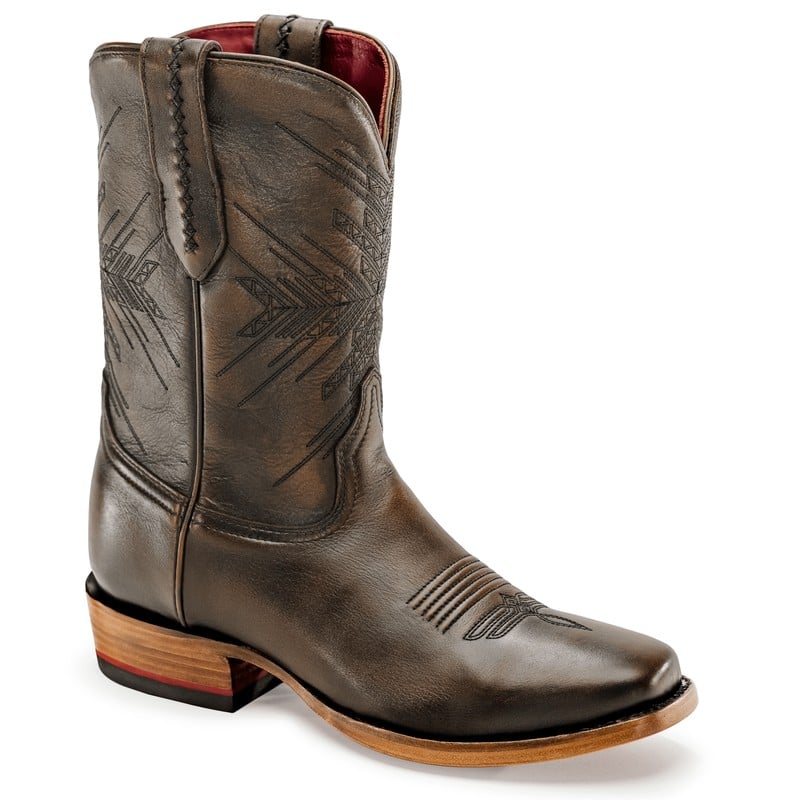
Chisos puts comfort near the center of its proposition, while retaining features associated with traditional cowboy bootmaking. The combination is appealing if you like leather soles but want added cushioning inside.
The $595 No. 2 uses a square toe with a relatively restrained shape. Its specifications include Goodyear construction, a leather heel counter, and a steel shank, plus the removable comfort insole. Chisos also identifies the boot as resoleable and rebuildable. Those are useful details for someone planning to wear the same pair regularly, though the right fit still comes first.
11. Old Gringo
Price guide: Approximately $395-$1,830 for selected men's styles at regular prices.
Who it suits: Men who enjoy decorative Western footwear and want the boots to influence the outfit.
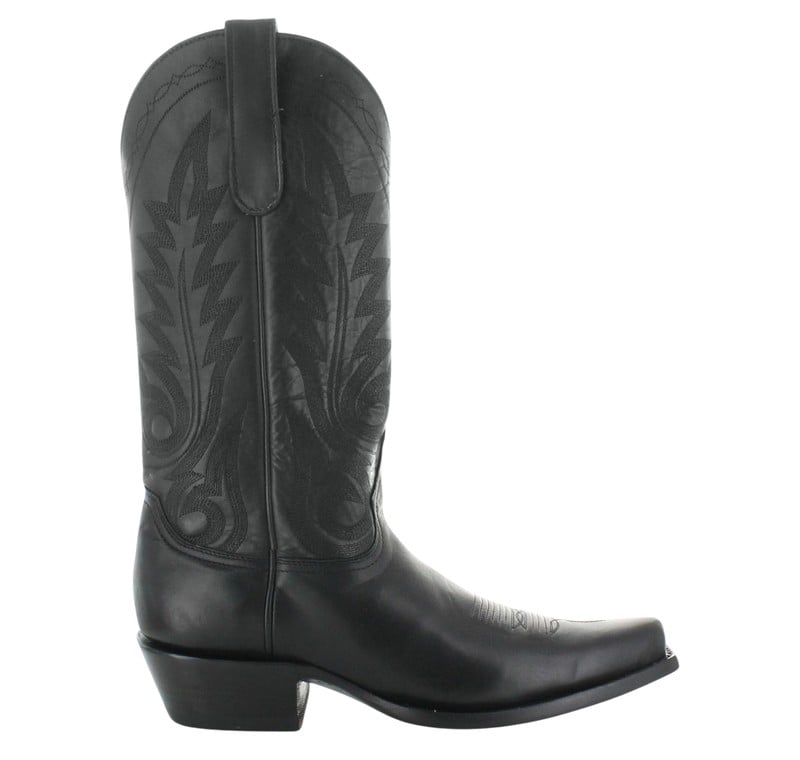
Old Gringo offers a more expressive route into cowboy boots, with designs that invite attention to stitching and surface detail. It is a compelling choice when footwear is where you prefer to spend your outfit's decorative allowance.
The $508 Nevada Bis in black gives that decoration a quieter setting. Tonal stitching travels up its 13-inch cowhide shaft, while the shaped toe and slanted heel define the profile. It is a useful option for men who want intricate Western details in a single color. Simple jeans let the boot's shape do the talking.
12. Double-H
Price guide: Around $280-$300 for the selected domestic work styles.
Who it suits: Men looking for work-focused Western boots with clearly stated sole features.
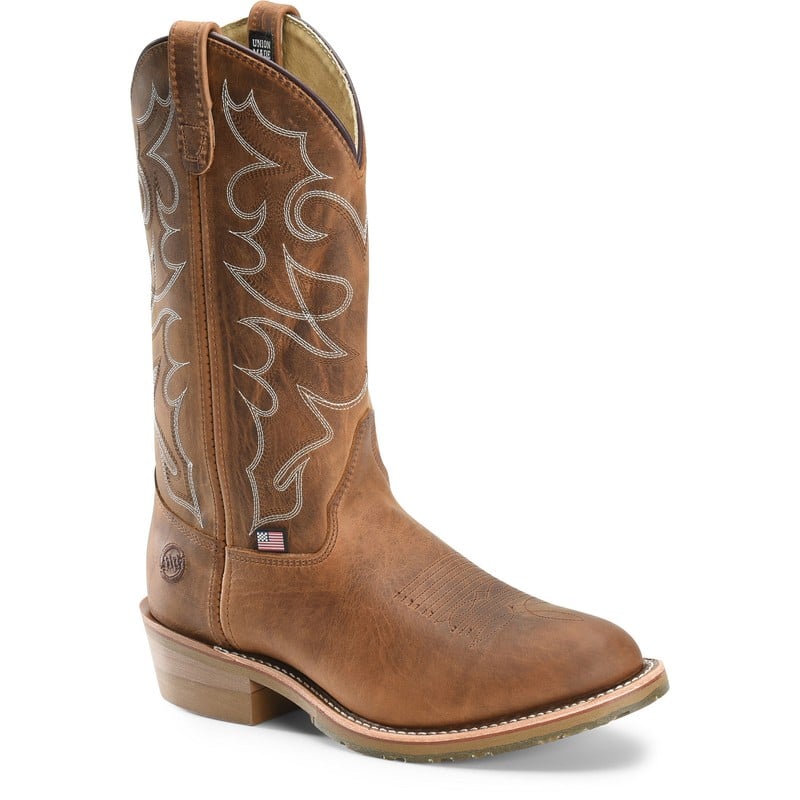
Double-H belongs in the conversation when daily wear involves more demanding surfaces. Its work range puts traction and abrasion resistance at the center of the buying decision.
The $279.99 Dylan combines a leather-lined upper with cushioning and an oil- and slip-resisting I.C.E. outsole. It is made in the USA with global parts. The standard Dylan is a soft-toe style; Double-H lists a separate steel-toe version. Choose the exact model according to the work you do and the protection required, then consider the Western details.
Most Comfortable Cowboy Boots for Men
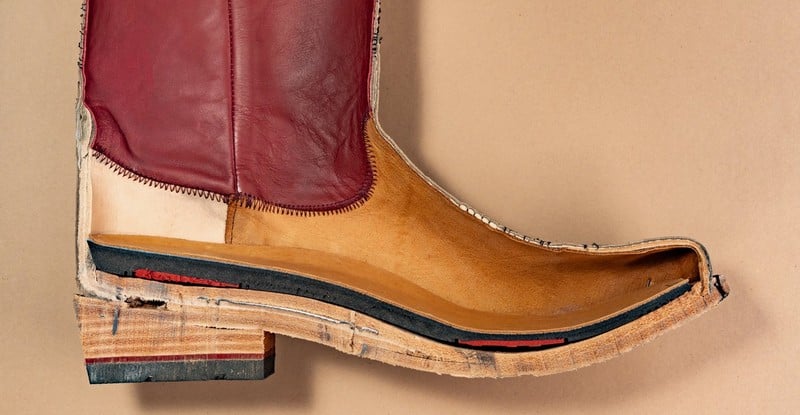
Comfort starts with the relationship between your foot and the boot's last, the form that determines its shape. A cushioned insole helps, but fit decides whether you will enjoy wearing the boots through a long day.
Chisos' No. 2 is worth comparing if you want a traditional leather-soled boot with a removable comfort insole. HYER's Hays also combines leather construction with a removable insert. For buyers who prefer rubber underfoot, Ariat's everyday Western range offers a useful starting point.
Try boots with the socks you intend to wear. Your toes should sit naturally, and the instep should feel secure. Some initial heel movement can be normal; pinching and painful pressure deserve a different size, width, or last. Follow the maker's fit guidance, since sizing advice differs between brands.
Best Cowboy Work Boots
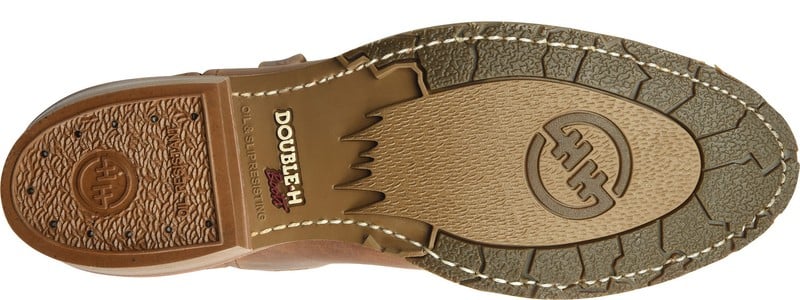
The best cowboy work boots begin with the demands of the job. A ranch boot, a waterproof chore boot, and a safety-toe boot can share a Western shape while offering different protection.
Double-H's Dylan is a candidate for buyers seeking an oil- and slip-resisting outsole. Dan Post's Albuquerque adds waterproof construction and a mini-lug rubber sole. Ariat and Justin also have dedicated work collections that deserve a separate look from their dressier cowboy boots.
Check the exact model's specifications against your workplace requirements, including any required safety toe or electrical-hazard rating. For riding, assess stirrup compatibility and heel shape as well. A boot chosen for walking across a worksite may serve a different purpose from one chosen for time in the saddle.
How to Choose Cowboy Boots
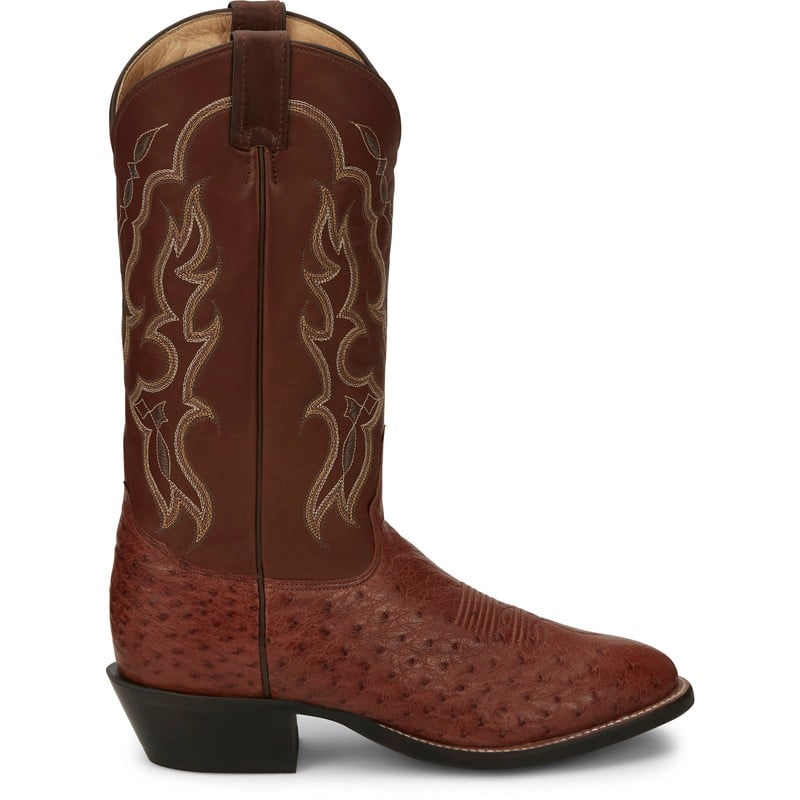
Start with the boots you can imagine wearing twice a week. Smooth brown leather and a moderately shaped toe tend to make that decision easier, particularly if this is your first pair. The relationship to your existing clothes matters as much as the design in the product photograph.
A broad square toe gives the foot a more emphatic shape, while a round or narrower toe can look more restrained. A shorter roper shaft changes the proportions again. Try different shapes on before deciding that one photograph has settled the question.
Then compare soles. Leather soles give many dressier boots their lean profile and traditional feel. Rubber soles can offer more traction, depending on the tread and compound. Hybrid soles combine materials, so inspect the particular design.
Finally, look at repair options. Ask whether the boot can be resoled and whether the maker or retailer offers recrafting. A pair that fits properly and can be repaired has a persuasive advantage over a more spectacular pair that stays in the box.
For a lower shaft and elastic-sided fit, these Chelsea boots for men offer another direction for everyday denim and tailored trousers.


