Dressing for the environment is one of the most overlooked aspects of modern style, yet it quietly shapes how men feel in their clothes every day. What looks good in theory does not always translate in practice when temperature, air, and surroundings are ignored.
The most refined wardrobes account for comfort as much as appearance. This recognizes that confidence is built when clothing works with the conditions around it rather than against them.
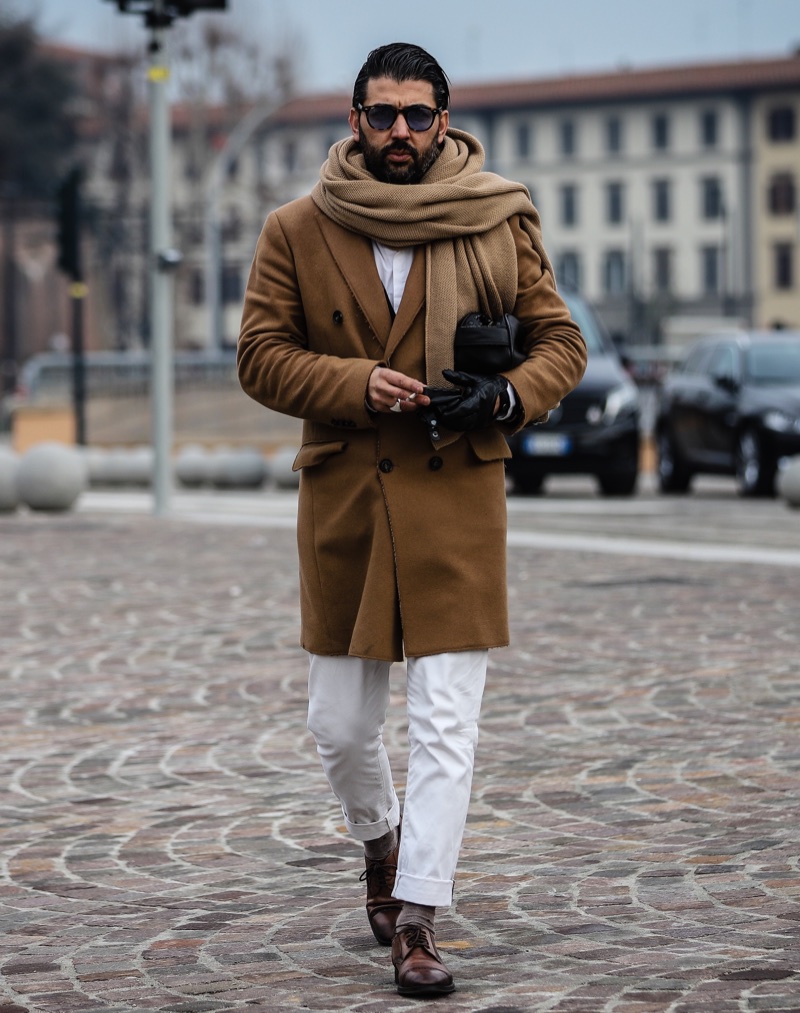
This becomes especially relevant during colder months, when cold-weather dressing demands more than heavier layers. Indoor heat, shifting climates, and long hours spent inside all influence how fabrics behave and how put-together a look feels.
Understanding these subtle factors allows style to feel intentional, controlled, and effortless, even when conditions are less than ideal.
Climate as the First Dress Code
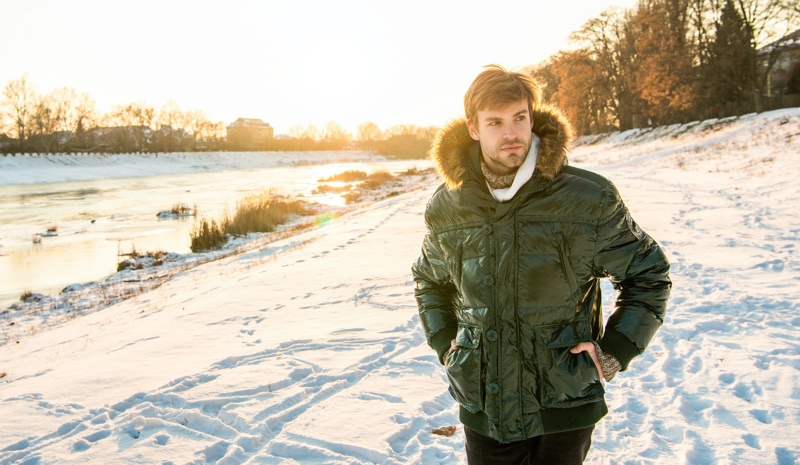
Before trends or personal style come into play, climate sets the foundation for how men dress. Temperature is only part of the equation. Dry air, especially in colder months, changes how fabrics behave and how they feel against the skin.
Wool can lose softness, knits feel brittle, and layers stop sitting the way they should. This is where lifestyle details matter. A humidifier helps maintain balance, helping clothes retain their intended texture while supporting skin and comfort.
Dressing well starts with understanding the environment your wardrobe lives in. When climate is managed thoughtfully, clothes perform better, grooming improves, and style feels controlled rather than reactive.
Urban vs. Natural Environments

Where you live shapes how you dress just as much as the season. City environments demand clothes that can handle movement, pollution, and long hours indoors, often leaning toward structured silhouettes and durable fabrics.
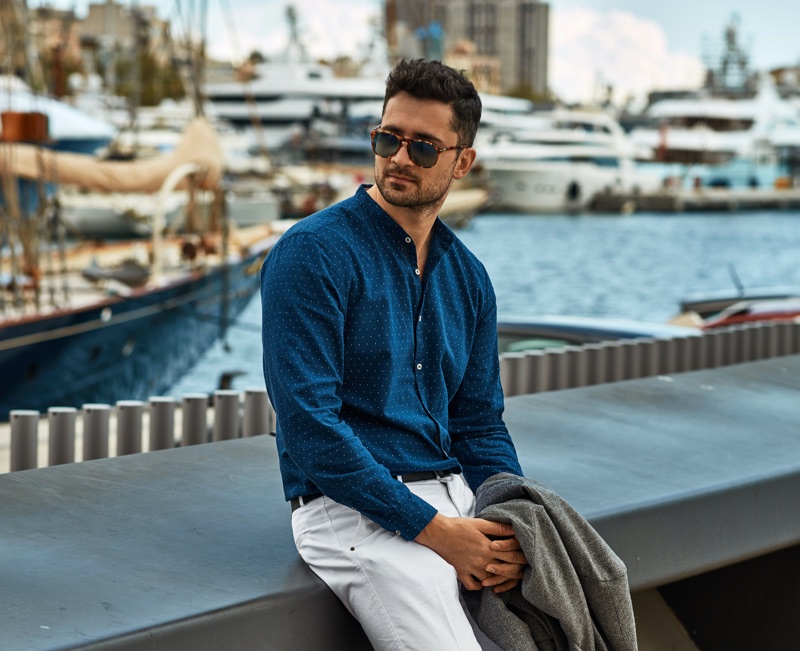
Coastal or nature-driven settings invite softer textures, relaxed tailoring, and breathable materials that respond to shifting weather. Urban air tends to be drier and more controlled, which can dull fabrics.
Meanwhile, natural environments introduce moisture and variation that influence how clothes age and wear. The smartest wardrobes respond to these differences.
Fabric Behavior in Different Environments
Not all fabrics respond the same way to their surroundings. Wool and cashmere thrive with balance, holding structure and softness when air conditions are stable. In overly dry environments, they can feel stiff and lose their natural drape.
Cotton breathes easily but can feel flat or uncomfortable when the air lacks moisture. Technical fabrics perform well in controlled climates, yet even they rely on consistent conditions to maintain comfort.
Understanding fabric behavior is part of dressing well. The right environment allows materials to perform as intended, aging better and feeling more refined over time.
Grooming Under Environmental Stress
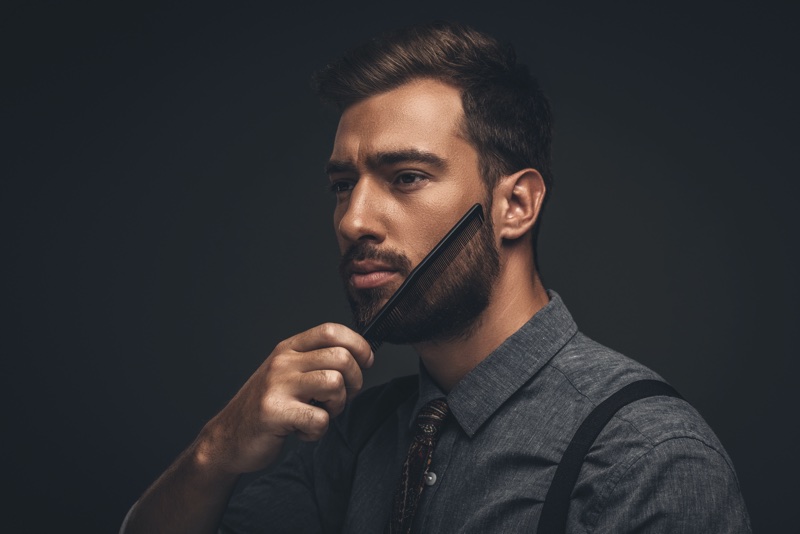
Environmental factors show up on the face and hair long before they show up in the wardrobe. Dry air can leave skin tight, hair brittle, and beards harder to manage, all of which affect how polished a look feels.
Even the best outfit loses impact when grooming feels off. Climate control and indoor living amplify these issues, especially in colder months. Paying attention to environmental stress means adjusting routines with intention, from hydration to product choice.
When skin looks balanced, and hair holds its shape, your overall ensemble naturally looks better.
Designing a Style-Supportive Home
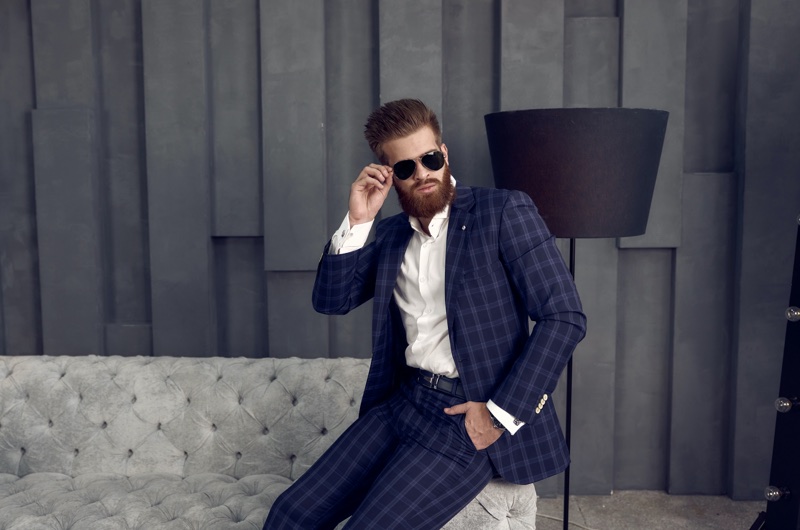
A well-dressed life extends beyond the closet. The spaces men live in quietly influence how clothes feel, how grooming holds up, and how comfortable daily routines become.
Thoughtful interior choices, from lighting to airflow, create an environment that supports personal style rather than working against it.
Air quality plays a subtle but important role. Air filtration systems can be as considered as a well-chosen chair or scent, maintaining balance without drawing attention to themselves.
Style does not stop at the door. It continues through the atmosphere that surrounds you every day.
Dressing With Adaptability in Mind

Modern style favors flexibility over rigid rules. Environments shift throughout the day, moving from outdoors to transit to controlled indoor spaces, and clothes need to keep up.
Adaptable wardrobes rely on pieces that layer easily, breathe well, and hold their shape across conditions. Fabrics that regulate temperature, tailoring with movement, and neutral palettes that transition seamlessly all support this approach.
Dressing with adaptability in mind reduces the need for constant adjustments and overthinking. When clothing performs consistently, confidence follows naturally. The best-dressed men are not chasing perfection in every setting.
They are choosing garments that respond well to change. This allows style to feel relaxed and intentional wherever the day unfolds.