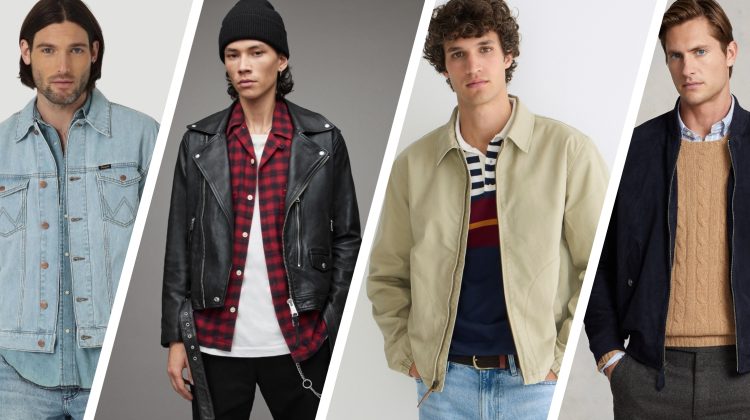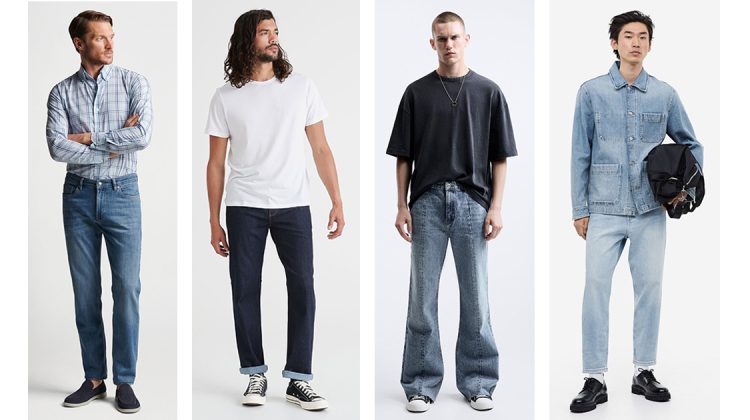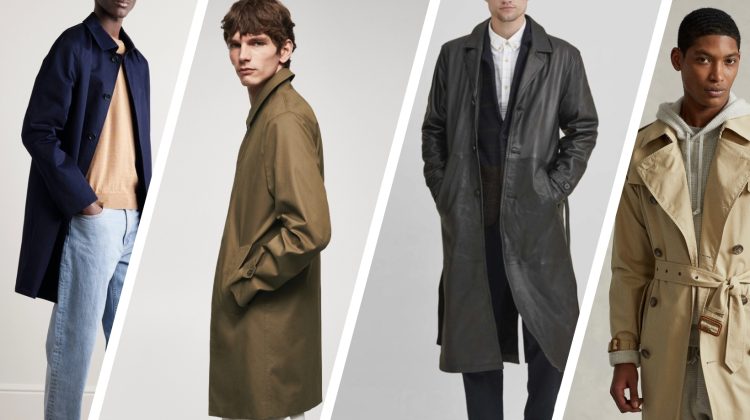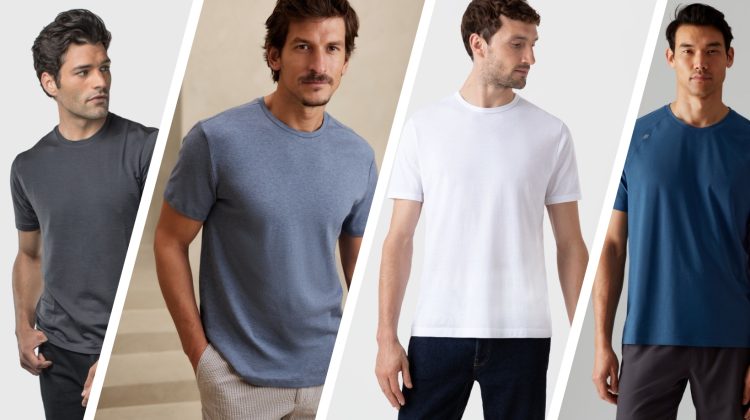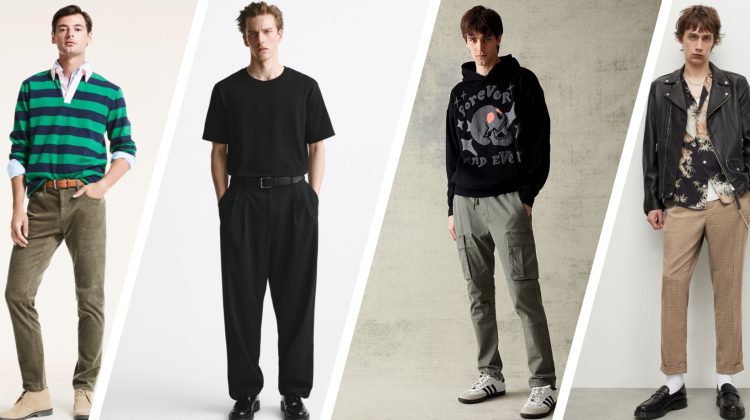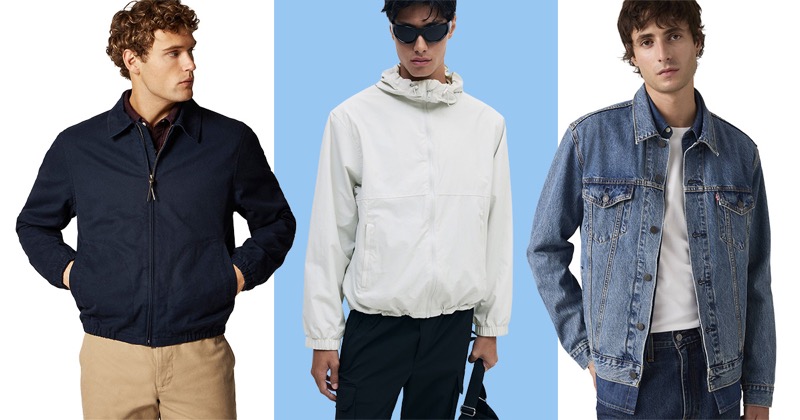
Spring jackets for men do more stylistic work than outerwear in any other season. The temperature range is wide, the occasions are varied, and the best jackets for the season have to cover all of it without looking like a compromise. From the trench coat at the formal end to the shirt jacket at the casual extreme, this guide covers every jacket style worth owning.
Spring Jackets for Men (2026)
The best spring jackets share a few qualities regardless of where they fall on the formality scale. They are light enough to move in, cut for the season rather than salvaged from another one, and strong enough in silhouette to carry an outfit rather than just complete it. Each style below brings its own history and its own logic to the season.
Denim Jacket
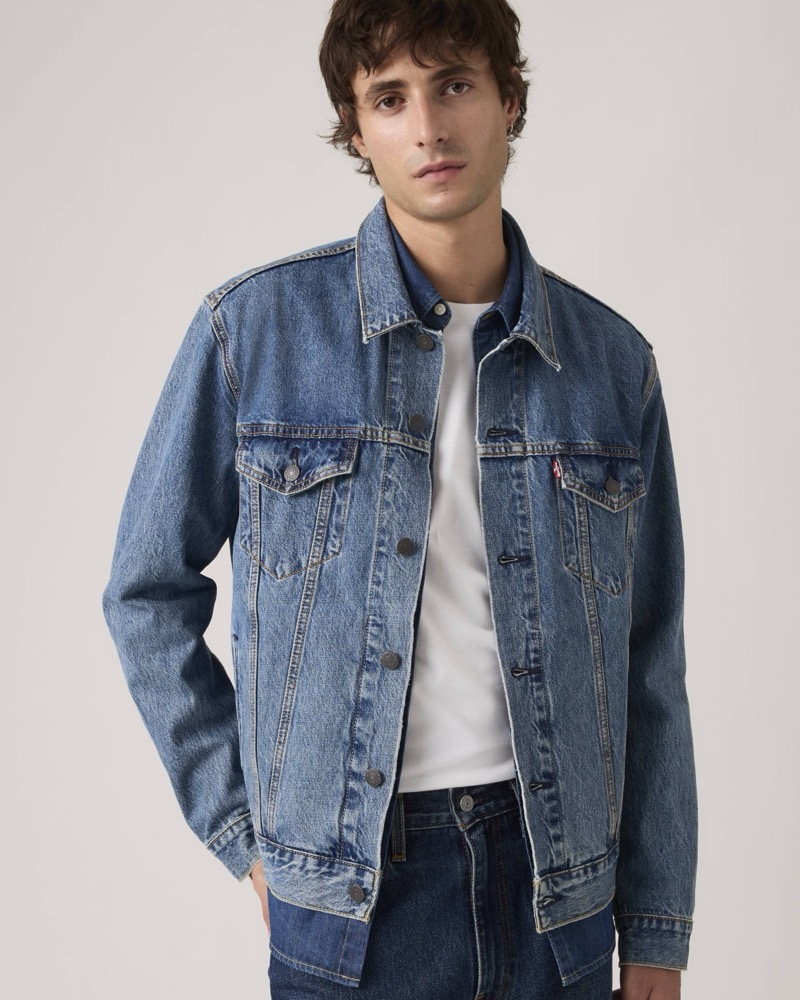
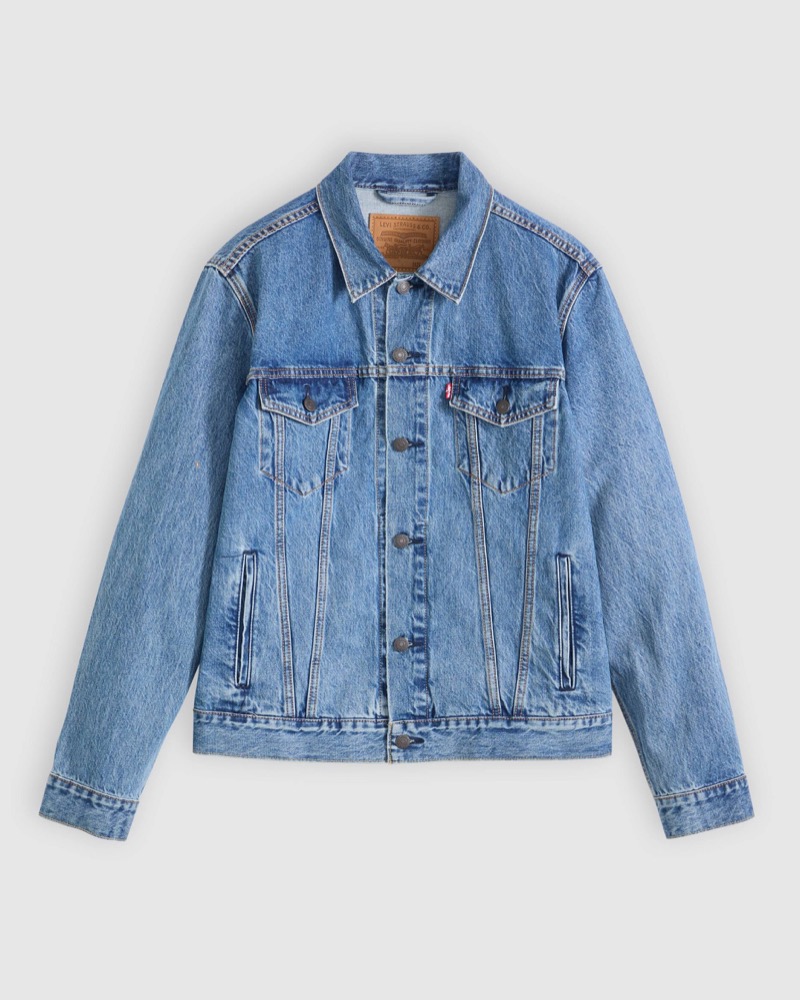
The denim jacket may be the most universally worn spring jacket in existence. The trucker jacket, which Levi’s standardized in its Type III form in 1962, is the dominant silhouette: fitted through the chest, with two chest pockets and a short body. The appeal for spring is obvious: denim is a fabric that handles the season’s variable temperatures competently, ages with genuine character, and pairs across the full range of casual and smart-casual outfits. Mid-wash and dark indigo versions are the most versatile, though a raw or black denim jacket for men offers a sharper look.
Chore Coat
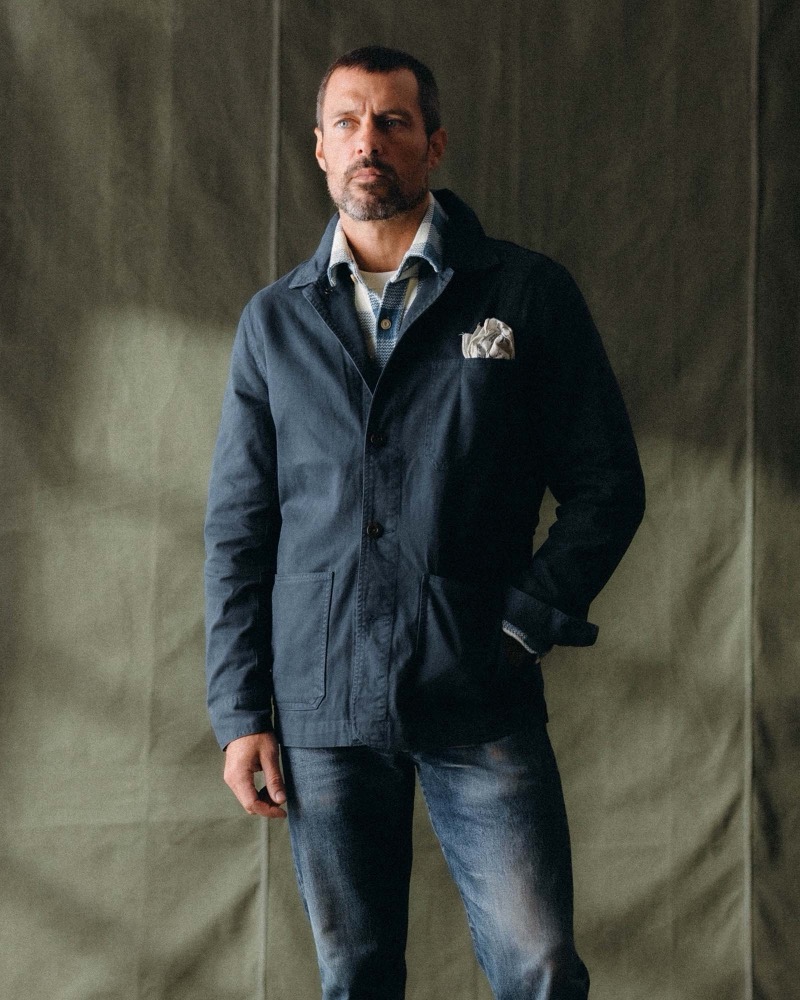
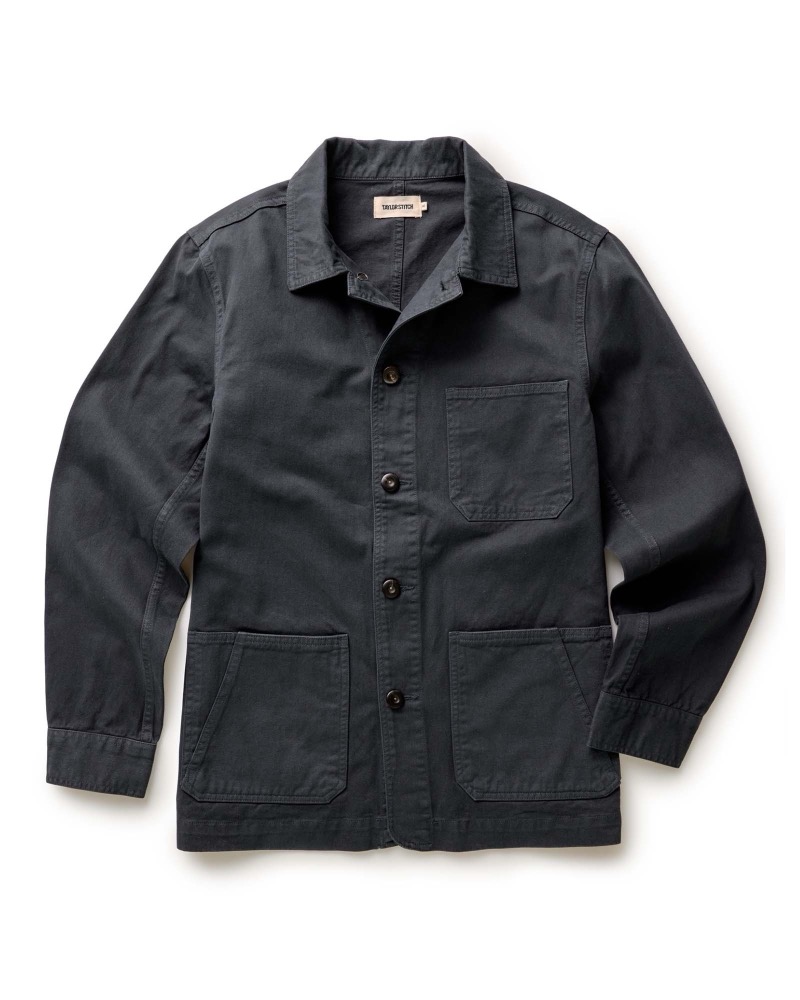
The chore coat traces its lineage to French agricultural and industrial workwear, where a boxy, four-pocket cotton canvas jacket was a practical daily necessity. That functional DNA is exactly what makes it relevant now. The boxy silhouette sits comfortably over heavier knitwear in the early part of spring and works equally well over a simple T-shirt as temperatures rise. Washed cotton twill and canvas versions in ecru, navy, and black are the strongest options, and the weight range available across the category makes it a versatile spring jacket for men.
Explore the best chore jackets for men
Trench Coat
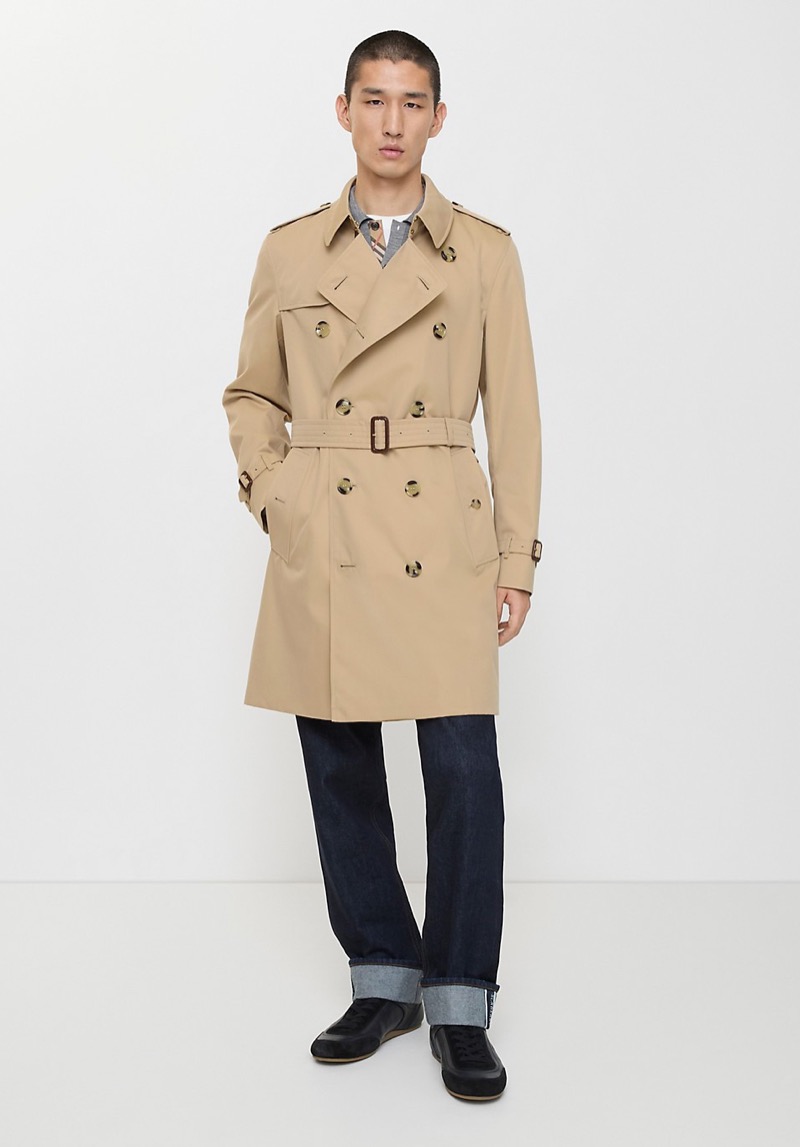
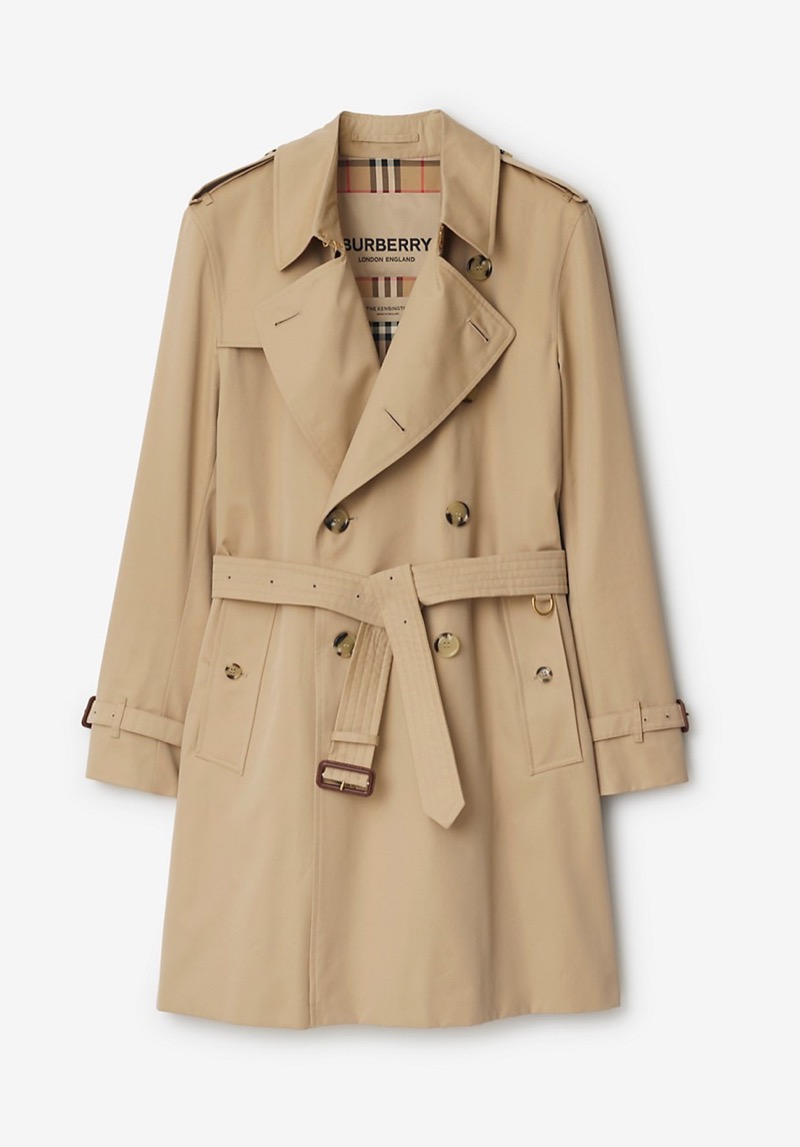
The trench coat is the most historically loaded piece of outerwear in men’s fashion, and spring is its natural season. Aquascutum and Burberry developed it as a military shell in the early twentieth century, and it spent the following decades accumulating the cultural credibility that very few garments achieve. A double-breasted khaki version in cotton gabardine sits at the top of the spring outerwear hierarchy, and a single-breasted version in a slim cut brings the same weight without the full ceremony.
Harrington Jacket
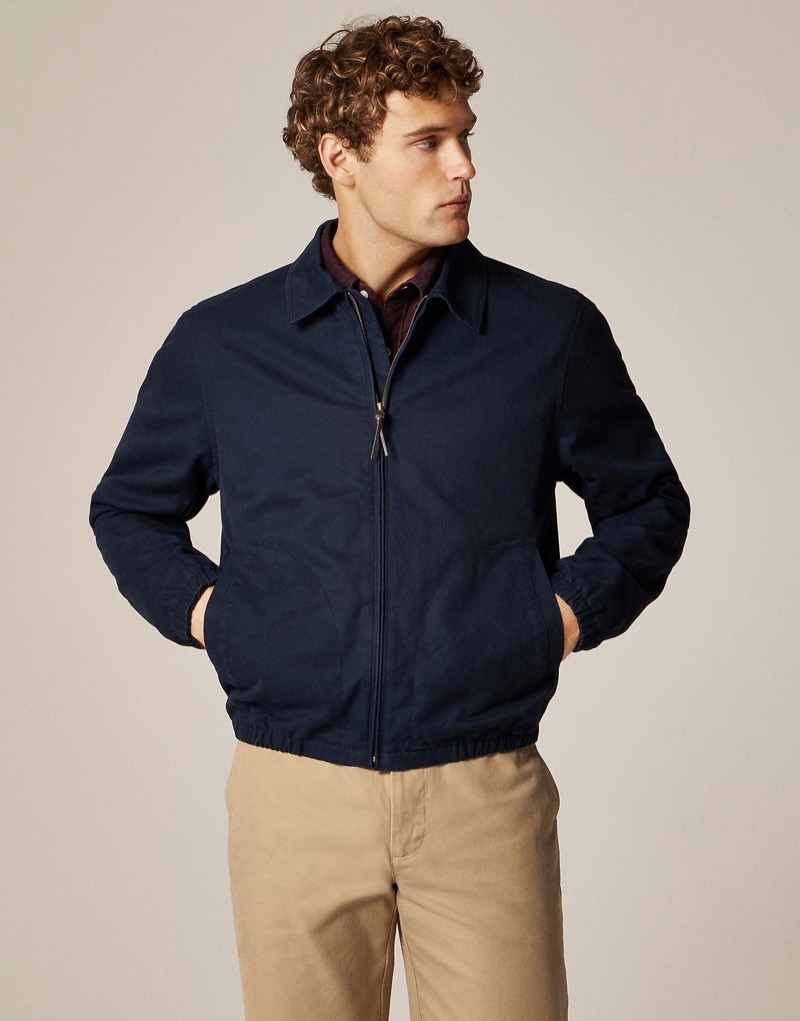
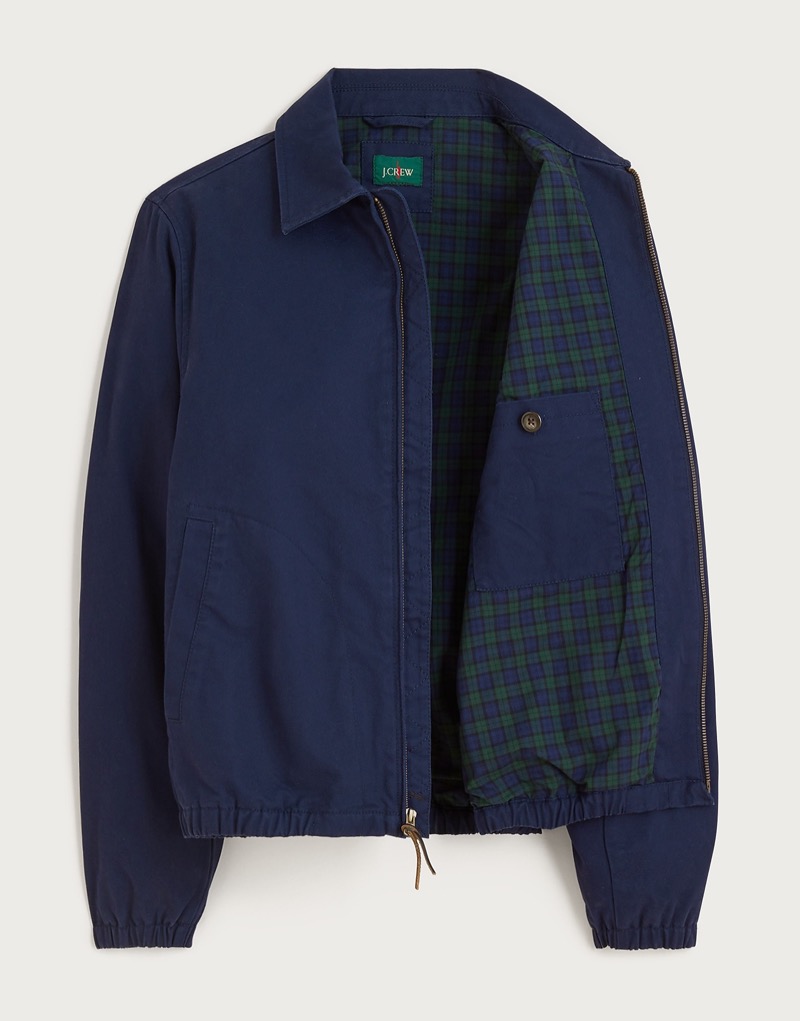
No jacket owns spring quite like the harrington. The style dates to the 1930s in function but reached its cultural peak in the 1960s, when it became the go-to for mods, skinheads, and eventually anyone who wanted a jacket that looked sharp without trying too hard. Steve McQueen wore one. Elvis Presley wore one. It is a short, zip-front, collar-band jacket with a plaid lining, and it has the rare quality of sitting comfortably across both dressed and casual contexts.
Bomber Jacket
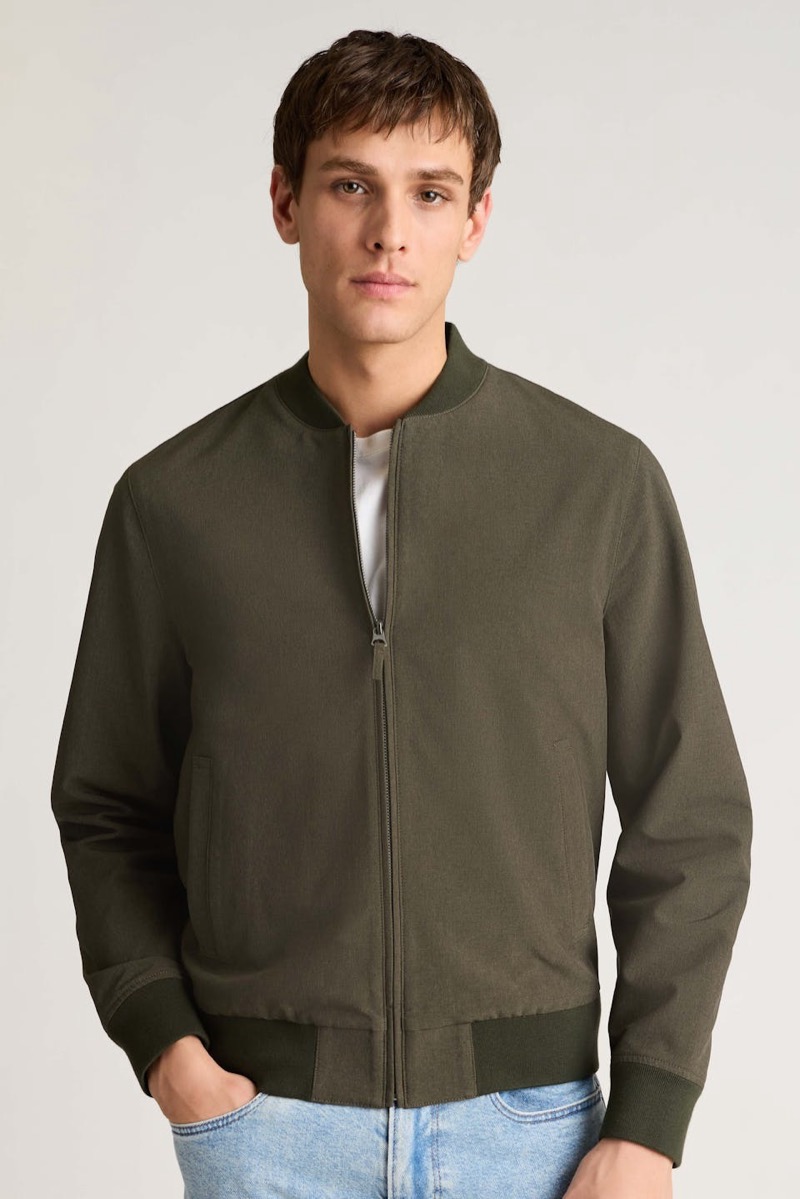
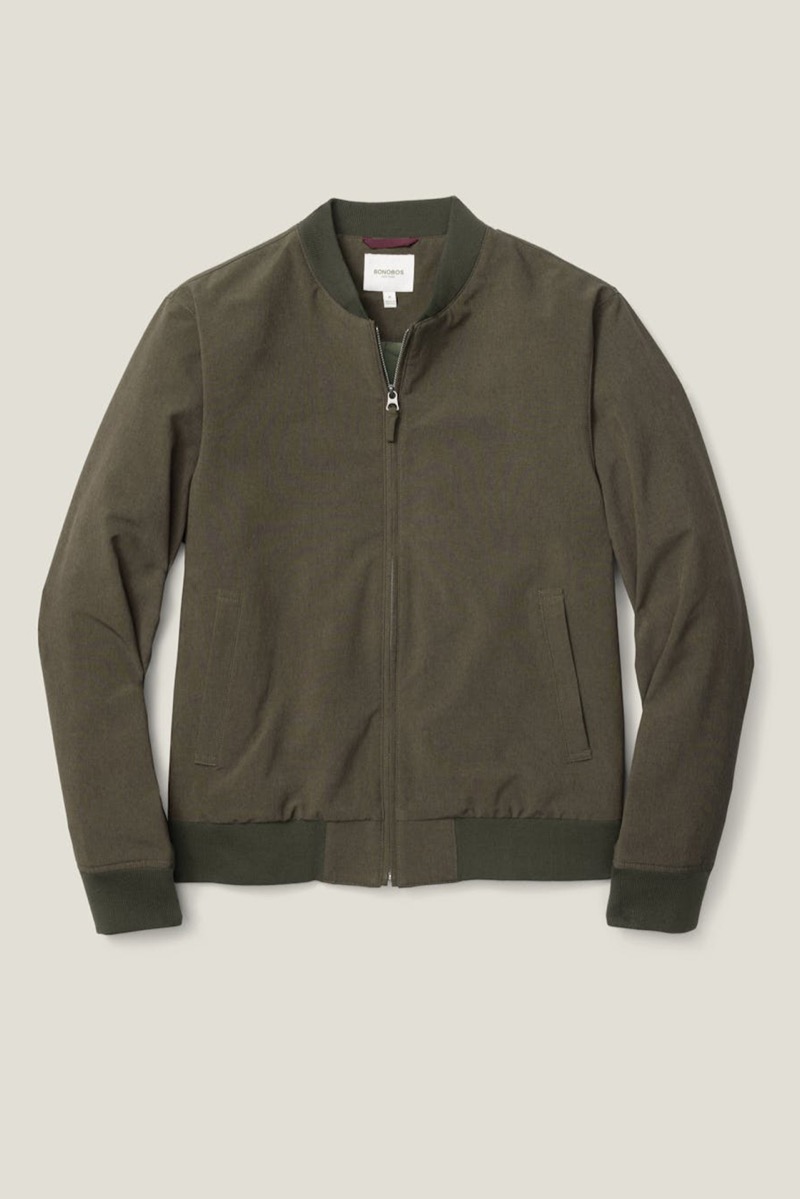
The bomber jacket started life as flight gear and spent the better part of the twentieth century migrating from military surplus bins to high fashion. The MA-1 nylon version that saturated 1990s streetwear and the leather G-1 favored by naval aviators represent two poles of the same silhouette, but for spring the nylon and satin shell versions do the work. They are light enough for mild evenings, substantial enough for the colder end of spring, and current enough in cut to sit comfortably in a modern wardrobe.
Field Jacket
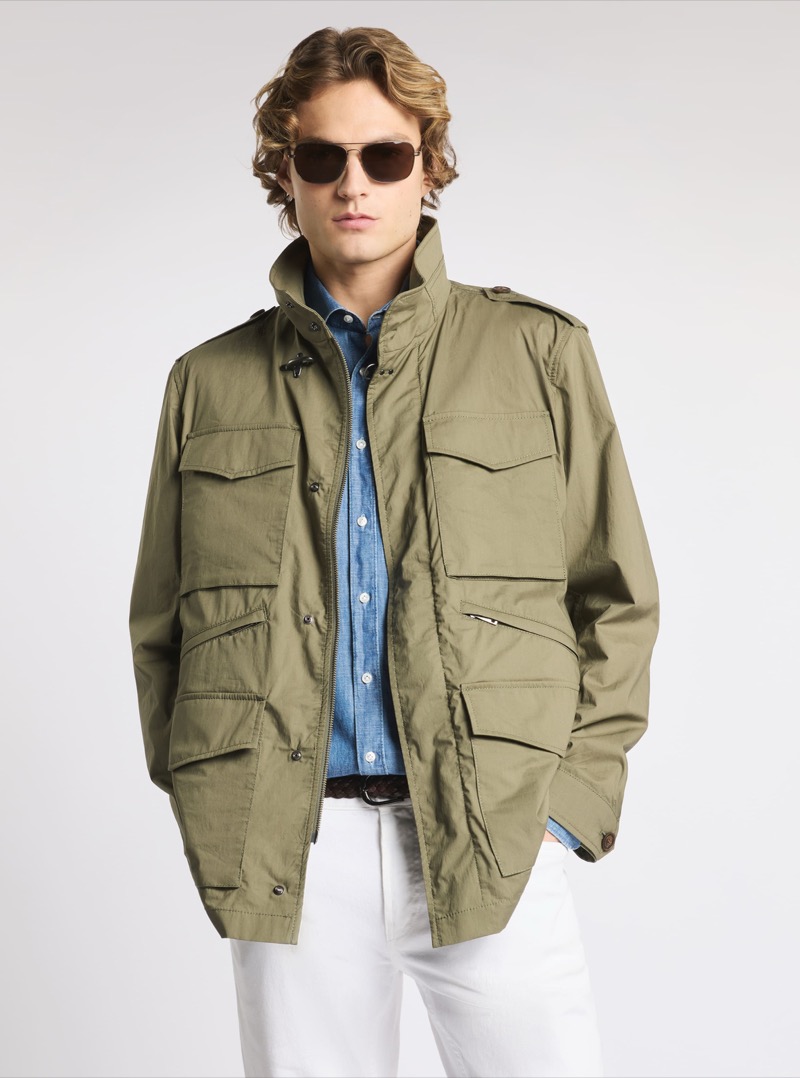
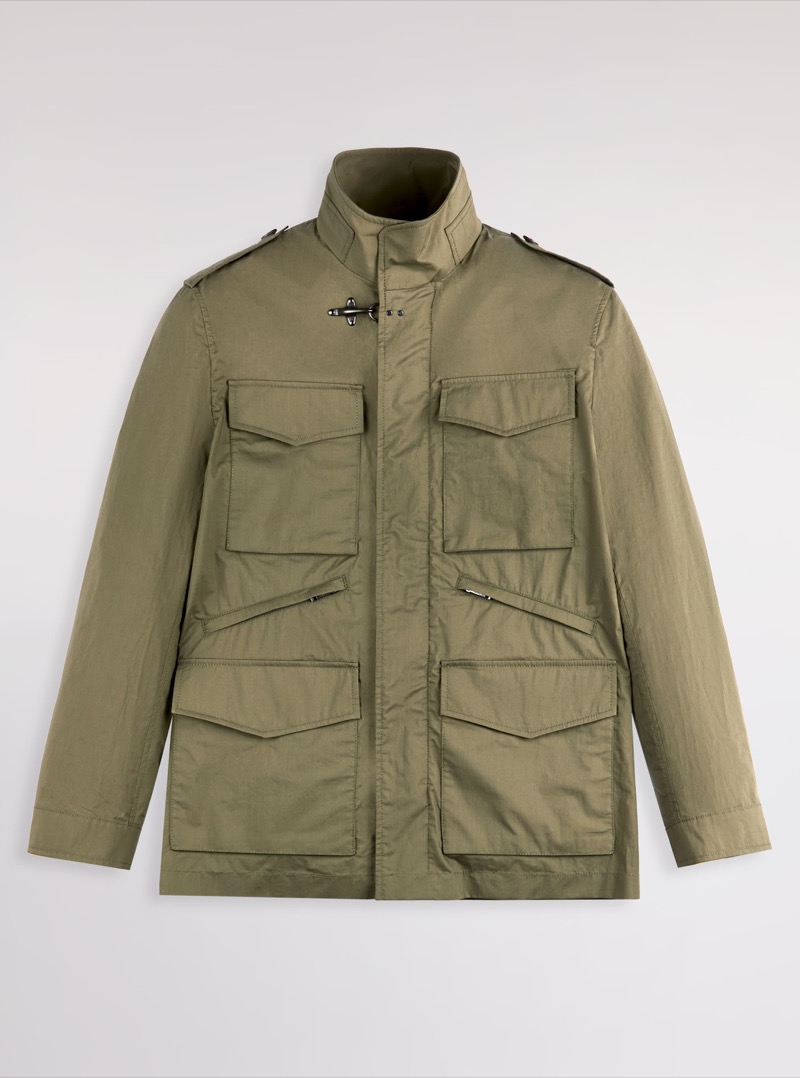
The field jacket carries its utility history openly and makes no apologies for it. The American M-65, introduced in 1965, is the reference point: four large flap pockets, a zip-and-button front, a hidden hood, and a cut designed for movement in rough conditions. That same specification translates cleanly into spring wear, where the weight and the pocket structure prove genuinely useful. Cotton and cotton-nylon blends are the right fabrics for the season, and olive, khaki, and tan are the colorways that keep the heritage intact.
Shirt Jacket
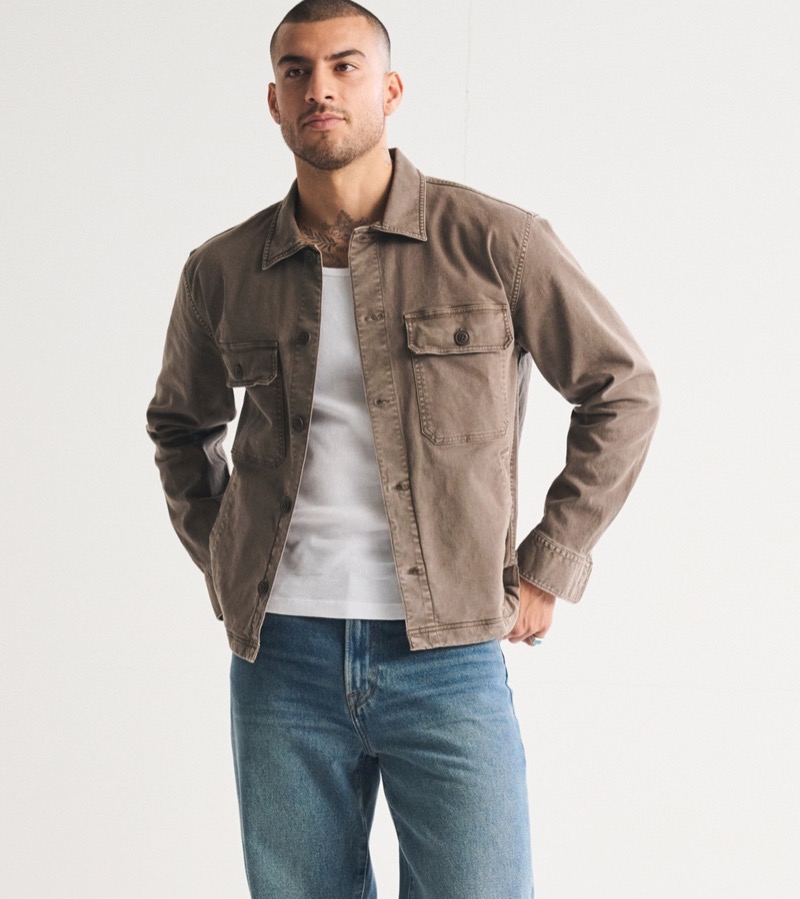
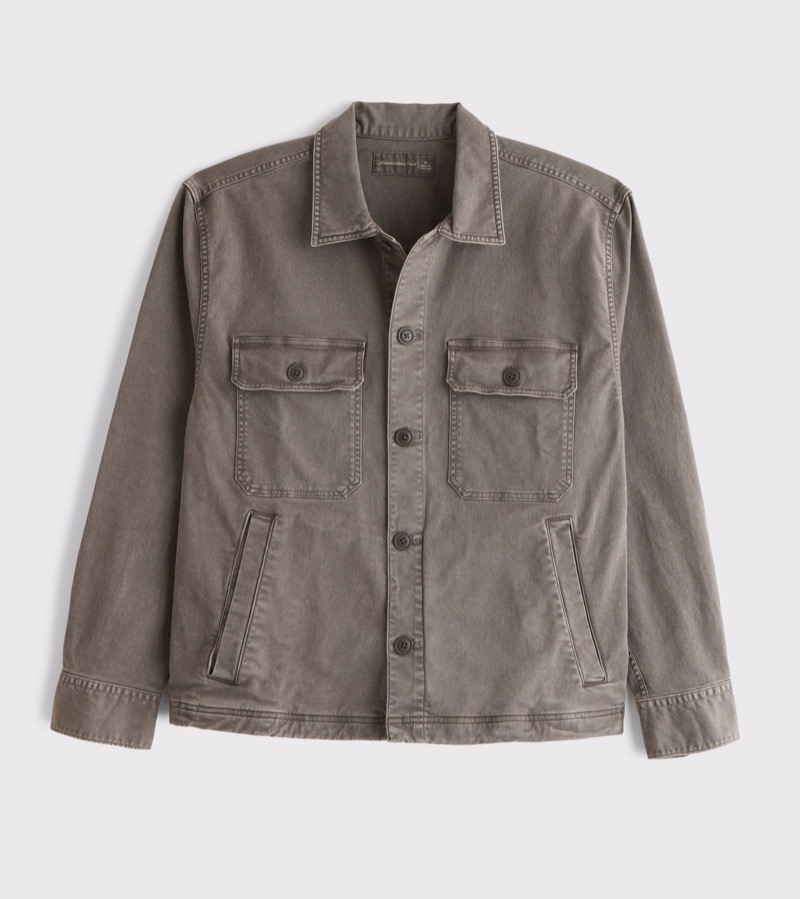
The shirt jacket, often called the shacket, occupies the lightest end of the outerwear spectrum. It is not quite a shirt and not quite a jacket, which is precisely its strength in transitional weather: it works as a top layer when temperatures are mild and as an overshirt when worn open over a T-shirt or lightweight knit. Flannel and brushed cotton versions are common in fall and winter, but for spring the category opens up to include lighter cotton twill, linen blends, and chambray constructions.
Barn Jacket
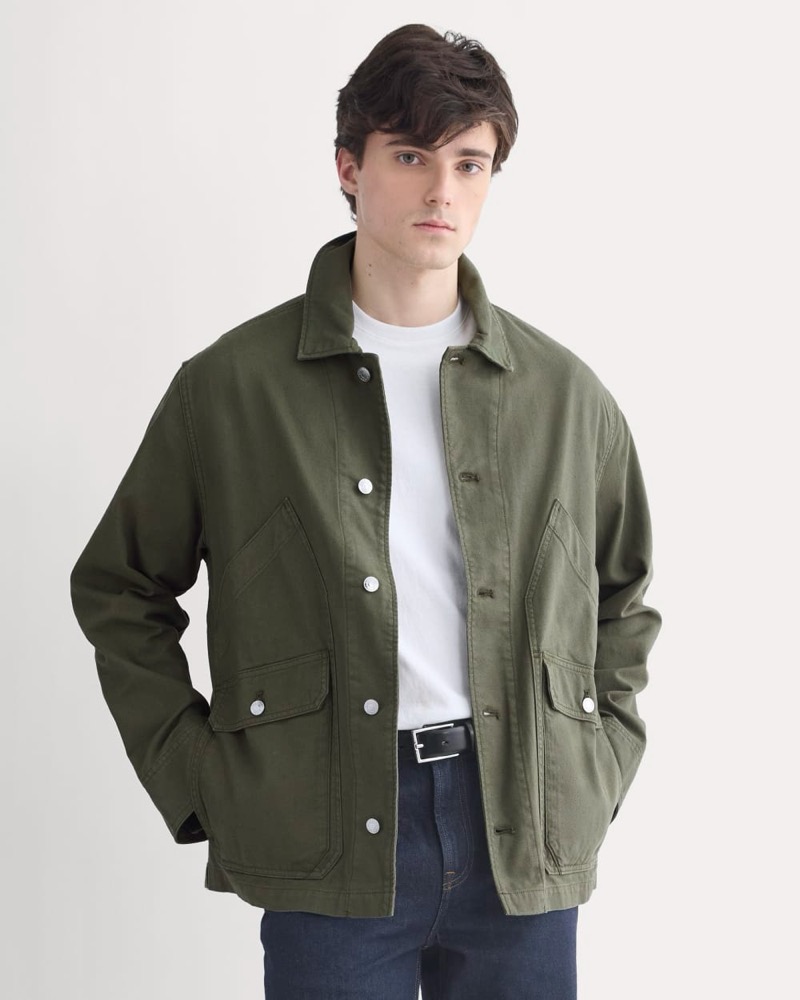
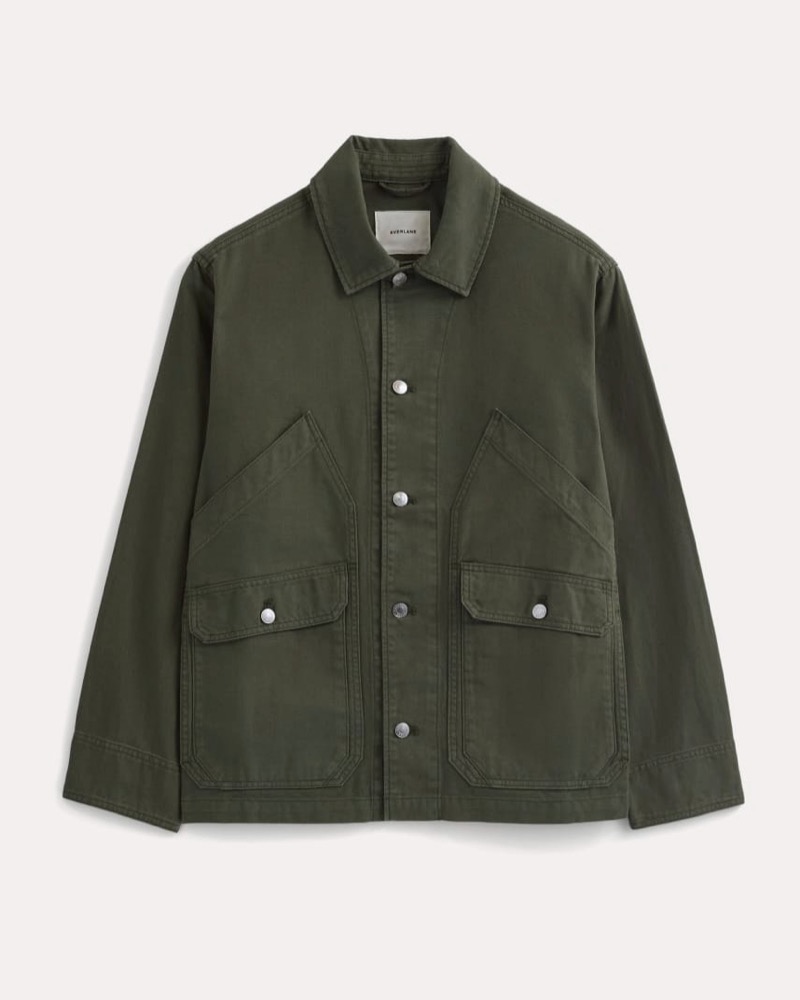
The barn jacket is American workwear at its most straightforward: a hip-length canvas or waxed cotton shell built for outdoor labor. It shares utilitarian DNA with the chore coat but sits longer in the body, carries a more relaxed fit through the chest, and typically features a flannel or sherpa lining that can be removed as spring temperatures climb. Brands like Carhartt and Filson built their reputations on versions of this silhouette, and the current market includes cleaner, more refined takes from labels that understand its crossover appeal.
Windbreaker
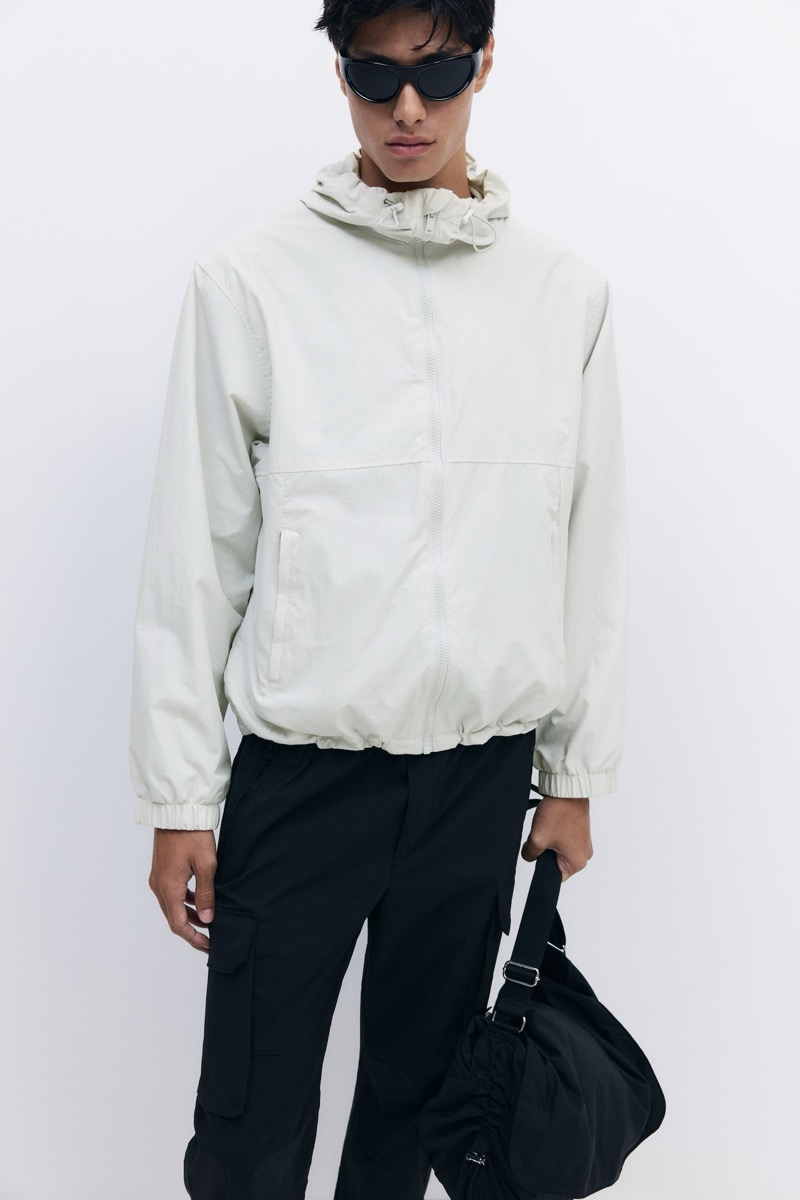
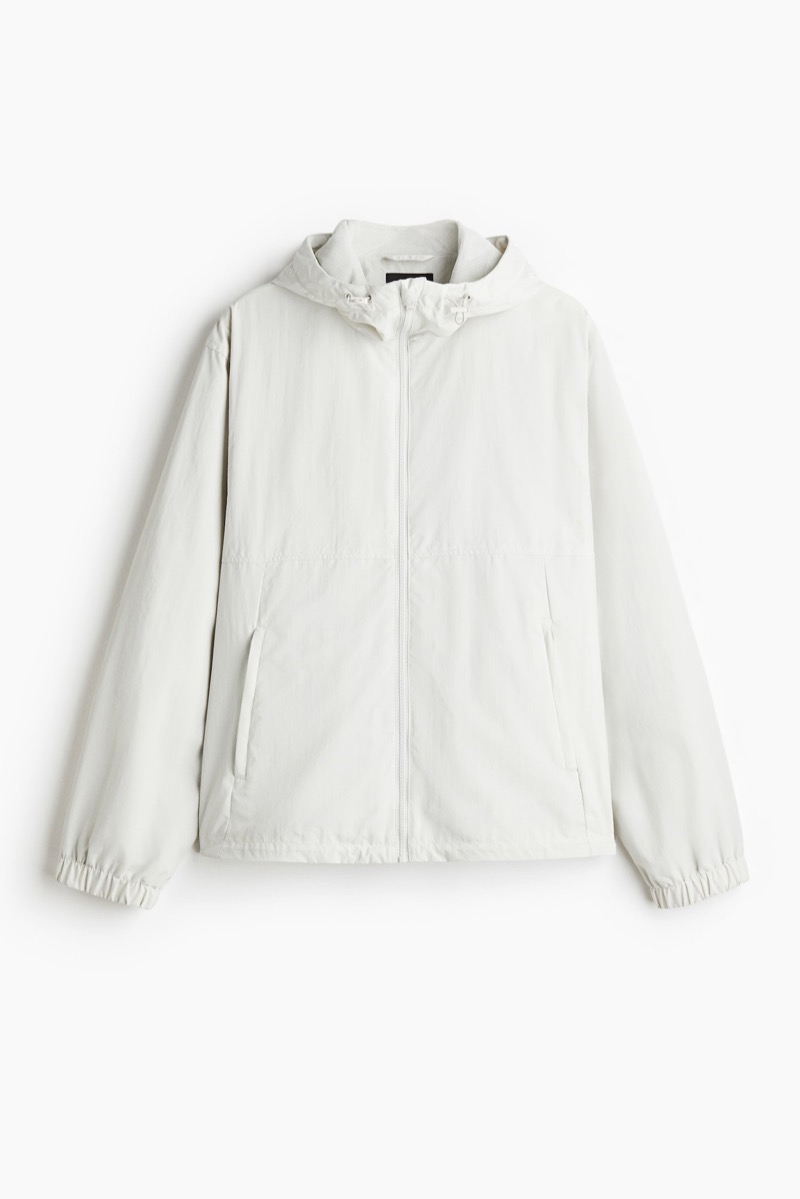
The windbreaker is the most performance-forward jacket on this list, and in recent years it has moved out of purely athletic contexts and into mainstream menswear. The silhouette is simple: a lightweight nylon or ripstop shell with minimal insulation, a zip front, and a packable or semi-packable construction. What has shifted is how designers and brands approach the color, cut, and detailing. Arc’teryx, Stone Island, and a long list of Japanese sportswear labels have spent years refining a garment that was once purely functional into something with aesthetic ambition.
Safari Jacket
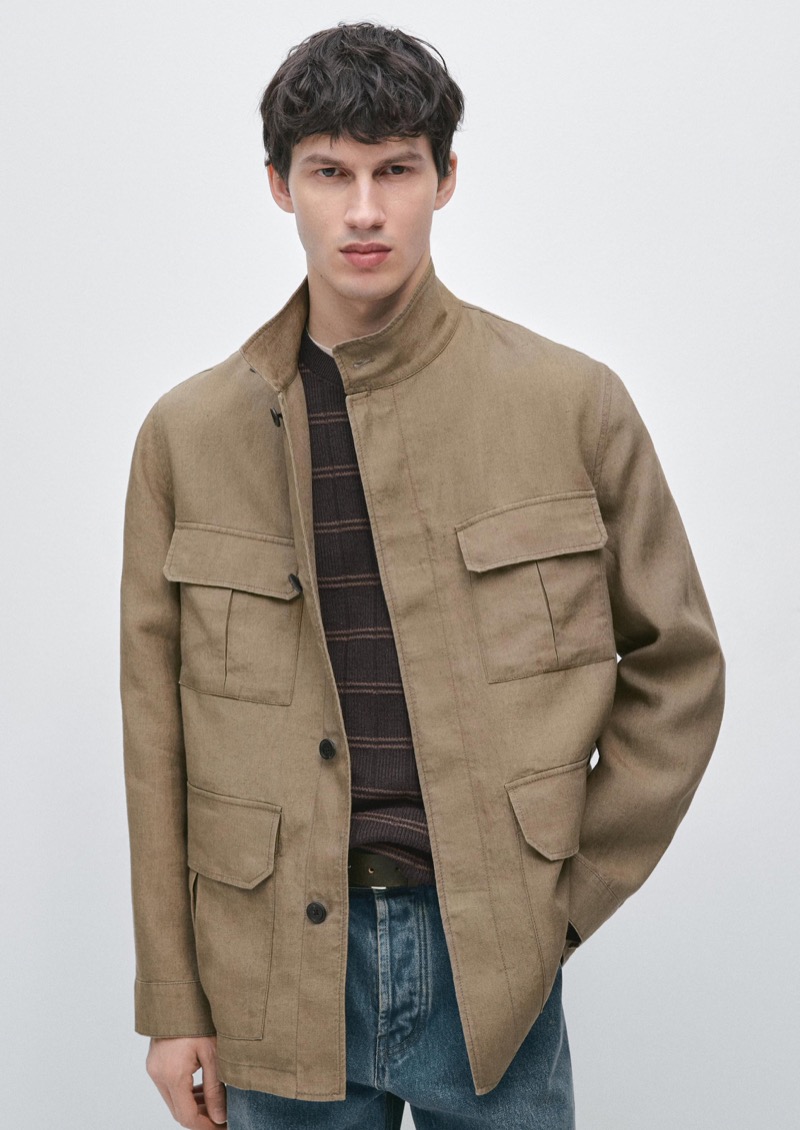
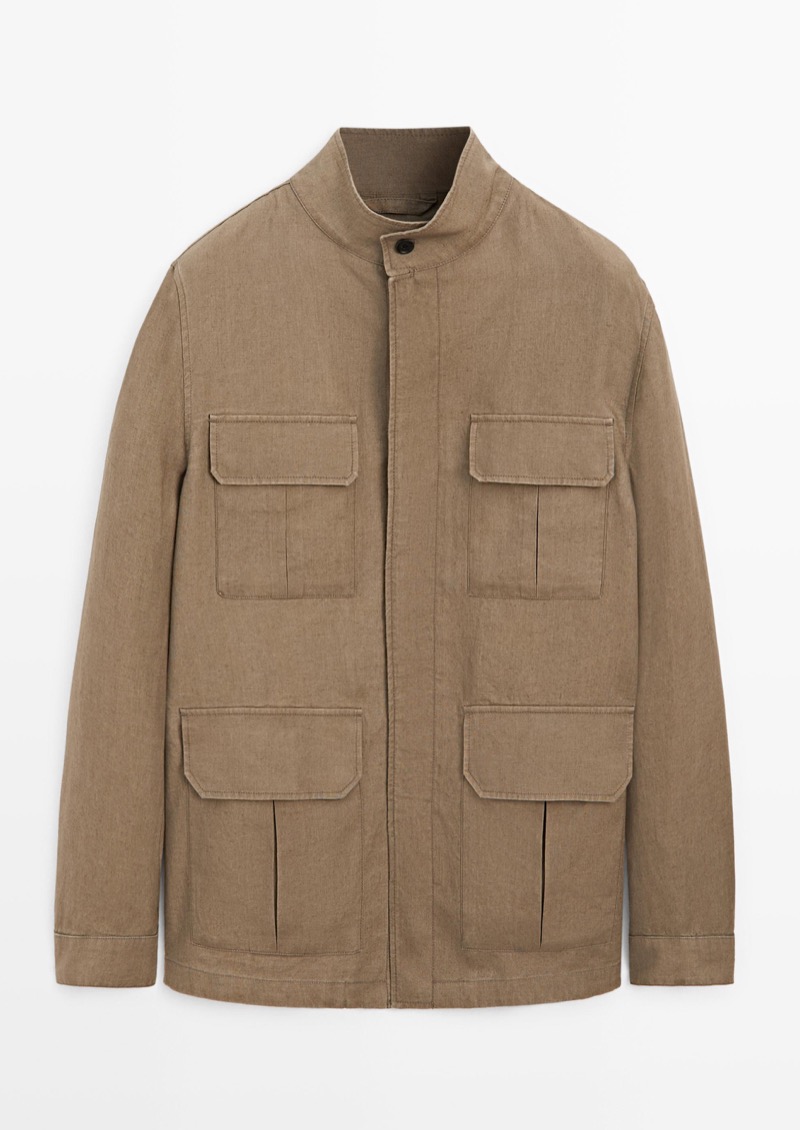
The safari jacket occupies a distinctive corner of the spring outerwear conversation. Yves Saint Laurent put it on the runway in 1968 and elevated what had been a purely functional piece of bush clothing into something with genuine fashion authority.
Where the field jacket draws from military surplus and carries a loose, utilitarian cut, the safari jacket is more structured in its tailoring, defined by four bellows pockets, an open shirt collar, and a straight body that sits closer to the torso. Typically rendered in khaki, tan, or olive cotton, it works for spring because the weight is correct, the palette aligns naturally with the season, and the pocket placement gives it enough visual interest to carry an outfit on its own.
Lightweight Blazer
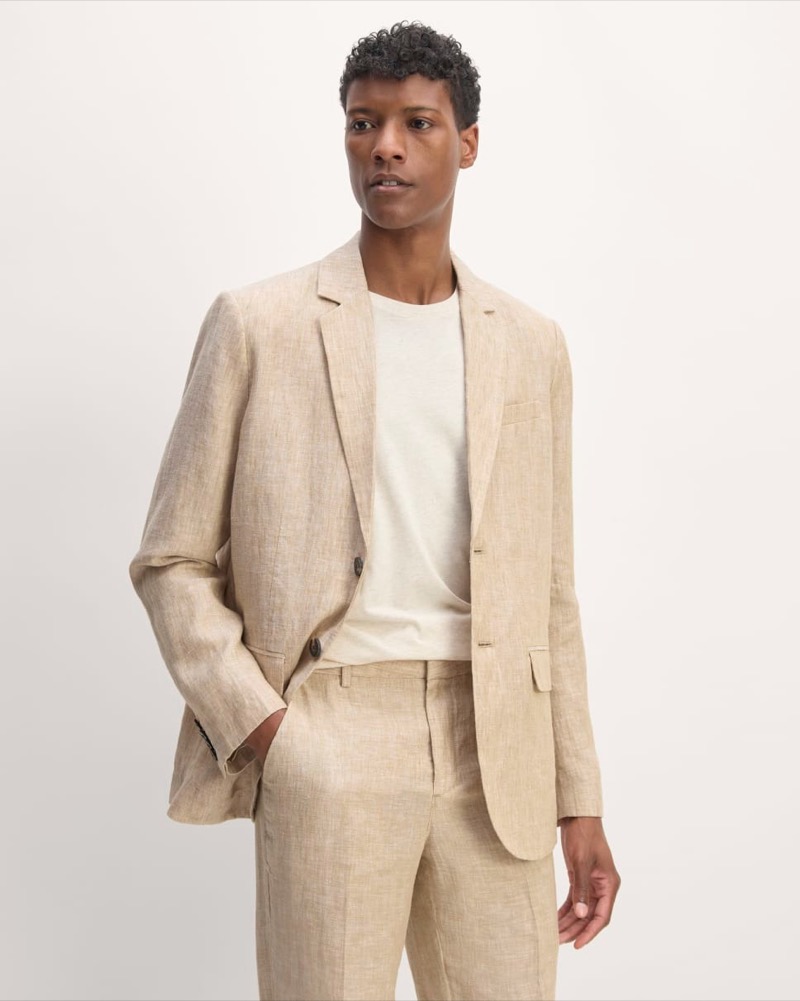
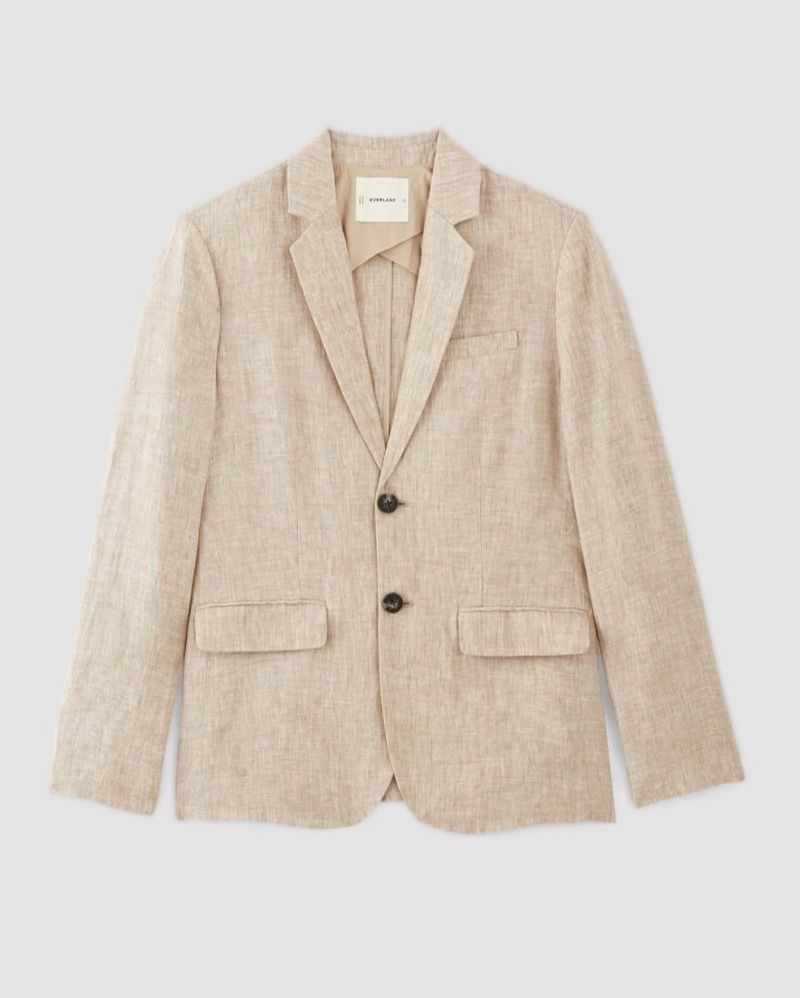
The lightweight blazer is the dressed end of the spring jacket category, and it extends the usefulness of tailoring into warmer months by removing the weight that makes wool suiting impractical in mild weather. Unstructured or half-canvassed construction, linen, cotton, or fresco cloth, and a relaxed lapel width are the markers of a well-chosen spring blazer. It works over a T-shirt for a smart-casual approach, or over a simple OCBD for occasions that call for more intention.