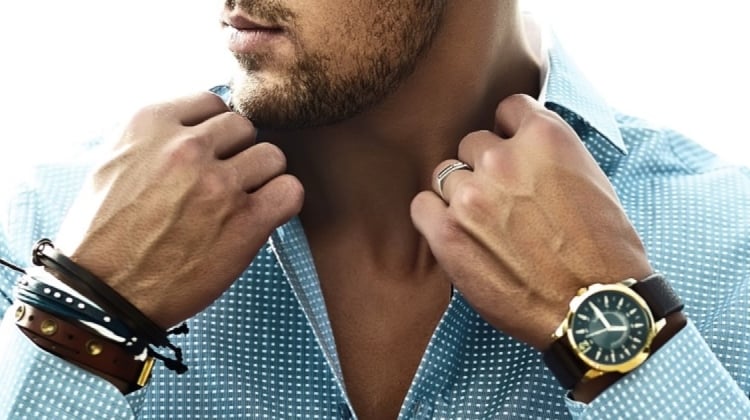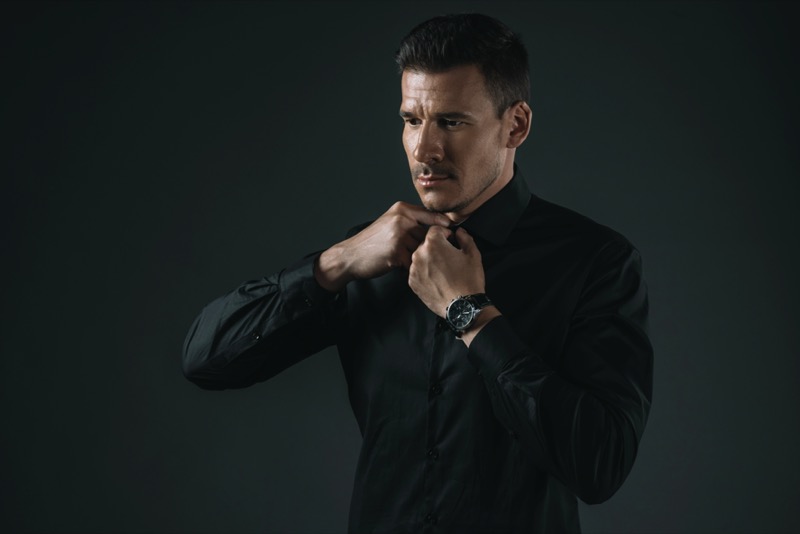
The smartwatch eventually starts to feel like a high-tech pager from a bygone decade. Real maturity arrives the moment you crave the stubborn mechanical heartbeat of springs and gears.
That shift usually leads straight to a crossroads between two distinct empires: the refined legacy of Switzerland or the gritty, intellectual resurgence of Germany. One built the watch industry; the other rebuilt it from the ashes to prove a point.
So when it’s time to invest in your first luxury timepiece, which tradition deserves your wrist?
Swiss Watchmaking: The Powerhouse
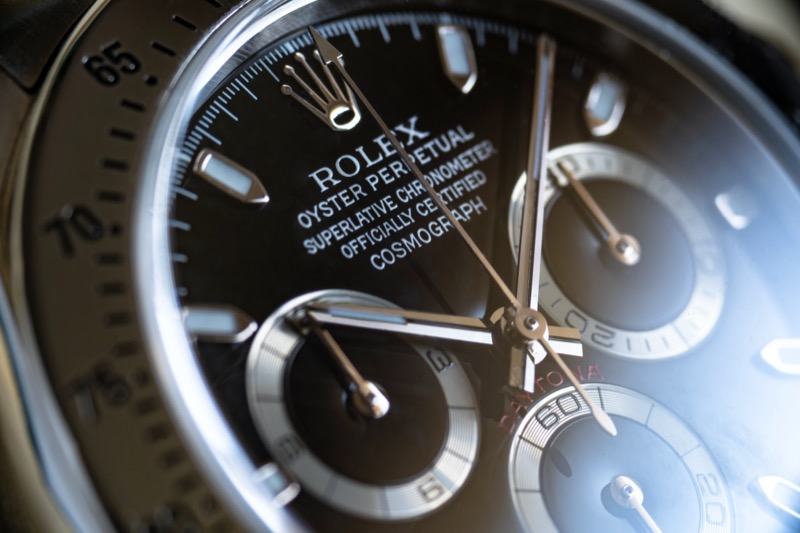
Switzerland codified the very idea of prestige in watchmaking. By the mid-20th century, powerhouses like Rolex and Patek Philippe defined the luxury watch as a permanent fixture of the public imagination. They shifted the conversation from telling time to owning an icon.
The 1970s brought the Quartz Crisis, a decade where cheap, battery-powered watches from Asia threatened to wipe out mechanical movements. The Swiss responded with predatory speed. Instead of folding, the industry doubled down on the myth of the handmade masterpiece.
The Audemars Piguet Effect
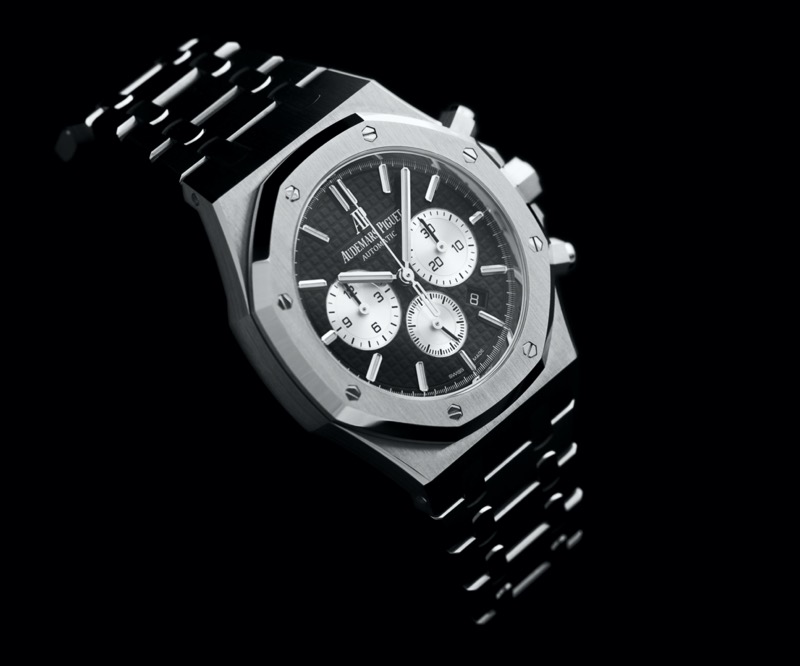
In 1972, Gérald Genta designed the Royal Oak for Audemars Piguet, and effectively invented the luxury sports watch category. It arrived in stainless steel with a price tag that traditionally belonged to gold. The octagonal bezel looked like a naval vessel porthole, a bold gamble that reframed the wristwatch as a piece of architectural armor.
This shift from “precious metal” to “precious design” created the modern collector’s market. Because the Royal Oak remains the blueprint for the industry, its value transcends simple retail. Secondary market data confirms that core references like the 15202, 15500, and 15510 maintain impressive value retention.
Even after the price corrections following the 2021 surge, demand for a used Audemars Piguet watch remains resilient compared to other hype-driven pieces.
German Watchmaking: A Point to Prove
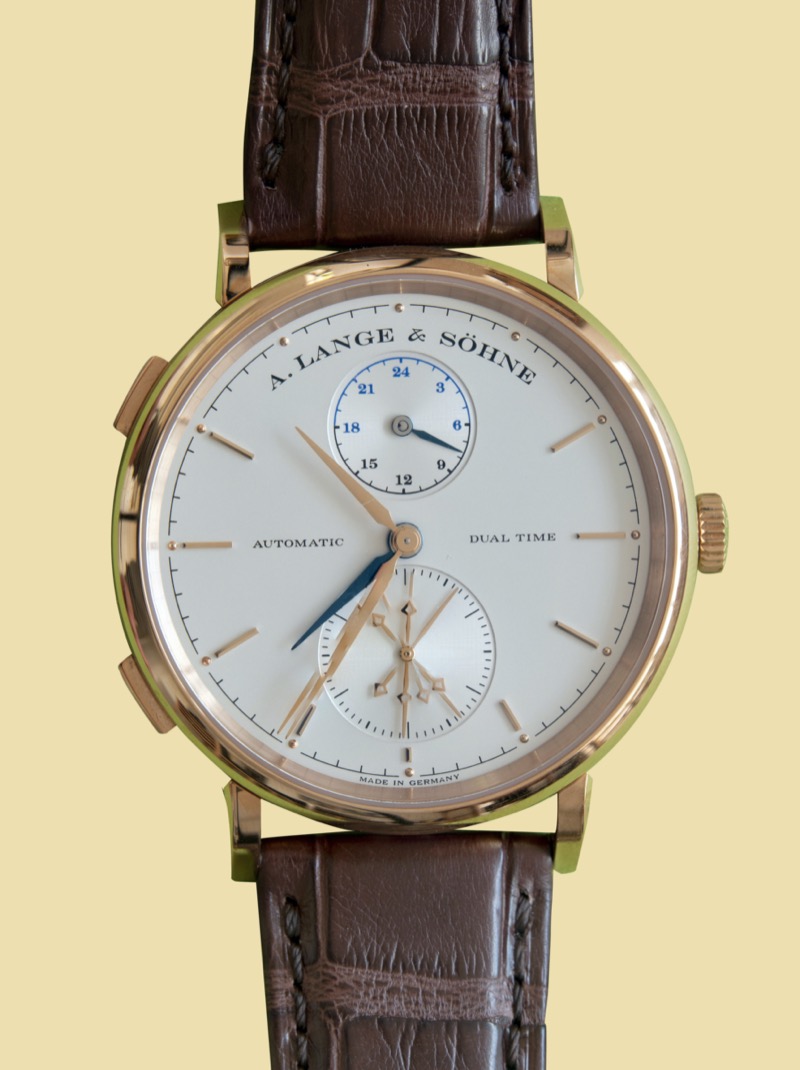
German watchmaking is a narrative of lost honor and a gritty intellectual resurgence. In the 19th century, the tiny town of Glashütte established itself as a global horological power. Then, the 20th century arrived with a sledgehammer.
Between the physical destruction of World War II and the subsequent Soviet occupation, the region’s private workshops were seized and folded into a single state-run entity. For decades, German luxury was effectively extinct.
The fall of the Iron Curtain in 1989 allowed the original families to reclaim their heritage from the ashes of the Cold War. When A. Lange & Söhne returned in 1990, it did not mimic the polished curves of its Swiss rivals. It doubled down on a visual language that felt more like Saxon engineering than jewelry.
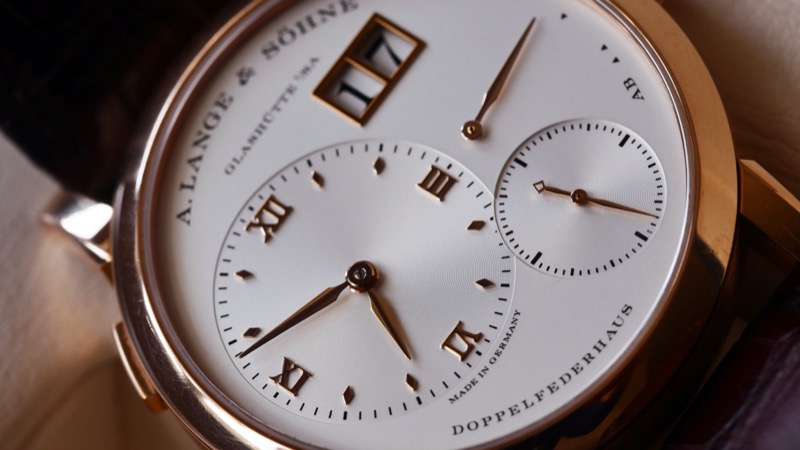
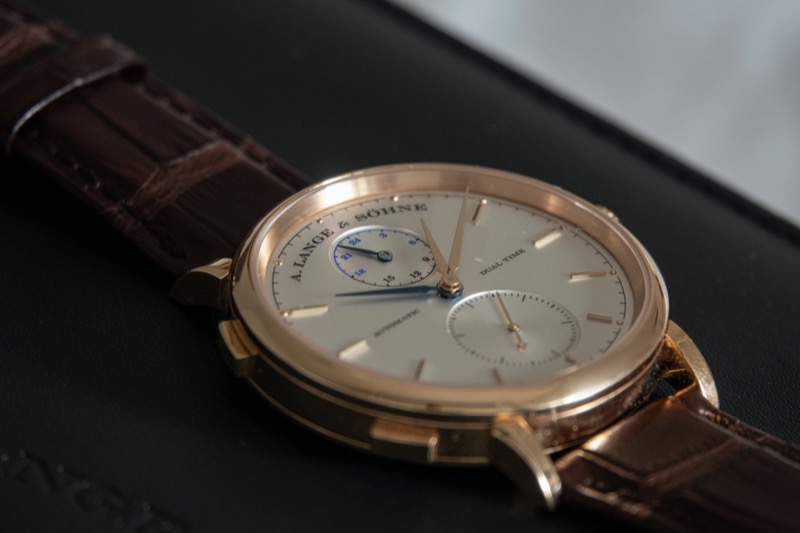
This shift centered on the Lange 1, a watch that abandoned symmetry for an off-center dial and a massive date window inspired by a clock in a Dresden opera house. Inside, the Germans opted for a three-quarter plate.
The solid piece of silver covers most of the internal gears for superior stability, finished with a hand-engraved balance cock that ensures no two watches are identical. The approach treats the wristwatch as structural art.
What Makes German Movements Different?
German watchmaking ignores the Swiss obsession with slimness and decorative finesse. Instead, these watches feel structural. The movements often feature untreated German silver plates that develop a warm, golden patina over the years. They rely on Glashütte ribbing rather than traditional Geneva stripes, and higher-end pieces frequently include screwed gold chatons to house the jewels.
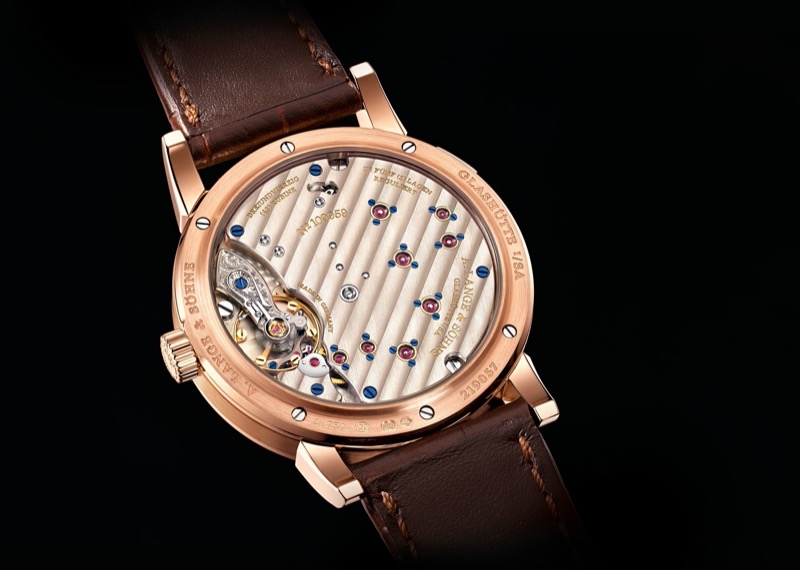
Bridges look thicker. Engraving feels personal. The finishing has a hand-built character that refuses to hide under a layer of industrial polish. Collectors who graduate into an A. Lange and Sohne pre-owned watch often mention the same phenomenon: the first time they flip the case over. The view through the sapphire back frequently feels more intimate than the dial itself.
From a value standpoint, these Saxon pieces historically traded below their Swiss counterparts at retail parity. The secondary market tightened significantly in recent years. Certain references, especially the Lange 1 and the Datograph, now show a level of resilience that rivals the heavy hitters from the Alps.
Brand Equity vs Craft Density
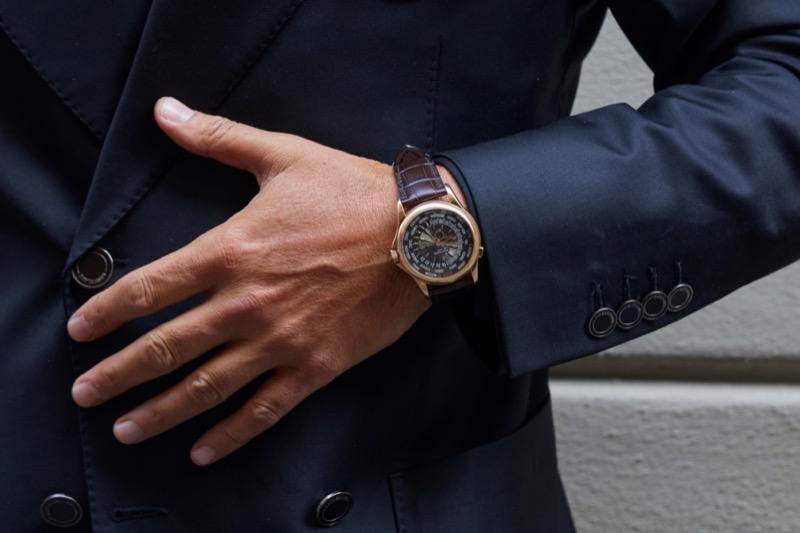
First-time buyers must be honest about their motivations. Swiss brands, especially those from the holy trinity, offer immediate recognition. You can walk into a boardroom and no one needs an explanation. The logo does the heavy lifting.
German brands usually require a conversation. This is not a drawback. It remains a core part of the appeal. A Lange on the wrist signals that you did your homework and opted for the deep cut over the radio hit.
The numbers tell the story of two different worlds. Switzerland produces roughly 16 to 20 million watches per year across all tiers. Germany’s output represents a mere fraction of that, with Glashütte-based manufacturers occupying a small sliver of global production.
Scarcity does not automatically equal superiority. It does, however, change the ownership experience. Choosing the German path means joining a smaller, quieter club that prioritizes mechanical depth over mass-market visibility.
Design Philosophy: Flash vs Restraint
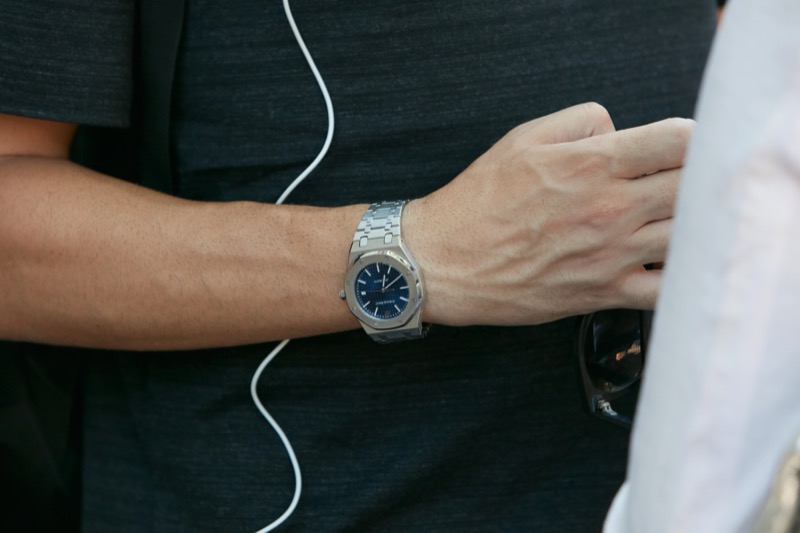
Swiss sports models, especially those with integrated bracelets, lean toward the bold. The Royal Oak bracelet remains a benchmark for comfort, but it announces its presence the moment it catches the light. This is design intended to be seen.
German dress watches prefer suggestion. The Lange 1’s off-center dial is distinctive without ever becoming flashy. Case profiles usually remain under 40 mm, highlighting proportion over sheer wrist presence.
Men who favor sharp tailoring often gravitate toward Germany first, while those who enjoy making a visible design statement lean Swiss.
Investment Reality Check
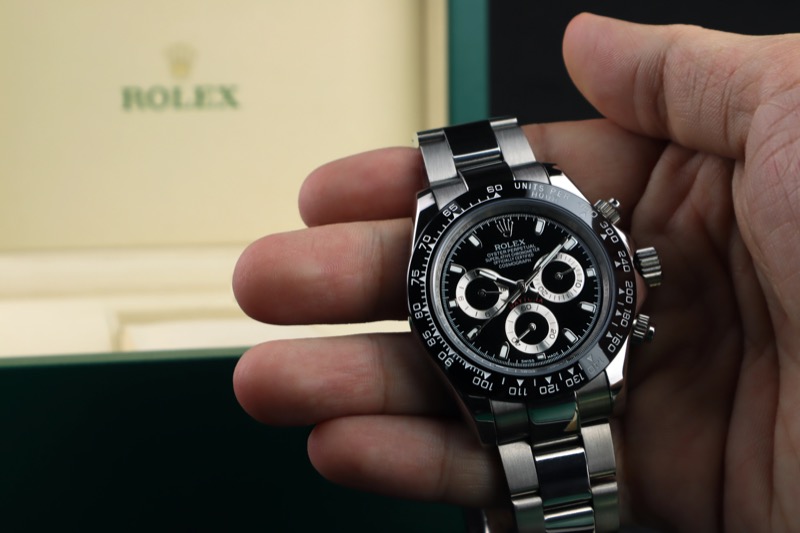
Let’s remove fantasy from the conversation. No modern luxury watch is a guaranteed investment. The 2021 bubble made that painfully obvious. However, certain segments show structural demand that transcends temporary market hype.
The Royal Oak line benefits from decades of brand equity and massive pop culture visibility. It trades frequently and maintains deep buyer pools worldwide. If you require flexibility and easier exit options, the Swiss establishment is generally the safer harbor.
Lange pieces attract a more specialized buyer. Liquidity is thinner because these watches trade less frequently, but collector loyalty runs high. This is a path for those who favor craft density and long-term collecting depth over a quick exit. Choosing German offers a specific kind of satisfaction that the mainstream market rarely touches.
So Which One Should You Buy?
If this is your first serious mechanical watch and you want recognition, liquidity, and a wide ecosystem of references, start with Switzerland. A Royal Oak establishes you in the conversation immediately. It is a design that needs no introduction, carrying the momentum of half a century of cultural dominance.
If you value engineering nuance, historical resilience, and movement architecture that rewards scrutiny, start with Germany. A Lange often marks the beginning of a deeper, more personal phase of collecting. It is the choice of someone who values the secret over the statement.
The honest answer is that most seasoned collectors end up owning both. They eventually realize that the two schools of watchmaking don’t compete; they complete each other.
The better question might be this: do you want your first watch to impress other people, or to impress you every time you turn it over? That distinction will guide the decision far more than nationality ever could.