Men’s accessories have entered their pragmatic era. The flex goes beyond pure logos. It’s the piece that quietly upgrades everything you wear and still makes sense when your day goes from a client meeting to an airport lounge to dinner in one day.
The new luxury is useful and intentional. And, increasingly, it’s emotional in a way men’s jewelry hasn’t been allowed to be for a long time. If the past few seasons have taught us anything, it’s that modern style is about systems.
This includes the minimalism of European runways to the real-life uniform of elevated basics. These modular wardrobes feature repeatable silhouettes and fewer, but better, items. Jewelry, at its best, works the same way. It’s not “extra.” It’s infrastructure.
The Rise Of “Wear It Daily” Jewelry (And Why It’s Replacing The Status Watch)
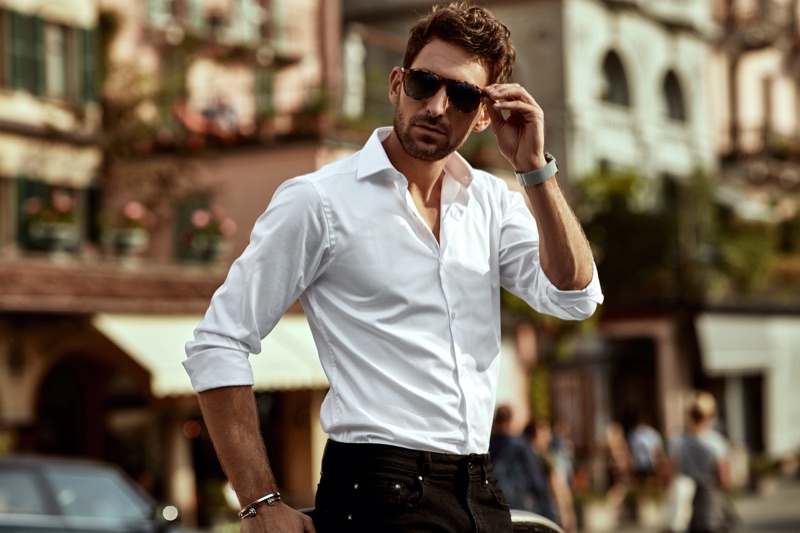
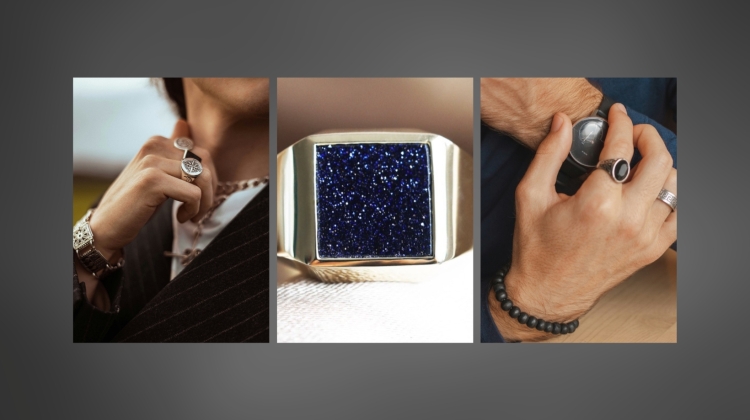
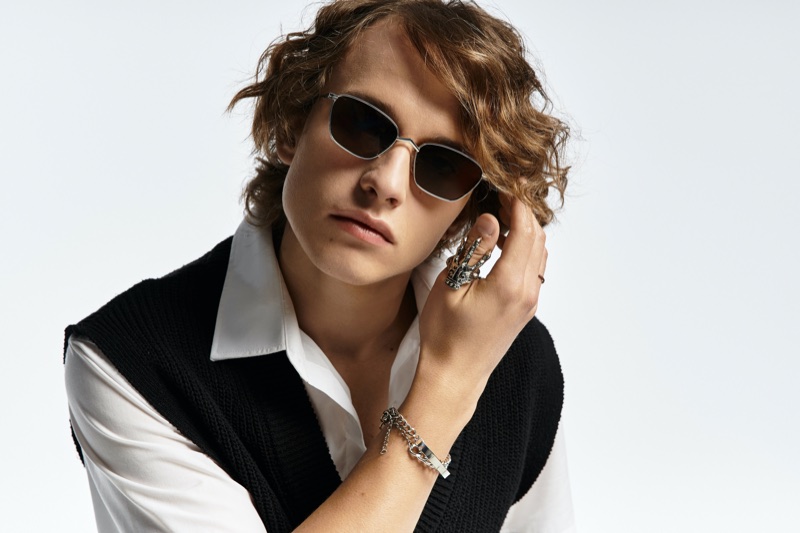
Watches aren’t going anywhere, but they’re no longer the only shorthand for taste. Chains have gone slimmer, rings more architectural, bracelets more streamlined. These are pieces designed to live on the body rather than sit in a box waiting for a special occasion.
What’s driving this shift is the same thing driving modern menswear:
- Versatility over novelty: one bracelet that works with a suit and a hoodie.
- Built for real wear: metal that doesn’t need babysitting.
- Design that reads premium without trying: clean lines, subtle finishes, no fussy embellishment.
- Meaning you don’t have to explain: the best pieces feel personal, even when they look minimal.
And that last point is where jewelry is quietly becoming the most relevant “gift category” again. This applies especially in relationships where time zones do more damage than jealousy ever could.
Totwoo: Milan-Born Smart Jewelry That Made Connection Stylish
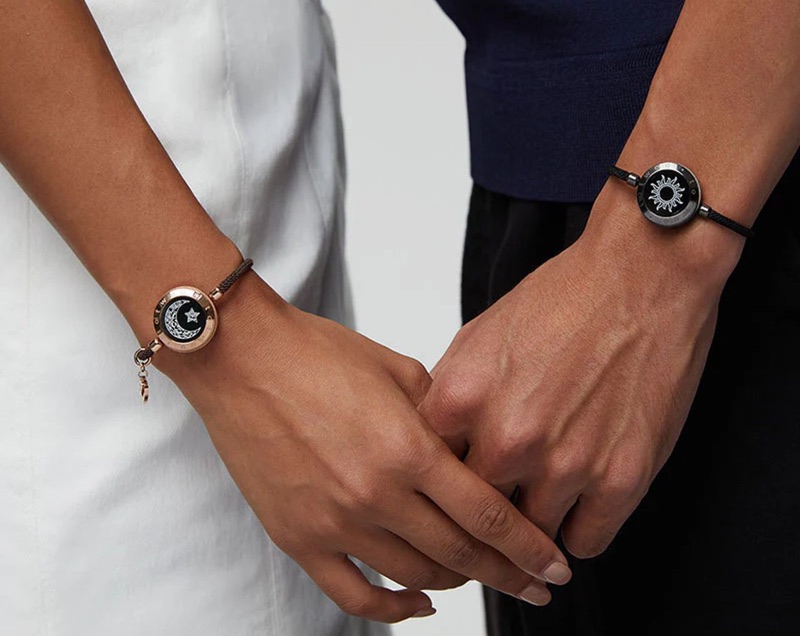
Totwoo sits right in the middle of this utility-meets-design movement. Born in Milan in 2015, Totwoo is widely recognized as a global leader in smart jewelry. It’s an idea that sounds niche until you remember we already wear technology on our bodies every day.
The difference is that Totwoo doesn’t lead with screens or notifications. It leads with feeling. Pop culture did what pop culture does: it made the concept mainstream. Totwoo was famously featured on Netflix’s Love is Blind, which is basically a cultural laboratory for modern intimacy.
In a show built on distance, uncertainty, and emotional signaling, a piece of jewelry that communicates without a phone call makes perfect sense. It’s romantic without being theatrical.
But let’s talk about how the designs look. Totwoo leans into sleek stainless steel designs. This is exactly what men’s accessories need right now.
- clean and architectural in appearance
- resilient enough for daily wear
- easy to style with mixed metals, leather, denim, or tailoring
- more understated than high-shine precious metals (and often more wearable)
If you’re building a modern wardrobe, such as good denim, structured outerwear, tailored trousers, and premium basics, stainless steel jewelry fits like punctuation. It completes your clothes rather than competing with them.
It also happens to make sense as a gift, especially one that feels intentional rather than performative. It’s a quiet way to say “I love you” without turning the moment into a spectacle. Lean into that idea with Valentine’s gift boxes from Totwoo.
Why “Smart” Matters Now: Men Want Function, Not Fuss
There’s a particular kind of male shopper who will spend weeks comparing the perfect white tee, the perfect sneaker, the perfect carry-on. He doesn’t want to get more; he just wants to get it right. That mindset is exactly why “smart” can work in jewelry.
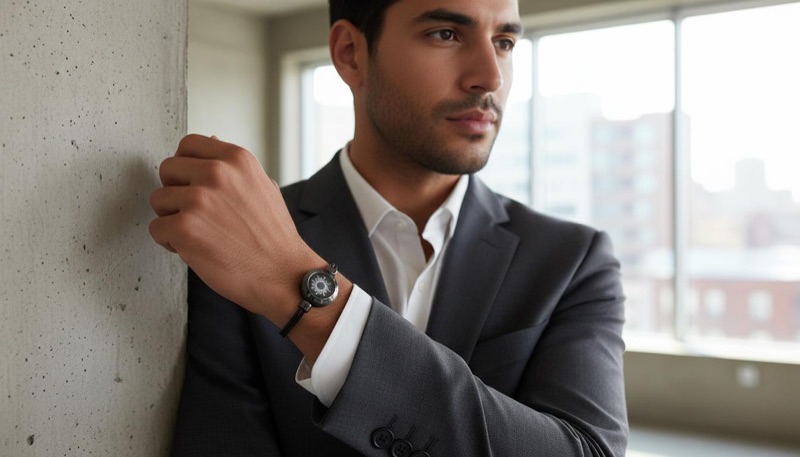
For most men, smart jewelry is about reducing friction rather than being futuristic. The value proposition is simple: a piece that looks like jewelry, wears like jewelry, and quietly adds one useful layer, without turning your wrist into a screen.
The best versions of this trend share a few traits:
- Discreet signal, not constant notifications: a gentle glow or subtle vibration that feels private, not public.
- Minimal interaction: one tap, one gesture, and you are done.
- Real-life durability: sweat, travel, long wear, and daily movement should not feel like a special event.
- Emotional utility: a quiet cue can mean more than a long message when life is busy, or distance is involved.
In a world where everything competes for attention, the appeal is restraint. A small, wordless cue can feel more intimate than a paragraph.
What Makes Smart Jewelry Feel Premium
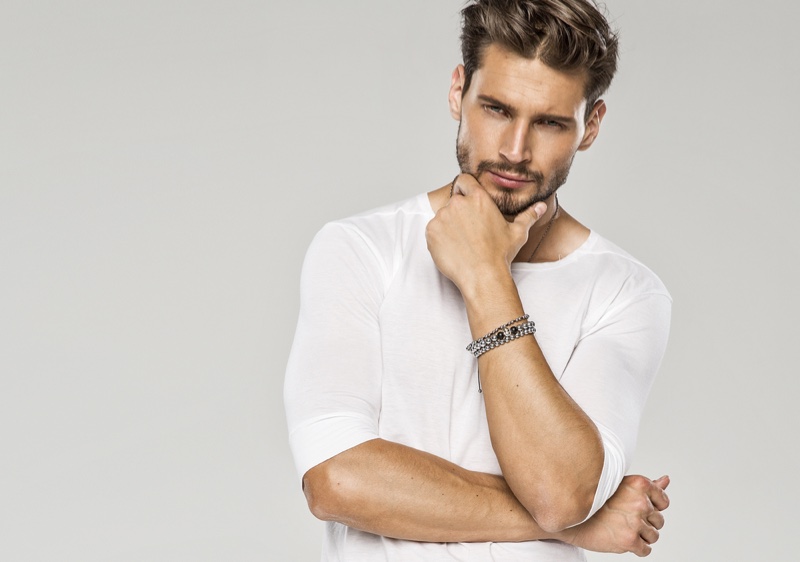
Utility is only luxurious when the object stays beautiful and effortless. In practice, that comes down to product decisions that most people don’t notice until they live with the piece.
Look for fundamentals that matter in daily wear:
- Jewelry-first proportions: clean lines, balanced weight, comfortable edges.
- Materials that age well: stainless steel, titanium, and other hard-wearing metals that do not demand constant care.
- A finish that stays sharp: brushed or matte surfaces often hide wear better than high shine.
- Simple upkeep: easy charging, reliable pairing, and an experience that doesn’t require babysitting.
The goal is for the “smart” part to disappear into your routine. If it feels like tech maintenance, it stops feeling like style.
Design Credibility: When Wearables Stop Looking Like Gadgets
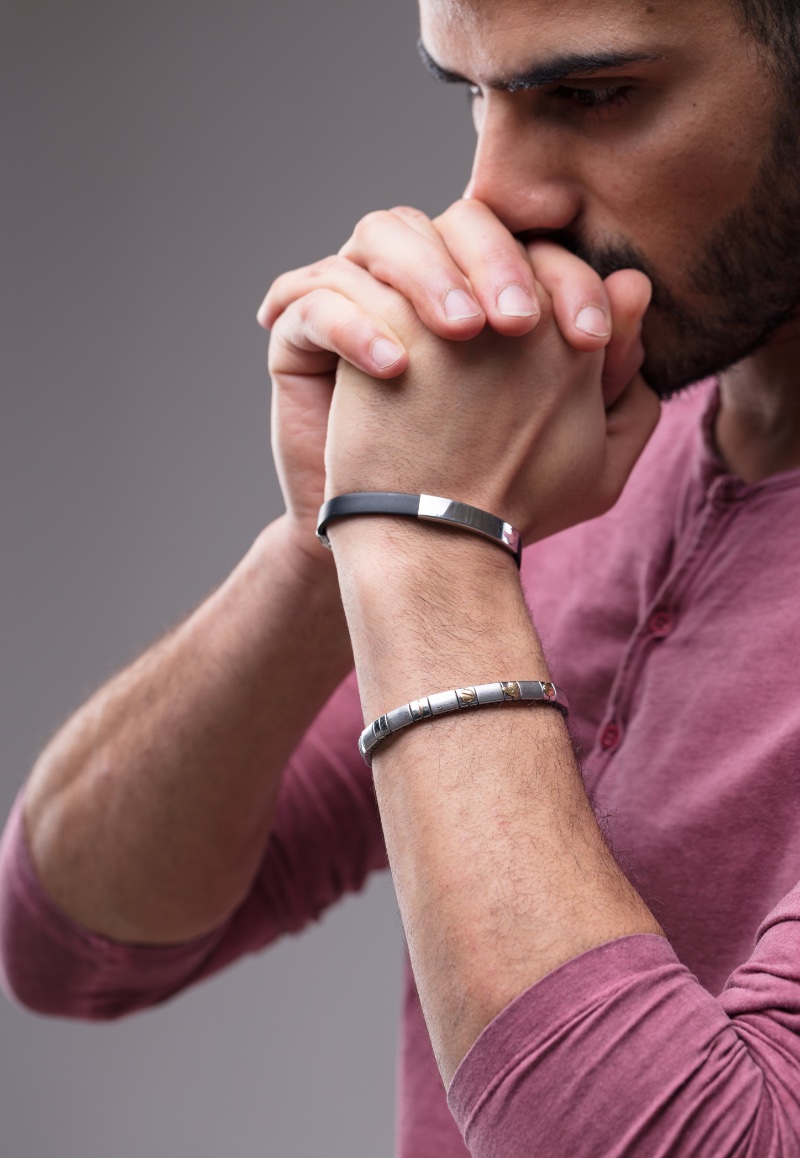
Design awards and industry recognition can be useful signals, but the bigger test is whether the piece reads as intentional jewelry in real life. You should be able to wear it with tailoring and never have someone assume it’s a device.
The strongest designs usually avoid the obvious pitfalls. That means no bulky housings,
no exposed “tech” visual language, no distracting lights or overdone branding, and no fussy styling requirements.
Some brands lean into this “jewelry first” approach by focusing on subtle, sensory cues rather than screens, keeping the experience personal and the aesthetic clean.
How Men Are Styling Utility Jewelry Now
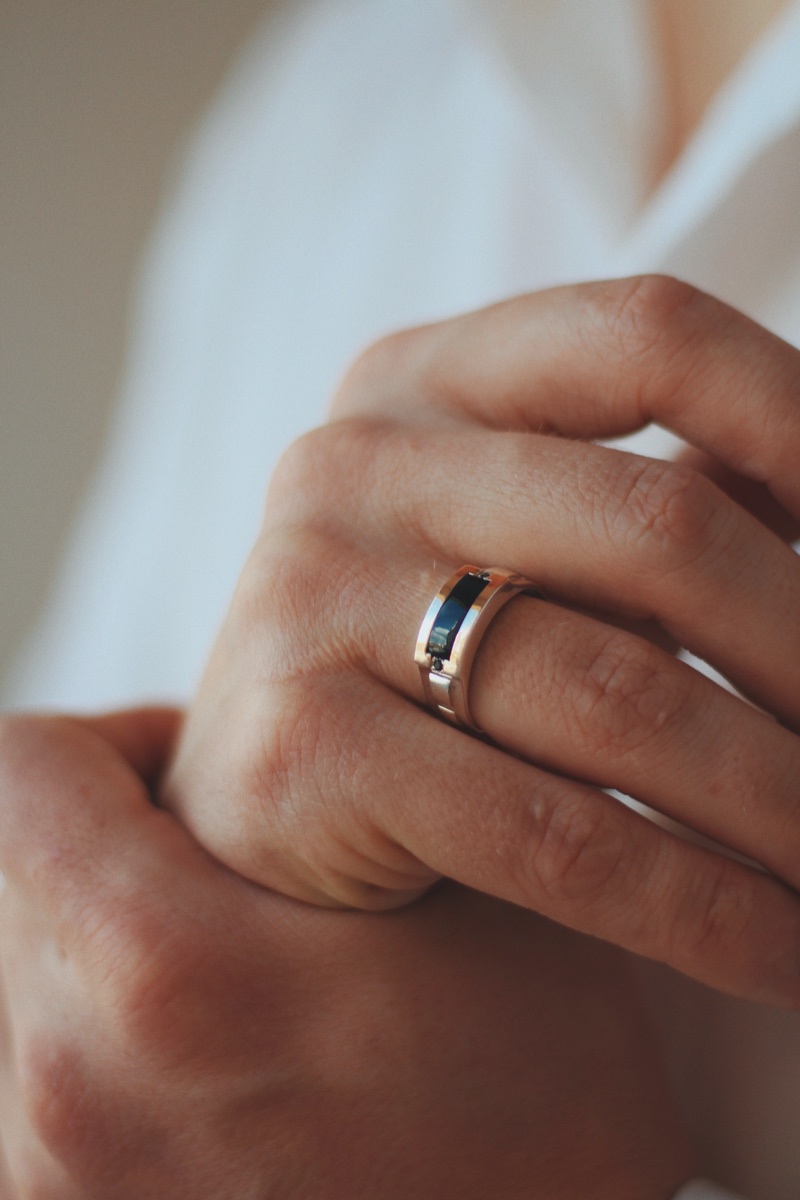
The most modern way to wear meaningful jewelry is almost not to style it at all. The goal is integration.
With tailoring: a slim stainless steel bracelet peeking out under a crisp cuff, controlled, intentional.
With streetwear: layered chain, tee, overshirt, the jewelry adds polish without killing ease.
With travel fits: knit polo, relaxed trousers, clean sneakers, a bracelet that reads put together even at gate B12.
And for gifting, utility jewelry works best when it doesn’t feel like a “special occasion” item. The win is something a man actually wears, because it fits his wardrobe system and his day-to-day rhythm.
If you’re already thinking ahead to a 2026 Valentine’s gift, aim for pieces that are stylish enough for daily wear and meaningful enough to feel personal. Today, luxury leans into what you live in rather than just something you save.